REVIEW · ALGHERO
Alghero: Dolphin Watching Tour with Marine Researcher
Book on GetYourGuide →Operated by MareTerra Group SNC · Bookable on GetYourGuide
Dolphins off Alghero can show up fast.
This MareTerra ERC dolphin-watching trip turns a classic boat outing into a real research mission—plus you’ll get out in the water for guided snorkeling during the summer season. I like that you’re not just hunting for a sighting; you’re learning how bottlenose dolphins live close to shore and how scientists track their health and movements.
Two things I especially like: you’ll watch researchers collect photo-ID and behavior notes while you’re on the water, and you’ll follow the HQWW® international code of responsible dolphin watching. One consideration: because these are wild animals, there’s a chance you won’t spot dolphins—and there’s no refund if that happens.
In This Review
- Key highlights at a glance
- Dolphin Watching With MareTerra ERC: What Makes It Different
- Where You Meet Along the Lungomare and What Boarding Feels Like
- The 3-Hour Dolphin Search (April, May, October): How the Hunt Works
- The 4-Hour Tour in Summer: Snorkeling in Capo Caccia and Isola Piana (June–September)
- Responsible Watching (HQWW®) and the Science You’ll Actually See
- Coastal Scenery and the Real Rhythm of a Sea Day
- What to Bring (and What Will Make the Day Better)
- Sea Conditions, Comfort Limits, and Who Should Skip It
- Price and Value: Why $59 Can Make Sense Here
- Should You Book This Dolphin Watching Tour?
- FAQ
- FAQ
- What months are the dolphin-watching-only and snorkel versions?
- Where does the tour start in Alghero?
- How long is the experience?
- Is snorkeling included?
- Are dolphins guaranteed to be spotted?
- What’s included in the tour price?
- What languages are offered?
- Are there bathroom facilities on the boat?
- Who should not join this excursion?
- What should I bring for the boat and possible snorkeling?
Key highlights at a glance
- 80%+ sighting success based on their monitoring and experience
- Marine biologists from MareTerra ERC guiding the whole outing
- HQWW® responsible approach that aims to minimize stress and disruption
- On-water science in action: photo identification, location, and behavior records
- Hydrophone listening for dolphin sounds if conditions permit
- June–September snorkeling in the Capo Caccia and Isola Piana Marine Protected Area
Dolphin Watching With MareTerra ERC: What Makes It Different
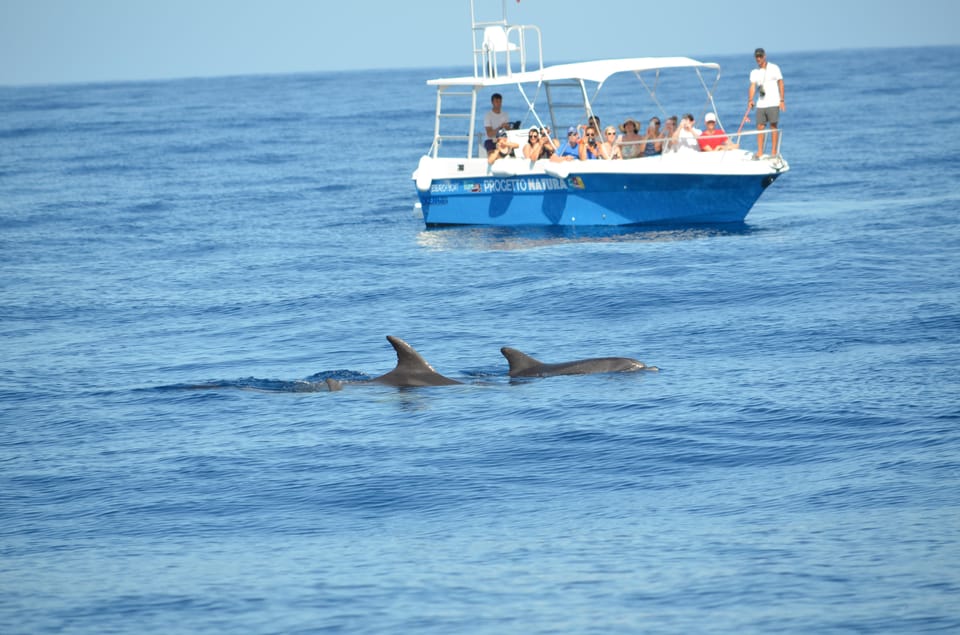
Alghero’s coastline is stunning, but this tour is built around one extra layer: you’re heading out with scientists who study what you came to see. The boat ride is part education, part fieldwork, and part conservation support. You’ll spend the time learning how dolphins use coastal areas, how researchers recognize individuals, and what they’re trying to protect.
You also get a practical benefit from the way they run the outing. The tour doesn’t follow one rigid route. The navigation direction is chosen after leaving port, based on recent monitoring activity, where dolphins were moving, and what the sea conditions are like that day. Translation: the trip is designed to respond to real marine life, not a fixed checklist.
You can also read our reviews of more tours and experiences in Alghero.
Where You Meet Along the Lungomare and What Boarding Feels Like
You’ll meet in front of the Cicloexpress bike rental shop along the Lungomare Barcellona promenade in Alghero. A MareTerra ERC researcher meets you there and brings you to the boats—so don’t bother checking with Cicloexpress staff, since they’re not part of the operation.
The boats are specifically set up for dolphin-watching in the Gulf of Alghero. That matters because you’ll be out for a few hours, and you’re going to want a safe, stable setup for scanning the water, holding position when dolphins appear, and doing snorkeling transfers during the summer months.
One more small detail I appreciate for planning: there’s no bathroom on board. On a 3–4 hour outing that’s not the end of the world, but it’s the kind of comfort factor you should know up front so you can plan your timing and bring water like they suggest.
The 3-Hour Dolphin Search (April, May, October): How the Hunt Works
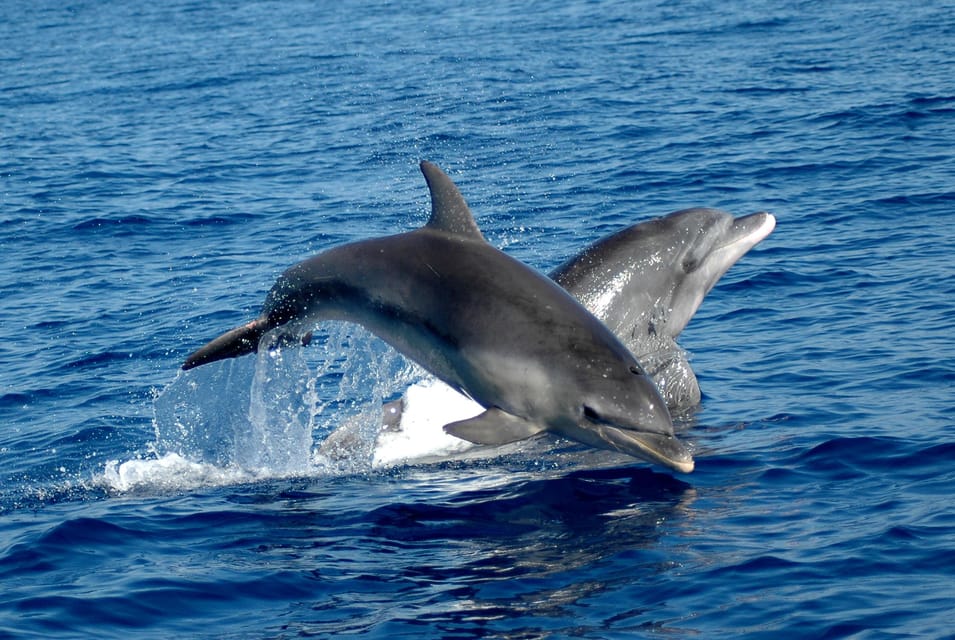
In April, May, and October, you’re on the 3-hour dolphin-watching version. This is the best option if you mainly care about dolphins and want a shorter commitment.
Here’s what you can expect during the search:
- As you leave the port, the direction you go depends on recent monitoring and the actual movement of dolphins.
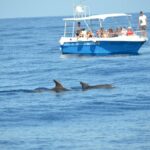
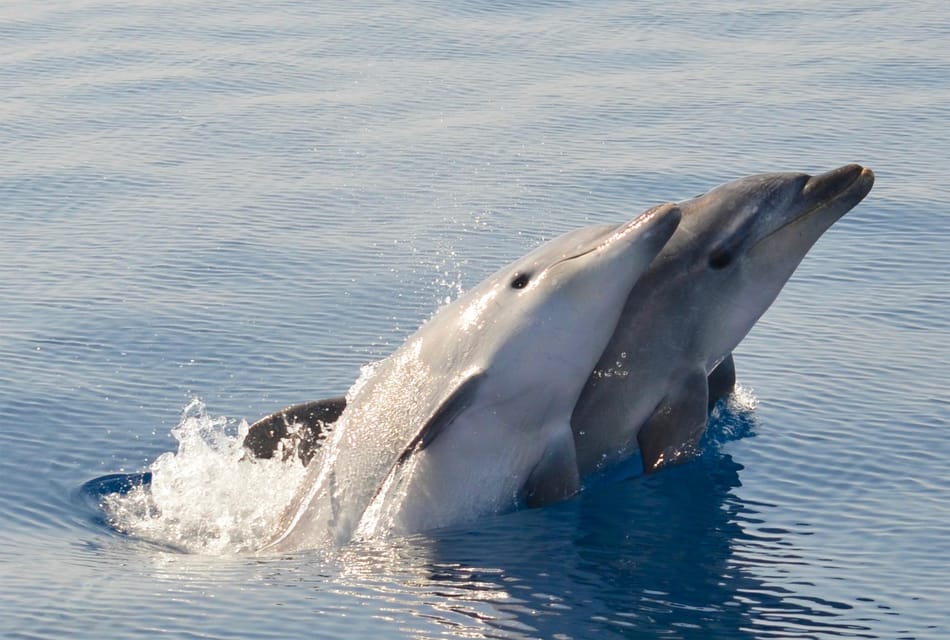
- During the ride, you’ll learn about the resident bottlenose dolphin population that stays near the coast.
- If dolphins are spotted, the team approaches in a careful way consistent with the HQWW® code, with the goal of keeping dolphins comfortable in their daily routine.
They also explain what happens when dolphins appear beyond just sightseeing. Researchers may collect real scientific data right then, including photo identification. That’s how individual dolphins can be recognized from photos of their dorsal fins, even when the group is moving.
And yes, sightings are common. Their stated performance target is over 80% of tours, but they’re also clear that no one can control the ocean. If there’s nothing to see, it’s because the dolphins were somewhere else—not because the team skipped effort.
The 4-Hour Tour in Summer: Snorkeling in Capo Caccia and Isola Piana (June–September)
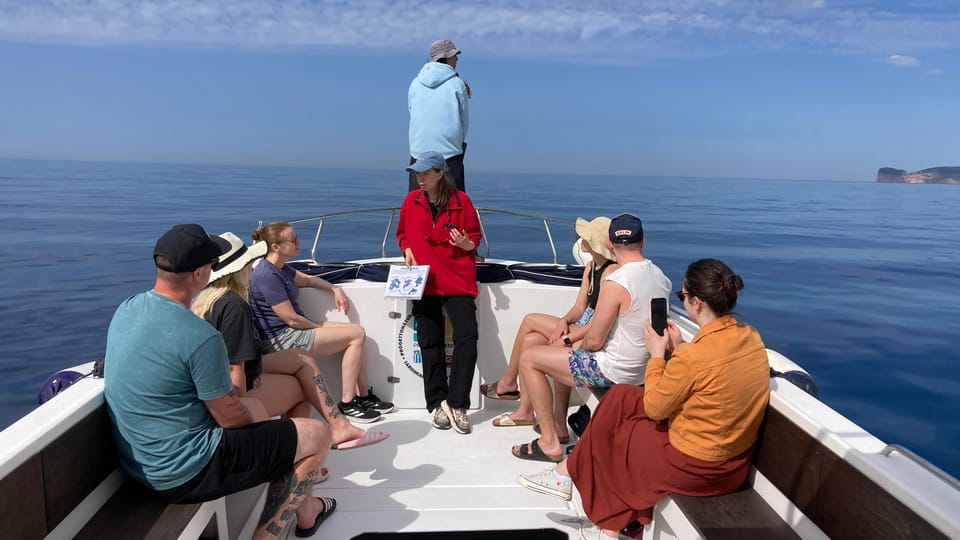
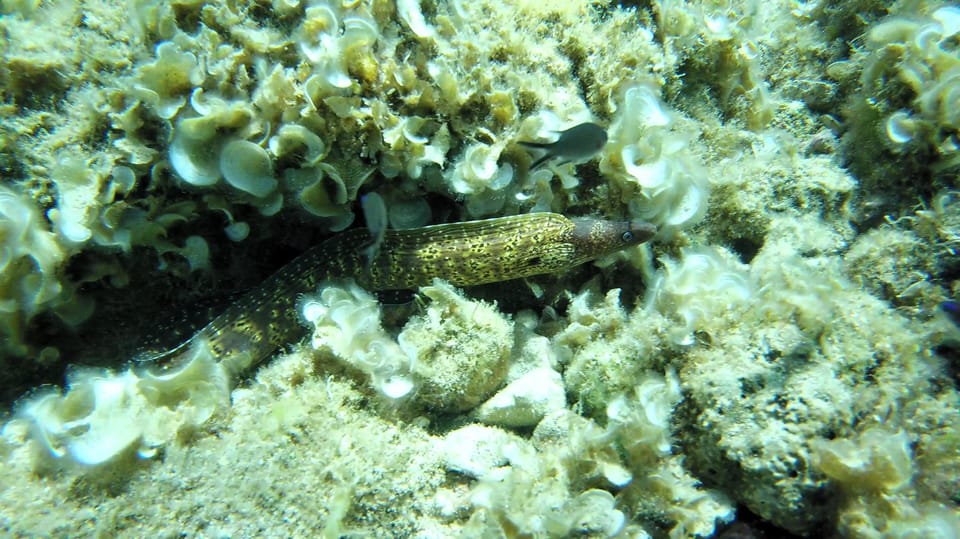
From June to September, the experience runs 4 hours and includes guided snorkeling in a protected area. After dolphin watching, the group stops for about 1 hour in the Marine Protected Area of Capo Caccia and Isola Piana.
What makes this stop worth it is the pairing: you’re already learning about dolphins as part of a coastal ecosystem, and then you get to view that ecosystem from the water. You’ll be provided with masks and fins. You’ll also be guided, which is helpful for two reasons: you’ll know where to look, and you’ll get safety and comfort tips for the specific conditions at the site.
You should treat this snorkeling segment as part of the itinerary, not an add-on. They suggest you come ready in advance by having your beach towel and putting on your swimsuit ahead of time, because timing matters once you’re at sea and moving between activities.
One more detail: guided snorkeling is only offered during this summer window. If you’re traveling outside June–September, plan on dolphins only.
Responsible Watching (HQWW®) and the Science You’ll Actually See
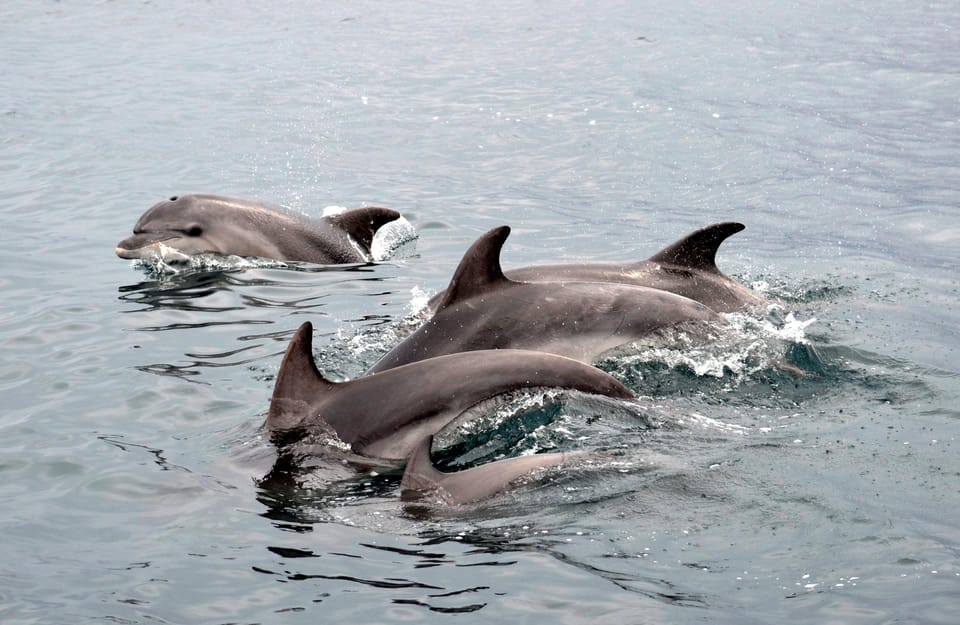
This is the big reason the tour feels different from a typical dolphin boat outing. The team follows the High Quality Whale Watching (HQWW®) code of conduct, which is designed to reduce the impact of boats on dolphins.
When dolphins are present, you’ll understand what responsible watching looks like in practice:
- careful approach and positioning
- attention to the animals’ behavior
- time spent observing without forcing contact or pressure
At the same time, you’re not just hearing abstract facts. You may actually see researchers doing field tasks while dolphins are nearby. The data collection described includes:
- photo identification (recognizing dolphins by dorsal fin photos)
- geographic location recording
- behavioral observations
They also mention that this information is used in peer-reviewed scientific journals. Even if you never read those papers yourself, it matters that the tour ties directly to research outputs—not just donations without follow-through.
If conditions permit, there’s also a chance to use a hydrophone to listen to dolphin communication sounds for bioacoustics research. It’s not guaranteed, but when it happens, it’s a memorable way to connect what you’re seeing with what dolphins are doing underwater.




Coastal Scenery and the Real Rhythm of a Sea Day
No matter the month, the Gulf of Alghero scenery is a constant theme. You’ll get background on what you encounter along the way, which keeps the time from feeling like dead travel between sightings.
The tour also has a rhythm you should expect:
- time underway while the team searches
- time watching and observing once dolphins are found
- a return to port at the end of the planned duration
Because the route can change based on monitoring and sea conditions, the itinerary feels flexible. That’s a plus for wildlife watching, but it also means you shouldn’t treat it like a guaranteed checklist with one specific view you can plan around in advance.
And for comfort planning, the tour runs in coastal weather that can shift. They recommend dressing in layers, especially during spring and autumn tours, and they even note that cold Mistral winds can happen in summer. Translation: even if it’s sunny on shore, you’ll want something warm for the boat ride.
What to Bring (and What Will Make the Day Better)
For this tour, packing is simple, but it’s not casual. Bring items that match sea time and water time.
Bring:
- Warm clothing (layers work best)
- Sunglasses and a hat
- Sunscreen
- A towel
- If you’re snorkeling (June–September): beach towel and be ready with your swimsuit
Also consider:
- A camera, if you want dolphin photos
- Your own water, since they suggest bringing it on board
If you run hot or cold easily, layers are your best friend. The boat is exposed, and you’ll appreciate having something that handles wind without slowing you down.
What’s not allowed is also worth noting before you show up:
- no drones
- no smoking
- no alcohol or drugs
- no littering
- no feeding animals
These rules aren’t just for show; they reduce risk and keep wildlife interactions respectful.
Sea Conditions, Comfort Limits, and Who Should Skip It
Even well-run dolphin tours can get bumpy. One practical warning that shows up in the experience data: the sea can be rough at times. If you get seasick easily, consider preparing for that. They also list the tour as not suitable for certain groups, so it’s worth respecting those limits for your safety.
Not suitable for:
- children under 5
- pregnant women
- people with heart problems
- people over 75
And remember the reality of wildlife tours: the team studies these dolphins and has strong sighting odds, but they can’t guarantee dolphins will be visible the day you go. No refund is given in case of no sighting, so it helps to book with the mindset of wildlife watching as a chance-based adventure.
Price and Value: Why $59 Can Make Sense Here
At $59 per person, this tour isn’t just a boat ride. You’re paying for marine biologists onboard, access to a protected marine area during the summer snorkeling period, and equipment for snorkeling (June–September). More importantly, your participation supports MareTerra ERC’s research and conservation projects.
The best way to judge value here is to match your priorities:
- If you want dolphins and you care about how they’re studied, the on-water photo-ID and behavior monitoring are part of what you’re buying.
- If snorkeling is a must, you’ll get a guided session only in June–September in the Capo Caccia and Isola Piana Marine Protected Area, with masks and fins included.
- If you’re mainly looking for a quick entertainment cruise, you might find this style more “science-led” than some other boat trips.
There’s also a practical value angle: the tour is priced like a mid-range excursion for a real guided experience, and the transport quality is rated very highly, with 90% of reviewers giving a perfect score.
Should You Book This Dolphin Watching Tour?
Book it if you want wildlife viewing with an actual research backbone, not just a photo opportunity. The HQWW® responsible approach, the chance to see scientists collecting data, and the possibility of identifying resident dolphins all push this beyond standard sightseeing.
I’d also book it if you’re traveling in the summer and want both dolphin watching and guided snorkeling in a Marine Protected Area. The June–September format gives you the full package in one outing.
Skip it (or choose a different activity) if:
- you need a guaranteed animal encounter, since there’s always a possibility of no sighting and no refund in that case
- you’re sensitive to rough sea conditions, given that boats can feel choppy
- you fall into one of their listed “not suitable” categories for health and age reasons
- you’ll be uncomfortable with no bathroom onboard
If you’re flexible, dress in layers, and go in ready to learn, this is the kind of day that makes you feel you understood what you saw—and why it matters.
FAQ
FAQ
What months are the dolphin-watching-only and snorkel versions?
The 3-hour dolphin-watching tour runs in April, May, and October. The 4-hour dolphin-watching plus guided snorkeling tour runs June to September.
Where does the tour start in Alghero?
You’ll meet in front of the Cicloexpress bike rental shop along the Lungomare Barcellona promenade. A MareTerra ERC researcher will meet you there and guide you to the boats.
How long is the experience?
It’s listed as 3 to 4 hours, depending on the season and whether snorkeling is included.
Is snorkeling included?
Snorkeling is included only from June to September. You’ll stop for about 1 hour in the Marine Protected Area of Capo Caccia and Isola Piana and use provided masks and fins.
Are dolphins guaranteed to be spotted?
No. Since dolphins are wild animals, there’s always a chance of no sighting, and no refund is given if no dolphins are spotted.
What’s included in the tour price?
Included options cover dolphin watching with marine biologists (and snorkeling in summer), certified local nature guides, access to the Marine Protected Area (summer), MareTerra ERC marine biologists on board, and masks/fins for snorkeling (June–September).
What languages are offered?
The live tour guide provides information in English and Italian.
Are there bathroom facilities on the boat?
No, there is no bathroom on board.
Who should not join this excursion?
It’s not suitable for children under 5, pregnant women, people with heart problems, and people over 75.
What should I bring for the boat and possible snorkeling?
Bring warm clothing, sunglasses, a hat, a towel, and sunscreen. They also suggest bringing water, and for June–September you should bring a beach towel and be ready with your swimsuit.