REVIEW · CATTOLICA
Aquarium of Cattolica Entry Ticket
Book on GetYourGuide →Operated by C-WAY Srl Unipersonale · Bookable on GetYourGuide
Sharks and penguins in one day. The Aquarium of Cattolica turns a former 1930s marine-colony building into a world tour under glass, with four indoor routes and big-name animals like bull sharks.
What I like most is the mix of animal time plus science that’s actually built for real learning: you get 3000 specimens across 400 species, plus 3D models and exhibits designed for careful observation. One drawback to keep in mind: it’s mostly a self-guided visit, so if you’re hoping for a spoken guide walking you through the meaning of everything, you’ll want to rely on the signs and exhibits instead.
In This Review
- Key highlights to plan around
- Entering the aquarium’s 1930s marine-colony setting
- Four colored indoor routes: Blue, Yellow, Green, Purple
- Blue: marine environments
- Yellow: river environments
- Green: reptile house
- Purple: educational exhibition Giant Insects XXL Edition
- Deep Sea highlights: bull sharks, rays, turtles, and jellyfish
- Bull sharks and Italy’s big-shark moment
- Rays and the underwater “side act” that steals attention
- Jellyfish: where patience pays off
- Penguin time: Humboldt penguins and hands-on energy
- Otters and stingrays: feeding sessions that shape your route
- Otters: the attention-grabbers
- Stingrays: the “wait and watch” moment
- Interactive features: mangroves, shark-mouth spectacle, and anti-plastic education
- Behind-the-scenes and reptile-house secrets (extra observation)
- Lunch and breaks that keep the day sane
- Summer bonus: World of Dinosaurs and fossil digging
- Practical value: is the $25 ticket worth it?
- How to plan your walk for a smooth 1-day visit
- A simple strategy that works
- Where people get tripped up
- Should you book the Aquarium of Cattolica ticket?
- FAQ
- Where is the Aquarium of Cattolica?
- How long is the visit?
- When is the ticket valid?
- Does the ticket skip the ticket line?
- What does the ticket include inside the aquarium?
- Are feeding sessions included?
- Is lunch included?
- Can I cancel or modify the ticket?
- Is it wheelchair accessible?
Key highlights to plan around
- Former marine colony setting from the 1930s, shaped like a fleet of ships
- Four colored routes (Blue, Yellow, Green, Purple) to organize your walk
- Big animals on the menu: bull sharks, Humboldt penguins, otters, rays, jellyfish, and more
- 70+ 3D models enlarged from 20 to 200 times, with scientific value recognized by several universities
- Feeding sessions focused on bull sharks, penguins, otters, and stingrays
- Summer addition: World of Dinosaurs with fossil digging in a shaded excavation area
Entering the aquarium’s 1930s marine-colony setting
The Aquarium of Cattolica isn’t just a building with tanks. It sits inside an architectural complex with historical weight: a former marine colony from the 1930s, with shapes that recall a fleet of ships. That matters because it changes the mood. You’re not starting in a generic mall-style attraction. You’re walking into a space that feels like it was built for marine life long before this aquarium version existed.
It also helps you pace yourself. The building’s layout and the aquarium’s own indoor “routes” make it easier to keep moving instead of getting stuck trying to decide what to see next.
Four colored indoor routes: Blue, Yellow, Green, Purple
Your ticket organizes the aquarium into four indoor routes, each identified by a color. This is one of the smartest parts of the experience, especially on a single-day visit. Instead of wandering randomly, you can follow a plan.
Blue: marine environments
This is the route where the ocean energy is the main event. Expect tanks built around marine animals and habitats, including dramatic predators and soft-bodied sea life. If you’re coming for sharks, rays, jellyfish, and that underwater “what am I looking at?” feeling, this is where most of that happens.
Yellow: river environments
Not everything is ocean. The Yellow route shifts you toward river ecosystems, which is a nice break from saltwater-only thinking. It gives you a second angle on how aquatic life adapts to different environments, rather than treating water as one uniform thing.
Green: reptile house
The Green route takes you to reptiles. For many families and animal lovers, this is a great contrast: you go from fish-forward displays to land-and-water reptiles. It also pairs well with the next route, because reptiles and insects tend to hold attention for longer than you’d expect, especially for kids.
Purple: educational exhibition Giant Insects XXL Edition
The Purple route is the teaching-focused side of the aquarium, with Giant Insects XXL Edition. What stands out here is the way it uses oversized models and close-up anatomy to show how insects work. Even if you’re not a science person, the format is designed to slow you down and notice details.
Deep Sea highlights: bull sharks, rays, turtles, and jellyfish
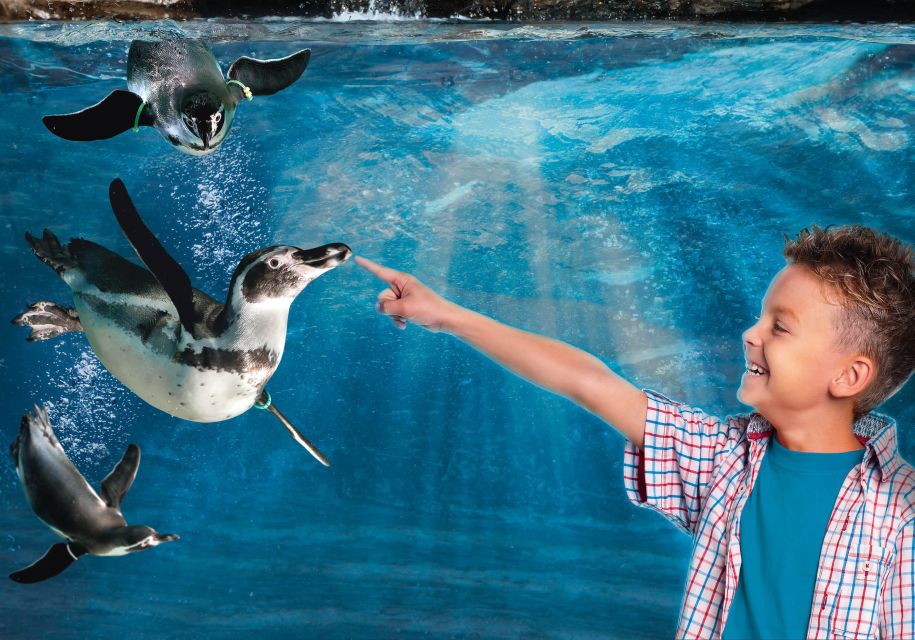
If you want the headline animals, plan your day so you don’t speed past them. The aquarium holds the kind of species list that can feel like a greatest-hits playlist: jellyfish, rays, turtles, and sharks are part of the core experience.
Bull sharks and Italy’s big-shark moment
Bull sharks are a key feature here, described as among the largest bull sharks in Italy. That’s not a tiny selling point. A bigger shark display changes the vibe of the tank—you get a sense of scale that’s hard to get from smaller exhibits.
Rays and the underwater “side act” that steals attention
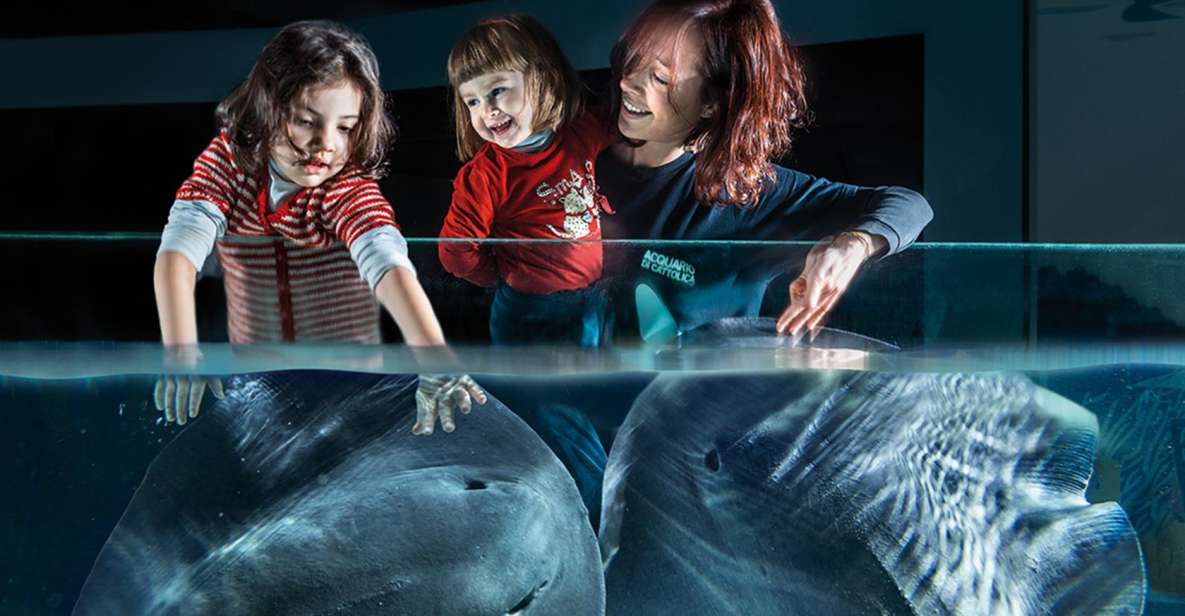
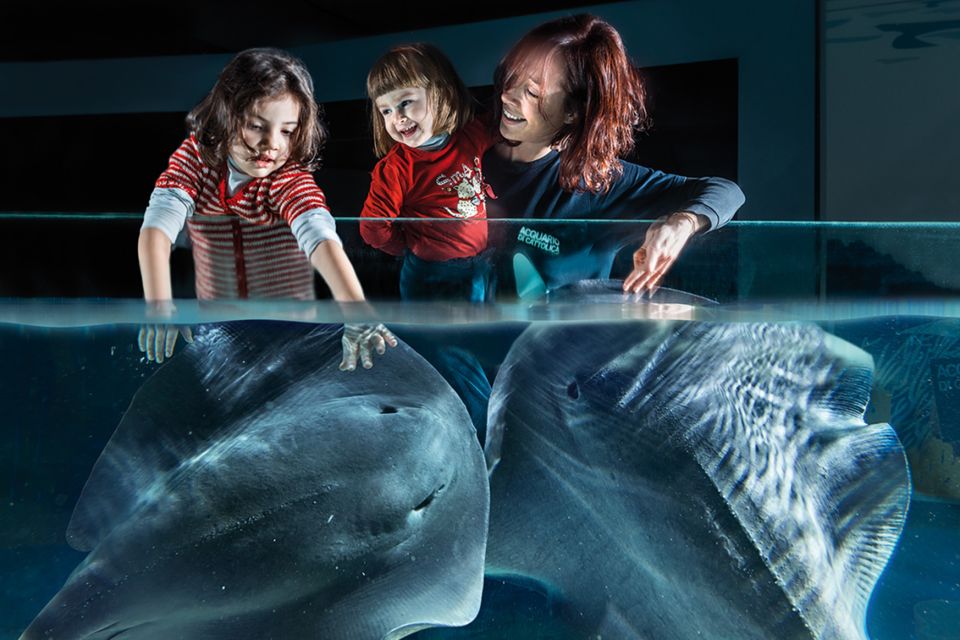
Rays often become the favorite for people who think they’ll only be interested in sharks. Their motion is slower, their shapes are striking, and they’re easier to observe for longer stretches—especially if you like watching how animals behave, not just where they pose.
Jellyfish: where patience pays off
Jellyfish are another highlight because they reward quiet observation. Their movement is its own kind of show. For anyone visiting with kids, this is a good area to slow down; it’s easy to look together without needing constant explanation.
Penguin time: Humboldt penguins and hands-on energy
For many people, the best part is the moment you realize you’re about to see penguins up close and then time it to when something happens. Humboldt penguins are a standout highlight, and the aquarium leans into their charm with both exhibits and feeding sessions.
One of the most useful things you can do is treat the penguin area as a “must-see block” rather than a random stop. If you time your route right, you avoid the common problem of arriving late and missing the active moments.
And yes, penguins are just plain fun. They’re also good for teaching kids about behavior—how they move, how they group, and how they react to their environment.
Otters and stingrays: feeding sessions that shape your route
This aquarium doesn’t only show animals. It schedules moments where animals are active and visible during feeding sessions. The sessions called out here include bull sharks, penguins, otters, and stingrays.
That’s a practical detail with real impact. Feeding time turns passive looking into something you can time your walk around. It also helps the day feel more structured, which matters when you’re doing a lot in one trip.
Otters: the attention-grabbers
Otters tend to be a magnet for kids and adults alike. They move with purpose, they interact with their space, and they often keep repeating patterns that make it easier to follow what you’re seeing.
Stingrays: the “wait and watch” moment
Stingrays are often best observed when you have a bit of time. At feeding, you’re more likely to catch them moving from resting positions. It makes the exhibit feel more alive.
Interactive features: mangroves, shark-mouth spectacle, and anti-plastic education

Beyond the tanks, the aquarium includes interactive-style stops. These are useful because they break up long indoor circuits and give kids something to do besides stare.
You’ll find things like:
- A giant shark mouth feature that adds a playful angle to the predator theme
- A mangrove grove section, which helps you connect the animal displays to habitats that exist in the real world
- A plastic-focused area called Plastifi-niamola on the theme of plastic waste in the sea
That last part is where the visit becomes more than entertainment. If you’re bringing kids, you can use it as a conversation starter about cause and effect: what ends up in the ocean doesn’t just disappear.
There’s also a play trail described as In the footsteps of the emperor penguin, inviting children to trace Antarctic penguins’ migrations. Even though it’s themed, the goal is the same: learning through movement, not lectures.
Behind-the-scenes and reptile-house secrets (extra observation)
If you want a more exclusive view, the aquarium offers Extraordinary Encounters, including options like Behind the Scenes and The Secrets of the Reptile House. The idea is simple: you get a different level of access than the main self-guided routes.
I like adding experiences like this because they cut through the “so many tanks” feeling. Even without knowing every detail of what you’ll see, these encounter formats usually help you focus on one theme rather than trying to sprint across the entire aquarium.
Lunch and breaks that keep the day sane
A full aquarium day can be tiring, so it’s good that you’re not forced to skip food. There’s an internal snack bar, plus the Pesce Azzurro restaurant outside for a more proper break.
If you’re visiting with kids, this is also your recharge moment. Food plus a bathroom stop resets everyone’s energy so you can keep enjoying tanks instead of counting down the minutes.
Summer bonus: World of Dinosaurs and fossil digging
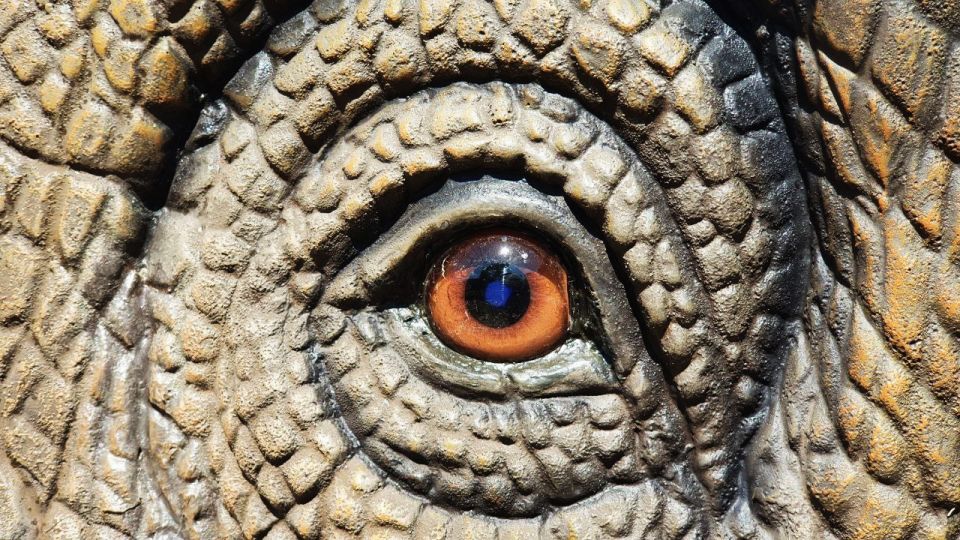
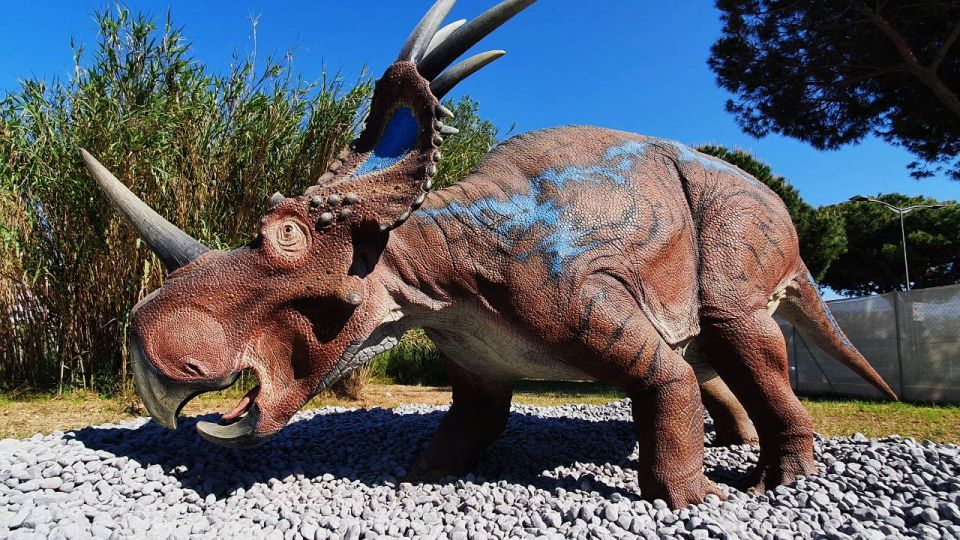
In summer, your ticket includes The World of Dinosaurs, an outdoor area that recreates a prehistoric plain. It’s populated with hyper-realistic dinosaur reproductions, including Tyrannosaurus Rex and Spinosaurus, described as 16 meters long.
Even more fun for families is the shaded excavation area, where children can unearth prehistoric fossils like real paleontologists. For kids, this does two things: it burns energy in a positive way, and it turns the dinosaur display into an activity, not just scenery.
Important practical note: the dinosaur part is specifically tied to summer inclusion. If you’re traveling outside that season, you should treat the aquarium as the main show.
Practical value: is the $25 ticket worth it?
At about $25 per person for a 1-day visit, the value comes from volume and variety. You’re not paying for one highlight. You’re paying for a lot of content in a structured format.
Here’s what makes it feel like more than a simple aquarium stop:
- 3000 specimens across 400 species, so the day doesn’t collapse into repetition
- Four route system, which helps you cover the attraction without wandering in circles
- 3D models and educational exhibits with scientific recognition from multiple universities, including the University of Pisa, University of Padua, University of Bicocca of Milan, University of Taiwan, and Drexel University’s Academy of Natural Sciences
- Optional seasonal outdoor add-on in summer with dinosaurs and fossil digging
Could it feel like a lot for some people? Yes. If you only care about a single animal type, you might find yourself filtering and skipping. But if you like variety, this ticket rewards you.
How to plan your walk for a smooth 1-day visit
You can absolutely do this in one day, but I recommend a simple approach so you don’t end up tired and unfocused.
A simple strategy that works
- Start with the color route that matches your top interest (Blue for ocean lovers, Purple if you want the educational models).
- Build your day around the feeding sessions you care about. You’ll get the most energy and motion then.
- Use the interactive areas—mangroves, the shark-mouth feature, and Plastifi-niamola—as your natural breaks between tank-heavy sections.
- If you’re adding an encounter like Behind the Scenes or Secrets of the Reptile House, schedule it so it doesn’t yank you away from the route you’re already following.
Where people get tripped up
Because the visit is self-guided, you’ll want to slow down at signs and exhibits, especially in the Purple route and the educational 3D model areas. One of the practical complaints people make about the experience is that there isn’t always someone talking you through it. That doesn’t make the museum “bad,” but it does mean your enjoyment depends on how much you like reading and observing.
Should you book the Aquarium of Cattolica ticket?
Book it if you want a family-friendly day that mixes big animals, interactive learning, and a clear route system. It’s a strong pick for kids who get restless if an attraction is too lecture-heavy, and for adults who enjoy seeing animal behavior and habitat themes laid out in an organized way.
Consider skipping or adjusting your expectations if you’re specifically looking for a fully guided, narrated experience. This aquarium shines most when you treat it as a self-paced walk with smart educational support.
If you’re traveling in summer and the outdoor dinosaur area is included for your dates, that extra block is a big reason to choose this ticket—especially for families who want more than just indoor tanks.
FAQ
Where is the Aquarium of Cattolica?
It’s at Piazzale delle Nazioni, 1A, 47841 Cattolica RN, Italia.
How long is the visit?
The ticket is for 1 day.
When is the ticket valid?
Tickets are valid the day after purchase.
Does the ticket skip the ticket line?
Yes, the entry ticket includes skipping the ticket line.
What does the ticket include inside the aquarium?
Entry gives access to four indoor routes identified by colors: Blue (marine), Yellow (river), Green (reptile house), and Purple (educational exhibition Giant Insects XXL Edition). It also includes the Dinosaurs World area in summer.
Are feeding sessions included?
The aquarium includes feeding sessions with bull sharks, penguins, otters, and stingrays during the day.
Is lunch included?
Lunch is included only if you select the lunch option.
Can I cancel or modify the ticket?
No. Tickets are non-refundable and cannot be canceled or modified.
Is it wheelchair accessible?
Yes, the aquarium is wheelchair accessible.