REVIEW · AMALFI
Authentic Cooking with Locals: Meal, Wine & Scenic Views
Book on Viator →Operated by Bè Genuine Home Experience · Bookable on Viator
Fresh pasta, sea views, and family wine. This small-group cooking experience in Praiano puts you in the middle of Carla and Rocco’s home routine—starting with a drink, then working through homemade pasta and dessert using garden and fishing ingredients, with the famous coast close by.
I love the small group size and how it feels like a real dinner table, not a factory-class. I also love the pasta instruction vibe—hands-on, guided step by step, with technique you can use later. One thing to consider: because the meal is family-style and seasonal, you may not be doing every single task at every single moment, especially with sauces and timing.
In This Review
- Key highlights you’ll actually care about
- Praiano NaturArte start near La Praia and the watchtower
- You’re welcomed into Carla and Rocco’s home kitchen and garden views
- Wine, aperitif, and the pace of a real Italian meal
- Pasta lesson that’s built for actual technique, not just shapes
- What you cook depends on harvest and the day’s catch
- Dessert, handcrafted digestives, and taking the recipes home
- Price, group size, and who this class is best for
- Quick planning tips so you enjoy it from minute one
- Should you book this Amalfi cooking class?
- FAQ
- How long is the cooking and dining experience?
- Where does the experience start and end?
- Is the tour offered in English?
- What is the maximum group size?
- What food and drinks are included?
- Do I need to book through a mobile ticket?
- What happens if weather is poor?
Key highlights you’ll actually care about
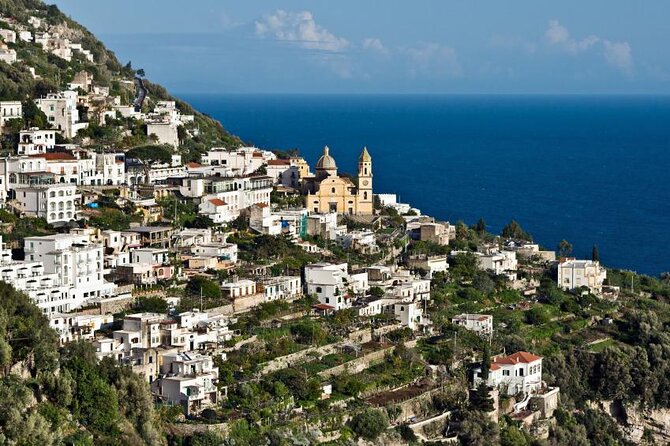
- Praiano NaturArte start: You begin near the NaturArte route and the Praiano watchtower area, with the beach La Praia close by.
- Home-kitchen access (not studio theater): You cook and dine in a private setting with garden ingredients and local routines.
- Seasonal menu that changes: Dishes shift with garden harvest and the day’s catch, so your meal won’t always match the sample menu.
- Wine and aperitif included: You start with a glass of homemade wine plus a small homemade aperitif, then finish with handcrafted digestives.
- Hands-on pasta shapes and sauces: You make starter, two types of pasta, sauce, and dessert (varies by season).
- Intimate group, max 10: A small number of people keeps the pace calm and the teaching more personal.
Praiano NaturArte start near La Praia and the watchtower
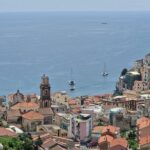
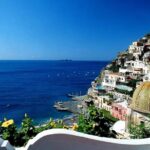
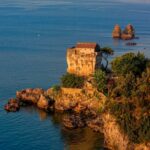
This experience begins in Praiano at La Moressa italian bistro (P.zza Moressa, 1). It’s a practical spot: you’re close to La Praia beach and also near the NaturArte artistic route, plus the very famous Praiano watchtower area. Even before you cook, you’re in the right mood—coast views, walkable energy, and that “this is where locals actually spend time” feeling.
From a value point of view, this matters. A lot of Amalfi activities start somewhere random and involve a long scramble. Here, the meeting point is easy to orient to, and it’s set up for a smooth transition from meeting to the home kitchen.
You should know the menu is seasonal. The sample options include classic Neapolitan-style eggplant (like eggplant with “boot” or stuffed pepper styles), then homemade pasta in a Praiano style or with garden-forward flavors, followed by a traditional dessert such as a trifle-style dessert by Mamma Annamaria or a zesty citrus pudding. In real life, you might see a variation depending on what’s growing and what’s fresh that day. That can be a drawback if you’re chasing one exact dish, but it’s also what makes the meal feel local and not copy-paste.
Tip: wear shoes you’ll feel good in on a short walk. The whole experience is designed to move you from the meeting spot to the home setting and back, and Praiano is a town built for feet, not just taxis.
You can also read our reviews of more tours and experiences in Amalfi.

You’re welcomed into Carla and Rocco’s home kitchen and garden views
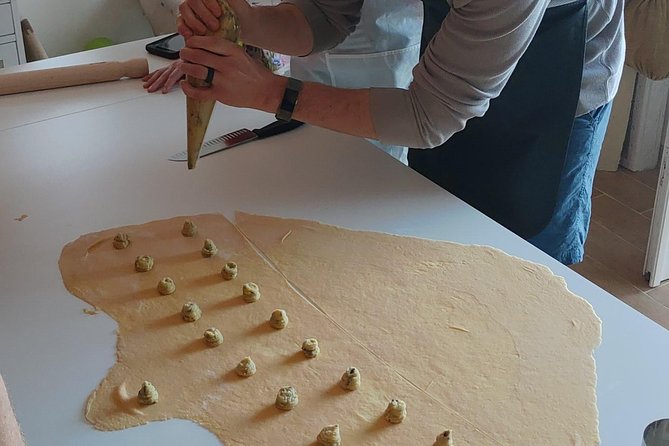
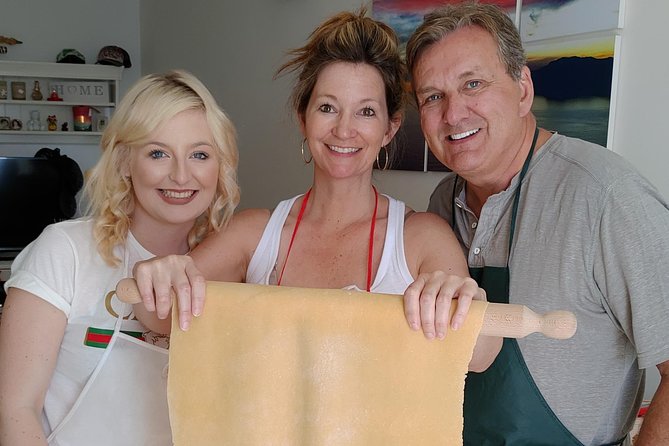
The moment you arrive, the tone is relaxed and personal. You start with a glass of wine they make themselves, plus a small homemade aperitif. Then you settle in and start cooking—break the ice, meet the table, and get to work.
What stands out (and what you should value) is the setting. Many classes happen in kitchens that feel like training rooms. This one is built around the hosts’ real home flow, including their garden produce and the idea that some ingredients connect back to their day—whether it’s harvest or fishing moments. In practice, it turns a cooking class into something closer to a family meal with a lesson threaded through it.
You also get that “shared time” feel. The experience is capped at 10 travelers, and many people describe it as intimate—small enough that you’re not stuck watching from the sidelines. The outdoor area is also practical: there’s shaded space mentioned in the reviews, so you’re not just under harsh sun for the whole session.
One more small detail that helps: they’re not only teaching recipes. They talk about their family and their experience running this kind of hospitality. That’s why people leave with the sense that they learned something real about Italian cooking—plus they often walk away with local suggestions for the rest of the trip, not just a meal.
If you’re sensitive about feeling intrusive in someone’s home, set your expectations kindly. This is hosted at a family residence. You’ll be part of the household rhythm during the session, so go in with a respectful mindset.
Wine, aperitif, and the pace of a real Italian meal
In Amalfi, the temptation is to rush: quick photos, quick pasta, quick checkmark. This experience takes the opposite approach. You begin with wine and a homemade aperitif before you cook, so the first phase feels like conversation and settling in—not lining up, not waiting, not doing paperwork.
That pre-cooking drink isn’t just a perk. It changes the pace. You get to talk, ask questions, and get your bearings before you start handling dough and ingredients. That matters because pasta-making isn’t just “follow steps.” It’s texture, timing, and feel.
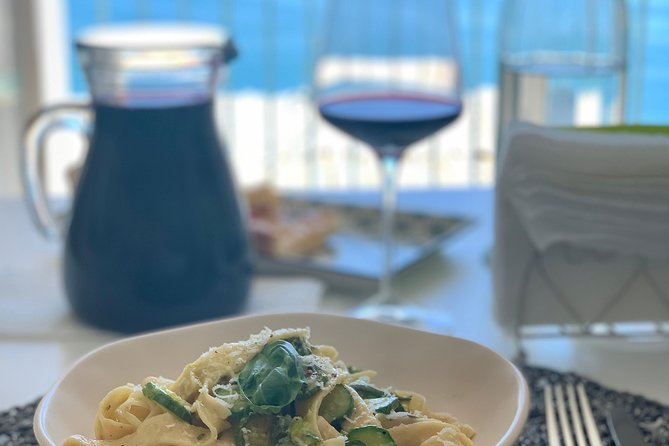
You then work through a full meal format: starter, two pasta courses, dessert, and finishing with handcrafted digestives. The digestives are part of the tradition of closing the meal, and they’re also a nice way to keep things coherent—like your evening has a natural landing point instead of being chopped into separate activities.
What to do with this information: plan to eat this as your main food experience for the session. Since you’re learning while you eat, you won’t want to “just snack” beforehand.
Also, if you’re a wine person, this is a strong match. The experience includes wine made by the hosts, and people consistently rate the wine as one of the best things they had along the coast.
Pasta lesson that’s built for actual technique, not just shapes
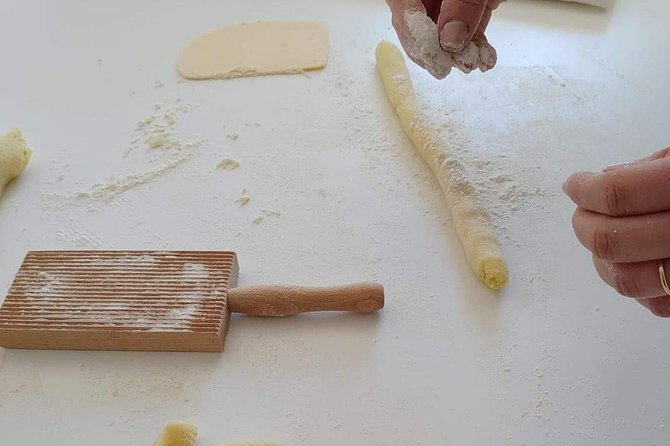
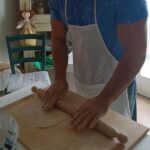
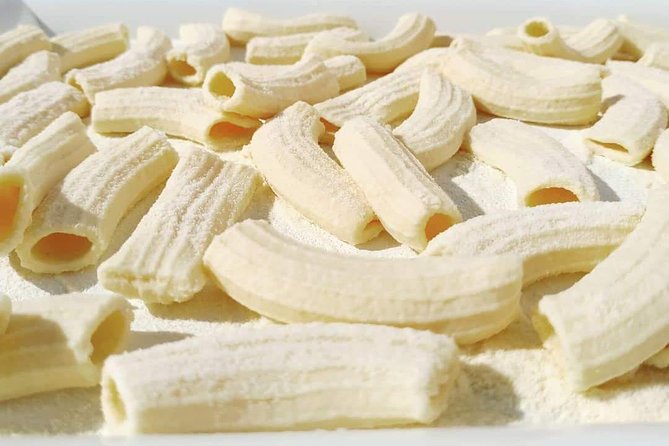
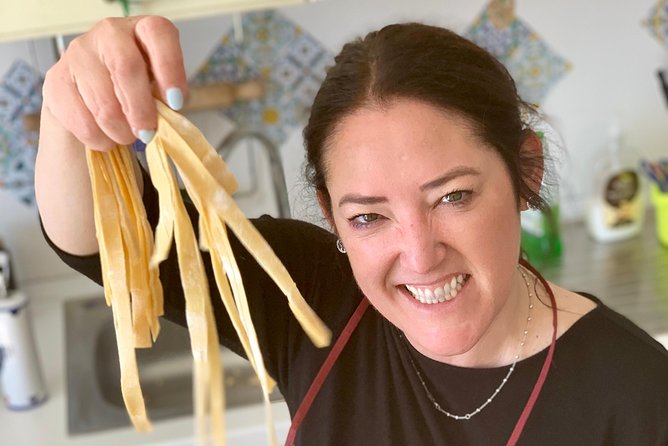
Here’s the core reason this class gets such high praise: you make pasta yourself. Not just observe. Not just assemble a plate. You get guided hands-on instruction so you learn how to shape and handle fresh dough.
The menu example gives a clear idea of what you’ll work on:
- Starter: classic Neapolitan-style eggplant dishes (for example, stuffed eggplant or stuffed bell pepper variations)
- Main: homemade pasta with Praiano style flavors or garden-fresh flavors
- Dessert: traditional Italian trifle style dessert by Mamma Annamaria or zesty citrus pudding
But the bigger lesson is how the hosts teach the logic behind the cooking. Fresh pasta needs different handling than dry pasta, and learning how that dough behaves helps you later when you try again at home.
In one practical way, this class gives you confidence: you’re not just learning a recipe. You’re getting tips that translate. Some people specifically mention that they’ve made pasta before but couldn’t nail the dough—then the guidance clicked.
The teaching style also fits the small group. You get time to do your part, ask questions, and still keep the session moving. If you prefer a classroom vibe with strict roles and timed stations, this might feel slightly more organic. If you prefer real kitchen talk and learning by doing, it’s ideal.
One possible downside to consider: like any family kitchen meal, not every second is a hands-on cooking moment for every participant. A couple of people felt less involved with certain parts, especially sauces that may be partially handled already or timed separately. If your personal goal is maximum engagement every minute, tell yourself you’re signing up for an experience with teaching plus cooking, not a fully synchronized “everyone stirs together” show.
What you cook depends on harvest and the day’s catch
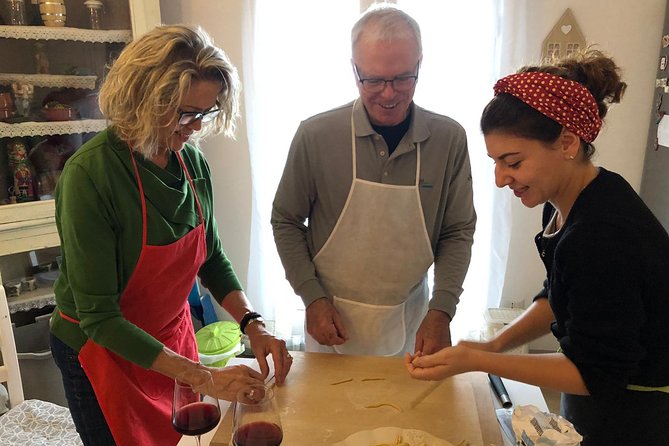
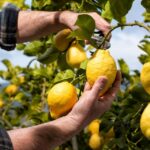
Seasonality is not a buzzword here. It changes what ends up on your plate. The menu varies based on what’s in the garden and what comes from fishing moments. That means you might learn a version of eggplant or vegetables that match what’s fresh at the time, and your sauces may reflect the day’s ingredients.
Why that’s valuable: you’re tasting the idea of Italian home cooking, not just memorizing a fixed menu. On the Amalfi Coast, the best meals usually track what’s fresh. When a class follows that logic, you learn what matters—ingredient choice, simple flavor building, and how to make a meal cohesive from starter to dessert.
You also get to see how the hosts think about food. In many kitchens, the ingredients are just “there.” Here, ingredients feel like the story: garden produce showing up in cooking, and local catch informing the flavor choices. It’s the difference between eating and understanding.
If you’re allergic or have dietary restrictions, the provided information doesn’t spell out specific accommodations. Your safest move is to ask directly when booking and mention your needs clearly.



Dessert, handcrafted digestives, and taking the recipes home
After pasta comes dessert, and it’s not treated like an afterthought. You finish the meal with something traditional, such as the trifle-style dessert by Mamma Annamaria or a citrus pudding option. Dessert like this also helps cement the meal as “an Italian evening” rather than a single cooking lesson.
Then there’s the closing ritual: handcrafted digestives. These are made by the hosts, and they give your meal a cultural rhythm. If you like finishing with a final drink instead of jumping straight to packing up and leaving, this is a satisfying touch.
One more detail that many people appreciate: you leave with the recipes you used during the class. That’s the part that helps you get real value out of paying for a cooking experience on vacation. You’re not just eating one meal—you’re getting a repeatable plan for later.
And yes, there’s usually plenty to talk about while you digest. The hosts are friendly and humorous, and conversation flows during both cooking and eating. Even small moments, like meeting their family, can make the experience feel more human and less staged.
Price, group size, and who this class is best for
The price is $147.95 per person for about 3 hours. On paper, that’s not cheap. But when you break down what’s included, it starts to make sense: you get a full meal (starter, two pasta types with sauce, dessert), homemade wine, homemade aperitif, and handcrafted digestives, all in a setting with local ingredients and a maximum group size of 10 travelers.
That combination is the real value. You’re paying for access: the home setting, the ingredient sourcing approach, and instruction that helps you cook properly later. If your goal is just to eat a good plate of pasta in Praiano, you might spend less at a restaurant. If your goal is to learn technique and leave with recipes, this becomes much more rational.
Who it’s best for:
- Couples or small groups who want a calm, intimate experience
- Food travelers who care about technique (especially fresh pasta)
- People who enjoy meeting hosts and hearing about local food routines
- Anyone who wants wine and dessert included as part of the meal, not tacked on
Who should think twice:
- If you need a strictly scheduled, high-engagement format where you cook every minute
- If you’re expecting very large portions regardless of menu option
- If you have strict dietary requirements and haven’t confirmed accommodations
One more practical note on portions: there’s a specific complaint about portion size from one diner who felt the pasta was too small. The hosts responded with a clear idea of how portions are calculated (based on flour and egg measurements per person, and then scaled by two pasta shapes). If you’re worried about eating enough, you can consider asking what menu option is included for your booking and whether you can choose the amount of pasta accordingly.
Quick planning tips so you enjoy it from minute one
This is not a difficult tour, but you’ll have a better time if you plan lightly:
- Eat normally before you go, then treat this as your main meal for that time window.
- Bring a layer for shade-to-sun changes. Outdoor spaces can swing quickly.
- Keep your phone charged. You’ll be tempted to take photos, but don’t let it steal your attention from pasta-making.
- If you’re booking from another part of the coast, give yourself a buffer for timing. Praiano can be slower than you expect.
Also, this experience is offered in English, and you’ll get a mobile ticket. Confirmation comes at booking time. If you’re prone to last-minute schedule chaos, you’ll still be able to find what you need without extra scrambling.
Should you book this Amalfi cooking class?
Yes, if your idea of a great Amalfi day is learning by doing, eating a full meal, and getting close to how locals cook. This is the kind of experience where the wine, the pasta technique, and the family-style setting all support each other. The small group size helps a lot.
Book it confidently if you want:
- Homemade pasta instruction you can use later
- Seasonal cooking that reflects what’s growing and fresh locally
- A calm, hosted meal with wine and dessert, not a rushed demo
Skip it or ask extra questions if:
- You want nonstop hands-on cooking without any pause
- You’re very sensitive about home-kitchen etiquette
- You have dietary needs that aren’t addressed in the booking info
If your schedule allows, this is one of the most “Praiano-feels” experiences you can pick.
FAQ
How long is the cooking and dining experience?
It lasts about 3 hours.
Where does the experience start and end?
It starts at La Moressa italian bistro, P.zza Moressa, 1, 84010 Praiano SA, Italy, and it ends back at the meeting point.
Is the tour offered in English?
Yes, it is offered in English.
What is the maximum group size?
The experience has a maximum of 10 travelers.
What food and drinks are included?
You prepare and eat a meal that includes a starter, two types of pasta with sauce, dessert, and you also enjoy wine and a small homemade aperitif, followed by handcrafted digestives. The exact menu varies by season and availability.
Do I need to book through a mobile ticket?
The experience uses a mobile ticket.
What happens if weather is poor?
This experience requires good weather. If it’s canceled due to poor weather, you’ll be offered a different date or a full refund.