REVIEW · BARDOLINO
Bardolino: Vineyard Tour with Wine and Food Tasting
Book on GetYourGuide →Operated by CittàdiLazise · Bookable on GetYourGuide
A stroll among grapes and great views starts this tour off right. You’ll walk through the Bardolino vineyards with a live guide, then step into the cellar to understand how the wine is made and aged. It’s a simple setup, but the scenery and the wine talk make it memorable.
I especially love the 4-wine tasting that’s built around the flavors of the Bardolino area, paired with local cold cuts and cheese. And you don’t just get handed a glass and moved along—you learn about the 11 grape varieties grown on-site and the growing approach behind them.
One consideration: if you’re hoping for hands-on winemaking or you need vegan options, this tour won’t match that expectation. It’s more about production explained clearly and tasted well, not about watching every step up close.
In This Review
- Key takeaways before you go
- Vineyard walk in Bardolino: views, grapes, and a real sense of place
- Walking the vineyards: 11 grape varieties and sustainable growing in plain language
- From steel room to barrel room: how the wine is processed and aged
- The tasting lineup: four wines paired with Monte Veronese and Soppres
- What the guide adds: family business energy and clear explanations
- Timing, walking level, and getting there with your own transport
- Price and value: is $53 fair for a two-hour wine-and-food tour?
- Who this Bardolino tour is best for (and who should skip it)
- Should you book this Bardolino vineyard tour?
- FAQ
- How long is the Bardolino vineyard tour with wine and food tasting?
- What wines will I taste?
- Is food included?
- Are vegan meals available?
- Are dogs allowed on the tour?
- What languages is the guide available in?
- Is the tour wheelchair accessible?
- Do I need my own transportation?
- Where do I meet the guide, and is there parking?
- Can I cancel and get a refund, and do I pay immediately?
Key takeaways before you go
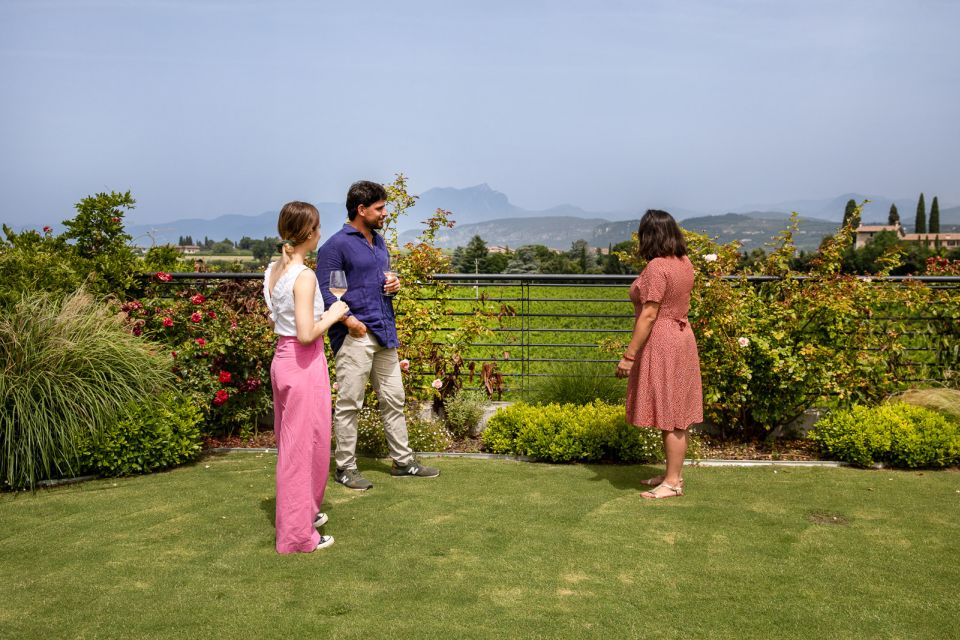
- Panoramic vineyard views that make the walk feel worth it even before tasting
- 11 grape varieties explained in context of what you’re tasting
- Gravity flow cellar tour plus a look at where wines age in barrels
- Tasting paired with local food: cold cuts and Monte Veronese cheese with local cured salumi (Soppres)
- A family-style experience, often led by guides such as Julia (and sometimes Aldo) with strong English/German
Vineyard walk in Bardolino: views, grapes, and a real sense of place
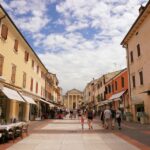
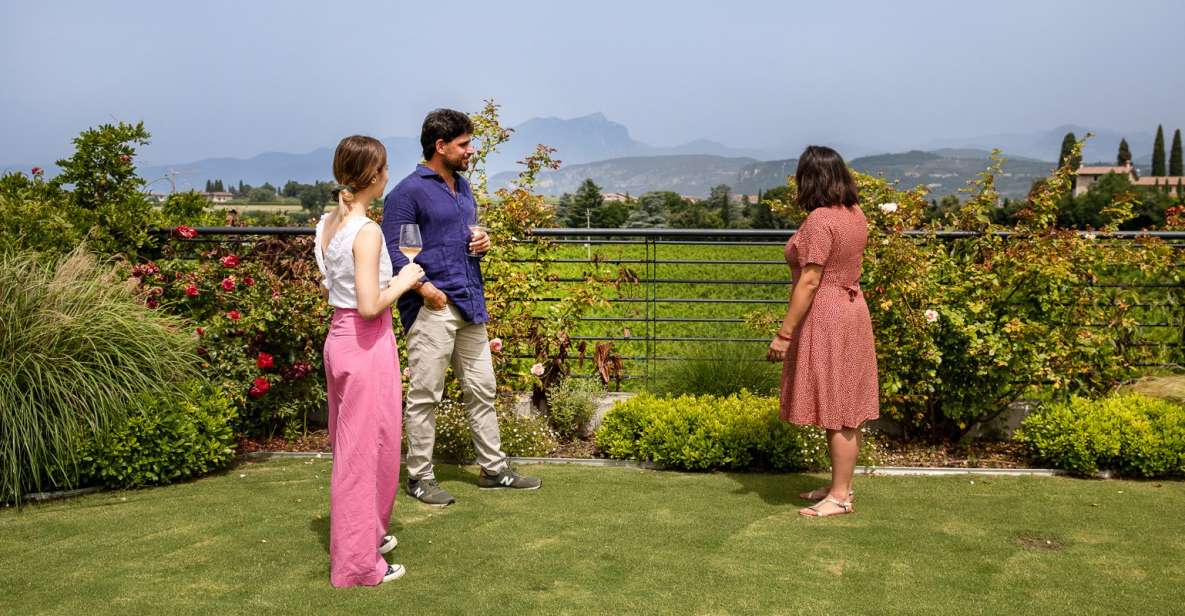
Bardolino sits on the shores of Lake Garda, and this tour leans into that advantage right away. You start by entering through the gate and making your way to the cellar, with the vineyards spread out around you. Once you’re walking, the views aren’t a random postcard moment—they’re part of how the guide explains why this area tastes the way it does.
The tour’s first job is to help you see the vineyard as something more than rows of vines. You’ll learn that Bardolino is tied to a set of grape varieties grown here, and you’ll hear how the site and growing practices influence what ends up in your glass. That matters because wine tasting becomes easier when you can place it geographically.
I also like the pacing. It’s not a long hike with a tight schedule. You get enough walking to feel connected to the vines, without it turning into a fitness test. That balance is especially helpful if you’re mixing this into a day on Lake Garda.
You can also read our reviews of more tours and experiences in Bardolino.
Walking the vineyards: 11 grape varieties and sustainable growing in plain language
The vineyard portion is where the tour starts getting educational in a useful way. You walk among the vines and learn about the 11 grape varieties grown on-site, not as a list to memorize, but as part of the winery’s identity. This is a good spot to ask questions, because the guide can connect grape behavior to the styles you’ll taste later.
You’ll also hear about sustainable practices used to grow the grapes. The tour doesn’t present sustainability as a buzzword. Instead, it’s framed as a practical approach that supports better grapes and consistency year to year. Even if you’re not the type who reads labels for farming methods, you’ll understand the point: healthier vines lead to wine that tastes more like the place.
A small but important reality check: this experience is designed as a vineyard-and-cellar tour plus tasting. If you’re expecting to see every single winemaking step operating in real time, you might feel like it’s more “explained and shown” than “watched.” Still, you’ll come away with a clearer mental map of how grapes become wine, and that’s what you want from a short, two-hour experience.
From steel room to barrel room: how the wine is processed and aged
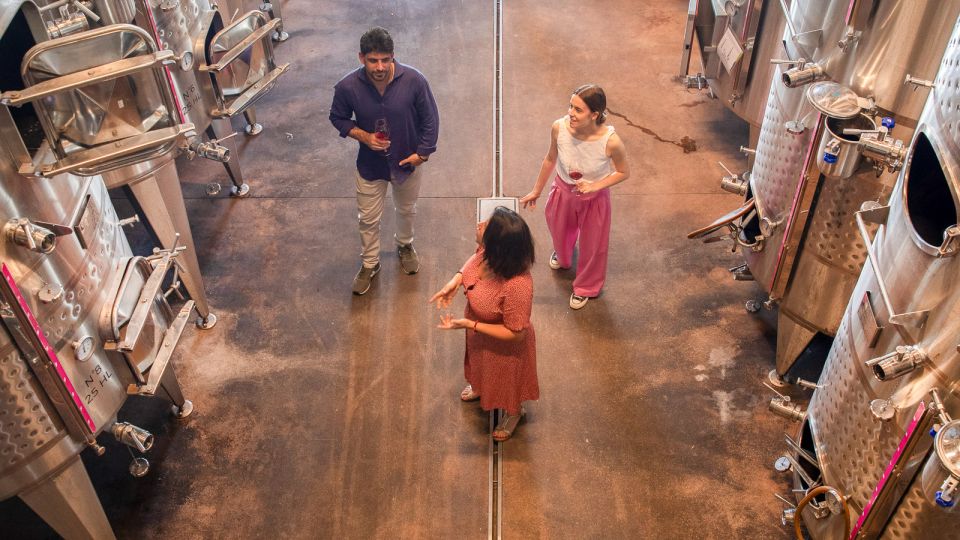
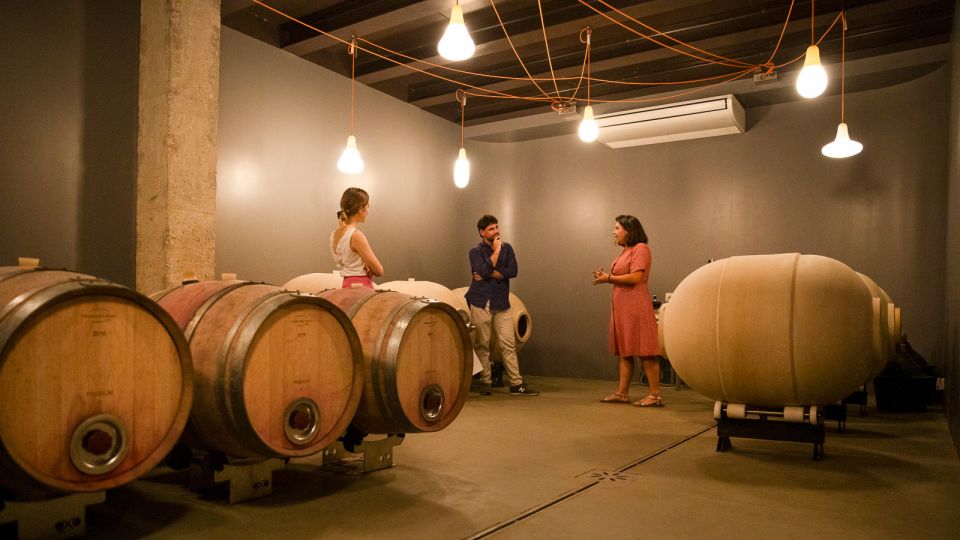
After the vineyard walk, you shift into the production side of the story. The tour includes the cellars and mentions a steel room as part of how the winery handles processing. Then you move into an explanation of the gravity flow method, which is a big deal in many traditional cellars.
Here’s why gravity flow matters to you: it can help with gentler handling and less disruption as the wine moves through production stages. You don’t need to be a sommelier to appreciate that. When the guide explains it clearly, you start to taste the result as cleaner structure and less harshness.
Next comes the barrel room, where the guide shows you where the wines are aged. Seeing the aging environment helps wine tasting make sense beyond flavors like sour cherry or herbs. You can understand that some wines get shaped by time in oak and barrel contact, which influences aroma and texture.
A detail worth noting: a couple of people found the tasting experience very enjoyable, but felt they heard more than they saw about the actual making. That doesn’t mean the tour is weak—it just means your expectation should be “production explained + key spaces shown,” rather than a live behind-the-scenes production line.
The tasting lineup: four wines paired with Monte Veronese and Soppres
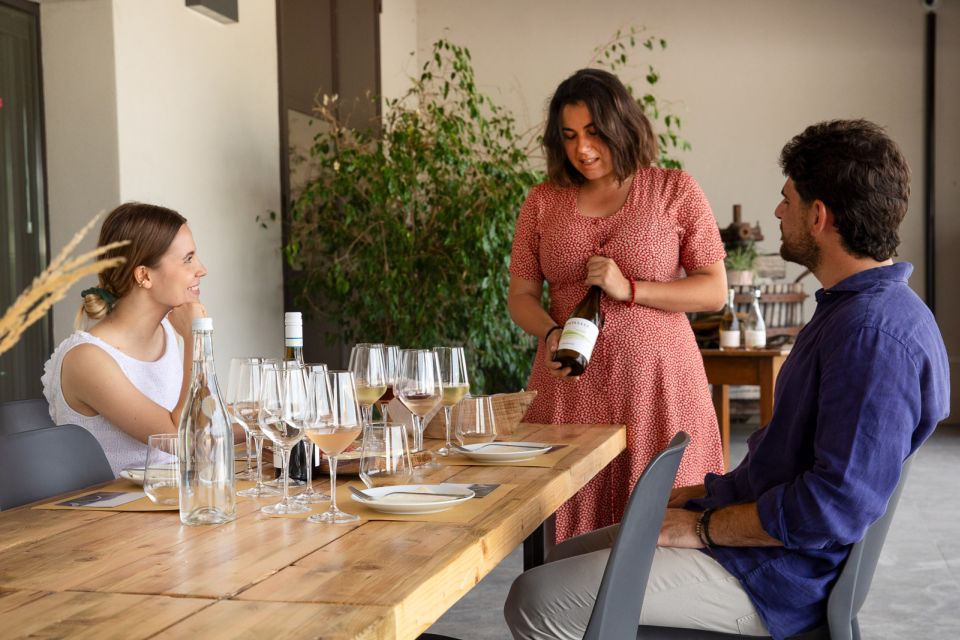
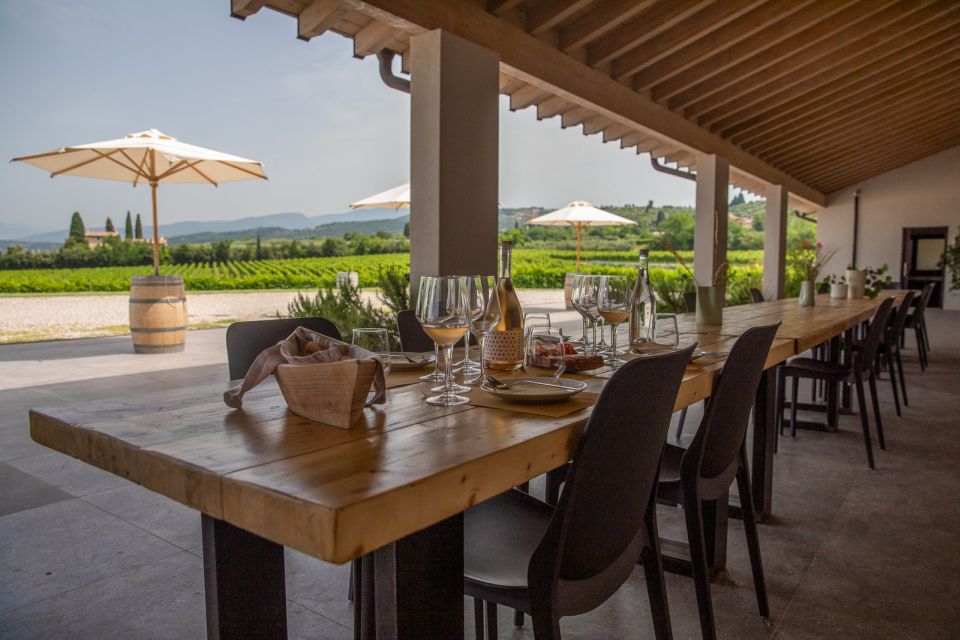
This is the part most people come for, and it’s well-structured. You’ll taste four wines, including 2 DOC wines, 1 IGT white wine, and 1 IGT red wine. That mix is useful because it gives you contrast: you can compare how the area expresses itself in white versus red, and also how the classification system shows up in style.
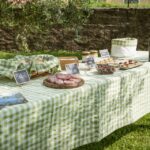
The tasting is paired with a local food spread: fresh and cured Monte Veronese cheese plus cold cuts and local cured salumi called Soppres (listed as Soppres). You also get still or sparkling water. The result is more like a light lunch than a quick snack, and it helps the wines taste better because you’re not just sipping straight.
Food pairing is where this tour turns from wine talk into a full experience. The cheese and cured meats bring fat, salt, and texture, which can soften tannins in red wine and make the aromas in white wine feel more lifted. If you’ve ever wondered why wine tastes different when you eat with it, this is the kind of tasting that teaches that lesson fast.
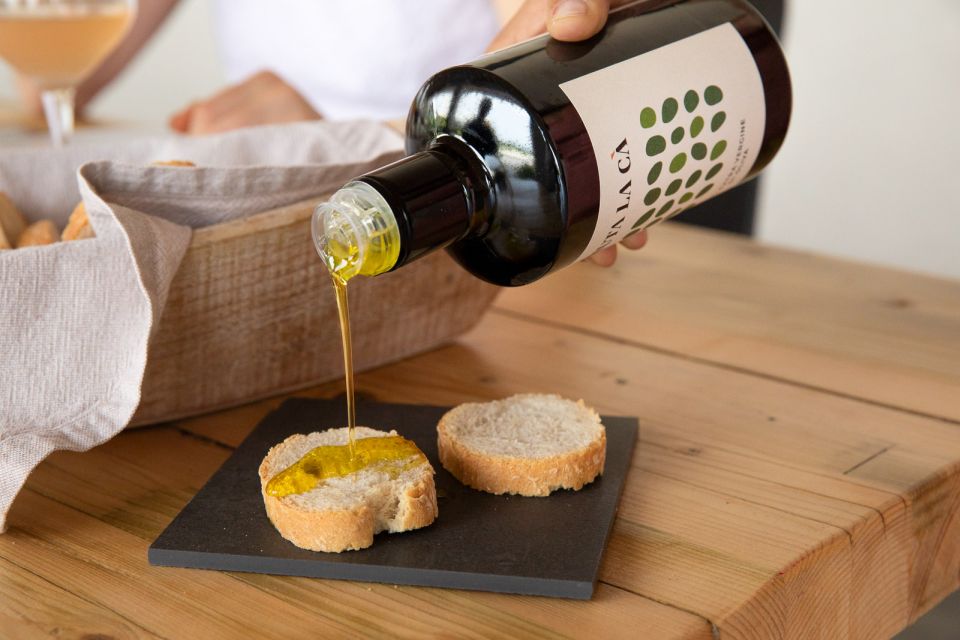
One extra note from past participants: some people report there’s also an olive oil element served with bread as part of the spread. Since that isn’t listed as a standalone item, you should treat it as a bonus possibility rather than a guarantee. Either way, the general goal stays the same—pair wine with local flavors you can remember.
What the guide adds: family business energy and clear explanations
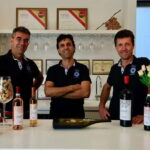
A big reason this tour lands so well is the human factor. Guides often include people like Julia, who’s described as friendly, warm, and strong at explaining the complexities of wine making in clear English. Others have mentioned Aldo as a guide who answered questions easily and brought history and family storytelling into the mix.
That matters because vineyard-and-cellar tours can go two ways: either you get a script, or you get a conversation. This experience tends to feel like the guide wants you to understand what you’re tasting, not just what you’re doing.
You’ll likely also notice the “family business” feel in how the place operates. People mention the tour as well-run, with a calm, relaxed pace and a sense that the winery cares about sharing the process. In some cases, there’s also been mention of a resident dog on site, which adds to that informal, lived-in atmosphere.
So the practical takeaway for you: if you enjoy asking small questions—why a wine is aged a certain way, or how grape varieties shape aroma—this tour should reward you.
Timing, walking level, and getting there with your own transport
The tour runs for 2 hours, so it’s a good slot if you want wine culture without losing a whole afternoon. It’s also scheduled with starting times based on availability, which helps you build a plan around your other Lake Garda stops.
One thing to plan for: you’ll need to enter through the gate and reach the cellar either on foot or by car. Free parking is available right in front of the winery. That’s excellent news if you’re driving yourself.
If you’re walking from the broader area, you should assume it can take longer than you expect, especially if you’re not used to uphill routes or you want extra breaks. The tour itself isn’t marketed as a long hike, but the approach to a lakeside vineyard setting can be steeper than flat-town expectations.
Also, transportation isn’t included. You’ll be responsible for getting there by taxi, bus, or car. If you’re staying in the Cisano/Lazise/Lake Garda corridor, it’s worth checking local taxi availability in advance so you’re not stuck at the end.
Price and value: is $53 fair for a two-hour wine-and-food tour?
At about $53 per person for a two-hour experience, the value depends on what you want.
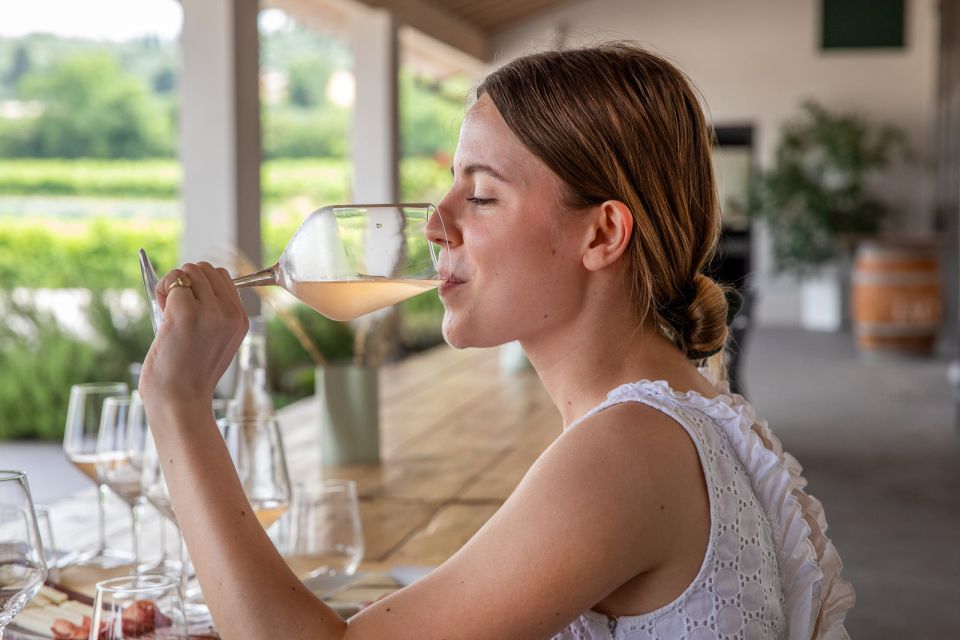
If you like tasting and you want structure, this is a solid deal. You’re getting four wines plus a cheese and cold cuts plate, and the food isn’t an afterthought. You’re also getting a guided walk through vineyards and visits to cellar spaces like the gravity flow area and barrel aging room. For many visitors, that combination is what makes the price feel justified.
If you’re the type who only cares about a single glass and hates paying for a guided format, it may feel like too much. And if you plan to buy wine in the on-site shop, note that some people found bottles pricey compared with wines they’d seen at local restaurants. That doesn’t mean the wine is overpriced, but it does mean you’ll want to treat the shop as optional shopping, not part of your budget math.
My practical advice: come ready to taste, and think of the shop as a follow-up decision. If you love the wines, you’ll have the bottles right there. If you’re not sure, taste first and decide later when you compare with what else you’ve had on Lake Garda.
Who this Bardolino tour is best for (and who should skip it)
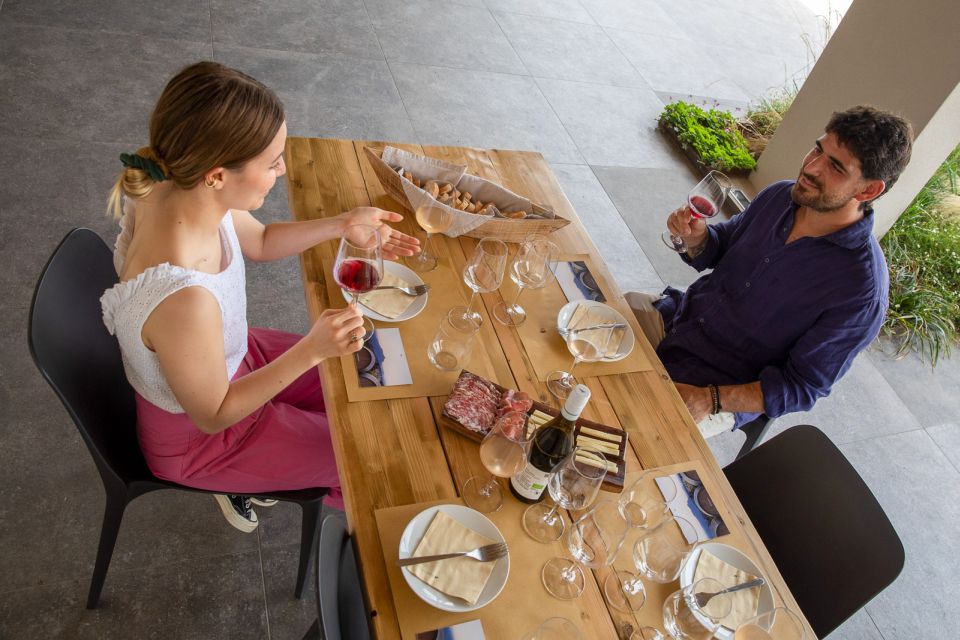
This tour fits best if you want a guided introduction to Bardolino that mixes vineyard scenery, production basics, and real pairing food. It’s also a good choice for couples, small groups, and anyone who enjoys learning without feeling rushed.
It can work well if you’re visiting Lake Garda for a short stay. The length is manageable, and the cellar setting gives you something different from the usual lakeside routine.
You should think twice if you need vegan options. The tour notes that they cannot serve vegan food. If your dietary needs are more flexible, report intolerances or preferences in advance, and the guide can help you align with what’s offered.
Finally, if you’re mobility-limited, the experience is listed as wheelchair accessible. Still, since the tour includes walking through vineyards and moving between cellar spaces, it’s smart to ask about the exact route length or any steps before you commit—especially if you use a chair and need predictable surfaces.
Should you book this Bardolino vineyard tour?
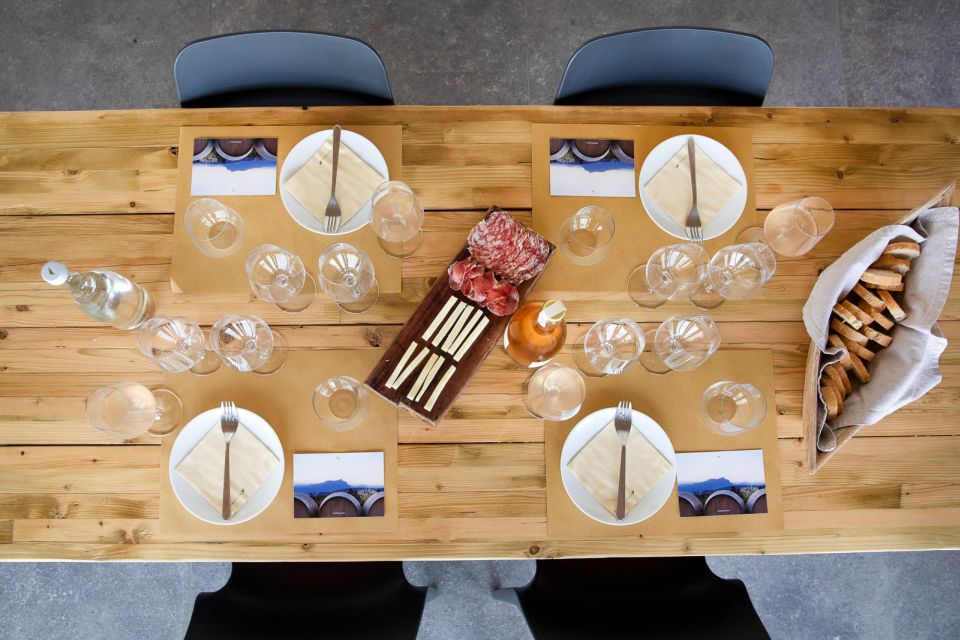
Yes, I’d book it if you want a two-hour experience that actually teaches you something and feeds you well. The strongest reasons are the panoramic vineyard setting, the guided explanation of how the wine is made and aged (including gravity flow and the barrel room), and the four-wine tasting paired with Monte Veronese cheese and local Soppres.
Skip it if vegan food is a must, or if you’re expecting a hands-on winemaking show instead of an explained tour plus tasting. And do a quick reality check on how you’ll get there: plan for your own transport and make sure you’re comfortable with some walking in a vineyard environment.
If that matches your style of travel—learning, tasting, and enjoying the view—this is one of the more satisfying ways to spend a short afternoon in the Bardolino/Lake Garda orbit.
FAQ
How long is the Bardolino vineyard tour with wine and food tasting?
The tour lasts 2 hours.
What wines will I taste?
You’ll taste four wines: 2 DOC wines, 1 IGT white wine, and 1 IGT red wine.
Is food included?
Yes. You get a local cold cuts and cheese plate paired with the wine, plus still or sparkling water.
Are vegan meals available?
No. The tour states they cannot serve vegan food.
Are dogs allowed on the tour?
Yes, dogs are allowed.
What languages is the guide available in?
The live guide speaks English and German.
Is the tour wheelchair accessible?
Yes, the tour is listed as wheelchair accessible.
Do I need my own transportation?
Yes. Private transportation is not included, so you’ll need to arrange your own taxi, bus, or car.
Where do I meet the guide, and is there parking?
You’ll enter through the gate and reach the cellar. There is free parking in front of the cellar.
Can I cancel and get a refund, and do I pay immediately?
The tour offers free cancellation up to 24 hours in advance for a full refund, and it also has a reserve now & pay later option.