REVIEW · CAVAION VERONESE
Cavaion: Lake Garda Wine & Food Tasting with Vineyard Tour
Book on GetYourGuide →Operated by CittàdiLazise · Bookable on GetYourGuide
Two hours. Big Lake Garda flavor. This small family-style winery a few kilometers from Garda pairs a relaxed vineyard stroll with local wine tasting made from grapes grown in the inland hills.
What I like most is the way the guide brings the place to life right where the grapes are growing, not in a stuffy classroom.
You also choose your pace with 3 or 5 wines, served alongside a generous platter. Expect cold cuts and cheeses like soppressa veneta, local salami, rustic bread sticks, and speck, plus bottled water to keep everything easy-going.
For me, that mix of wine and food makes it feel like an actual afternoon in Italy, not just a sip-and-run.
One thing to keep in mind: there is no cellar tour here. If you’re expecting a classic underground cellar experience, this stop focuses on the vineyards and tasting room instead, and the walking terrain can be non-linear.
In This Review
- Key things that make this Lake Garda wine tasting worth your time
- Why a small vineyard near Cavaion beats a typical Lake Garda stop
- Getting there: plan for a taxi and a little extra time
- The vineyard walk: where the farming story turns into flavor
- Under the grape arbor: the tasting setup you can actually relax in
- Choosing 3 or 5 wines: a smart way to control your experience
- The wine-and-food pairing: speck, sopressa veneta, salami, cheeses, and bread
- What you can buy on-site: olive oil, jams, honey, grappa
- Guides and group vibe: personal, family-run, and easy to talk to
- Price and value: $41 for a full 2-hour wine-and-food afternoon
- Practical tips so your tasting goes smoothly
- Who should book this Lake Garda wine and food tasting (and who might skip)
- Should you book Cavaion’s Lake Garda wine tasting tour?
- FAQ
- How long is the Lake Garda wine and food tasting with vineyard tour?
- Can I choose how many wines I taste?
- What food is included with the wine tasting?
- Is there a cellar tour included?
- What languages is the live guide available in?
- Is this tour suitable for vegans?
- Is the experience wheelchair accessible?
Key things that make this Lake Garda wine tasting worth your time
- Pick 3 or 5 wines so you control value and how many tastes you want
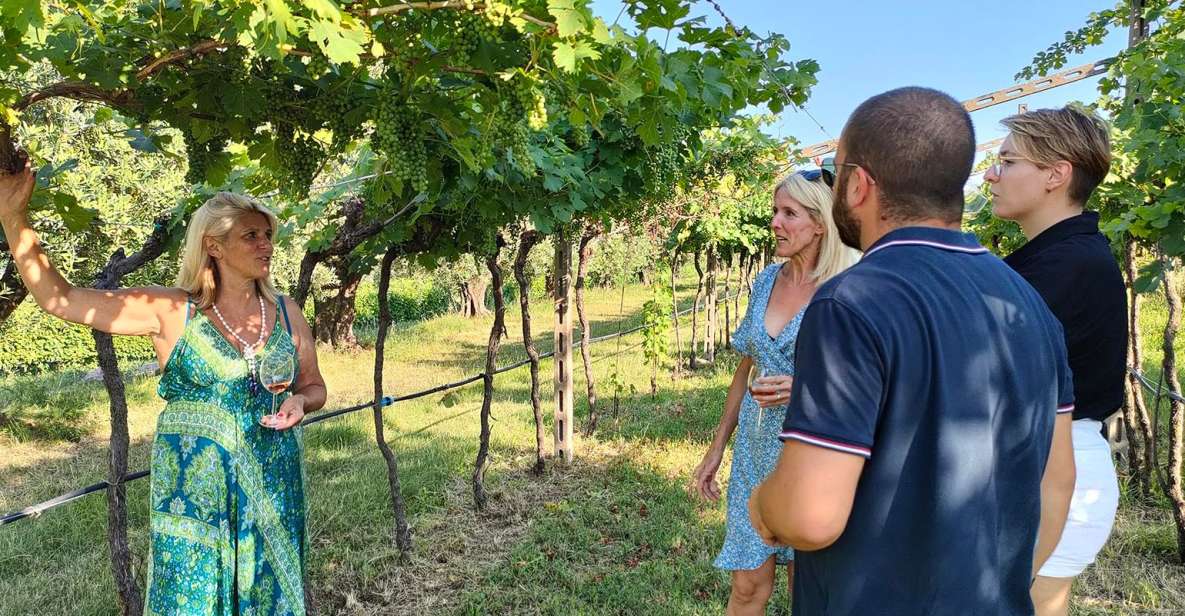
- Walk the vineyard grounds under grape bunches, where growing and harvesting practices make sense
- Food pairing is built in, with speck, soppressa veneta, salami, cheeses, and bread sticks
- Local “territory” focus, with white, red, and rosé selections tied to the area’s aromas
- A family-run feel, with friendly hosts (including guides like Asia and owners such as Marco or Martino) who answer questions in Italian, English, and German
Why a small vineyard near Cavaion beats a typical Lake Garda stop
Lake Garda gets most of the postcard attention, but the inland hills around Cavaion are where the wine story starts to feel real. The climate here has supported vines for centuries, and you can taste that long relationship with the soil in the way the wines are presented.
This tour keeps the focus tight: you’re not bouncing between landmarks. You’re going to the vineyards, tasting the grapes as wine, then slowing down with food that matches what you tasted.
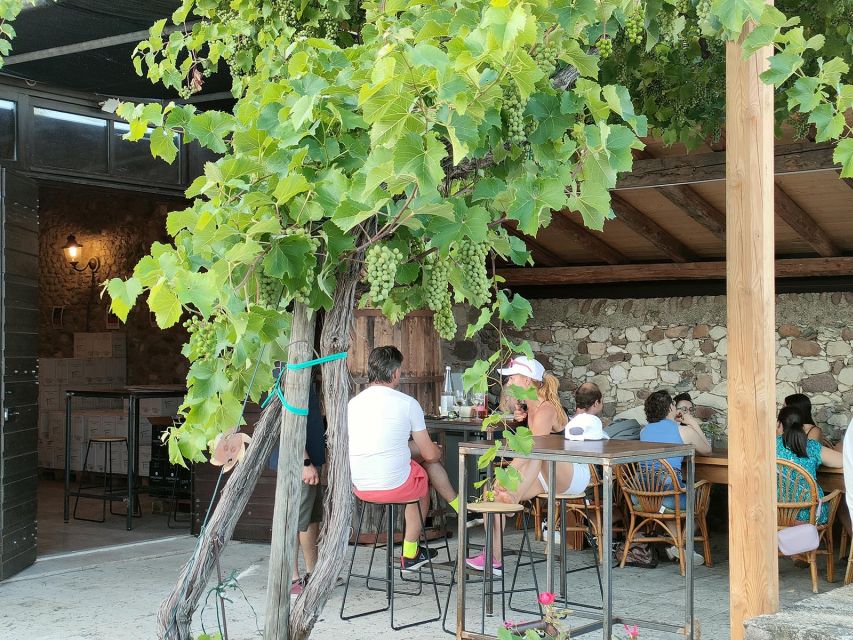
And the setting matters. One of the best parts is the “Italian hospitality” vibe—think arbor shade from grape bunches and a relaxed pace where you can ask questions without feeling rushed.
Getting there: plan for a taxi and a little extra time
Transportation isn’t included, so you’ll want to think about how you’re getting to and from the winery. The location is described as a few kilometers from Garda, and it can feel remote enough that taxi timing becomes important.
Here’s the practical move: when you arrange your ride, give your driver a clear pickup time for your return. If you show up late, you’ll likely shrink your tasting window, and the experience is built around a steady 2-hour rhythm.
Also note: the meeting point can vary depending on the option you book. If you’re using Google Maps, it can help to re-check the exact meeting point before you leave, because small rural wineries love to keep things flexible.
The vineyard walk: where the farming story turns into flavor
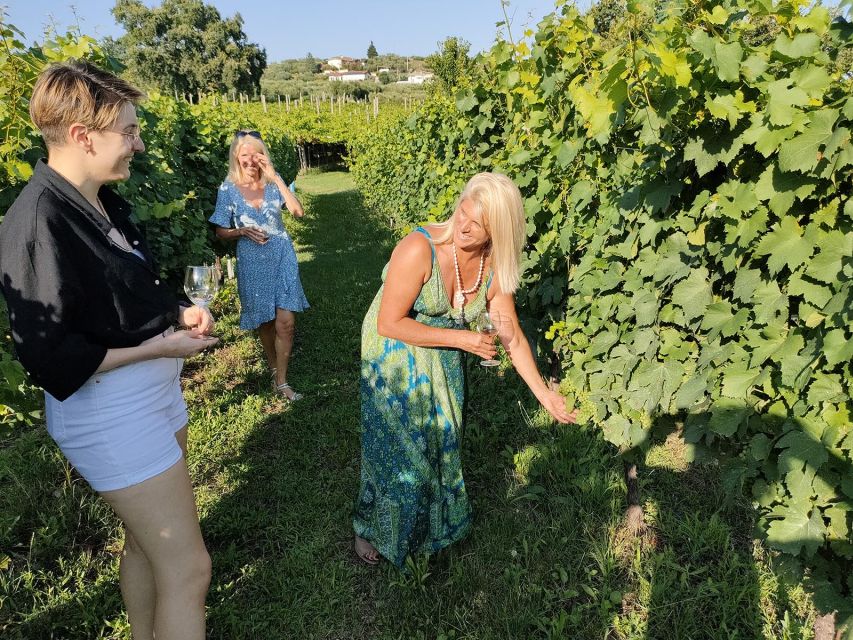
The heart of this experience is the vineyard visit. You’ll walk through the farm area to see what’s growing and learn how the farming and winemaking approach fits the place. The goal is simple: understand which vine varieties are used and how the grapes are processed, including practices that are updated over time for quality and sustainability.
Terrain is sometimes non-linear during the vineyard part of the visit. So wear comfortable shoes with a grip, especially if you’re visiting in warmer months when the ground can be dry and uneven.
I like that the tour is not only “look at the view.” You’re hearing how the vineyard works—growing, harvesting, and production methods—so when you later taste the wine, you’re connecting the glass to what you just saw outside.
Under the grape arbor: the tasting setup you can actually relax in
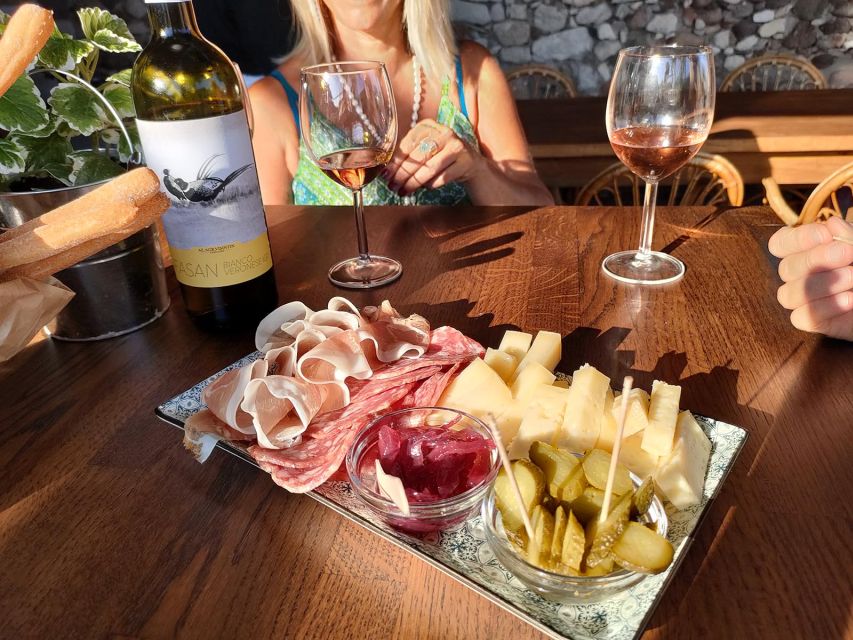
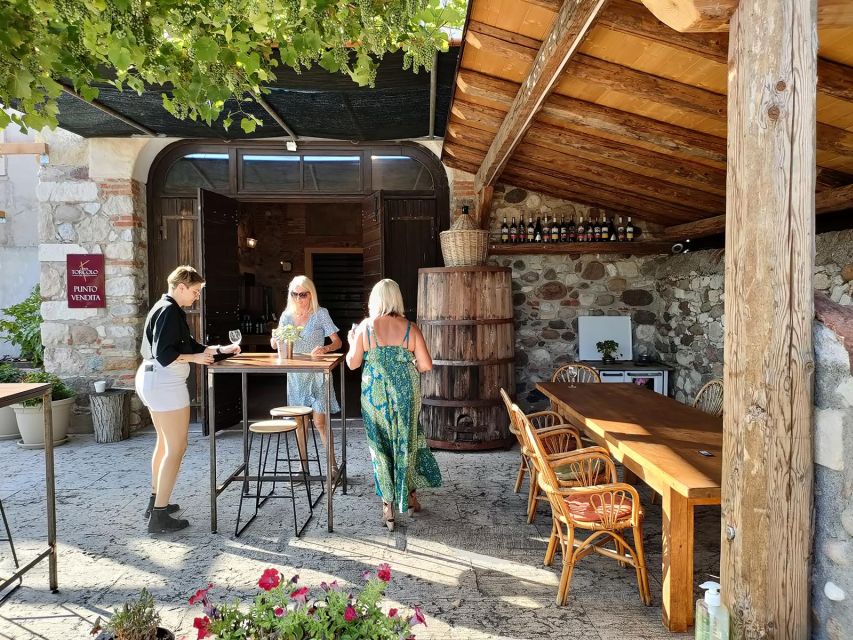
After the walk, you shift into tasting mode. The tour experience is designed to feel like you’re hanging out on a working property—tables, wine, and food—rather than sprinting through stations.
The setting is often shaded or partially covered by grape growth, and the pace is calm. That matters because wine tasting is easier when you can sip slowly, compare aromas, and ask follow-up questions.
You’ll be sampling white, red, and rosé wines that reflect the territory. That phrase is a nice way of saying the winery aims to highlight local character in the glass, not just generic flavor targets.
Choosing 3 or 5 wines: a smart way to control your experience
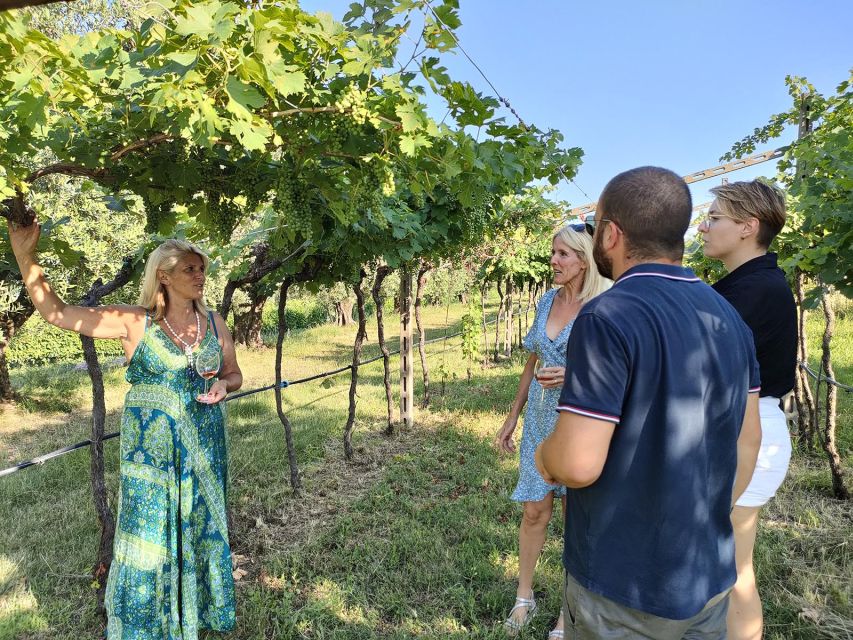
You can taste either 3 or 5 wines, and that choice is more than just math. If you want a quick, casual tasting with food, go with 3. If you like to compare and really notice differences between styles, choose 5.
Either way, you’re tasting enough to build a mini “taste map.” You’ll likely notice how the whites feel compared to reds, and how rosé sits in the middle—especially when the guide talks you through aroma and processing choices.
Here’s a tip for picking: if you’re the type who always orders two glasses at a restaurant, you’ll probably appreciate the 5-wine option. It’s also the best match if you’re planning to buy bottles afterward, because you’ll have a bigger shortlist.
The wine-and-food pairing: speck, sopressa veneta, salami, cheeses, and bread
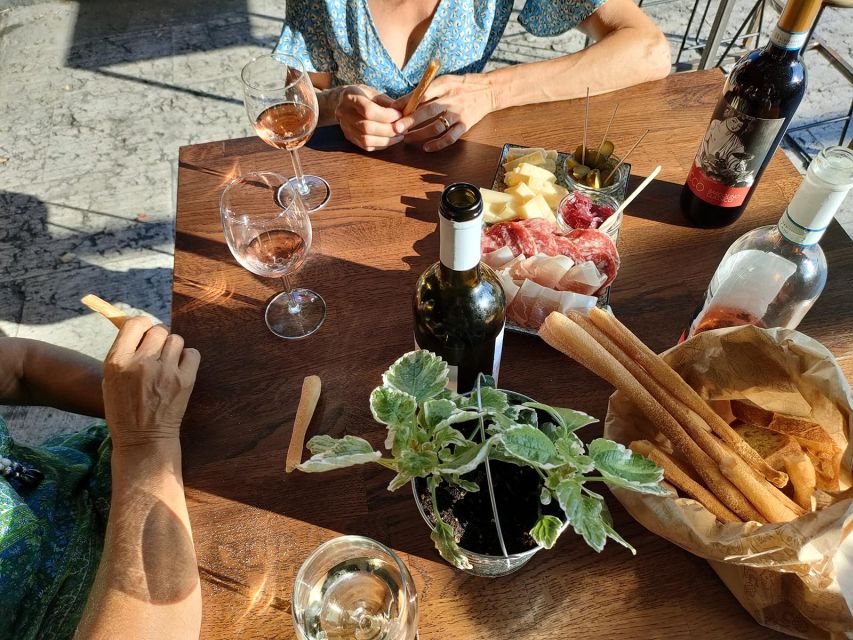
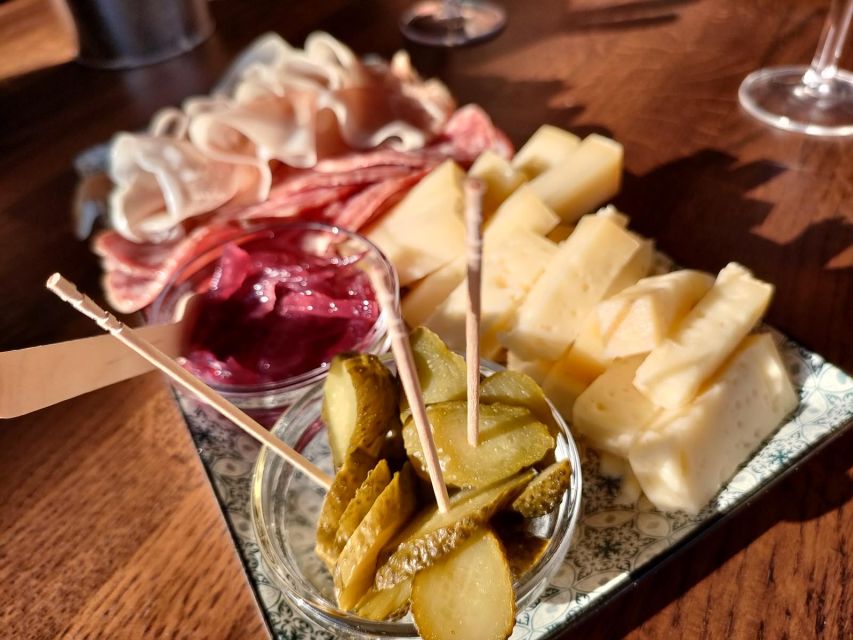
This tour doesn’t treat food as a sad afterthought. You get a chopping board packed with local favorites: speck, sopressa veneta, local salami, cheeses, and rustic bread sticks, plus water.
What makes this pairing work is that the food mirrors what the region eats. Sopressa veneta and salumi flavors tend to bring out savory notes in wine, while cheeses add a fatty cushion that helps you notice acidity and tannins without your palate getting overwhelmed.
You may also come across local extras such as a mustard-like product called mostarda del garda (some tastings include it alongside the board). That sweet-savory element can be a fun bridge between wine and cured meats.
If you’re food-sensitive, communicate intolerances or preferences ahead of time. The experience is built around the platter, so you’ll want the guide to know what to plan for.
What you can buy on-site: olive oil, jams, honey, grappa
The experience extends beyond tasting. In the shop, you’ll find artisanal products made from the same farm world: extra virgin olive oil, jams, honey, and grappa.
One of the smartest benefits here is that the shop gives you easy souvenirs that are actually useful at home. Wine is obvious, but olive oil, spreads, and honey are the kinds of things you’ll finish instead of letting them sit.
Shipping is also possible. There’s at least one clear example from past visitors where they placed orders by email to ship wine to the US. If you’re shopping for gifts (or you want to restock your table), it’s worth asking how ordering and shipping work when you’re there.
Guides and group vibe: personal, family-run, and easy to talk to
This is run by a family-style team, and the tone shows. Guides and owners mentioned in past experiences include Asia, Marco, and Martino, and they explain the process and answer questions in Italian, English, and German.
Group size tends to feel small and personal. The format makes it easy to ask, compare, and slow down with your food. If you hate being marched along on a schedule, this is the kind of tour where you can breathe.
You’ll also notice a casual, human approach—less scripted, more conversation. That’s a big part of why people leave happy with both the wine and the overall atmosphere.
Price and value: $41 for a full 2-hour wine-and-food afternoon
At $41 per person for a 2-hour experience, the value comes from what’s included. You’re getting a vineyard visit plus a guided tasting where you can sample 3–5 wines, and you’re also getting a substantial local platter with cured meats and cheeses. Bottled water is included too.
So you’re not paying just for drinks. You’re paying for the whole package: learning time in the vineyard, tastings, and food that keeps the tasting grounded.
To maximize value, choose the number of wines that matches your appetite for comparison. If you pick 3, you’ll get a lighter tasting. If you pick 5, you’ll squeeze out more variety and have a better basis for buying bottles afterward.
One practical consideration: there’s no private transport. If you’re coming from farther away than you expect, add taxi costs to your planning so the math still feels good.
Practical tips so your tasting goes smoothly
A few small choices make a big difference in comfort and enjoyment.
- Wear shoes for uneven ground. The vineyard walk can be non-linear.
- Plan your pickup time if you’re using a taxi. The winery setting can be remote.
- Choose your wine option early. Pick 3 if you want simpler, pick 5 if you like comparing.
- Tell them about intolerances. The platter is central to the experience.
- Know the no-cellar part. This is vineyard + tasting, not an underground cellar tour.
Also, this experience is wheelchair accessible. Just be aware that the vineyard terrain can still be uneven in parts, so it helps to plan for that on-site.
Who should book this Lake Garda wine and food tasting (and who might skip)
This tour is a strong match if you want a compact Lake Garda experience with real local food and enough wine tasting to feel like you learned something. It’s especially good for couples or small groups who like family-run places and don’t want a busy day.
It’s also a nice fit if you’re the type who likes buying edible souvenirs: olive oil, jams, honey, and grappa are often easier to bring home than pure “tourist” items.
Skip it if you follow a vegan diet; it’s not suitable for vegans because the included platter centers on cured meats and cheeses.
Should you book Cavaion’s Lake Garda wine tasting tour?
If you want an easy, local, vineyard-based afternoon near Lake Garda, I’d book this—especially for the combination of vineyard walk + 3–5 wines + a proper platter. The $41 price works best when you treat it as a full tasting meal, not just a few sips.
Before you confirm, check your transport plan and think about the walking terrain. And if a cellar tour is your must-have, remember: here, the wine story is built outside in the vines and inside the tasting space—not underground.
FAQ
How long is the Lake Garda wine and food tasting with vineyard tour?
It lasts about 2 hours.
Can I choose how many wines I taste?
Yes. You can taste either 3 wines or 5 wines, depending on the option you choose.
What food is included with the wine tasting?
You’ll get a platter with speck, sopressa veneta, local salami, cheeses, and rustic bread sticks, plus bottled water.
Is there a cellar tour included?
No. There is no cellar tour here.
What languages is the live guide available in?
The live guide speaks Italian, English, and German.
Is this tour suitable for vegans?
No. It is not suitable for vegans.
Is the experience wheelchair accessible?
Yes, it is wheelchair accessible. Just note that during the vineyard visit the terrain could be non-linear.