REVIEW · MATERA
Discover Matera, the ancient city – English tour
Book on Viator →Operated by Renato Favilli - Guida Turistica Matera · Bookable on Viator
Matera feels like a city carved from time. This tour keeps you moving through Sasso Caveoso and part of Sasso Barisano with a guide who explains how the caves and churches actually shaped life, not just what they look like. I like the way you get top sights without getting lost in the alley maze, and I like the step-by-step story of how Matera went from the Shame of Italy label to World Heritage status. One catch: this is not a classic church-hopping tour, so if you want only big interiors and cathedrals, you may feel underfed.
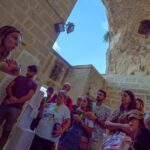
I also love the small-group format (up to 20), because it makes it easier to ask questions when something doesn’t make sense. The pace stays relaxed for a walking tour, and you get enough time to take photos and keep your bearings.
Bring sensible shoes. The Sassi are uneven and built for feet that know the terrain, not for slick soles.
In This Review
- Key things that make this tour worth your time
- Why Matera’s alley maze needs a guide (and how this tour fixes it)
- Sasso Caveoso: cave homes, rupestrian spaces, and what the stones meant
- Sasso Barisano: viewpoints and the story arc from Shame to World Heritage
- The non-obvious stops that make the walk feel personal
- Rupestrian churches and homes: not a checklist, but a way to read the city
- Renato Favilli and Gaetano: the guide style that people keep praising
- Walking pace, small group size, and why it matters in Matera
- Price and value: what $36.28 buys you in the real world
- Who this Matera tour fits best (and who might want something else)
- Should you book this Matera English tour?
- FAQ
- How long is the English tour of Matera?
- Is the tour offered in English?
- How many people are in the group?
- What parts of Matera does the tour cover?
- Is this mainly a church-focused tour?
- Do I get a mobile ticket?
- What happens if the weather is bad?
Key things that make this tour worth your time
- Small group, big attention: capped at 20 travelers, so your guide can slow down when questions pop up.
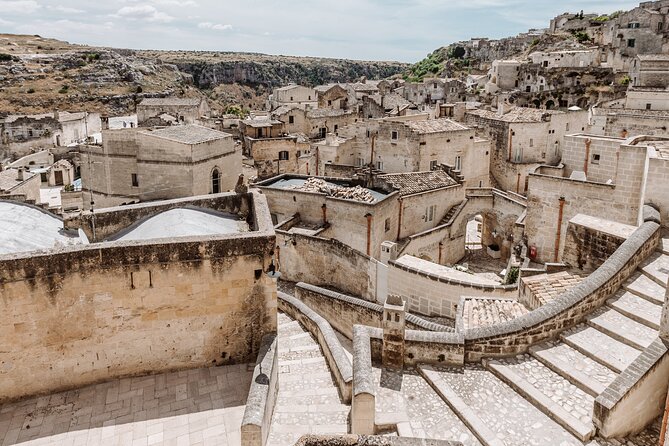
- Sassi without the maze panic: you see key areas and viewpoints without wandering in circles.
- People-first storytelling: you get the “how and why” behind cave life, not just dates and names.
- Rupestrian churches and cave homes: real architectural hints of daily survival, plus the valley perspectives.
- Local-food and systems stops: water collection details and traditional bakeries show how life worked on the ground.
- Film-location bonus: a James Bond filming stop related to No Time to Die appears on the route.
Why Matera’s alley maze needs a guide (and how this tour fixes it)
Matera’s Sassi can look simple from a distance. Up close, it’s a maze of stone lanes that twists, climbs, and surprises you with sudden views. The value of this tour is that you don’t just “see Matera.” You get the logic of it.
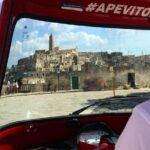
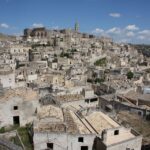
I especially like the way the route is built around understanding the city’s evolution. You’re guided through the most suggestive places and glimpses of ancient Matera, including Sasso Caveoso and part of Sasso Barisano. Instead of bouncing between isolated landmarks, you’re moving through connected areas—so the story makes sense as you go.
A practical upside: you’ll also save time. With a guide, you spend your energy learning instead of trying to translate directions from your phone while the streets keep changing level. That matters in Matera, where a wrong turn can cost more effort than you expect.
You can also read our reviews of more tours and experiences in Matera.
Sasso Caveoso: cave homes, rupestrian spaces, and what the stones meant
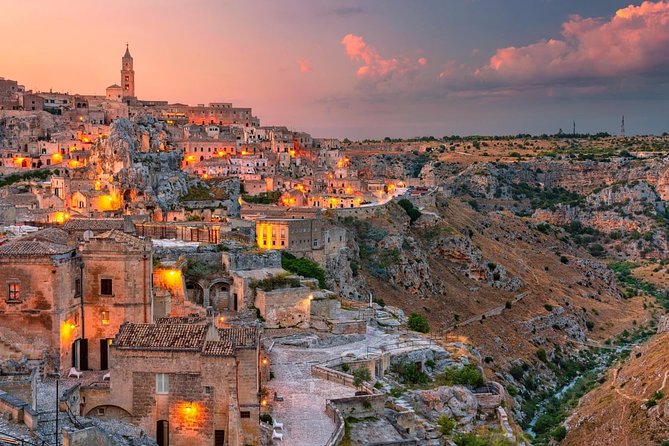
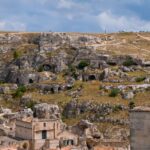
Sasso Caveoso is where Matera starts feeling truly unique. This tour focuses on the cave city’s evolution, so you’re not treated to random photo stops. You’re shown how the rupestrian churches and cave homes connect to the way people lived—what the buildings allowed, and what the terrain demanded.
What I like here is that the tour doesn’t treat these sites as museum props. You’re encouraged to look at architecture and then ask the human questions: Why were homes built this way? How did communities adapt to the rock? What did living in caves require day to day?
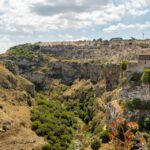
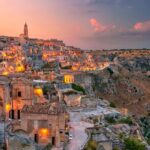
You also get views over the valley as you move through the area. That’s more than scenery; it helps you understand why Matera grew the way it did. When you can see the bigger geometry of the town, the confusing alleys start to feel like a system rather than a trap.
Possible drawback to keep in mind: the story is the point. If your idea of Matera is mostly wandering for pretty scenes with minimal explanation, you might find the pacing more talk-heavy than you expect. The good news is that the guide’s style is often praised as entertaining and easy to follow, with plenty of room for questions.
Sasso Barisano: viewpoints and the story arc from Shame to World Heritage
Part of the experience runs through Sasso Barisano, which adds a different feel to the walk. This area helps broaden what you think Matera is. The tour frames it as a 360-degree analysis of how the city moved from being stigmatized to being recognized as World Heritage.
The tour’s “meanders” approach really shows up here. Instead of making you sprint between must-see churches, you’re led through the city’s own pattern of routes. You’re learning the philosophy of the Sassi—how people’s lives shaped the spaces, and how the wider world eventually started paying attention.
I like this because it turns Matera into more than a dramatic set of caves. You walk away understanding that the city’s transformation wasn’t just about tourism. It was about changing perceptions and the fate of real communities.
The non-obvious stops that make the walk feel personal
One of the biggest strengths of this tour is what it includes between the famous scenes. It’s not just “big sights.” It’s the supporting details that explain daily life.
Here are a few examples of the kinds of stops you may encounter on the route:
- Cave-house visit linked to the guide’s family (some departures include a stop at a cave home where his family lived).
- Traditional bakeries, so you can taste a slice of the local rhythm rather than just hear about it.
- Public and private water collection systems, which is a big deal in a place where building space and access matter.
- A James Bond filming location associated with No Time to Die, plus an explanation tied to a production problem and its fix.
Even if you’re not a movie buff, the filming stop is useful because it shows how Matera keeps reappearing in global culture for the same reason it always mattered: the city’s stone world is unforgettable. The water-system discussion is the other half of that. Matera didn’t just look cinematic. It functioned.
If you tend to skip “practical” topics on tours, this is one I’d encourage you to keep an open mind about. Water collection and daily systems are the kind of information that makes your photos feel like evidence of real life.
Rupestrian churches and homes: not a checklist, but a way to read the city
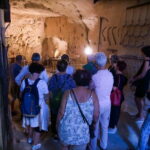
The tour does include rupestrian churches and cave homes, but it treats them like chapters, not items. You’re not being pushed to rush through interiors. Instead, you’re learning how these spaces fit into the city’s living patterns.
That difference matters. Many visitors arrive with the idea that a cave church is mainly a religious stop. This route connects those churches to the broader reality of survival, work, and community life in the Sassi. Even when you’re standing still, you’re learning to “see” differently.
You’ll also get plenty of opportunities for questions. The small group size helps here, and the guides’ backgrounds come up in conversation—stories tied to the territory and the people.
Wear the right shoes. Walking between cave spaces means you’ll be stepping around uneven stone surfaces and changes in elevation. A relaxed pace doesn’t mean flat ground.
Renato Favilli and Gaetano: the guide style that people keep praising
The guiding talent is a major reason this tour scores so high. Two names show up often: Renato Favilli and Gaetano (plus the tour team sometimes includes other local guides such as Sara, Domenico, or others listed for the experience).
What I like about this kind of guide is the balance of humor and explanation. The best parts aren’t just facts; they’re how the guide organizes the story so you can remember it. Reviews repeatedly mention that the guide makes answers clear in good English, and that you can ask questions without feeling rushed.
There’s also a strong sense of local roots. When a guide talks about how life worked in the Sassi, it lands differently. You get personal stories passed down through generations, not just a script.
One thing to note: since the tour is story-driven, it can feel information-dense. A minority of feedback mentions repetition at times. If you like your tours lighter and more visual, you might want to guide the pace—ask your question early, then steer the conversation toward the part you care most about (water systems, daily life, views, or the UNESCO shift).
Walking pace, small group size, and why it matters in Matera
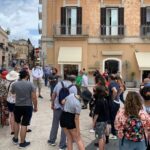
This is built as a 2 to 3 hour walking tour, and it’s designed to be manageable for most people. The route is paced so you can absorb the details as you move. With a cap of 20 travelers, you’re less likely to feel like part of a rush-through crowd.
I also like that it’s set up to help you avoid the “stand still, take a photo, move on” problem. In Matera, that style can make the city feel more like a maze you survived than a place you understood. Here, the guidance helps you connect what you’re seeing to why it matters.
Practical note: because it’s a walking tour in the Sassi, you’ll want to plan for frequent small steps and some uneven ground. If you’re traveling with mobility limits, you can ask your guide or the provider how the route typically handles terrain. The tour is described as suitable for most travelers, but “most” doesn’t mean “smooth.”
Price and value: what $36.28 buys you in the real world
At about $36.28 per person for 2 to 3 hours, the value is mostly about interpretation. You’re paying for someone to guide the meaning: how cave homes and rupestrian churches reflect survival, how systems like water collection shaped daily routines, and how the city’s reputation shifted over time.
In Matera, that interpretive layer is the difference between “I saw caves” and “I understand how people lived here.” That’s why a guided walk can be money well spent, even if you aren’t paying for museum-style ticketed entry.
You also get a small-group format and English delivery, with a mobile ticket that keeps things straightforward. If you only have a short time in Matera, this type of orientation tour can help you choose what to explore next on your own, instead of returning to your hotel wondering what you missed.
Who this Matera tour fits best (and who might want something else)
This tour is ideal if you:
- Want to understand the Sassi beyond photos
- Enjoy history told through everyday life
- Prefer a walking route with explanation rather than a checklist
- Like small groups and Q&A moments
You might choose differently if you:
- Only want church interiors and religious art
- Prefer minimal talking and more free-roaming
- Need lots of fully flat, accessible walking paths
The best part is that it can work as either a first visit orientation or a deeper follow-up. If you’re the kind of traveler who likes to return to a place with better context, this tour sets you up for that.
Should you book this Matera English tour?
If your goal is to understand Matera’s Sassi as a living system—homes, churches, water, food, and the human story that led to UNESCO recognition—then this tour is an easy yes. The guide-led format, small-group cap, and focus on the parts of Matera that explain how the city worked add up to strong value for the time.
My advice: book it early in your Matera stay. You’ll get bearings fast, then you can explore on your own with better instincts for where to linger and what to look for. Also, bring sensible shoes and come ready to listen. This is history with personality, and the personality is part of what makes the walk stick.
FAQ
How long is the English tour of Matera?
The tour runs about 2 to 3 hours, depending on the pace of the group and the flow of the walking route.
Is the tour offered in English?
Yes. The experience is offered in English.
How many people are in the group?
The tour has a maximum of 20 travelers, which helps keep the experience more personal.
What parts of Matera does the tour cover?
You’ll walk through Sasso Caveoso and part of Sasso Barisano, with stops that include rupestrian churches and cave homes and views over the valley.
Is this mainly a church-focused tour?
No. It’s described as more of a city-meander tour, focused on discovering Matera through its alleys and how people lived there, rather than a classic church-hopping route.
Do I get a mobile ticket?
Yes. The tour includes a mobile ticket.
What happens if the weather is bad?
This experience requires good weather. If it’s canceled due to poor weather, you’ll be offered a different date or a full refund.