REVIEW · BIOSFERA
Genoa: Biosfera Entrance Ticket
Book on GetYourGuide →Operated by C-WAY Srl Unipersonale · Bookable on GetYourGuide
A rainforest setting in the middle of Genoa.
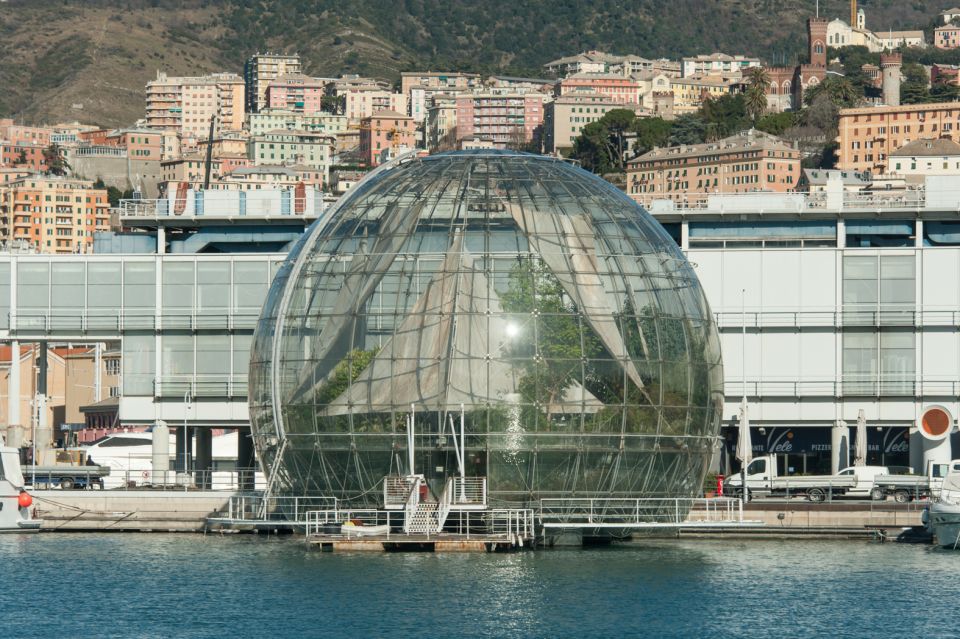
The Genoa Biosfera turns a port-day stop into a science-and-nature moment, tucked inside a steel-and-glass building by architect Renzo Piano. You trade city noise for a humid tropical forest display, with conservation messages built into the visit.
I especially like two things here. First, the architecture: from the street, the Biosfera is a real sight, and inside it feels like you’ve walked into a contained ecosystem. Second, you get close to living specimens—over 150 wildlife varieties—plus a good roster of recognizable tropical plants such as tree ferns and coffee.
One heads-up: this is a small, tight indoor walk. If you’re expecting a long wandering garden or a big zoo experience, plan your expectations for a shorter visit.
In This Review
- Key highlights you can plan around
- Genoa Biosfera at the Old Port: the architecture is half the fun
- Ticket price and value: why $7 makes sense for the right visit
- Entering the Biosfera: what your walk feels like once inside
- The 150+ species experience: animals, birds, and the tropical “small world”
- Rare tropical plants you can actually name: coffee, banana, cinnamon, and tree ferns
- Conservation learning: what you actually take away
- How long to plan: a realistic schedule for a compact indoor stop
- Accessibility and rules that affect your visit
- Who this Genoa stop suits best
- Should you book the Genoa Biosfera entrance ticket?
- FAQ
- How much is the Genoa Biosfera entrance ticket?
- How long is the ticket valid?
- What’s included with the ticket?
- Does the ticket help you avoid lines?
- Can I choose a time to enter?
- Is wheelchair access available?
- Are pets allowed inside?
- Can I cancel for a refund?
- Can I reserve now and pay later?
Key highlights you can plan around
- Renzo Piano’s steel-and-glass shell makes the entrance worth it even before you step inside
- 150+ animal and plant varieties in a compact space
- Tropical plant stars you can actually name and spot: tree ferns, coffee, banana, cinnamon, and more
- Conservation efforts are part of the experience, with simple ways you can get involved
- Skip the ticket line so you don’t waste time waiting on a port-side day
- Humid interior is part of the deal, so dress for indoors
Genoa Biosfera at the Old Port: the architecture is half the fun
Start at the Old Port of Genoa. The Biosfera is hard to ignore: a sculptural steel-and-glass structure designed by Renzo Piano. It’s the kind of building that makes you slow down, even if you’re just walking through on foot.
When you enter, the vibe changes fast. The air feels warmer and more humid, like you’ve crossed an invisible boundary. That contrast is part of why this place works: you’re not traveling for hours to reach “nature.” You’re swapping one kind of scenery for another, right in the city.
If you enjoy architecture as much as animals, this is a nice win. You get both in the same stop: the building’s outer design, then the “tropical forest in miniature” inside.
Ticket price and value: why $7 makes sense for the right visit
A Genoa Biosfera entrance ticket is priced around $7 per person. For that money, you’re buying access to an indoor tropical forest display, focused on living species and conservation awareness.
Is it a full-day activity? The ticket is valid for 1 day on your selected date, so you can slot it into your Genoa schedule easily. But based on how the space is experienced, you should think of it as a short outing—more “effective stop” than “all-day event.”
Here’s the value math I’d use: if you want a quick, air-conditioned reset (humid inside, but still an enclosed stop) with rare-looking plants and close-up wildlife viewing, it’s a good bargain. If you want hours of walking and variety at a scale of a large outdoor park, you may feel like you’re paying for a compact experience.
Entering the Biosfera: what your walk feels like once inside
You’ll likely start by getting oriented, then follow the indoor path at your own pace. The displays are close together, and the whole experience is designed so you can observe multiple species without committing to a long trek.
Expect a dense, humid atmosphere. That affects how the visit feels more than you might think. Everything looks lush, but you’ll feel the warmth too. Wear light layers and comfortable shoes, and don’t plan it like a long sightseeing march.
Because it’s a confined space, you’ll also notice how quickly your eye adjusts. The first few minutes can be a little overwhelming—plants, textures, and moving wildlife cues all at once—then you settle into a steady rhythm: look for the next specimen, pause, and keep moving.
A practical tip: if you want the best viewing, slow down. Even in a small area, spending extra time at each section makes the visit feel longer and more rewarding.
The 150+ species experience: animals, birds, and the tropical “small world”
The Biosfera is designed around the idea of a fragile ecosystem. You’re not just looking at animals as decoration—you’re learning that these tropical environments are threatened by human exploitation.
You’ll see over 150 unique wildlife varieties represented inside the habitat model. The highlights aren’t presented as a wide-open safari. Instead, it’s more like a close study: small spaces, frequent glances, and a sense that you’re observing species that depend on very specific conditions.
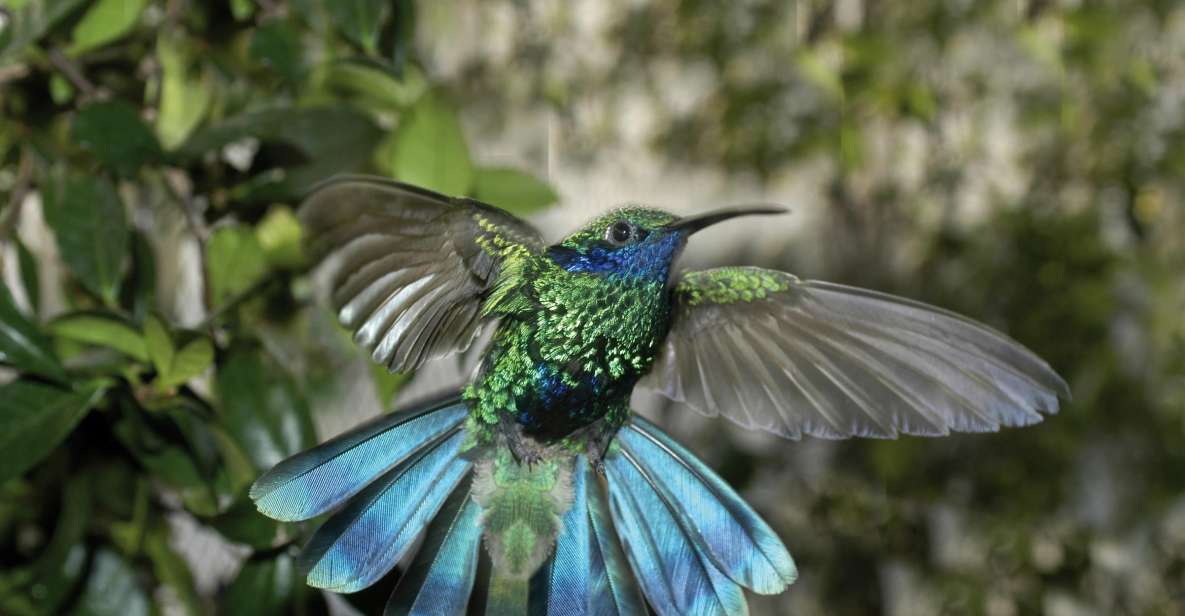
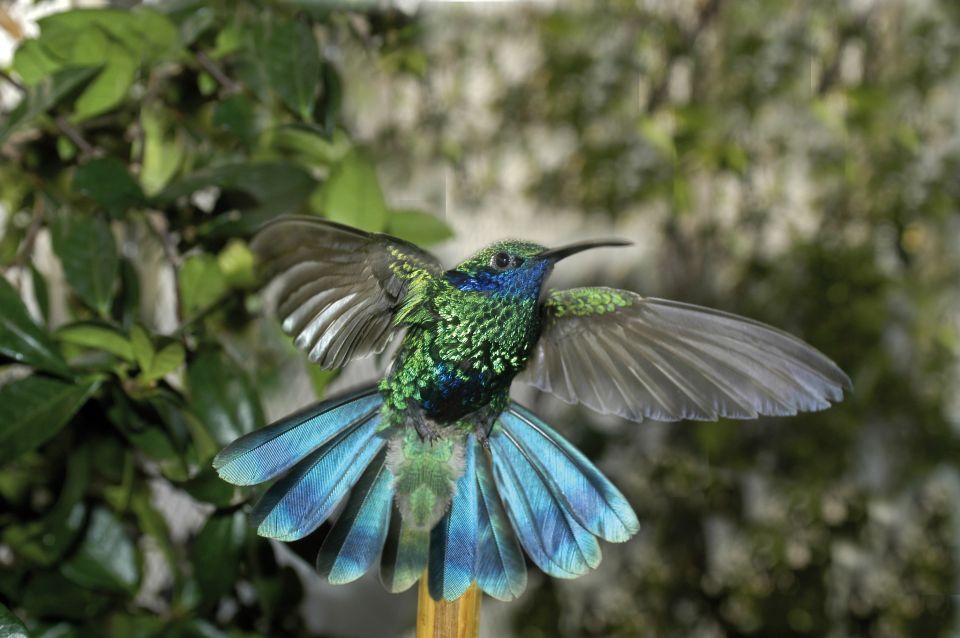
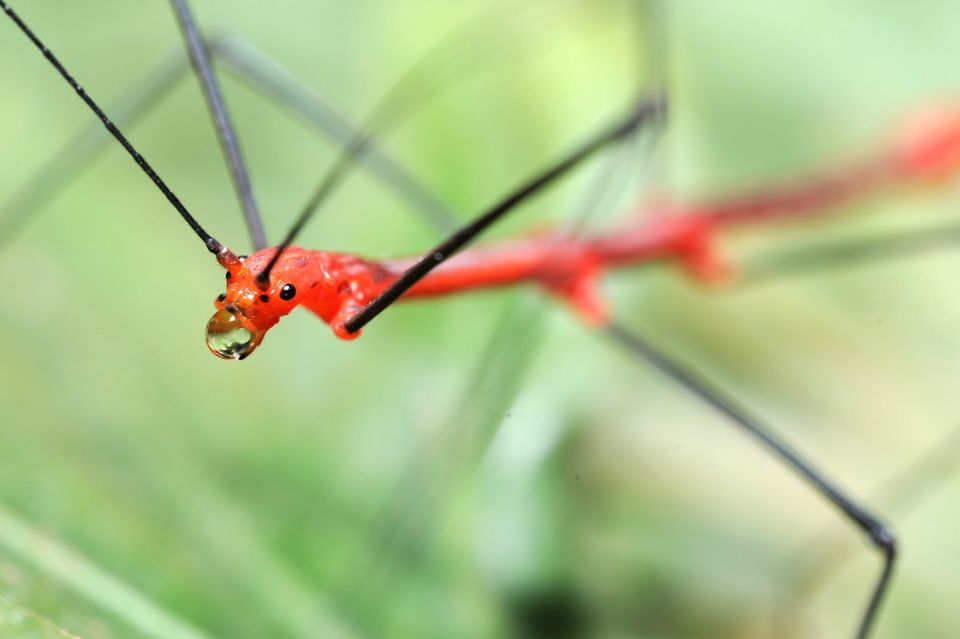
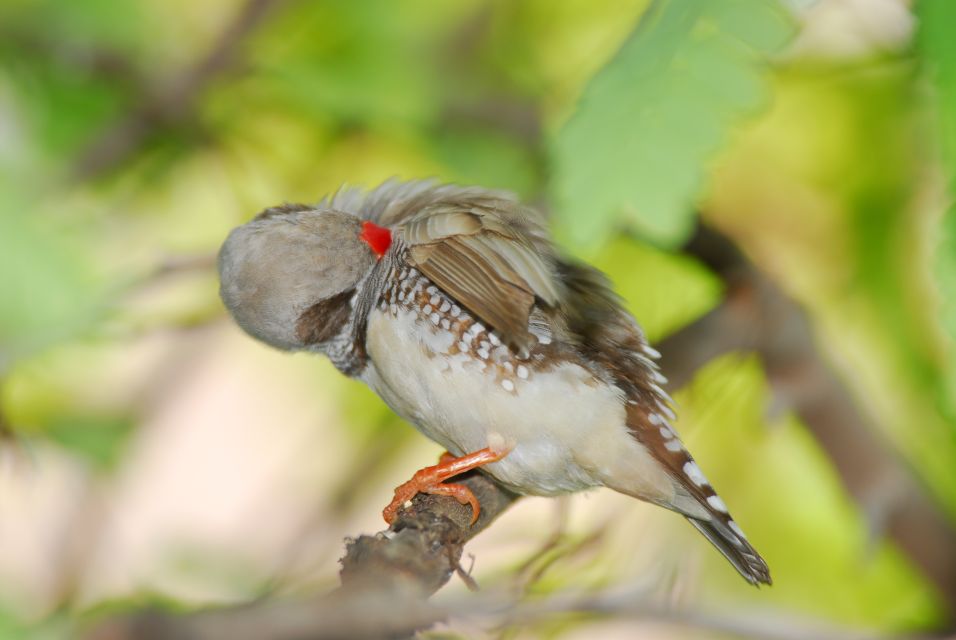
Many visitors focus on the birdlife and plant life in this indoor forest. You’ll likely spot small birds moving through the display areas, plus insects and other tiny life forms that you might miss if you rush.
If you’re traveling with kids, this is one of those places where curiosity pays off. The close-up format makes it easier to find something to point out without needing to “hunt” for animals across large distances.
Rare tropical plants you can actually name: coffee, banana, cinnamon, and tree ferns
One of the strongest reasons to go is the plant lineup. The Biosfera gives you a chance to see tropical specimens up close, including several “recognizable” plants.
You can expect to look for:
- Tree ferns, including the tallest tree ferns in the world
- Chewing gum tree
- Coffee plant
- Banana tree
- Cinnamon
This matters because names turn pictures into learning. You’re not just seeing green shapes; you’re seeing species with identities. Even if you don’t remember every scientific detail, you’ll remember the feel of the plants and the fact that they come from real ecosystems under real pressure.
And yes, the plant quality is part of the charm. People often come in thinking it’s just a themed room, then leave noticing that the tropical plant display has enough variety to feel like a miniature rainforest world.
Conservation learning: what you actually take away
The Biosfera isn’t set up as a lecture. The conservation angle is woven into the experience so it doesn’t feel tacked on.
You learn about:
- conservation efforts tied to tropical habitats
- how these delicate ecosystems are threatened
- and how your actions connect to survival in places you’ll never personally visit
That’s the value here: it links wonder with responsibility. You get to experience fragile ecosystems in a condensed form, then connect that to the bigger question of how humans affect habitats.
If you like eco-minded attractions that don’t feel preachy, this is a good fit.
How long to plan: a realistic schedule for a compact indoor stop
Even though the ticket is valid for 1 day, the Biosfera itself is best treated as a short, focused visit. In practice, you can see the main displays quickly, especially if you keep moving.
If you want the most out of it, plan for a slower pace:
- start early enough that you’re not rushed
- take time to re-look at sections
- pause for plants when you spot the named species
I recommend building it into a day where you have flexibility. That way, if you finish sooner than expected, you’re not stuck scrambling for the next activity nearby.
The humid indoor environment also makes this feel like a “stay a while, then exit” stop. You’ll feel the change of air, and you’ll appreciate stepping back into normal city weather afterward.
Accessibility and rules that affect your visit
The ticket includes wheelchair accessibility, which is a big plus if you use a mobility aid. The indoor format also tends to be easier for navigation than some outdoor gardens, since you’re working within a defined structure.
One rule to know: pets are not allowed. If you’re traveling with animals, you’ll need to plan alternative care or leave them outside the visit area.
Who this Genoa stop suits best
This ticket works best if you’re looking for:
- a short nature-style break from the city
- close-up viewing of tropical plants
- a compact indoor experience that mixes architecture + living species
- a straightforward conservation learning moment
It may feel less ideal if you’re expecting a large outdoor park experience. The Biosfera is intentionally contained, and the overall “feel” is quick discovery rather than hours of wandering.
If you’re a first-timer in Genoa and want one memorable stop that’s different from museums and waterfront strolling, this is a smart pick—especially on a day when you want something calmer than the street scene.
Should you book the Genoa Biosfera entrance ticket?
Book it if you want a high-value, short visit with real tropical plant life and the chance to see wildlife up close inside a famous Renzo Piano structure. At about $7, it’s easy to justify as a practical add-on to a Genoa day.
Skip or rethink if you’re craving a long, sprawling experience. The Biosfera is small, and you can end the visit feeling like you’ve had a quick encounter rather than a full-day exploration.
In my view, the best decision rule is simple: if you’re the type who enjoys short specialty stops—architecture, plants, and a bit of conservation learning—this ticket earns a spot on your Genoa plan.
FAQ
How much is the Genoa Biosfera entrance ticket?
The price is listed as $7 per person.
How long is the ticket valid?
The ticket is valid for 1 day, and it works only on the date selected.
What’s included with the ticket?
Your ticket includes entrance to the Genoa Biosfera.
Does the ticket help you avoid lines?
Yes. It includes skip-the-ticket-line access.
Can I choose a time to enter?
You’ll see starting times when you check availability, and your ticket is tied to your selected date.
Is wheelchair access available?
Yes, the experience is wheelchair accessible.
Are pets allowed inside?
No. Pets are not allowed.
Can I cancel for a refund?
Yes. You can cancel up to 24 hours in advance for a full refund.
Can I reserve now and pay later?
Yes. There’s a reserve now & pay later option so you can keep plans flexible.