REVIEW · TRAPANI
Guided tour of the Trapani Salt Pans and Salt Museum
Book on GetYourGuide →Operated by ORO DI SICILIA S.R.L. · Bookable on GetYourGuide
Salt pans teach you to look slowly. The Culcasi salt pans and salt museum guided tour turns Sicily’s sea-salt routine into a clear, hands-on story, with a WWF reserve walk and then the real history indoors. It’s a rare kind of tour in the Trapani area, run by the people who keep the tradition going.
I especially liked the tasting: Slow Food Presidium flavored fleur de sel, plus other salts from their production. I also loved the tactile moments, when you collect salt with your hands and even touch it in the production tanks, so the process stops being abstract.
One catch: the walk is a 1-hour hike, so wear comfortable shoes and think twice if you’re sick or low on stamina.
In This Review
- Key highlights worth your attention
- Why Trapani’s Culcasi Salt Pans Feel Like a Real Worksite
- The 75-Minute Walk: Colors, Birds, and Salt That’s Ready to Touch
- Hands-on moments that make the science sink in
- The practical pace: it’s a hike, not a stroll
- Taste the Salts: Fleur de Sel, Aromas, and Why It Matters
- How to make the tasting work for your palate
- What I like about the tasting approach
- The Ancient Salt Museum and the 1400s Mill
- Why this museum visit is more than “just indoors”
- Price and What You’re Really Getting for $21
- Good to Know Before You Go: What to Bring and What to Expect
- English and Italian guiding
- Wheelchair accessible, with a real walking caveat
- Where to Meet (and How Not to Lose Time)
- Who Should Book This Tour (and Who Might Pass)
- You’ll probably love it if you:
- You might prefer another plan if you:
- After the Tour: Aperitif or Dinner with the View
- Should You Book the Trapani Salt Pans and Salt Museum?
- FAQ
- How long is the guided tour?
- Where do I meet the guide?
- What’s included in the ticket price?
- Will I taste the salt?
- Can I touch the salt?
- What parts does the tour include?
- What languages is the tour offered in?
- Is the tour wheelchair accessible?
- What should I bring for the tour?
- Is there a time limit for walking?
- Can I cancel for a refund?
Key highlights worth your attention

- Only Culcasi-family tour in the area of the Saline Culcasi of Trapani
- Salt pans walk inside a WWF reserve, with protected plants and birds
- Touch-and-collect salt during the production process, not just look at it
- Flavored fleur de sel from the Slow Food Presidium in the tasting
- Ancient salt museum in a farmhouse, plus an old mill from the 1400s
- Optional aperitif or dinner afterward with views, depending on what you feel like doing
Why Trapani’s Culcasi Salt Pans Feel Like a Real Worksite
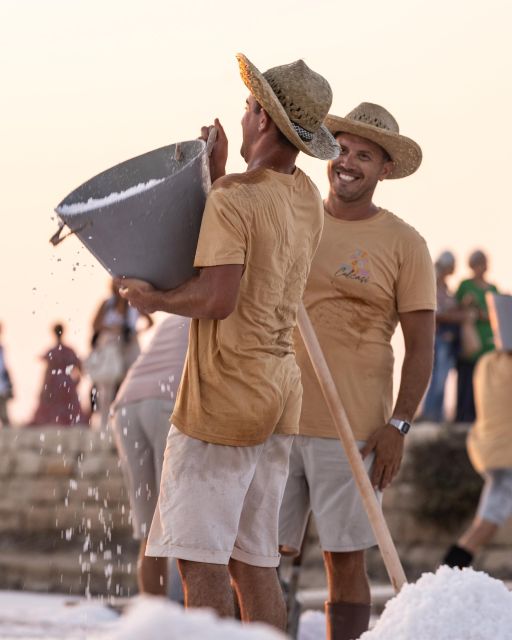
If you like travel that’s about how things are actually made, this tour hits the sweet spot. In Trapani’s salt flats, “white” isn’t just a color. It’s the result of time, sun, wind, and careful steps in turning seawater into edible salt.
What makes this specific tour so valuable is that it’s not a vague nature walk. You’re guided through the salt pans where workers have done this for generations, and the story continues in the salt museum afterward. For me, that connection—outdoors to indoors—makes the experience click.
Also, it’s priced like a short, focused visit, but it covers two big parts: time outside in the salt area and time inside where the human side of salt making takes center stage. You end up learning something you can actually picture.
You can also read our reviews of more tours and experiences in Trapani.


The 75-Minute Walk: Colors, Birds, and Salt That’s Ready to Touch
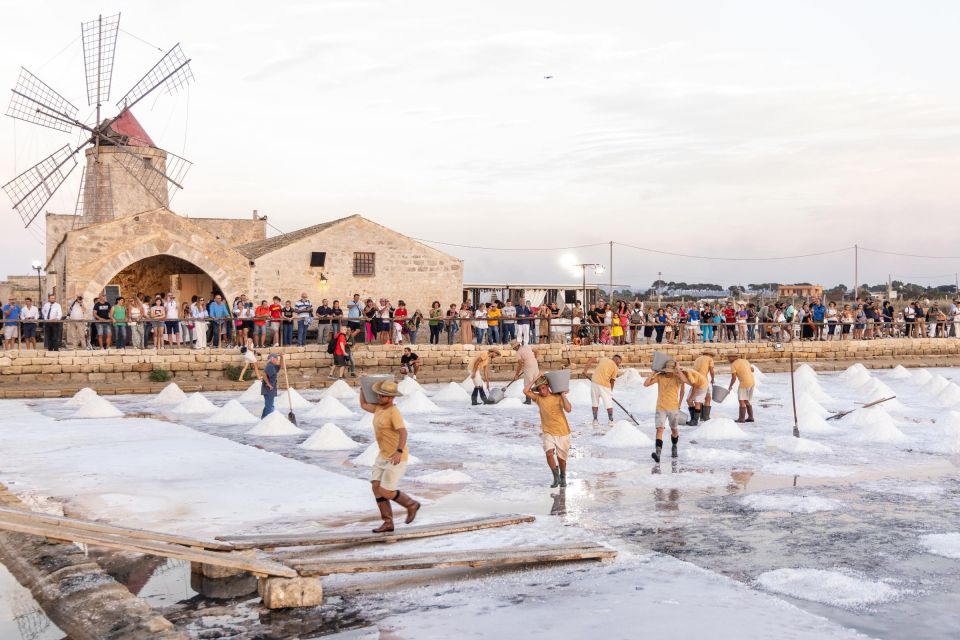
You start outdoors on a simple but scenic route around the salt pan perimeter. The guide leads you along paths where you see salt pools in shifting tones of white, with the blue of the sea nearby and the gray clay that supports the working areas. The pools can show a pink cast, depending on conditions, so the salt isn’t visually boring even when you’re standing still.
The route follows the perimeter until you reach the banks of the salt pans. This is where the water can mirror the sky, giving you that surreal “nothing but color and light” feeling. If you like taking photos, this is where I’d aim your camera—not because it’s flashy, but because the scene is genuinely unusual.
This walk also isn’t just about aesthetics. You’re in a WWF reserve environment, among protected plants and birds. That detail matters. It nudges you to see the salt pans as part of a living landscape where nature and human work overlap, instead of treating the area like a dead, industrial-looking site.
Hands-on moments that make the science sink in
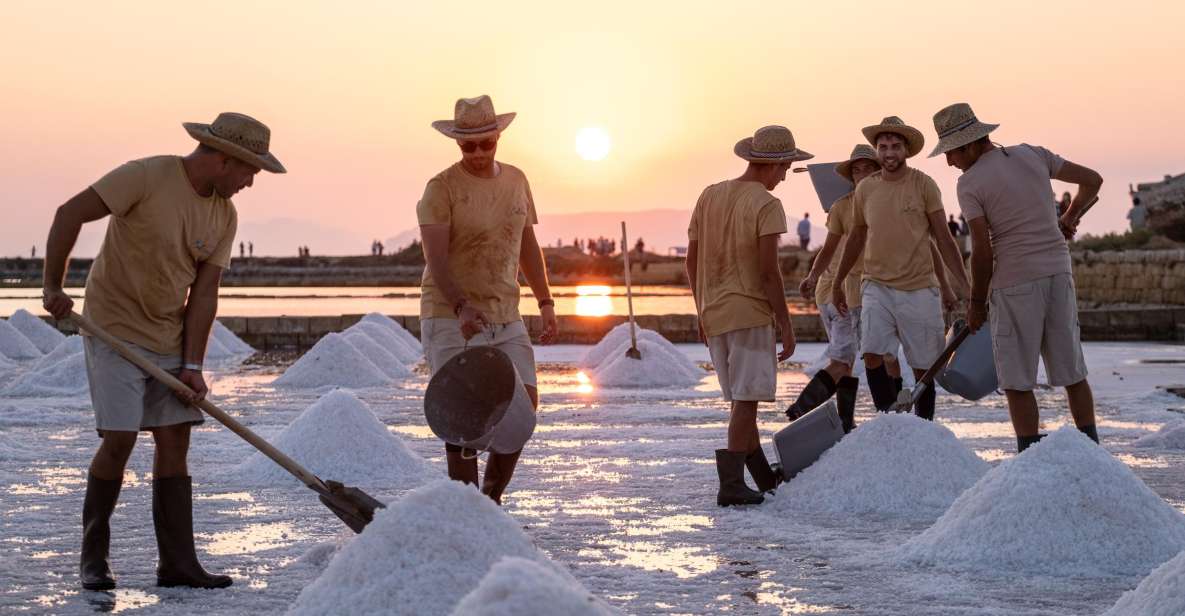
One of the best parts is that you’re not limited to looking. You’ll collect salt with your hands during the process and you’ll also touch salt inside the production tanks. That kind of tactile learning is hard to fake with photos.
And the guide doesn’t just show you “salt exists.” You follow, step by step, how seawater changes into the salt people know from kitchen jars. Even if you’ve never thought about evaporation chemistry before, you’ll leave with a mental map of what happens where.
The practical pace: it’s a hike, not a stroll
The tour is about 75 minutes total, and the walk segment is described as a 1-hour hike. That doesn’t mean you need to be an athlete, but it does mean you should plan for real walking.
Bring a hat and comfortable clothes, and don’t underestimate how quickly you’ll feel the sun. One of the lesson from real-world experience is simple: if you’re run down, tell yourself the tour may be too much on that day.
Taste the Salts: Fleur de Sel, Aromas, and Why It Matters

After the outdoor portion, the tour shifts into tasting. This isn’t a token sip-and-go. You get to taste whole salt and fleur de sel in different aromas from the production.
The highlight here is the flavored fleur de sel tied to the Slow Food Presidium. Slow Food Presidia are chosen for their connection to traditional food culture and distinctive quality, so this tasting is a nice bridge between local craft and a broader food world. It helps you understand that salt is not a single product. It changes how food tastes depending on grain size, purity, and the way it’s finished and flavored.




How to make the tasting work for your palate
Since the tour includes multiple samples, you’ll get the most out of it if you slow down and treat it like a guided food lesson. Take a tiny pinch. Let it dissolve. Notice how each aroma hits first, then how it lingers.
Whole salt tends to feel cleaner and more mineral. Fleur de sel is lighter and often tastes brighter because of its flaky texture. When flavors are added, you’ll also start noticing how aroma can push salt from “seasoning” into “ingredient.”
What I like about the tasting approach
This is one of the most praised aspects, and I agree with the logic. When you taste salt on-site, you connect the labor and steps you just walked through with an everyday outcome. It turns the salt museum visit from history talk into something you can taste and recognize later at home.
The Ancient Salt Museum and the 1400s Mill
The second part of the tour moves into the salt museum, housed inside an ancient farmhouse. That setting matters. Salt history is usually told through objects in glass cases. Here, the museum is located in a building that feels part of the working story.
You get a guided tour through the museum focused on more than tools. You retrace the tiring work of the salt pan, and you also hear about the family that has run the pans for generations. That family thread is what keeps the tour from becoming a list of facts.
The museum includes an ancient mill from the 1400s. So you’re not only learning how seawater turns into salt. You’re also seeing the older infrastructure that supported the salt economy long before modern processing.
Why this museum visit is more than “just indoors”
I like museums that explain the human rhythm of a place. Here, the shift from outdoor tanks to an indoor farmhouse makes that easier. You go from the physical steps of collection and transformation to the cultural steps—how families organized the work and how salt became tied to sea, trade, and survival.
There’s another detail worth knowing: the museum is included in the official guide of the European Union. You don’t need to care about paperwork to enjoy the tour, but that recognition signals that what you’re seeing has formal significance and preservation.
Price and What You’re Really Getting for $21
At $21 per person for 75 minutes, this tour has a straightforward value equation. You’re paying for guided access plus a guided walk through the salt pans and museum, plus tastings.
Many “cheap” tours in Sicily are light on included value. This one isn’t. The tasting (whole salt and fleur de sel in different aromas), the flavored fleur de sel from the Slow Food Presidium, and the hands-on salt touching are all part of what you’re paying for. Those elements convert the experience from sightseeing into a sensory lesson.
The biggest part of the value is that the tour is built in two phases: the salt pan walk provides context, and the museum explains the family and historical side. If you only toured the museum, you’d miss the working environment. If you only walked the tanks, you’d miss the story of how that work shaped lives for generations.
So even though $21 doesn’t sound like much on paper, the way the tour is structured makes it feel like more than a basic ticket.
Good to Know Before You Go: What to Bring and What to Expect
This is an outside-walk day. Even if you love museums, plan for walking time in salt-pan terrain.
Bring:
- Comfortable shoes
- A hat
- Comfortable clothes
Comfort shoes are the most important item here. The route is described as a 1-hour hike, and if you’re wearing sandals or shoes without grip, you’ll feel it by the middle of the walk.
English and Italian guiding
The tour runs with a live guide in English and Italian, so you should be able to follow along even if your Italian is rusty. The guide’s job is to connect what you see—white salt, gray clay, blue sea—to the process of turning seawater into salt and then to the family history inside the museum.
Wheelchair accessible, with a real walking caveat
The activity is listed as wheelchair accessible. That said, the tour also notes a basic level of fitness because of the 1-hour hike component. If you use a wheelchair, you’ll want to be realistic about how much of the route you can manage and how the guide handles the terrain. If you’re unsure, it’s worth asking ahead before you show up.
Where to Meet (and How Not to Lose Time)
Meet at Via Salina Chiusa, 1. The meeting point is in the ticket office on the forecourt below the windmill. When you arrive, look for the guide behind the salt sales counter.
If you get there early, you’ll usually have time to look around the site so the tour starts feeling familiar instead of rushed. With a short 75-minute schedule, being on time helps your day feel relaxed.
Who Should Book This Tour (and Who Might Pass)
I think this tour is a strong fit if you like hands-on travel. You’ll enjoy it most if you want to touch, taste, and learn the salt-making process in a place that still functions as a salt production environment.
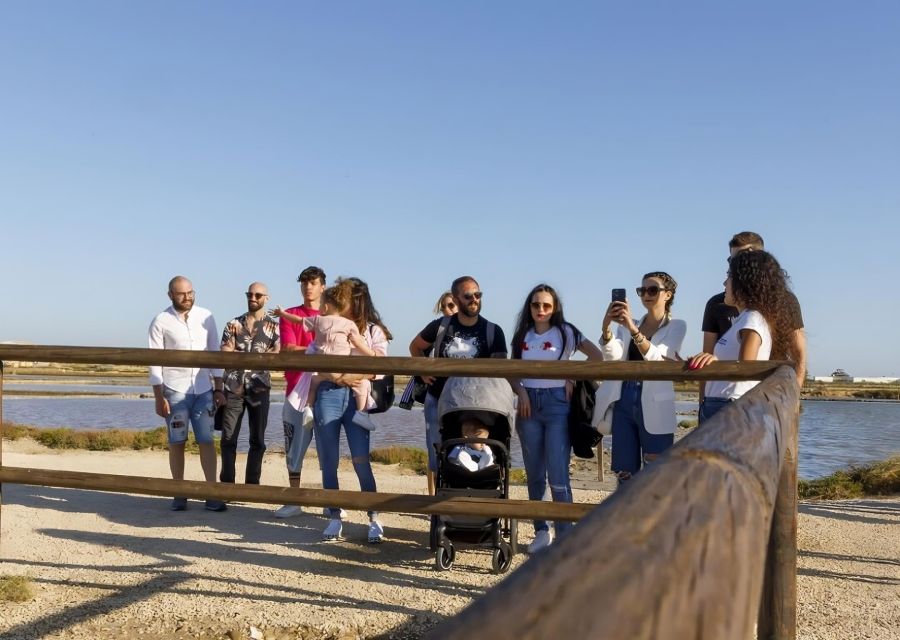
It also suits families fairly well, because the salt pans walk is described as suitable for all age groups within the WWF reserve context. Still, the fitness requirement is real enough to mention directly. If you’re dealing with low energy or a health issue, you should take the 1-hour hike warning seriously.
You’ll probably love it if you:
- Like practical, sensory learning (taste and touch)
- Want a short tour with clear structure: pans first, then museum
- Enjoy local food culture via the Slow Food Presidia connection
- Prefer guided context over wandering
You might prefer another plan if you:
- Cannot manage a sustained walking segment
- Don’t enjoy being outdoors in sun and wind for a portion of the tour
After the Tour: Aperitif or Dinner with the View
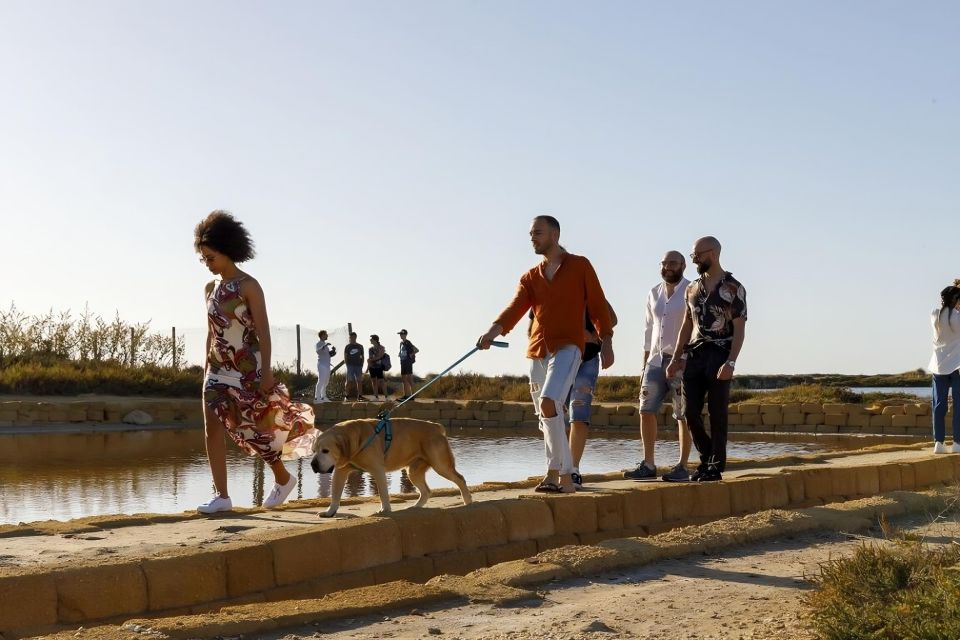
At the end of the tour, there may be the chance to enjoy an aperitif with a breathtaking view and/or dinner at the restaurant. That’s not the same as being included in the tour ticket, but it can be a nice way to extend the experience while everything is still fresh in your mind.
If your schedule is flexible, plan for this as a bonus. Salt pans are one of those places where the scenery and the story are still with you once you step away.
Should You Book the Trapani Salt Pans and Salt Museum?
Yes, if you want something more meaningful than a quick stop. This tour feels built for people who enjoy the “how does it work?” side of travel: walk the pans, follow the process, touch the salt, then learn the family and museum history afterward.
It also has clear value for the money. You’re not only paying for access. You’re paying for guidance and included tastings tied to recognized Slow Food culture, plus the hands-on parts that make the learning stick.
The only real decision point is your fitness level for the 1-hour hike portion. If you’re comfortable walking for that length, you’ll likely leave happier than you expected for a $21 experience.
If you’re ready for a short, practical Sicilian day that connects sea, craft, and food, book it.
FAQ
How long is the guided tour?
The tour lasts about 75 minutes.
Where do I meet the guide?
Meet at the ticket office on the forecourt below the windmill, at Via Salina Chiusa, 1. The guide is behind the salt sales counter.
What’s included in the ticket price?
You get an entrance ticket with a guided tour of the salt pan and salt museum, plus tastings of whole salt and fleur de sel in different aromas from the production.
Will I taste the salt?
Yes. The experience includes tastings of whole salt and fleur de sel, including flavored fleur de sel from the Slow Food Presidium.
Can I touch the salt?
Yes. You can collect salt with your hands and touch the salt inside the salt production tanks.
What parts does the tour include?
It includes a guided walk around the salt pans and then a guided tour of the ancient salt museum and the ancient mill from the 1400s.
What languages is the tour offered in?
The live guide is available in English and Italian.
Is the tour wheelchair accessible?
The tour is listed as wheelchair accessible.
What should I bring for the tour?
Wear comfortable shoes, and bring a hat and comfortable clothes.
Is there a time limit for walking?
The tour includes a 1-hour hike segment and requires a basic level of fitness.
Can I cancel for a refund?
Free cancellation is available up to 24 hours in advance for a full refund.