REVIEW · LAST SUPPER
Milan: Da Vinci’s Last Supper Guided Tour
Book on GetYourGuide →Operated by GT Tours · Bookable on GetYourGuide
Fifteen minutes with Leonardo flies. This guided Milan visit gets you into Santa Maria delle Grazie’s refectory to see the Last Supper up close, with 15-minute viewing and a licensed guide. It’s one of those experiences where the rules are part of the magic.
I also like the way the tour is built for clarity. Audio headsets help you hear the guide cleanly, so you can focus on what you’re looking at instead of guessing what’s being explained.
The trade-off is time and timing. You’re limited to 15 minutes inside the refectory, and the church visit can’t always be guaranteed because of religious events.
In This Review
- Key highlights worth your attention
- Where the tour starts: Piazza di Santa Maria delle Grazie, not a random corner
- How the 1-hour tour actually works (and why the timing feels tight)
- The UNESCO monastery setting: Santa Maria delle Grazie is the stage
- Inside the refectory: how to get value from only 15 minutes
- What the guide does with the time: story plus art mechanics
- Audio headsets: the small thing that makes the tour feel effortless
- Practical rules you should plan around (so you don’t lose time)
- Value check: is $75 for the Last Supper tour actually worth it?
- Who this tour suits best (and who should reconsider)
- Quick booking advice to avoid headaches
- Should you book the Milan Last Supper guided tour?
Key highlights worth your attention
- 15-minute inside viewing: short on purpose, so the guide teaches you how to look fast.
- Licensed local guide in English: real context on Leonardo and the site, not just facts on a wall.
- Audio headsets included: you hear the story clearly even with a group.
- UNESCO setting at Santa Maria delle Grazie: the church and refectory come as a historical package.
- Lots of practical rules: bring an ID, skip backpacks, and plan around the no-flash policy.
Where the tour starts: Piazza di Santa Maria delle Grazie, not a random corner
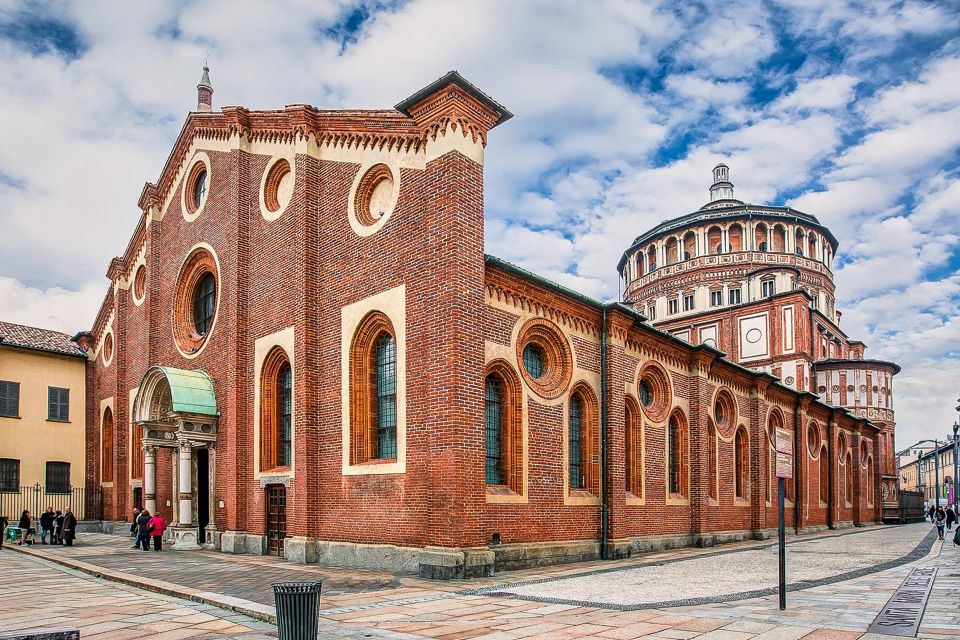
Meet at Piazza di Santa Maria delle Grazie, in front of the Ticket Office. It’s an easy spot to find once you’re in the right square, and the guides are set up to help you get oriented without stress.
This matters because the entry system is strict. If you’re even a little late, you can lose time that you really want for viewing. I recommend arriving early enough to do a quick bathroom stop and settle your belongings before the group funnels toward the refectory.
You can also read our reviews of more tours and experiences in Last Supper.
How the 1-hour tour actually works (and why the timing feels tight)
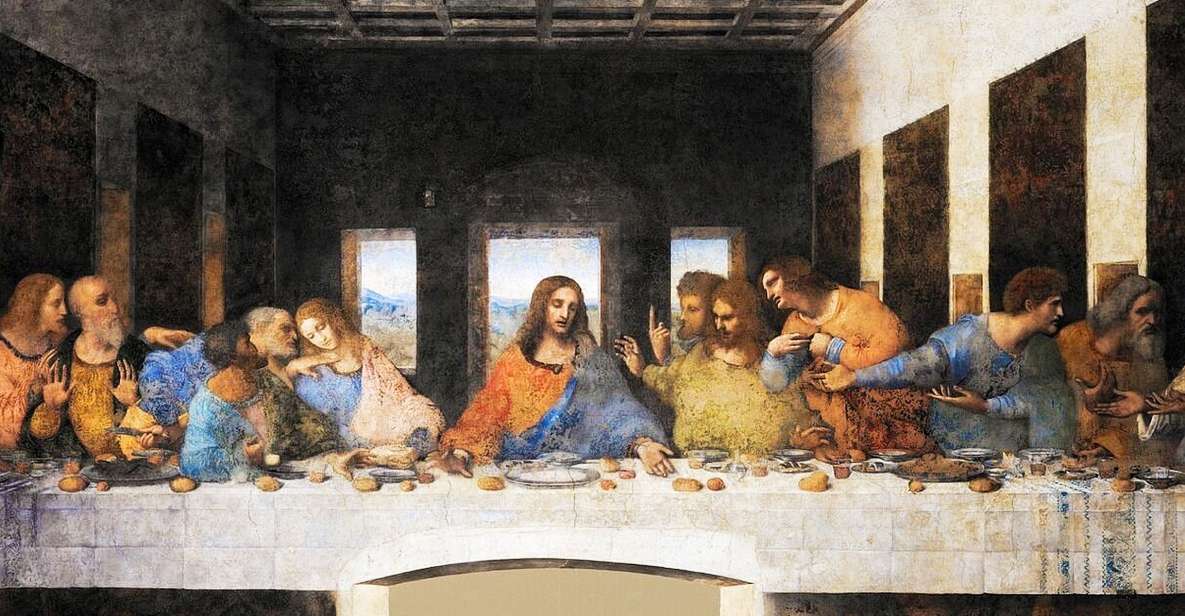
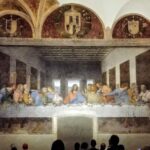
The whole tour is 1 hour, but the payoff moment is the 15 minutes inside the refectory. That short viewing window isn’t a gimmick; it’s part of how the site manages crowds and protects the painting.
The rest of your time is spent preparing your eyes. Your guide sets context first, then uses the minute-by-minute clock to point out what to notice once you’re in front of the fresco. In practice, this makes your visit feel like a guided study session rather than a quick sightseeing stop.
One small thing you should expect: the entry flow can feel a bit controlled, with groups moving through spaces that keep the experience orderly. That structure can add anticipation, even if you just want to get right in and stare.
The UNESCO monastery setting: Santa Maria delle Grazie is the stage

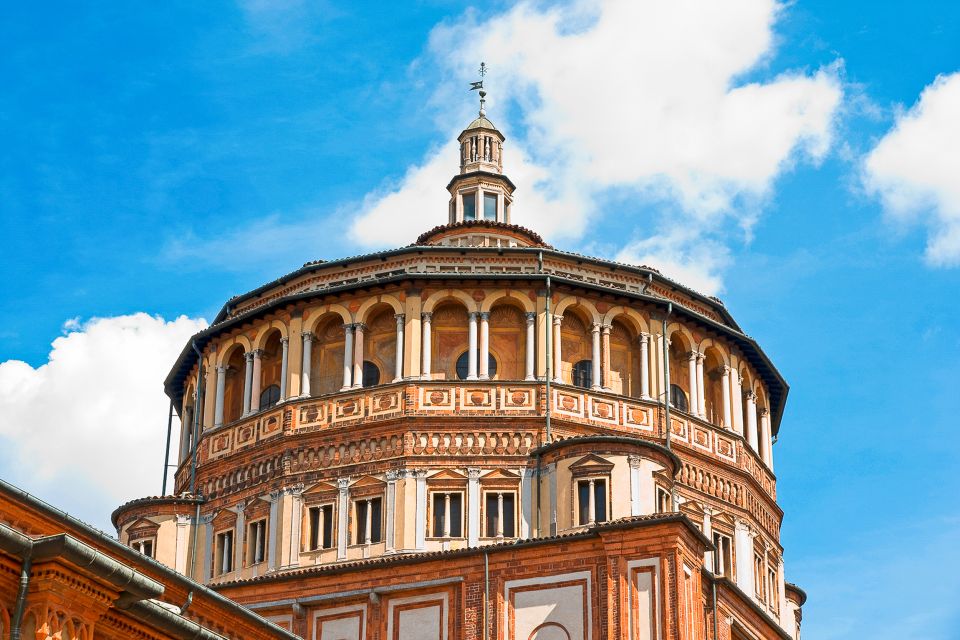
You’re not only visiting a famous painting. You’re stepping into the church of Santa Maria delle Grazie and the refectory, a UNESCO World Heritage site since 1980.
The site is part of a larger monastic complex tied to the Dominican monks, and that context changes how you feel the wall. When you understand the setting, Leonardo’s work stops being only an art object and starts looking like something made for a specific space and purpose.
And yes, the church part is part of the experience when it’s available. Due to religious events, the visit to the church cannot always be guaranteed, so treat it as a possible bonus, not a promise. If you’re strongly interested in the church itself, check in close to your visit day and plan your day around the refectory being the main event.
Inside the refectory: how to get value from only 15 minutes
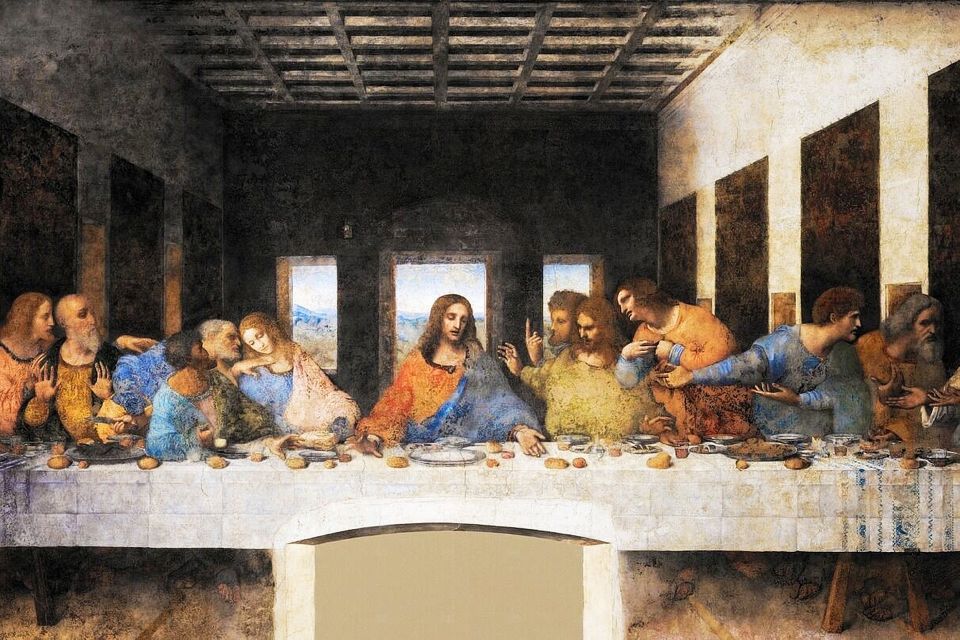
In the room, your goal isn’t to memorize the whole scene. It’s to learn how the composition pulls your attention so you can see more than you would alone.
This is where a good guide changes everything. The tour focuses on the most discussable elements of the painting, including perspective, composition, and technique. You’ll also hear about the history of the site and the surrounding story of Leonardo’s era, including his ties to Ludovico Sforza.
If you want a practical game plan for your own look, here it is:
- Look for the main groupings first, then follow the lines the scene uses to organize the room.
- Notice how faces and gestures guide the eye back to the central moment.
- Don’t try to read every detail. Concentrate on the structure, then catch smaller moments.
Also: this is not the place to rush for selfies. Flash photography is not permitted, and food and drinks aren’t allowed either. Save your energy for close looking.
What the guide does with the time: story plus art mechanics
A lot of Last Supper visits fail because they treat the experience like a photo stop. This tour is different because the guide uses the time to help you understand what you’re seeing.
You’ll get explanations that connect the painting’s design choices to the viewer’s experience. Guides talk about the perspective tricks that make the scene feel arranged for observation, the composition that organizes the figures, and the technique choices that affect how the fresco reads from a distance.
The stronger guides also include human context, not only art analysis. Based on reported experiences with guides such as Marco, Marco Antonio, Elizabet, Elisabeta, Serena, Luciana, and Zenopizzo, the best tours blend art talk with storytelling. That’s why the hour feels full instead of rushed.
One more practical win: your guide can respond to questions. You don’t just stand there waiting for the time limit to end—you get nudged toward what to notice next.
Audio headsets: the small thing that makes the tour feel effortless
The tour includes audio headsets in English. In real-world terms, this means you’re less likely to miss key explanations while craning your neck or trying to find the best angle.
It’s also why groups work well here. If you’ve ever been in crowded churches or galleries, you know how quickly sound turns into chaos. Headsets keep the guide’s voice present, so you can keep your eyes on the painting instead of hunting for words.
Practical rules you should plan around (so you don’t lose time)
This visit has a very clear set of do’s and don’ts. Here’s what matters most for your day:
- Bring passport or ID card.
- Don’t bring food and drinks.
- Don’t bring luggage or large bags. There are small lockers available at the ticket office.
- No flash photography.
- No backpacks.
- Provide participant names as required for on-site identification, and use the correct first and last name for each reservation.
If you’re traveling light, you’re already winning. Keep your daypack small or plan to use the locker.
Also note the age rule: children aged 12 months and older must have an adult ticket. If you’re bringing a toddler, that detail affects your planning.
Value check: is $75 for the Last Supper tour actually worth it?
At $75 per person for a 1-hour experience, it’s not a throwaway add-on. The value comes from what you’re paying for, not the headline price.
You’re getting:
- The Last Supper entry ticket
- A licensed guide
- Audio headsets
- And crucially, access within a system that limits how long you can stay inside and how many people are in the room at once.
When you break it down, you’re essentially paying for a timed entry plus expert guidance that helps you see more during those 15 minutes. If you have limited time in Milan, that’s a real advantage. If you have all day and you love wandering independently, you might prefer a self-guided route—but the painting’s access rules can make that less flexible than it sounds.
For most visitors, the guide is the difference between seeing the Last Supper as an icon and understanding it as a designed visual experience.
Who this tour suits best (and who should reconsider)
This guided format is ideal if:
- You want the painting to make sense fast.
- You’d rather get art context with your visit than search for it afterward.
- You like structured sightseeing with a clear payoff moment.
It may be less ideal if:
- You dislike guided tours and prefer to read at your own pace for long stretches.
- You’re hoping for a long, slow, solo viewing time. The room time is strict.
It also helps if you’re planning your day around this one “anchor” experience. Milan has plenty of choices, so having a timed start and a clear main event can make the rest of your itinerary smoother.
Quick booking advice to avoid headaches
Do two things before you lock it in:
1) Make sure every participant’s first and last name matches what you’ll show on site. This kind of ticket is identity-based.
2) Aim to arrive early at the meeting point, since you want to be ready before the group moves.
If church access is important to you, keep it flexible. Religious events can affect whether the church visit happens, but the refectory portion is the centerpiece.
Also, consider dressing for possible church time. One useful tip that came up in actual experiences is that if you don’t plan to go into the church area, you may not need extra covering for arms and knees. Still, it’s smart to travel with a light layer in case you end up going in.
Should you book the Milan Last Supper guided tour?
If you’re coming to Milan and want the most meaningful version of the Last Supper visit, I’d book this. The combination of licensed guidance, audio headsets, and ticketed access is what turns a famous painting into a real understanding in a very limited time window.
Book it if you’re short on time, curious about how Leonardo built the scene, or you want to feel confident you’re not missing the important parts. Skip it only if you truly prefer unstructured independent viewing and you’re okay spending extra effort figuring out what to notice once you’re staring at the wall.