REVIEW · ITALY
Milan: Pizza or Pasta and Gelato-Making Class with Wine
Book on GetYourGuide →Operated by Towns of Italy · Bookable on GetYourGuide
A Milan cooking class built around dough, not just watching. In about 3 hours, you’ll roll yeast dough, get gelato turning, and finish by eating what you made—no culinary degree required. The best part is the pace: you learn by doing, take a wine break while things rest, then return to the fun work of topping and baking.
What I like most is the chef-led, hands-on teaching—the instructors named in feedback (Matteo, Alfredo, David, Fabrizio, Diego, and Mario) are repeatedly praised for being patient, funny, and encouraging. I also love the payoff: you’re not just fed, you leave with a digital recipe booklet plus a small certificate you can keep.
One drawback to consider: this isn’t a quick snack stop. It’s a focused, step-by-step class (and it’s not suitable for celiac or gluten intolerance, and it’s not for wheelchair users).
In This Review
- Key highlights worth your attention
- A 3-hour Milan cooking class: pizza or fresh pasta plus gelato
- What you’ll make: yeast dough, sauce, gelato churn, and a cone
- The pizza track: knead, rest, sauce, top, then bake
- The pasta track: fresh pasta from scratch (and the gelato finale)
- Wine break and studio vibe: learning without feeling rushed
- Dinner, certificate, and the recipe booklet you’ll use later
- Price and value: what $101 includes (and what it doesn’t)
- Who should book (and who should skip this class)
- Practical planning: what to wear, what to ask, and how to show up
- Should you book this Milan pizza and gelato class?
- FAQ
- How long is the Milan pizza or pasta and gelato-making class?
- Do I get to choose between pizza and pasta?
- What’s included in the price?
- Is the class taught in English?
- Can vegetarians and other dietary needs join?
- Is it suitable for celiac or gluten intolerance?
- Is hotel pickup or drop-off included?
Key highlights worth your attention
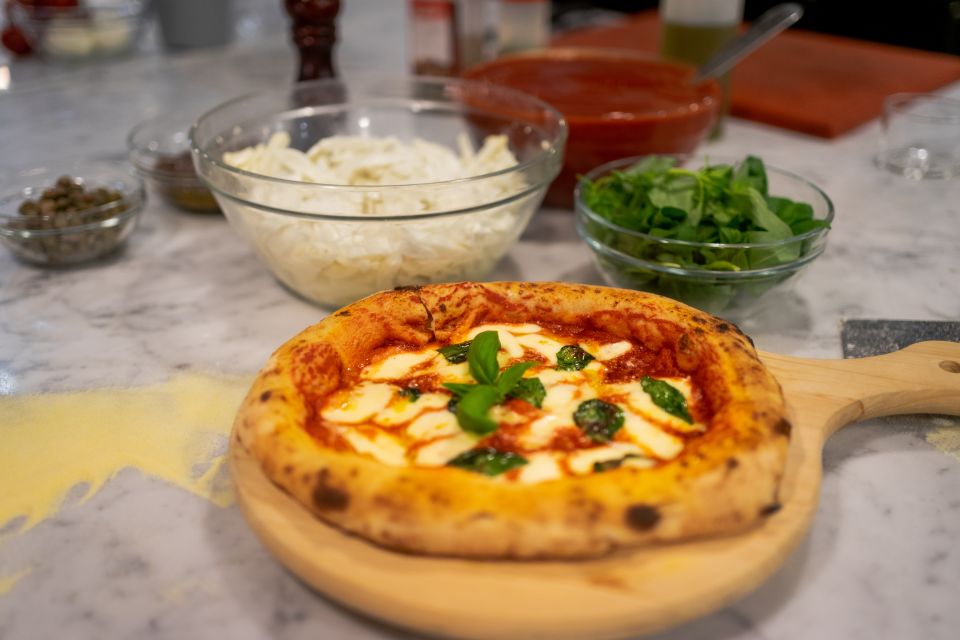
- Pizza or pasta choice at checkout: pick your route, then you still get gelato and wine as part of the experience.
- Real technique for real dough: you knead and shape yeast dough, then learn the sauce and topping logic that makes it taste Italian.
- Gelato while you sip: while gelato churns, you get a break with Diadema wine/olive oil and narration about the ingredients.
- You eat what you make: the class ends with a sit-down meal of your finished pizza or pasta plus gelato.
- Strong instructor track record: many participants specifically call out Matteo and Alfredo as excellent hosts.
A 3-hour Milan cooking class: pizza or fresh pasta plus gelato
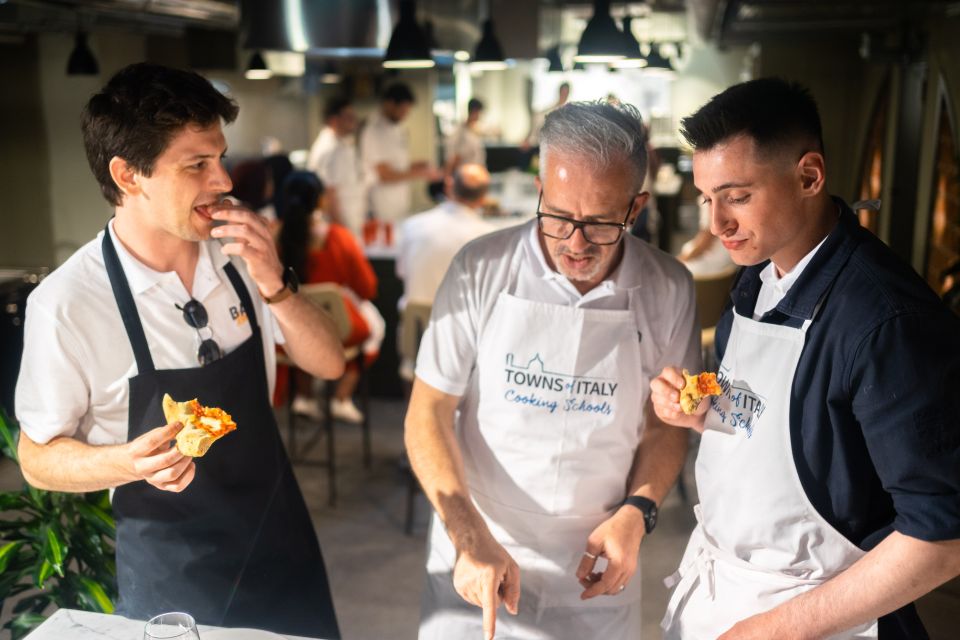
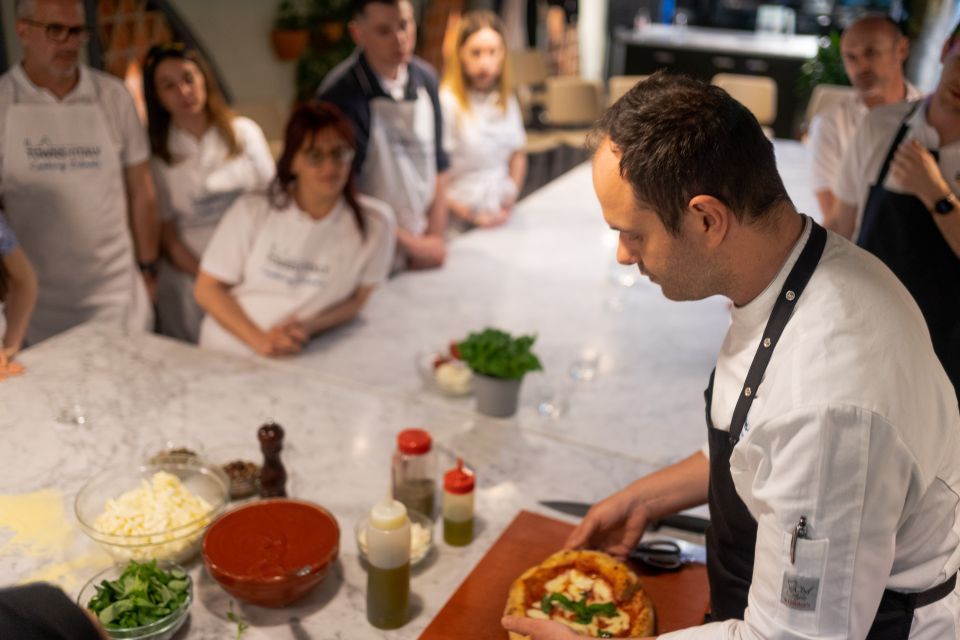
This is one of those Milan activities that works even if you’re not a big foodie. You’ll spend the evening in a professional cooking studio learning core Italian techniques with a chef who leads the room in English.
The big choice is simple: at checkout, you pick pizza or pasta. In the pizza option, you make Neapolitan-style dough, sauce, and toppings, and then you churn and serve gelato. In the pasta option, you make fresh pasta from scratch, churn gelato, and finish with the meal.
The timing matters. Three hours is long enough to learn by repetition, but not so long that you’re wiped out afterward. Reviews also hint that class sizes can vary: I saw mentions of groups around 20 people and also smaller groups around 8, so you may feel more hands-on in one session than another.
You can also read our reviews of more tours and experiences in Italy.



What you’ll make: yeast dough, sauce, gelato churn, and a cone
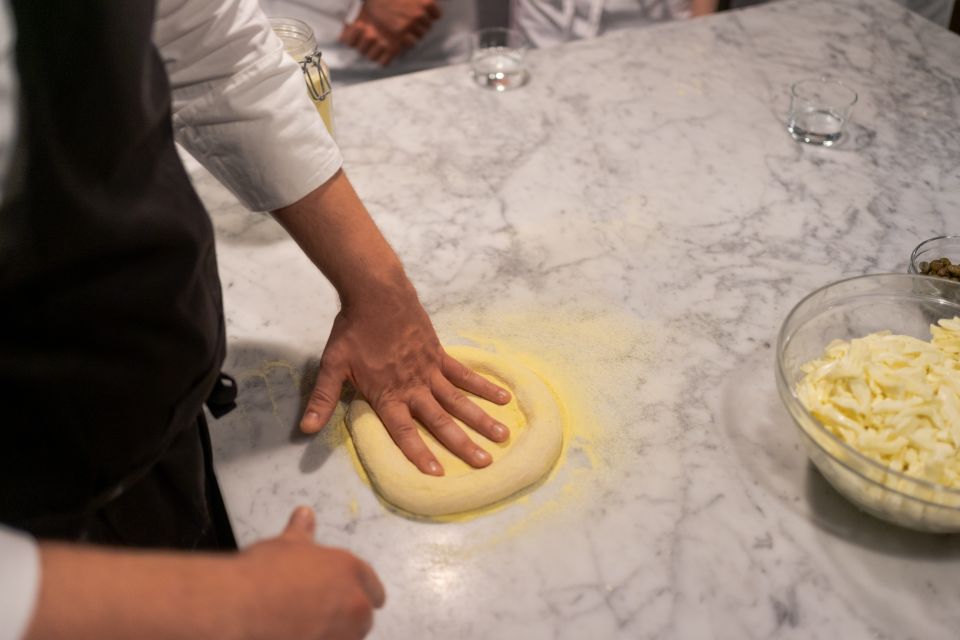
The flow of the class is built around Italian comfort food with a teaching rhythm.
You start with dough work. The chef demonstrates how to handle pliable yeast dough, then you knead it yourself. Dough-rest time isn’t wasted time here; it’s where the class adds a drink and a breather.
When you take a break, you’ll enjoy a selection described as premium Diadema wines and olive oil, plus soft drinks depending on your option. Then the focus shifts to gelato: you’ll learn how raw ingredients come together, watch chocolate melt into the mix, and get instruction on combining ingredients into a batter used for the cone.
Once the gelato is churning and the studio is humming, you return to the main build. For pizza, that’s rolling out dough and assembling your pie with toppings. For pasta, it’s making fresh pasta from scratch, then moving into gelato and the shared meal at the end.
The practical value here is that you’re learning sequences, not random recipes. You see what must happen first (dough, rest) and what can happen while something else works (gelato churning). That’s exactly how a real kitchen teaches, and it makes the at-home version less mysterious.
The pizza track: knead, rest, sauce, top, then bake
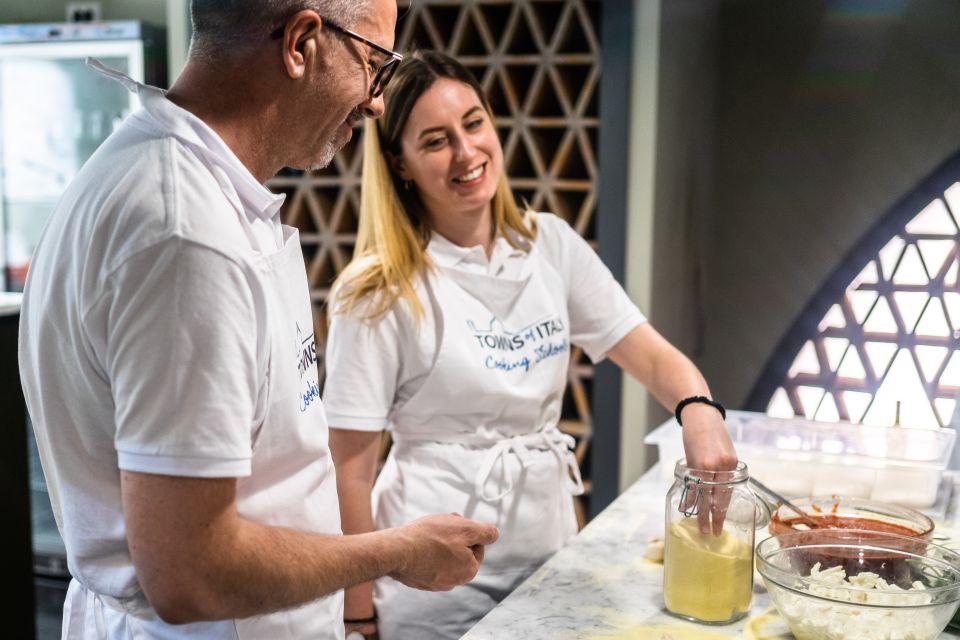
If you pick pizza, expect a true dough session rather than just putting toppings on a pre-made base.
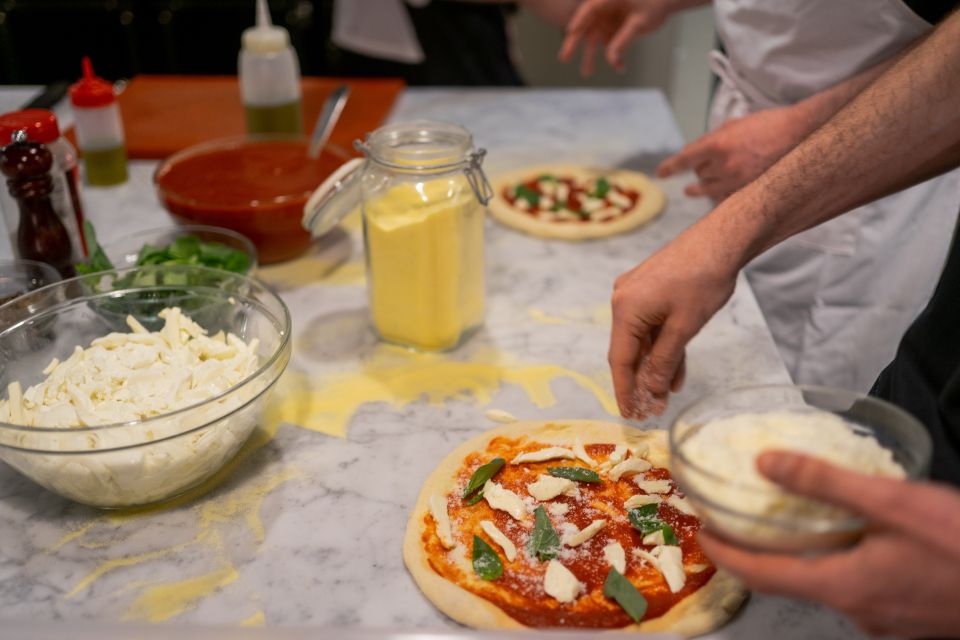
You’ll learn how to knead yeast dough to get the right texture and stretch. Then you move into sauce: the chef explains how to prepare a light, zesty tomato sauce and how to spread it so it stays balanced under the toppings.
After the break, you roll out your dough and choose toppings. The class also covers seasoning logic before the pizza goes into the oven. When the pizza comes out, you sit down and eat your creation—hot enough to taste right away, and set up to compare your result to what you’ve had in Italy.
What makes this track feel special is that it’s not only about the final pizza. You’re taught the steps that determine the dough outcome—kneading, shaping, and timing—so you leave with more confidence than just a list of ingredients.
The pasta track: fresh pasta from scratch (and the gelato finale)
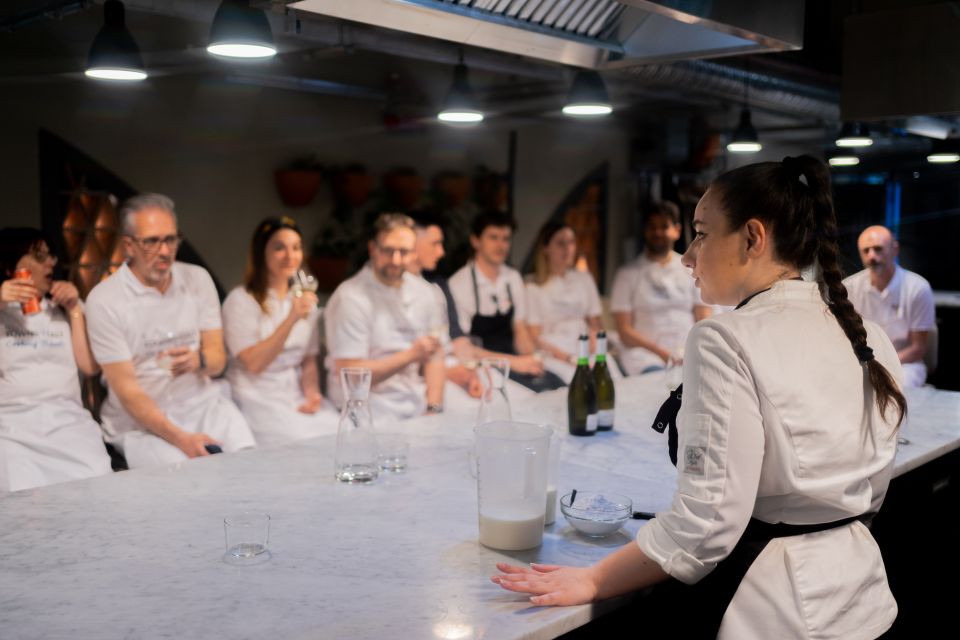
If you’re more of a pasta person, the pasta option keeps the same structure—fresh dough work plus gelato plus a meal—but swaps the main build.
The class description is straightforward: you’ll make fresh pasta from scratch, churn gelato, sip wine, and enjoy the feast. One participant specifically mentioned pasta and ravioli, which suggests that some sessions may include pasta shapes beyond plain ribbons, but you’ll want to follow the chef’s lead in your booked session.
For readers deciding between pizza and pasta, here’s the easiest way to choose:
- Pick pizza if you want the classic dough-stretch and oven payoff.
- Pick pasta if you’d rather learn dough handling with a more technique-forward pasta workflow.
Either way, gelato is part of the package, and that’s the sweet skill most people don’t get on standard food tours.
Wine break and studio vibe: learning without feeling rushed
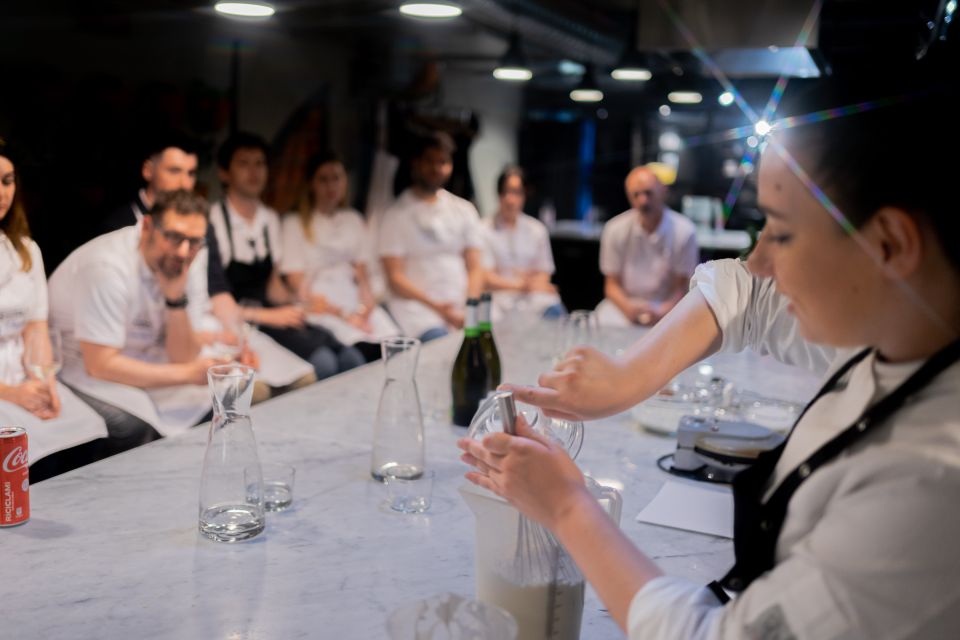
This is a working cooking school environment, not a showroom. You’re moving, kneading, assembling, and then eating together at the end.
A consistent theme in feedback is how the chef instructors keep the mood light while still teaching details. Names that come up often include Matteo and Alfredo, plus others such as David, Fabrizio, and Diego. People repeatedly mention humor, patience, and a supportive tone—especially helpful if you’re traveling solo or bringing kids.
You also get an actual break while dough or gelato are doing their thing. That’s where the class turns into a proper Milan evening: you sip wine, listen to stories about ingredients and process, then rejoin the hands-on part when it’s time.
If you’re wondering whether the group will feel tense, the overall tone sounds the opposite. One review called out inclusion for different abilities, and multiple people describe a relaxed pace with room for questions. Still, this is hands-on. If you want to stand back and watch, you might find the experience too participatory.


Dinner, certificate, and the recipe booklet you’ll use later
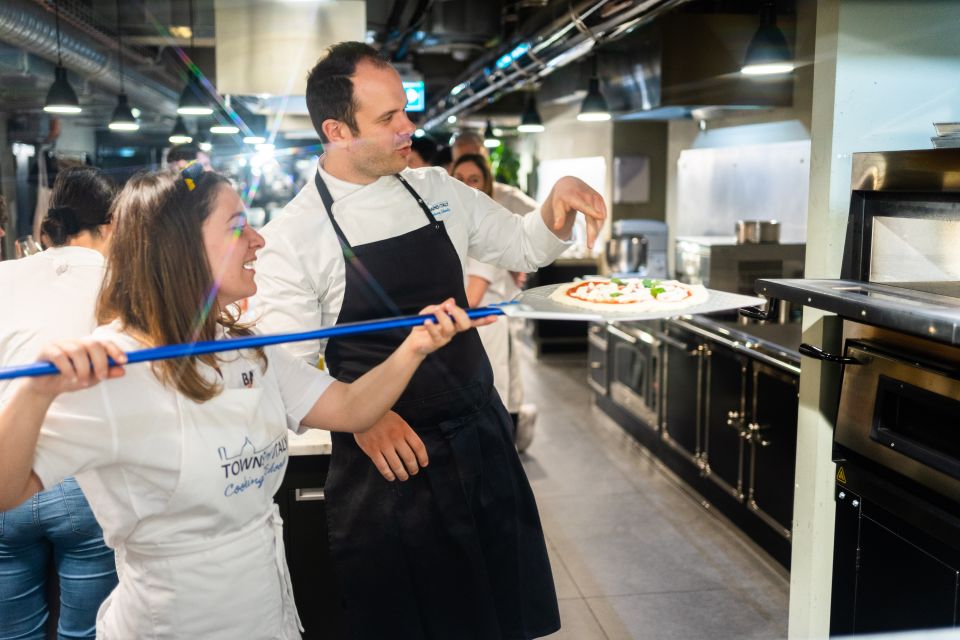
The class ends with you sitting down to eat what you made. That matters because it lets you judge your results while everything is fresh and hot—especially for pizza, where dough texture can change quickly after baking.
Included in the experience are also:
- A certificate of attendance
- A full digital recipe booklet to keep and use at home
That combo is more useful than it sounds. The certificate gives you a souvenir that isn’t just paper-thin. The digital booklet helps you recreate the steps without relying on memory—especially the parts that are easy to forget, like dough handling cues or how to set up the gelato base.
One more small detail with big value: you get a clear structure for drinks and meals during the three hours, so you’re not searching for dinner right afterward.
Price and value: what $101 includes (and what it doesn’t)
At $101 per person, this class costs about what you might pay for a decent meal plus a guided experience in a major city. The value comes from what’s included, not just the fact you learn to cook.
Included items (key ones):
- Pizza or pasta and gelato-making class depending on your choice
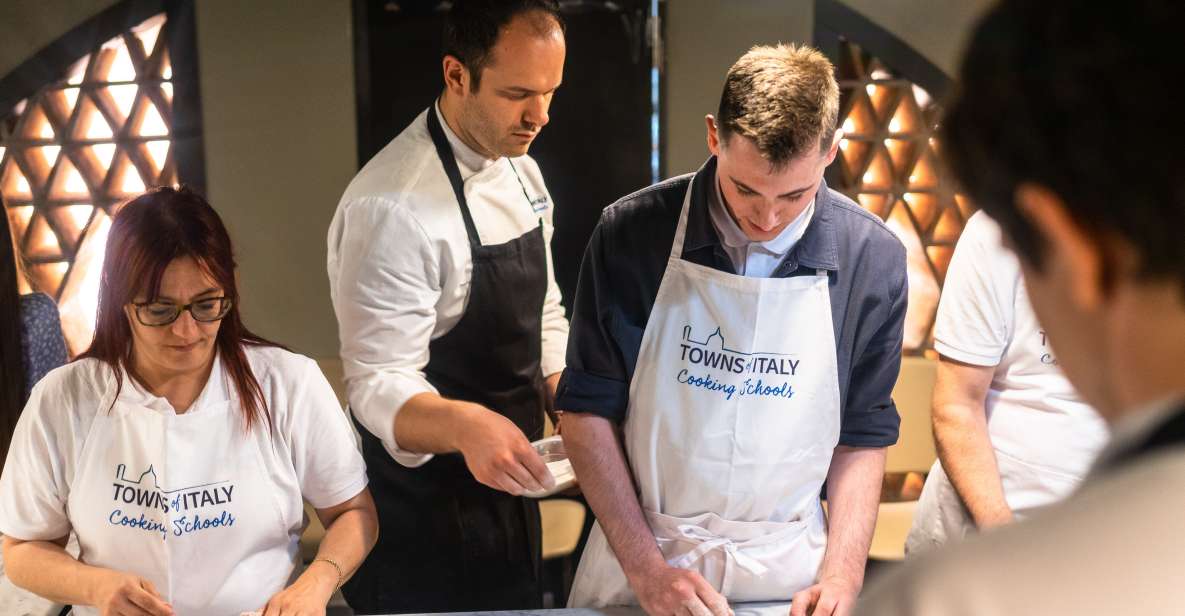
- Professional chef instructor, plus apron and utensils
- Ingredients
- Soft drinks or a glass of wine
- Dinner
- Certificate of attendance
- Digital recipe booklet
What’s not included:
- Hotel pickup and drop-off
So if you’re staying in central Milan, you’ll likely feel like you paid for a full evening of instruction plus a real meal. If you’re farther out, your transportation time and cost become part of the real equation. Plan to get yourself there on time, and build in a little buffer for finding the studio.
Who should book (and who should skip this class)
This is a strong fit for:
- Families looking for a fun, culture-based activity where kids can learn real food skills
- Solo travelers who want an instructor-led experience with social energy
- Couples who want a shared task and a shared meal, not just a list of sights
It also seems popular with food-nerd types because the teaching focuses on process: dough, rest, sauce, and gelato ingredients.
Skip or reconsider if you have:
- Celiac or gluten intolerance (the class is not suitable)
- Wheelchair use (it’s not suitable for wheelchair users)
- Traveling with pets (pets aren’t allowed)
- Unaccompanied minors (not allowed)
Dietary needs are also a mixed story. Vegetarian and other diets are supported, but you need to inform the provider when booking. If you have a serious allergy beyond what’s mentioned, send details early rather than assuming the studio can improvise.
Practical planning: what to wear, what to ask, and how to show up
A few real-world tips that come straight out of what participants said:
- Wear something you can knead in. You’re working dough, so comfort beats fashion. If you have an apron, you still want clothes you don’t mind getting flour or sauce on.
- Arrive early enough to settle in. Some feedback mentions difficulty finding the location once at the station area, and the venue sits in a complex, easy-to-miss environment. Give yourself a cushion to locate the correct studio entrance.
- If you’re booking for a dietary reason, ask before you arrive. The class says dietary options like vegetarian and other diets are supported if you notify the provider. Doing that early is how you avoid last-minute awkwardness.
- Bring questions. Multiple people praised the instructors for being patient and supportive. If you struggle with dough texture or timing, ask mid-process instead of waiting until the end.
One more planning note: the meeting point can vary by option booked. Don’t assume a single address works for all bookings. Check your confirmation details carefully.
Should you book this Milan pizza and gelato class?
I’d book it if you want a hands-on Milan evening where the learning is practical and the meal is part of the curriculum. The choice between pizza and pasta is a real plus, and the gelato component is a fun skill that translates well to home cooking.
I’d skip it if:
- You can’t have gluten or need a celiac-safe setup
- You require wheelchair accessibility
- You want a purely observational tour with minimal participation
If you’re on the fence between pizza and pasta, decide based on your mood. Pizza puts the spotlight on yeast dough, sauce, toppings, and oven results. Pasta puts the spotlight on fresh pasta from scratch. Either route ends with gelato and a sit-down meal, and that’s the part that makes it feel like a complete experience, not a cooking demo.
FAQ
How long is the Milan pizza or pasta and gelato-making class?
The class lasts 3 hours.
Do I get to choose between pizza and pasta?
Yes. You choose between two different options at checkout: pasta or pizza.
What’s included in the price?
The class includes the pizza or pasta and gelato-making session (based on your option), a professional chef instructor, an apron, cooking utensils, ingredients, soft drinks or a glass of wine, dinner, a certificate of attendance, and a digital recipe booklet.
Is the class taught in English?
Yes, the instructor teaches in English.
Can vegetarians and other dietary needs join?
Vegetarian and other diets are supported, but you need to inform the activity provider when booking.
Is it suitable for celiac or gluten intolerance?
No. The class is not suitable for people with celiac, and it’s also not suitable for people with gluten intolerance.
Is hotel pickup or drop-off included?
No. Hotel pickup and drop-off are not included.