REVIEW · MUSEO NAZIONALE SCIENZA E TECNOLOGIA LEONARDO DA VINCI
Milan: Science and Technology Leonardo da Vinci Museum Entry
Book on GetYourGuide →Operated by Science & Technology Museum Da Vinci · Bookable on GetYourGuide
Leonardo meets rockets, trains, and submarines in Milan. This ticket takes you into the Science and Technology Leonardo da Vinci Museum and its standout New Galleries, the largest permanent Leonardo exhibition in the world. Set in the cloisters of a Renaissance monastery, the setting alone gives the whole place a different feeling than a standard museum floor.
I love how much you get for your time: the New Galleries bring together 170 historical models, works of art, ancient volumes, and hands-on-style installations that track Da Vinci’s ideas from sketch to machine. Then the rest of the museum expands the story into real technology across transport and space, including major objects like steam trains and the Luna Rossa AC72 catamaran.
One thing to watch: this museum is big, and the layout can make you feel like you’re either rushing or backtracking. If you only plan a quick stop, you may miss the best parts.
In This Review
- Key highlights before you go
- Milan’s Leonardo da Vinci Museum: engineering across centuries, in one monastery setting
- New Galleries: 170 Leonardo da Vinci models you can actually follow
- Transport halls: steam trains, ships, and racing tech in one flow
- Submarine and naval engineering: when the museum turns serious
- The space area: the moon fragment in Italy and the Vega launcher
- Temporary science exhibits: energy, materials, communication, physics
- How to plan your day inside the museum without getting lost
- Tickets, entry point, and the voucher exchange at Via San Vittore 21
- Who should book this Leonardo da Vinci museum ticket?
- Should you book the Milan Leonardo da Vinci Museum ticket?
- FAQ
- Where is the museum entrance for this ticket?
- Do I need to exchange my voucher?
- Is entry tied to a specific time?
- How long is the ticket valid?
- What’s included with the entry ticket?
- Is a guided tour included?
- What are the top highlights to plan for first?
- Is the museum wheelchair accessible?
- Are pets allowed?
- What’s the booking policy if plans change?
Key highlights before you go
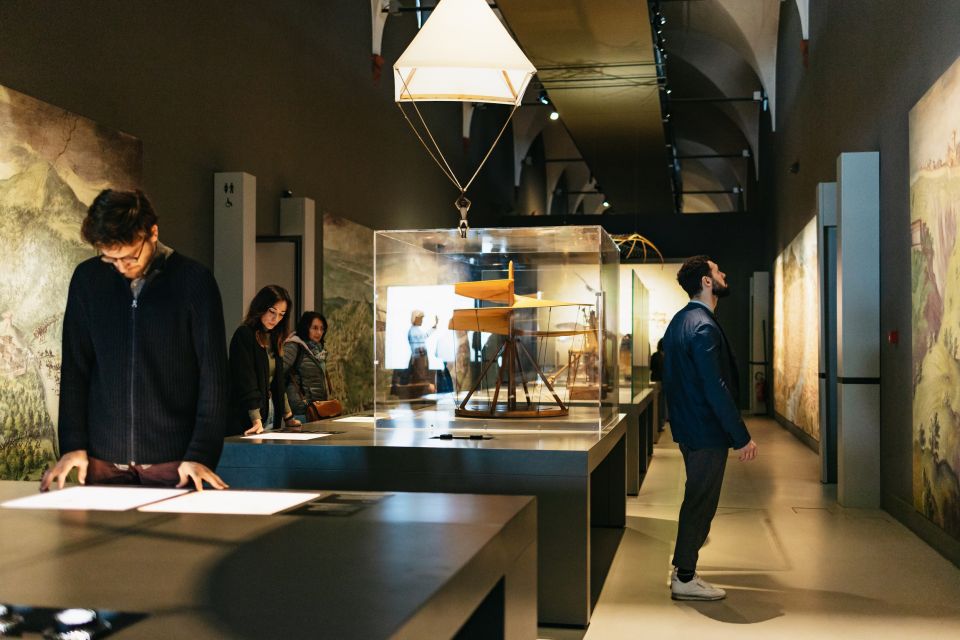
- New Galleries (Leonardo’s life in models): 170 historical models plus art, old books, and interactive-style displays.
- Steam trains and transport engineering: you can move from rail to sea and feel the same ideas show up again and again.
- Luna Rossa AC72 catamaran: a high-performance racing catamaran model that makes engineering feel modern.
- Space area with a moon fragment: the only moon fragment visible in Italy, plus the Vega space launcher.
- More than Da Vinci: rotating temporary shows on energy, materials, communication, transport, and particle physics.
- Good value self-paced: entry ticket around $15, plus a 10% discount at the museum shop.
Milan’s Leonardo da Vinci Museum: engineering across centuries, in one monastery setting
If you like science that has a story, you’ll enjoy how this museum connects the past to what you see today. The big idea isn’t just inventions—it’s the thinking process behind them. You get to follow Leonardo da Vinci as an engineer and humanist, then watch technology keep evolving through trains, ships, submarines, and space travel.
The setting helps. The museum is housed in the cloisters of a Renaissance monastery, so you’re not just walking through themed rooms—you’re moving through a historic structure while the exhibits bounce from delicate models to full-scale concepts. That mix is part of why this ticket can feel more like a journey than a checklist.
Also, the museum is broad without feeling random. Even when you’re not specifically looking for Leonardo, you can still enjoy the transport halls and the space section because the objects are organized around how machines work and why people built them.
New Galleries: 170 Leonardo da Vinci models you can actually follow
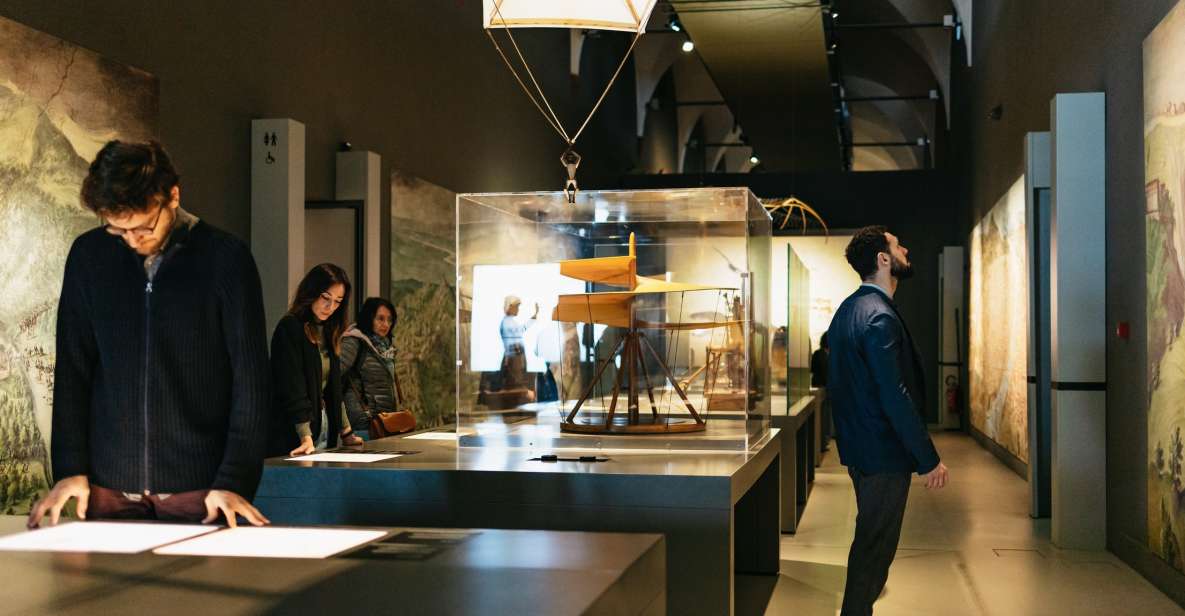
The reason most people buy this ticket is the New Galleries, the museum’s largest permanent Leonardo da Vinci exhibition. What makes it different is scale and completeness. You’re not just looking at a handful of inventions—you’re moving through a life’s worth of engineering concepts, presented through 170 historical models.
Expect more than display cases. The galleries mix model-building with context: you’ll see works of art, ancient volumes, and installations that help you understand what Leonardo was trying to solve. The value here is that the exhibits encourage you to connect the dots between a drawing, the engineering principles behind it, and what the machine would do in the real world.
A practical tip: don’t treat the New Galleries like a single room you quickly pass through. Plan to slow down here, because it’s the strongest foundation for everything else in the museum. When you understand how Leonardo thought—mechanics, observation, problem-solving—later exhibits in other disciplines start to feel more coherent.
Transport halls: steam trains, ships, and racing tech in one flow
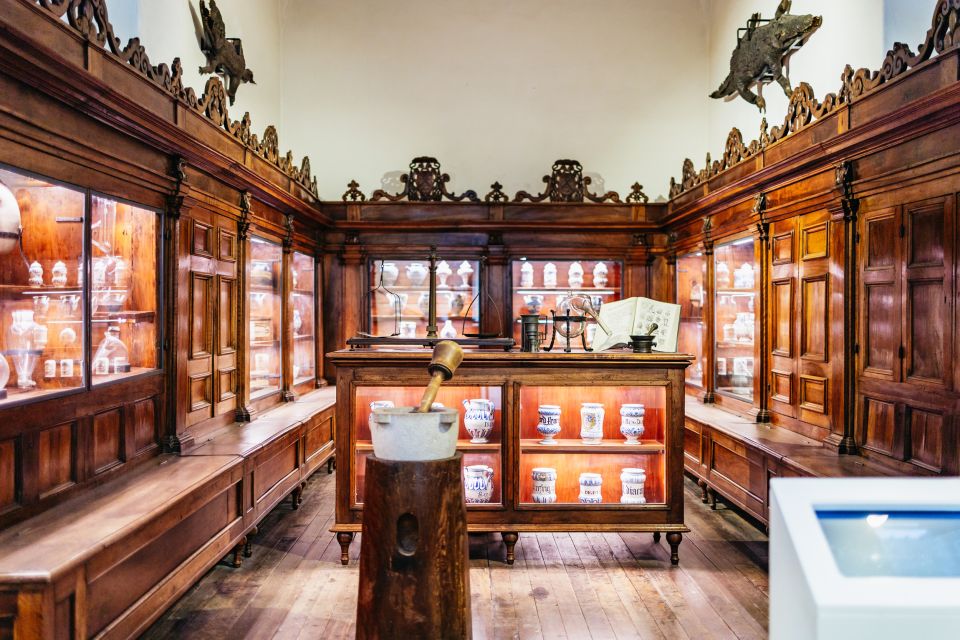
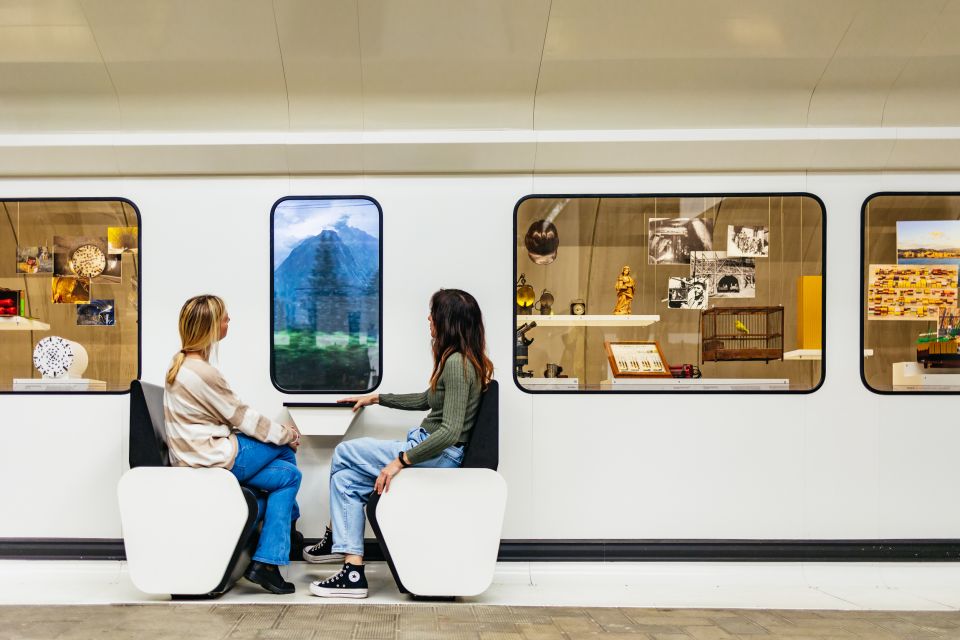
Once you leave the Leonardo focus, the museum shifts into other forms of engineering, and that’s where you’ll feel the “science and technology” part become real. You’ll encounter major objects such as steam trains, which are a great anchor for understanding industrial progress and mechanical design. It’s not just nostalgia; the displays help you connect systems—power, motion, structure—across different eras.
The maritime section is a highlight for people who love engineering in the real world. You’ll see models including the brigantine schooner Ebe and the transatlantic Conte Biancamano. These aren’t random ship shapes; they’re distinct answers to different needs—speed, stability, and how a vessel performs over distance.
Then there’s the modern sports-tech moment: the Luna Rossa AC72 catamaran. It’s a fun contrast. You go from older ship concepts to a sleek high-performance craft, and you can feel how the same engineering goals keep returning—efficient motion, control, and materials working under pressure.
Submarine and naval engineering: when the museum turns serious
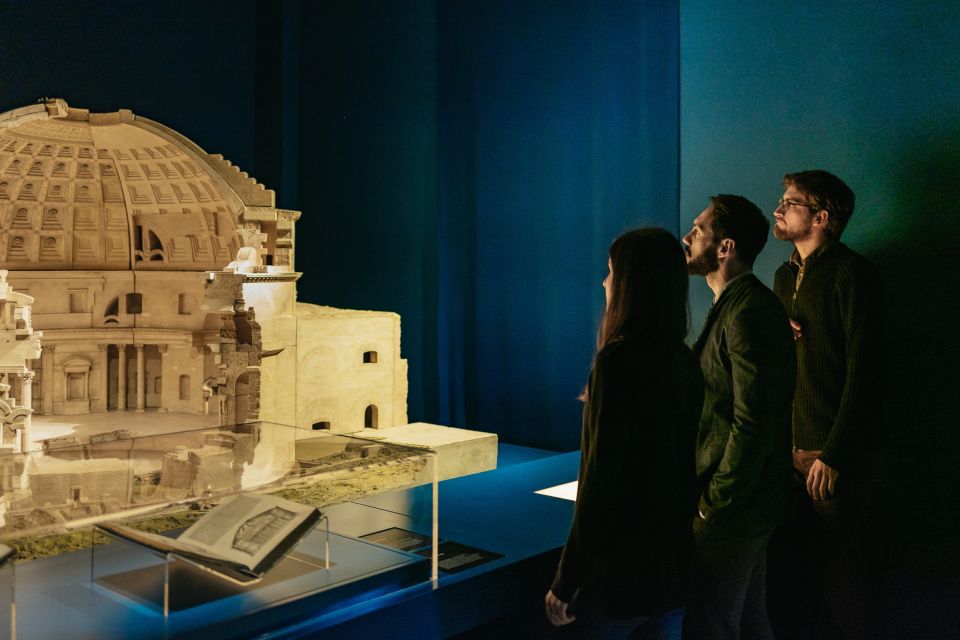
One of the most memorable objects listed is the Enrico Toti submarine. Even if you don’t spend ages reading every technical detail, the idea is clear: this is about how engineering meets constraints—pressure, control, and survival in an environment that punishes mistakes.
There’s one practical caution here. Some parts of the submarine experience can depend on access rules at the museum ticket office. If you care about seeing a specific interior portion, it’s worth checking onsite about what’s open that day before you commit your whole route.
Also keep in mind that some outdoor or larger objects can be affected by renovations or temporary closures. If you’re coming specifically for an outdoor piece, it’s smart to verify status when you arrive so your expectations match what you’ll actually see.
The space area: the moon fragment in Italy and the Vega launcher
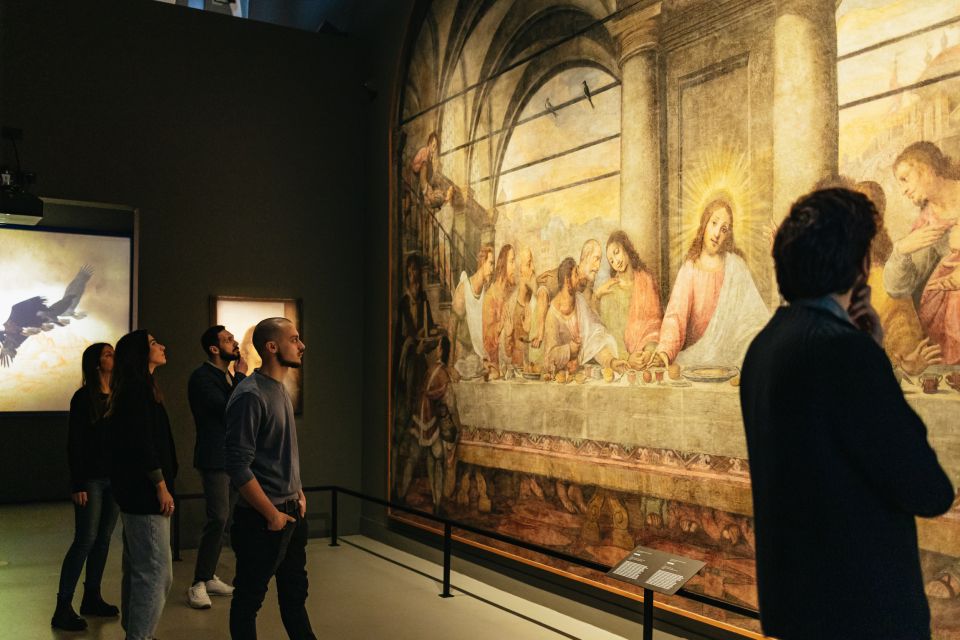
If the transport halls show engineering in motion, the space area shows engineering in ambition. The museum displays the only moon fragment visible in Italy, plus the Vega space launcher. That combo is powerful because it connects what you can hold (a physical fragment) with what you launch (a vehicle meant to reach beyond Earth).
This section works well even if you’re not a space fanatic. Why? Because it frames space exploration as a chain of engineering decisions: materials, propulsion, structure, and the systems that must work together. You don’t need a technical background to follow the story; you just need curiosity.
There’s also an on-theme benefit. Once you’ve seen Leonardo’s engineering thinking and then walked through transport technology, the space exhibits feel like a natural next step. Machines evolve, but the goal stays similar: reduce uncertainty and make the impossible repeatable.
Temporary science exhibits: energy, materials, communication, physics
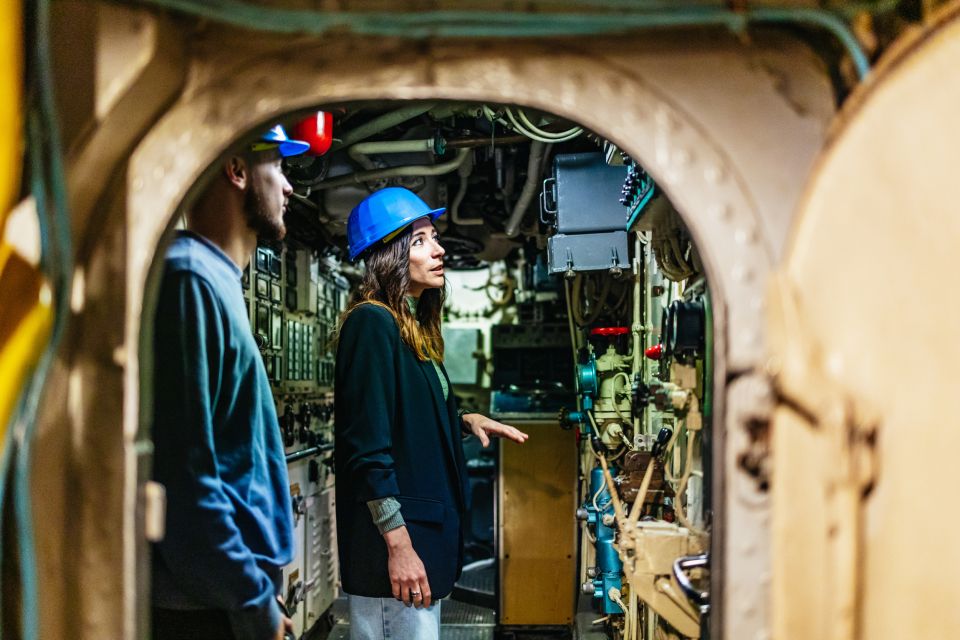
The permanent galleries and big objects are the main event, but the museum also rotates temporary shows. These can focus on topics like energy, materials, communication, transport, and particle physics.
This matters because it keeps your visit from becoming one long look at old designs. If a temporary exhibit is on energy or materials during your visit, you might start noticing how those same themes show up in the permanent displays—what powers a train, what shapes a hull, what enables a launch system.
A smart move: don’t try to cram every single temporary room. Pick one or two topics that match what you’re most curious about and let those steer your route through the museum. It’ll keep the day feeling personal instead of exhausting.
How to plan your day inside the museum without getting lost
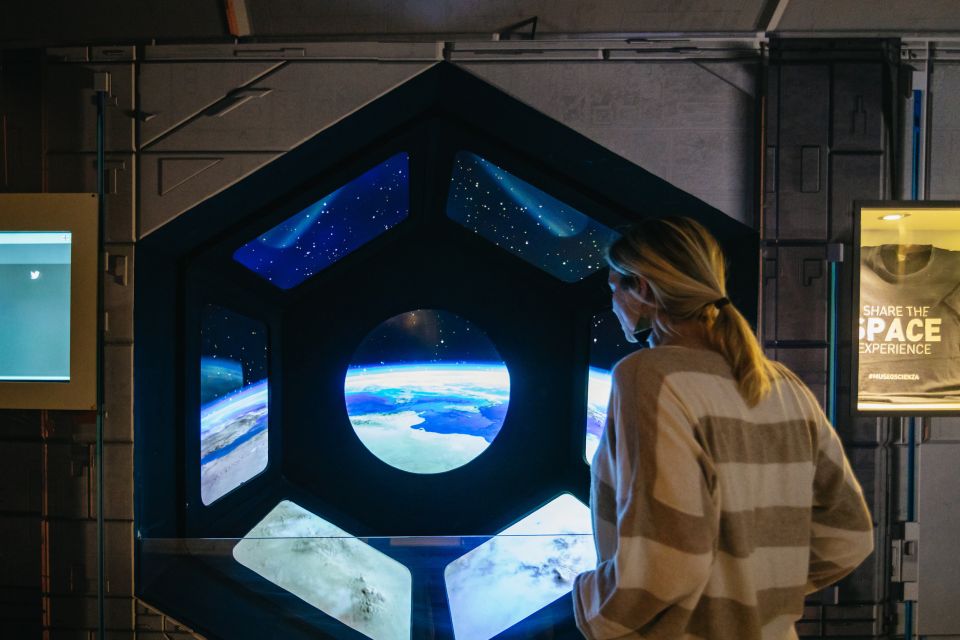
This museum is a whole-day option. Even if you aim to be efficient, you’ll likely end up spending several hours. Some people plan a couple of hours and end up needing more time, especially if you stop to read and compare models across sections.
The layout isn’t always intuitive, and the floor plan can feel confusing at times. So here’s a simple strategy that works: pick a direction and commit to it for the first pass. If you start at the New Galleries, then move to transport, then finish with space, you’ll have a logical arc from Leonardo’s thinking to later technological goals.
Also: build in extra time for the biggest “draw” areas. The New Galleries and the space section are high-density with details. If you want to enjoy the museum instead of speed-running it, those rooms deserve your attention.
If you’re visiting with kids, this kind of museum layout is usually a win because there are lots of switches in topic—trains, ships, aircraft-style concepts, submarines, space—so attention can reset every section. For adults, it’s still fun because the models are designed to connect ideas, not just impress you with scale.
Tickets, entry point, and the voucher exchange at Via San Vittore 21
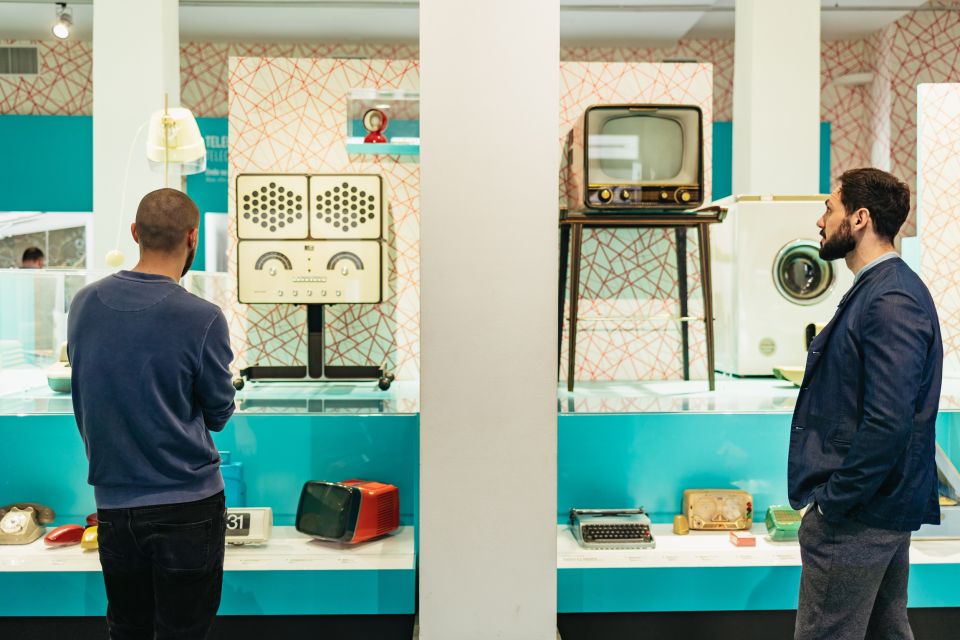
The meeting point is the museum entrance at Via San Vittore, 21. Your voucher needs to be exchanged at the ticket office to get the actual entrance ticket. Once inside, you’ll use your entry ticket within the specified time slot.
One practical note: the museum ticketing works on an access window. You can enter at any time within your chosen time slot, which is helpful if your Milan schedule gets shifted by traffic, tram delays, or a long lunch.
Also included with your ticket is a 10% discount at the museum shop. That’s not a life-changing perk, but it’s a nice little value add if you plan to take home a book or a model-related souvenir.
The experience is self-paced. A guided tour is not included with this entry, so the museum is best if you like figuring things out as you go.
Who should book this Leonardo da Vinci museum ticket?
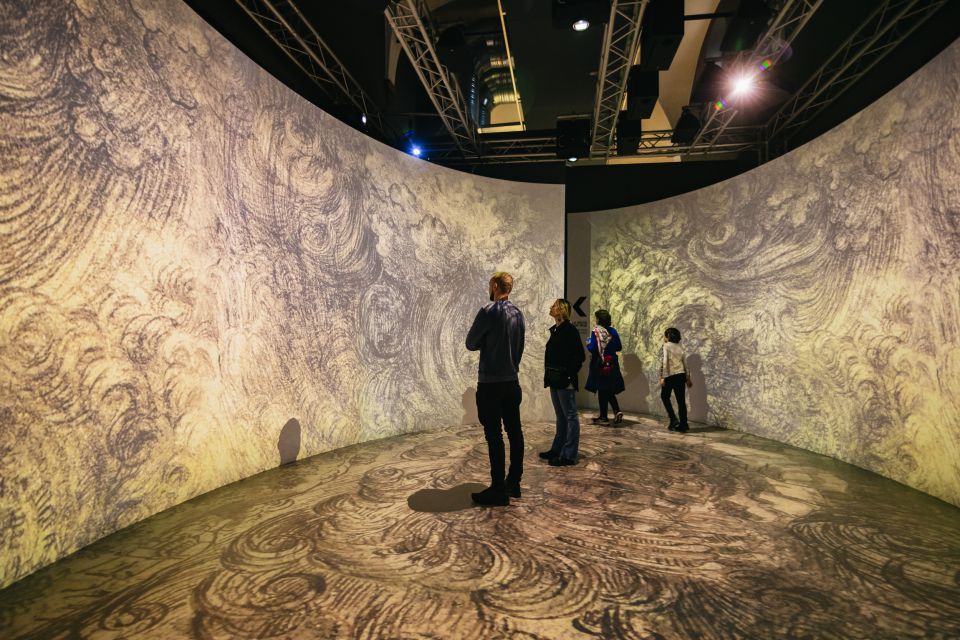
Book this if you want a day in Milan that goes beyond art and architecture. This is a strong choice for anyone who likes how machines work, how designs change over time, or how ideas travel from sketches to real prototypes.
It’s also a good family pick. The museum mixes models, big objects, and engaging topic shifts, so kids usually get plenty of visual and hands-on-style interest, while adults can read and compare engineering logic.
Skip it or adjust your expectations if you only want a short stop. The museum is large, and the best parts take time—especially the New Galleries. If you’re not likely to spend hours reading labels, you might feel rushed.
Finally, if you’re visiting during a period of renovations, you may find some outdoor items not fully visible. If that matters to you, it’s worth checking onsite before you build your day around a specific object.
Should you book the Milan Leonardo da Vinci Museum ticket?
Yes, I think you should—if you want a single ticket that gives you Leonardo plus real technology across multiple disciplines. At around $15 with the included museum entry and shop discount, the value is strong because the day is structured around big, memorable exhibits: New Galleries with 170 models, major transport objects like steam trains and the Luna Rossa AC72 catamaran, and the space area with the moon fragment and the Vega launcher.
Don’t book it if your plan is a quick, one-hour museum stop. This place rewards patience. Give it a full chunk of your day, start with the New Galleries for context, and then let the transport and space sections do the fun part.
FAQ
Where is the museum entrance for this ticket?
You enter the museum at Via San Vittore, 21.
Do I need to exchange my voucher?
Yes. It is necessary to exchange the voucher at the ticket office to get the entrance ticket.
Is entry tied to a specific time?
Your ticket is valid within a time slot, and you can access the museum at any time within that specified time slot.
How long is the ticket valid?
It is valid for 1 day.
What’s included with the entry ticket?
Your ticket includes museum entry and a 10% discount at the museum shop.
Is a guided tour included?
No. A guided tour is not included.
What are the top highlights to plan for first?
The New Galleries are the main draw, along with the space area featuring a moon fragment visible in Italy and the Vega space launcher. Transport-related exhibits like steam trains and the Luna Rossa AC72 catamaran are also major highlights.
Is the museum wheelchair accessible?
Yes, the museum is wheelchair accessible.
Are pets allowed?
Pets are not allowed. Assistance dogs are allowed.
What’s the booking policy if plans change?
Free cancellation is available up to 24 hours in advance for a full refund. You can also reserve now and pay later.