REVIEW · UNDERGROUND NAPLES
Naples: Naples Underground Entry Ticket and Guided Tour
Book on GetYourGuide →Operated by Naples Underground SRL · Bookable on GetYourGuide
Naples hides history under your feet. I love walking past the Greek-Roman aqueduct remains and then following the story into the Roman theater spaces, where the city’s layers feel physical, not textbook. One thing to plan for: the route has a lot of steps and some tight, optional passages, so claustrophobia or mobility limits matter.
This is an official guided experience (not a self-guided wander), and you get real context as you move through the “womb” of Naples—from ancient Greeks through Roman life and on to more modern Naples. You’ll also have options to make it a full evening, including a pizza lunch or dinner at the end.
Naples Underground runs about 1.5 to 2 hours, guided in English or Italian, with a multilingual app and printed brochure to help you keep up. The skip-the-line entry helps with waiting, but it’s not described as a priority ticket—so go a little early and you’ll feel more relaxed.
In This Review
- Key things I’d circle before you go
- Naples Underground turns the street-level city into a layered story
- Where to meet and how the entrance really works
- Aqueduct remains and the Roman Theater: what you should look for
- The “womb” of Naples: how 2,400 years feels in real walking terms
- The guide, the app, and the “don’t get lost” support
- Optional narrow passage and the comfort checklist that actually matters
- Pizza at the end: when it’s great value and when it isn’t
- Pricing and value at about $21 per person
- Who should book this Naples Underground tour
- Should you book Naples Underground? My take
- FAQ
- How long is the Naples Underground guided tour?
- What major sites will we see underneath Naples?
- Is the tour self-guided?
- Does the ticket include pizza?
- Is there wheelchair access?
- Where do I meet for the tour?
Key things I’d circle before you go
- 2,400 years in one tour: Greeks, Romans, and later Naples come into focus underground.
- Major stops with clear “what am I looking at?” moments: Greek-Roman aqueduct remains, Roman theater structures, and the Summa Cavea.
- You’ll get help decoding the site: English/Italian guide plus a free multilingual app and a brochure.
- Optional tight passage, if you dare: mostly well lit, but one narrow section is optional and partially illuminated.
- Pizza option is structured and limited: Margherita or Marinara plus one non-alcoholic drink, up to a 15 EUR value.
Naples Underground turns the street-level city into a layered story
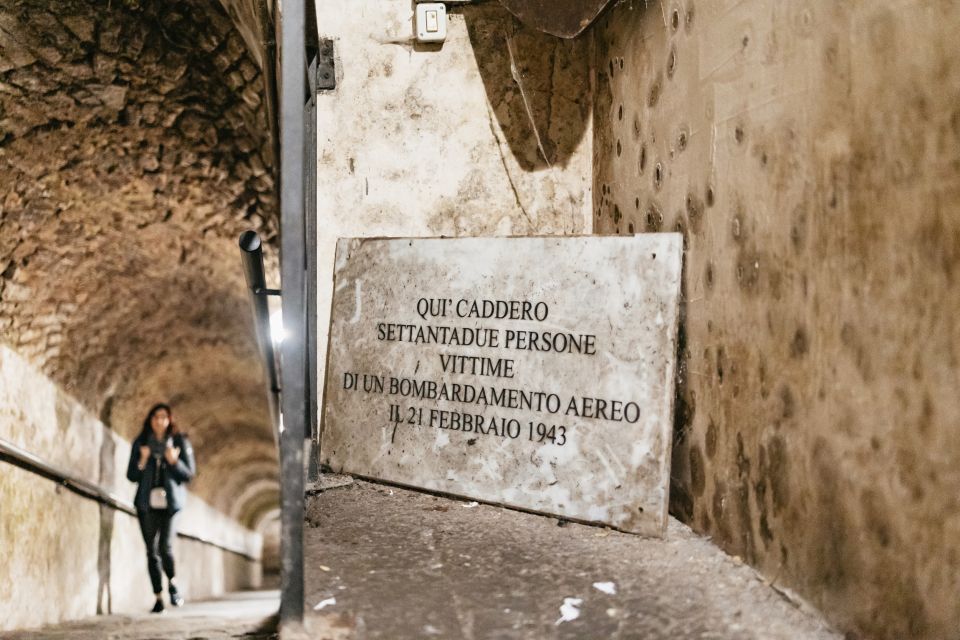
Naples is a city that builds on itself. This tour gives you the answer to the question you’ll keep asking all week: how did all these streets and buildings end up where they are? Going underground doesn’t just show ruins—it shows how the city’s history stacked up and changed in the same physical area.
The most satisfying part for me is that the guide connects archaeology with everyday realities. You’re not only seeing stones; you’re getting explanations that touch archaeology and geology, plus the human story of how people lived with water, crowds, and the changing city. The result is that the underground feels less like a “dark attraction” and more like a time machine you can walk through.
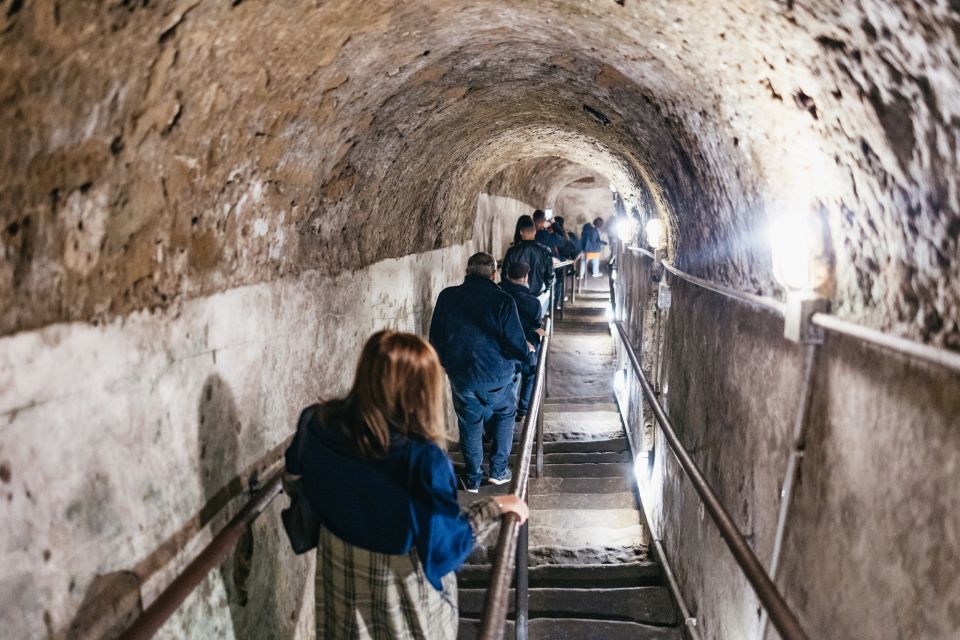
One practical note: you’ll be walking for a good chunk of the 1.5 to 2 hours, with stairs down and up. That’s not a problem for healthy visitors, but it’s a real factor if you’re traveling with limited stamina.
Where to meet and how the entrance really works
The meeting point is right by the Basilica of San Paolo Maggiore. Look for the entrance marked with white and blue flags.
This ticket is described as a skip-the-ticket-line entrance. That’s helpful, especially in high season, but it’s not labeled as priority entry. In plain terms: you’re less likely to wait in a long ticket line, yet you should still plan to arrive a bit early so you’re not rushing while everyone funnels into the same area.
Also, you can’t tour on your own. The experience is guided end-to-end, meaning you’ll always be with the group and your guide. That’s good for first-timers—underground sites can feel confusing without someone translating what you’re seeing.
Aqueduct remains and the Roman Theater: what you should look for
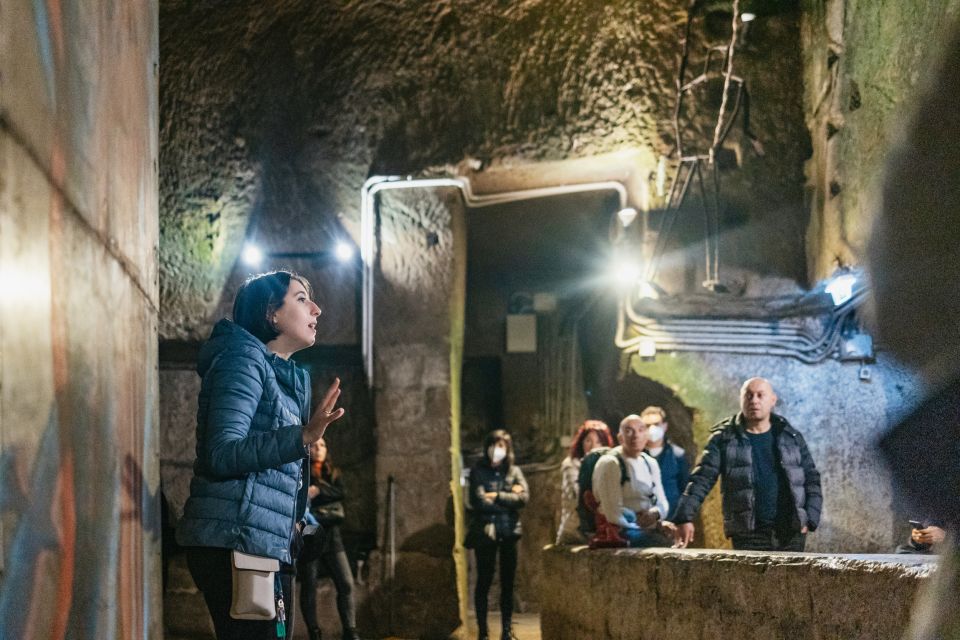
The core of the tour is a guided walk through the heart of Naples’ underground archaeological spaces. You’ll visit three headline elements:
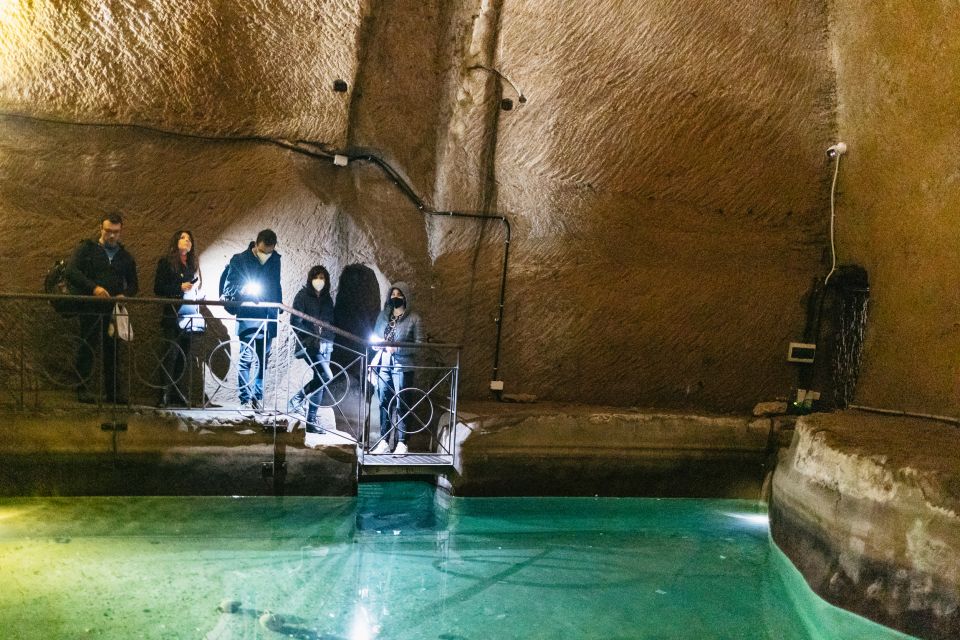
First up is the Greek-Roman aqueduct area. This is where you get a concrete sense of how water infrastructure shaped life above it. If you’ve been curious about how ancient cities worked—how they stored, moved, and managed water—this stop is a strong early payoff because it anchors the story in something practical, not just decorative ruins.
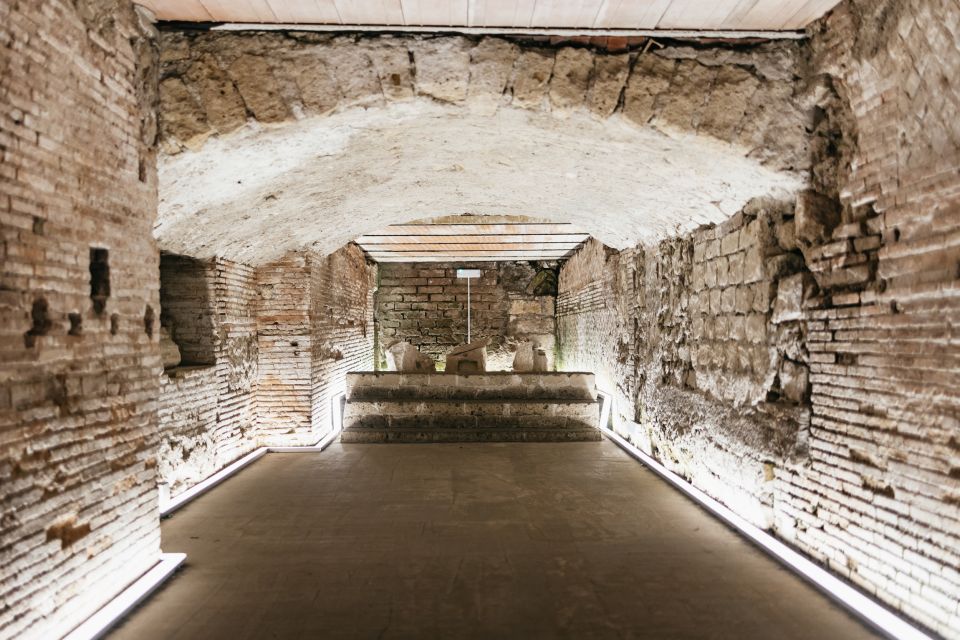
Next comes the Roman Theater remains, including the Summa Cavea, described as a new fragment that has been brought back to life. The theater part tends to hit differently than the aqueduct because it’s about people gathering: seeing how space was designed for viewing and communal events. Even when you’re underground, the guide helps you “rebuild” the original setting in your head.
A final tip: listen for the guide’s framing words at each stop. Your brain will do more with the site if you know what the structure is meant to be—water system, performance space, or a preserved segment that’s especially important—rather than just looking at walls and arches.
The “womb” of Naples: how 2,400 years feels in real walking terms
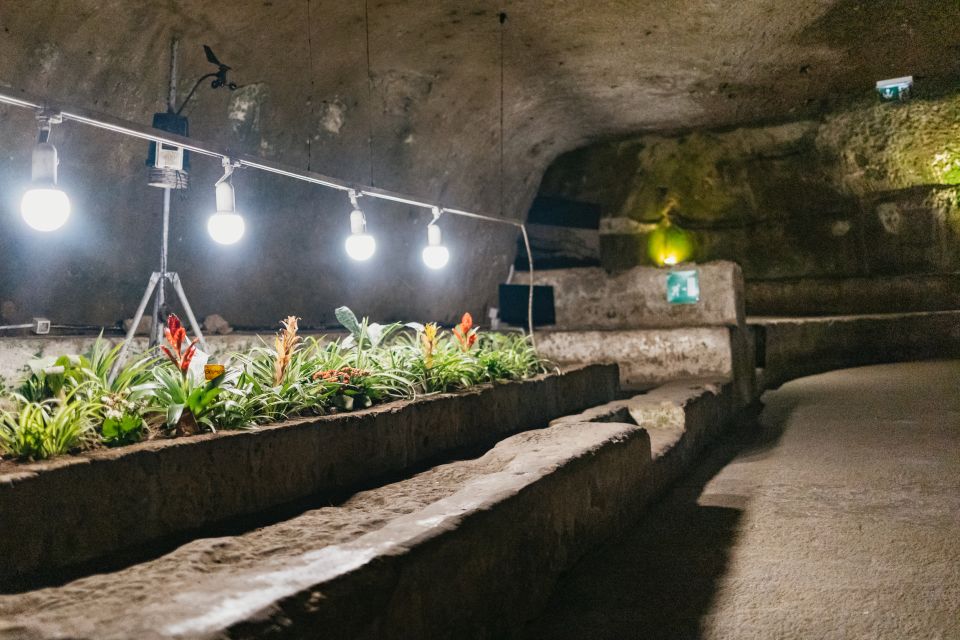
The tour theme is Naples’ underground “womb,” and it’s not just poetic marketing. What you’ll experience is a chronological feeling of Naples being layered over time. The guide’s job is to help you see how each era reused the same ground in different ways.
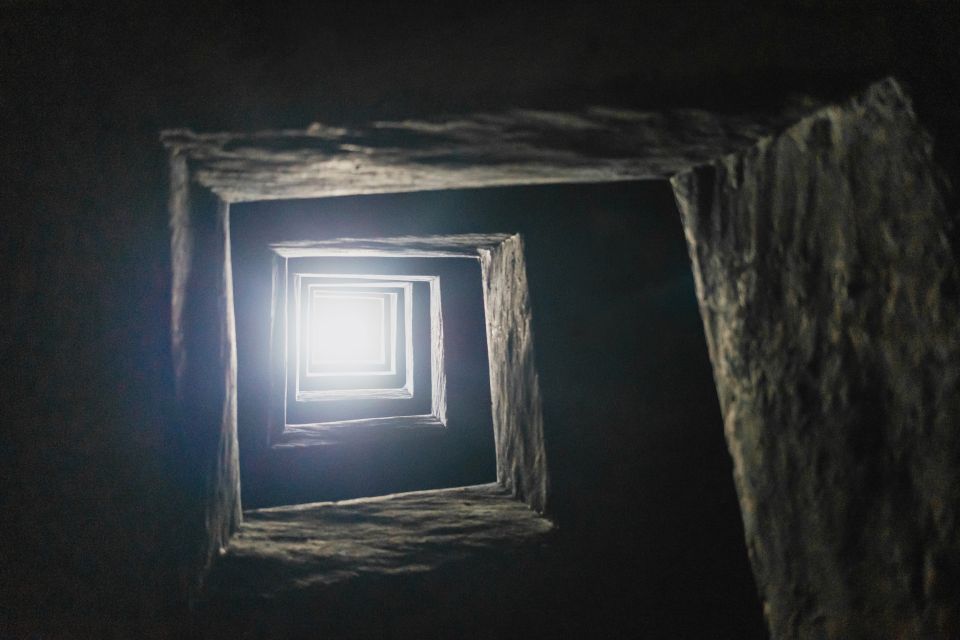
Expect a mix of archaeological presentation and explanations of how these cavities and spaces formed over time—there’s an emphasis on geological viewpoint as well. That blend matters because it changes how you interpret what you’re seeing. Instead of thinking only about human construction, you start noticing the setting and how nature and development both played roles.
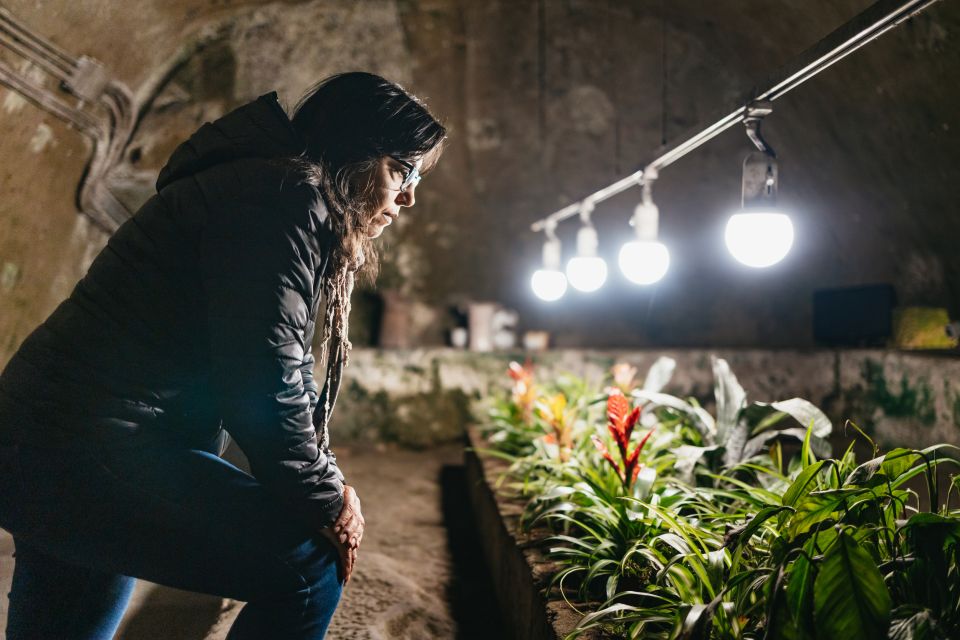
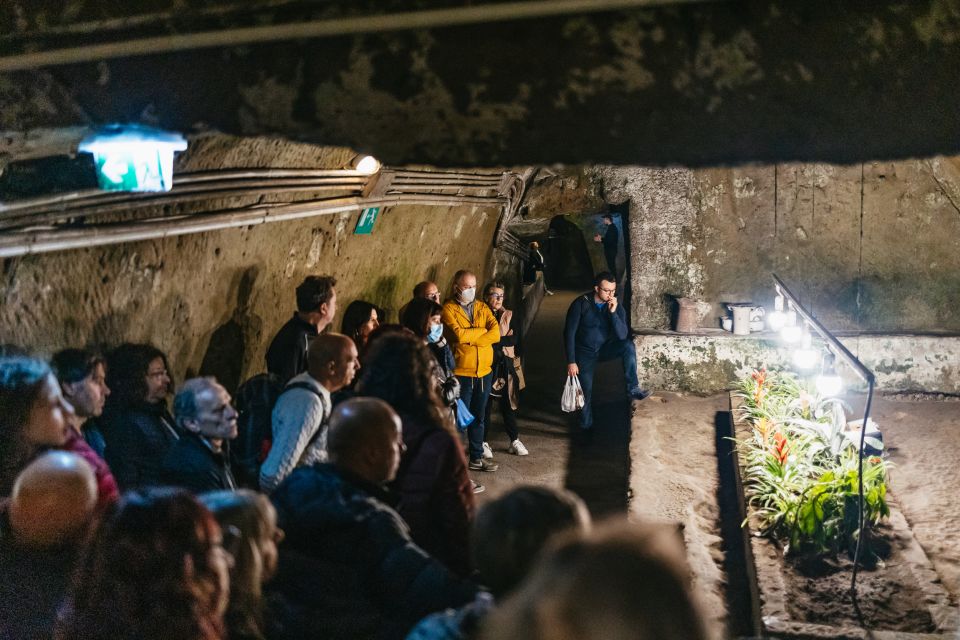
In the real-world experience of the walk, you’ll also notice shifting room feel—open areas vs. tighter passageways. That’s where the tour’s lighting and the guided pacing help. You’re not meant to race; you’re meant to stop when it counts.
The guide, the app, and the “don’t get lost” support
This is offered in English or Italian with a live guide. You’ll also get a multilingual plan to follow along: a free multilingual app you can download at the start, plus a brochure in several languages.
In practice, I’d treat the app as your safety net. Underground spaces can blur together fast, and having a quick reference helps you keep the story straight even if you miss a detail while walking.
Audio matters too. Some visitors report trouble hearing during certain moments, so if your group is large, aim to stand where you can actually see and hear your guide clearly. If you’re hard of hearing or rely on audio cues, this is worth thinking about before you commit.
Optional narrow passage and the comfort checklist that actually matters
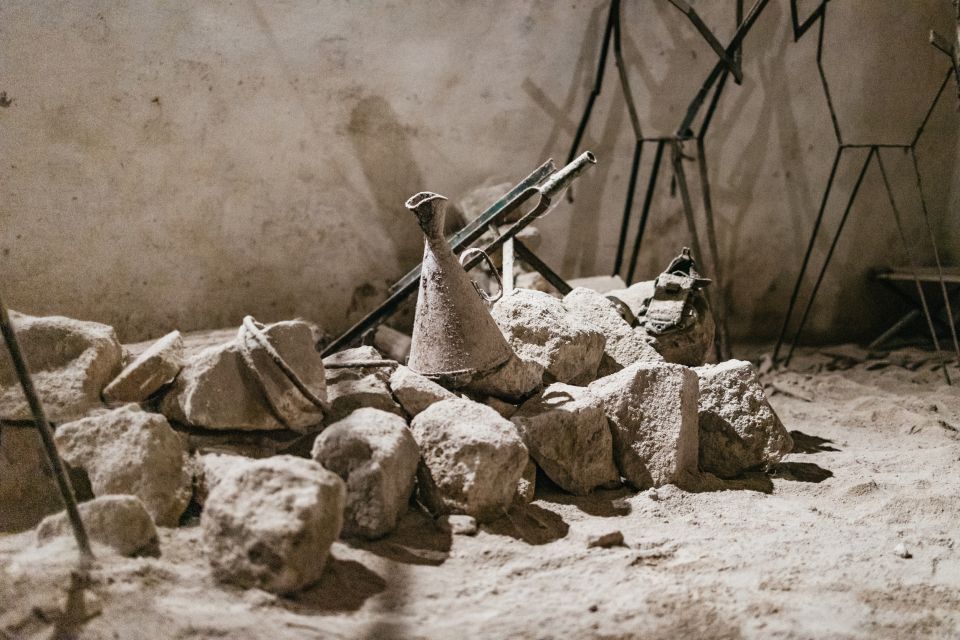
Underground Naples is efficient and illuminated, and you’ll have helpful features like a ladder with a handrail and steps that are described as low. There’s also mention of a single narrow, partially illuminated path that is optional.
So here’s the practical version:
- If you’re comfortable with tight spaces and darkness, you may enjoy the optional section as extra adventure.
- If you’re not, skip it without guilt. The main experience still delivers.
The stairs are not a minor detail. The site isn’t wheelchair accessible because there are 121 steps uphill and downhill, and there are no elevators or escalators. Strollers can be left at the main entrance and retrieved at the exit, which helps if you’re traveling with a pushchair.
You should wear comfortable shoes. And if you’re visiting in warm months, you may still want a sweatshirt, since underground temps can feel cooler than the street.
If you’re traveling with kids: primary school and junior high students should bring a small flashlight. That’s specifically recommended, and it can be a lifesaver if you have a child who panics when lighting changes.
If any of the following apply, take the warning seriously: the experience is not suitable for pregnant women, people with mobility impairments, or anyone with claustrophobia. That’s not about comfort-only—it’s about safety and the physical nature of the walk.
One warning: underground Naples is habit-forming. If the aqueduct galleries leave you wanting the older, stranger layer, Naples Guide has the Catacombs of San Gennaro visit written up in the same detail, and the official catacombs site lists the community-run tour times up on Capodimonte hill.
Pizza at the end: when it’s great value and when it isn’t
The tour can include a pizza lunch or dinner after the underground portion. This option is described as up to 15 EUR, with Pizza Margherita or Marinara only, plus 1 non-alcoholic drink.
Is it worth it? If you want a simple, timed meal without hunting for a spot afterward, it can be a solid add-on—especially because it turns the tour into a full evening plan. The pizza option also limits decision fatigue: you know what you’re getting.
That said, one detail I’d keep in mind is that the voucher covers a set menu and value. Some visitors feel pizza outside the package can cost less and still be as good or better, so if you’re the type who likes shopping around for dinner, you might consider skipping the pizza option and eating nearby instead.
Pricing and value at about $21 per person
You’re looking at about $21 per person for the guided underground tour. For a city like Naples, that price is essentially buying three things at once: guided storytelling, access to the underground archaeological spaces, and time-efficient entry that reduces waiting.
The “skip-the-line” element is helpful, but it’s not marketed as priority. In a busy tourist city, that’s still a benefit. If you show up late, you lose that value fast, because the bottleneck shifts from tickets to the overall flow.
So the best way to think about the price:
- If you’re the kind of visitor who likes guided context, you’ll likely feel the value immediately because the stops (aqueduct remains, Roman theater structures, Summa Cavea) need translation.
- If you’re hoping for a self-paced, quiet walk with minimal explanations, this format may feel like you’re paying for guidance you don’t use.
Who should book this Naples Underground tour
This is ideal if you enjoy city layering—how one era uses, hides, or rebuilds what came before. It’s also a good choice for rainy days because it’s an indoor walking experience underground.
You’ll likely be happiest if:
- You’re comfortable with stairs and a walking tour lasting around 1.5 to 2 hours.
- You like history that connects to physical infrastructure, especially water systems and civic spaces like theaters.
- You’re okay with some parts being tight, and you’re able to skip the optional narrow corridor if you want.
You should think twice (or choose something else) if:
- You’re dealing with claustrophobia.
- You have significant mobility limitations or need step-free access.
- You’re traveling with conditions that make stair-heavy routes hard to manage.
Should you book Naples Underground? My take
Book it if you want a guided, high-impact way to understand Naples beyond the street-level chaos. The stop selection makes sense: aqueduct remains for how the city worked, then Roman theater spaces for how people gathered. Add the pizza option if you want an organized end to the day without searching.
Skip it if stairs are a deal-breaker or if tight spaces cause panic. This is not the kind of underground experience you can “tough out.” The description is clear about who it isn’t for, and the physical setup backs that up.
If you do book, I’d show up a little early at San Paolo Maggiore, wear shoes you can trust, and bring a flashlight for younger kids. Then let the guide do the heavy lifting—your job is just to look, listen, and enjoy the strange thrill of walking under 2,400 years of Naples.
FAQ
How long is the Naples Underground guided tour?
The guided tour lasts about 1.5 to 2 hours.
What major sites will we see underneath Naples?
You’ll visit the Greek-Roman aqueduct remains, the Roman Theater remains, and the Summa Cavea fragment.
Is the tour self-guided?
No. You can’t do the visit autonomously. You’ll always be accompanied by a guide.
Does the ticket include pizza?
Pizza is optional. If you select it, you’ll get pizza lunch or dinner up to 15 EUR, limited to Pizza Margherita or Marinara plus one non-alcoholic drink.
Is there wheelchair access?
No. The visit isn’t accessible by wheelchair because there are 121 steps and there are no elevators or escalators.
Where do I meet for the tour?
The entrance is next to the Basilica of San Paolo Maggiore, marked with white and blue flags.