REVIEW · PAESTUM
Paestum: Small-Group Tour with an Archaeologist and Tickets
Book on GetYourGuide →Operated by Askos Tours · Bookable on GetYourGuide
Paestum feels like a living textbook. I like that this tour gives you skip-the-line entry so you start seeing things right away, and I love the focus on the site’s three standing Greek temples, still impressively tall and intact. One consideration: 2 hours is a fast pace, and if you want to linger in the museum, you might wish you had a bit more time.
This is a small-group walking format with a certified archaeologist guide, built for people who want more than postcard views. You’ll move through the archaeological park, then get guided time in the National Archaeological Museum—where the famous Tomb of the Diver is the main reason many visitors stop.
If you’re coming with limited mobility, this one may be a stretch. It isn’t suitable for people with mobility impairments or wheelchair users, and you’ll be doing a good amount of walking on uneven outdoor ground.
In This Review
- Key things to know before you go
- Paestum’s temples: why this site hits harder than you expect
- The 2-hour walking plan: how the time is actually used
- Archaeological Park of Paestum: temples, walls, and Roman layers in one walk
- The main Greek anchor points
- The city walls and civic Rome
- A practical caution about walking outdoors
- National Archaeological Museum: the Tomb of the Diver and why museum time matters
- Guides who connect the dots to the excavation
- The downside of short museum time
- How the archaeologist guide changes the experience (and what to watch for)
- Small group = better Q&A
- Earphones if the group grows
- Value and price: is $47 worth it for Paestum?
- Who should book this Paestum tour?
- Should you book Askos Tours for Paestum?
- FAQ
- How long is the Paestum small-group tour?
- Is the entry ticket included?
- What stops does the tour cover?
- Are the guides archaeologists?
- What languages are available for the live tour?
- Where is the meeting point?
- What should I bring for the tour?
- Is the tour suitable for wheelchair users or limited mobility?
- Does the tour include food or drinks?
- Can I reserve now and pay later, and what about cancellation?
Key things to know before you go
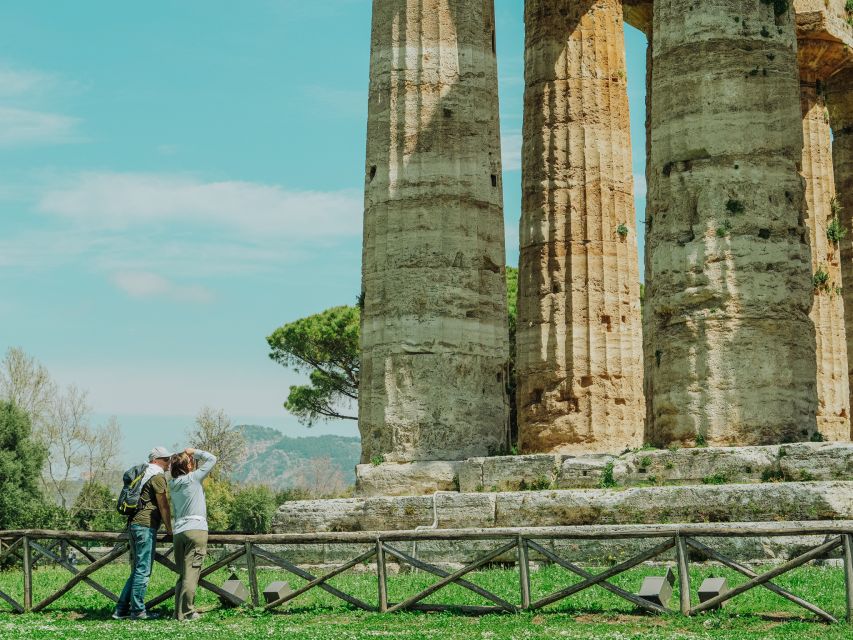
- Skip-the-line entry saves time and keeps the tour moving
- Three best-preserved Greek temples from the 6th century B.C.
- Archaeologist-led explanations make the ruins make sense
- National Archaeological Museum + Tomb of the Diver adds payoff after the walk
- Small groups make it easier to hear questions and answers
- 30-minute museum guided time is great for focus, but quick if you love to browse
Paestum’s temples: why this site hits harder than you expect
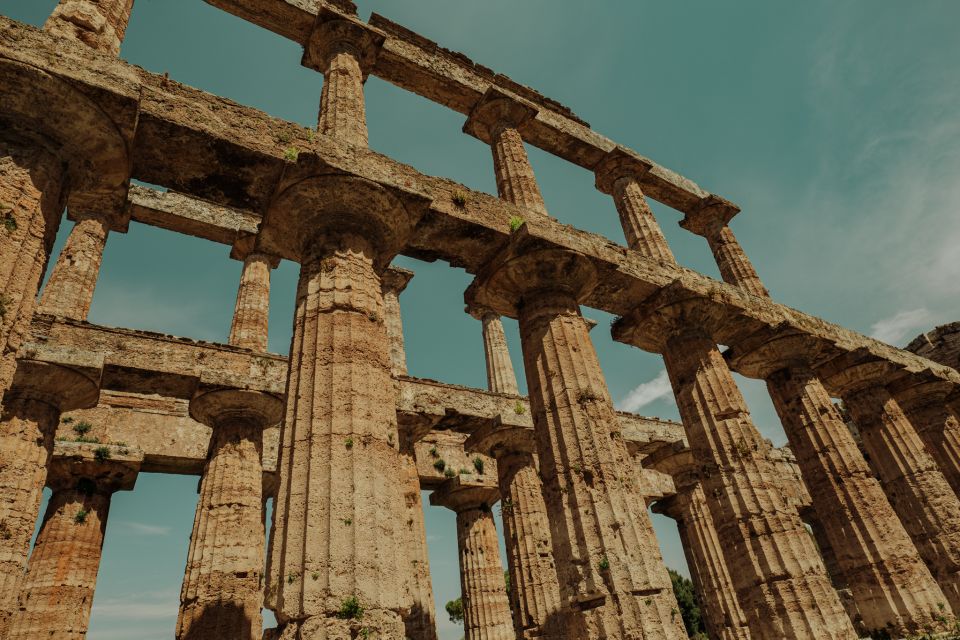
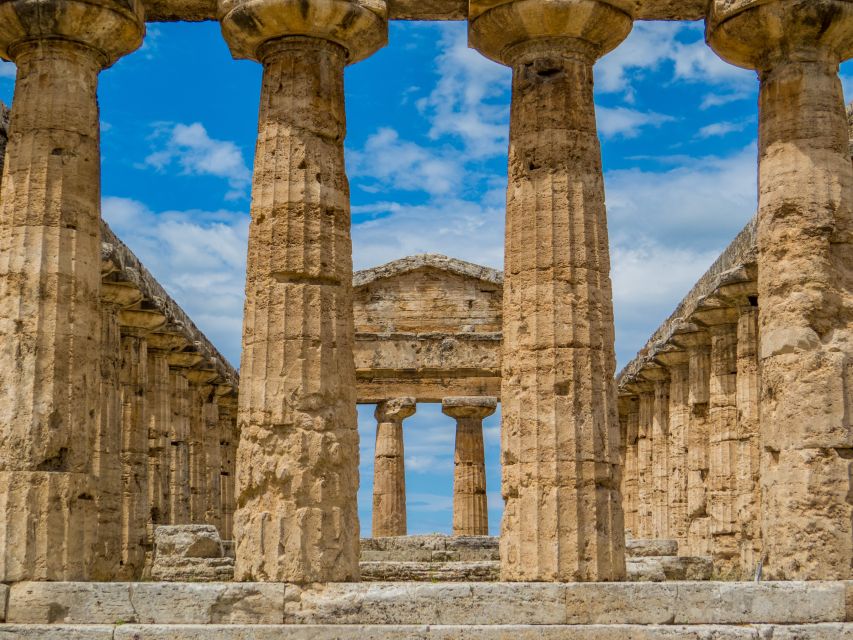
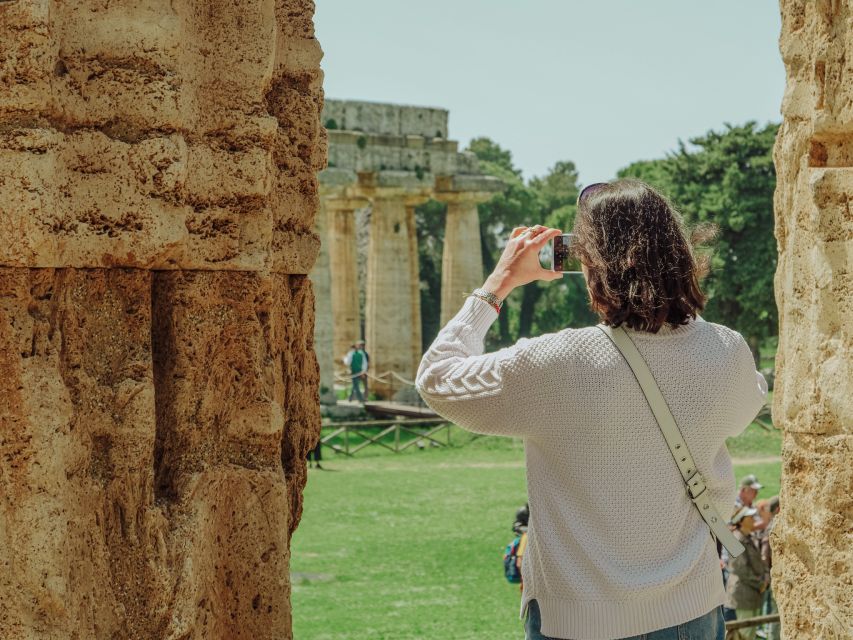
Paestum has a way of putting Greek architecture on your body, not just in your head. When you’re standing near the Temple of Neptune and the other two big temple structures, the scale and condition do most of the convincing. These are 6th-century B.C. giants, and the tour’s angle is to help you read them—columns, proportions, and what the original purpose likely was—without turning it into a lecture.
I especially like the way this experience treats the temples as Greek first, then layers in what changed later when Romans were in charge. You’re not just looking at stone. You’re watching history stack up: Greek design, then political and civic Rome.
And yes, the temples are often compared to the Parthenon because of their style and monumental presence. The useful takeaway for you: you’ll get a clear sense of why Paestum’s temples are so often singled out in discussions of Greek temple building—because they’re still standing.
The 2-hour walking plan: how the time is actually used
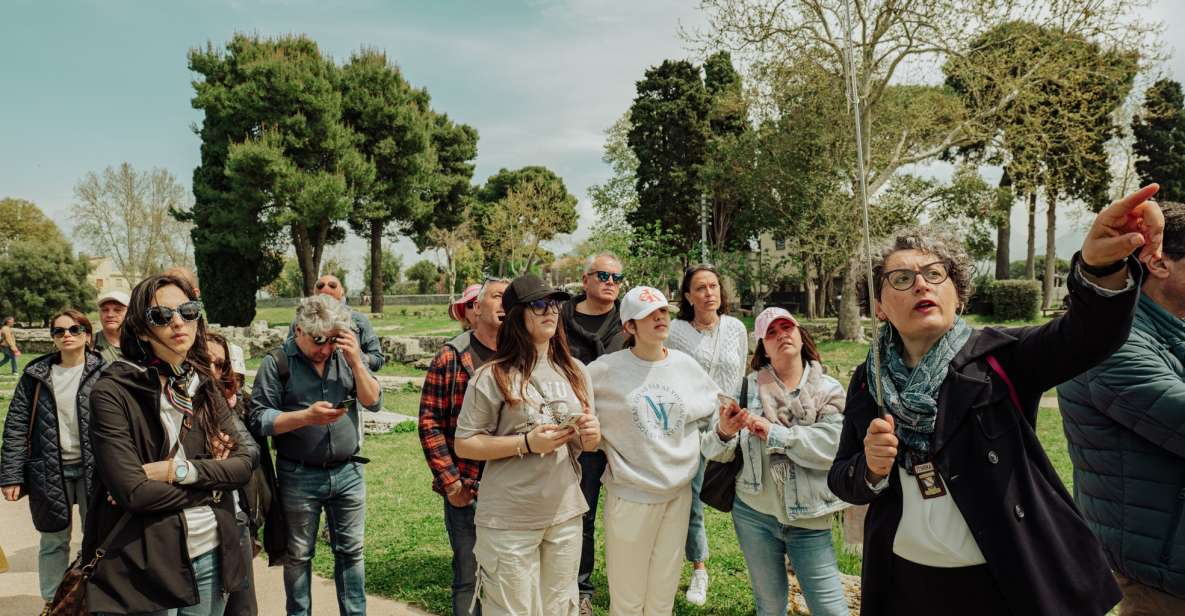
You get a tightly organized flow: 1.5 hours in the archaeological park, then 30 minutes in the National Archaeological Museum. Even though the total duration is 2 hours, the structure keeps the tour from stalling. You don’t lose half the morning to waiting around.
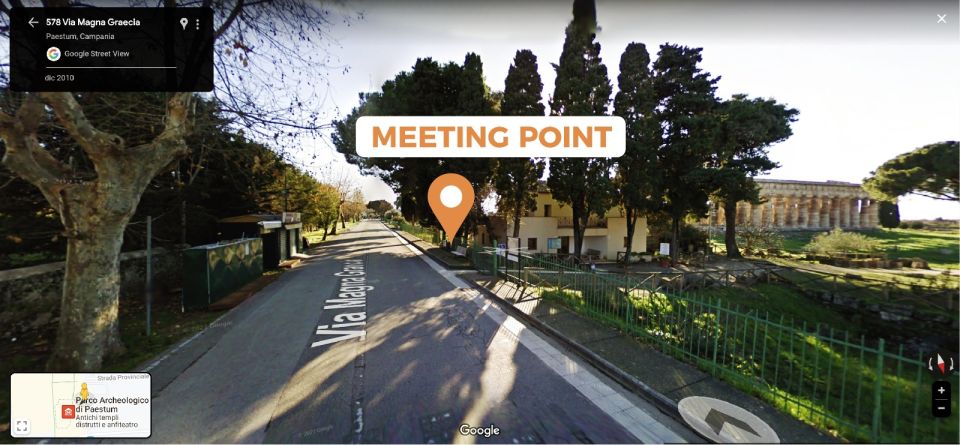
Your meeting point may vary depending on the option booked, but one listed location is the Basilica Paleocristiana dell’Annunziata on Via Magna Graecia. Drop-off is at that same address. That’s convenient if you’re pairing Paestum with another stop in Campania, since you’re returning to the same area rather than dealing with a separate pickup point.
Here’s what the timing means in real life for you:
- If you’re the kind of person who likes your highlights first, this format works well.
- If you’re the type who always ends up in museum corners for 45 minutes of reading, you may feel the museum time is short. The museum visit is guided, not free-roam.
Archaeological Park of Paestum: temples, walls, and Roman layers in one walk
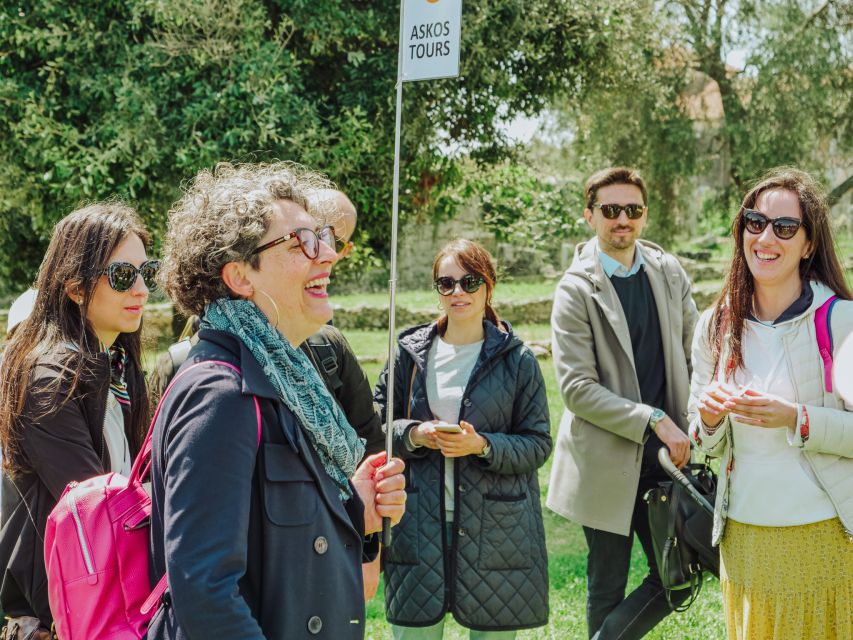
The archaeological park segment is where you’ll get the big visual payoff. The tour is designed as a walking tour through the Graeco-Roman city—not just one section of ruins. You move through a mix of Greek and Roman remains, and you’ll see the kind of city elements that help Paestum feel like a place where people actually lived.
The main Greek anchor points
The three temples are the core. The tour highlights:
- the Temple of Neptune
- the Temple of Ceres and basilica, noted as having a similarity in spirit to the Parthenon in Athens
What I find useful is that the guide helps you notice what’s different between the temples and what that can suggest about function and period. You’re also more likely to understand why these particular structures survived so well compared with many other ancient sites, which are either ruined beyond recognition or much less intact.
The city walls and civic Rome
Paestum isn’t only temples. You also get the city walls and Roman-era structures, including features tied to civic life such as the comitium (political assembly hall) and the amphitheater. You’ll also see other elements like markets and the forum area in the mix.
For your brain, this is the benefit of the park portion: it turns the ruins into a “city map.” You start connecting the dots between where people gathered, where events happened, and where political decisions would have played out.
A practical caution about walking outdoors
Paestum is a walking site. Even though the tour stays focused, you should still plan for time on your feet. One review flagged that the time walking felt draining during hot weather, and that lines up with what you should expect in southern Italy in summer. Bring water, and don’t rely on the tour pace to magically erase heat and sun.
National Archaeological Museum: the Tomb of the Diver and why museum time matters
After the outdoor ruins, the National Archaeological Museum gives you the second half of the story. If the park helps you picture the city, the museum helps you interpret it.
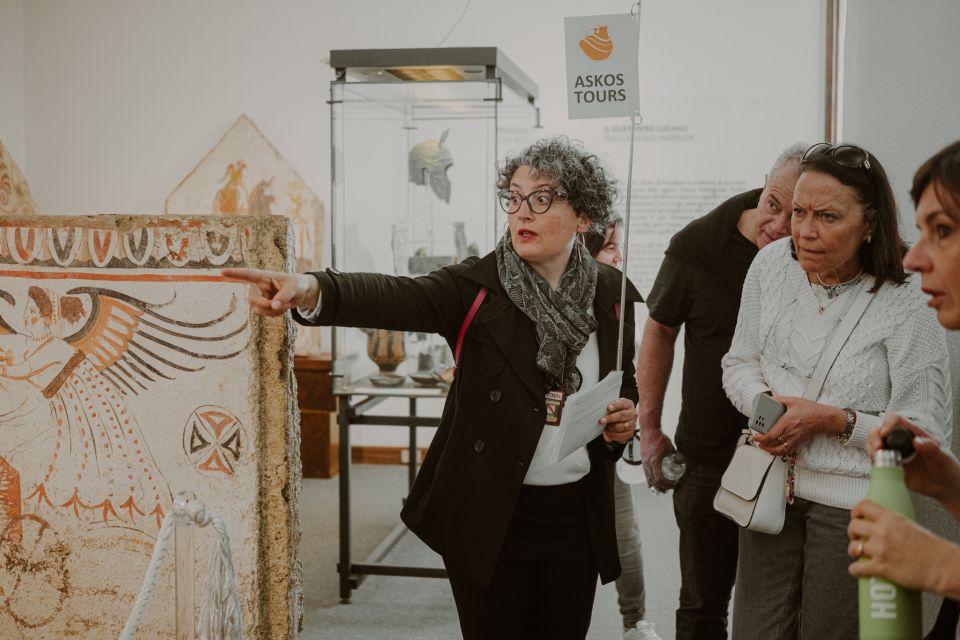
The highlight is the Tomb of the Diver, which is described as the undisputed star of the museum. This is a great moment in the tour because it flips your thinking from architecture to art and burial culture. You’re not just learning what buildings looked like—you’re learning what people wanted to preserve and how imagery could carry meaning.
Guides who connect the dots to the excavation
One thing I like about this tour is that the archaeologist-led approach can bring a more personal level of context. In the reviews, guides like Ivan were singled out for being able to connect what you see in the museum back to the excavation work. One person even mentioned seeing the roof that the guide helped excavate.
Even if your guide doesn’t have a similar detail to share, you should still expect explanations that link artifacts to the site you just walked. That connection is what makes the museum visit feel like part of the same experience rather than an add-on.
The downside of short museum time
The museum portion is guided for 30 minutes. That’s enough for the essentials—especially if you want to see the Diver’s Tomb and a few key exhibits without losing momentum. But if you’re the type who reads every label and wants a longer, slower pass, you may want to plan extra independent time afterward.
How the archaeologist guide changes the experience (and what to watch for)
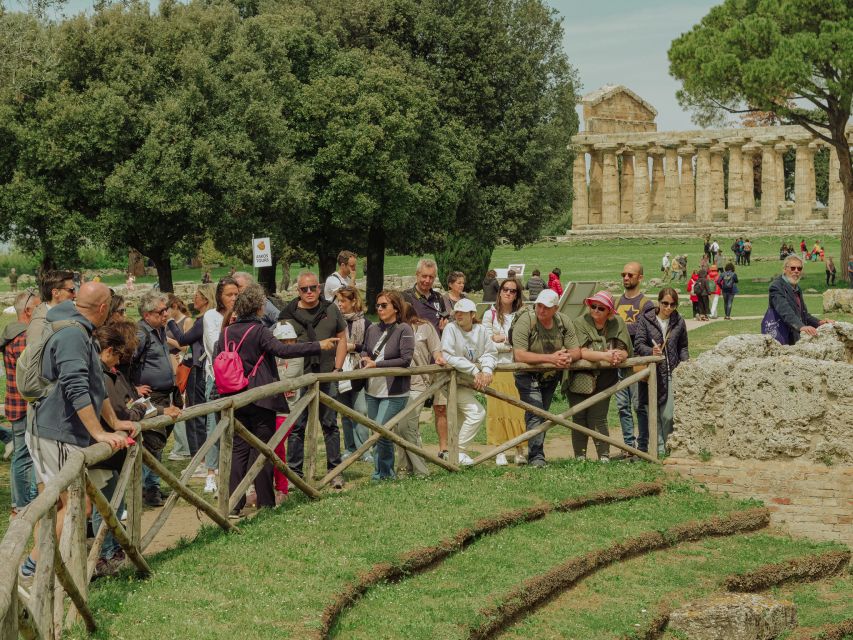
The guide is the big differentiator here, and the reviews consistently point to a few patterns: guides who explain clearly, answer questions, and keep the tone lively.
In particular, names that came up often include Mario, Maria, and Ivan, along with guides like Francesca, Silvia, Angelo, and Nan. What you should take from that, as a practical traveler, is this: you’re not just getting a script. You’re getting a person who can connect history to what you’re standing in front of.
Small group = better Q&A
A recurring theme is the small group size. When the group stays small, you can actually hear the guide, and you can ask follow-up questions without feeling like you’re breaking the flow. One review mentioned a group of about six people and how easy it was to hear details. If you hate tours where you can only catch half the story, this is the setup you want.
Earphones if the group grows
For larger groups, disposable earphones are provided so you can hear the guide better. That’s a small detail, but it matters: you’ll get more out of the tour when the words aren’t just background noise.
Value and price: is $47 worth it for Paestum?
At $47 per person for a 2-hour archaeologist-led small-group visit with skip-the-line Paestum entry, the value comes from three places:
- Time savings
Skip-the-line matters most when sites are busy. You spend less time figuring out logistics and more time inside the ruins and museum.
- Expert interpretation
Paestum is visually stunning, but ruins alone can be vague. When the guide ties together temples, civic structures, and the museum’s artifacts, the site becomes understandable instead of just impressive.
- Focused itinerary for first-timers
You don’t have to decide what matters most. The tour picks the core temples, the museum’s best moment, and the key civic Roman layers.
Is it the cheapest way to see Paestum? Probably not. But if you’d otherwise be doing it mostly on your own, this offers a strong trade: you pay a bit more for clarity, pacing, and expert storytelling.
If you’re a repeat-Italy visitor who loves solo wandering and reading at leisure, you might feel the tour is too fast. If you want a confident first pass with the right highlights, it’s a very fair deal.
Who should book this Paestum tour?
Book it if you:
- want an efficient first visit to Paestum without guessing what to prioritize
- like archaeology that explains why things are arranged the way they are
- appreciate a guide who can answer questions as you walk
- value museum context after seeing the outdoor site
Consider skipping (or adding extra time on your own) if you:
- struggle with long outdoor walking on uneven ground
- need lots of unstructured museum browsing time
- expect a slow, linger-with-your-camera pace
Should you book Askos Tours for Paestum?
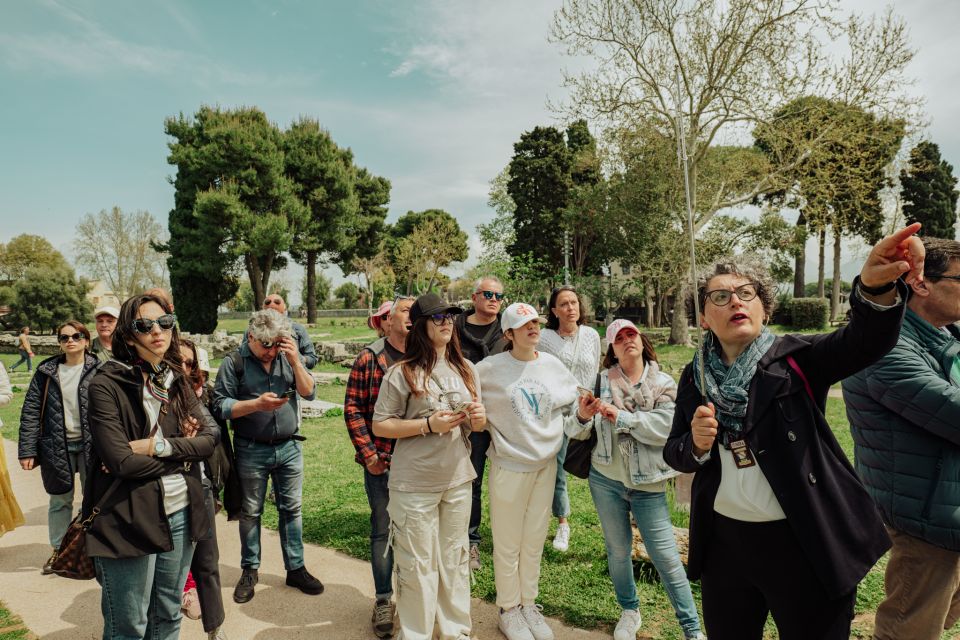
If Paestum is on your Campania list, I’d book this tour rather than wing it. The combination of archaeologist-led guidance, skip-the-line entry, and the clear two-part structure (park first, museum second) is exactly what turns a great site into a memorable visit.
The biggest reason to say yes is the way the guide experience can make the ruins click—especially around the temples and then the museum’s centerpiece, the Tomb of the Diver. Just go in knowing the tour is short and walking-focused, so plan your expectations accordingly.
If you want a quick win: comfortable shoes, water, and a willingness to ask questions. That’s the formula that gets the best results here.
FAQ
How long is the Paestum small-group tour?
The tour duration is 2 hours.
Is the entry ticket included?
Yes. The tour includes skip-the-line Paestum entry tickets, so you don’t need to buy tickets separately for entry.
What stops does the tour cover?
You visit the Archaeological Park of Paestum (guided for 1.5 hours) and the National Archaeological Museum of Paestum (guided for 30 minutes).
Are the guides archaeologists?
Yes. The tour is led by an archaeologist and provides a certified archaeologist guide.
What languages are available for the live tour?
The live guide is available in English, Italian, French, Spanish, and German.
Where is the meeting point?
The meeting point may vary depending on the option booked. One listed meeting location is Basilica Paleocristiana dell’Annunziata, Via Magna Graecia, 919. Drop-off is at the same address.
What should I bring for the tour?
Wear comfortable shoes and bring water and comfortable clothes.
Is the tour suitable for wheelchair users or limited mobility?
No. It is not suitable for people with mobility impairments or for wheelchair users.
Does the tour include food or drinks?
No. Food and drinks are not included.
Can I reserve now and pay later, and what about cancellation?
You can reserve now and pay later. Free cancellation is available up to 24 hours in advance for a full refund.