REVIEW · PIAZZA ARMERINA
Piazza Armerina: Villa Romana del Casale Guided Tour
Book on GetYourGuide →Operated by Empeeria · Bookable on GetYourGuide
Roman mosaics under one roof. Villa Romana del Casale is a late Roman luxury fantasy you can read right off the floor, and the skip-the-line entry keeps your time focused on the best rooms instead of waiting.
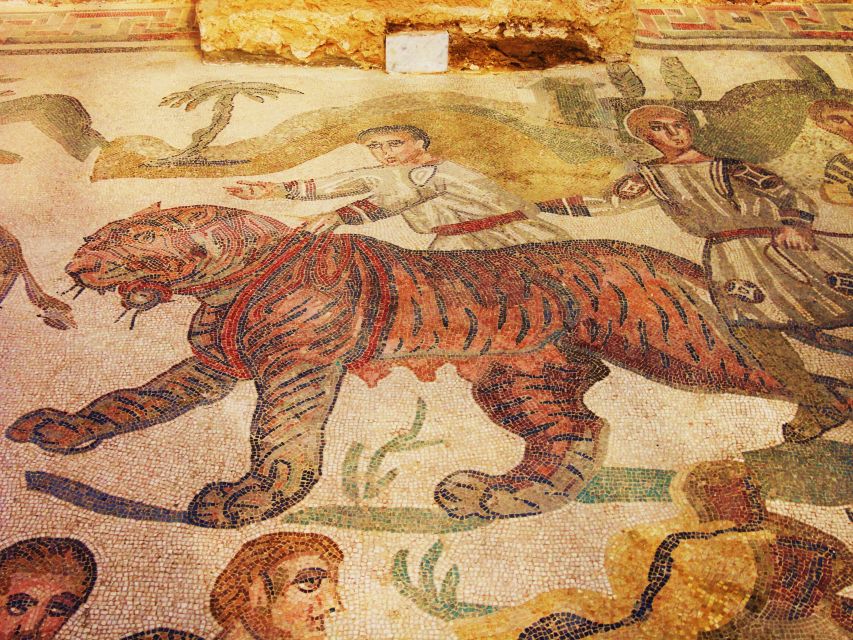
I love how the tour walks you from the thermal baths to the private spaces of the villa’s owners, so the buildings feel connected instead of random. I also like the mosaic storytelling, especially the Great Hunt scenes with the lioness, the elephant, and the ships. The one thing to watch: in peak times, multiple groups can start together, making it harder to hear the guide and follow the thread.
In This Review
- Key things I’d circle before you go
- Piazza Armerina’s Villa Romana del Casale: What You’re Actually Visiting
- Start Here: Where to Meet and How the 2-Hour Tour Moves
- Caldarium, Frigidarium, and the Gela River: Roman Baths as Engineering
- Guest Apartments and Daily Life Mosaics: Fishing, Hunting, and Banquets
- From Spectator Sport to Empire Map: The Great Hunt in Context
- Private Rooms of the Domina and Dominus: Where Wealth Meets Routine
- What the Guide Adds (and Why Two Languages Can Be a Plus)
- Price and Value: Is $51 for Two Hours a Good Deal?
- Who This Tour Fits Best (and Who Might Prefer Another Option)
- Should You Book This Villa Romana del Casale Guided Tour?
- FAQ
- How long is the Villa Romana del Casale guided tour?
- Where do I meet the guide?
- Does the tour include skip-the-line entry?
- What languages are available for the guide?
- What’s included with the price?
- What is not included in the tour?
- Are pets allowed?
- Is free cancellation available?
- Is reserve now, pay later offered?
- When does the tour start?
Key things I’d circle before you go
- Skip-the-line entry so you spend your time inside the villa, not in a queue
- Caldarium to frigidarium with the cooling system tied to the Gela River
- Hunting, fishing, and myth shown through guest-quarter mosaics, including Little Hunt and Orpheus
- Public halls and clientes where mosaics become more than decoration
- The Great Hunt mosaic featuring a Roman Empire map plus action scenes
- Bilingual live guiding in English and Italian (sometimes at the same time)
Piazza Armerina’s Villa Romana del Casale: What You’re Actually Visiting
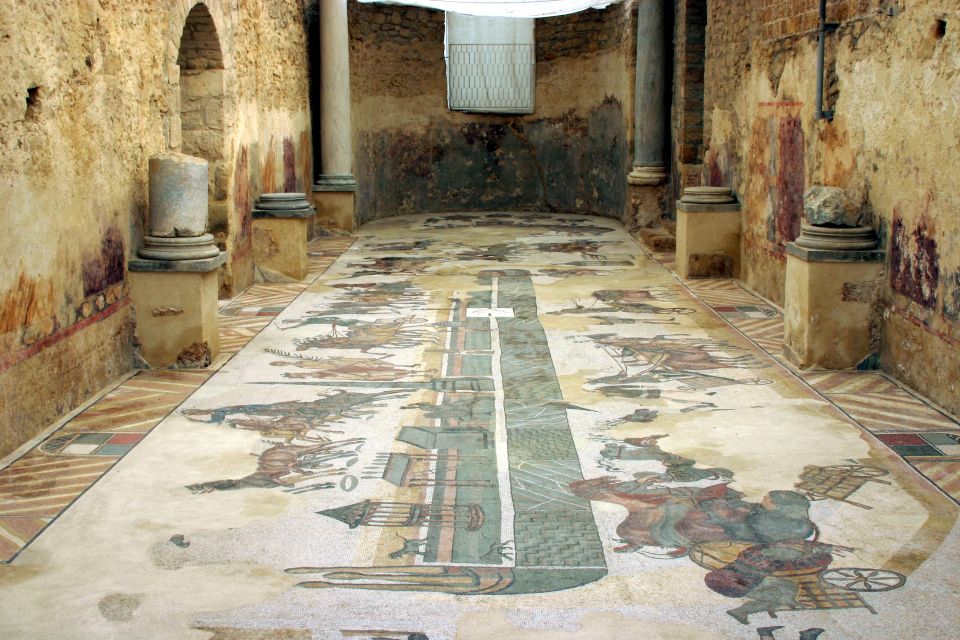
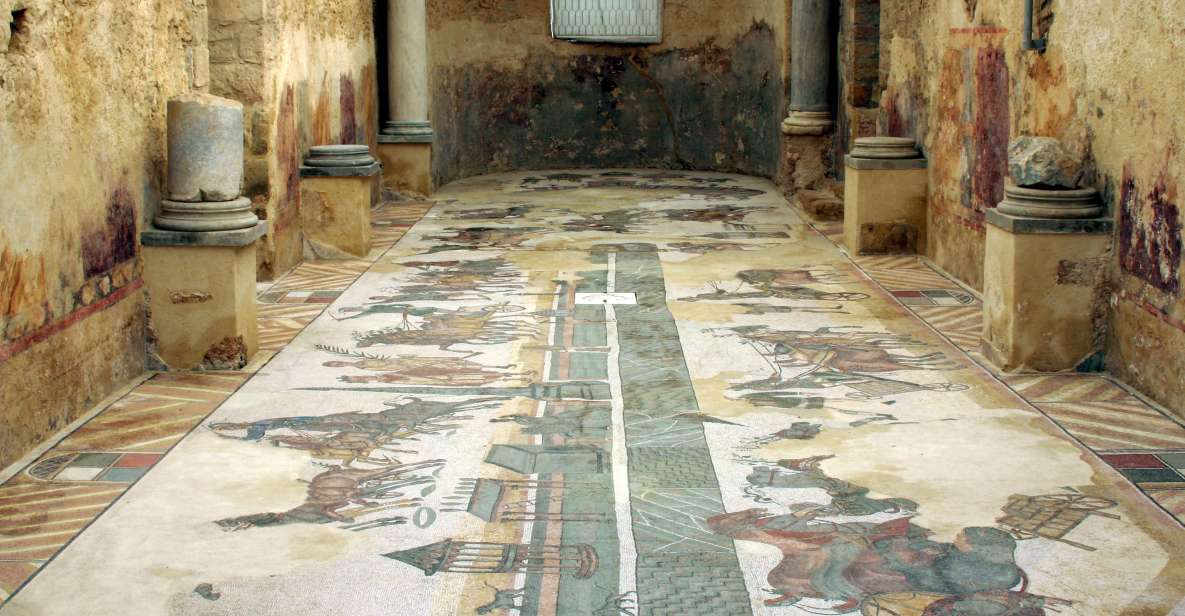
This is not a quick photo-stop. The Villa Romana del Casale in Piazza Armerina is famous because it preserves late Roman wealth at ground level—especially through mosaics. It’s often described as having one of the finest collections of Roman-era mosaics, including a major body of work from the 4th century A.D., and that matters because it gives you a snapshot of how elite people thought, played, and showed power.
A guided visit is the difference between seeing beautiful patterns and understanding what they meant. With a good guide, you stop treating the mosaics like artwork and start reading them like a message. And the tour also takes you beyond the mosaics into the spaces where daily life played out: baths, guest areas, and the private rooms of the domina and dominus.
Start Here: Where to Meet and How the 2-Hour Tour Moves
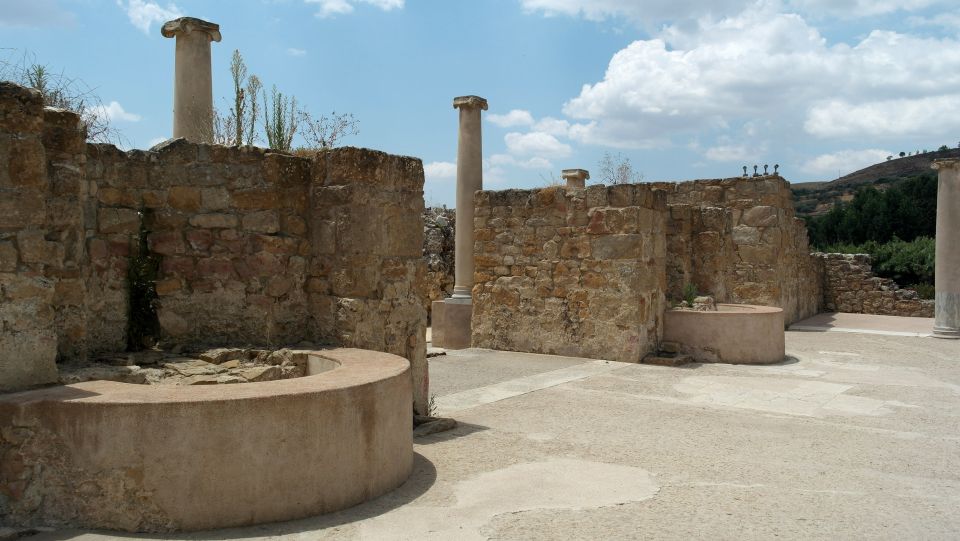
This tour runs about 2 hours, and that timeframe is ideal for this site. The villa is big in feeling, even when your walking time is controlled, so the pacing works best when you trust the guide’s order and let each stop teach you something new.
Meet your guide in front of the ticket booth. The goal is simple: get you inside fast with a skip-the-line ticket and start right away. Your first major stop is the baths, which is smart. You learn the thermal design and the daily ritual first, so the rest of the villa’s rooms feel like part of one functioning world.
One practical note from the real-world vibe of group tours: if your time slot overlaps with other groups, the early minutes can feel crowded near popular rooms. That doesn’t ruin the visit, but it can make explanations harder to catch—so keep your ears open and move with purpose when the guide signals you to reposition.
Caldarium, Frigidarium, and the Gela River: Roman Baths as Engineering
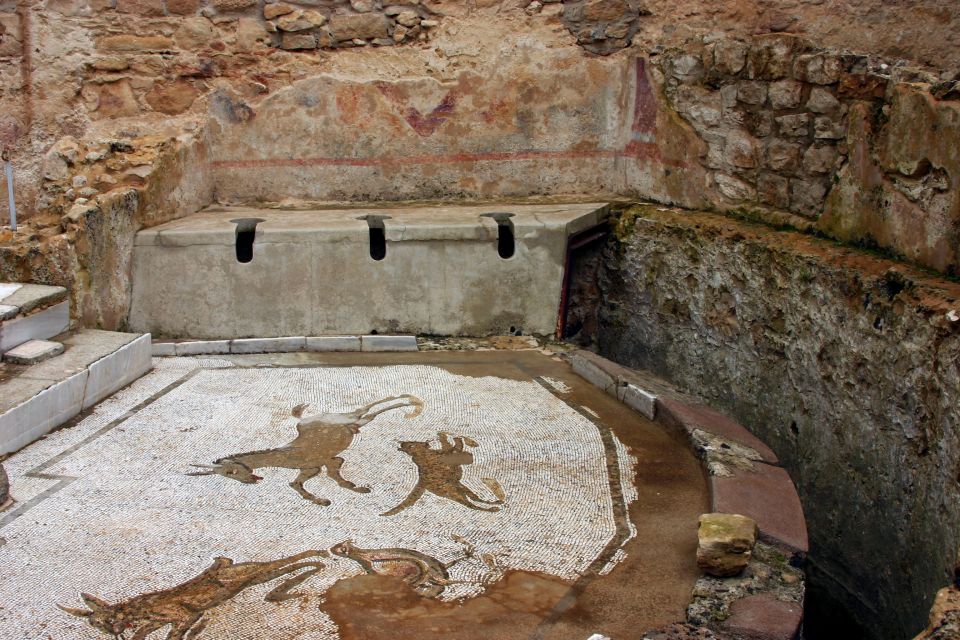
You begin in the thermal baths, and this is where the villa earns its obsession status. The tour starts with the caldarium first, the warm room, and then you move to the frigidarium, the colder space. It’s not just a history lecture. You’re guided through how the system worked like a machine built for comfort.
The frigidarium is described as being fed by the Gela River, which gives the story a real physical backbone. In other words, this wasn’t a decorative feature. It was an engineered daily routine for people with time, staff, and money.
And your guide will likely help you imagine the social side of it, not only the temperature side. The baths include a vivid moment: picture the noise of spectators during a quadriga race—four-horse chariots—while you stand in a Roman leisure space. That kind of mental “sound track” is exactly what a guide should add.
Guest Apartments and Daily Life Mosaics: Fishing, Hunting, and Banquets
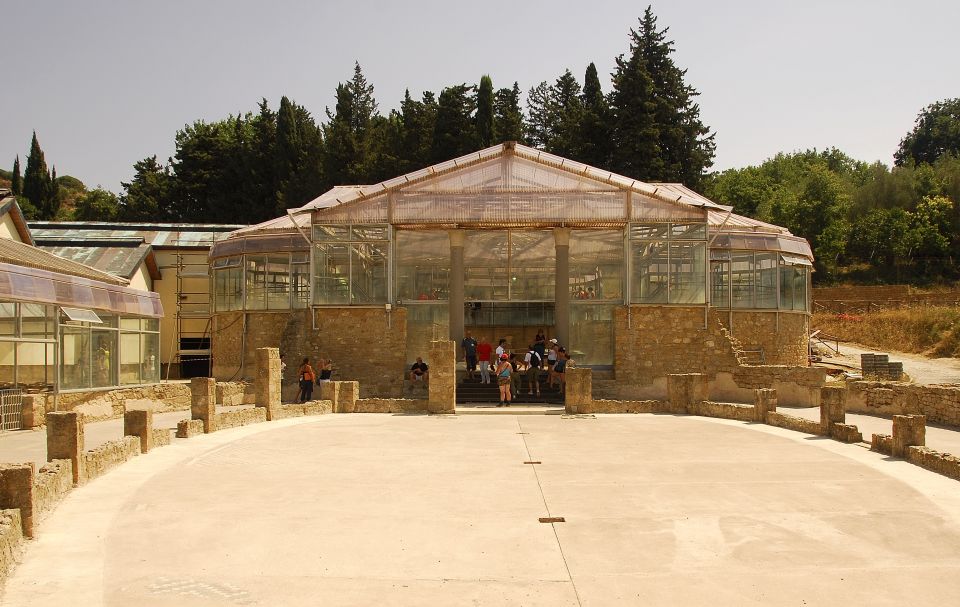
After the baths, the route shifts into the guest apartment zones—areas where you can see scenes of everyday activity for the villa’s elite world. You’ll look at mosaics that show fishing, hunting, and banquets, and the guide helps connect those scenes to what late Roman households valued and displayed.
Two mosaic moments stand out in how they’re framed on this tour:
- Little Hunt: this hunting scene is meant to capture anticipation, not just action. You’re shown how to read the mood and timing in the image, like the household waiting for the next beat of the chase.
- The dining room moment with Orpheus: the tour encourages you to imagine Orpheus playing his lyre while animals gather around him. It’s a myth scene, sure, but placed in a dining context it becomes a clue to the culture: entertainment, education, and performance all in one.
What I like about this section is that it doesn’t treat myths and sports as separate categories. In late antiquity, they overlapped in elite spaces. Here, mosaics do the job of conversation starters and status symbols at the same time.
From Spectator Sport to Empire Map: The Great Hunt in Context
Then comes the mosaic that people travel specifically to see: the Great Hunt. On this tour, it’s not presented as a single masterpiece; it’s framed as a statement.
You’ll learn that the villa’s grand public halls received clientes, and that’s the key context. Mosaics here aren’t only for private enjoyment. They help communicate wealth, reach, and authority to visitors and clients.
The Great Hunt mosaic is described as showing a monumental map-like view of the Roman Empire while also holding dramatic action scenes. Watch for details the guide points out: a lioness attacking a hunter, an elephant boarding a ship, and ships sailing through waves. It’s like an epic movie cut into mosaic pieces.
This is the moment where a guided tour really pays off. If you just wander room to room, you can still enjoy it. But with a guide, you start to understand why the imagery matters: it’s late Roman identity expressed through art, movement, and scale.
Private Rooms of the Domina and Dominus: Where Wealth Meets Routine
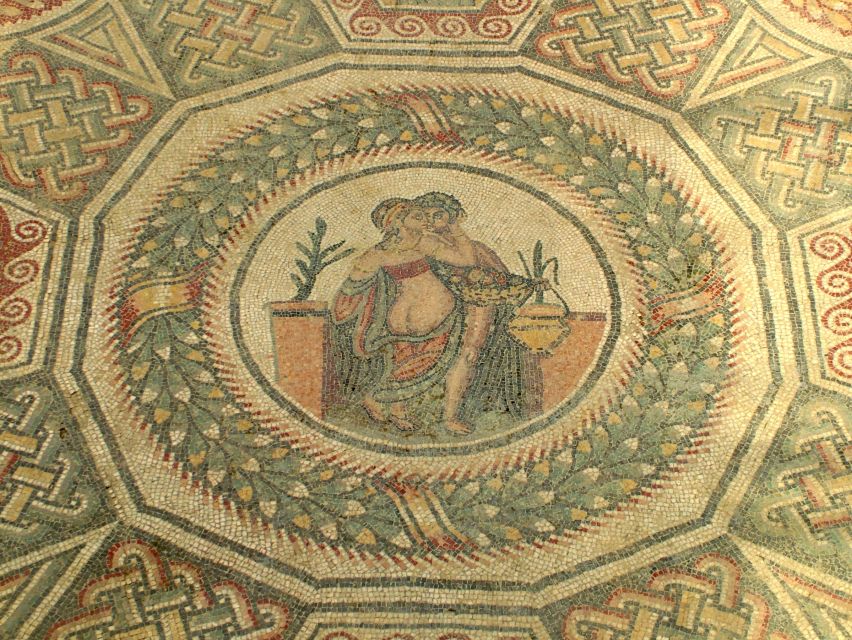
Near the end, the tour turns to the private rooms belonging to the villa’s owners—the domina and dominus. This is where the visit feels less like a museum and more like a living floorplan.
You’re shown how the wealthy residents slept, ate, and conducted daily business in this palatial complex. That trio is important because it covers the full shape of elite life: rest, meals, and work. The mosaics are still present, but the emphasis becomes how space supported power and comfort day after day.
One of the more interesting finishing beats on this tour is that the guide shares what may have been known about who owned the villa before the visit wraps. Even when ownership details aren’t fully nailed down (history often has gaps), the discussion helps you connect the physical space to people living inside it. That’s what turns a stunning site into an experience with meaning.
What the Guide Adds (and Why Two Languages Can Be a Plus)
This tour includes a live bilingual guide in English and Italian. It can also run simultaneously in both languages, depending on the day and group setup. For me, that matters because you’re less likely to miss key explanations if one language group slips into the other room flow.
From the overall experience design, the guide is doing three jobs well:
- Storytelling through sequence: baths first, then guest quarters, then public halls, then private rooms. You feel the logic.
- Pointing out what’s worth your eyes: the tour focuses attention on named scenes like Little Hunt and the Great Hunt details.
- Turning space into imagination: you’re asked to picture sound, spectacle, and daily routines, not only read facts.
There is also one realistic caution. With multiple groups moving through at the same time, explanations can get tangled. One potential drawback to be aware of is that the guided audio equipment (if used during your session) may not always come across clearly in a crowded setting. If that happens, the best fix is simple: stay close to the guide and don’t hesitate to shift position so you’re within clear sight and sound.
Price and Value: Is $51 for Two Hours a Good Deal?
At $51 per person for a 2-hour guided visit, you’re paying for three concrete things: the entrance ticket, a bilingual live guide, and skip-the-line convenience. That combination matters because Villa Romana del Casale rewards interpretation. The mosaics are the headline, but the context is what makes them stick.
If you went on your own, you could still enjoy the site. But you’d likely miss the connections between rooms and the reasons specific scenes appear where they do. A guided route is basically paying to have someone read the villa aloud while you look.
So when does the price feel especially fair? If you:
- want a focused, time-efficient visit
- care about mosaics as art with meaning, not only decoration
- prefer having someone explain the baths and elite rooms in plain language
It may feel less worth it if you’re the type who hates group pacing. Still, the structure is set for a reason here. Two hours is tight, and the tour is designed to keep you from wandering too long without payoff.
Who This Tour Fits Best (and Who Might Prefer Another Option)
This is a great fit for history lovers, mosaic fans, and anyone who likes “how people lived” more than pure monuments. It’s also ideal if you want a clear arc: baths, guest areas, public halls, then private rooms.
You’ll probably feel satisfied if you’re curious about late Roman culture and want help seeing how myths, hunting scenes, and imperial imagery all belong to the same elite worldview.
If you’re traveling with a group that needs quiet, slow wandering, or you strongly dislike the energy of synchronized tours, this might require a bit more patience. The site can get busy when multiple groups are scheduled to start at once, and that can make the experience feel more crowded than you’d like.
Should You Book This Villa Romana del Casale Guided Tour?
My take: book it if you want the mosaics explained, the room order handled for you, and the baths and private zones tied into one story. The combination of skip-the-line entry, bilingual live guide, and a carefully planned route through baths and private apartments is exactly what turns this place from impressive to memorable.
Skip this tour only if you already plan to spend a long time reading on your own and you strongly prefer self-paced quiet over guided interpretation.
If you’re on the fence, the deciding factor should be simple: do you want help understanding what you’re seeing? If yes, this is a solid use of your time in Sicily.
FAQ
How long is the Villa Romana del Casale guided tour?
The tour lasts about 2 hours.
Where do I meet the guide?
Meet your guide in front of the ticket booth.
Does the tour include skip-the-line entry?
Yes. Your ticket provides fast entry with skip-the-line access.
What languages are available for the guide?
The live guide is available in English and Italian, and the tour could be conducted simultaneously in both languages.
What’s included with the price?
You get the entrance ticket to the Villa Romana del Casale and a bilingual guide.
What is not included in the tour?
Hotel pickup and drop-off are not included, and food and drinks are not included.
Are pets allowed?
No, pets are not allowed.
Is free cancellation available?
Yes. You can cancel up to 24 hours in advance for a full refund.
Is reserve now, pay later offered?
Yes. You can reserve now and pay later, keeping your plans flexible.
When does the tour start?
Starting times depend on availability, so you’ll need to check what’s offered for your dates.