REVIEW · CEGLIE MESSAPICA
Puglia: Masseria Seppunisi Tour, Cheese, Burrata Tasting
Book on GetYourGuide →Operated by Masseria Seppunisi · Bookable on GetYourGuide
You can turn milk into burrata. I love the chance to meet the calves up close and I also love the hands-on burrata and mozzarella making, explained step by step. One catch: it’s a working dairy, so if you’re not near the guide, the machinery noise can make details harder to hear.
This small-group tour (up to 10 people) takes you through Masseria Seppunisi, a family farm on the Murge plateau between the Itria Valley and Salento. The property’s roots go back to the 16th century, and the cheese work is run by four generations, so you’re not just tasting products, you’re seeing a system that’s been refined for a long time.
In This Review
- Key things I think you’ll remember
- Masseria Seppunisi: why this farm visit feels different
- Price and timing: good value for hands-on learning
- Getting to the right place: the biggest logistics detail
- The tour flow: from history to cowshed to cheese aging rooms
- Meeting the cows (and yes, the calves steal the show)
- Making mozzarella and burrata by hand: the main event
- The tasting plate: what’s included and how the wine fits
- What to watch for in the aging rooms (besides the smell)
- Guides, pacing, and the one “real-life” downside
- Who this tour suits best (and who should think twice)
- Getting the most out of your 2 hours
- Should you book Masseria Seppunisi for cheese and burrata?
- FAQ
- How long is the Masseria Seppunisi tour?
- What does the tour cost?
- Is hotel pickup included?
- What can I make during the visit?
- What’s included in the tasting?
- How big is the group?
- What languages are the guides available in?
- Is the tour wheelchair accessible?
- What should I wear or bring?
Key things I think you’ll remember
- Calf time first: you’ll meet the young animals and get a feel for the farm’s rhythm
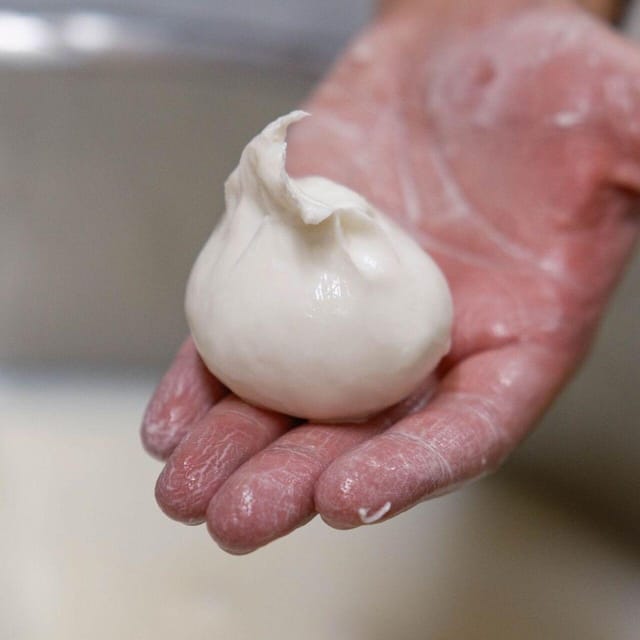
- Hands-on cheese: you’ll make mozzarella or burrata yourself with expert guidance
- Milk-to-aging flow: cowshed, dairy area, then the cheese aging rooms
- Real farm flavor at km0: the milk comes from their own cows and feeds their production
- A generous aperitif: multiple cheeses plus cold cuts, taralli, focaccia, and dessert with local wine
- Watch for farm cats: they’re fast and not shy around cheese and snacks
Masseria Seppunisi: why this farm visit feels different
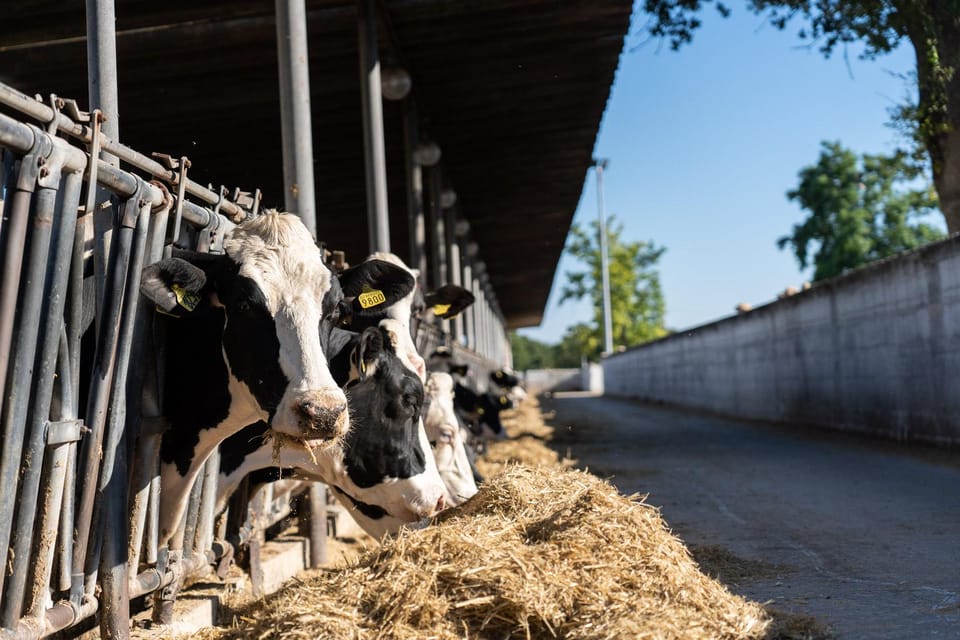
Masseria Seppunisi is not a showroom. It’s a working masseria on the Murge plateau, with daily milking and a cheese-making setup built around one main ingredient: their cows’ milk. That matters because the flavors you taste at the end don’t feel like a “tour product.” They’re tied to what happens every day on the farm.
The location also gives you a sense of where Apulia’s dairy tradition lives. You’re between the Itria Valley and the gates of Salento, in a rural setting where the farm’s story (dating back to the 1500s) makes sense. Four generations have kept the traditional approach going, which helps the whole experience feel grounded instead of staged.
Price and timing: good value for hands-on learning
At $53 per person for 2 hours, this is priced like a focused experience rather than a casual tasting. You’re paying for time with the animals, instruction in how cheese is made, and a real hands-on portion where you make mozzarella or burrata yourself.
The value isn’t just the final bite. You also get:
- time in the cowshed and dairy areas
- visits to cheese aging rooms
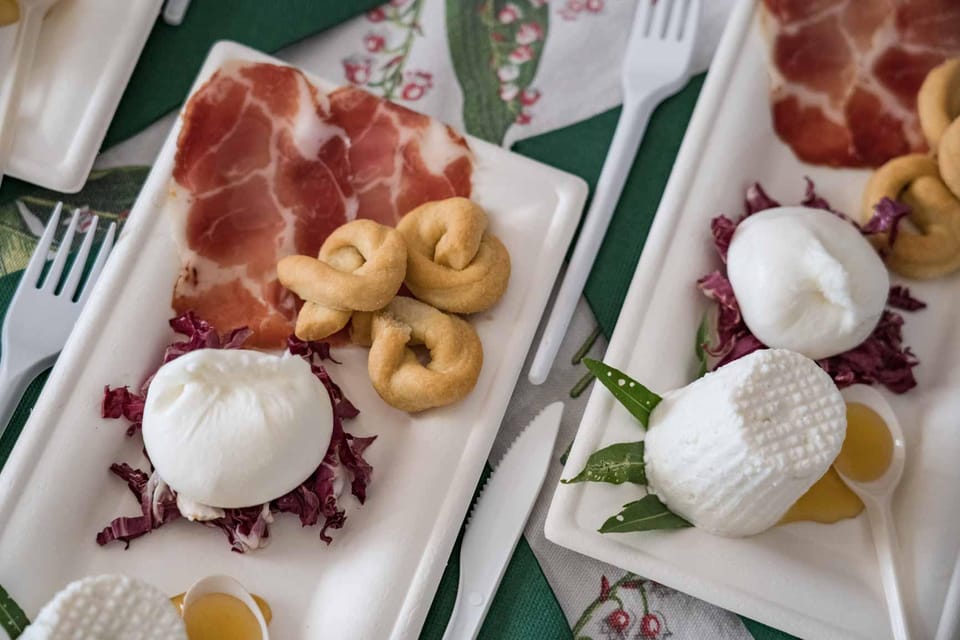
- an aperitif/tasting plate with five types of cheeses, cold cuts, Apulian taralli, Apulian focaccia, and dessert
- local wine paired with what you’re tasting
- water service during the tour
If you like food experiences where you actually do something (not only watch), this timing and price make a lot of sense.
Getting to the right place: the biggest logistics detail
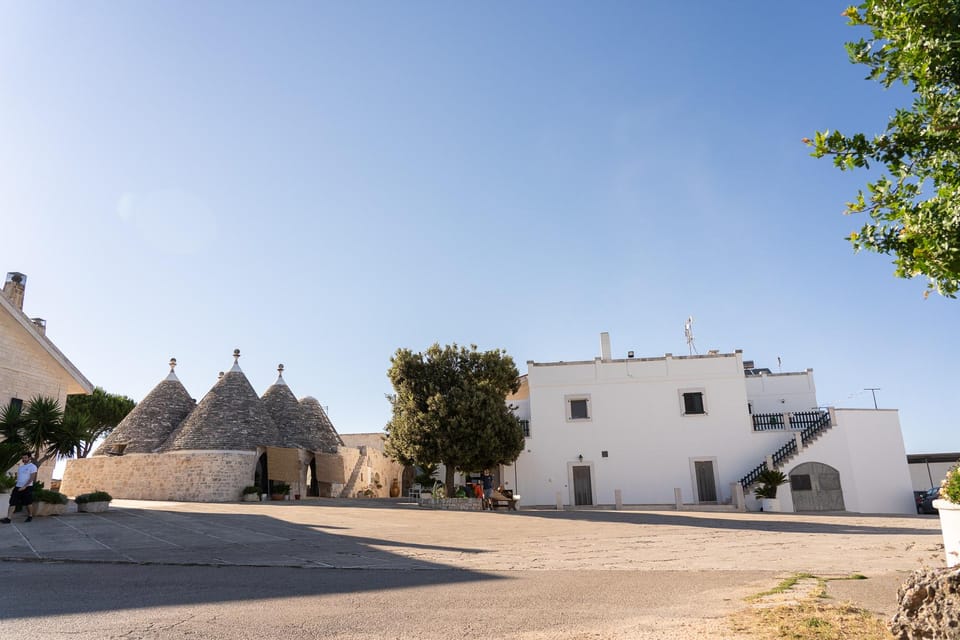
Plan for a bit of effort on location. The tour meets at Masseria Seppunisi, which sits on the outskirts—not in the center of the village.
When you look it up on Google Maps, double-check the pin. There can be shops in the village with similar names, and you want the farm itself. Wear comfortable shoes because you’ll be walking around farm spaces, including areas where footing can be uneven. Avoid sandals or flip-flops.
Also note: they don’t provide pickup or drop-off from your hotel. So build in travel time to and from the farm.
The tour flow: from history to cowshed to cheese aging rooms
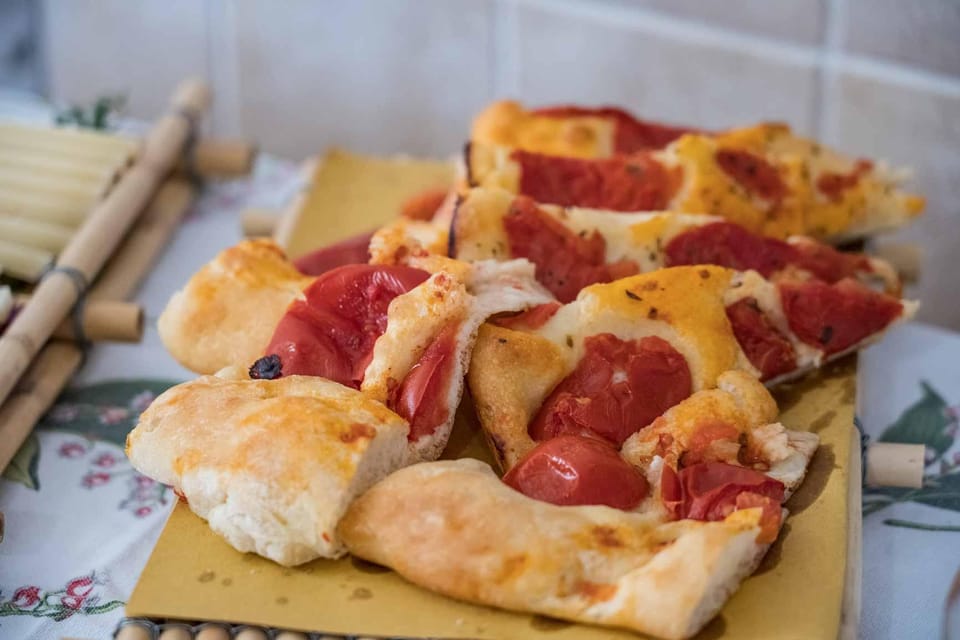
Your visit starts with a historical overview of the farm, then it moves through the practical stages of production. This is one of the reasons I like the format: it keeps the story tied to real steps, not just random stops.
Here’s the typical sequence you should expect:
- Farm history and how the masseria works
You’ll get the background on how the property became what it is today, plus how the dairy business is run across generations.
- Visit the cowshed
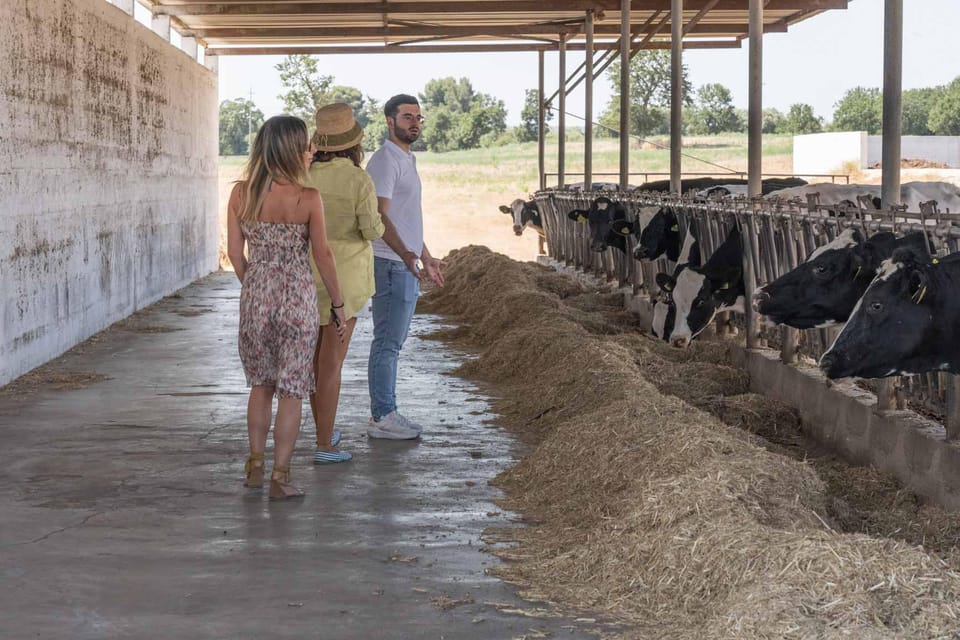
This is where you meet the cows and get that up-close sense of daily farm life. If you’re traveling with kids or you just enjoy animal contact, this part is a strong start.
- Cross the dairy area
Then you’ll move into the production spaces, where milk becomes cheese through the hands and tools of the operation.
- Enter the cheese aging rooms
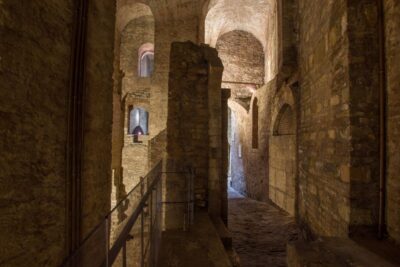
Aging rooms are where things start to feel more “serious” in a sensory way—cooler air, strong cheese smells, and the sense that time is a key ingredient.
Throughout, the goal is clarity. You’re not just being shown where things happen; you’re learning what each room contributes to the final taste.
Meeting the cows (and yes, the calves steal the show)
The stars here are the cows, but the emotional favorites tend to be the calves. You’ll have time to pet and interact with the animals, including younger ones. One review even called out the chance to spend time with the cows’ babies, which makes the farm feel personal right away.
It’s a small-group setting, so it’s easier to actually see what’s going on rather than rushing through a crowd. And because it’s a working dairy, the animal section doesn’t feel like a quick photo stop. You get a sense that the animals are part of the production cycle you’ll follow next.
Making mozzarella and burrata by hand: the main event
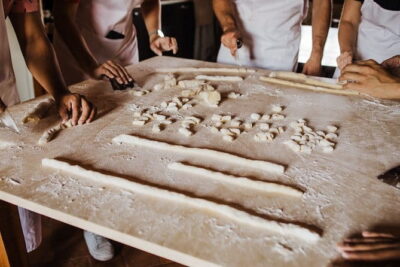
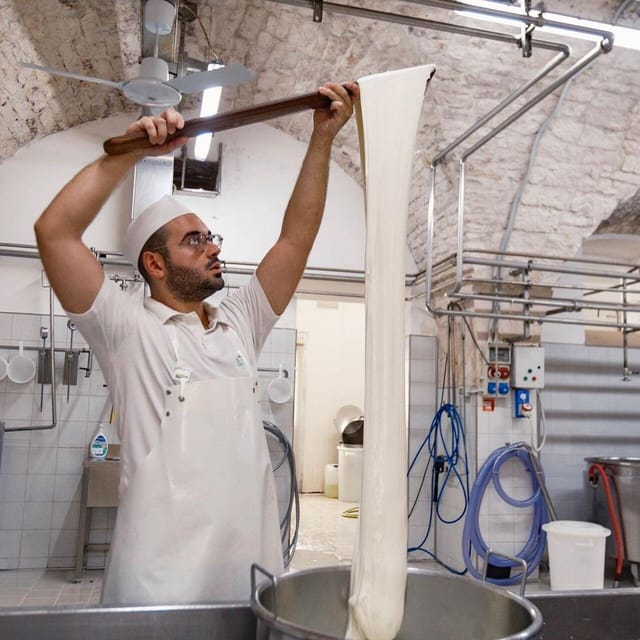
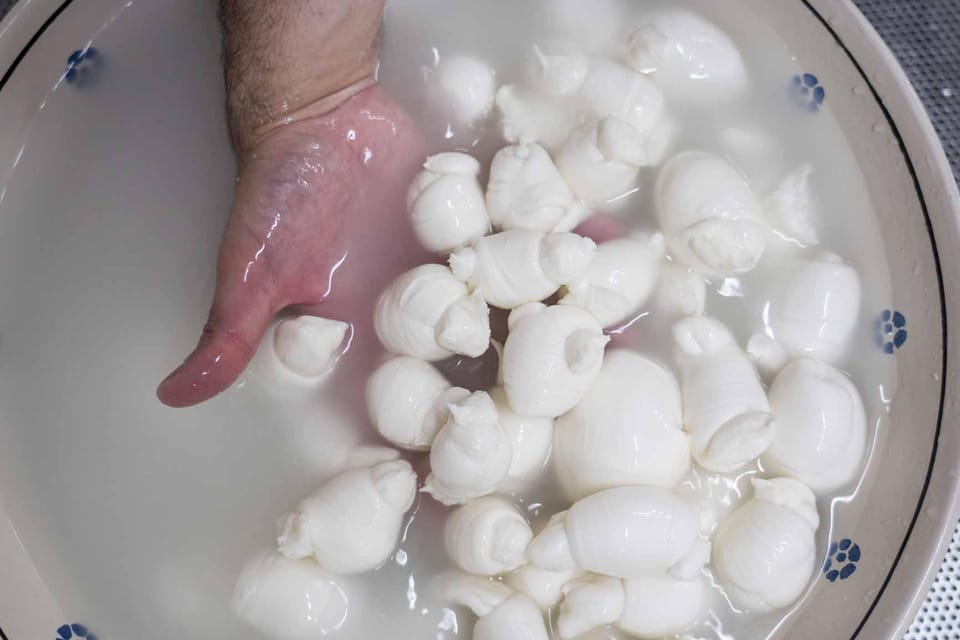
This is the part that turns the tour from informative to memorable: you make mozzarella and/or burrata yourself. With expert help, you’ll learn the process and shape the cheese. Several people highlight how fun and educational it is to do it with your hands, not just watch.
The tour is led in Italian and English, and one review specifically noted that the owner gave a detailed demonstration in Italian, then the guide Wendy repeated the explanation in English for the group. That’s helpful for non-Italian speakers, and it also suggests the experience is designed for real understanding, not only translation.
What I recommend during this section:
- Stand where you can hear. One key drawback that shows up in feedback is audio: if you’re farther from the guide, machinery noise can cover details.
- Move with the group when they regroup. This helps you stay in the right spot for both instructions and safety.
When it works, you’ll leave with the best kind of souvenir: a taste of Apulia that you made with your own hands, plus a new idea of how burrata’s texture and mozzarella’s stretch come from technique and timing.
The tasting plate: what’s included and how the wine fits
After the cheese-making, you’re rewarded with an aperitif and a tasting plate. This isn’t a tiny “sampling.” The included spread is built for variety, and that’s important because different cheeses show different styles.
You’ll get:
- five types of cheeses from the farm
- cold cuts
- Apulian taralli
- Apulian focaccia
- a final dessert
- local wine
- water service during the tour
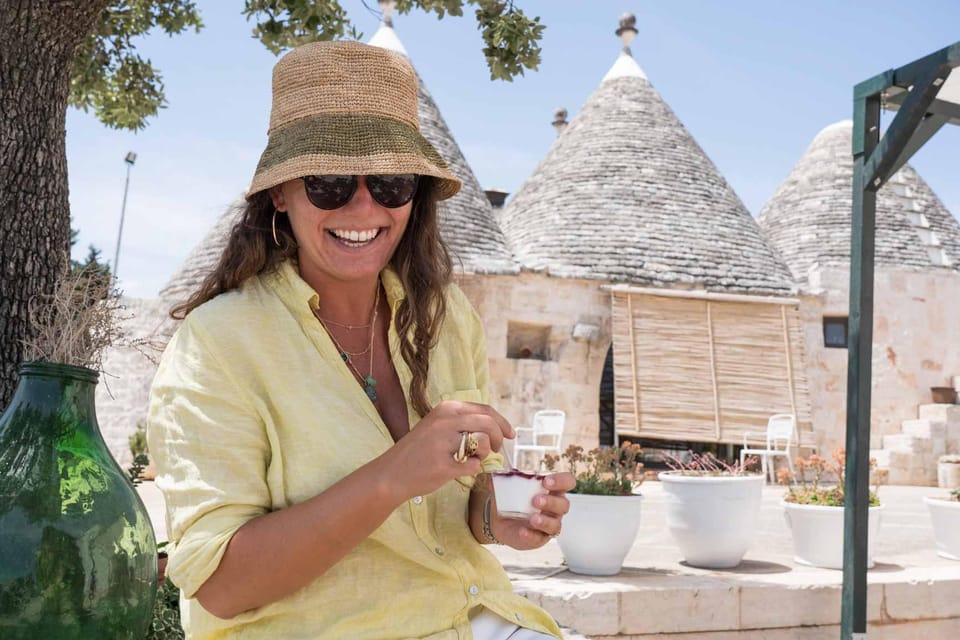
One review mentioned chilled rosé as a great match, and that makes sense with a farm tasting: soft cheeses benefit from something refreshing and gently fruity, while firmer cheeses can handle a bit more structure. The combination of cheeses plus bread plus meats also keeps the palate from getting bored mid-tour.
There’s also a small, funny farm detail: keep an eye out for the local cats. Multiple comments point out that farm cats can get quick around food. If you want to enjoy your mozzarella without interruption, keep your plate close and don’t leave it unattended.
What to watch for in the aging rooms (besides the smell)
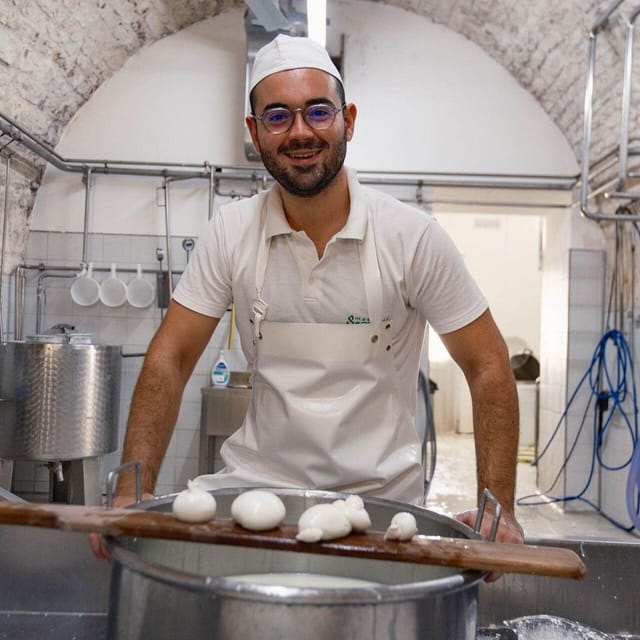
The cheese aging rooms are where you can start noticing why cheese tastes the way it does. While the tour isn’t framed as a chemistry lecture, the visit itself gives you context: cheese changes with time, temperature, and handling.
Even if you don’t memorize every step, you’ll likely pick up a few sensory cues:
- the stronger smell compared to the dairy work area
- how production and storage are separate stages
- the sense that the farm manages time as carefully as it manages milk
This part adds depth to the later tasting. Once you see where cheese rests, the final flavors feel earned.
Guides, pacing, and the one “real-life” downside
The tour has a clear structure, and that’s good. But it’s also a working site with equipment running. That’s why one of the most repeated downsides is hearing. If you’re sensitive to audio, don’t plan to stand back and watch. Keep yourself near the guide when instructions start, especially during the hands-on cheese work.
Pacing is also a factor. Two hours moves quickly, and you’ll want to stay mentally switched on from cowshed to dairy to class. This is not a slow, wandering nature walk. It’s structured around production steps, so expect motion and short explanations in each zone.
On the plus side, the guides and owners clearly take pride in explaining. One review even emphasized that the owner gave a very detailed demonstration—exactly what you want if you came for more than just eating.
Who this tour suits best (and who should think twice)
This is a great match for:
- cheese lovers who want more than a tasting menu
- people who learn best by doing
- families who want a farm experience with animals plus food
- travelers who enjoy small groups where you can ask questions
It’s less ideal if:
- you need silent environments to enjoy listening
- you’re expecting a long, slow visit with lots of free time
- you dislike hands-on food activities (even though it’s friendly and guided)
Getting the most out of your 2 hours
A few practical tips will help you enjoy it more:
- Bring comfortable shoes and keep them on for all the walking.
- Stay close during the instruction parts so you don’t miss details.
- After you make cheese, focus on tasting immediately. The freshest moments tend to be early in the aperitif.
- Keep an eye on your plate around the farm cats.
Also, since there’s no hotel pickup, it helps to plan your arrival a little early so you’re not rushing through the last steps.
Should you book Masseria Seppunisi for cheese and burrata?
Yes, if you want an Apulia experience that feels real and hands-on. For $53 and 2 hours, you’re getting an efficient mix of farm access, cheese-making practice, and a proper tasting plate with wine. The farm animals set the tone, and the fact that you actually shape mozzarella or burrata gives the tour staying power long after the meal.
If you’re a light listener and you know farm machinery noise annoys you, just position yourself well and don’t stay too far back during instructions. Do that, and you’ll likely walk away with both great cheese and a clearer picture of how it’s made.
FAQ
How long is the Masseria Seppunisi tour?
The tour lasts 2 hours.
What does the tour cost?
The price is $53 per person.
Is hotel pickup included?
No. The tour does not include pickup or return to your hotel.
What can I make during the visit?
You’ll have the chance to make burrata or mozzarella with your own hands, with help from an expert.
What’s included in the tasting?
At the end, you’ll be served a tasting plate that includes 5 types of cheeses, cold cuts, Apulian taralli, Apulian focaccia, and a final dessert, with local wine. Water service is also included.
How big is the group?
It’s a small group, limited to 10 participants.
What languages are the guides available in?
The live guide is available in Italian and English.
Is the tour wheelchair accessible?
Yes, the tour is listed as wheelchair accessible.
What should I wear or bring?
Wear comfortable shoes. Sandals or flip-flops are not allowed.