REVIEW · APULIA
Puglia: Mozzarella Experience at an Apulian Farm
Book on GetYourGuide →Operated by Martulli Viaggi - Matera · Bookable on GetYourGuide
Making cheese in Puglia feels like family time. It’s a hands-on mozzarella workshop on a working masseria—plus cows, calves, and that step-by-step show from the casaro. I especially like watching the cheesemaker shape fresh mozzarella and then eating farm products that actually taste like they were made this morning. One thing to plan around: the farm sits out in the countryside, so you’ll need your car to reach the meeting point.
You get a compact 1.5-hour experience that moves through farm life, the milking process, mozzarella making, and a satisfying tasting spread. I’d call it a great value if you want real local food culture without a full day tour. Just note the experience isn’t for everyone—no alcohol and drugs are allowed, it’s not suitable for mobility impairments, and lactose intolerance can be a deal-breaker.
In This Review
- Key highlights to know before you go
- Puglia Mozzarella at a Farm: Why This 90 Minutes Works
- A practical note on who runs the show
- How the Experience Flows: Animals, Milking Parlor, Mozzarella Shaping
- 1) Arrival and meeting the masseria
- 2) Stables and roaming animals
- 3) Milking parlor: where the milk story starts
- 4) The mozzarella-making workshop with the casaro
- 5) Farm tasting: what you just learned, you get to eat
- What You Actually Eat: Mozzarella and the Surrounding Cast
- Fresh mozzarella plus other farm-made cheeses
- Cured meats and seasonal treats
- Bread and more
- The Big Value Question: Is $59 Worth 1.5 Hours?
- Price, Location, and Logistics That Affect Your Day
- Get there by car
- Duration is short, so timing matters
- Group size can affect visibility
- Drinks are not guaranteed as part of the package
- Who Should Book (and Who Should Skip)
- Book it if you love real food and process
- It’s family-friendly
- Skip it if mobility is an issue
- Skip it if you’re lactose intolerant
- Keep in mind the farm rules
- Small Details That Make the Farm Feel Real
- You may have time for the farm shop
- Rain doesn’t always ruin it
- Team energy from the farm family
- Should You Book This Puglia Mozzarella Farm Experience?
- FAQ
- How long is the mozzarella experience?
- How much does it cost?
- What’s included in the price?
- Are drinks included?
- Do I need transportation to get there?
- What languages are the guides?
- Is this experience suitable for people with mobility impairments?
- Is free cancellation available?
Key highlights to know before you go
- Family-run cheesemaking with a casaro who shows the real steps and shaping
- Cows roaming in the field plus a visit to the stables and farm animals
- Milking parlor insight so you understand where the milk comes from
- Farm tasting spread: mozzarella plus cheeses, cured meats, and seasonal treats
- Takeaway boxes are available if you end up eating more than you expected
- Guides in Italian and English, often including farm-family hosts like Daniela or Diana
Puglia Mozzarella at a Farm: Why This 90 Minutes Works
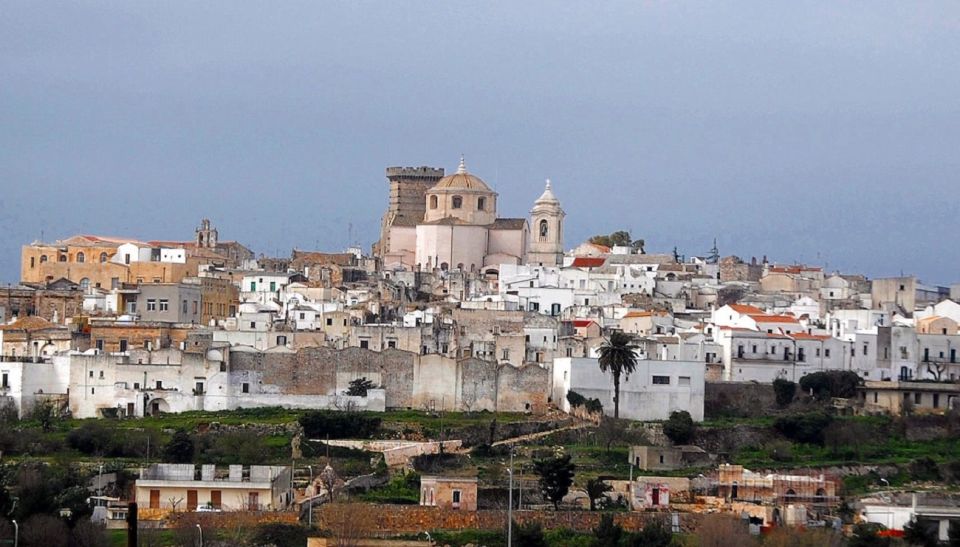
This isn’t a sit-down cooking class in a kitchen with perfect lighting. You’re on an Apulian farm in the countryside—where milk, animals, and cheese all belong to the same daily routine. That setting changes how the workshop feels. When you see cows up close and then watch mozzarella being made, the process stops being abstract and becomes real.
What I like most is the pacing. In about 1.5 hours, you get the full “farm-to-fresh-cheese” story without dragging it out. The activity also mixes learning with tasting. That matters because you’re not just watching what cheese does—you’re tasting the result while the story is still fresh.
A practical note on who runs the show
You’ll likely be guided by someone from the family—names you might hear include Daniela or Diana—and you may meet the cheesemaker (casaro) during the mozzarella portion. In the sessions I’ve seen described, the cheesemaker Rocco is often the one demonstrating the magic. There’s typically a friendly team feel, including support from staff like Piero.
How the Experience Flows: Animals, Milking Parlor, Mozzarella Shaping
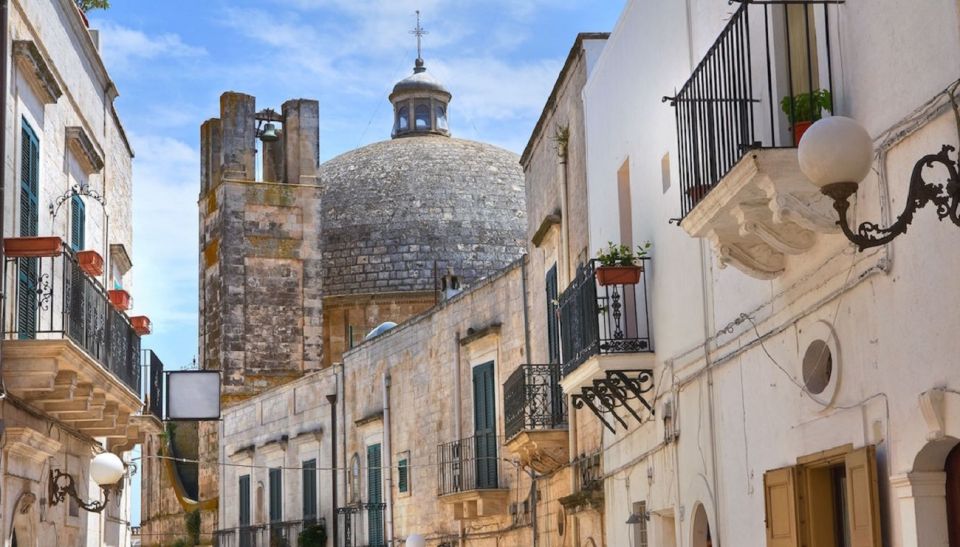
Here’s what the timing feels like from start to finish.
1) Arrival and meeting the masseria
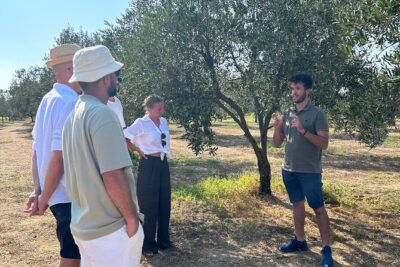
You’ll start at the farm meeting point and quickly get a feel for how this is set up as a working place, not a staged attraction. The masseria is in the countryside, so expect a car-based arrival. Once you’re there, the first focus is farm life—eyes first, then learning.
Between November and March, schedules may be adjusted and visits can be grouped across a couple of days each week. That’s good to know if you’re traveling off-season and planning around time windows.
2) Stables and roaming animals
Next comes the part most people remember: the animals. You’ll visit the stables and see cows, calves, bulls, or other farm animals depending on what’s there that day. Then you can watch the animals roam freely in the field.
Even if you’re not a farm person, this step is useful. It gives you context for the milk source and the daily rhythm behind the cheese. Plus, it’s the kind of stop that breaks up the workshop—so you don’t go straight from theory into curd work.
3) Milking parlor: where the milk story starts
After the animals, you move into the milking parlor portion. This is where the experience becomes educational in a practical way: you learn how the milk is produced and handled before it becomes mozzarella.
This is the part that helps you connect dots. If you’ve ever wondered why real mozzarella tastes different from supermarket versions, this stage explains the starting point.
4) The mozzarella-making workshop with the casaro
Then comes the highlight: the cheesemaker demonstration and mozzarella making step by step. You’ll learn the process as it happens—how the milk is transformed and how mozzarella is worked and shaped.
In sessions described from the farm, the casaro talks through the sequence and creates mozzarella in different shapes. Watching the shaping matters because mozzarella isn’t only about flavor; it’s about texture and how the curd is handled. The shaping part is where people tend to go quiet and pay close attention.
5) Farm tasting: what you just learned, you get to eat
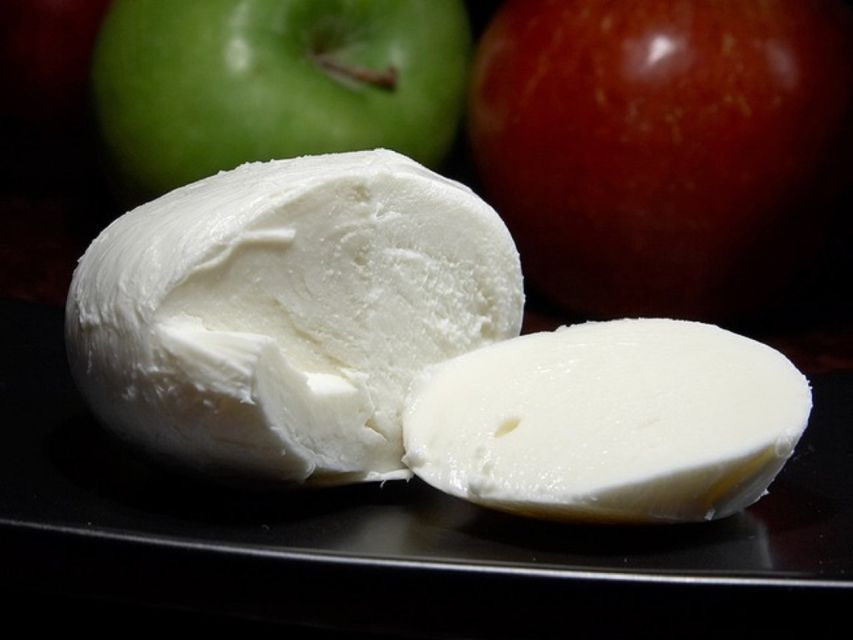
After the mozzarella-making demonstration, you sit down to savor products from the farm. The tasting includes fresh mozzarella, farm cheeses, cured meats, and seasonal treats.
Some tastings also include water and may include local wine as part of what’s served. The listing itself says drinks aren’t included, so treat alcohol as something you should confirm with the operator when you reserve. The core of the value here is the food.
One extra detail that makes a difference: portions can be generous enough that you might not finish everything. When that happens, takeaway boxes can be provided, so you don’t leave with an empty stomach—or waste.
What You Actually Eat: Mozzarella and the Surrounding Cast
The mozzarella is the star, but it’s not the only reason the tasting feels worthwhile.
Fresh mozzarella plus other farm-made cheeses
You’ll try the mozzarella that connects directly back to the workshop. The point isn’t only to taste cheese—it’s to compare flavor and texture across the spread. Farm-made cheeses tend to feel different because they’re made for local use and local preferences, not mass distribution.
Cured meats and seasonal treats
Alongside cheese, you’ll get cured meats and seasonal delights. This pairing helps you experience the farm as a full production unit, not just a mozzarella factory.
Bread and more
In some tastings, bread shows up as part of the spread, which helps you turn the tasting into a real meal—especially if you’re skipping lunch afterward. The food-to-time ratio is one of the reasons this works well for a half-day plan.
The Big Value Question: Is $59 Worth 1.5 Hours?
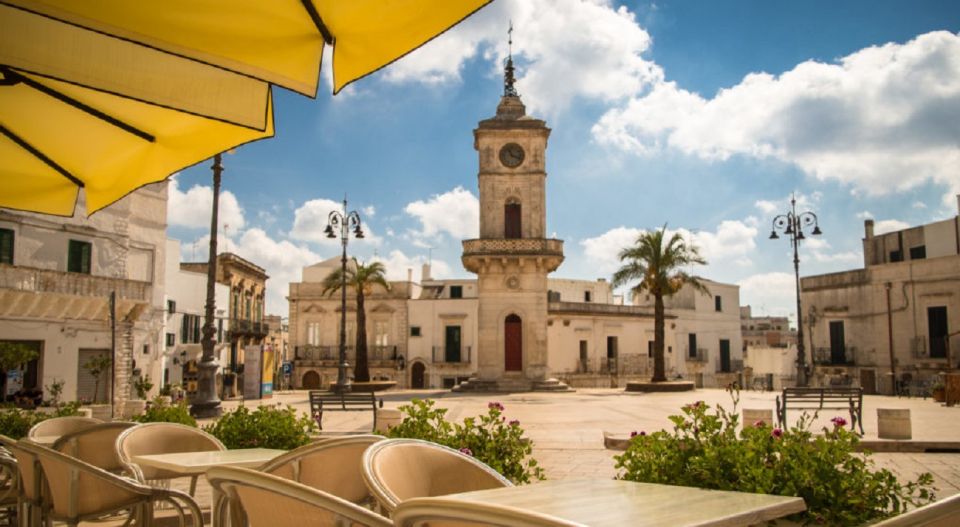
At $59 per person for a 1.5-hour experience, the price can look like a lot—until you break down what’s included and what you’re paying for.
You’re paying for:
- a guided farm visit in the countryside
- a mozzarella-making workshop with the cheesemaker
- a tasting that goes beyond a few bites
And the setting itself is part of the value. You’re not paying just for food. You’re paying for access: seeing animals up close, learning how milk gets from the parlor into the cheesemaking flow, and watching mozzarella being shaped by the person who does it for a living.
Where value can drop a bit is if you’re expecting a self-guided tour or maximum hands-on time for guests to make their own cheese. From what’s described, the key action is watching and learning from the cheesemaker, not necessarily turning you into a full-time cheesemaker. Still, the combination of process + tasting keeps the experience from feeling thin.
If you want an authentic food stop that ends with a proper bite, this is the kind of activity where the price makes more sense.
Price, Location, and Logistics That Affect Your Day
This is where a little planning saves frustration.
Get there by car
The farm is in the countryside, and you have to use your car to arrive at the meeting point. Transportation isn’t included, so build that into your itinerary. If you’re staying in a city area and planned to rely on public transport or taxis, you may find this tougher than it looks online.
Duration is short, so timing matters
You’re looking at roughly 1.5 hours. That’s long enough to learn and taste, but short enough that you don’t have much buffer time for delays. Aim to be on time so you don’t miss the milking or shaping portion.
Group size can affect visibility
One practical drawback that can show up is crowding around the cheesemaking area if the group is large. If you hate standing shoulder-to-shoulder for demonstrations, choose your time slot carefully when you book, and expect that the best views may require moving with the flow.
Drinks are not guaranteed as part of the package
The listing says drinks aren’t included, but some tastings report local wine served during the meal portion. Since that can vary, I’d plan on water being your go-to unless you confirm what’s included for your exact session.
Who Should Book (and Who Should Skip)
This experience fits certain travelers especially well.
Book it if you love real food and process
If you like seeing how food is made—then eating it while you remember the steps—this works. The farm context (animals + milking parlor + casaro demo) turns mozzarella into a story you can taste.
It’s family-friendly
There’s at least one description of a parent bringing a 10-year-old, with the kids enjoying the animals and feeding baby cows. If your group includes kids who like animals and “how it’s made” moments, it can be a strong choice.
Skip it if mobility is an issue
It’s not suitable for people with mobility impairments.
Skip it if you’re lactose intolerant
It’s not suitable for people with lactose intolerance. Even if you’re curious, this is still centered on dairy production and dairy tasting.
Keep in mind the farm rules
Alcohol and drugs aren’t allowed. Also, the guide language is Italian and English, so you’ll get explanations in one of those languages depending on your session.
Small Details That Make the Farm Feel Real
A few touches turn this from a simple food stop into a memorable outing.
You may have time for the farm shop
In descriptions of the experience, there’s often a small local shop where you can buy Puglian specialties to take home. If you like the cheeses you tasted, this is where you can turn the experience into pantry upgrades.
Rain doesn’t always ruin it
If the weather turns, you may spend more time inside during the demonstration and tasting portion. You’re not stuck outside for the whole session, so bad weather is usually more of a change in setting than a cancellation of the experience.
Team energy from the farm family
The workshop typically feels like it’s run by people who do this every day. That shows in the guide explanations and the casual teamwork around the casaro’s process.
Should You Book This Puglia Mozzarella Farm Experience?
Yes, if you want a short trip that combines farm life and mozzarella making with a real tasting at the end. It’s especially worth it when you care about understanding the steps, not just eating cheese.
I’d think twice if:
- you can’t drive to a countryside meeting point
- mobility access is a concern
- lactose intolerance applies
- you hate demonstrations where crowding might limit your view
If you’re the type who loves small, specific food experiences—cows, milking routines, hand shaping, then a big meal—you’ll probably leave happy and slightly obsessed with mozzarella.
FAQ
How long is the mozzarella experience?
The duration is 1.5 hours.
How much does it cost?
It’s priced at $59 per person.
What’s included in the price?
You get a mozzarella-making workshop with the cheesemaker and a tasting of local products.
Are drinks included?
Drinks are not listed as included. The tasting covers local products, but you should expect the experience to be primarily food-focused.
Do I need transportation to get there?
Transportation isn’t included, and the masseria is in the countryside—so you’ll need a car to arrive at the meeting point.
What languages are the guides?
The guide provides live interpretation in Italian and English.
Is this experience suitable for people with mobility impairments?
No, it’s not suitable for people with mobility impairments.
Is free cancellation available?
Yes. You can cancel up to 24 hours in advance for a full refund.