REVIEW · RAVENNA
Ravenna: UNESCO Monuments and Mosaics Guided Tour
Book on GetYourGuide →Operated by Ravenna Incoming · Bookable on GetYourGuide
Starry domes and gold faces wait in Ravenna. This guided walk makes UNESCO mosaics feel readable, not random decoration, and it puts mosaic symbolism front and center. You’ll see how the city’s Byzantine roots—and its East-versus-West position—show up in every church wall, including the Mausoleum of Galla Placidia.
I especially like the way the guide turns big visual moments into clear takeaways. The tour spotlights Ravenna’s top art scenes, from Justinian and Theodora at San Vitale to the warm golden light effects that make the mosaics look almost lit from inside.
One thing to plan for: you’ll spend time standing and walking on cobblestones, and not every monument has seating. If you need lots of pauses, pick the option that matches your pace and bring comfortable shoes.
In This Review
- Key takeaways before you go
- Why Ravenna’s UNESCO mosaics feel like a time machine
- Start at Piazza San Francesco: check-in and how the radio guide works
- Essential vs Complete: which mosaic route fits your time
- Neonian Baptistery: the oldest walls and early influence you can spot
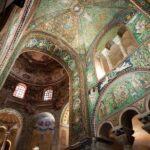
- Basilica of San Vitale: Justinian and Theodora under golden light
- Galla Placidia’s starry dome: small room, huge feeling
- Sant’Apollinare Nuovo: the long Christ cycle you’ll want to study
- Chapel of Saint Andrew in the Archbishop’s Museum (Complete only)
- What the guide really does (and why it matters)
- Practical tips so you enjoy every stop
- Should you book this Ravenna UNESCO mosaics tour?
- FAQ
- What monuments are included in the Essential Experience?
- What monuments are included in the Complete Experience?
- How long is each tour option?
- Where do I meet the guide?
- Are entrance tickets included?
- Do I need earphones?
- What languages are available for the guide?
- Is the tour wheelchair accessible?
- What ID should I bring?
- Are pets allowed?
- Can I reserve now and pay later?
Key takeaways before you go
- Two different routes (2 hours or 3 hours) so you can match your schedule without sacrificing the best sites.
- Mosaics explained as symbols—you learn what the figures and scenes are meant to communicate.
- Galla Placidia’s starry dome gets the spotlight as a compact, atmospheric stop you won’t rush past.
- San Vitale’s Justinian and Theodora mosaics are a must-see for the city’s political and religious story.
- Skip-the-ticket-line entry plus an expert guide means less waiting, more time looking closely.
Why Ravenna’s UNESCO mosaics feel like a time machine
Ravenna is one of those rare places where art history is visible without a museum label wall. The city’s churches and chapels preserve mosaics that survived for 1,500+ years, and they still communicate power, faith, and identity through images.
What makes this tour worth your time is how it connects the visuals to meaning. Instead of only pointing and moving on, your guide helps you “read” the scenes: who is shown, what’s symbolized, and why these mosaics were made to be seen by real people, in real liturgical space.
Also, Ravenna sits in a cultural hinge. You’ll keep feeling it as you walk: the city works like a bridge between Eastern and Western traditions, and the mosaics reflect that split and blend. If you like art with context—what something meant, not just how it looks—you’ll enjoy the whole experience.
You can also read our reviews of more tours and experiences in Ravenna.
Start at Piazza San Francesco: check-in and how the radio guide works
You meet at the Tourist Information Office in Piazza San Francesco 7. Enter the office, check in at the front desk, and you’ll be directed to your guide.
For the audio, the tour uses a radio system. Bring your own earphones with a jack connection so you can clearly follow the guide (and you won’t be stuck sharing tiny device speakers).
This start point matters because it keeps the tour practical. You’re already in the thick of Ravenna’s historic core, and you can focus on the art instead of spending your first hour figuring out where to queue and when.
Guides on this program run in multiple languages—Italian, German, English, and French—and you’ll get the same core approach: explain what you’re seeing, give context fast, then give you a moment to look.
Essential vs Complete: which mosaic route fits your time
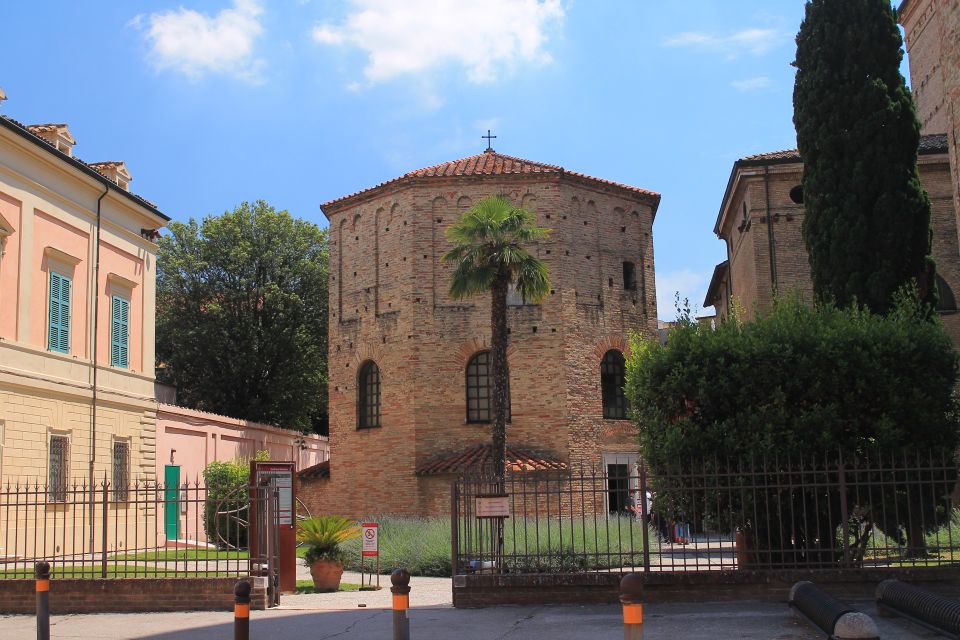
You can choose between two guided options. Both are walking tours at a relaxed pace, but you’ll still cover ground between monuments, and some stops have limited seating.
Essential Experience (about 2 hours) focuses on three major UNESCO stops:
- Neonian Baptistery
- Basilica of San Vitale
- Mausoleum of Galla Placidia
At the end, you can continue independently to visit Basilica of Sant’Apollinare Nuovo on your own.
Complete Experience (about 3 hours) adds the full spread of monuments from the combined ticket:
- Chapel of Saint Andrew (inside the Archbishop’s Museum)
- Neonian Baptistery
- Basilica of San Vitale
- Mausoleum of Galla Placidia
- Basilica of Sant’Apollinare Nuovo
If you only have a short Ravenna visit, Essential is the smart grab-and-go route. If you want the full mosaic arc in one guided sweep, Complete gives you the better “from start to finish” experience.
Neonian Baptistery: the oldest walls and early influence you can spot
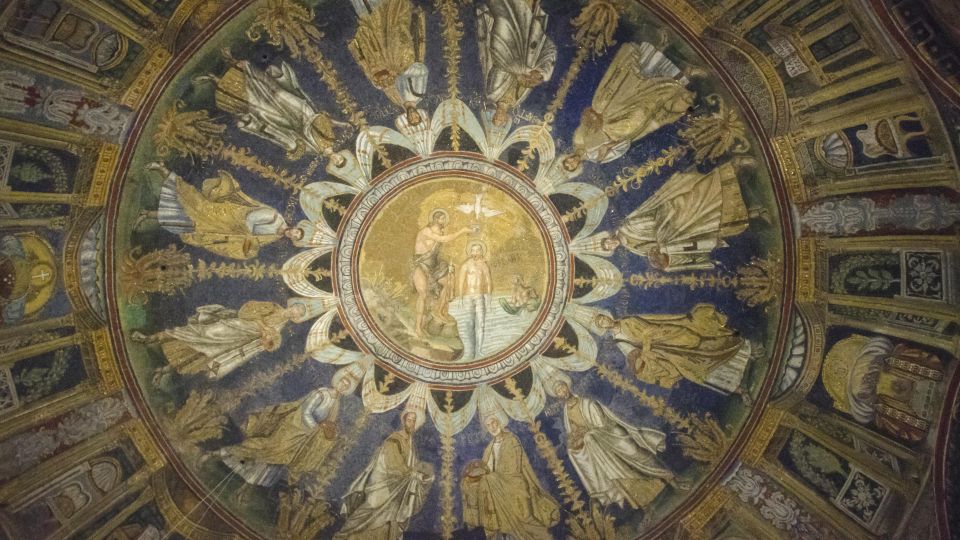
The Neonian Baptistery is the kind of stop that makes you slow down. It’s one of Ravenna’s oldest buildings, and its mosaics carry a distinct early character with a clear Hellenistic-Roman influence.
What I like about this opening stop (especially when you’re doing the full 3-hour route) is that it gives you a baseline before the later, bigger visual statements. Once you see the style here, the other mosaics start making more sense.
You’ll spend time with the guide pointing out how the mosaic language works: figures, patterning, and the way light plays across surfaces. Even if you’re not religious, you’ll still get the “why” behind the imagery—this was art built for understanding, not just decoration.
Practical note: you’ll likely be standing for parts of the viewing. If you’re sensitive to crowds, the guide’s pacing helps you hit each site with less stress than you’d face on your own.
Basilica of San Vitale: Justinian and Theodora under golden light
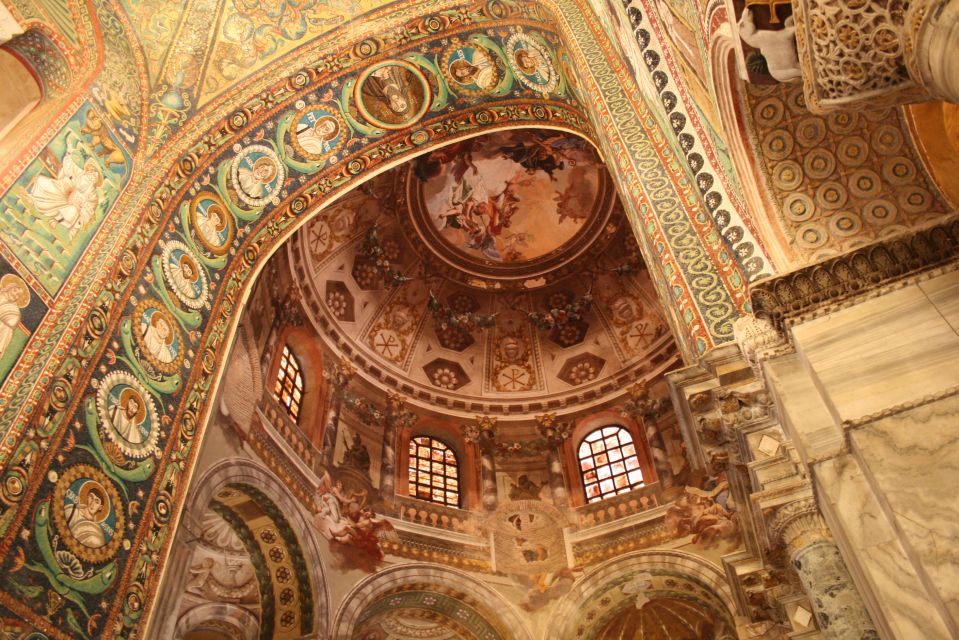
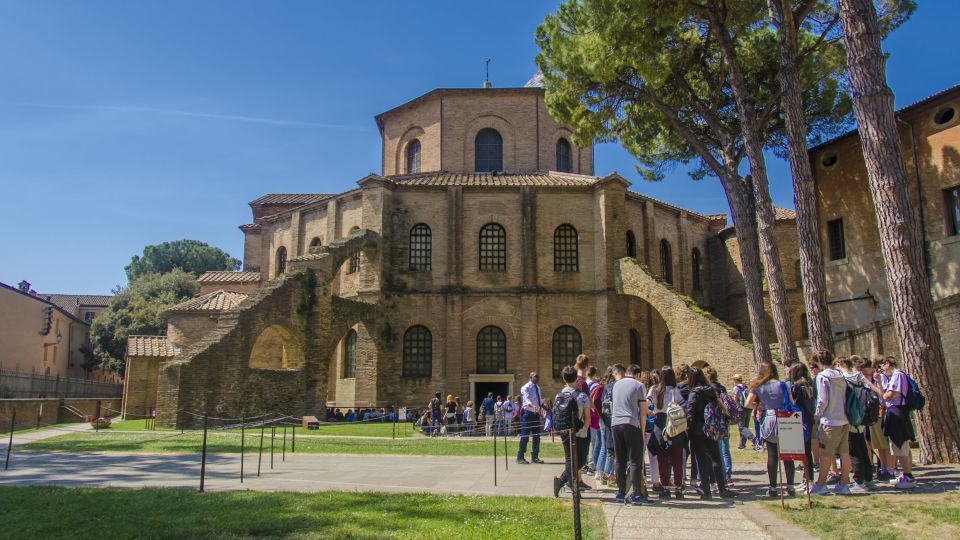
San Vitale is where the tour turns from education to pure visual satisfaction. This basilica is famous for both its architecture and its mosaic program, including scenes of Emperor Justinian and Empress Theodora.
The guide’s job here is crucial: it’s easy to stare at the faces and miss what the images are doing. You’ll learn how the mosaic scenes connect political power and religious authority—why these rulers are depicted the way they are, and what that meant to the audience standing below.
This stop also delivers one of Ravenna’s signature experiences: the way the mosaics respond to light. The tour highlights the golden glow you get from the interior atmosphere, which makes the images feel almost alive. If you love art that changes based on viewing angle, you’ll appreciate the time your guide gives you to look before moving on.
If you’re choosing between routes, this is the anchor stop in both options. Go here, even if you do only the Essential tour.
Galla Placidia’s starry dome: small room, huge feeling
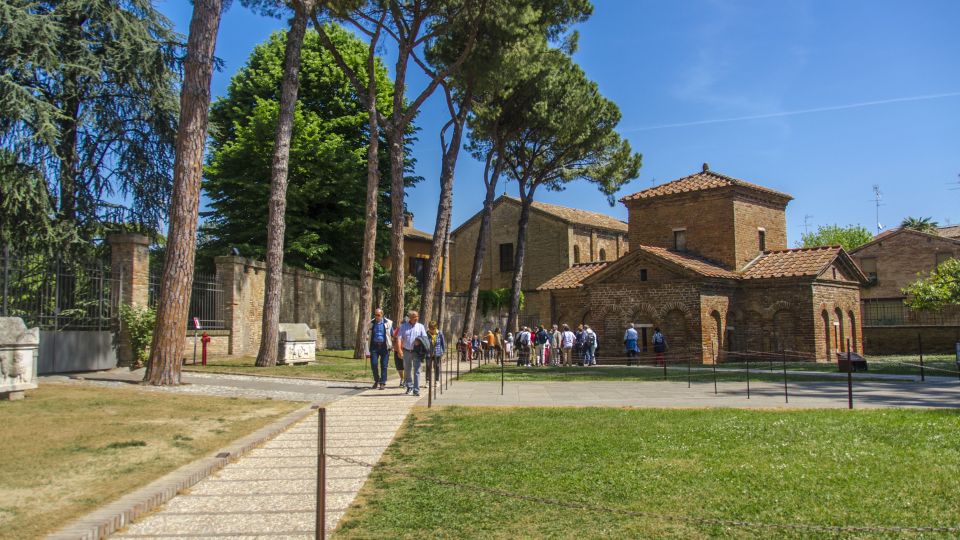
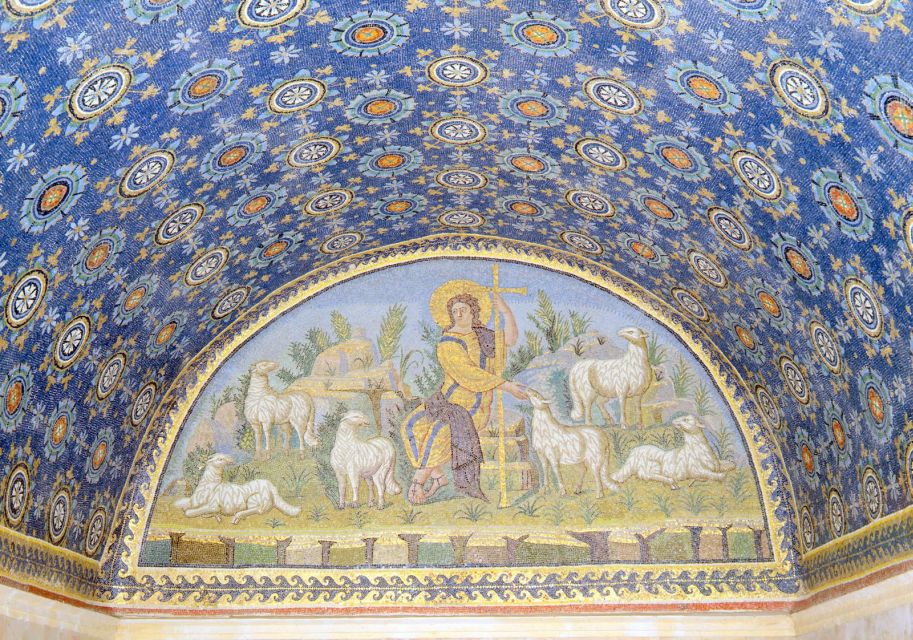
Then comes the Mausoleum of Galla Placidia, and yes, the hype is real—but it’s not just hype. The dome is known for its starry ceiling, an image so striking it’s been credited with inspiring visitors for centuries, including Dante Alighieri.
This is a compact stop, and the contrast with the bigger basilicas is part of the charm. The guide frames it as an experience of mood: the darkness, the dome, and the sense of heavenly order above you.
What I find most useful here is that the guide helps you see the star field as more than decoration. You’ll connect the visual to belief and symbolism—how a space like this works psychologically, not only visually. It’s one of those moments where a little explanation makes your eyes sharper.
Again, expect standing. It’s worth it, but plan your comfort accordingly.
Sant’Apollinare Nuovo: the long Christ cycle you’ll want to study
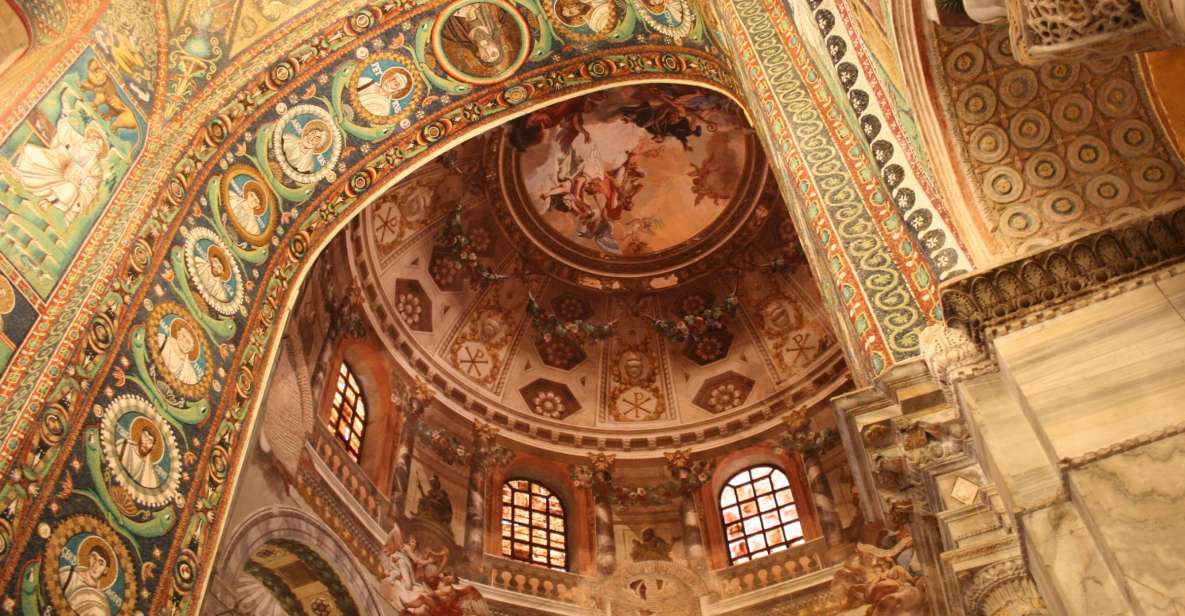
If you do the Complete Experience, you’ll reach Basilica of Sant’Apollinare Nuovo as part of the guided path. Essential-timers finish the tour and can then continue independently, which still works well if you’re comfortable entering at your own pace afterward.
This basilica is known for having one of the longest mosaic cycles in the world, with scenes illustrating moments from the life of Christ. That length can be a challenge if you walk in cold—you might see panels, but not grasp the rhythm of the story.
That’s where having a guide helps. You’ll get a structure for looking at the scenes: how to follow the sequence, what details to notice, and how the program is meant to guide belief through images.
A helpful expectation: this is not a quick photo stop. If you want to actually understand the narrative, you’ll appreciate the time your guide gives you to absorb the setting and the mosaic logic.
Chapel of Saint Andrew in the Archbishop’s Museum (Complete only)
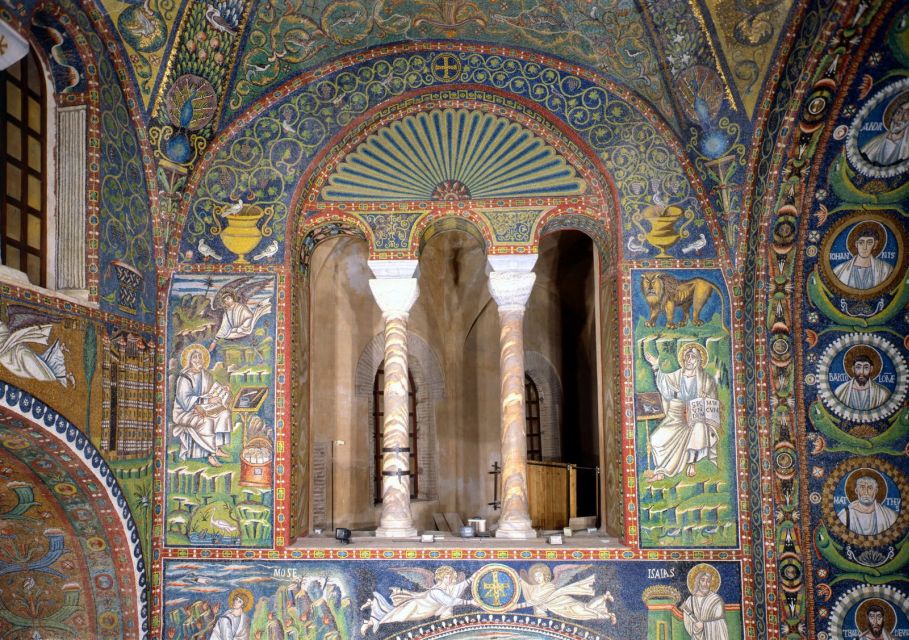
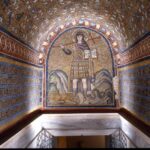
The Complete Experience adds a special bonus: the Chapel of Saint Andrew, preserved inside the Archbishop’s Museum. This is an early Christian archiepiscopal chapel, and it changes the feel of the tour from “grand public church” to “sacred preserved space.”
What makes this stop valuable is the sense of continuity. You’ll see how Ravenna’s mosaic culture isn’t only about big interiors—it’s also about chapels, institutional power, and the way architecture protects important art.
If you only have 2 hours, you’ll miss this extra layer. But if you want the fuller story of how Ravenna’s religious world operated and displayed authority, this is the kind of stop that rewards your attention.
What the guide really does (and why it matters)
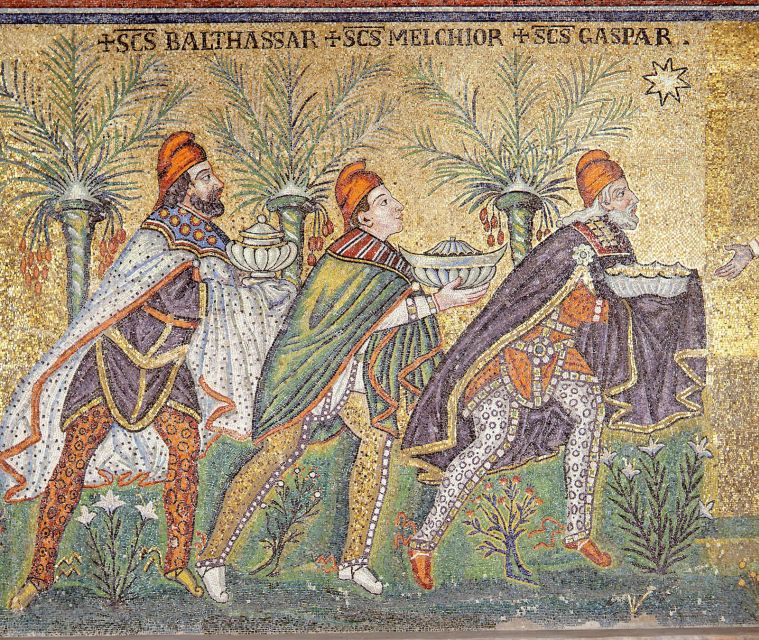
A Ravenna mosaic tour can be either “look, admire, move on” or “look, understand, remember.” The difference here is how the guide teaches you to read mosaics.
Across the monuments, the guide’s method is consistent:
- explain the symbolism behind figures and scenes
- point out details most people would skip
- connect the monuments to Ravenna’s role as a bridge between East and West
You’ll also notice how pacing keeps the group focused without rushing. On dates when the city is busy (one guide has even navigated crowds during a local event), the strategy is still the same: keep moving, but don’t let the group lose the plot.
Depending on your language, you may meet different named guides on this program—people such as Chiara, Serena, Roberta, Marco, Baldo, Celia, Sergio, Ivan, and Cinzia show up as examples of the kind of expertise involved. The common thread is clear explanations and a willingness to answer questions when something grabs your attention.
Practical tips so you enjoy every stop
A few practical things will make your Ravenna experience smoother:
Wear shoes you can trust on cobblestones and uneven surfaces. The walking is at a relaxed pace, but the ground isn’t forgiving.
Plan on limited seating. Some monuments don’t offer places to sit, so even if you can stop occasionally, you may be standing for parts of the visit.
Bring ID—your passport or ID card works, and a copy is accepted.
Bring your own earphones with a jack connection for the radio guide. This is one of those small details that stops frustration before it starts.
If you’re choosing between Essential and Complete, be honest about your attention span. Two hours is excellent for the main hits. Three hours lets you slow down enough to enjoy the full mosaic story in a single flow.
Should you book this Ravenna UNESCO mosaics tour?
Book it if:
- you want Ravenna’s UNESCO mosaics in one guided pass
- you prefer having meaning explained, not just seeing famous interiors
- you’re short on time and want skip-the-ticket-line convenience
- you love Byzantine-era art and want help noticing details
Skip it (or choose a shorter plan) if:
- you hate walking or standing for parts of a visit
- you want to linger alone at one monument for a long time
- you’re planning to visit several of these sites over multiple days and don’t need the guide structure
My take: this is one of the best ways to understand why Ravenna is called a mosaic capital. The sites are exceptional, but the guide is what turns those mosaics into a story you’ll carry home.
FAQ
What monuments are included in the Essential Experience?
The Essential Experience includes the Neonian Baptistery, the Basilica of San Vitale, and the Mausoleum of Galla Placidia.
What monuments are included in the Complete Experience?
The Complete Experience includes five UNESCO monuments: the Chapel of Saint Andrew (inside the Archbishop’s Museum), the Neonian Baptistery, the Basilica of San Vitale, the Mausoleum of Galla Placidia, and the Basilica of Sant’Apollinare Nuovo.
How long is each tour option?
The Essential Experience runs for about 2 hours, and the Complete Experience runs for about 3 hours.
Where do I meet the guide?
You meet at the Tourist Information Office in Piazza San Francesco 7. Enter the office and check in at the front desk.
Are entrance tickets included?
Yes. Entrance tickets to all mentioned sites are included, and the tour also includes skip-the-ticket-line entry.
Do I need earphones?
Yes. Please bring your own earphones with a jack connection for the radio guides.
What languages are available for the guide?
Guides are available in Italian, German, English, and French.
Is the tour wheelchair accessible?
Yes, the tour is listed as wheelchair accessible.
What ID should I bring?
Bring a passport or ID card. A copy is accepted.
Are pets allowed?
No, pets are not allowed on this tour.
Can I reserve now and pay later?
Yes. The tour offers reserve now & pay later, so you can book your spot and pay nothing today.