REVIEW · LEONARDO DA VINCI EXPERIENCE
Rome: Leonardo Da Vinci Experience Entry Ticket
Book on GetYourGuide →Operated by Visit Rome · Bookable on GetYourGuide
Leonardo’s ideas show up in surprising places. This self-guided ticket to the Leonardo da Vinci Experience in Rome mixes interactive inventions with major art stories in a space you can tackle at your own speed. I like that it’s right by St Peter’s Square, so it works as a simple stop before or after Vatican time.
Two things I especially like: the interactive inventions you can actually try, and the air-conditioned comfort that keeps the visit pleasant even in hot weather. The displays cover working models tied to famous da Vinci concepts, not just flat facts.
One possible drawback: the museum is fairly compact, so you may finish faster than you expect—plan for about an hour, plus extra time if you linger with the machines and mirror room. Also, do bring headphones so you can use the audio guide without fuss.
In This Review
- Key highlights worth planning around
- Entering at Via della Conciliazione: quick access to the Vatican area
- Tickets and pacing: audio guide first, guided tour not included
- The invention halls: 50 models that explain how thinking becomes engineering
- Flying machines and war machines: the fun factor without losing the science
- The Last Supper reproduction: why it sparks conversation
- Room of Mirrors: light studies that point toward photography and projection
- The art gallery: certified reproductions and major works in one sweep
- How long should you plan, and what order works best?
- Price and value: where $18 fits on a Rome day
- Staff and service: friendly help when you need it
- Practical tips for a smooth visit
- Should you book the Leonardo da Vinci Experience?
- FAQ
- Where is the Leonardo da Vinci Experience located?
- What is included with the entry ticket?
- Is a guided tour included?
- What languages are available for the audio guide?
- Do I need headphones?
- How long is the ticket valid?
- Are there exhibitions focused on different themes?
- Is the venue air-conditioned and does it have restrooms?
- Is Wi-Fi available?
- Can I cancel for a refund?
Key highlights worth planning around
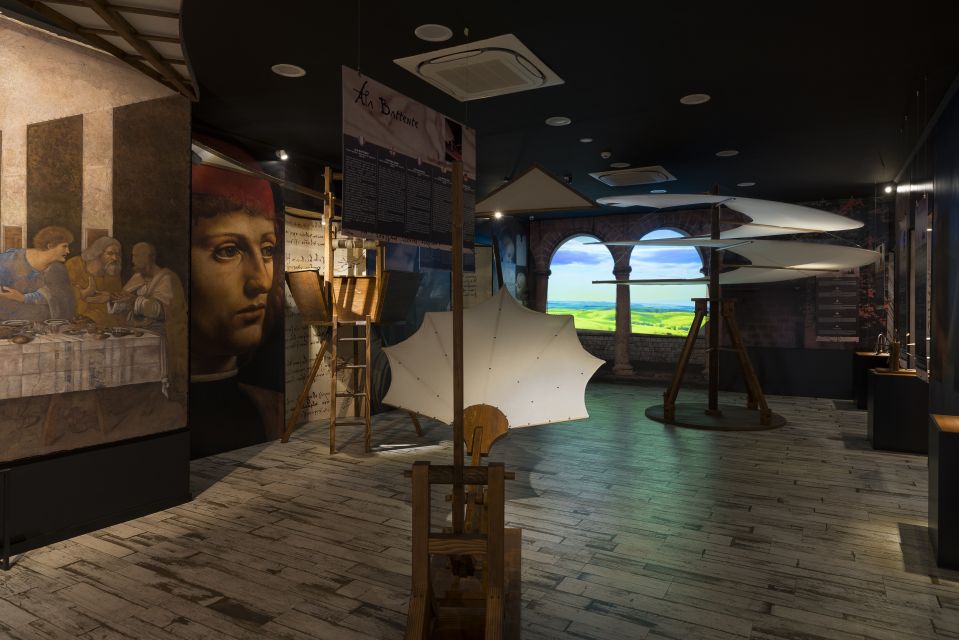
- Interactive inventions (about 50): machines you can test based on Leonardo’s designs
- Air-conditioned comfort: relief in Rome heat while you explore indoors
- Mirror Room: a light-and-reflection stop tied to his scientific thinking
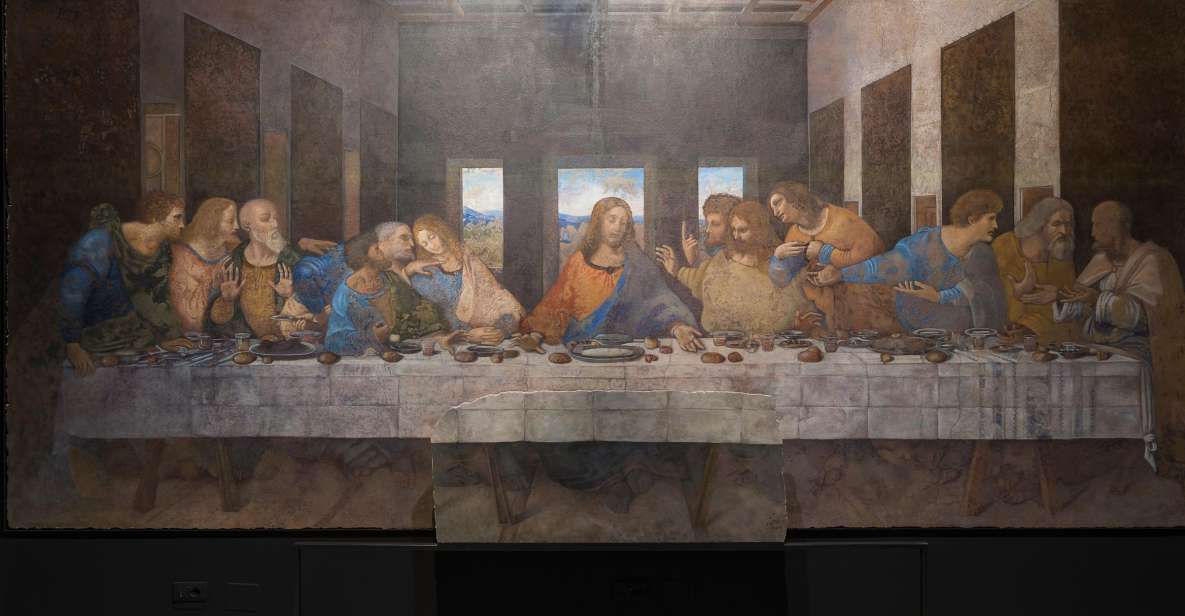
- The Last Supper reproduction: a full-sized version built to spark the big painting discussion
- Certified painting reproductions: 20 works painted by Vatican Museum restoration artists
- Multiple languages in the audio guide: English plus many others for a smooth visit
Entering at Via della Conciliazione: quick access to the Vatican area
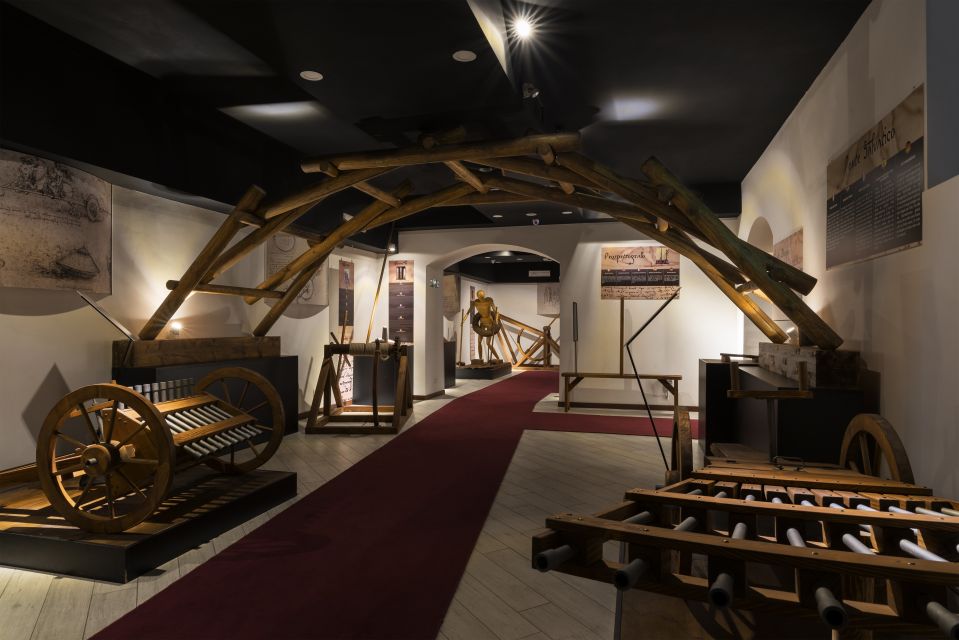
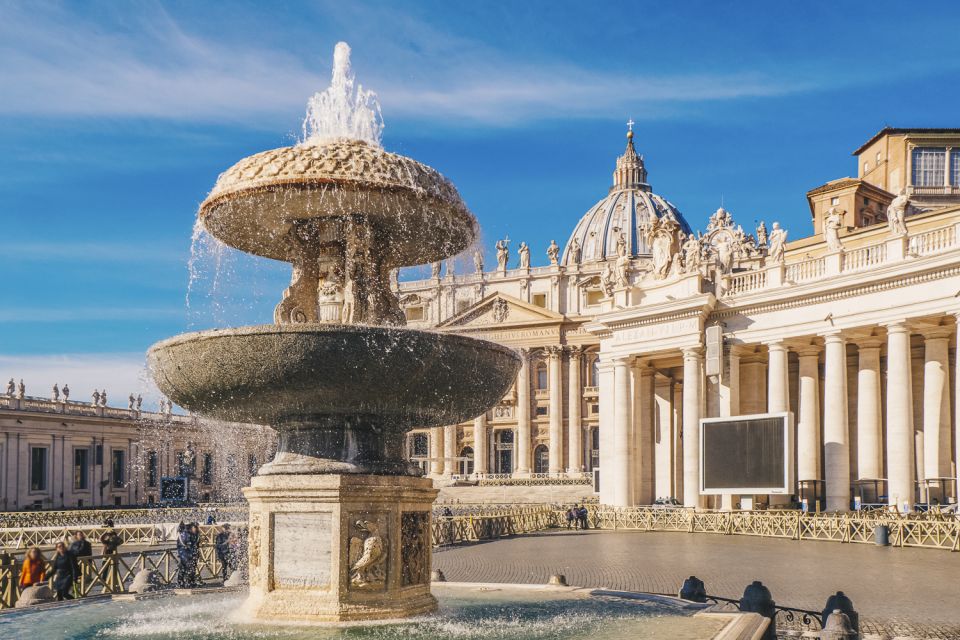
The Leonardo da Vinci Experience is at Via della Conciliazione 19, about 150 meters from St Peter’s Square. That’s close enough that you can plan it as a warm-up, a break from crowds, or a bookend to your Vatican day.
The space is set up for drop-in touring rather than a long “daylong museum marathon.” You’ll find it easy to get your bearings and start moving right away, especially if you’re already in Vatican mode and need something indoors.
Tickets and pacing: audio guide first, guided tour not included
Your ticket includes an audio guide, and it’s a big part of how the experience makes sense. There’s no guided tour included with the entry, so you’ll rely on the recordings and the display text to connect the dots between art and engineering.
What you get in the audio guide is practical: explanations for inventions, plus context for the painting reproductions. The language options listed include English, Spanish, French, Italian, German, Portuguese, Russian, and Chinese—so you should be able to match your comfort level without doing mental translation in your head.
Tip: bring headphones. The experience is designed for personal listening, and the audio guide is most useful when you can hear it clearly.
The invention halls: 50 models that explain how thinking becomes engineering
The heart of the visit is the inventions section: roughly 50 of Leonardo’s ideas, presented in an interactive way. You’re not just looking at sketches behind glass. You’re meant to understand the mechanics—especially how his designs translate into real-world movement.
Expect displays tied to tools and machines like digging and lifting equipment, a sewing-machine concept, bicycle ideas, water skis, and even a machine gun model. You’ll also see engineering concepts like an unsupported suspension bridge design concept, plus solar-energy working ideas.
This is the part that tends to feel most “today.” Even if some models are smaller than you’d expect, the logic of the design is the story. You’ll start spotting patterns that show up in modern engineering: leverage, balance, motion, and how small changes affect the outcome.
Flying machines and war machines: the fun factor without losing the science
The experience is organized across multiple exhibition halls, including ones focused on flying machines and war machines. This matters because it keeps your visit structured. Instead of wandering randomly, you can follow a theme: first how Leonardo thought about flight, then how he thought about weaponry and mechanics.
You’ll likely notice a lot of hands-on interaction along the way. Some displays are built so you can test the concept to get the feel of it, not just read about it. That’s a big plus if you’re visiting with teens or kids, but adults usually enjoy it too because it turns abstract genius into something you can physically understand.
And yes—there are photo stops. You can take a picture beside a helicopter-style model and an armored tank display, which is a nice way to mark the visit if you’re collecting Vatican-area memories.
The Last Supper reproduction: why it sparks conversation
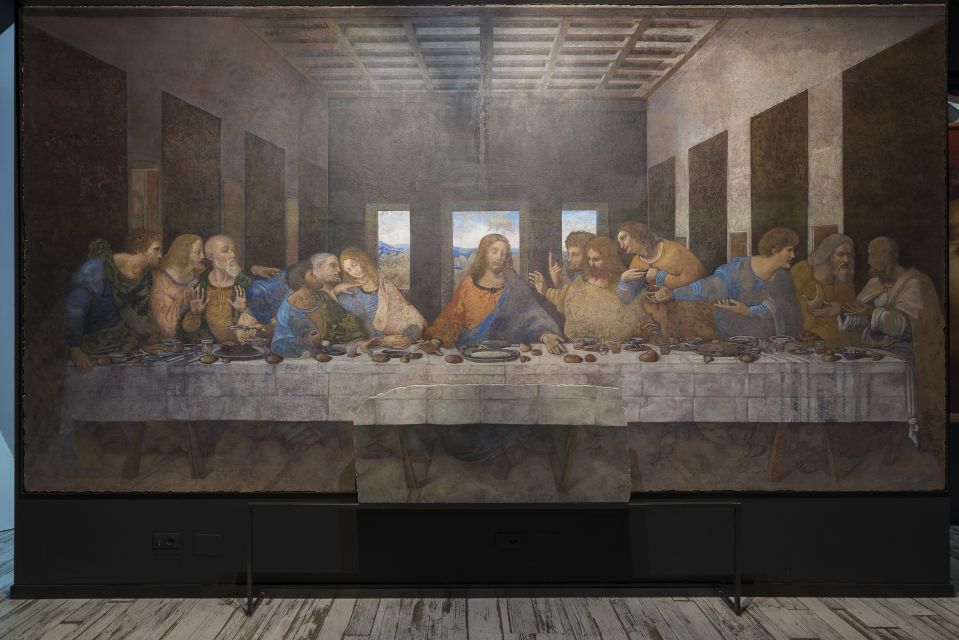
A full-sized reproduction of The Last Supper is one of the headline features. It’s the painting people know from popular culture, and that fame is part of what makes this stop effective.
What I like about including the painting here is that it connects Leonardo’s art to his scientific mind. You’re not only looking at the imagery—you’re hearing the story behind why the work became controversial and how people have analyzed it over time.
There’s also a practical side to this: the painting is easier to study here than in a crowded, time-limited real-world museum setting. If you want to pause and take in details without racing a ticket clock, this reproduction stop helps.
Room of Mirrors: light studies that point toward photography and projection
The Room of Mirrors is the kind of stop that feels short but sticks in your mind. Leonardo is presented as a thinker obsessed with how light behaves, and the room makes that idea visible.
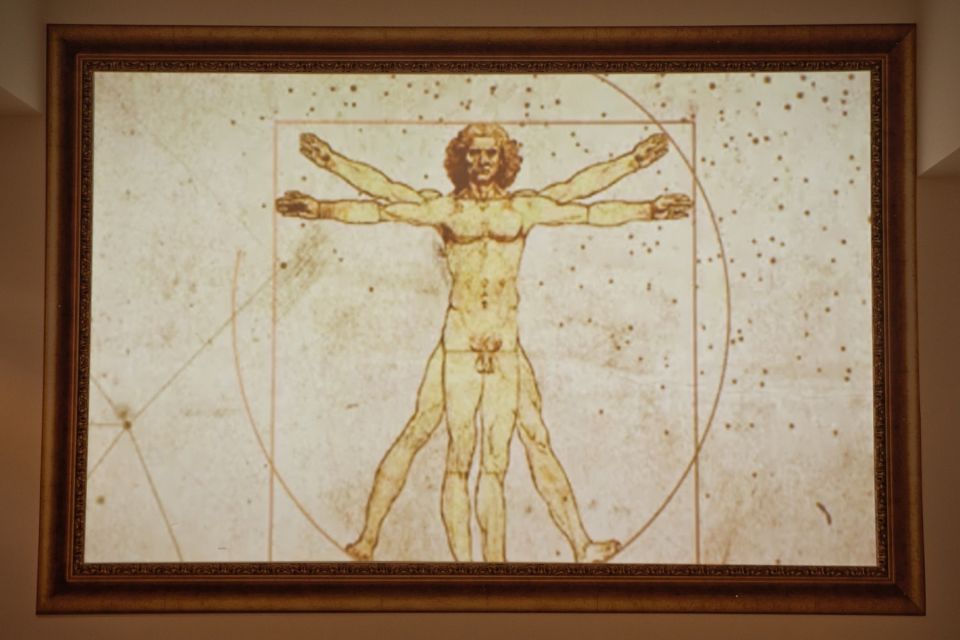
You’ll learn how his study of light connects to inventions that came later, including ideas around photography and projection. It’s not a boring lecture corner. It’s designed to be experiential, so you get the point faster than you would from a panel alone.
If you like taking photos, this is a strong candidate for your camera time. The mirror effects make the space feel playful even when you’re learning.
The art gallery: certified reproductions and major works in one sweep
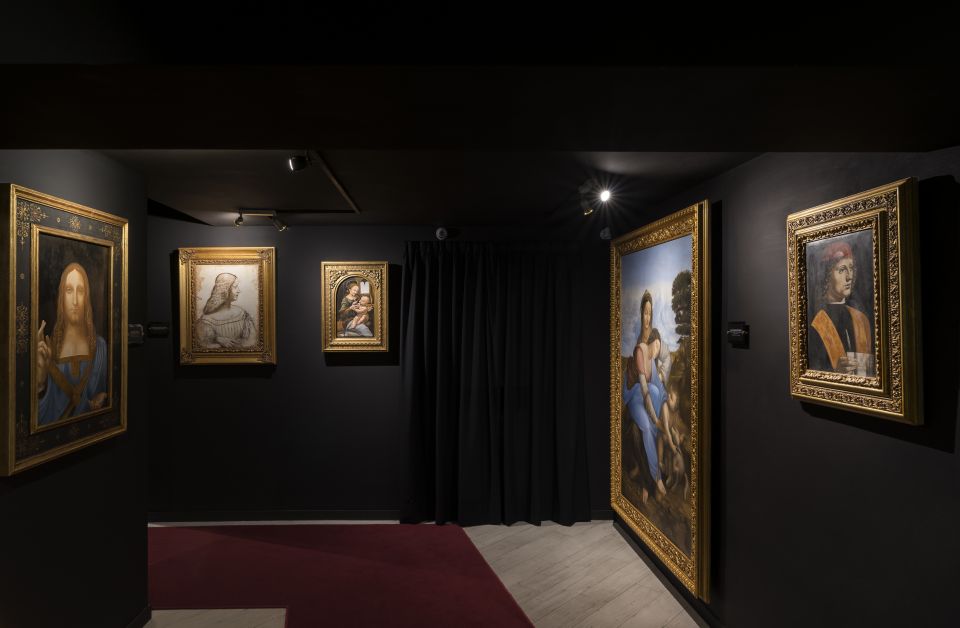
Beyond inventions, the experience includes an exhibition gallery with 20 certified reproductions painted by Vatican Museum restoration artists. That’s a key detail. You’re not just seeing generic copies; you’re looking at restoration-trained reproductions intended to communicate the works clearly.
You can also expect to see famous subjects such as the two versions of The Virgin of the Rocks, with originals located at the Louvre and London’s National Gallery. There’s also Lady with an Ermine, a painting often credited with helping reshape classical portraiture.
If you’re an art-first visitor, this is the section that helps you connect Leonardo the artist to Leonardo the engineer. You’ll likely finish the day with a clearer idea of how his curiosity shaped both disciplines.
How long should you plan, and what order works best?
The ticket is valid for one day, but your actual visit time depends on how you move through the halls. Many visitors finish in about an hour, and you can stretch it to 1.5 hours or more if you stop to try the machines and take your time with the art and mirror room.
If you want the best flow, I’d do it like this: start with inventions early while you’re freshest, then move into the painting-focused areas. Save the Room of Mirrors and main painting reproduction for later so you’re not rushed through your favorite parts.
If you have only a small gap in your schedule near St Peter’s, this is a solid choice. It’s short enough to fit around other priorities, but full enough that you won’t feel like you blinked and missed everything.
Price and value: where $18 fits on a Rome day
At about $18 per person, this isn’t a “cheap throwaway” attraction, but it also isn’t trying to be a mega-museum. The value comes from two things: the interactive machines and the included audio guide that keeps you from wandering in the dark.
If you’re traveling near the Vatican, you’re already paying for that prime-location convenience in time and effort. This ticket gives you an indoor, air-conditioned experience close by, plus art context and invention models in one trip.
One practical way to squeeze more value out: compare prices before you commit. Some visitors have found that buying directly at the site can be cheaper than buying through third-party channels. It’s worth a quick check so you’re not overpaying.
Staff and service: friendly help when you need it
Staff are part of what makes the visit feel smooth. People consistently highlight that the front desk and staff are friendly and helpful when you arrive.
You may also hear names like Flavia, Alla, or David connected with excellent explanations and good support. If you can, ask a staff member where to start based on your interests—art, machines, or both. Even a short recommendation can save time in a compact space.
Practical tips for a smooth visit
- Bring headphones so you’re ready for the audio guide right away.
- Wear shoes you can stand in. Some interaction points are better when you’re stable and ready to test.
- If you can, arrive a bit earlier than your time window. Staff may be able to get you in sooner when space allows.
- Plan your photo stops around the helicopter/tank areas and the mirror room, not at random moments when you’re already mid-hall.
And if you’re someone who likes calm browsing, aim for a less crowded time. The experience works best when you can hear your audio clearly.
Should you book the Leonardo da Vinci Experience?
Book it if you want a short, well-explained Leonardo experience that mixes art and inventions without feeling like homework. It’s especially worth it if you like hands-on learning, you’re bringing kids or teens, or you want an air-conditioned break near St Peter’s that doesn’t require a full half-day commitment.
Skip it if you’re expecting a huge museum or a traditional guided tour style. This is compact, and the magic is in the interactive displays plus audio guidance, not in hours of sprawling galleries.
If you’re on the fence, use this rule of thumb: if you can spare about an hour to 90 minutes near the Vatican, you’ll likely come away thinking about Leonardo in a more modern way.
FAQ
Where is the Leonardo da Vinci Experience located?
It’s at Via della Conciliazione 19, Rome, about 150 meters from St Peter’s Square.
What is included with the entry ticket?
The ticket includes the entrance fee, an audio guide, free WiFi, a fully air-conditioned environment, and access to the restrooms.
Is a guided tour included?
No. A guided tour is not included with this entry ticket.
What languages are available for the audio guide?
The audio guide is available in English, Spanish, French, Italian, German, Portuguese, Russian, and Chinese.
Do I need headphones?
Yes, the important information lists headphones as what you should bring.
How long is the ticket valid?
The ticket is valid for one day.
Are there exhibitions focused on different themes?
Yes. The experience includes multiple exhibition halls, including flying machines, war machines, and related invention displays.
Is the venue air-conditioned and does it have restrooms?
Yes. It’s fully air-conditioned and provides access to restrooms.
Is Wi-Fi available?
Yes, free WiFi is included.
Can I cancel for a refund?
Yes. Free cancellation is available up to 24 hours in advance for a full refund.