REVIEW · VATICAN CITY
Rome: Vatican Pass plus Top Attractions and Transport
Book on Viator →Operated by Go City | Rome · Bookable on Viator
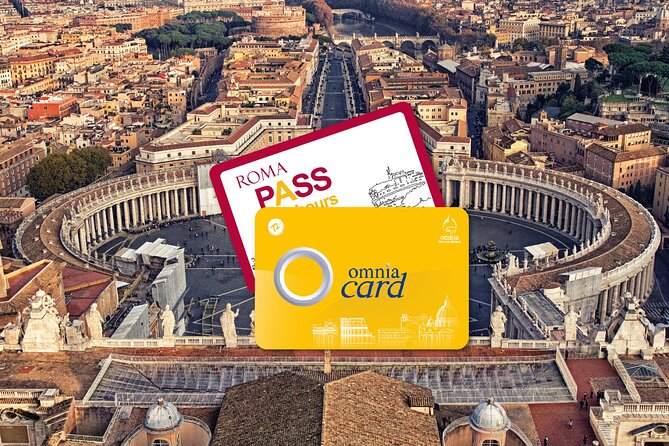
Rome’s hardest tickets, handled fast. This Omnia Vatican + Roma Pass combo is built for people who want to see the big-ticket places without spending every morning in ticket lines. You get fast-track entry to the Vatican Museums and St. Peter’s Basilica, plus a hop-on hop-off Rome bus and a Roma travel card for public transport across the city.
The best part is value when you use the cards where they matter: Vatican time savings for you, and flexible Rome sightseeing for you. I also like that the pass gives you a practical map/guidebook and even a free audio guide (worth €10) for Omnia holders at the Vatican.
One key drawback to watch: the pass can’t replace smart planning. Several top sights need reservations, and if you miss those windows, you can lose time and start paying extra.
In This Review
- Key things to know before you go
- The cards in plain English: what you’re really buying
- Vatican Museums and the Sistine Chapel: where fast-track can be worth its weight
- The real constraint: reservations
- What you’ll see (and what to pay attention to)
- St. Peter’s Basilica: priceless views, plus Vatican-day rules
- Why fast-track matters even if entry is free
- Dress code: don’t let it slow you down
- Timing tip that helps
- St. John Lateran (San Giovanni in Laterano): the Pope’s seat that people skip
- Foro Romano and Palatine Hill: ruins that feel like a time machine
- How to enjoy it more
- Colosseum and Carcer Tullianum: what the pass can do, and what can still go wrong
- The balanced view
- Carcer Tullianum payoff
- Borghese Gallery: worth it, but only if you book it like you mean it
- Castel Sant’Angelo, the Tiber, and Rome’s “another fortress” feeling
- Capitoline Museums: art, archaeology, and Michelangelo’s piazza
- Discount museums you can swap in: Villa Giulia, Palazzo Braschi, and more
- Getting around: Roma travel card plus hop-on hop-off bus reality check
- Price and value: when this combo feels like a smart buy
- Practical tips that prevent the biggest headaches
- Who should book this pass?
- Should you book this Rome: Vatican Pass plus Top Attractions and Transport?
- FAQ
- How long are the Omnia Vatican card and Roma Pass valid?
- Do I get fast-track entry at the Vatican?
- Is the hop-on hop-off Rome bus included?
- Does the Roma Pass include public transport in Rome?
- Which attractions require reservations?
- Is a reservation required for Galleria Borghese?
- Do I get an audio guide?
- What does the Roma Pass cover for attractions?
- Where do I redeem the vouchers for the cards?
- Can I use the cards for kids?
Key things to know before you go
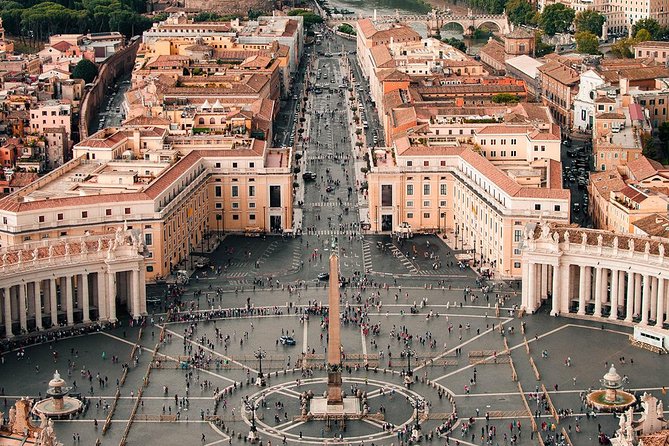
- Fast-track Vatican entry aims at the longest lines: Vatican Museums and St. Peter’s Basilica.
- 72-hour validity starts when you first use the cards, so timing your first redemption matters.
- Roma travel card + hop-on hop-off bus helps you move without micromanaging metro schedules.
- Roma Pass covers two top admissions (your pick), then discounts kick in for lots more.
- Dress code counts at the Vatican—plan to cover legs and be ready for trouble-free entry.
- Reservations are not optional for multiple major stops, including Vatican sites and the Colosseum area.
The cards in plain English: what you’re really buying

This is not a guided tour where someone herds you from one museum door to another. It’s a two-card system designed to reduce two pain points in Rome:
1) Ticket lines at the Vatican
With the Omnia Vatican card, you get fast-track entry for St. Peter’s Basilica and the Vatican Museums. That’s the part most likely to save hours, because those lines can be brutal.
2) Transport and entry value across Rome
The Roma Pass portion brings unlimited public transport via a travel card (buses and metro trains), plus a hop-on hop-off bus with dozens of stops. On top of that, you get admission choices: two attractions of your choice as your main “free” wins, then discounted entry to many other museums and sights.
Here’s the practical mindset I’d use: this pass works best when you already know your shortlist (Vatican, Colosseum/ancient ruins, maybe Borghese or a major museum) and you’re willing to make the reservation calls early.
Also, validity is straightforward: from your first use, both cards run for 72 hours. So don’t redeem everything on day one unless day one is truly your big sightseeing day.
You can also read our reviews of more tours and experiences in Vatican City.
Vatican Museums and the Sistine Chapel: where fast-track can be worth its weight
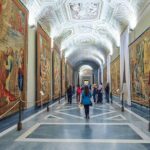
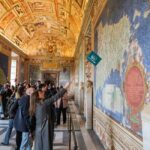
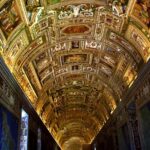
Your day at the Vatican is usually the centerpiece of a Rome trip. The Vatican Museums are packed with art, and the Sistine Chapel is the name everyone knows—but the Vatican experience is really about flow: moving from rooms of collections to the final breathtaking finale.
With this package, the value comes from fast-track entry to the Vatican Museums. That means you’re trying to bypass the general-admission crowd at the door and get into the museum system sooner. Once inside, plan your pace. The museum is big, and the most common mistake is letting your legs decide your schedule.
The real constraint: reservations
One important detail from the fine print: Sistine Chapel and Vatican Museums require reservations. If you’re the kind of person who likes to show up and decide on the spot, you’ll likely feel frustrated here. The good news is that reservations are normal for these sites—this pass just expects you to play by their timing.
What you’ll see (and what to pay attention to)
You’re looking at multiple levels of payoff:
- The Vatican Museums’ breadth of art and Papal context
- The Sistine Chapel as the emotional and visual peak
If you want to make it feel less chaotic, do two things:
- Arrive with your reservation time sorted.
- Commit to a plan for the final rooms so you’re not hunting for the Sistine Chapel like it’s a lost suitcase.
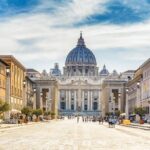
St. Peter’s Basilica: priceless views, plus Vatican-day rules
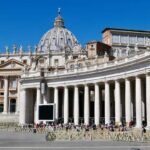
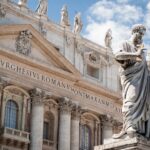
St. Peter’s Basilica is free to enter in general, but that’s not the whole story. For this pass, St. Peter’s Basilica is included with fast-track entry via the Omnia Vatican card, and it also requires reservation.

Why fast-track matters even if entry is free
Even when admission is theoretically free, the practical line situation can still cost real time. The pass is designed for the day you arrive during peak crush and would rather spend your energy looking up at Michelangelo’s dome work than standing still.
Dress code: don’t let it slow you down
A warning worth taking seriously: the Vatican has strict expectations for modest dress. One review specifically mentioned having to buy trousers to get in. So pack for it:
- Cover shoulders and knees
- Bring something lightweight you can use fast if needed
Timing tip that helps
If your schedule allows, treat St. Peter’s as an early-day anchor. You’ll have a smoother experience, and you’ll avoid the late-day crowds when the basilica becomes harder to enjoy.
St. John Lateran (San Giovanni in Laterano): the Pope’s seat that people skip
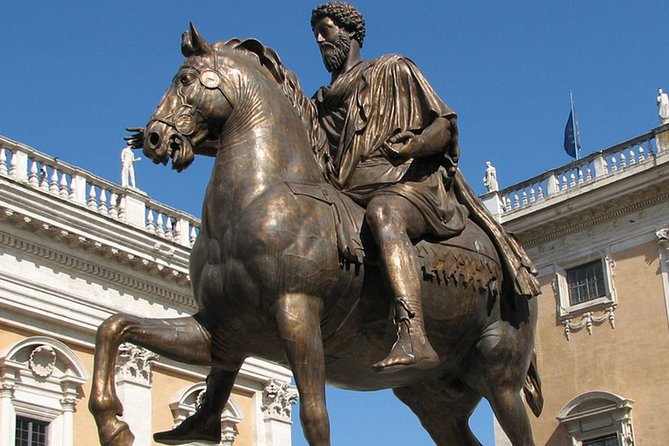
This stop is a nice contrast to the Vatican. St. John Lateran is the Pope’s official ecclesiastical seat and is said to be the oldest and most important church in Rome—so yes, it’s an eye-opener when you’re used to thinking St. Peter’s is always the top name.
It also comes with details that make it feel more “Rome” and less “Vatican complex”:
- Cosmatesque interior design
- Baroque façade and architecture
- Twelve large apostle sculptures by early 18th-century late Baroque artists
- The Holy Steps (Scala Sancta) (a big draw for visitors)
- A 14th-century Gothic baldacchino
- The adjacent Cloister, described as a calm oasis for prayer
This is the kind of church stop where you slow down. Don’t try to “collect” it like a checkbox. Let the architecture do its thing.
Foro Romano and Palatine Hill: ruins that feel like a time machine
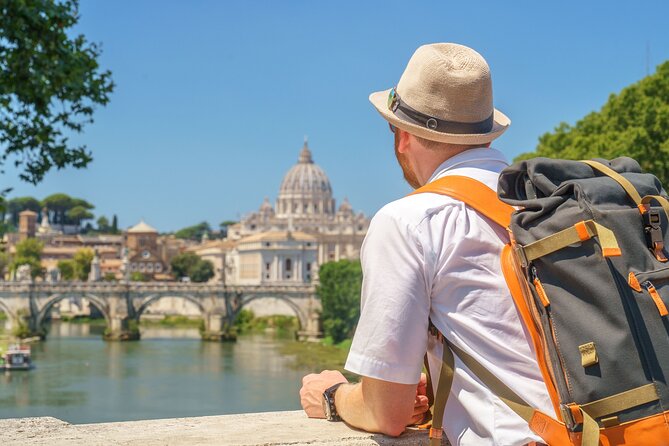
The Roman Forum area and Palatine Hill are where Rome stops being postcard Rome and becomes lived-in history. You’re walking through the bones of old power: ancient streets, former market energy, and ruins that make you look harder at the ground.
Your pass includes entry here, and the big practical note is that this area is part of the “Colosseum/Forum/Palatine” booking group—reservations are required for the Colosseum and the linked sites in this package’s rules. So if you want Forum/Palatine on the same day as your Colosseum time slot, plan backwards from your reservation.
How to enjoy it more
- Start early or you’ll feel every stone’s heat.
- Pick a direction and stick to it. The Forum is easy to wander in circles.
- Leave time for photos and for moments when you just stop and look.
Colosseum and Carcer Tullianum: what the pass can do, and what can still go wrong
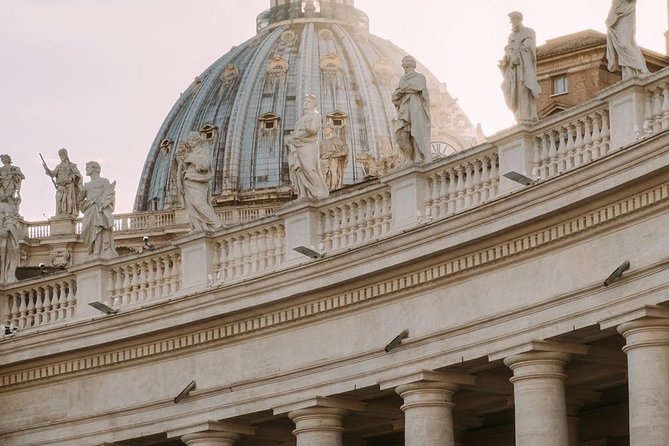
The Colosseum is a reservation magnet. Even with a pass, you don’t escape the need to book the right time slot. In this package, Colosseum and related major Roman-period sights require reservations, including Carcer Tullianum and Castel Sant’Angelo.
The balanced view
- The pass can help you have entry lined up when you use it correctly.
- If you hit sold-out reservation windows, you may end up queuing or paying separately.
One recurring frustration from users is that when Colosseum slots are unavailable, you can burn hours. Another is that line expectations don’t always match the brochure language—especially if a site is operating under unusual conditions. So my advice is: once you have your dates, go after reservations right away. Treat them like your “real tickets,” not like a secondary task.
Carcer Tullianum payoff
If you add Carcer Tullianum, it’s a very different mood from the open-air Colosseum. It’s inside the Roman-period prison sites and can feel surprisingly intense. The pass rules say it requires a reservation too, so don’t stack it casually.
Borghese Gallery: worth it, but only if you book it like you mean it
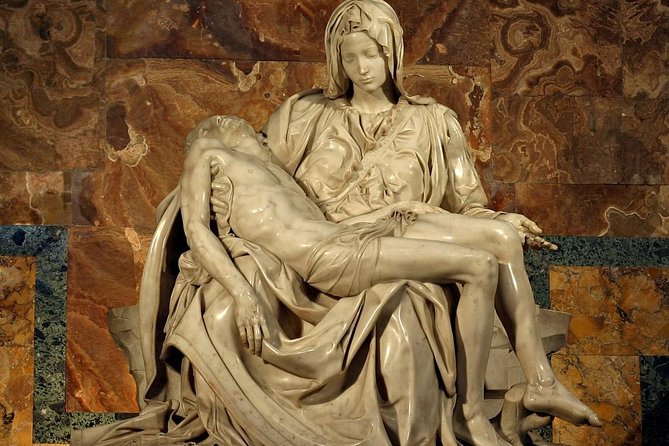
Galleria Borghese is one of those places you can’t truly rush. It’s famous for its collections, and in this package, pre-reservation is mandatory. The guidance is to book at least 10 days in advance.
This is where a lot of people lose the value gamble:
- If your dates are flexible, Borghese is great.
- If your dates are set and Borghese sells out, you may have to trade it for another discounted museum.
So if Borghese is on your must-see list, lock it early. Don’t wait for “maybe we’ll try.”
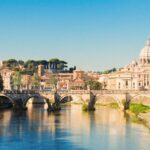
Castel Sant’Angelo, the Tiber, and Rome’s “another fortress” feeling
Castel Sant’Angelo has that fortress-and-river vibe that makes it fun even if you’re not a hard-core military history buff. It’s also one of the big sights included in the Roma Pass choice set (and it’s in the reservation-required group).
From the included museum context, you can explore the fortress and see parts like the Hall of Urns, including Hadrian’s ashes. That detail helps you connect the place to the emperor story instead of treating it like scenery.
Capitoline Museums: art, archaeology, and Michelangelo’s piazza
The Capitoline Museums sit on Capitoline Hill and are arranged in multiple historic buildings around a piazza that’s associated with Michelangelo’s design.
If you like museums where you can still feel the city around you, this is a strong pick. The pass gives you access here as one of the major “two top attractions” options. Expect highlights like:
- The Capitoline She-wolf
- The Hall of Tapestries
- The Chapel
- The courtyards and the view-adjacent museum feel
It’s also an easy museum day when you want something indoor without turning your whole vacation into a marathon of white walls.
Discount museums you can swap in: Villa Giulia, Palazzo Braschi, and more
Once you’ve used your two free/primary attractions, the pass still helps with lots of discounted entry across Rome. That flexibility is useful because Rome days rarely go perfectly.
Some of the specific museum stops included for discounted access in this package include:
- Museo Nazionale Etrusco di Villa Giulia (classic Etruscan focus)
- Museo di Roma – Palazzo Braschi (Roman art history with a baroque-style setting; costumes, ceramics, mosaics, and more)
- Museo Pietro Canonica (another museum option in the mix)
- Museo Nazionale del Palazzo di Venezia
- Centrale Montemartini
- Museo della Repubblica Romana e della Memoria Garibaldina
- Museo Nazionale d’Arte Orientale Giuseppe Tucci
- Galleria Nazionale d’Arte Moderna e Contemporanea
- Museo Napoleonico
- Parco Archeologico di Ostia Antica
- Appian Way (Via Appia Antica)
This is the part you use to match your mood:
- If you want ancient sprawl, go for Ostia Antica and Appian Way.
- If you want a break from crowds, choose an indoor museum on a day the heat or rain pushes you indoors.
Getting around: Roma travel card plus hop-on hop-off bus reality check
You get a Roma travel card for unlimited public transport on buses and metro trains. That’s a big deal because it reduces decision fatigue. You can move without checking tickets every time.
Then there’s the hop-on hop-off bus, which is included and has dozens of stops, including major sites like the Colosseum and St. Peter’s Basilica. The practical issue is that the bus schedule can feel less predictable than you expect. Some people noted long waits and that the service wasn’t always as frequent as advertised.
So here’s the right way to use it:
- Use it for orientation and convenience, not as a single-point guarantee.
- Build time buffers between hop-off and any reserved attraction.
For mobility and timing, the Roma travel card often becomes the more dependable plan. The bus is great for getting bearings, but the metro is usually the reliable workhorse.
Price and value: when this combo feels like a smart buy
At $179.24 per person for about 3 days, you’re paying for a bundle: Vatican fast-track value, transport savings, and a mix of free plus discounted admissions.
This is where the “value math” comes in:
- If you’re going to the Vatican and you value time more than you value flexibility, the fast-track can make this feel worth it fast.
- If you want Colosseum/Forum/Palatine and you’re willing to reserve early, the pass can reduce friction.
- If you mostly want public/free sites and you don’t plan well, the pass can feel overpriced.
One clear caution from user experiences is that some felt the pass didn’t “skip the line” the way they expected, and others felt the included value didn’t cover the sights they ended up doing. That usually points back to a single theme: reservations and real entry conditions matter more than the marketing headline.
My rule of thumb:
- Book this when you’re ready to plan.
- Don’t buy it when you’re hoping to wing everything.
Practical tips that prevent the biggest headaches
Here’s how you keep your 72 hours from turning into stress.
Redeem smart. You redeem the voucher for the two cards at redemption centers, and the first use starts the 72-hour clock. Don’t waste the first day wandering around figuring out where to pick up the cards.
Reservations first. Several top sights require reservations, including Vatican Museums, Sistine Chapel, St. Peter’s Basilica, Colosseum, and more like Borghese Gallery and Carcer Tullianum. As soon as your dates are locked, reserve the timed slots.
Know what’s free vs discounted. This combo includes two admissions as your main picks, then offers discounted entry to lots more. If you go in expecting everything to be free, you can get surprise costs.
Don’t trust your first plan only. If a bus stop is chaotic or you miss a timing window, you still have the metro and bus options via the Roma travel card.
Vatican dress code prep. Cover up. If you forget, you might need to improvise at the last moment.
Who should book this pass?
This package is a strong fit if you:
- Want maximum sightseeing in a short window
- Prioritize the Vatican and want fast-track entry
- Are willing to do reservation homework for Sistine Chapel/Vatican Museums/Colosseum and strict sites like Borghese Gallery
- Prefer a self-paced style with transport built in
It’s less ideal if you:
- Hate planning and want to decide at the door
- Have very flexible dates but won’t chase sold-out reservation times
- Want only a couple of sites and will spend the rest of the trip wandering free streets
Should you book this Rome: Vatican Pass plus Top Attractions and Transport?
If you’re doing a classic first Rome trip and you want to hit the Vatican plus at least one major ancient or museum stop, I think this is a reasonable buy—as long as you treat reservations as part of the purchase, not a bonus.
Book it if:
- You’ll use the Vatican fast-track and you can commit to the reservation times.
- You’ll actually use public transport via the Roma travel card.
- You want the convenience of a bus for orientation and quick hops.
Skip it (or downshift to simpler tickets) if:
- You’re likely to miss reservation windows.
- You want to avoid ticket-day stress.
- You only plan to do a small handful of sites and the rest will be free sightseeing.
FAQ
How long are the Omnia Vatican card and Roma Pass valid?
Both cards are valid for 72 hours starting from your first use.
Do I get fast-track entry at the Vatican?
Yes. The Omnia Vatican card includes fast-track entry for St. Peter’s Basilica and the Vatican Museums.
Is the hop-on hop-off Rome bus included?
Yes. A hop-on hop-off bus ticket for Rome is included, with dozens of stops.
Does the Roma Pass include public transport in Rome?
Yes. It includes a travel card for unlimited travel on public transport in Rome (buses and metro trains).
Which attractions require reservations?
Reservations are required for several top sights, including Sistine Chapel and Vatican Museums, Colosseum, St. Peter’s Basilica, Carcer Tullianum, Borghese Gallery, and Castel Sant’Angelo.
Is a reservation required for Galleria Borghese?
Yes. Pre-reservation for Galleria Borghese is mandatory, and it’s recommended to book at least 10 days in advance.
Do I get an audio guide?
Omnia Pass holders can redeem a free audio guide worth €10 at the Vatican entrance.
What does the Roma Pass cover for attractions?
The Roma Pass provides general admission to two attractions of your choice, plus discounted entry to many additional sights, museums, and monuments.
Where do I redeem the vouchers for the cards?
After redeeming your voucher at one of the redemption centers, you receive both the Roma Pass and Omnia Vatican Card.
Can I use the cards for kids?
Child passes (ages 6–17) do not include the Roma Pass or a travel card, even though many museums are free under 18. Travel is free for under 10s on public transport.