REVIEW · SIENA
Siena: Walking Tour and Skip-the-Line Duomo Tickets
Book on GetYourGuide →Operated by Tuscan Escapes by Papilio · Bookable on GetYourGuide
Siena’s streets can feel like a puzzle.
This 2-hour guided walking tour helps it make sense fast, with medieval lanes, Gothic landmarks, and skip-the-line Duomo access timed for an efficient visit.
I like two things a lot. First, the authorized English-speaking local guide brings the city to life with clear stories about Siena’s neighborhoods and traditions. Second, the route is built around real anchors like Basilica di San Domenico and the Duomo, so you connect St Catherine, the Palio, and the cathedral’s masterpieces in one tight loop.
One consideration: this is a cobblestone walk and it’s not suitable for mobility impairments. Also, you’ll need church-appropriate clothing (covered shoulders and knee-length bottoms), plus solid shoes.
In This Review
- Key highlights you’ll feel right away
- Why this 2-hour Siena walk works for first-timers
- Where to start: Piazza San Domenico and the clothing rule you can’t ignore
- The Contrade and Piazza del Campo: where the city’s competition lives
- Basilica di San Domenico: St Catherine’s story you can actually picture
- Palazzo Salimbeni and Palazzo Tolomei: Siena’s wealth in stone and symbols
- Palio explained without losing the plot
- The Duomo stop: skip the line, then focus on chapels and masterpieces
- Pacing, group size, and comfort on narrow medieval streets
- Price and value: is $47 a fair deal?
- Who should book this tour, and who might want a different plan
- Quick checklist before you go
- Should you book this Siena Duomo walking tour?
- FAQ
- How long is the Siena walking tour?
- Where do I meet the guide?
- Does this tour include skip-the-line Duomo tickets?
- What are the main stops and experiences?
- What clothing is required for the cathedral?
- Are pets allowed on this tour?
- Is the tour available in English?
- Is it suitable for people with mobility impairments?
- Can I cancel for a full refund?
Key highlights you’ll feel right away
- Skip-the-line Duomo tickets so you trade waiting for seeing
- San Domenico and St Catherine for faith, art, and local identity
- Contrade and Palio context so Piazza del Campo isn’t just pretty
- Gothic architecture stops tied to Siena’s merchant wealth and power
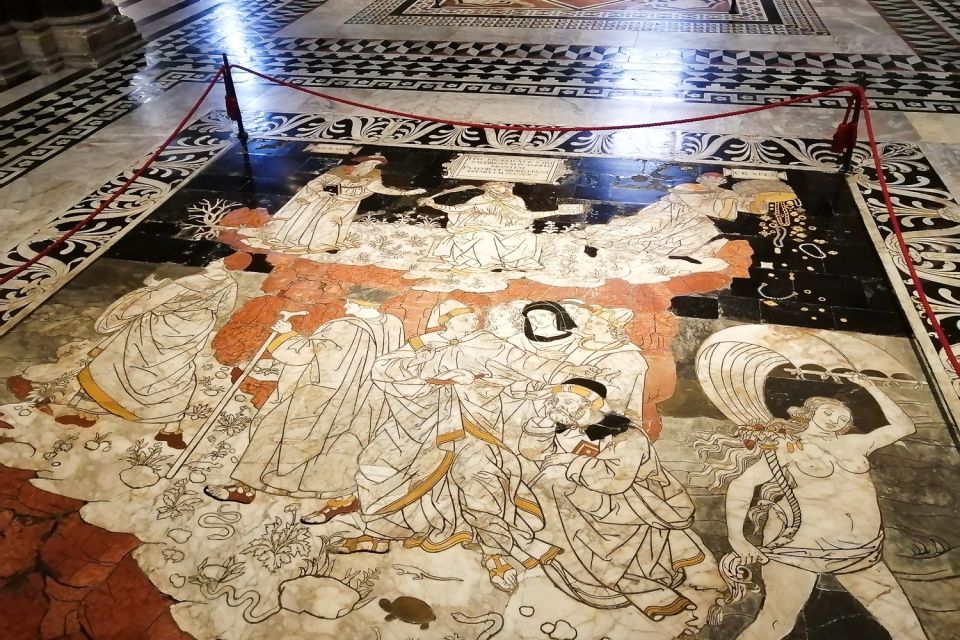
- Duomo chapels with major artists like Donatello, Michelangelo, and others
- English guidance throughout, including inside the cathedral
Why this 2-hour Siena walk works for first-timers
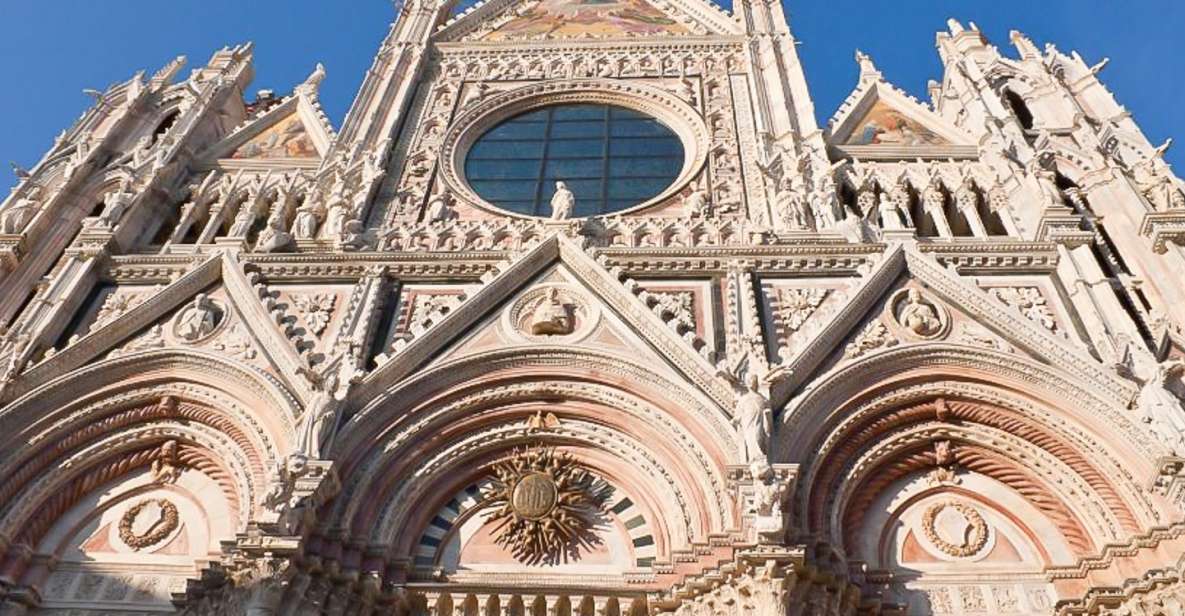
Siena is one of those places where the buildings look similar until someone points out what makes each one different. This tour is designed to do that quickly: you cover key landmarks on foot, then focus time where it counts most inside the Duomo.
I also like that the tour is short enough to keep your energy for the rest of your day. After two hours, you’re not exhausted and lost—you’re oriented. You’ll know where things are, and you’ll have the story behind what you’re seeing, not just the postcard version.
You can also read our reviews of more tours and experiences in Siena.
Where to start: Piazza San Domenico and the clothing rule you can’t ignore
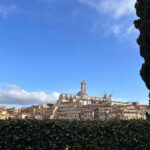
You meet in Piazza San Domenico, under the large tree in front of the church. That’s helpful because Siena has a lot of small streets that can scramble your bearings.
Plan your outfit before you leave your hotel. The entry rules are strict: covered shoulders and knee-length pants or skirts are required for church visits. Sleeveless shirts, short skirts, bare feet, and pets are not allowed.
And because you’ll be walking cobblestones, bring shoes that handle uneven stone without fuss. If it’s rainy, bring rain gear too. The tour runs even when the weather isn’t cooperative, and you’ll still be glad you came prepared.
The Contrade and Piazza del Campo: where the city’s competition lives
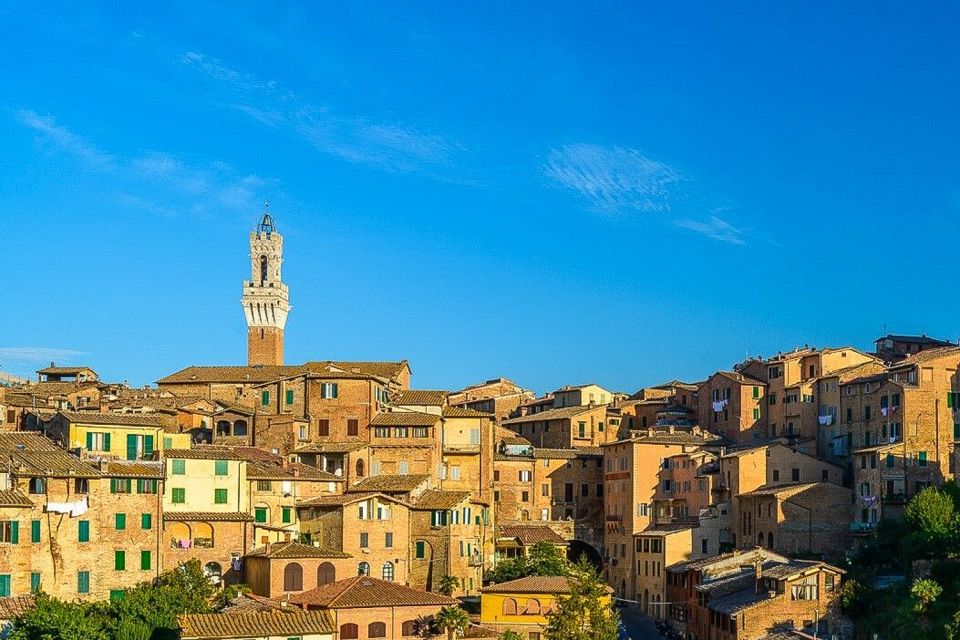
One of the most useful parts of this tour is how it explains Siena as more than architecture. You’ll learn about Contrade, the city neighborhoods that shape identity and rivalry, and how they organize participation in the Palio.
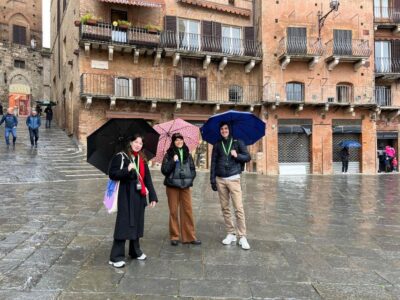
When you reach Piazza del Campo, the central square, it stops being just a famous shape. You’ll understand why people care about it year-round, and why the square matters during the Palio—when horse racing happens around it in a spectacle that Siena treats as a core tradition.
If you’re trying to grasp why Siena feels different from Florence or Rome, this is a big answer. The tour ties the stones to the people who still live with these traditions.
Basilica di San Domenico: St Catherine’s story you can actually picture
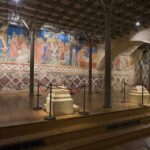
The tour includes a visit to Basilica di San Domenico, one of Siena’s major religious stops. What I like here is the focus on St Catherine, the patron of Italy, and how her presence is part of the city’s ongoing identity.
This isn’t just a quick glance at an interior. You’re set up to recognize connections—how devotion, civic pride, and art all line up inside Siena’s major churches. If you’ve ever walked into a cathedral wondering why anyone would care long enough to build it, this kind of context helps.
A practical note: churches have dress rules, and the tour expects you to follow them. If you arrive under-dressed, you risk slowing everything down, since staff can deny entry.
Palazzo Salimbeni and Palazzo Tolomei: Siena’s wealth in stone and symbols
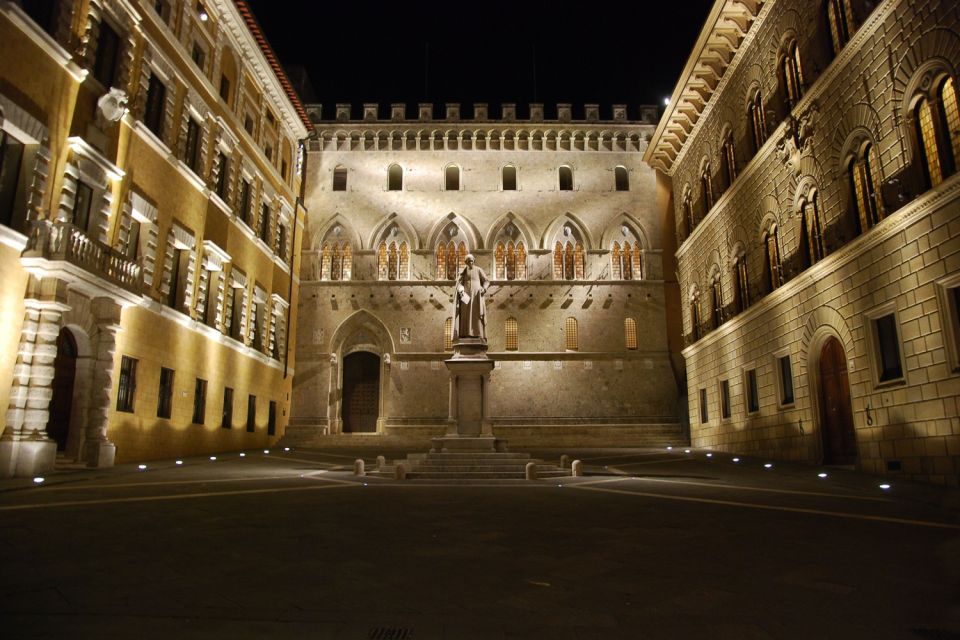
You’ll also see Siena through its power centers. The tour points out Palazzo Salimbeni, described as the world’s oldest bank, and it uses that to talk about how Siena became wealthy through trade and banking. That detail matters because it changes how you read the city.
Instead of treating the palazzi as just pretty backgrounds, you can see them as the machinery of a proud Republic. The same goes for Palazzo Tolomei, an imposing Gothic building that helps frame the visual drama of the historic center.
These stops give you a “why” behind the architecture. You’re not just collecting sights; you’re learning how Siena’s money and politics shaped what got built.


Palio explained without losing the plot
The Palio is often described in big, dramatic terms, but on this tour you learn the mechanics behind the spectacle. You’ll hear how the Contrade wait all year to participate, and how the race happens around Piazza del Campo.
Here’s what makes that useful: once you know the neighborhood system, you can walk Siena later and still spot the pattern. It’s not random street art or coincidence. It’s identity.
Also, the tour doesn’t treat the Palio as a museum artifact. It’s presented as a tradition that still structures life in Siena. That makes it easier to understand why the city feels proud rather than merely old.
The Duomo stop: skip the line, then focus on chapels and masterpieces
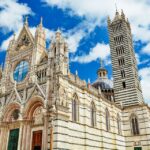
The highlight for most people is the Duomo visit with skip-the-line fast track entry. This matters because the Duomo is one of those places where time disappears in queues if you’re not planned.
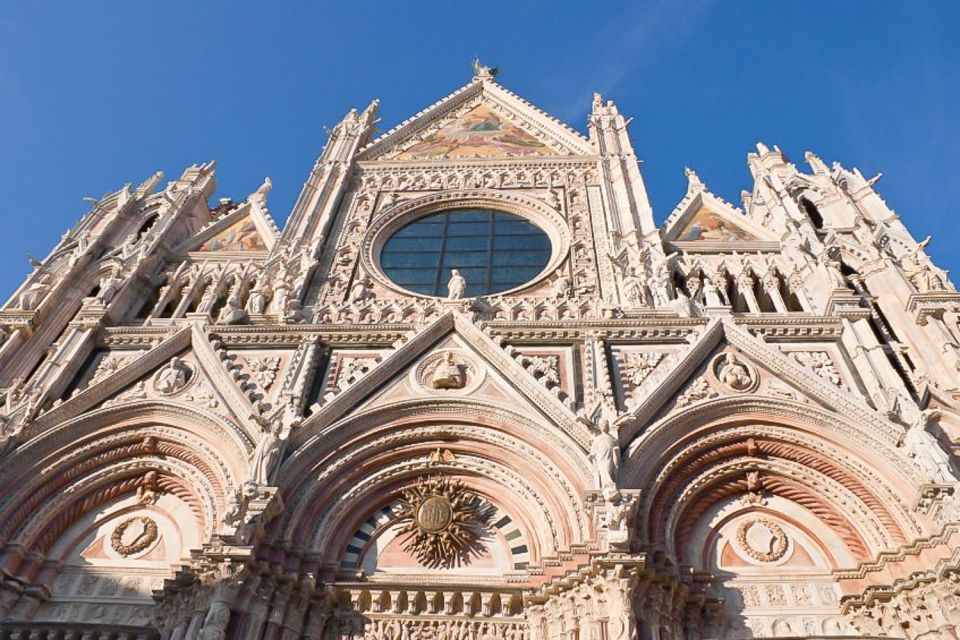
Once inside, you’ll tour chapels and major artworks tied to some of Italy’s best-known artists, including Donatello and Michelangelo. The experience is built around seeing more than the main view—you’re guided toward the specific masterpieces and the devotional purpose behind them.
Two practical tips here. First, if your group uses a headset, make sure you can hear your guide clearly when you’re in busy interiors. Some people have found audio inconsistent, so don’t rely on hope—check what you can hear early on. Second, consider how much time you want in the cathedral once the guide’s portion ends. If you love details, plan to continue at your own pace after the tour wraps.
Pacing, group size, and comfort on narrow medieval streets
This tour packs a lot into 2 hours. That’s good for efficiency, but it also means you won’t have the kind of slow, silent cathedral time you might want on your first visit.
The streets are narrow and the route is active. If you’re sensitive to crowding, keep this in mind. The tour works best when you’re ready to walk and listen, not when you need a lot of personal space.
Also, the Duomo area tends to be where you stop most, so that’s the moment to be comfortable with standing and looking for a while. If you have mobility limits beyond the stated unsuitability, you’ll still feel it.
Price and value: is $47 a fair deal?
$47 per person sounds simple, but value in Siena is all about what you trade for it.
Here’s what’s included: a guided walking tour for two hours plus skip-the-line Duomo tickets. The entrance component matters because line time in the Duomo area can be brutal. If you have limited time in Siena, saving that waiting is real money-time value, even before you think about the cathedral interior itself.
Some people have also felt the price is steep when paying as a couple, especially for a short duration. I get that reaction. Two hours is not a full deep-dive into everything Siena offers. But as an orientation tour—getting the main framework plus fast access to the cathedral—it’s a solid use of time.
Who should book this tour, and who might want a different plan
This tour is a strong fit if you:
- Want an English-speaking local guide who explains context, not just facts
- Have limited time and want the historic center plus Duomo access in one go
- Care about Siena’s traditions like the Palio and the Contrade
- Enjoy art guided in a way that connects to faith and civic life
It may be less ideal if you:
- Need extensive time for slow cathedral wandering
- Have mobility issues, since it’s not suitable for people with mobility impairments
- Prefer a very quiet pace where questions are rare and stops are long
Quick checklist before you go
Bring:
- Church-ready clothing (covered shoulders, knee-length bottoms)
- Walking shoes made for cobblestones
- Something for weather (rain gear if needed)
Know:
- The meeting point is Piazza San Domenico under the large tree in front of the church
- Pets are not allowed
- Sleeveless outfits and short skirts can get you turned away inside churches
Should you book this Siena Duomo walking tour?
Yes—if you want the fastest path to understanding Siena. This is the kind of tour that helps you read the city while you’re in it: Contrade and Palio context makes Piazza del Campo mean something, and the guided Duomo visit gives you a structured way to see major masterpieces without wasting time in queues.
If you’re the type who likes long, unbroken time in cathedrals, you might feel rushed. In that case, I’d still book it for the orientation and Duomo entry, then plan your extra time for later on your own.
Either way, if Siena is on your list and your time is limited, this is a practical, high-value way to start.
FAQ
How long is the Siena walking tour?
The tour lasts 2 hours.
Where do I meet the guide?
You meet in Piazza San Domenico under the large tree that is in front of the church.
Does this tour include skip-the-line Duomo tickets?
Yes. It includes skip-the-line entrance tickets for the Duomo or Cathedral.
What are the main stops and experiences?
You’ll explore Siena’s historic center, visit the Basilica di San Domenico, learn about the Contrade and the Palio, and then visit the Duomo inside to see chapels and major artworks.
What clothing is required for the cathedral?
You need covered shoulders and knee-length pants or skirts, plus appropriate shoes for walking on cobblestones.
Are pets allowed on this tour?
No, pets are not allowed.
Is the tour available in English?
Yes, the guide speaks English.
Is it suitable for people with mobility impairments?
No, it’s not suitable for people with mobility impairments.
Can I cancel for a full refund?
Yes. You can cancel up to 24 hours in advance for a full refund.