REVIEW · SORRENTO
Sorrento: Guided Walking Tour & Limoncello Tasting
Book on GetYourGuide →Operated by M.a.UrbanTrekking&More · Bookable on GetYourGuide
Lemons and old streets in one walk. This Sorrento walking tour pairs Bay of Naples photo stops with a limoncello tasting built around certified organic lemons from the Amalfi Coast. You get a local guide who walks you through the center without you needing to think about maps, while the stories connect streets, architecture, and everyday traditions into one easy flow.
The only real catch is physical: the route is slow and manageable, but it still includes hills and steps, so it can feel like a workout if you struggle with mobility.
In This Review
- Key Things I’d Mark on Your Sorrento Map
- Piccadilly Pub Start: How the Tour Sets You Up Fast
- Vallone dei Mulini: The Valley View and the Mills Story
- Old Streets to Sant’Antonino Square: Via San Cesareo and Local Faith
- Chiostro di San Francesco and Sedil Dominova: Two Stops That Feel Like Time Travel
- Villa Comunale Over the Sea: Your Bay of Naples Photo Moment
- Sorrento Inlay and Lemon Garden: The Craft Behind the Limoncello
- Organic Limoncello Tasting at a Partner Shop: What You Actually Sample
- Price and Value: Is $41 for 2 Hours a Good Deal?
- Should You Book This Sorrento Walking Tour?
- FAQ
- Where does the tour start, and how do I find the guide?
- How long is the Sorrento walking tour, and what’s the walking like?
- What’s included besides the limoncello tasting?
- What do you taste during the limoncello stop?
- What should I bring if the weather is bad?
- Is pickup from hotels included?
Key Things I’d Mark on Your Sorrento Map
- Meet Mario right at Piccadilly Pub, easy to spot in a red sports cap
- Vallone dei Mulini for a classic panoramic moment and mills history
- Old streets + major landmarks in a compact, photo-friendly loop
- Sorrento inlay explained as a local craft, not just an art fact
- Lemon garden stop that ties lemon growing to limoncello production
- Organic limoncello tasting plus extras like cream, pistachio cream, and melon cream
Piccadilly Pub Start: How the Tour Sets You Up Fast
The tour kicks off at Piccadilly Pub, on Via Fuorimura, in front of the entrance at number 1. The guide stands at the door area in a red sports cap, so you are not playing guessing games on a busy street. I like this kind of setup because it lowers stress on your first afternoon in town.
Plan to arrive a few minutes early. Not because the guide hangs around early, but because the guide arrives exactly at the start time to check you in and begin. There’s also a strict clock: if you’re more than 10 minutes late, you may be unable to join because the group moves on.
This matters more than it sounds. Sorrento’s historic center works best when you are paced with the group. You’ll pause for stories and viewpoints, then move on before the timing gets messy. If you like a relaxed walk where you’re not constantly catching up, this structure is a plus.
One more practical note: the tour can shift slightly if there’s heavy rain, closures, or religious/institutional events. The duration stays the same, and the provider will swap in points of similar quality, so you still get the full Sorrento overview without the day falling apart.
You can also read our reviews of more tours and experiences in Sorrento.
- Sorrento Farm and Food Experience including Olive Oil, Limoncello, Wine tasting
★ 5.0 · 2,524 reviews



Vallone dei Mulini: The Valley View and the Mills Story
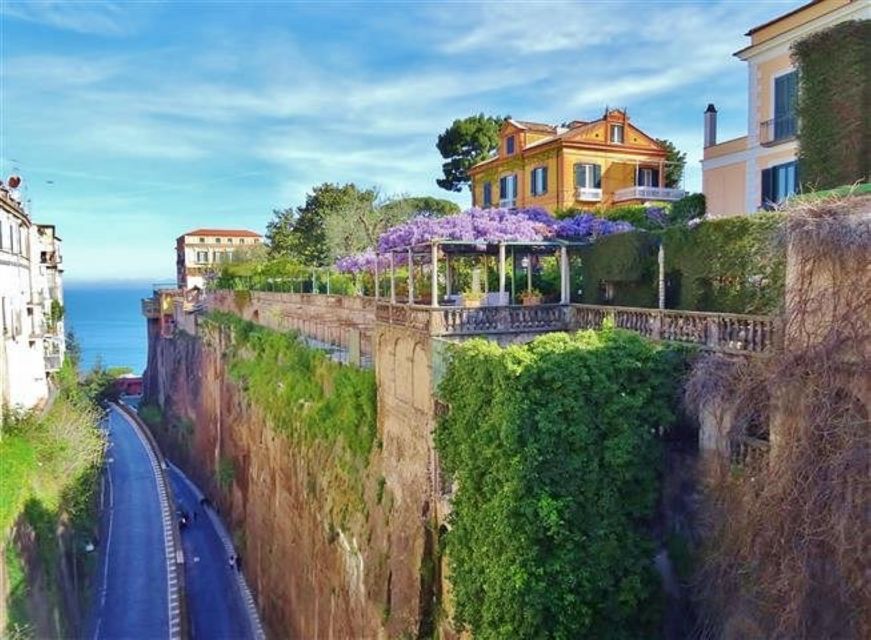
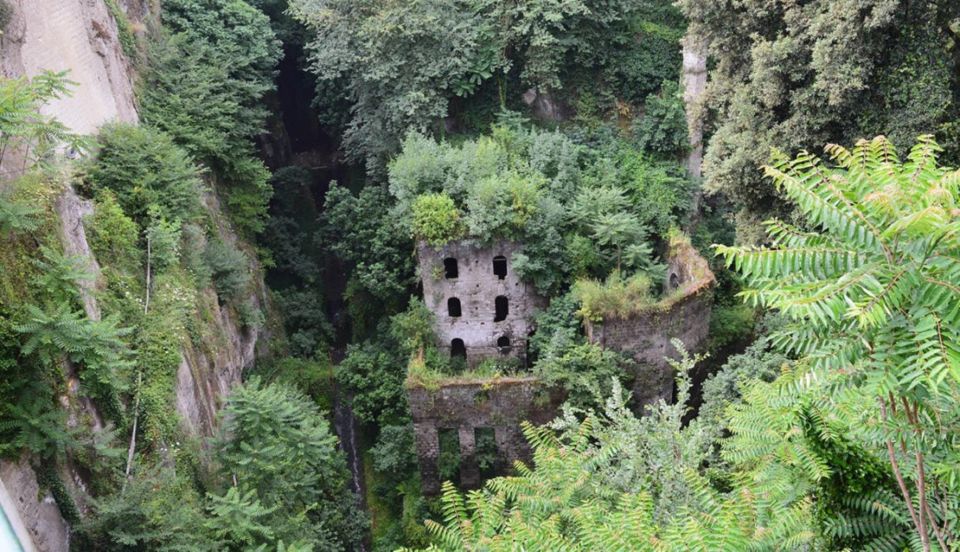
Your first big stop is Vallone dei Mulini, a valley area known for being both surprising and scenic. It’s only about 15 minutes, but it hits hard because the views here show why Sorrento was built where it was. The guide also talks about the area’s geomorphological formation—the shape of the land—and how the ancient mills fit into it.
I love this kind of viewpoint moment early in the tour. It stops you from experiencing Sorrento as a pile of pretty corners. Instead, you start connecting the dots: geography, water, old industry, and what people needed to survive in earlier centuries.
It also sets up your photography for the rest of the walk. Once you see the valley perspective and get your bearings, the later “turn your head and shoot” stops make more sense. You’re not just taking photos. You’re documenting a story the guide keeps building.
One small reality check: this part of Sorrento is walk-and-pause pacing. You’ll get the explanation, then you’ll move. If you’re the type who wants long solo time at viewpoints, you might feel a bit rushed here. But for most people, 15 minutes is plenty to capture angles and understand what you’re looking at.
Old Streets to Sant’Antonino Square: Via San Cesareo and Local Faith

Next you’ll head through Sorrento’s historic center on older lanes, including Via San Cesareo, described as the city’s oldest street. This is where the town starts to feel like an open-air collage: narrow alleys, small local artisan shops, and a layout that clearly predates modern tourist grids.
Then you’ll reach Sant’Antonino Square, the square tied to the city’s patron saint. This stop brings in life-and-legend history, including stories about the saint’s life and his miracles. The practical value here is simple: once you understand who locals honor, you’ll notice more than you would have otherwise. Religious landmarks aren’t just decoration in Sorrento—they’re part of community memory.
If you’re the sort of traveler who likes walking through places that still feel lived-in, this section works. It’s less about a single “wow building” and more about how old Sorrento breathes at street level.
Also, you’ll get the benefit of having someone guide you through without maps. Even if you love wandering on your own, the guide’s route saves you from getting lost in the wrong places—especially when you’re trying to cover meaningful stops in just 2 hours.
Chiostro di San Francesco and Sedil Dominova: Two Stops That Feel Like Time Travel

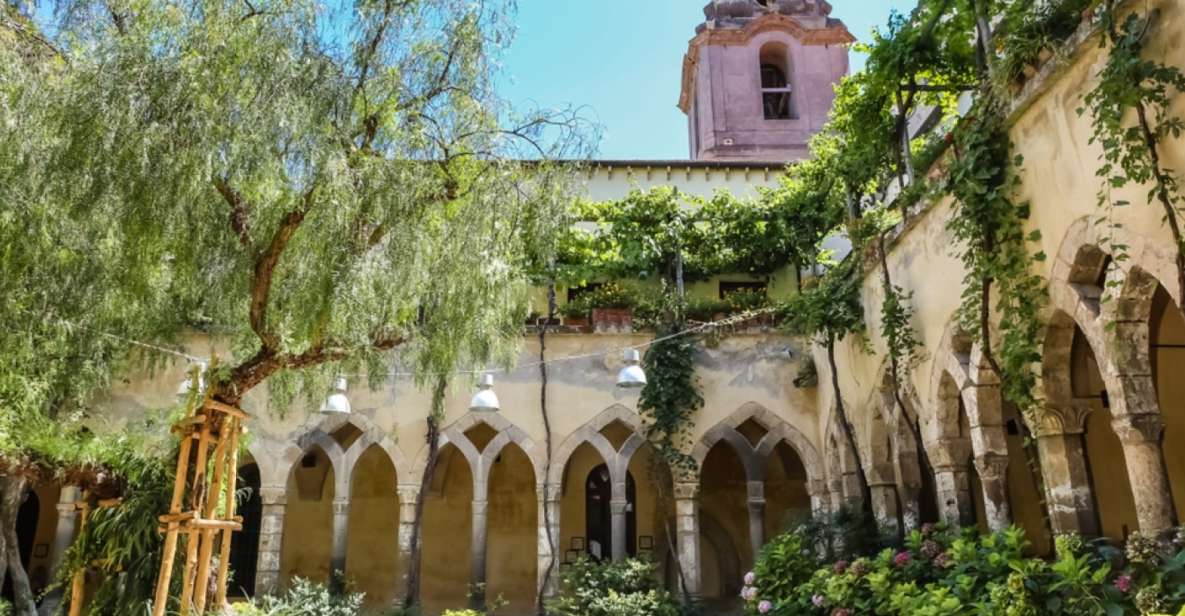
The tour includes Chiostro di San Francesco, a 13th-century convent associated with Franciscan friars. This isn’t just a quick glance. You get a chance to absorb how old the building feels and why it’s considered one of the most beautiful and historic structures in the city.
What I like about this stop is the shift from street noise to a quieter, enclosed atmosphere. Even without being overly dramatic, the cloister space helps you reset your attention. It’s the kind of pause that makes the rest of the walk more enjoyable, not just “another stop.”
After that you’ll move to Sedil Dominova, an iconic historic site tied to the city’s ancient parliament. This is one of those places where the name sounds like it belongs in a history book—but seeing it in person grounds it. The guide’s stories connect civic power, local governance, and the way Sorrento functioned long before modern institutions.
This pair of stops gives you balance: spiritual history at the convent, civic history at Sedil Dominova. If you want Sorrento as more than scenery, this section helps you understand the city as a place with systems, not just views.
Villa Comunale Over the Sea: Your Bay of Naples Photo Moment
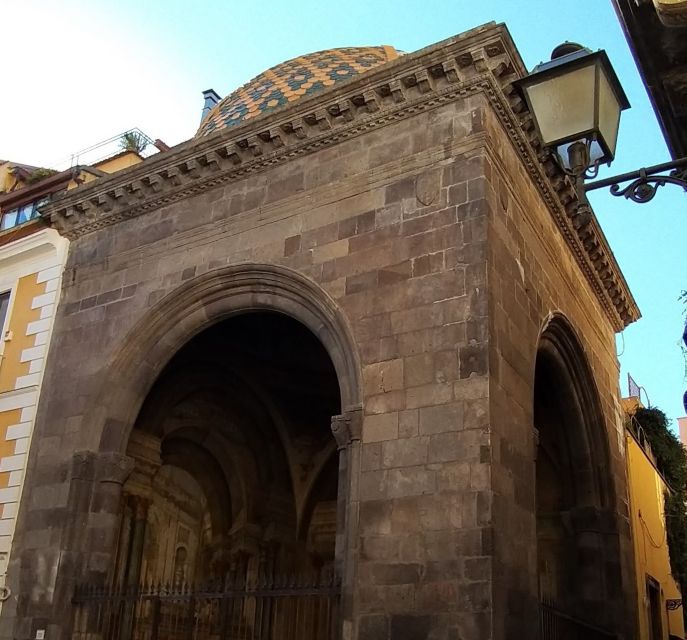
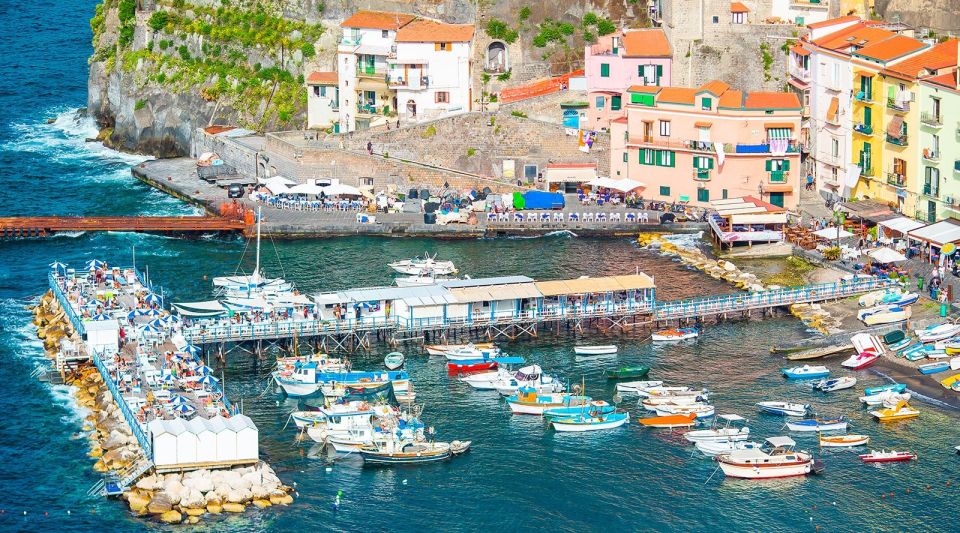
One of the most loved photo stops on this tour is Villa Comunale, a public park with sea views. This is where you get one of the classic Sorrento angles over the Gulf of Naples—the kind of vista that makes you stop walking even if you planned not to.
The guide will time this moment so you can take photos without sprinting. You get that rare combo: a scenic viewpoint plus context for why it matters. When someone explains the setting, the view turns from a generic postcard to something tied to how the city developed around the sea.
If you’re a “photos only” traveler, you’ll probably be tempted to spend longer than the schedule allows. If you’re a “photos plus meaning” traveler, you’ll enjoy the extra value here—especially because the tour keeps tying scenery back to the city’s craft and tradition later on.
One practical tip: bring water. Even though the walk is easy-paced, the Sorrento sun can be strong. A public park stop is exactly the moment when you’ll want a sip and a breather.





Sorrento Inlay and Lemon Garden: The Craft Behind the Limoncello

After the major landmarks, the tour shifts into what makes Sorrento feel distinctive: Sorrento inlay and lemons.
You’ll learn the secrets of the famous Sorrento inlay, including what makes it typical and how the local tradition works. This is a big value add because inlay is one of those things you can see in shops later, but it’s better understood during a guided walk. You’ll start noticing details instead of treating it as decoration.
Then you’ll go to a small lemon garden. The guide explains the history of Sorrento lemons and the production technique behind limoncello. This stop is key if you want to taste with your brain on. Instead of thinking limoncello is just sweet lemon liquor, you start understanding why certified lemons matter and how the process changes flavor.
I like that the tour doesn’t treat the tasting like a random add-on. It builds a bridge from plant to craft to bottle. If you enjoy food and drink culture that has a real local identity, you’ll probably find this part the most memorable.
One thing to know: this isn’t a long workshop. You’re getting an overview designed to fit a 2-hour walking experience. Still, it’s enough to make the final tasting feel purposeful.
Organic Limoncello Tasting at a Partner Shop: What You Actually Sample
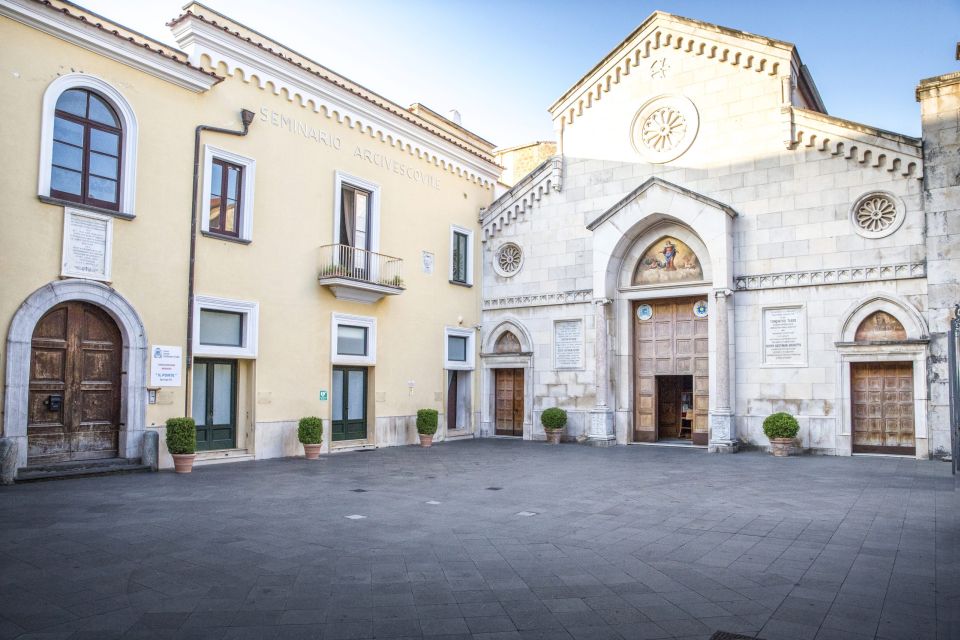
The tour ends with limoncello tasting at a partner shop, with a focus on authentic, traditional organic limoncello made using certified organic lemons from the Amalfi Coast.
The sample sizes are smaller than a normal bar pour because alcohol content is high and the tasting includes variety. That’s a good design choice. It lets you try more flavors without getting knocked off balance before you finish your day.
You may taste:
- limoncello cream
- pistachio cream
- cantaloupe melon cream
- plus the core limoncello itself
The best way to think about this tasting is quality calibration. You get to judge how it tastes and choose what you want to buy if anything catches your attention. From what the experience is set up to do, it’s meant to help you understand organoleptic quality—how it smells and tastes—so purchasing feels like a decision, not a sales event.
The shop visit is also a practical finish line. If you want holiday gifts, this is one of your easiest moments to pick something up without hunting around after the tour.
The tour finishes at Campaniadamare, so you can continue exploring right from there.
Price and Value: Is $41 for 2 Hours a Good Deal?
At $41 per person for roughly 2 hours, this tour is a value play if you want three things in one go: orientation, history, and a lemon-to-liquor tasting.
Here’s why the price can make sense:
- You get a local guide on a walking loop that shows historic spots without you mapping it all yourself.
- The tour includes limoncello tasting, plus additional liqueur-style creams.
- If your booking includes the optional add-on, you may also get food and olive oil tasting, which increases the “per hour” value fast.
You’re paying for organization and context, not just for walking. The stops are classic Sorrento anchors: Vallone dei Mulini, old streets, Chiostro di San Francesco, Sedil Dominova, Villa Comunale, then the crafts and tasting that connect the whole town together.
Two timing tips that matter for comfort:
- If you want calmer streets, consider avoiding the busiest cruise-heavy days. One common advice point is to avoid Fridays and Saturdays because Sorrento can get crowded.
- If you’re sensitive to walking, wear proper shoes and take umbrellas seriously. Rain gear is useful even when the forecast looks mild.
Who this suits best:
- You’re in Sorrento for the first time and want a strong orientation.
- You like history that explains why things exist, not just what they are.
- You care about lemon and spirits culture and want to taste with context.
Should You Book This Sorrento Walking Tour?
Book it if you want an efficient, local-guided way to understand Sorrento’s historic center and end with an actually relevant limoncello tasting. The mix of major landmarks plus the lemon craft story is what makes this tour worth your time.
Skip it if your priority is only seaside relaxation and you’re not interested in history, architecture, or the behind-the-scenes process of limoncello. Also, if hills and steps are a real issue for you, be cautious. Even though the pace includes stops and is described as easy-paced, the physical route matters.
If you land somewhere between those two extremes, this is one of the easiest ways to start your Sorrento stay with confidence and leave knowing where to go next on your own.
FAQ
Where does the tour start, and how do I find the guide?
The tour meets at Piccadilly Pub, in front of the entrance on Via Fuorimura n°1. The guide stands in front of the pub wearing a red sports cap for recognition.
How long is the Sorrento walking tour, and what’s the walking like?
The experience lasts 2 hours. The walk covers about 3 km and is described as easy and slow-paced, with pauses for explanations. It still includes hills and steps, so comfortable shoes help.
What’s included besides the limoncello tasting?
The tour includes a local guide and the guided walking tour, plus the limoncello tasting. Some bookings also include food and olive oil tasting, if you selected that option.
What do you taste during the limoncello stop?
You taste the tour’s authentic organic limoncello, and you may also try limoncello cream, pistachio cream, and cantaloupe melon cream during the tasting.
What should I bring if the weather is bad?
Bring comfortable shoes, an umbrella, water, and rain gear. If conditions are very rough like heavy rain or thunderstorms, the tour may not run, and you may receive a complete refund.
Is pickup from hotels included?
No. Hotel pickup and drop-off are not included. You’ll meet at the scheduled location at Piccadilly Pub.
You Might Also Enjoy



More Tour Reviews in Sorrento
- Sorrento Farm and Food Experience including Olive Oil, Limoncello, Wine tasting
★ 5.0 · 2,524 reviews