REVIEW · VILLA D ESTE
Tivoli: Villa D’Este Entry Ticket and App Audio Guide
Book on GetYourGuide →Operated by GetYourGuide Tours & Tickets GmbH · Bookable on GetYourGuide
Villa d’Este feels like a living poem. I love the UNESCO gardens where fountains and grottoes lead your eye, and I love having the digital audio guide so you can match the sound and architecture to your own pace. One thing to consider: there’s no live tour guide, so if you want hands-on explanations, you may miss some context.
You’ll spend your day wandering the 16th-century garden design in Tivoli, built for Ippolito II d’Este and shaped by architect Pirro Ligorio over more than 20 years. The main drawback is purely practical: plan your timing carefully because last entry is 45 minutes before closing, and you’ll want enough time to circle back for the big water features.
If you’re the type who enjoys drifting—stopping where the water noise calls, snapping photos, and just soaking in the quiet—this ticket setup works. And yes, it even includes a way to send a digital postcard, so your visit doesn’t vanish the moment you walk out.
In This Review
- Key highlights worth planning around
- Villa d’Este in Tivoli: why this UNESCO garden works
- What you’re actually buying: entry ticket + app audio guide
- Meeting the ticket office and getting in smoothly
- Planning your day at Villa d’Este (without feeling rushed)
- What to see first: fountains, grottoes, and water lilies
- The water-organ moment: sound you can plan around
- The palace and the Ippolito II d’Este connection
- Pirro Ligorio’s design logic: why it’s more than decoration
- Photo, souvenirs, and the postcard feature you’ll actually use
- Where to eat: plan for a quick grab
- Budget and value: is $23 for an audio ticket a good deal?
- Accessibility and entry rules: quick notes that prevent surprises
- Who this experience fits best
- Should you book this Villa d’Este entry and app audio guide?
- FAQ
- What’s included with the Tivoli: Villa d’Este ticket and audio guide?
- Do I need a tour guide?
- Where do I exchange my voucher?
- How long is the ticket valid?
- What time do I need to arrive to enter?
- Is there a security check?
- Is Villa d’Este wheelchair accessible?
Key highlights worth planning around
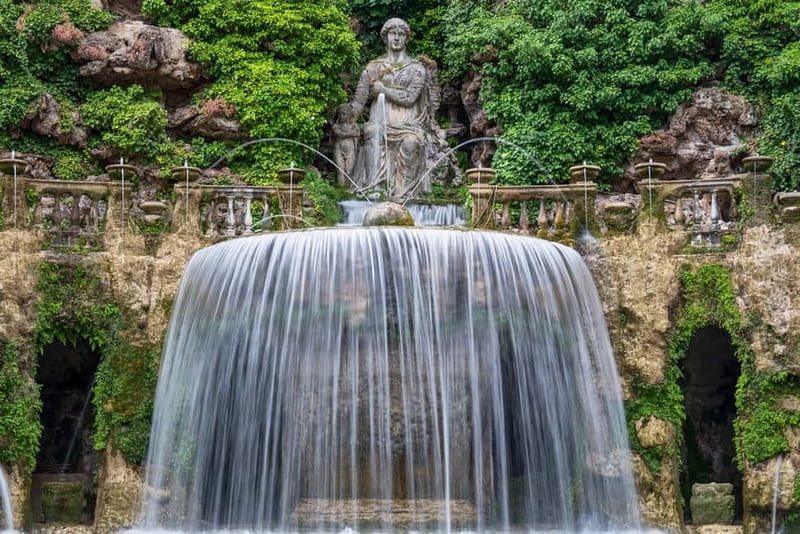
- Water organ effects: listen for the sound created through water, one of the most memorable moments in the gardens
- Self-paced garden wandering: explore at your own speed with a smartphone audio guide
- Design brain behind the villa: Pirro Ligorio’s layout turns every turn into a new view
- The estate’s main spine: fountains, grottoes, and water lilies are spread in a way that rewards slow walking
- Postcard feature: send a Pemcard-style digital postcard to anywhere you want
Villa d’Este in Tivoli: why this UNESCO garden works
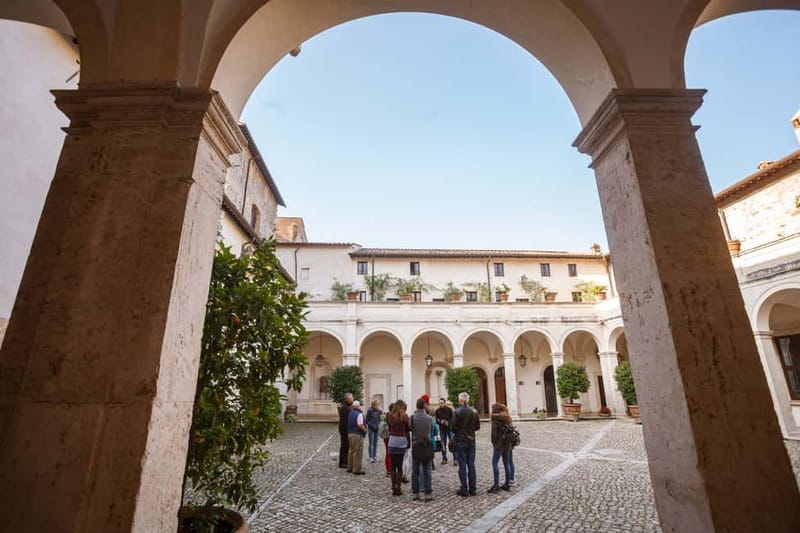
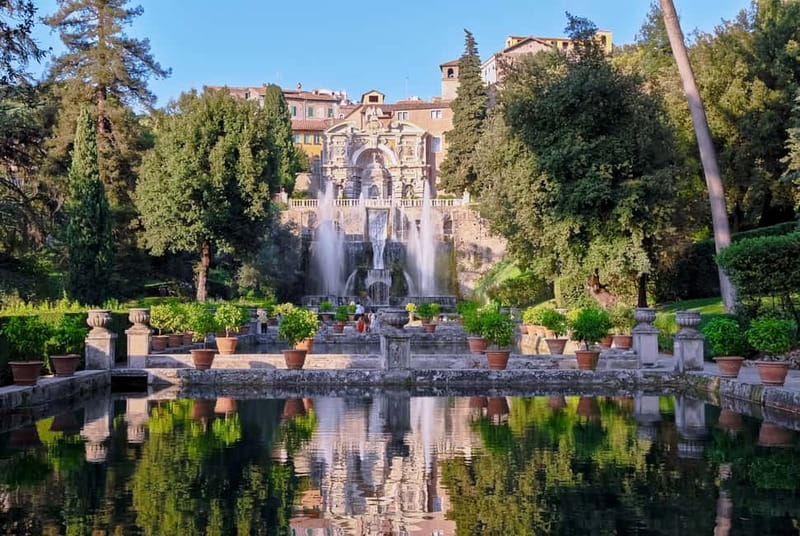
Villa d’Este isn’t just pretty. It’s engineered. Every sightline, every slope, every pool seems made to guide your body through the experience, even when you’re only walking at a relaxed pace. That’s the magic of 16th-century Italian garden design: it’s not random charm, it’s deliberate theater.
What I like most for planning purposes is that the experience is built around sound and movement. You’re not limited to looking at fountains behind ropes. The complex is full of water drama—fountains, grottoes, and water lilies—and there’s even an organ that creates audible effects through water. That means the garden can feel different at different times of day, depending on how busy it is and how the water features are running.
The other big reason this ticket is worth your time is how it fits different travel styles. If you want a calm, paced walk, you can. If you want to focus on the architecture and the palace rooms, you can also shift your attention there. The whole site is designed to be explored, not rushed.
What you’re actually buying: entry ticket + app audio guide
This isn’t a guided tour. It’s a straightforward entry ticket plus a digital audio guide on your smartphone. No live guide meets you, and the activity ends back at the meeting point after your visit.
That matters, because your experience becomes self-curated. The included audio guide is what bridges the gap between simply walking through a beautiful place and understanding what you’re seeing. Since you’re responsible for your own route, you’ll get the most out of it if you’re willing to pause at key moments and use the guide as you move.
The included audio also gives you flexibility. You can spend longer where you care, and skip what doesn’t interest you much. Want to linger by the water lilies? Great. More into the palace side of things? You can shift.
And for practical value, you’re paying about $23 per person for entry plus the audio. For many people, that’s the sweet spot: you get the UNESCO gardens without needing to book a full guided group.
Meeting the ticket office and getting in smoothly
You start by exchanging your voucher at the Villa d’Este ticket office. That’s your main checkpoint before you enter the attraction.
Once you’re there, you’ll need to pass a security check before entering. Also keep in mind that last entry is 45 minutes before closing time. That detail is easy to overlook when you’re enjoying the slow walk—so I treat it like a hard stop for planning.
If you’re visiting during August 14 to 15, the villa will be open until 10:45 PM. That can be a great choice if you like evening atmosphere and want more time to see the water features when the day feels less rushed.
Planning your day at Villa d’Este (without feeling rushed)
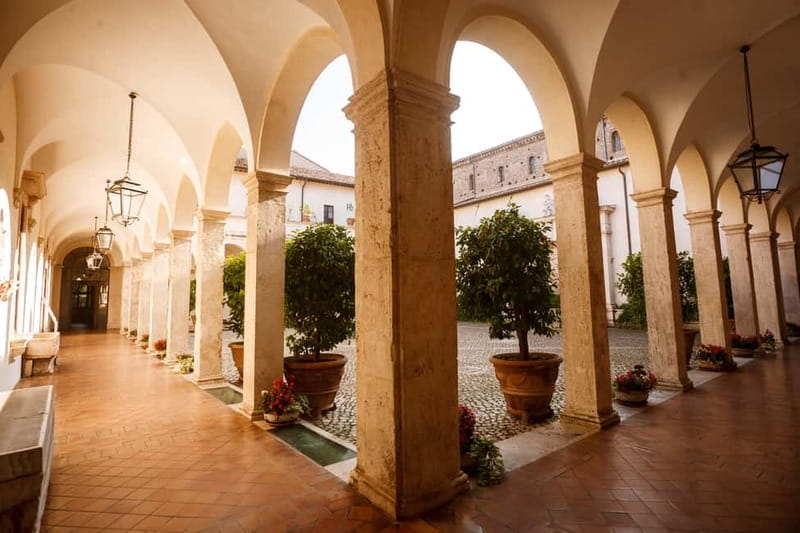
Your ticket is valid for 1 day. Starting times depend on availability, so check when you book and choose what fits your schedule.
Here’s the planning logic I’d use:
- Start with the big garden loop: give yourself enough time for fountains, grottoes, and the organ area
- Then add the palace portion: don’t try to cram everything at once—switch focus once you feel your legs are warmed up
- Build buffer time: because last entry is 45 minutes before closing, you don’t want to be stuck at the far end when you realize you’re running out of time
Also, this is a place where you’ll naturally stop for photos and pauses. Plan for that. The gardens are designed for repeating “wait—look at that” moments.
What to see first: fountains, grottoes, and water lilies
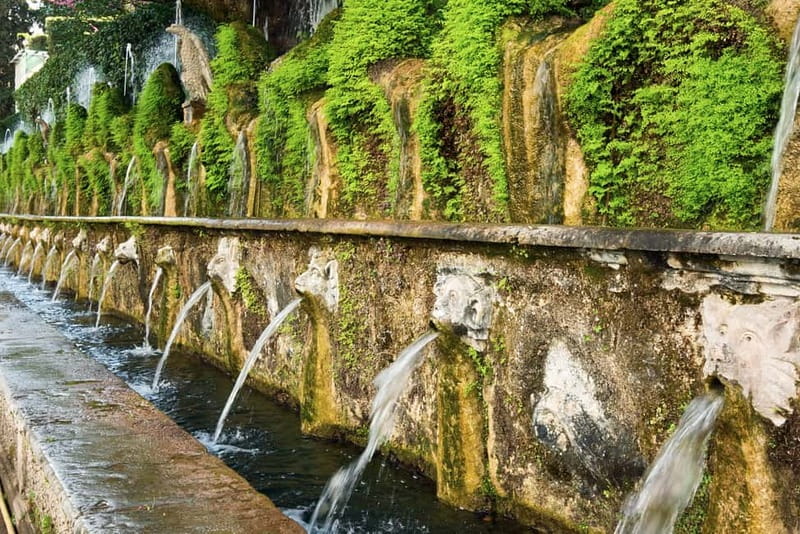
The heart of Villa d’Este is the UNESCO gardens themselves, widely recognized as one of the finest examples of 16th-century Italian garden design. In practical terms, that means you’re going to spend your time moving through a sequence of garden “rooms,” where each turn feels like a new scene.
You’ll want to look for:
- Fountains: they’re not just decorative. They’re part of how the garden’s energy flows
- Grottoes: these are built features that change the mood—cooler, darker, and more intimate than open-air areas
- Water lilies: they add softness and color, and they’re a nice contrast to stone and water basins
What I like about focusing on these early is that they set your expectations for the rest of the day. Once you understand the garden’s rhythm—water sound, visual surprises, changes in elevation—it’s easier to make sense of why the palace and architecture feel like part of the same story.
The water-organ moment: sound you can plan around

One of the headline features is an organ that produces audible effects through water. This is the kind of detail you’ll remember because it’s unusual. Instead of only watching water, you’re experiencing it with your ears too.
Since you’re using a digital audio guide, treat this like a moment worth syncing with your route. Don’t just rush past it. Pause, listen, and let the garden do its thing.
It’s also a big reason families tend to enjoy the site. Kids may not care about architectural names, but they do notice water moving, echoing, and making sound.
The palace and the Ippolito II d’Este connection
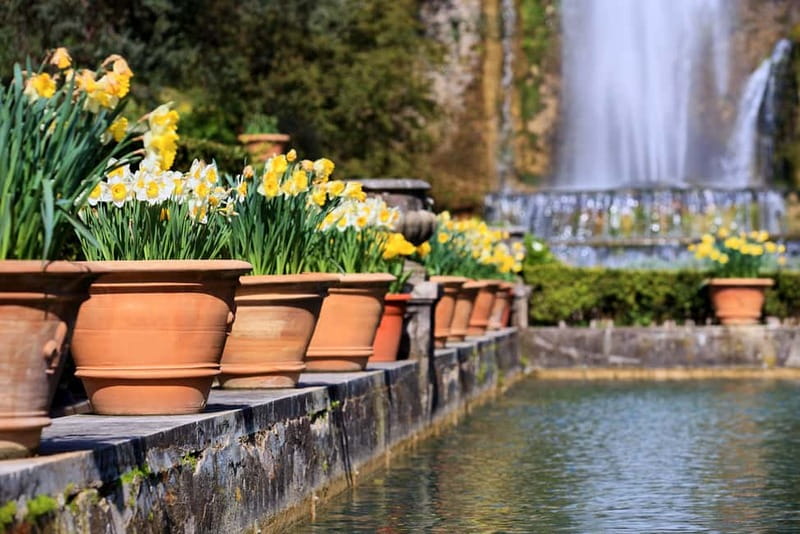
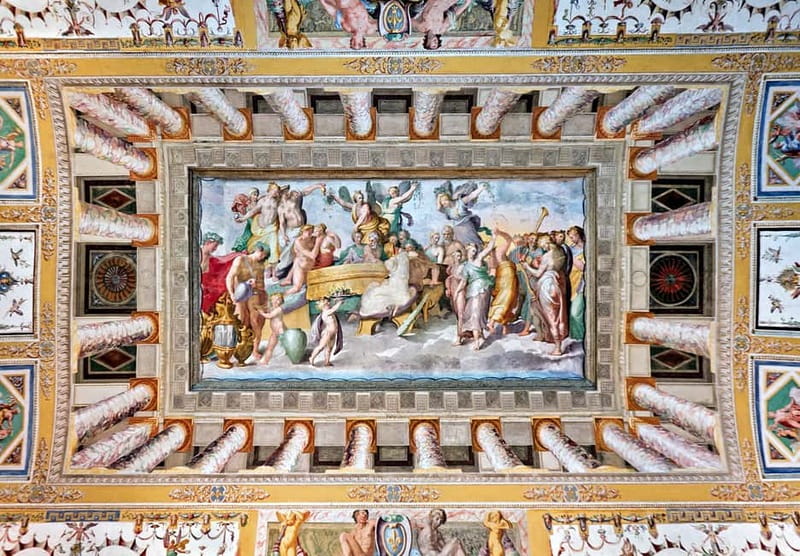
Alongside the gardens, you can visit the complex’s palace, which was built for Ippolito II d’Este and painted by famous artists. This is where the estate shifts from purely garden theater to a fuller view of patronage, art, and power.
If you’re the type who likes to understand who paid for what and why, you’ll appreciate this side. It’s one thing to admire the water and stonework. It’s another to connect it to the person the villa was designed to impress.
The palace also helps you slow down and re-center. After walking in the garden’s constant visual action, the palace portion gives your eyes a break while still rewarding you with artistic details.
Pirro Ligorio’s design logic: why it’s more than decoration
The whole complex was designed by architect Pirro Ligorio and took more than 20 years to complete. That timeline matters. It signals that the layout wasn’t a quick idea—it was a long project, built to make the estate coherent as you move through it.
What you’ll likely feel as you walk is a kind of intentional choreography:
- water features appear where you can see them from key angles
- grottoes and terraces shift the atmosphere as you progress
- the overall site encourages you to keep moving rather than simply standing in one spot
This is one of the reasons the gardens can feel peaceful even when the design is dramatic. The structure keeps you from getting lost in chaos.
Photo, souvenirs, and the postcard feature you’ll actually use
Villa d’Este includes a fun and practical extra: you can send a Pemcard postcard. It’s a digital photo you can send as a real postcard to anywhere in the world.
That’s an underrated feature because it solves the usual souvenir problem. Rather than buying a standard postcard and hoping you write it right, you can create something personal right from your visit and share it later.
I’d do it as you go: take a few photos during different garden moments (water lilies, fountain areas, and the organ moment if you can frame it well), then choose the one you like most for the postcard.
Where to eat: plan for a quick grab
A practical note from real-life experience at this type of site: you may find limited sit-down options. In at least one case, people were expecting a more pleasant café moment to sit with food and a drink while watching the gardens, but found vending machines instead in a corner.
So I’d plan like this:
- If you’re hoping for a long, comfy lunch with a view, don’t count on it
- Bring snacks or plan for a quick purchase on-site, then keep walking
- Use the gardens themselves for breaks, not a restaurant-style pause
This is one of those places where the best “meal break” often becomes a few minutes resting near a fountain while you regroup.
Budget and value: is $23 for an audio ticket a good deal?
At around $23 per person, you’re paying for two things: entry into a UNESCO garden complex and a smartphone digital audio guide.
That’s strong value if:
- you want to explore independently
- you like learning as you walk
- you don’t feel you need a live guide to point out everything
It may not feel as good if you want a lot of interactive explanation. Since there’s no tour guide included, your understanding will depend on what the audio guide covers and how often you stop to listen.
Still, for many visitors, the audio guide is exactly the right level. It helps you turn what could be just beautiful scenery into a more meaningful experience without forcing you to follow a group schedule.
Accessibility and entry rules: quick notes that prevent surprises
The site is wheelchair accessible, which matters for planning a comfortable route.
For identification, you’ll need an ID card, and a copy is accepted. You’ll also pass a security check before entering. And again, last entry is 45 minutes before closing time—this is the one rule that can affect how much you see.
If you’re visiting on August 14 to 15, opening hours run until 10:45 PM. That longer window can help you feel less rushed, especially if you’re walking slowly and stopping often.
Who this experience fits best
This ticket-and-audio setup is ideal if you:
- like self-guided travel and don’t want to stick with a group
- enjoy gardens that reward repeated looking and slow walking
- want a UNESCO site without the cost (and pace) of a full guided group
It also tends to work for families, since the fountains, water, and fun effects create natural points of interest.
If you prefer highly structured tours with a person answering questions in real time, you might miss that. But if you’re the kind of traveler who uses audio guides and likes to explore, you’ll probably feel right at home.
Should you book this Villa d’Este entry and app audio guide?
Book it if you want the freedom to explore one of Italy’s most famous garden estates at your own pace, with an audio guide that helps you connect the details—fountains, grottoes, water lilies, and the water-organ effects—to the bigger picture.
Skip it only if you know you’ll be unhappy without a live guide to explain everything, or if you’re unlikely to respect the last-entry timing. The audio guide works best when you actually pause and use it, and the site works best when you give yourself enough time for the full garden experience.
If you’re visiting Tivoli as a day trip or adding it to your Lazio itinerary, this is a clean, practical way to see Villa d’Este properly—without overcomplicating the day.
FAQ
What’s included with the Tivoli: Villa d’Este ticket and audio guide?
You get an entry ticket plus a digital audio guide on your smartphone.
Do I need a tour guide?
No. This experience includes entry and an app audio guide, but no tour guide.
Where do I exchange my voucher?
Exchange your voucher at the Villa D’Este ticket office before entering.
How long is the ticket valid?
The ticket is valid for 1 day. Check availability to see starting times.
What time do I need to arrive to enter?
Last entry is 45 minutes before closing time.
Is there a security check?
Yes. You’ll need to pass a security check before entering the attraction.
Is Villa d’Este wheelchair accessible?
Yes, the experience is wheelchair accessible.