REVIEW · TIVOLI LAZIO
Tivoli: Villa Gregoriana Entrance Ticket
Book on GetYourGuide →Operated by FAI - Fondo Ambiente Italiano · Bookable on GetYourGuide
Waterfalls, ruins, and forest air in Tivoli. With a Villa Gregoriana entrance ticket, you wander shaded paths that lead to the Great Waterfall and the Temple of Vesta remains, all shaped by 19th-century ambition and older ideas of beauty in nature. If you like places where engineering and archaeology share the same trail, this park delivers.
Two things I really like: first, the constant change of scene as you move through the woods, with viewpoints that make you stop even when you plan to keep walking. Second, the way the park’s big features connect—river diversion, waterfall views, then grotto and temple ruins in one continuous circuit. One drawback to consider: the route can be step-heavy and hilly, and even simple wrong turns can add extra climbing before you realize it.
In This Review
- Key Highlights You’ll Notice Fast
- Villa Gregoriana Entry Ticket: What You’re Actually Signing Up For
- Pope Gregory XVI and the River Aniene: The Park’s Real Story
- Forest Paths and Viewpoints: How to Walk the Park (Your Pace, Your Plan)
- The Great Waterfall: A 120-Meter Scene-Stealer
- Temple of Vesta and Roman Relics: What You’ll See Along the Way
- Grottoes of Neptune: The Cool Side Stop Under the Temple Area
- Timing, Seasonal Closings, and How Long It Really Takes
- What’s Included, What Isn’t, and What to Bring
- Value for About $11: Why This Ticket Works for Many Types of Travelers
- Who Should Book This and Who Might Think Twice
- FAQ
- How long is the Villa Gregoriana entrance experience?
- What is included with the ticket?
- Is food or drinks included?
- What major sights will I see in the park?
- Does the park have stairs and uneven walking?
- Are there facilities for families with babies?
- Is there flexible cancellation or reserve-later options?
- Should You Book the Villa Gregoriana Entrance Ticket
Key Highlights You’ll Notice Fast
- Great Waterfall (120 meters): A dramatic river deviation engineered in the 19th century.
- Grottoes of Neptune: A cool, atmospheric stop under the temple area.
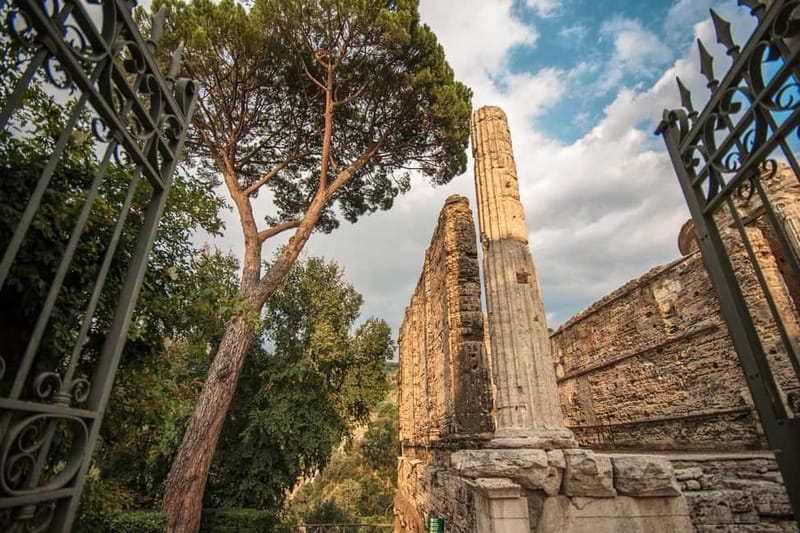
- Temple of Vesta remains: Roman-era fragments that anchor the archaeology walk.
- Forest trails with variety: About 74 tree species keep the walk interesting.
- Self-paced wandering: You choose your pace instead of following a strict schedule.
- Bring map patience: The entrance map may not be super precise, so be ready to make choices.
Villa Gregoriana Entry Ticket: What You’re Actually Signing Up For
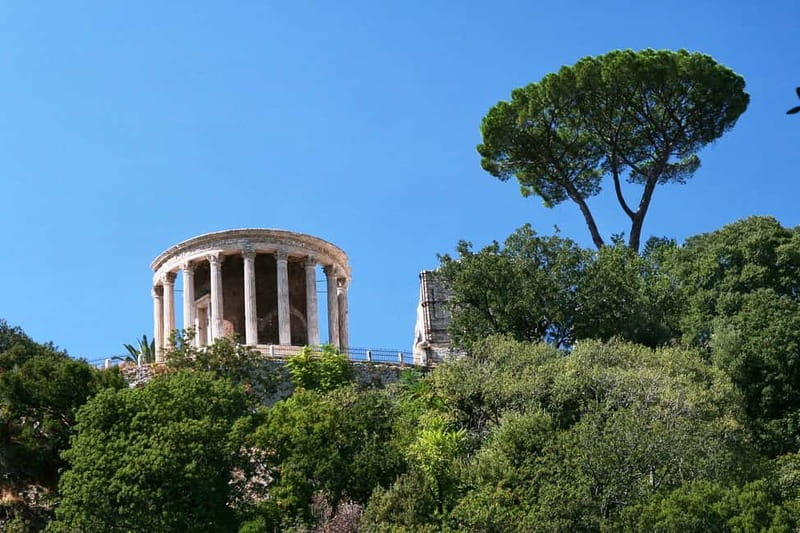
This is an entrance ticket, not a guided tour with a guaranteed route led step-by-step. You walk the park at your own pace for about 2 hours, which is exactly how I’d recommend doing it. You can move quickly to hit the waterfall and main ruins, or slow down if you’re into photo stops, viewpoints, and checking out the smaller relics along the way.
The setting matters. You’re in Tivoli, just outside Rome, in a park designed to feel like an escape: tree shade, water sounds, and dramatic drops. And unlike many “one big sight” places, Villa Gregoriana gives you a sequence—nature first, then hydraulics, then archaeology—so you get a more complete story by the time you loop back.
You can also read our reviews of more tours and experiences in Tivoli Lazio.
Pope Gregory XVI and the River Aniene: The Park’s Real Story
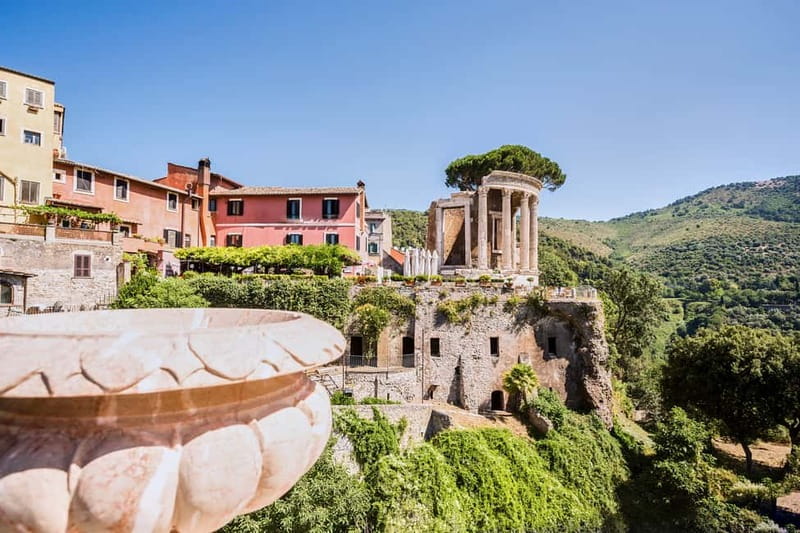
Villa Gregoriana is famous for its 19th-century hydraulic design, commissioned by Pope Gregory XVI. The key idea is the River Aniene, whose flow was masterfully diverted to create something you can see and feel: the Great Waterfall. That engineering goal shapes the entire park layout, from the viewpoints to where the trails naturally funnel you.
When you understand that, the visit clicks. The waterfall isn’t just scenery; it’s proof that someone thought carefully about how water, terrain, and human movement would work together. And the ruins add context: you’re walking through a landscape that’s been appreciated for a long time, then reframed in the 1800s as a kind of living monument.
Forest Paths and Viewpoints: How to Walk the Park (Your Pace, Your Plan)
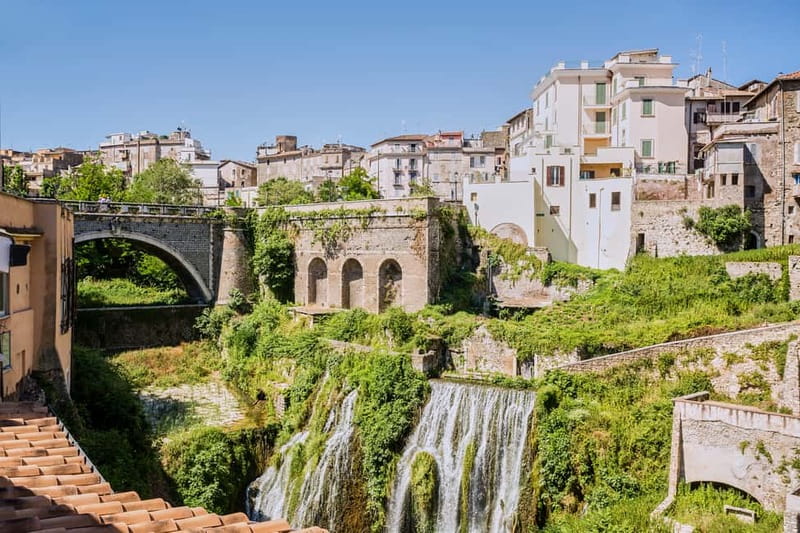
You’ll spend most of your time on winding trails through woodland. You can expect up-and-down walking, with uneven ground and plenty of stairs at certain points. That’s not a complaint—it’s part of the experience here—but it does mean you should plan like a hiker, not like you’re strolling through a flat museum.
Here’s what helps you enjoy it more:
- Start by deciding your priorities: waterfall, temple ruins, and Neptune grottoes are the anchor points.
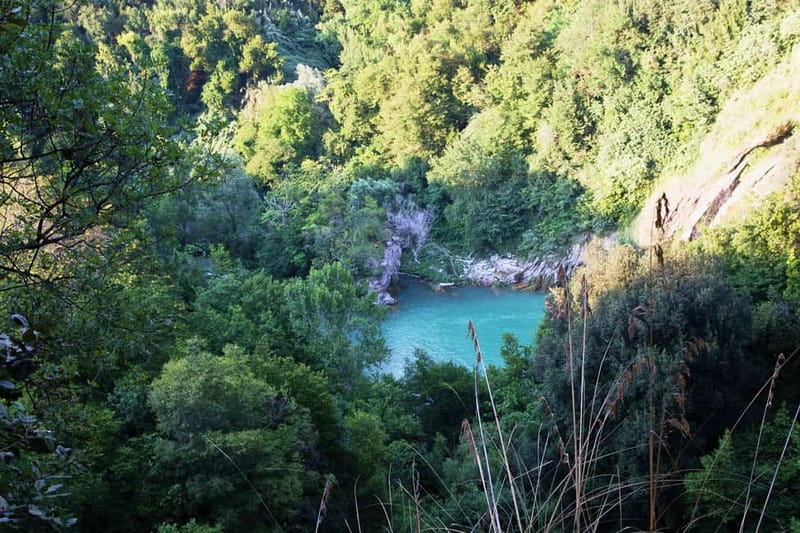
- Let the sound of water guide you. If you can hear it getting louder, you’re moving toward the main show.
- When the path forks, don’t rush. Take a second to orient yourself, because the entrance map may not be precise enough to remove all guesswork.
One thing I like about self-paced walking: you can linger at a viewpoint even if it isn’t the fastest route. The park rewards pauses—especially when you’re looking back at how the trails thread through the trees and down toward the water.
The Great Waterfall: A 120-Meter Scene-Stealer
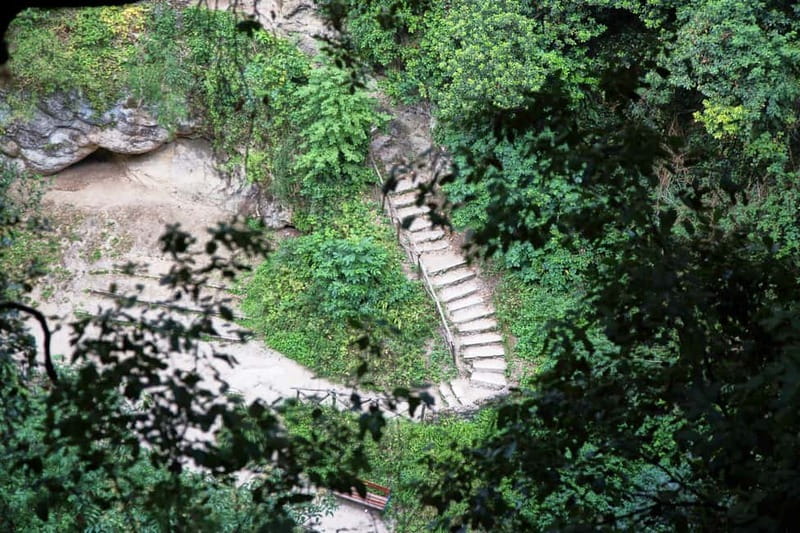
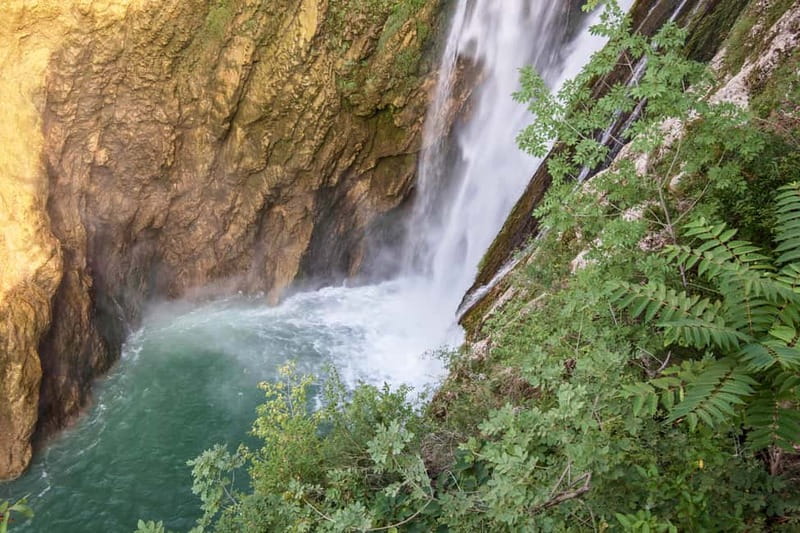
The headline feature is the Great Waterfall, a majestic drop created when the River Aniene was deviated and forced into a controlled fall. The park highlights the scale: about 120 meters of dramatic drop, which is big enough that you’ll understand it with your eyes even before you understand it with your brain.
What makes this stop worth the effort:
- You can stand in the right spot and feel like the park was built around this view.
- The waterfall isn’t a tiny trickle. It’s a serious presence that changes the air around it.
- The sound helps you “navigate” without checking every sign.
If you time it thoughtfully, you’ll get better light for photos. And if you’re visiting in cooler months, water still brings motion and drama even when the forest is quieter. One reviewer even called it amazing in mid-December, which matches what I’d expect: the trees may be less lush, but the structure and water impact remain.
Temple of Vesta and Roman Relics: What You’ll See Along the Way
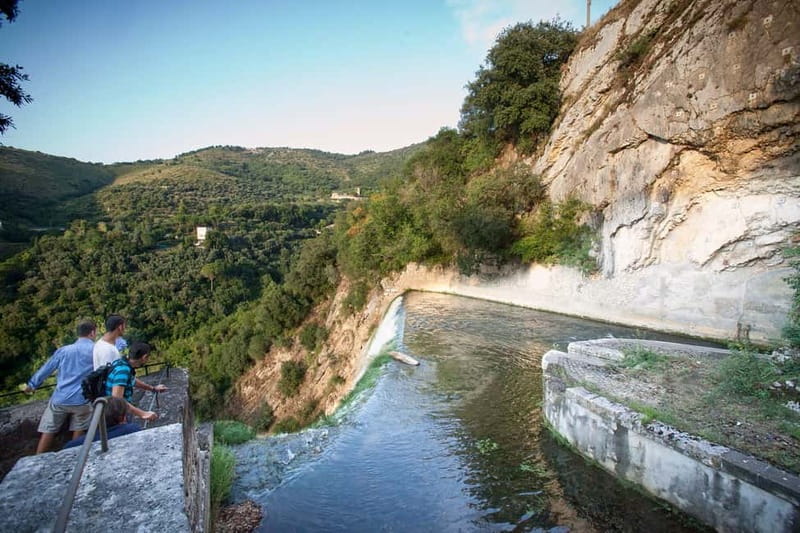
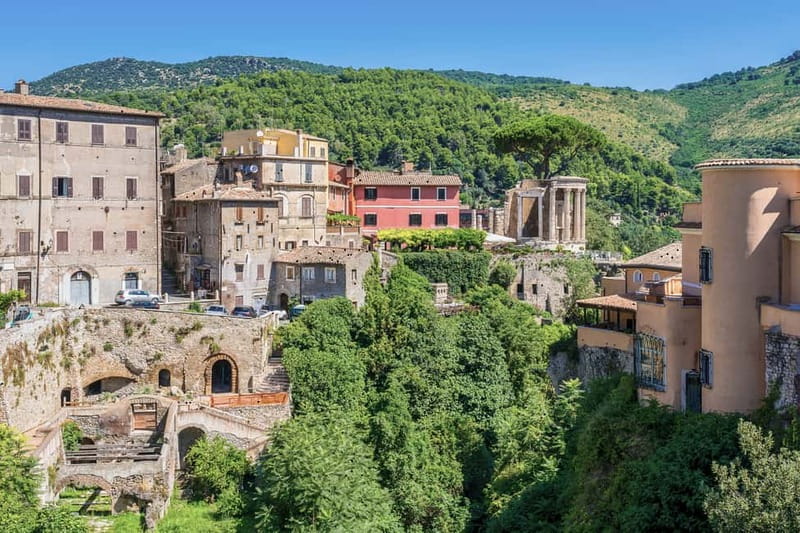
As you keep walking, the park shifts from pure nature scenes to archaeology. You’ll come across the remains of ancient buildings, including the Temple of Vesta, plus remnants tied to an older Roman presence.
One relic mentioned in the park context is the remains of the Villa of the Roman Consul Manlius Vopiscus. Whether you read every stone like a textbook or just enjoy the atmosphere, these ruins matter because they place the park in layers: Roman use of the landscape, then 1800s redesign, now your modern walk through both eras.
At the Temple of Vesta area, the sense of place is different than at the waterfall viewpoints. You’re no longer just watching water. You’re standing at a spot where history has left physical evidence—and you can look around at how the park’s paths frame those remains.
Grottoes of Neptune: The Cool Side Stop Under the Temple Area
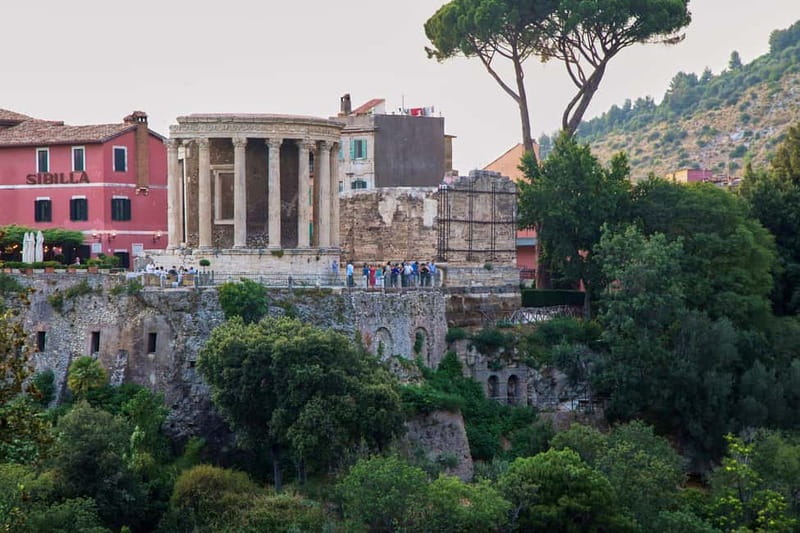
Near the Temple of Vesta, you’ll find the Grottoes of Neptune. The park description ties them directly to the temple area, meaning you’re not making a separate trip across town—you’re moving through a continuous story of “nature + architecture + engineering.”
A grotto stop is always useful for breaking up the walk:
- It gives you a change of temperature and pace.
- It adds atmosphere when the day outside feels bright and warm.
- It’s a different kind of sight: less about wide views, more about mood and structure.
Practical tip: you’ll likely want to slow down here and watch your footing, especially if it’s damp. Not dangerous, just the usual reality of water-adjacent stone paths.
Timing, Seasonal Closings, and How Long It Really Takes
The ticket experience is designed around a 2-hour visit, but your actual time depends on how often you stop. If you’re the type who takes photos every ten minutes, plan closer to the high end. If you’re quick and focused, you can hit the main anchors and still feel like you did the park properly.
Closings depend on the sun set, and closing times can vary. That means you shouldn’t treat the last possible entry time as a guarantee. Build buffer time so you’re not rushing at the end and missing viewpoints.
Weather also affects comfort. In cooler seasons, the forest can feel lively even without summer crowds. In warmer seasons, expect shade to matter. Either way, this is a park where a light layer and comfortable shoes pay off.
What’s Included, What Isn’t, and What to Bring
Your ticket includes Villa Gregoriana entry only. Food or drinks are not included, so you’ll want to plan for that. If you’ll be out for a full 2 hours, consider bringing water, especially if you’re visiting in warmer months.
For gear, I’d pack based on what the park walk feels like:
- Comfortable walking shoes with grip (uneven paths and stairs are part of the deal)
- A small layer if you run cold near water
- A phone battery or power bank if you’ll use maps and photos
You’ll also find helpful family amenities: baby changing tables and bottle warmers are available at the park. So this is one of those places where you can bring kids without feeling totally stuck.
Value for About $11: Why This Ticket Works for Many Types of Travelers
At around $11 per person, this ticket is strong value because it gives you three things at once:
- Nature time in a wooded park setting
- A signature engineering sight in the Great Waterfall
- Archaeology moments like the Temple of Vesta and other relics
If you were paying for just the waterfall alone, it might still be a worthwhile stop, because it’s the kind of landmark that makes you say, okay, I get it now. But the added ruins and grottoes make it feel like a mini-journey rather than a single photo opportunity.
The self-paced format also helps value. You aren’t paying extra for a fixed group itinerary you may not match. You can choose the rhythm that fits you, and that freedom is part of why it feels good even when you’re visiting in off-peak seasons.
Who Should Book This and Who Might Think Twice
This ticket is ideal if you want an outdoorsy, historical walk that doesn’t require you to commit to a whole guided tour schedule. I think it’s especially good for:
- People who like walking trails and don’t mind stairs
- Travelers who enjoy combining nature + history
- Anyone who wants a clear, high-impact highlight (the waterfall) plus supporting stops (temple and grottoes)
The main reason to think twice is physical comfort. The park has plenty of walking and steps. One person who had knee trouble couldn’t complete the full route. If you know stairs or steep uneven ground will be a problem, you might still visit, but plan for a shorter, more selective path rather than a full circuit.
FAQ
How long is the Villa Gregoriana entrance experience?
It’s set up for about 2 hours, so plan roughly that amount depending on how many stops you make.
What is included with the ticket?
The ticket includes Villa Gregoriana entry.
Is food or drinks included?
No. Food or drinks are not included, so you’ll want to bring what you need.
What major sights will I see in the park?
You’ll have access to the Great Waterfall (created by a 120-meter deviation of the River Aniene), the Grottoes of Neptune, and the Temple of Vesta remains, along with other relics.
Does the park have stairs and uneven walking?
The park involves uphill and downhill walking and many steps, so it’s something to account for if you have knee or mobility concerns.
Are there facilities for families with babies?
Yes. The park provides baby changing tables and bottle warmers.
Is there flexible cancellation or reserve-later options?
Yes. You can cancel up to 24 hours in advance for a full refund, and there’s a reserve now & pay later option.
Should You Book the Villa Gregoriana Entrance Ticket
Book it if you want a 2-hour walk that mixes forest paths, a signature 120-meter waterfall, and Roman-era remnants in one place. The price is low enough that you’re not taking a big risk, and the self-paced style makes it work for different travel rhythms.
Skip or shorten your plan if stairs and uneven ground are likely to be an issue for you. If you can handle a hilly, step-filled park, this is the kind of Tivoli stop that feels worth the detour.