REVIEW · SAN GIMIGNANO
Tuscan Cooking Class
Book on Viator →Operated by Podere di Monti · Bookable on Viator
Cooking Tuscan dinner in a real farmhouse.
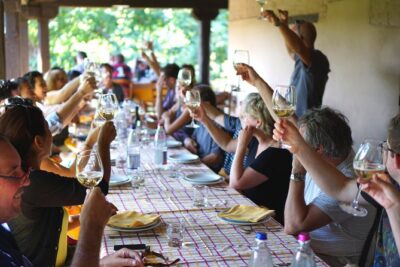
This small-group class takes place at Agriturismo Il Vicario in the San Gimignano area, where you learn a traditional 5–6 course meal and eat it right after cooking. Expect hands-on prep in a local kitchen, plus wine with your meal, for a true Tuscan family-style setting.
What I like most is that you make the food yourself, not just watch. The class focuses on fresh pasta (pici or tagliatelle, based on the plan) and teaches sauce technique you can reuse at home.
The main thing to consider is logistics: the farmhouse can be a little hard to find, and some guests advise having help with driving if you’re not used to rural roads. In other words, plan to arrive with enough time, and don’t rely on last-minute navigation.
In This Review
- Key things to know before you go
- Tuscan cooking in San Gimignano’s farmhouse kitchen
- Your 3-hour flow: what happens from start to finish
- The menu you’ll make: antipasto, handmade pasta, and a second course
- Antipasto: bruschetta and a cheese tasting
- Primo piatto: pici or tagliatelle, made by hand
- Secondo piatto: meat or a vegetarian option
- The wine pairing and the real lesson: how Tuscany tastes
- Truffle hunt add-on: when the meal gets extra Tuscan
- Value check: is $157.21 worth it?
- Who this suits best (and who might want another option)
- Should you book this Tuscan cooking class?
- FAQ
- Where does the class start?
- How long is the Tuscan cooking class?
- How many people are in the group?
- What will we be cooking and eating?
- Are vegetarian or gluten-free classes available?
- Can the host accommodate allergies?
- Is there a truffle hunt add-on?
Key things to know before you go
- Max 8 people means more attention at the cutting board and fewer bottlenecks in the kitchen
- 5–6 courses with local wine turns the lesson into a full Tuscan lunch or dinner
- Pici or tagliatelle by hand gives you a real skill, not just a recipe pass-down
- Seasonal, local ingredients keep the menu grounded in what’s actually available nearby
- Truffle hunt add-on can add a very Tuscan, very sensory twist to the meal
Tuscan cooking in San Gimignano’s farmhouse kitchen
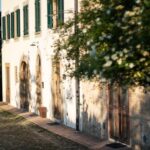
The setting is a big part of why this works. You’re not in a teaching studio; you’re in a working-feeling country kitchen at an agriturismo near San Gimignano. That matters because Tuscan cooking is practical and sensory: taste, salt, oil, timing, and how sauces behave after a simmer.
Another strong point is the pace and how much you do. You’ll go course-by-course with your host, preparing multiple dishes and then sitting down to enjoy what you made. Many similar experiences turn into a demo. Here, you’re part of the action.
The class also leans into storytelling and technique, not just instructions. Hosts like Fulvio (and Katia and Luigi in other sessions) are described as warm, funny, and focused on why ingredients work together. That’s the kind of explanation that helps you cook better later, not only tonight.
You can also read our reviews of more tours and experiences in San Gimignano.
Your 3-hour flow: what happens from start to finish
This runs about 3 hours, and it ends back at the starting point. The exact order can shift with seasonal ingredients, but the structure is consistent: arrive, get organized at the farmhouse kitchen, cook your way through a multi-course Tuscan meal, then eat together.
Here’s the typical rhythm you should expect:
- You start at Loc. S. Andrea, 1, 53037 San Gimignano SI, Italy at Agriturismo Il Vicario
- You cook in a hands-on way, with your host guiding each step as you go
- You prepare dishes that become a full meal, then relax over lunch or dinner
- If you add it on, a truffle hunt can change the flavor story behind the truffle-based courses
The group size stays small, with a maximum of 8 travelers, so you’re not stuck waiting for space or tools. The hosts also use a practical teaching style: not just which ingredient to add, but how to balance flavors so the dish tastes right.
One more practical note: plan for an active class. Even if you’re not a confident cook, the way the lesson is set up encourages you to contribute, taste, and adjust.
The menu you’ll make: antipasto, handmade pasta, and a second course
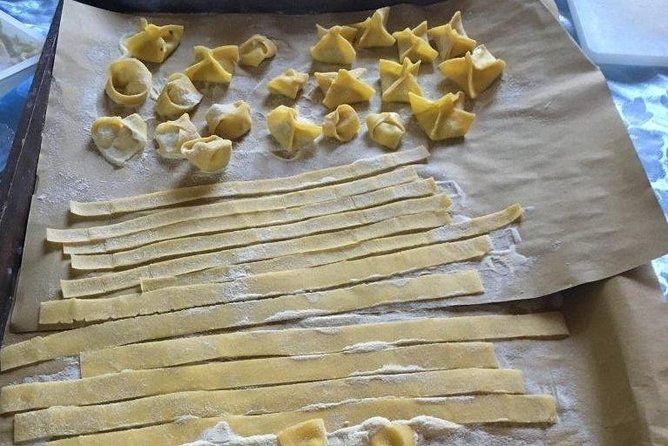
This is a 5–6 course Tuscan lunch or dinner experience, and the menu is based on local, seasonal products. The sample menu gives you a clear idea of what’s on the menu, and you can use that to mentally pack your expectations.
Antipasto: bruschetta and a cheese tasting
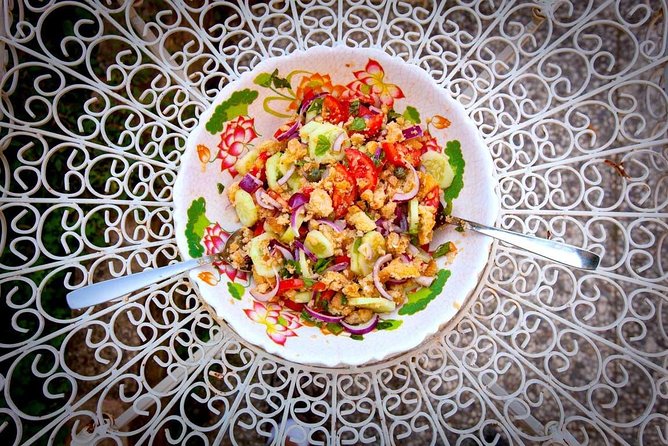
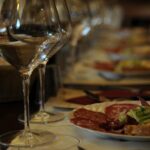
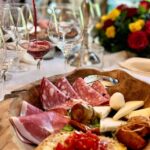
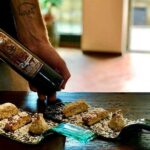
You’ll start with an antipasto built around simple Tuscan classics. The sample includes bruschette with tomatoes and bruschette with extra virgin olive oil, plus a cheese tasting paired with jam and honey. This is a good way to ease in because the flavors are straightforward, and it shows how Tuscan cooking can be both minimal and thoughtful.
If you’re the type who wonders why olive oil matters so much, this course tends to answer it quickly. You’re tasting, comparing, and learning what to notice.
Primo piatto: pici or tagliatelle, made by hand
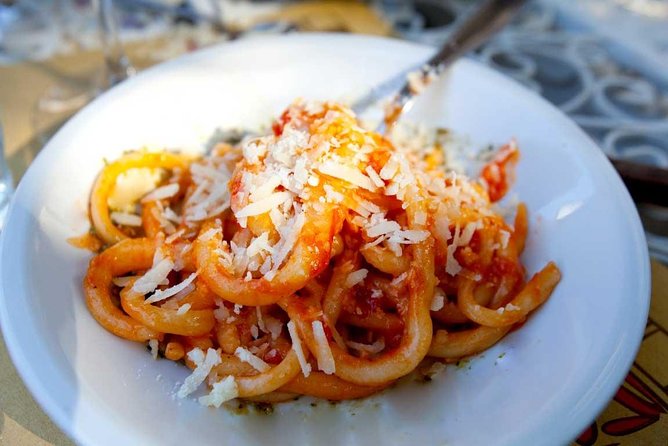
The next big highlight is the pasta. You’ll make either pici or tagliatelle by hand, then pair it with sauces made for the meal. The sample menu also includes pasta with another sauce, which helps you understand how sauce choice changes the feel of the dish.
From the class descriptions and what people rave about, the instruction style focuses on making pasta approachable. You’ll learn techniques that reduce guesswork, so you aren’t stuck feeling like fresh pasta is only for professional chefs.
Secondo piatto: meat or a vegetarian option
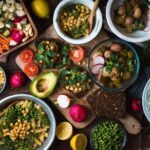
Then you’ll move to the main course, labeled secondo piatto, with meat or a vegetarian option depending on the menu and any dietary needs. This is where the class broadens beyond pasta, so you get a more complete picture of a Tuscan meal.
The balance here is part of the value. You’re not just learning one thing. You’re learning how a typical Tuscan set of flavors and textures fits together.
The wine pairing and the real lesson: how Tuscany tastes
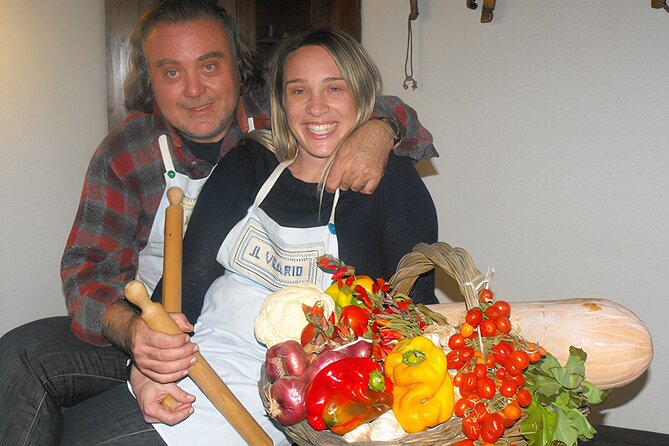
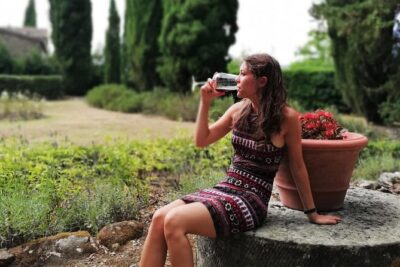
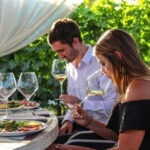
One of the reasons this experience gets strong ratings is the food-and-wine pairing. Each course is paired with local Tuscan wines, and there are mentions of tasting multiple wines during the meal. That’s not just about drinking. It’s about learning what flavors your palate likes and how alcohol and acidity can change your perception of salt, fat, and herbs.
The hosts also emphasize a simple but powerful idea: cooking isn’t only following steps. It’s getting the balance right so the dish tastes like it’s supposed to taste. In practice, you’ll hear about seasoning decisions and why certain combinations work better than others.
That’s exactly what you want from a cooking class. Recipes are useful, but understanding balance is what makes you confident cooking after the trip ends.
Truffle hunt add-on: when the meal gets extra Tuscan
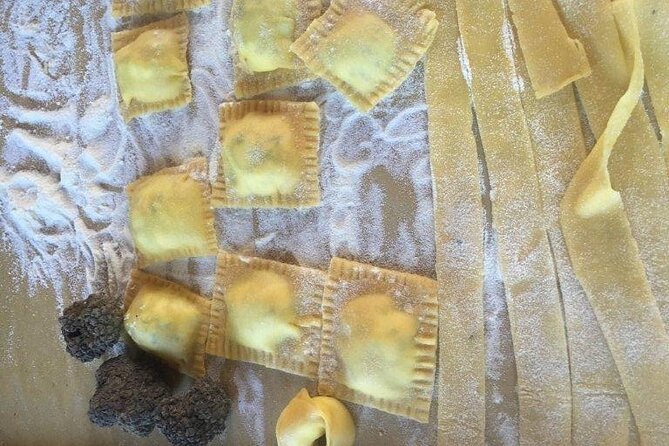
If you choose the truffle hunt add-on, expect a more sensory, ingredient-focused experience. The idea is to add truffle-based specialties, tying the hunt to what ends up on your plate.
Truffle flavors can be subtle or intense depending on how they’re used, so this is the kind of add-on that helps you experience the ingredient rather than just reading about it. Even if you’re not a truffle superfan, it’s a fun way to connect the region’s specialties to something hands-on.
Availability and exact details aren’t spelled out beyond the add-on concept, so treat it as an optional way to make the day feel more like a Tuscan food quest.
Value check: is $157.21 worth it?
At $157.21 per person for about 3 hours, the price feels reasonable when you look at what’s included. You’re paying for:
- a small group class (max 8 people)
- multiple courses you help prepare (up to six)
- wine paired through the meal
- instruction that goes beyond recipes into technique and flavor balance
- a farmhouse setting that makes the food feel like a real meal, not a staged event
If you compare this to doing a standard restaurant dinner plus a separate cooking demo, this is built more like a full experience than a single activity. The hands-on nature matters too. You’ll leave with skills you can repeat, like handmade pasta basics and sauce-building logic.
So if your goal is value-through-involvement, this fits well. If your goal is only entertainment with no cooking, you might feel like you’re spending time doing a task you didn’t want to do.
Who this suits best (and who might want another option)
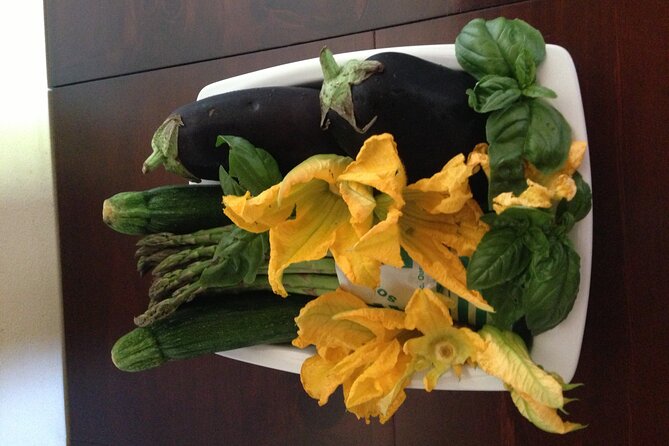
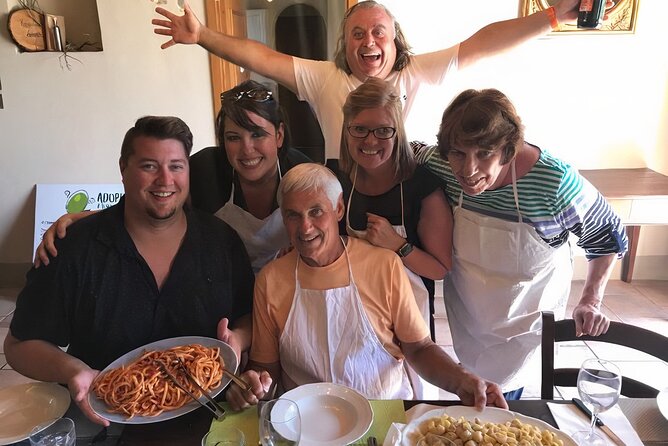
This class is ideal for food lovers who want a real Tuscan dinner process, not just a tasting. It also fits couples and friends because the small group keeps it social without turning chaotic.
Families can work well too. One family mentioned a host being patient and engaged with a 7-year-old, so the atmosphere can be family-friendly when kids are interested in cooking.
Dietary needs are clearly considered. The class offers vegetarian and gluten-free cooking classes, and the host can accommodate allergies if you let them know ahead of time. That’s a big plus because it suggests you won’t have to eat around the experience.
The main mismatch is location comfort. If you hate rural driving or you’re arriving without a plan to get to the farmhouse, you may want to arrange a driver. Some guests say it can be hard to find the house and that rural roads aren’t ideal if you don’t know them.
Should you book this Tuscan cooking class?
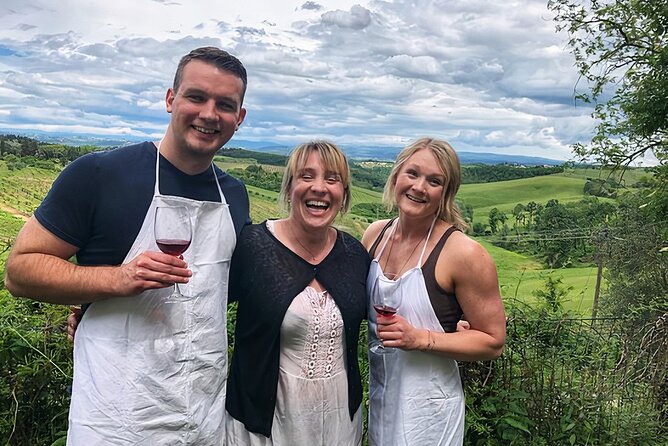
If you want a hands-on Tuscan meal in a small group setting, I think this is an easy yes. The biggest selling points are the multi-course structure, the wine pairing, and the way the hosts teach you to taste and balance flavors. If you’re aiming to learn pasta and sauce technique you can repeat at home, this class is built for that.
Book it if:
- you like cooking and want to contribute at the counter
- you want a full Tuscan meal experience in a farmhouse setting
- you appreciate wine pairing that’s part of the lesson, not an afterthought
- you need vegetarian, gluten-free, or allergy accommodations and want the host to guide you
Skip it if:
- you strongly dislike cooking tasks during a tour
- you can’t manage rural arrival logistics (like finding the farmhouse and driving there)
FAQ
Where does the class start?
The class starts at Agriturismo Il Vicario, Loc. S. Andrea, 1, 53037 San Gimignano SI, Italy, and it ends back at the same meeting point.
How long is the Tuscan cooking class?
It runs about 3 hours.
How many people are in the group?
The experience has a maximum of 8 travelers.
What will we be cooking and eating?
You can prepare a traditional 5–6 course Tuscan lunch or dinner, with a sample menu that includes antipasto (bruschette and cheese tasting), handmade pasta like pici or tagliatelle with sauces, and a segundo course with meat or vegetarian options.
Are vegetarian or gluten-free classes available?
Yes. Vegetarian and gluten-free cooking classes are offered, and you can request them.
Can the host accommodate allergies?
Yes. The class can accommodate food allergies if you let the provider know.
Is there a truffle hunt add-on?
Yes, there is an optional truffle hunt add-on, and it includes truffle-based specialties.