REVIEW · UMBRIA
Umbria: guided tour to traditional oil mill + tasting
Book on GetYourGuide →Operated by Frantoio Del Sero · Bookable on GetYourGuide
Olive oil gets real when you see the mill. At Frantoio Del Sero, you’ll follow every step from fruit to oil, then taste what first cold pressing brings to the plate. This is Umbria in a nutshell: slow traditions, real production, and the kind of family business story that makes the food make sense.
I especially love the hands-on clarity of the guided walk. You’ll see the process stages in a protected area, and the guide explains how quality is built through pressing and storage, not by luck. I also like the tasting setup, with wood-fired bread and options that go from classic bruschetta to truffle sauce and a proper salumi and cheese board.
The main drawback to consider is timing. If you visit outside the Oct–Dec milling season, the machinery may be quiet, and you won’t join the olive harvest; you’ll still learn a lot, but the “in-season action” won’t be happening.
In This Review
- Key points before you go
- Why this Umbria olive mill tour feels worth your time
- Frantoio Del Sero: what you actually see during the guided hour
- The tasting part: bruschetta styles, wine, and the “what should I buy” test
- Option 1: Classic and Garlic, plus wine
- Option 2: More bruschetta variety plus a charcuterie and cheese board
- When it’s harvest season (Oct–Dec) versus off-season visits
- Outdoor tasting in the olive grove: what to expect
- Requests that actually get handled: gluten-free and vegetarian tweaks
- How to pair this stop with castles, abbeys, and old olive trees
- Price and logistics for a $16 experience
- Who should book this oil mill tour
- Should you book this tour?
- FAQ
- How long is the tour at Frantoio Del Sero?
- What languages is the guided tour available in?
- What’s included in the tasting?
- Are there different tasting options?
- Can the tasting accommodate dietary requests like gluten-free or vegetarian?
- Is there harvest activity, and can I join during the season?
Key points before you go
- Traditional first cold pressing with granite millstones and hydraulic presses
- Guided tour with speaker in English, French, and Italian
- Tasting options ranging from simple bruschetta to truffle and charcuterie
- Outdoor tasting may be available in the olive grove if weather works
- Harvest-season participation possible during Oct–Dec (when available)
- Nearby stops can be planned around Morcicchia Castle, San Felice Abbey, and the centuries-old Macciano olive tree
Why this Umbria olive mill tour feels worth your time
If you picture olive oil as just a bottle you buy, this tour fixes that. You walk through a functioning (or seasonally active) operation and learn what “extra virgin” means in practical, process-based terms. It’s not about vague romance. It’s about the chain of choices that protect flavor and freshness from the fruit onward.
I like that it’s set in Giano dell’Umbria’s area, a medieval village with a big view of olive trees and a sense of land-and-work balance. The mill itself sits in a recently built plant that still fits the surrounding countryside, so you don’t feel like you’ve shown up at an industrial factory. You’re at a working family production site that has room for visitors too.
And you’ll get real context on why people keep doing things the old way. The mill uses traditional first cold pressing, then combines it with modern planning inside the facility so quality isn’t sacrificed. In other words: tradition with results.
Frantoio Del Sero: what you actually see during the guided hour
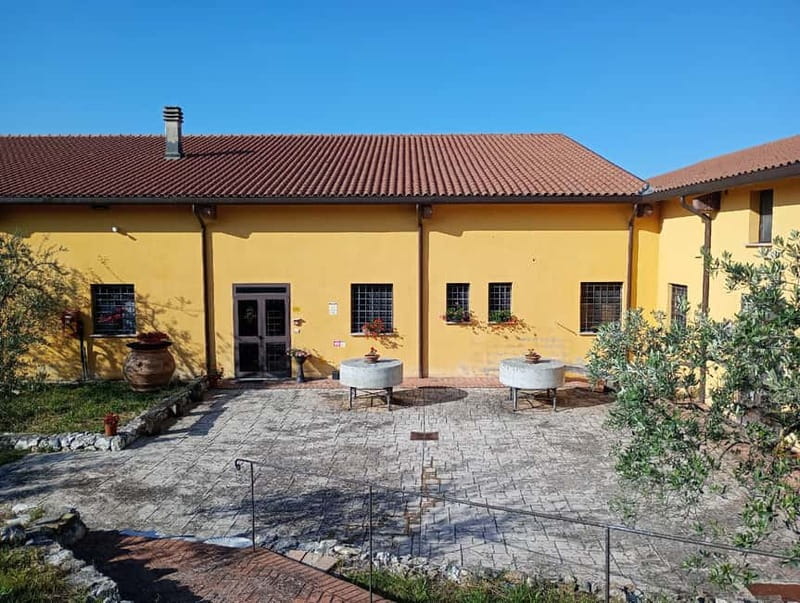
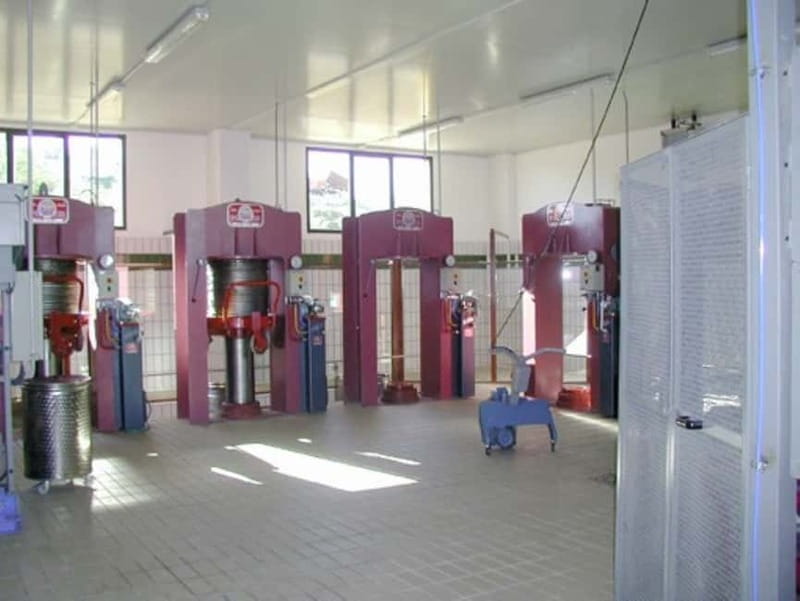
The tour portion runs about 1 hour and is led by a live speaker (English, French, or Italian, depending on what you book). Expect you’ll move through the production areas with a clear view of the stages, thanks to a protected pathway designed for guests to watch without getting in the way.
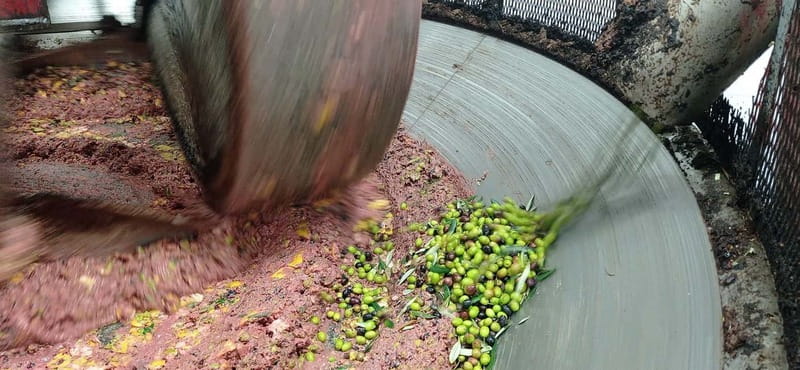
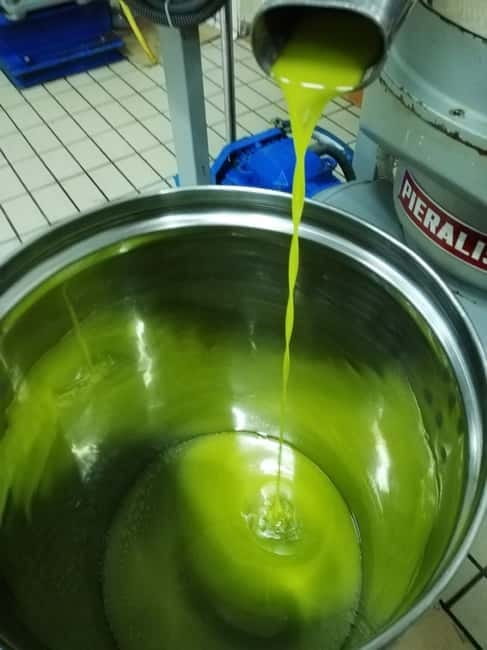
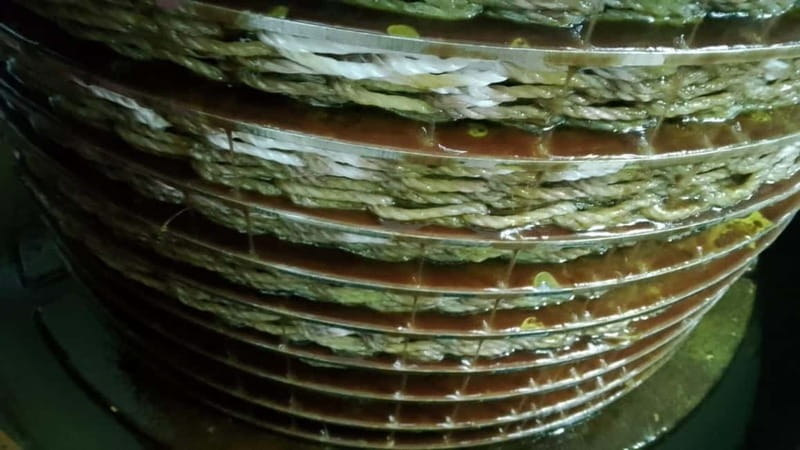
Here’s the heart of it: the mill explains how olive oil is born, from fruit to oil. You’ll hear the steps laid out in order, with special focus on the traditional method of first cold pressing using granite millstones and hydraulic presses. This matters because “cold pressing” isn’t just a buzzword here. It’s tied directly to how the oil’s flavor and character hold up.
You’ll also get comparisons to other extraction methods. That’s useful, because it helps you understand what you’re buying when you choose one oil over another back home. The guide also talks about what happens after pressing, including how different choices in processing and storage affect final quality.
One thing that comes through strongly in the tour experience is how much time the guide takes for questions. When the guide keeps it interactive, you learn faster because you can ask what you actually care about, like why some oils taste grassy and others taste more peppery or mellow.
The tasting part: bruschetta styles, wine, and the “what should I buy” test
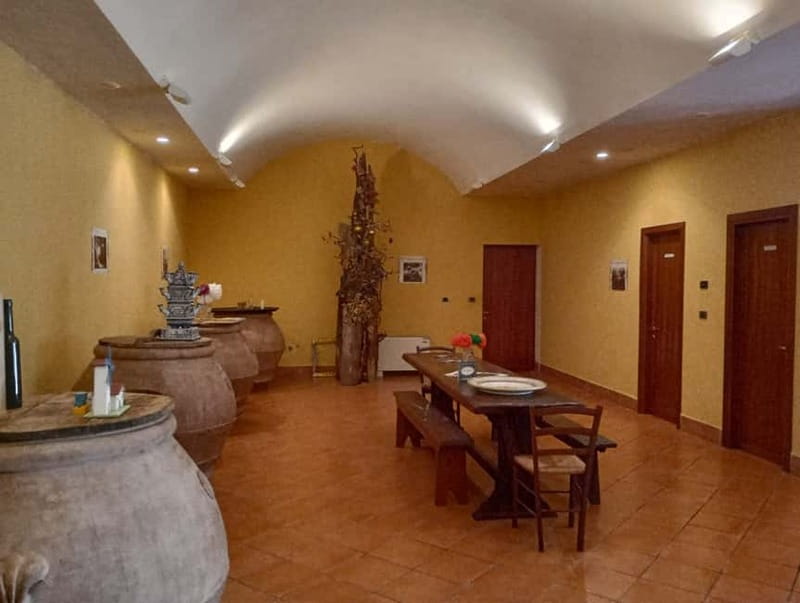
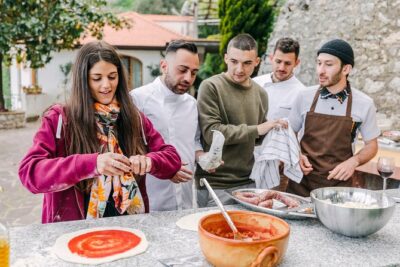
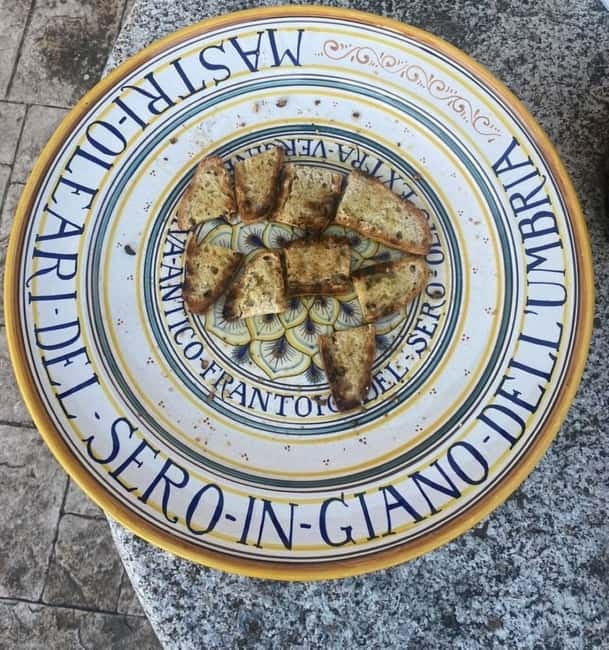
The tasting lasts about 1 hour, and it’s structured in a way that helps you connect the oil to real flavors. Both tasting options use wood-fired bread, and the olive oil is the star, not a smothering sauce.
Option 1: Classic and Garlic, plus wine
Option 1 is simpler and very doable:
- Classical bruschetta (olive oil and salt)
- Garlic bruschetta (olive oil, salt, garlic)
For drinks, you get red wine (one glass) and water.
This option is great if you’re trying to taste the oil in a clean way. Bread and oil can be surprisingly revealing.
Option 2: More bruschetta variety plus a charcuterie and cheese board
Option 2 goes bigger:
- Classical and Garlic bruschetta (same base idea)
- Arugula with shaved Parmesan cheese
- Truffle sauce (for a more indulgent contrast)
Then you also get charcuterie and cheese, including items like salami, capocollo, prosciutto, and local pecorino cheese, plus the same drinks: one glass of red wine and water.
If you like food pairings, this is the more complete “Umbrian table” moment. It also helps you figure out how the oil behaves when it’s not just meeting plain bread.
A practical tip: if you’re shopping for olive oil, taste first with classical bread, then with the richer bruschettas. That order makes it easier to notice the oil’s personality instead of getting distracted by heavier flavors.
When it’s harvest season (Oct–Dec) versus off-season visits
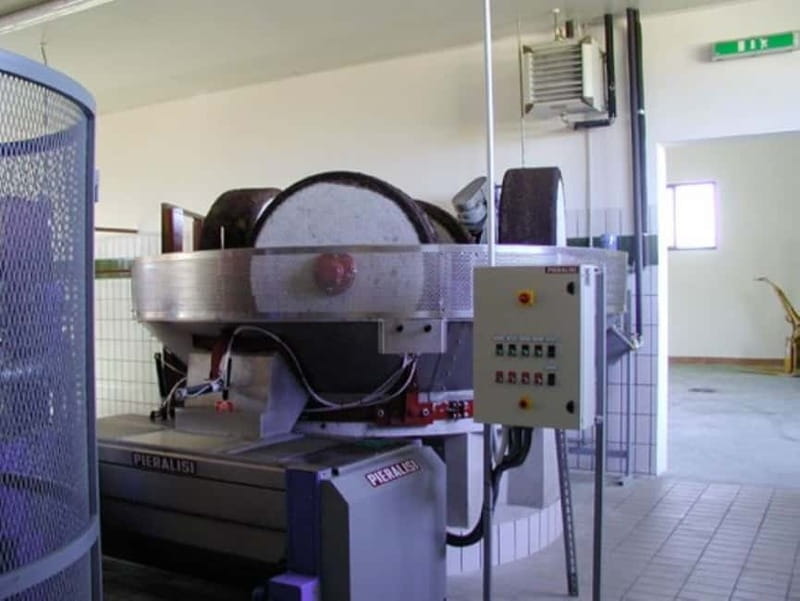
The tour is designed to work year-round, but the vibe changes depending on the month.
During milling season (Oct–Dec), you may be able to participate in the olive harvest. That’s a big difference, because it connects the story to the physical work happening outside. If you’re visiting in those months, you’re more likely to catch the mill in a fully active rhythm.
In other months, you might arrive when the equipment isn’t running. That can sound disappointing until you realize the value is still there: the guide can still explain the full process step by step, and you get to see the machinery and workflow even if it’s quiet. Several recent experiences highlight that the mill still shows how it all works when it’s not actively pressing.
Also, if you go off-season, you may receive extra follow-up like photos or videos of harvesting and production from the period when work is actually happening. That’s a nice bonus, especially if you want to bring something back that feels less hypothetical.
Outdoor tasting in the olive grove: what to expect
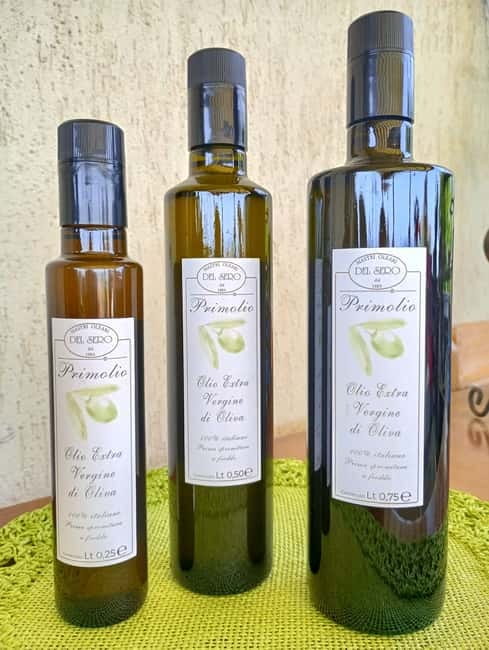
The tasting can also be held outdoor in the olive grove if the weather allows. That’s one of those small details that can seriously change the feel of the hour.
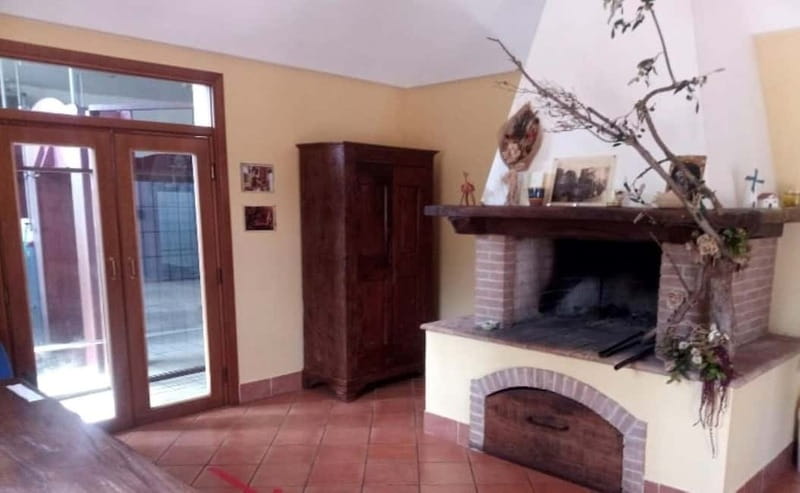
Indoors, you get a warm, controlled food-and-wine setting, with spacious rooms that can handle groups comfortably. Outdoors, it becomes a slower, fresher experience where you’re literally tasting where the olives grow.
If you’re planning your trip around light and weather, aim for the time of day when the grove feel will be pleasant rather than harsh. And if you’re bringing a sweater, do it. Olive groves can turn cool quickly once evening approaches.
Requests that actually get handled: gluten-free and vegetarian tweaks
If you have dietary needs, this tour is set up to be flexible. They mention gluten-free bread and vegetarian-friendly food upon request. That matters, because food-tasting experiences can sometimes turn into an afterthought when someone can’t eat the standard menu.
When you book, specify what you need ahead of time. You’ll have a much better chance of getting an experience that stays aligned with the oil and tasting concept, rather than just swapping one item at random.
It’s also worth noting that both tasting options can be adjusted to specific needs. So you don’t have to automatically choose the “simpler” option if your dietary needs require a different setup.
How to pair this stop with castles, abbeys, and old olive trees
This isn’t just a one-room show. You can use the mill as a base to build a short Umbria outing around the surrounding sites.
The mill can accompany you to nearby places such as:
- Morcicchia Castle
- San Felice Abbey
- The centuries-old Macciano olive tree
If you’re planning a half day, these add depth fast. Olive oil makes more sense when you see the kind of place that produced it for generations: stone, monasteries, land-based farming, and the long memory of single trees.
Also, the region is packed with big-name stops, so it’s easy to plug the mill into a route that already includes places like Spoleto, Assisi, Todi, Montefalco, Bevagna, and Spello. The host indicates the mill is well connected to regional tourism, so you aren’t stuck building your entire trip around this one address.
Price and logistics for a $16 experience
At $16 per person, the big question is value: what do you get for that money?
You get an English/French/Italian guided walk through the oil production stages plus a wine-and-food tasting built around the olive oil itself. The experience also adds the context of a long-running family operation using traditional processing (stone and cold pressing), which is exactly the type of “why it tastes like this” lesson that most paid food tours charge much more for.
Duration helps here too. The full tour sits around 1.5 hours, with roughly one hour for the guided part and one hour for tasting. That’s a manageable block if you’re doing Umbria by car and want meaningful food time without stealing a whole day.
Logistics are straightforward:
- You meet at Frantoio Del Sero
- Transportation isn’t included, so plan to drive or arrange your own ride
- Parking is available on-site (a spacious lot)
In terms of driving, the mill is described as reachable from major bases like Rome (about 1.5 hours), Florence (about 2 hours), Ancona (about 1.5 hours), and Perugia (about 40 minutes). That makes it a realistic day-trip anchor.
Who should book this oil mill tour
I think this tour is a strong match if you want:
- A process-based food experience, not just a tasting
- A chance to ask direct questions about pressing and storage
- A family-run production setting where the guide clearly cares about quality
- Olive oil shopping that’s grounded in taste and technique
It may feel less ideal if you want a big, flashy theme-park style event. This is calm, practical, and focused on real craft.
Should you book this tour?
Yes, I’d book it if you’re in Umbria and you care about food that connects to place. The guide-led walkthrough of traditional first cold pressing plus the structured tastings (including a richer second option) make it hard to feel like you spent money on just bread and wine.
Two smart decision points:
1) If you can, consider visiting in Oct–Dec when harvest participation may be possible.
2) If you’re going off-season, still go. You’ll learn the full chain of production, and the quiet equipment doesn’t erase the value of understanding how the oil is made.
If you’re building a route around nearby sites like San Felice Abbey and the Macciano olive tree, this tour adds a practical food layer to your history and nature stops.
FAQ
How long is the tour at Frantoio Del Sero?
The total experience lasts about 1.5 hours, with a guided mill tour of about 1 hour followed by about 1 hour for the wine and food tasting.
What languages is the guided tour available in?
The live guide is available in English, French, and Italian.
What’s included in the tasting?
The tour includes tasting of oil plus wine and local products. The bread-and-tasting food is served as bruschetta, with two tasting options depending on what you choose.
Are there different tasting options?
Yes. There are two options: one includes classical and garlic bruschetta with a glass of red wine, and the other adds more bruschetta variations (including arugula with Parmesan and truffle sauce) plus a charcuterie and cheese board.
Can the tasting accommodate dietary requests like gluten-free or vegetarian?
Yes. They note gluten-free bread and vegetarian-friendly food can be provided upon request.
Is there harvest activity, and can I join during the season?
During the milling season (Oct–Dec), guests can be involved in the olive harvest.