REVIEW · MARANO DI VALPOLICELLA
Valpolicella: Amarone Chateau Guided Tour and Wine Tasting
Book on GetYourGuide →Operated by Tenuta Santa Maria di Gaetano Bertani · Bookable on GetYourGuide
A vineyard tour can feel routine. This one adds art, history, and Amarone craft in just 1.5 hours. I really like the way you move through the estate, from the 18th-century villa to the 16th-century walled vineyards and cellars, with explanations built around how Valpolicella wines are made. One thing to consider: you’re on-site for a focused adult tasting experience, and there’s no transfer included, so you’ll want to handle getting there.
You’ll also get a sommelier-led tasting with an illustrated approach that makes the glasses easier to follow. For me, that’s the best kind of wine tour: not just pretty views, but clear, step-by-step thinking about Appassimento and Ripasso. The group format is tight and adult-oriented, so if you’re looking for a long, slow stroll or a family-friendly outing, this may not fit.
In This Review
- Key things that make this Valpolicella tour worth your time
- Tenuta Santa Maria di Gaetano Bertani: a focused estate, not a wine lecture
- Timing and setting in Valpolicella Classica (and why it helps)
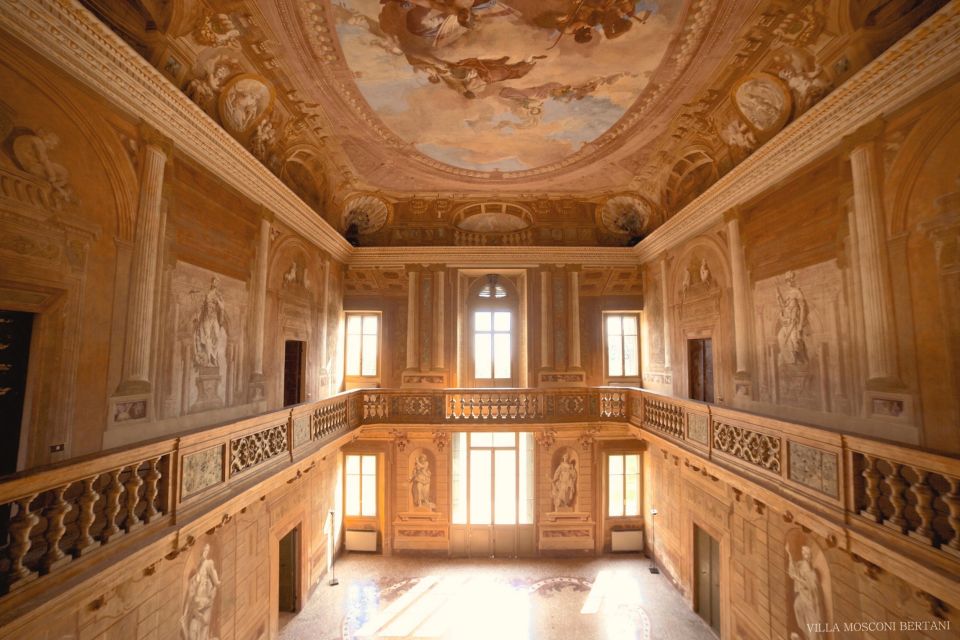
- The 18th-century villa stop: frescoes and the estate’s “why”
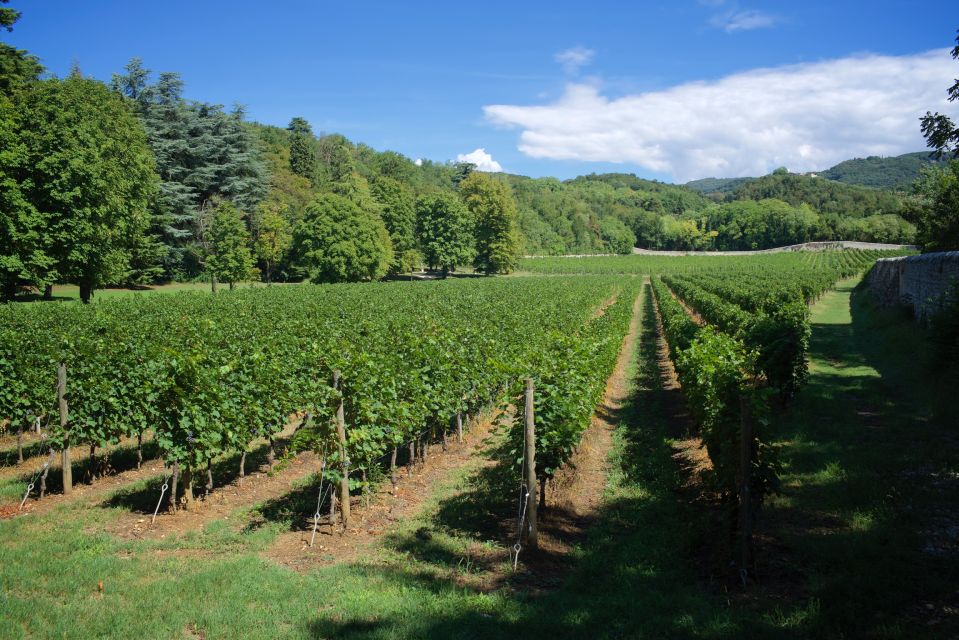
- Brolo vineyards and the 16th-century walls: where tradition becomes concrete
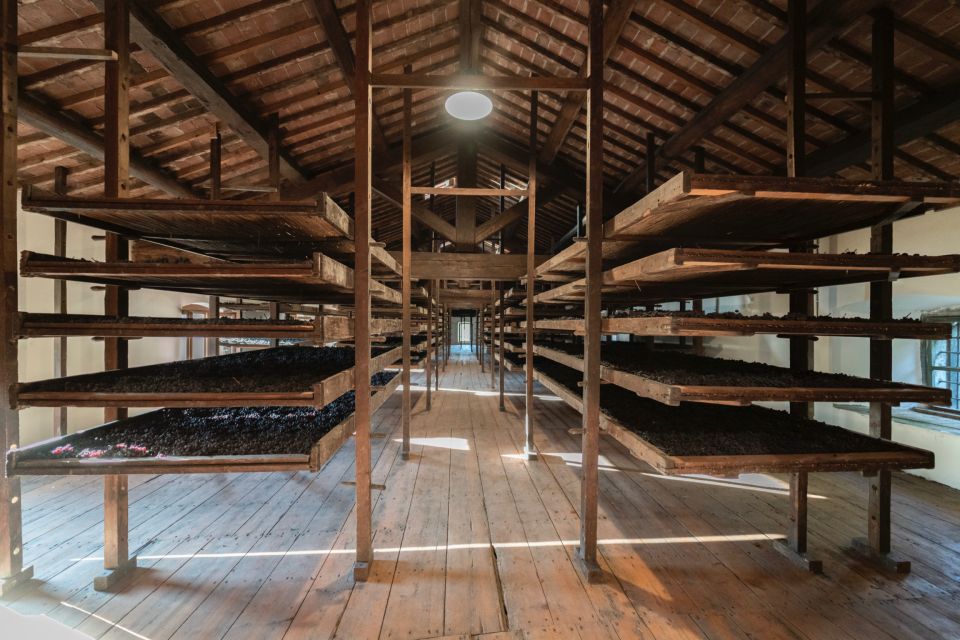
- The fruttaio: where Appassimento starts to make sense
- The monumental cellar: aging as a quiet science
- Seated wine tasting: four or more wines, one connected story
- Price and value: $42 for wine + estate access + expert guidance
- Who this tour fits best (and who should skip it)
- Should you book? My quick decision guide
- FAQ
- FAQ
- How long is the Valpolicella Amarone chateau-guided tour?
- What does the ticket price include?
- How many wines will I taste?
- Is transportation to the property included?
- What languages are available on the tour?
- Where do I meet the guide?
- Is this tour only for adults?
- Is the tour suitable during pregnancy?
- Can I cancel for a refund?
- Do I need to pay right away?
Key things that make this Valpolicella tour worth your time
- Tenuta Santa Maria di Gaetano Bertani: a well-known estate in Valpolicella Classica, near Verona and Lake Garda
- Villa + frescoed room + romantic gardens: an elegant start that’s more than a quick photo stop
- Walled 16th-century vineyards and cellars: the property’s old-school structure tells you how long this craft has mattered
- Appassimento and Ripasso explained: you’ll connect the drying and re-fermentation ideas to Amarone style
- Fruttaio grape-drying process: a key moment in the journey, tied directly to how Amarone is made
- Seated tasting of 4+ wines with a sommelier: no rushing, and each glass comes with an illustrated narrative
Tenuta Santa Maria di Gaetano Bertani: a focused estate, not a wine lecture
Valpolicella already has a reputation, but this tour gives you a practical reason for it: you walk through the places where the flavors are shaped. The estate is Tenuta Santa Maria di Gaetano Bertani, owned by Giovanni and Guglielmo Bertani, and the tour is built around what makes the wines distinctly Valpolicella.
I like that the experience isn’t just vineyards and speeches. You get a proper sequence: villa, gardens, private vineyards (the brolo), the fruttaio for drying grapes, and then the big aging cellar. That flow matters because wine-making techniques are easier to remember when you’re seeing the real spaces behind them.
The other big plus is the guide team: you’ll have an expert guide and a sommelier, and the narration is English and Italian. In the reviews, people specifically praised the presentation style, including a PowerPoint approach to explain the wines, which matches the tour’s illustrated storytelling with each glass.
Timing and setting in Valpolicella Classica (and why it helps)
This tour lasts about 1.5 hours, which is the sweet spot for a first Valpolicella wine day. You get depth without turning it into your whole afternoon, and that helps if you’re also planning time around Verona or Lake Garda.
The estate sits in Valpolicella Classica, the heartland of the region’s best-known styles. On a tour like this, the timing works because you see the property in a logical order: visual beauty first, then grape process, then aging, then tasting. You’re essentially learning the same story the wine follows, in the same order—so you don’t have to keep everything straight in your head later.
One practical note: since transfer is not included, you need to plan how you’ll get to the meeting point. The meeting point can vary by option, so double-check that detail when you book.
The 18th-century villa stop: frescoes and the estate’s “why”
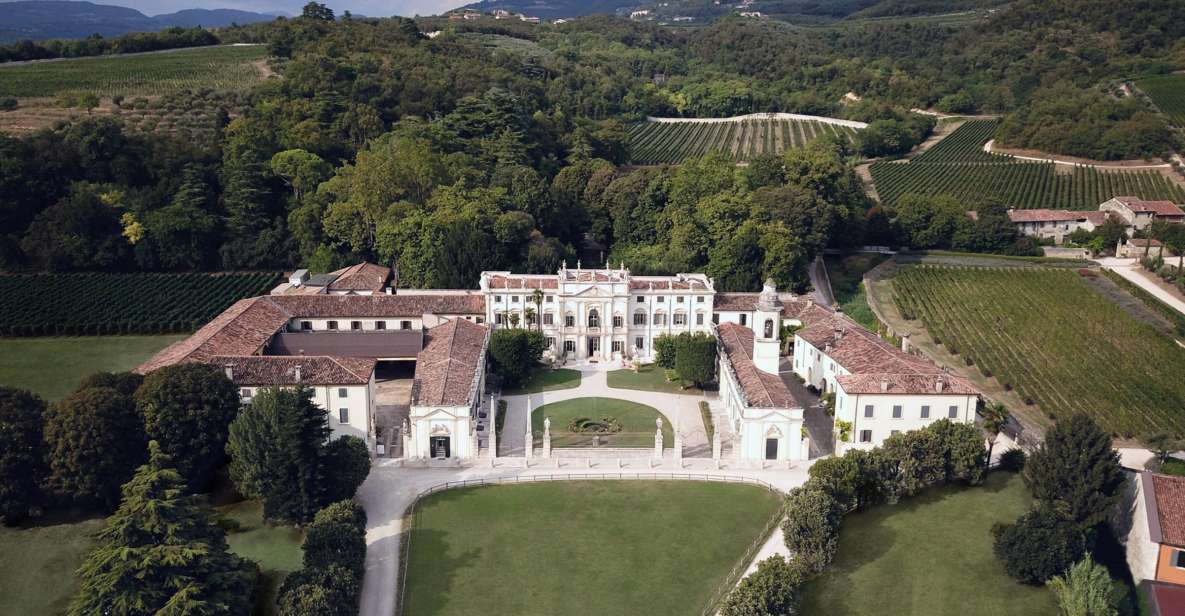
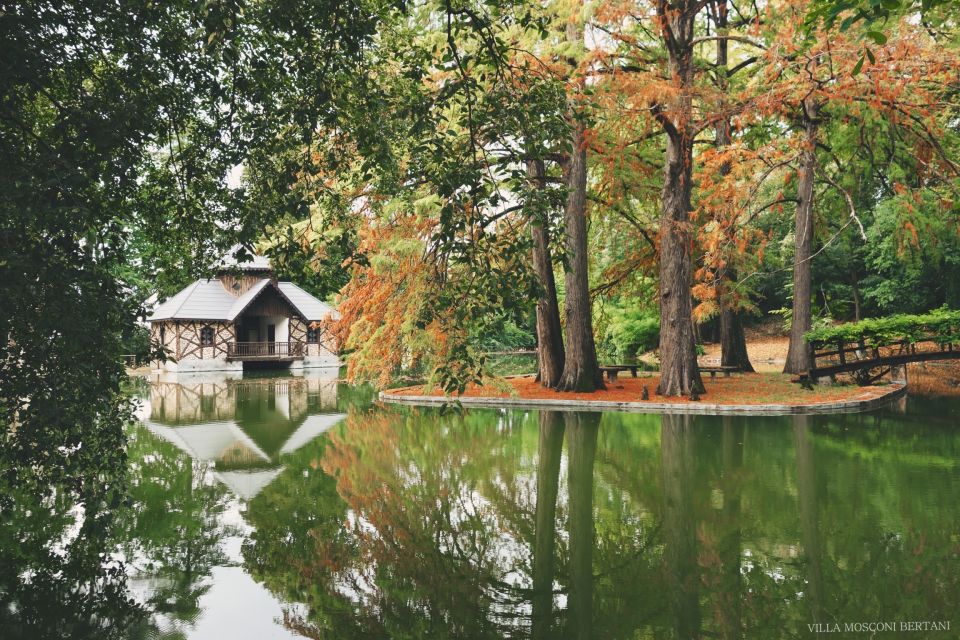
The first major “wow” moment is the elegant 18th-century Villa on the Tenuta Santa Maria property. This isn’t just a backdrop for a quick picture; you get the context that makes it meaningful. Inside, you’ll visit a frescoed room and hear about the estate’s connection to a Romantic Park atmosphere, including the idea that poets once mused there.
I like this part because it sets a tone. Valpolicella wine isn’t only a food story; it’s also a culture story. When you see art and garden design tied to the estate, you understand why families invested in buildings and landscapes that supported long-term winemaking.
The romantic gardens help you read the estate at a human scale too. You’re not just walking through rows; you’re moving through a place that’s been shaped over centuries, with wine production at the center.
What to expect here: shorter indoor time for the frescoed room, then outdoor time in the gardens before you transition to the working parts of the property. Wear comfortable shoes, because even a “short” garden stop usually includes uneven ground.
Brolo vineyards and the 16th-century walls: where tradition becomes concrete
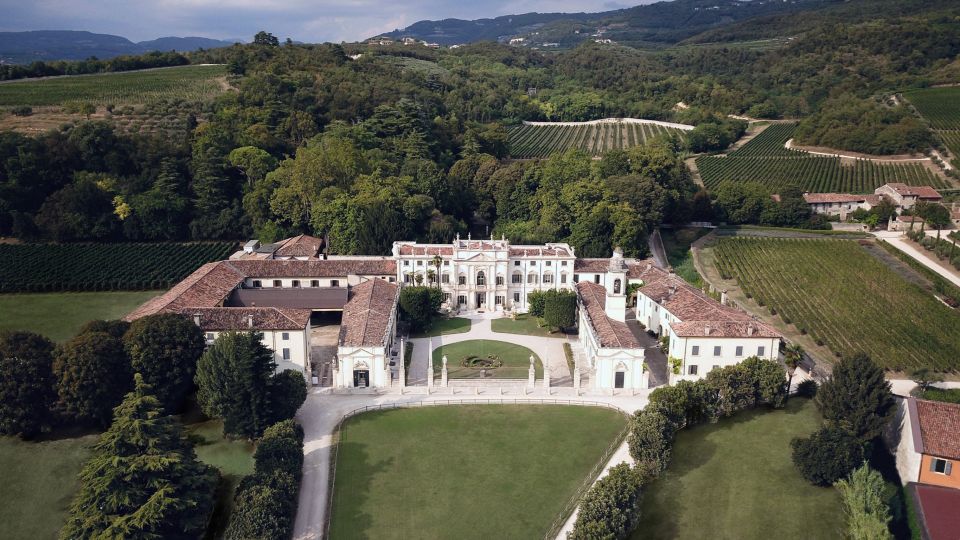
After the villa, the tour shifts to the brolo, the estate’s private vineyards. This is where the tour stops being theatrical and starts being technical—without becoming dry. You’ll walk through the way the property is organized, including the historic elements that protected and defined cultivation areas.
Then you move into the 16th-century walled vineyards and cellars. Those walls do more than look old-school. They help you picture how cellars and growing areas were managed in the past, using structure to protect aging conditions and define the estate boundary.
I found this “walking the architecture” approach especially helpful. Most wine tours jump straight to the tasting notes. This one makes you see how the estate is built to do its job, which makes later explanations about Appassimento and ripasso feel less abstract.
A drawback to keep in mind: time is limited. Because the tour is only about 1.5 hours total, you won’t have long free time in any single spot. If you love lingering outdoors, plan for that by arriving early to do a bit of independent wandering around the area before your tour start.
The fruttaio: where Appassimento starts to make sense
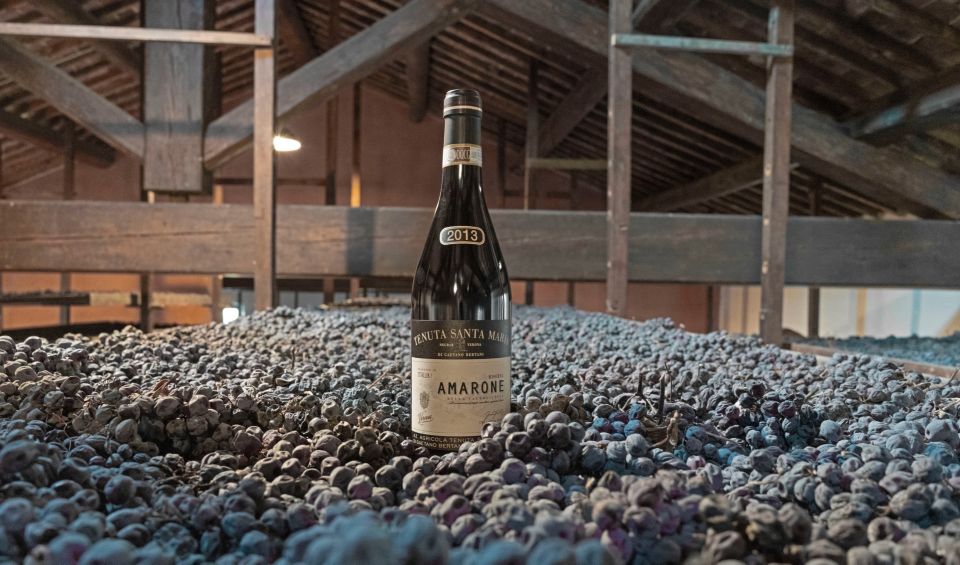
The heart of Amarone-style Valpolicella thinking is the process of drying grapes, and that’s where the tour shines. You’ll learn about the traditional, historic Appassimento and how it connects to Amarone della Valpolicella.
On the estate visit, this comes through the historic fruttaio, the grape-drying room. You get the idea in a place built for the job, which is key. When you understand Appassimento as grape dehydration over time, the later tasting reads differently—you’re tasting the concentrated fruit character that results from that drying step.
The tour also covers Ripasso, which is a second stage technique tied to re-fermenting or using grape musts in a way that contributes to depth and texture in related styles. The key is that the guide doesn’t treat these as fancy buzzwords. You’ll hear how the techniques fit together and why they matter for the flavors you’ll later recognize in your glass.
Practical tip: since the tasting comes right after, pace yourself on questions. If you try to solve every winemaking detail at the fruttaio stop, you might miss how the story connects to aging and tasting. A good strategy is to note the technique names (Appassimento and Ripasso) and then listen for how the guide links each one to what you’ll taste.
The monumental cellar: aging as a quiet science
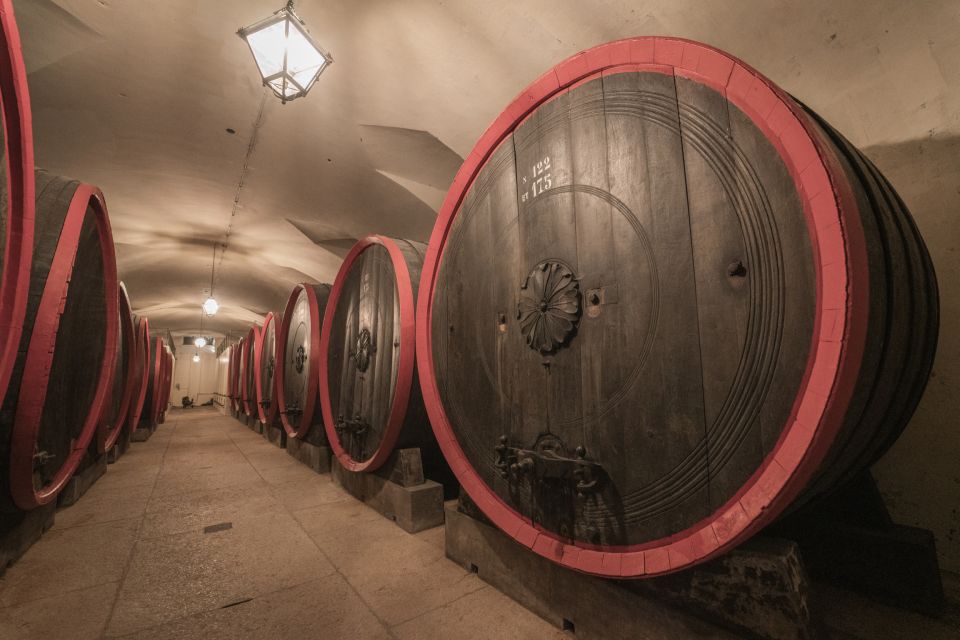
After the drying room explanation, you descend into a monumental cellar—described as a cathedral-like space for wine aging. Even if you’re not a cellar-nerd, this kind of setting helps you understand why patience is part of the recipe. Aging isn’t just about time; it’s also about controlled conditions and slow transformation.
I like that the tour transitions from process (drying grapes) to outcome (aging). It makes the cellar feel like the logical middle of the Amarone journey rather than just a dark room for photos.
What to pay attention to here: the guide’s pacing and explanations. The cellar stop sets up the tasting notes that follow, so listen for the hints about why certain flavors show up after aging. If you like learning by connecting steps, this is the moment you’ll feel the payoff.
Seated wine tasting: four or more wines, one connected story
The tour ends with a seated tasting of at least four distinct wines. You taste with an expert sommelier, and each wine comes with an illustrated narrative that explains the organoleptic nuances—basically, how the wine looks, smells, and tastes.
This is also where the guide’s presentation style becomes obvious. One review called out a great PowerPoint used to explain the wines, which lines up with the idea that the tasting isn’t only verbal. If you learn visually, you’ll probably enjoy this structure.
What you should expect from a tasting like this is not just “try this, like it or not.” It’s tasting with direction, which helps you build a mental model of how Valpolicella wines behave. You’ll be better able to answer questions like:
- Why does the wine feel fuller or more structured?
- How does fruit character shift from fresher styles to Amarone-style concentration?
- How do techniques like Appassimento and Ripasso show up on the palate?
Practical note: you’re tasting multiple wines in 1.5 hours, so keep expectations realistic. Don’t schedule a long drive or a big meal right after if you can avoid it. If you’re hopping around Verona or Lake Garda the same day, plan for an easy pace afterward.
Price and value: $42 for wine + estate access + expert guidance
At $42 per person, this tour isn’t the cheapest way to experience Valpolicella. But it’s also not priced like a luxury, all-day wine vacation. For the money, you’re getting access to a major estate—plus a guided property tour, bilingual guide, and a seated tasting with sommelier.
The biggest value isn’t only the wine. It’s the combination: the villa, gardens, brolo vineyards, historic fruttaio drying room, and the aging cellar all feed into the tasting. That makes the $42 feel more like a learning experience than a simple sip session.
If you were doing this independently, you could pay for tastings, but you’d likely miss the “why this technique matters” explanation. And without an expert, the estate walk can turn into a nice stroll with not much recall afterward. Here, the sommelier and guide help you connect the dots while you’re still standing in the right rooms.
Who this tour fits best (and who should skip it)
This is a clear match for adults who want a guided Valpolicella day without committing to a full-day winery marathon. It’s especially good if you’re curious about Amarone della Valpolicella, want a grounded explanation of Appassimento and Ripasso, and like learning in a structured way.
It’s also a good fit if you value “place-based” learning: seeing the fruttaio and aging cellar makes the techniques stick. If you’re the type who remembers wine by story and setting, you’ll probably enjoy this format.
One consideration: the tour is not suitable for pregnant women and children under 18. If either applies, you’ll need to choose a different activity.
Should you book? My quick decision guide
Book this tour if you want a compact, adult-only Valpolicella experience that connects estate history to how the wines are made. I’d especially recommend it if you like guided tastings with clear explanations and you’re okay handling your own transport since transfers aren’t included.
Skip it if you want lots of free time, a family-friendly schedule, or a super relaxed walk with minimal wine focus. With only 1.5 hours, the pace is designed to teach and taste, not to wander for long stretches.
FAQ
FAQ
How long is the Valpolicella Amarone chateau-guided tour?
The tour lasts about 1.5 hours.
What does the ticket price include?
It includes a guided property tour, a bilingual guide, and a seated wine tasting with an expert sommelier.
How many wines will I taste?
The tasting includes no fewer than four distinct wines.
Is transportation to the property included?
No. Transfers to the property are not included, and pickup and drop-off are not offered.
What languages are available on the tour?
The live tour guide is available in English and Italian.
Where do I meet the guide?
The meeting point may vary depending on the option booked.
Is this tour only for adults?
Yes. It is not suitable for children under 18 years.
Is the tour suitable during pregnancy?
No. It is not suitable for pregnant women.
Can I cancel for a refund?
Yes. Free cancellation is available up to 24 hours in advance for a full refund.
Do I need to pay right away?
You can reserve now and pay later, keeping your plans flexible.
If you want, tell me where you’re staying near Verona or Lake Garda, and I can help you think through the easiest timing for your visit to Valpolicella.