REVIEW · AGRIGENTO
Agrigento: Valley of the Temples Entry Ticket & Audio Guide
Book on GetYourGuide →Operated by Vox City International · Bookable on GetYourGuide
Ancient temples, smart timing, and a clear self-guided route. This Valley of the Temples ticket gets you into one of Sicily’s top UNESCO sites with skip-the-line entry and a 2-hour audio tour you can follow at your own pace. I like that it starts you at the major monuments and keeps the route moving across multiple eras, from Greek temples to later layers.
I also like the practical value of the bundle: you get entry to the park plus access to the Treasures of Italy exhibition, and the audio guide comes in a wide set of languages. The one catch is that the experience is built around an app on your phone, so if you’re hoping for deep storytelling at every stop, the audio guide may feel a bit short or fiddly in real life.
In This Review
- Key Takeaways Before You Go
- Getting Into the Valley of the Temples: What This Ticket Actually Does
- Hera and the First Layout: How the Valley Gets You Oriented
- Temple of Concordia: Why This Is the Stop People Remember
- Heracles and the Middle Circuit: Where the Walk Builds Story
- Olympieion and the Later Layers: Seeing More Than Greek Temples
- Using the Audio Guide Without Losing Your Mind
- Timing and Opening Hours: Plan Your Light and Your Legs
- Exhibition Bonus and the Naples Walking Add-On
- Price and Value: Is $17 Worth It?
- Who Should Book This Valley of the Temples Audio Ticket
- Should You Book This Valley of the Temples Ticket?
- FAQ
- How long does the Valley of the Temples ticket with audio take?
- What’s included with this ticket?
- Do I need my own headphones?
- What languages are available for the audio guide?
- Is the audio guide provided on site?
- What about Kolymbethra Gardens?
- What are the opening hours for the Valley of the Temples?
- Can I use a mobile ticket to enter?
Key Takeaways Before You Go
- Skip-the-line entrance: faster entry means more temple time.
- Audio guide on your phone: many languages, but you’ll need to manage navigation and photos.
- Best-used with headphones: bring yours (the ticket doesn’t include them).
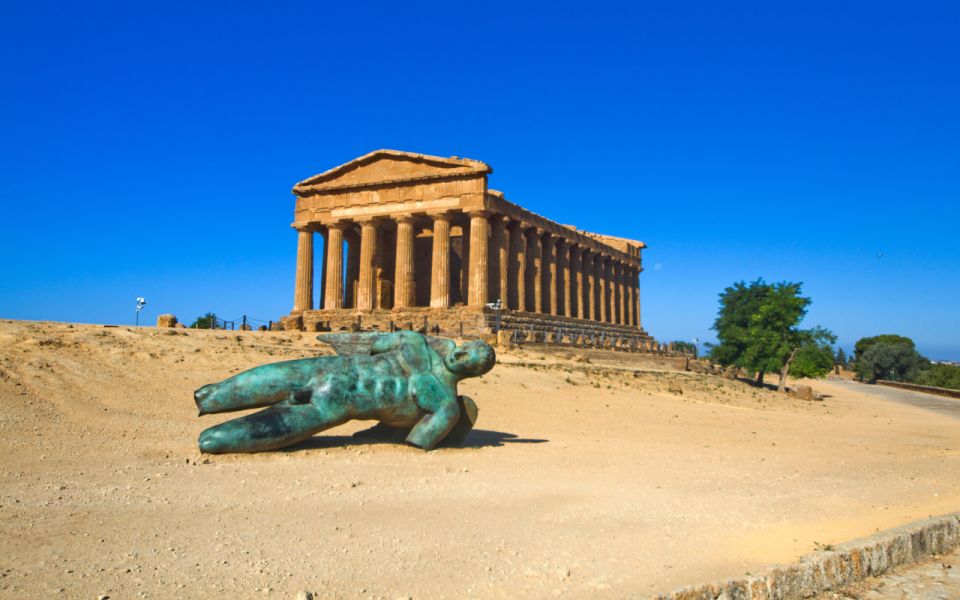
- A full temple circuit: Hera → Concordia → Heracles → Zeus, plus other historical layers.
- Timed for comfort (2–3 hours): plan for walking and pauses.
- Kolymbethra Gardens aren’t included: you’ll need an extra €6 ticket if you want them.
Getting Into the Valley of the Temples: What This Ticket Actually Does
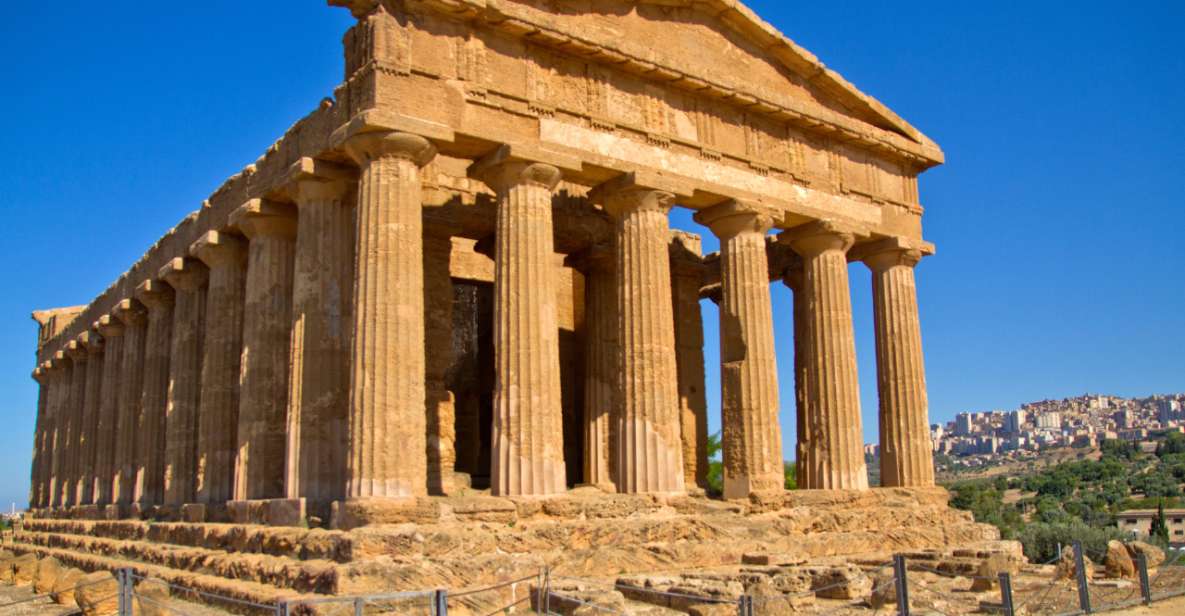
This is an entry ticket plus a self-guided audio experience for the UNESCO-listed Valley of the Temples in Agrigento. The headline promise is simple: you walk the park, and the audio guide steers you through what you’re seeing, covering some of the most famous Doric temples and key archaeological areas.
The “skip-the-line” piece matters more than it sounds. The Valley is huge and you’ll want to start walking early in your window, especially if you’re aiming for softer light. With a separate entrance and mobile ticket acceptance, you can spend your time on temples instead of waiting at the gate.
You should also know the ticket is not a guided tour with a person leading you. There’s no live host included here. The narration comes via a self-guided audio app, and you’ll download it using a QR code on your voucher. Also, the audio doesn’t come with headphones or a device. Bring both: headphones and a charged smartphone.
Finally, the ticket includes admission to the Treasures of Italy exhibition. That’s a good “tempo reset” if you want a break from walking or if you arrive a bit early and want context before you hit the ruins.
You can also read our reviews of more tours and experiences in Agrigento.



Hera and the First Layout: How the Valley Gets You Oriented

Your route typically starts at the Temple of Hera, which is a smart starting point because it gives you an anchoring monument and a clear sense of scale right away. From there, the walk is about moving through an archaeological landscape that isn’t just temples on a postcard. You’ll pass through areas that point to older daily life around the ancient city—think fortifications, agoras (public spaces), and the bigger civic layout that tells you this wasn’t an isolated religious zone.
This is where the audio guide can be helpful if you use it correctly. The park is large and the temples aren’t always “step-by-step obvious” from one spot to the next. Having the narration timed to key places helps you connect the dots between what you see in front of you and what the place meant when it was functioning.
One caution from real-world experience with app-based guides: short audio segments can make it easy to miss the exact spot where the narration expects you to be. If your phone signal is weak, your audio might restart or stutter. If you tend to take lots of photos, plan for brief pauses so the phone isn’t constantly switching between camera and audio.
Temple of Concordia: Why This Is the Stop People Remember
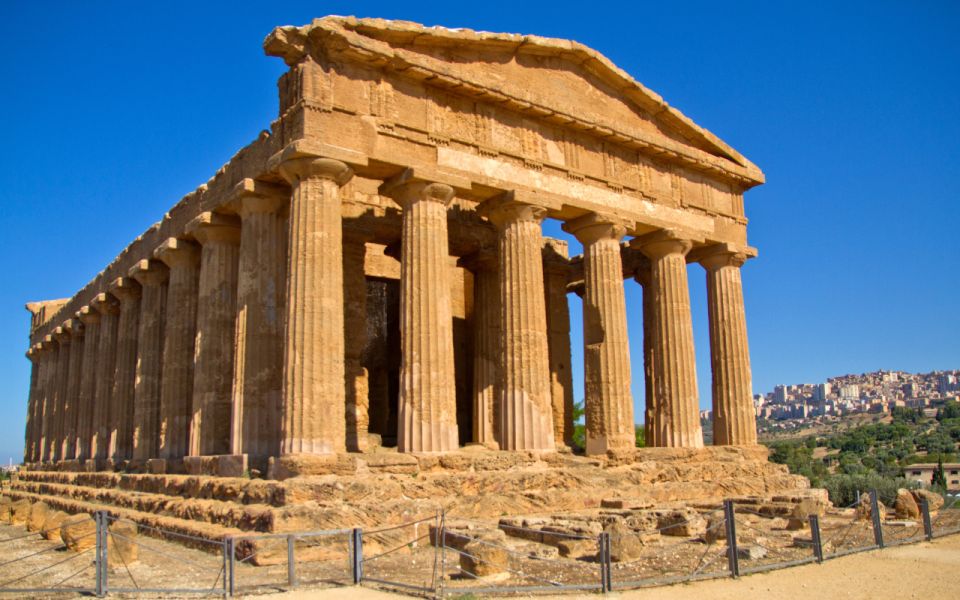
If you want one moment that makes the Valley of the Temples feel worth the trip, it’s usually Temple of Concordia. The structure is one of the best-preserved in the park, and that preservation changes how you experience the ruins. Instead of seeing “what’s left,” you get a stronger sense of the building’s rhythm and proportions—how Greek Doric architecture was meant to look.
This is the kind of monument where a short audio explanation can work because the visual evidence is so strong. You can stand back, then move slowly, and the temple’s details start to speak: columns, alignments, and the overall geometry. The audio helps you label what you’re noticing, but you’ll do most of the understanding through your eyes.
If you’re watching the light, Concordia is a good candidate for golden hour. One review specifically called out sunset as a perfect time to do this park, and that makes sense: the stone warms up, shadows deepen, and the scale becomes easier to judge.
The drawback: if you’re relying on the phone to know where to stand, it can be slightly frustrating here. If the audio segment ends quickly and you’re still trying to find your exact position, you may feel like you’re “catching up” rather than fully present.
Heracles and the Middle Circuit: Where the Walk Builds Story
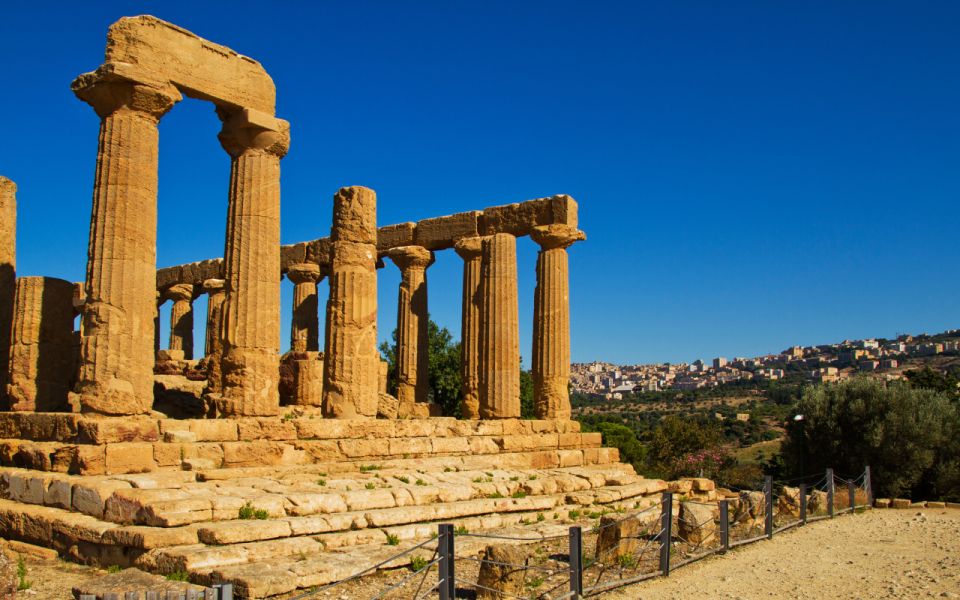
Next comes the part where you realize the Valley isn’t one temple. It’s a whole ancient city’s worth of landmarks connected by walking paths and archaeological zones.
Temple of Heracles is an important stop because it keeps you in the mindset of religious life in Akragas (the ancient name for the city). The Doric temple style creates continuity across different monuments, but each site still carries its own presence and historical significance. Standing in the middle of the ruins, you start noticing how the valley floor and the temple placements shape the feel of the place.
This is also where the audio guide’s structure matters. A self-guided format usually works best if you commit to a slower pace. If you rush temple to temple, you’ll end up reading plaque after plaque, and the audio might feel repetitive. If you take your time and let each site register, the narration becomes a helpful layer instead of background noise.
One very practical tip: wear comfortable walking shoes. The park has enough ground to make your feet your limiting factor, not your attention span. If you’re planning to move at a steady pace and still read, you’ll likely land in that 2–3 hour window.
Olympieion and the Later Layers: Seeing More Than Greek Temples
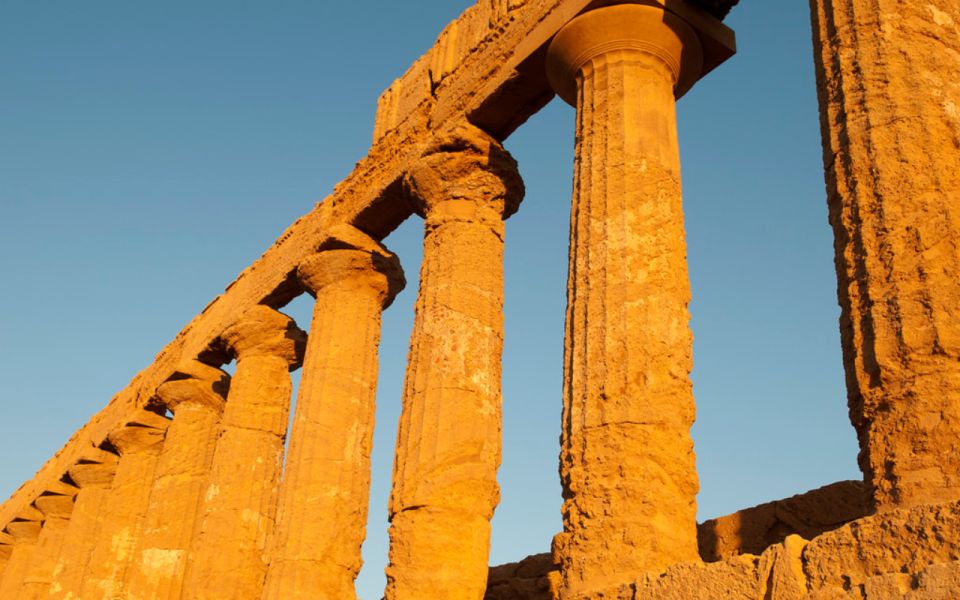
The Valley is known for its Greek temples, but the site also includes later historical layers. As your walk continues, the audio can lead you toward areas associated with the Olympieion and other parts that reflect changing eras over time.
There’s also mention of an early Christian Necropolis, which is a key reminder that this wasn’t a one-period “museum.” Places like this get repurposed, reused, and overwritten by history. Even when you’re looking at stone ruins, the story is about continuity and change—how one civilization’s sacred landscape can become another community’s historical memory.
This is where a guided tour would normally shine—because someone can connect all these periods with a timeline your brain can hold onto. Without a live guide, the audio has to do that work. If the app segments feel too brief, consider extending your stop at the more visually clear monuments and spending less time hunting for the exact audio cue points.
Still, the benefit of a self-guided tour is control. You can pause where you feel stuck, linger where you’re curious, and move on when you’ve had enough.





Using the Audio Guide Without Losing Your Mind
Here’s the honest assessment: the audio guide is the core of the experience, but it’s also the part most likely to disappoint you.
Some reviewers found it perfectly fine in concept but not great in execution. The most common complaints were that temple explanations can feel very short, that it can be hard to locate the exact position the audio expects, and that the phone-based format gets in the way of photos. When you switch between camera and the audio app, it can interrupt your flow—especially in a park where small shifts in location can matter.
Other reviews were more positive overall about the visit itself, calling it bucket list-worthy. The strong takeaway: the Valley itself delivers. The audio guide is more of a label-and-context tool than a deep, guided storytelling experience.
So how do you use it well?
- Use headphones so you can stay focused while you walk.
- Expect that you may need to stop moving to reset your bearings, then start again once you match the spot.
- If you’re taking photos, accept that you’ll need a few moments of “audio reset” between shots.
- Download/prepare everything ahead of time. The audio is accessed via a QR code on your voucher, and it’s designed to be ready to go from your device.
If you know you hate phone-based guides, you might prefer a live guide approach. But if you can tolerate an app and you’re happy with short, targeted explanations, this ticket can still be a solid way to do the park.
Timing and Opening Hours: Plan Your Light and Your Legs
The Valley is open every day from 8:30am to 7:00pm, with exit by 8:00pm. That means you can build a visit around morning clarity or evening mood.
If you’re aiming for that sunset effect, plan to arrive with enough time to reach the major monuments without feeling rushed. A review specifically recommended going at sunset, and that tracks with the way stone ruins look when the light changes. During late-day hours, you tend to get longer shadows and a warmer tone on the columns, which helps the scale click for your brain.
The other timing factor is your 2–3 hour target. This ticket is best if you treat it like a structured walk, not like an all-day archaeological marathon. If you want a slower pace plus extra photo stops plus plaque reading, you may need more time than the ticket’s implied flow.
Also keep in mind: Kolymbethra Gardens are not included here. If you’re the type who wants “one more” stop, budget extra time and the additional €6 ticket.
Exhibition Bonus and the Naples Walking Add-On
This ticket includes entry to the Treasures of Italy exhibition. Even if you’re primarily here for the outdoor temples, an exhibition space can help you understand what you’re looking at before you’re out in the sun moving from site to site.
There’s also an added self-guided sightseeing option mentioned for Naples via an app with walking routes. That doesn’t change your Agrigento visit directly, but it’s a nice value add if you’re continuing your trip beyond Sicily and want a lightweight way to plan walks.
For your day at the Valley, the key point is that the exhibition admission gives you options. You can treat it as a warm-up if you arrive before your best walking time, or as a break mid-visit if your legs start to protest.
Price and Value: Is $17 Worth It?
At about $17 per person, this is priced like a practical self-guided ticket: entry plus an audio guide and a small exhibition add-on.
When it’s good value:
- You want to see the big monuments on your own schedule.
- You’re okay with short audio guidance rather than a long, interpretive narrative.
- You’re comfortable using your phone as a guide and you bring headphones so you’re not fighting the environment.
When it might feel less worth it:
- You want a more detailed explanation than what a phone segment provides.
- You hate fiddling with apps while holding a camera.
- You’re worried about setup problems. One experience included an issue where the buyer didn’t get clear instructions for how the audio app worked, which damaged the visit experience even though assistance offered a refund for the audio portion.
My honest take: the Valley itself is the real purchase. This ticket is mainly a way to access the park efficiently and make the visit easier to follow. If you’re relying on the audio guide to be the main source of meaning, you may want to consider alternative guidance formats.
Who Should Book This Valley of the Temples Audio Ticket
This works well for:
- Visitors who want independence and a walkable plan across major monuments.
- People who are comfortable using a QR code and an audio app on-site.
- Travelers who plan to visit as part of a broader Sicily itinerary and like the idea of a time-bounded experience.
You might think twice if:
- You strongly prefer a live guide or a more narrative, in-depth interpretation.
- You’re the type who gets irritated when an app blocks your camera workflow.
- You know you dislike anything that requires extra phone setup right on location.
Should You Book This Valley of the Temples Ticket?
Yes, with one condition: go in expecting a self-guided experience where the temples do most of the heavy lifting.
Book it if you’re happy walking the park, using headphones, and getting short context at key stops. The skip-the-line entry and the included exhibition are real benefits, and the Valley itself is a must-see for anyone in Sicily.
Consider an alternative (like a live guide format) if you want continuous, long-form storytelling and you know phone-based audio guidance bugs you. Also, be proactive about your device: download what you need via the QR code on your voucher, and make sure your phone battery won’t die mid-walk.
If you do that, you’ll spend your time seeing stone where it matters most—on the Doric temples, in the scale of the ancient city, and in the walk that connects eras.
FAQ
How long does the Valley of the Temples ticket with audio take?
The activity is listed for about 2–3 hours.
What’s included with this ticket?
You get entry to the Valley of the Temples, access to the Treasures of Italy exhibition, and a self-guided audio tour available in multiple languages.
Do I need my own headphones?
Yes. You should bring headphones, since headphones and the mobile device aren’t included.
What languages are available for the audio guide?
The audio guide is available in English, French, German, Italian, Spanish, Chinese, Korean, and Japanese.
Is the audio guide provided on site?
It’s a self-guided audio guide that you download using a QR code on your voucher before arrival.
What about Kolymbethra Gardens?
Access to Kolymbethra Gardens is not included. It requires an extra ticket that costs €6.
What are the opening hours for the Valley of the Temples?
The park is open daily from 8:30am to 7:00pm, with exit by 8:00pm.
Can I use a mobile ticket to enter?
Yes. Mobile tickets are accepted, and you show the e-ticket on your mobile device to the staff at the park.