REVIEW · AMALFI
Amalfi: Vertical Lemon Farm Tour, Tastings, and Rural Museum
Book on GetYourGuide →Operated by AMALFI LEMON EXPERIENCE · Bookable on GetYourGuide
One lemon turn of the hillside is all it takes. This 1.5-hour walk through vertical Amalfi lemon terraces pairs guided farming stories with tasting and a small rural museum that explains how the coast’s lemons shaped local life. I especially love the family-run feel and the chance to ask questions while you’re standing right where the work happens. The main thing to consider is the walking: you’ll face steep steps and need proper shoes.
If you like food that comes with context, this is a great fit. I love that the tour focuses on organic cultivation and the Sfusato Amalfitano lemons that are prized for limoncello, not just a quick photo stop. A potential drawback: there are rules about what you can bring and do on-site, and pets aren’t allowed because dogs roam freely.
In This Review
- Key things I’d circle on your Amalfi plan
- Arriving at Via delle Cartiere and getting oriented fast
- The vertical lemon grove: terraces, shade, and real farming work
- A six-generation family story you can actually question
- Organic methods, the Protected Geographical Indication, and why it matters
- The limoncello laboratory: from fruit to flavor
- Tastings: what you should expect to taste and why it’s worth it
- Museum of rural culture: tools, documents, and how people lived
- Can you buy things and ship them home?
- Timing, weather, and what to pack for a terrace walk
- Who this tour is perfect for (and who should skip it)
- Price and value: is $41 a fair deal?
- Should you book this Amalfi lemon farm tour?
- FAQ
- Where is the meeting point for this tour?
- How long is the Amalfi Vertical Lemon Farm Tour?
- What’s included in the tastings?
- What does the tour include besides the lemon grove?
- Is parking available near the venue?
- Are pets allowed on the property?
Key things I’d circle on your Amalfi plan
- Vertical lemon grove walking: terraced hillside views, built for sun and drainage
- Six generations of farming: you get real farm context, not textbook talk
- Organic tastings: lemon cake, lemonade, and limoncello plus other farm products
- Limoncello laboratory visit: you see the process side of the story
- Rural culture museum: tools, equipment, and documents tied to lemon production
- Buy and ship farm products: a practical way to bring Amalfi lemons home
Arriving at Via delle Cartiere and getting oriented fast
Your day starts at the Amalfi Lemon Experience shop on Via delle Cartiere, 59. It’s the kind of meeting point that keeps things simple: you check in, meet your English-speaking guide, and you’re on your way up into the lemon world with very little fuss.
Do yourself a favor with navigation. If you use Google Maps, use walking directions. The driving route can send you somewhere else, which is the last thing you want when Amalfi traffic and parking are already tricky.
Also note one big reality about the town: no car or scooter access in the city center. That matters because it’s part of why the tour feels local and calm once you’re away from the main streets. You’ll get a quick taste of Amalfi’s “small-town rhythm,” then trade crowds for hillside air.
You can also read our reviews of more tours and experiences in Amalfi.



The vertical lemon grove: terraces, shade, and real farming work
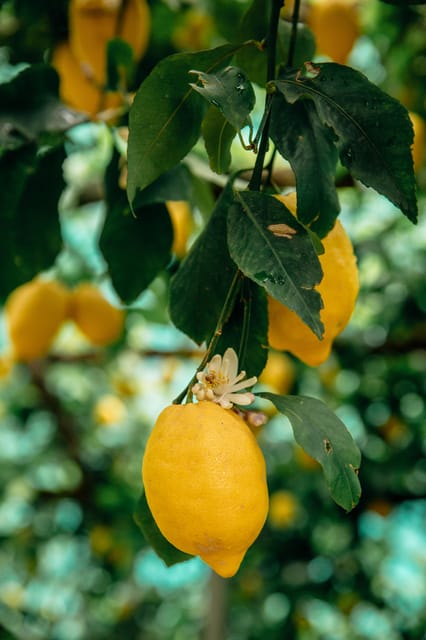
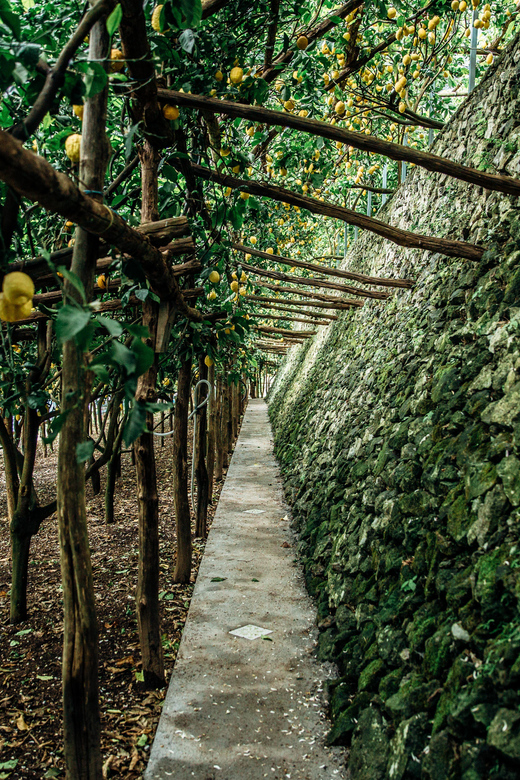
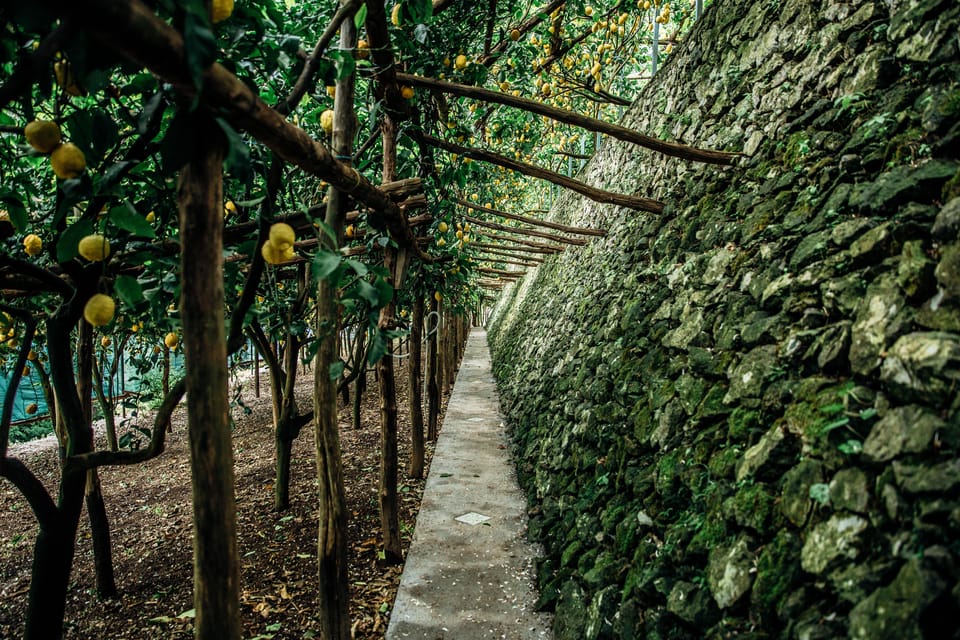
The star of the tour is the walk through terraces carved into the hills above Amalfi. This isn’t flat strolling. It’s a hillside route that was shaped over centuries to keep lemons productive on steep ground.
What I like about a vertical grove is that it forces you to understand the landscape. You can see how the terraces help manage sun exposure and how the trees grow in a system that works with the slope. The air smells lemony as you move between rows, and you get that in-between moment: you’re close enough to notice leaves and trunks, but still moving with a guide who explains what you’re seeing.
You’ll learn about the Sfusato Amalfitano lemon, the variety tied to limoncello tradition and known for quality. The guide also frames why it’s a big deal economically and culturally, not just as a sour citrus fruit.
Practical tip: wear shoes with grip. The tour’s safety rules are strict about footwear, and the walking sections include steep stairs. If your soles are slippery or you’re in heels, you may be turned away at the start. Come ready, and you’ll spend the whole tour focusing on the lemons instead of your footing.
A six-generation family story you can actually question

One of the strongest parts of this experience is that you’re hosted by a family that has farmed lemons in Amalfi for six generations. That timeframe matters because it changes the tone. It’s not a generic “tour script.” It’s a living operation, shaped by weather, pests, costs, and changing markets.
As you walk, you’ll hear about how locals have worked this land with care and persistence, and you’ll also get the less romantic side: the difficulties lemon farmers face today. I like that the guide doesn’t just point at a beautiful grove and stop there. You learn why maintaining production is hard and how growers respond.
Your guide—often named in participant experiences as people like Elvira or Georgia—leans into explanation and leaves room for questions. That’s a big deal on a short tour. You don’t want a rushed slideshow; you want a real conversation while you’re standing in the orchard.
Organic methods, the Protected Geographical Indication, and why it matters
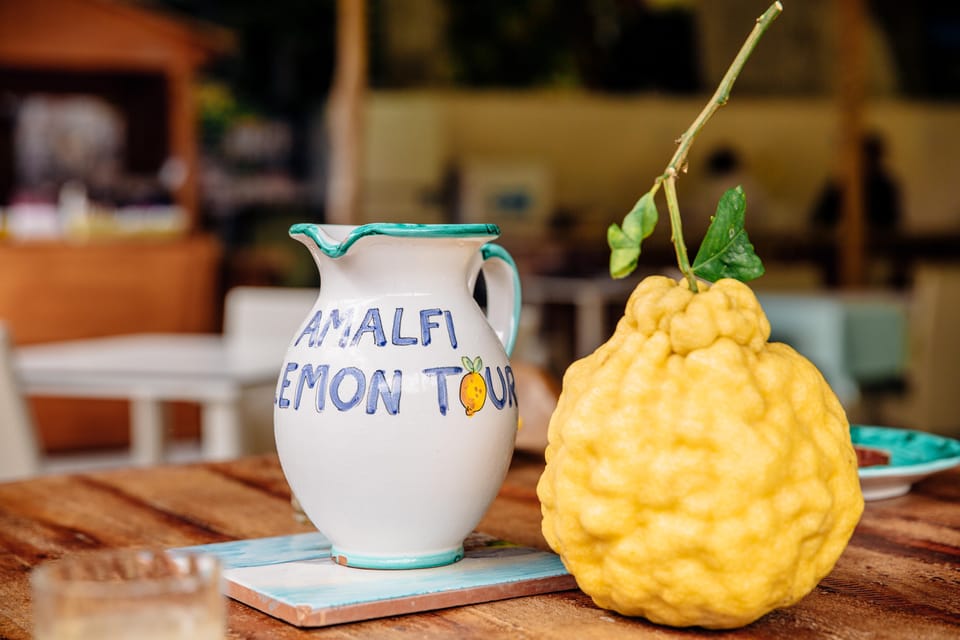
This tour repeatedly brings you back to one idea: quality isn’t luck. The farming is described as completely organic, and you’ll hear about why the lemons grown here earned recognition, including European Protected Geographical Indication status.
You don’t need to be a food nerd to care. Here’s the plain-English takeaway: when a lemon has a protected designation, it’s tied to a specific place, tradition, and standards. That helps explain why Amalfi lemon products taste more concentrated and why limoncello from this area has such a distinct identity.
So when you’re walking through the grove and then later tasting lemon cake and limoncello, you can connect dots. The sweetness, aroma, and bitterness balance you notice isn’t random. It’s tied to cultivation choices and the specific lemon variety.
The limoncello laboratory: from fruit to flavor
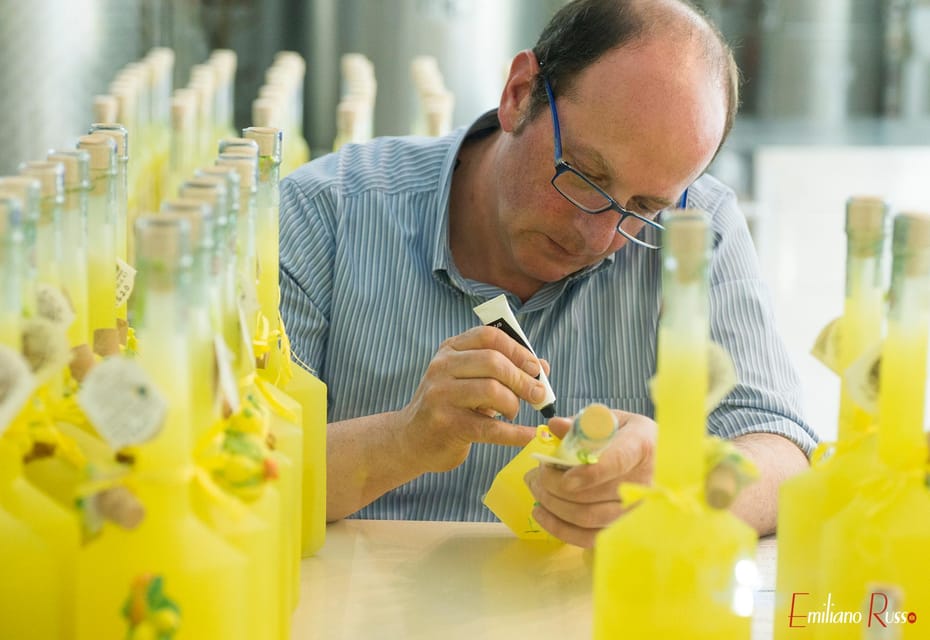
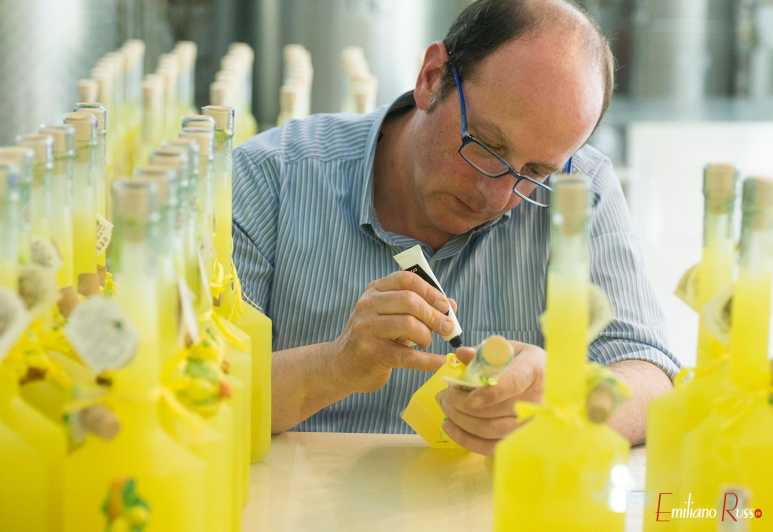
The tour doesn’t end at the orchard. You also visit the limoncello laboratory, where you can learn how exceptional limoncello is crafted. Even if you think you know the basics—lemon peel infusion, alcohol, time—being in the production space helps the story click.
This is also where the tour connects the dots between farm and bottle. You’ll find out how the product first arrived in Amalfi and how it became linked to local identity. That matters because limoncello isn’t only a drink; it’s a way of capturing a harvest into something transportable and sellable.
On top of limoncello, the laboratory angle often includes other lemon-forward products like lemon jam and honey. That’s useful if you’re shopping, since you’ll better understand what you’re tasting and why a farm might turn lemons into shelf-stable goods.






Tastings: what you should expect to taste and why it’s worth it
Tasting is a core part of the value here. The tour includes a spread that typically covers:
- lemons
- lemon cake
- lemon lemonade
- limoncello
In some sessions, the tasting experience may also include items like lemon sorbet and lemon slices. The point isn’t just variety. It’s education through contrast. You taste the fruit in different forms: raw, baked, mixed with water, infused into alcohol.
I like that the tasting supports the farming story. You don’t just get a sample and move on. You learn what you’re tasting, which makes the flavor feel earned rather than random.
If limoncello is your focus, take a slow sip and notice the balance between sweetness and the lemon’s sharpness. If cake and lemonade are more your thing, pay attention to aroma. Amalfi lemons tend to smell like actual lemons, not syrup. That’s a subtle difference you’ll feel once you taste a few things back-to-back.
Museum of rural culture: tools, documents, and how people lived
After the tasting portion, you step into the Museum of rural culture and arts and crafts. This part of the tour helps you zoom out from the grove and see the broader system—how rural families worked and what equipment supported production.
The museum is built to enrich your lemon experience by showing tools of the trade, production equipment, and documents related to lemon farming. That gives context to what otherwise might feel like just a pretty orchard. You can start to understand the routines behind the scenes and why certain methods lasted.
For me, museum time is only worth it when it connects to the rest of the day. Here it does. After you’ve walked terraces and heard production talk, the artifacts make sense. You’re not learning history from a distance; you’re learning it right after the hands-on part.
Can you buy things and ship them home?
Yes. You’ll have chances to purchase farm products and fresh lemons, and there’s an option for shipping them for you. That’s a practical perk, especially if you’re traveling with limited luggage.
If you buy lemon products on-site—like honey or jam—you’ll already have tasted the flavor. That makes shopping easier and more confident. You’re matching what you liked with what you can take home.
Timing, weather, and what to pack for a terrace walk
This is a short tour, but it’s still a real walk. Plan for sun and heat. The grove is on the hillside, and you’ll move between open patches and shaded areas under the lemon trees.
Pack:
- comfortable shoes
- sunglasses
- weather-appropriate clothing
- hiking shoes or supportive sportswear
If the weather is hot, you’ll likely appreciate the breaks built into the route and the shaded spots during the walking segments. But you still want to go in feeling physically ready.
Who this tour is perfect for (and who should skip it)
This is a strong pick if you want Amalfi without the “only-photo” experience. It’s especially good for:
- people who enjoy food with a story
- anyone curious about how limoncello is made
- travelers who like small, family-run settings
- couples and solo travelers wanting a focused 1.5-hour plan
It’s not a good match if you have mobility limits or health concerns. The tour is not suitable for wheelchair users, and it includes steep stairs. It also lists restrictions for people with heart problems or respiratory issues, and it’s not recommended for children under 2 or people over 80.
Also remember the animal factor: dogs roam freely on the property, and pets aren’t allowed.
Price and value: is $41 a fair deal?
At $41 per person for about 1.5 hours, you’re paying for more than a walk. You’re getting:
- a guided terrace tour with farm explanation
- an included tasting that covers lemon cake, lemonade, and limoncello (plus lemons)
- access to a rural museum and arts-and-crafts collections
- a visit to the limoncello production/laboratory area
The value is strongest if you actually plan to eat and drink what’s offered and you care about the rural culture angle. If you only want a scenic stroll and zero food, it may feel like extra. But if lemons are on your must-eat list, this is one of the most direct ways to connect flavor to place without spending a whole day on transport.
Should you book this Amalfi lemon farm tour?
I’d book it if you want an Amalfi experience that’s close to working life—terraces you can see, production you can learn, and tastings that make sense after the walk. The six-generation hosting and the focus on organic farming and limoncello craft are exactly the kind of details that turn a “nice outing” into a memorable one.
I’d skip it if stairs and hills are a problem for you, or if you’re looking for a relaxed, fully flat route. And if you’re traveling with lots of luggage, plan to travel light; the tour rules restrict luggage and large bags.
If lemons, limoncello, and rural history are your thing, this tour is a solid use of 1.5 hours in Amalfi—short enough to fit any schedule, meaningful enough to feel like you learned something real.
FAQ
Where is the meeting point for this tour?
You meet at Via delle Cartiere, 59, at the Amalfi Lemon Experience shop.
How long is the Amalfi Vertical Lemon Farm Tour?
The total duration is 1.5 hours.
What’s included in the tastings?
The included tastings cover lemons and farm products such as lemon cake, lemonade, and limoncello.
What does the tour include besides the lemon grove?
It includes a visit to the Museum of rural culture and the arts-and-crafts area, plus a visit to the limoncello laboratory/factory.
Is parking available near the venue?
Parking is not available at the provider’s venue, and it’s strongly recommended to avoid coming to Amalfi by car because parking is limited.
Are pets allowed on the property?
No. Pets aren’t allowed because dogs roam freely on the property.