REVIEW · CAGLIARI
Cagliari: Conti Vecchi Salt Flats Train and Tour
Book on GetYourGuide →Operated by FAI - Fondo Ambiente Italiano · Bookable on GetYourGuide
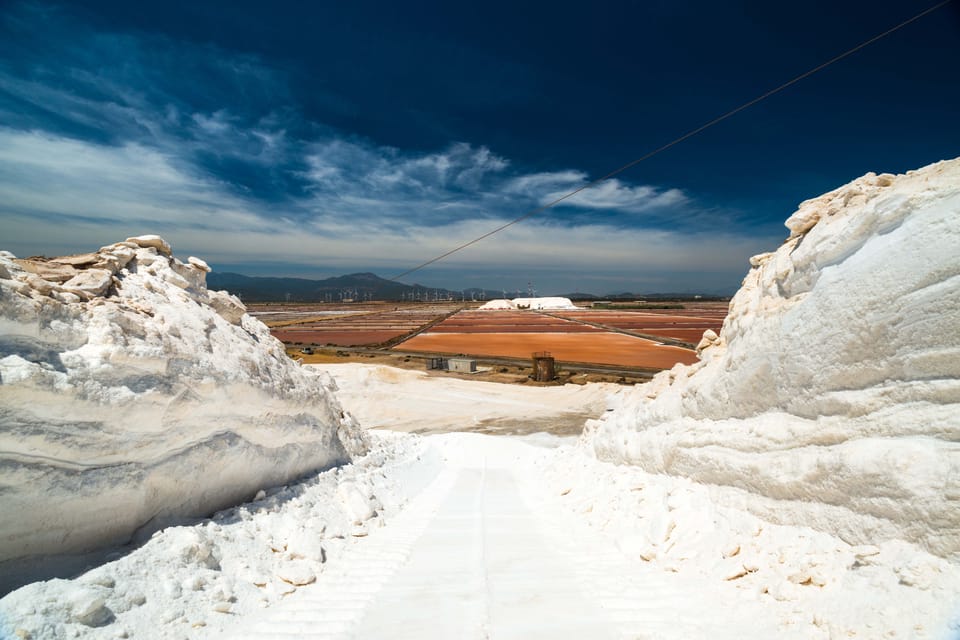
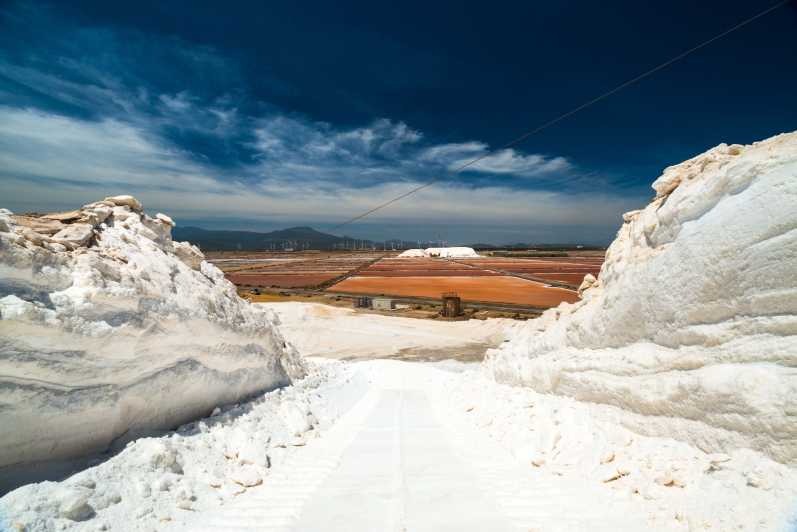
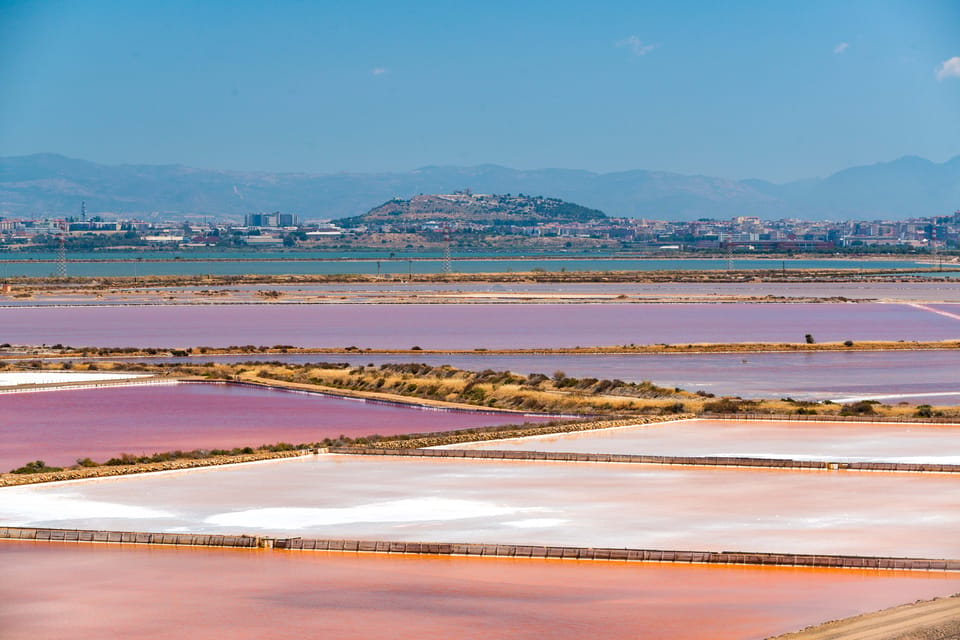
Salt turns Sardinia pink. At the Conti Vecchi saltworks, you see white salt mountains, industrial archaeology, and then ride by train through the Santa Gilla Basin where flamingos often show up. I love the hands-on feeling of the visit, especially the way the guide connects salt work to daily life and local prosperity, and I also love the visual payoff of towering salt piles meeting vivid pink water. One thing to plan for: the live tour is in Italian, and while the train ride is great for views, it can be a bit hard to catch every word if audio is muffled or weather gets rough.
The experience starts with a museum and operational salt-plant setting, then moves outdoors to salt pans and a historic mining village area. I also really like that you get both context and motion: short videos and old documents in the buildings, then a 1-hour train ride that puts you close to the salt-making process and the wetland environment.
If you want long bird-watching time, budget for the fact that the schedule is tightly paced. Bring patience for sightings, and be ready to stand, look, and photograph in bursts between explanations.
In This Review
- Key takeaways before you go
- Getting to Assemini/Macchiareddu without stress
- What the saltworks visit feels like: museum first, then the why
- The videos and historic details that make the train ride make sense
- Boarding the wheelchair-accessible train into Santa Gilla Basin
- Macchiareddu and the salt-mining village feeling
- Flamingos, weather, and photo strategy that actually helps
- Meet the guides: how narration shapes the whole experience
- Price and value: why $14 can be a smart deal
- Who should book this tour (and who might not)
- Quick practical notes that help your day go better
- Should you book the Cagliari Conti Vecchi Salt Flats Train and Tour?
- FAQ
- How long is the Conti Vecchi Salt Flats Train and Tour?
- What does the tour include?
- Is hotel pickup included?
- Where do I meet the group?
- What language is the guided tour in?
- Is the train wheelchair accessible?
- Are the old buildings accessible?
- Can I cancel and get a refund?
Key takeaways before you go
- Pink flamingos in a real wetland: Santa Gilla Basin is the main stage, not a zoo-style stop.
- Luigi Conti Vecchi’s engineering impact: you’ll connect the saltworks to how the Cagliari region developed.
- Industrial archaeology you can read: documents, tools, and old buildings give the story weight.
- A short train ride with big views: 1 hour inside the salt flats and naturalistic area, with the salt process visible.
- Italian guide only: helpful if you know some Italian, less ideal if you rely on English.
- Museum time matters: it’s where you slow down, learn, and make sense of what you see outside.
Getting to Assemini/Macchiareddu without stress
This tour is based in the industrial zone of Cagliari’s Assemini / Macchiareddu area, not the compact city center. You drive in to a parking area inside the industrial site (free of charge), then park and walk to the bookshop at the main entrance.
The practical upside: once you’re parked, the rest is straightforward on foot. The downside is also practical—there’s no hotel pickup or drop-off, so plan to get yourself to the meeting area.
Because it’s an industrial setting, I’d go prepared for the basics: wear shoes that handle salt-flat surfaces and uneven ground, and bring layers. Even if the day is sunny, you’re in an open-air wetland zone where wind can change fast.
You can also read our reviews of more tours and experiences in Cagliari.
What the saltworks visit feels like: museum first, then the why
Before you board any train, you start at the Conti Vecchi saltworks with a mix of museum rooms and historic spaces. The visit includes entry to the salt-works area and time to explore old buildings—plus short films that set the scene for what you’re about to see.
This part matters because salt isn’t just scenery here. It’s work, equipment, and a whole routine shaped by weather, water, and chemistry. The museum component gives you the framework you’ll need once you’re staring at salt pans and white mountains outdoors.
Inside, you’re not just looking at photos. You’ll see artifacts connected to the salt industry, including documents and tools, and you’ll also encounter elements like a vintage workshop and a restored chemical lab. That combination helps you understand the “how,” not just the “wow.”
And then there’s the human story. The guide explains the value of salt as the region’s so-called white gold and links it to the daily lives of salt workers. You also get the name that anchors much of the narration: Luigi Conti Vecchi, whose role in developing the region is part of the point of the whole visit.
If you’re the type who likes to connect jobs to a place’s identity, you’ll probably enjoy this museum-first approach. If you just want fast outdoor photos, you might wish you had more time outside—but the learning phase makes the outdoor portion click.
The videos and historic details that make the train ride make sense
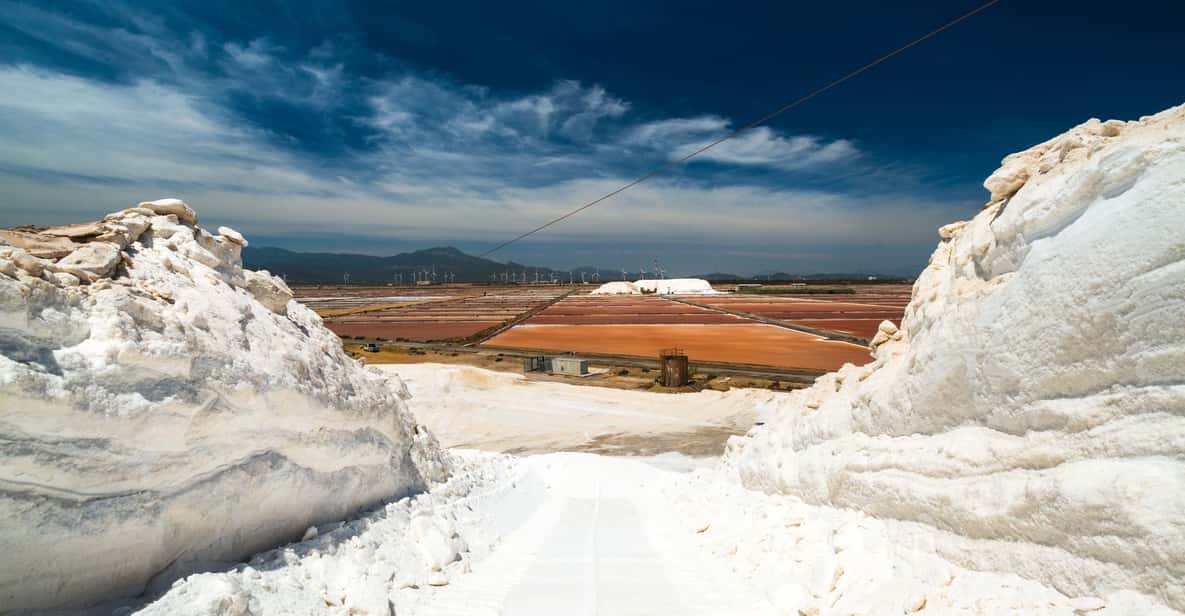
A standout feature is that you’re shown two videos during the early part of the visit. These short films aren’t just background. They’re designed to give you a timeline and a sense of purpose before the train takes you into the basin.
I like this structure because the outdoors can look like pure geometry at first—salt pans, flat ground, and towering white piles. The videos help you notice what’s important: how the process works, why the area matters, and how Cagliari’s economy tied into salt production.
One practical note: the videos and indoor rooms are also the easiest places to step back if the weather turns. If you arrive when it’s hot or windy, the museum time gives your body a quick break.
Boarding the wheelchair-accessible train into Santa Gilla Basin
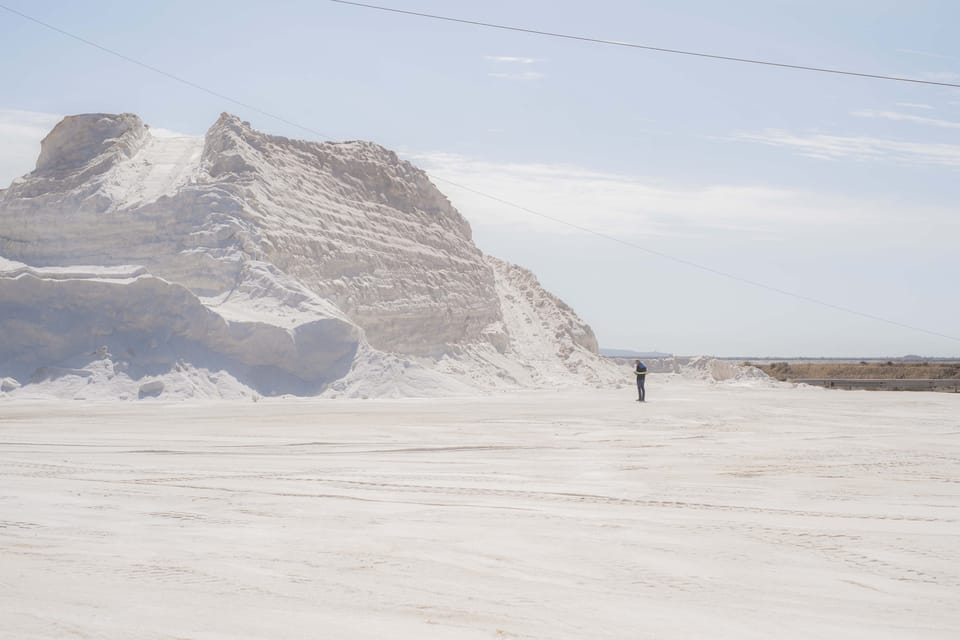
After the building visit, you shift to the main outdoor highlight: a 1-hour train ride through the salt flats and a naturalistic area inside the Santa Gilla Basin. This is the moment where the tour turns from “learning about salt” into “seeing salt and wetland life together.”
The train is wheelchair accessible, and that accessibility detail is a real value point if you need it. Even if you don’t use a wheelchair, accessible design often means smoother boarding and fewer barriers for strollers and visitors with mobility constraints.
What you’re looking for during the ride is twofold:
- The mechanics and layout of the salt environment as you move through it.
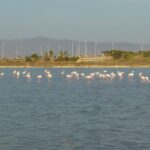
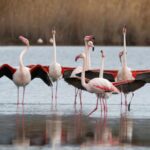
- Wildlife, especially flamingos, in the wetland habitat.
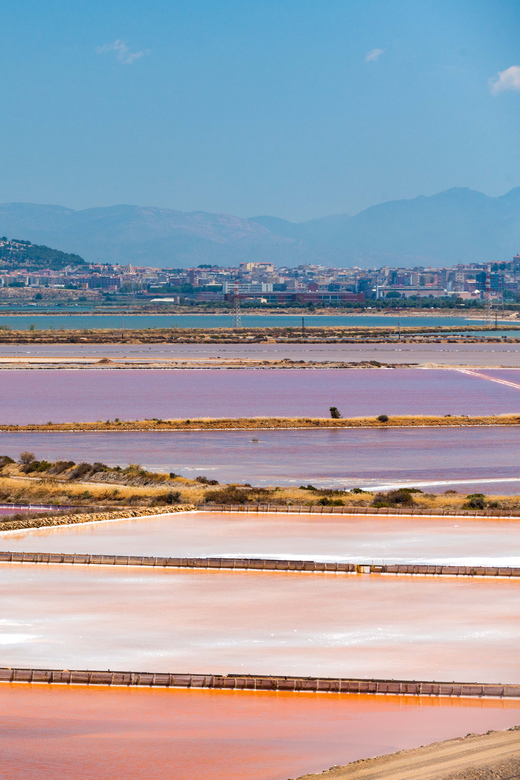
Because this basin is part of the reason the area is famous, don’t treat flamingo spotting as guaranteed—but do treat it as the main game. When you see pink water and flamingos against white salt, the visual contrast is the kind you remember long after you’ve left.
Sound can be a factor on any moving vehicle tour. Some visitors found that hearing the guide can be tough if the ride is loud or conditions change. My advice is simple: if you’re near the front of the wagon or somewhere you can watch the guide and signage, you’ll probably catch more of the narration.
Macchiareddu and the salt-mining village feeling
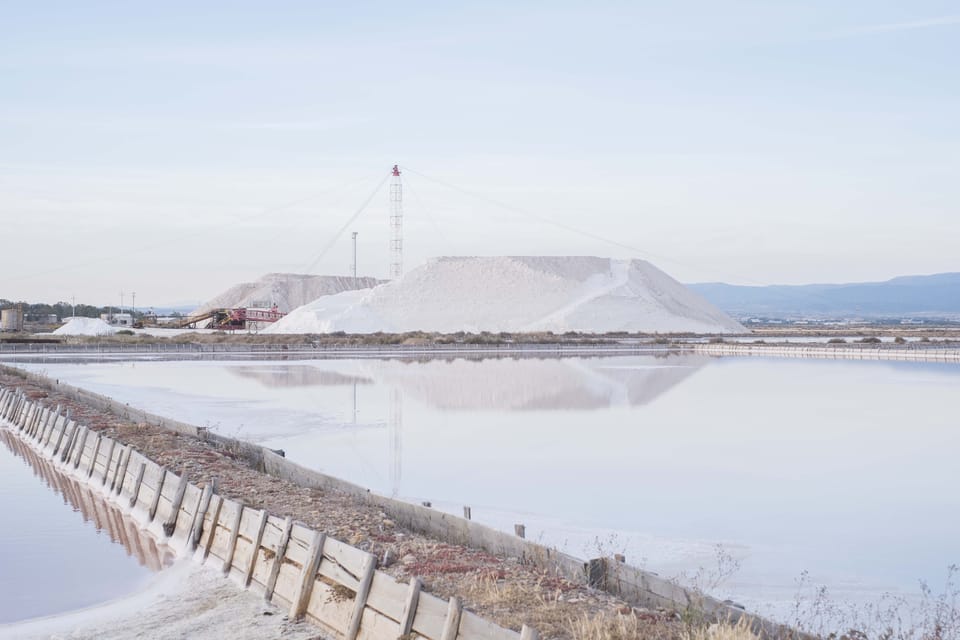
During the salt flats portion, you also get time tied to Macchiareddu, a historic salt-mining village area. Even if you don’t get a long, slow “village walk,” you’ll understand how salt work wasn’t separate from community life.
This matters because saltworks can look like factories with no people. The tour’s framing keeps turning you back toward the workers and the engineers—so Macchiareddu helps you picture where those routines lived.
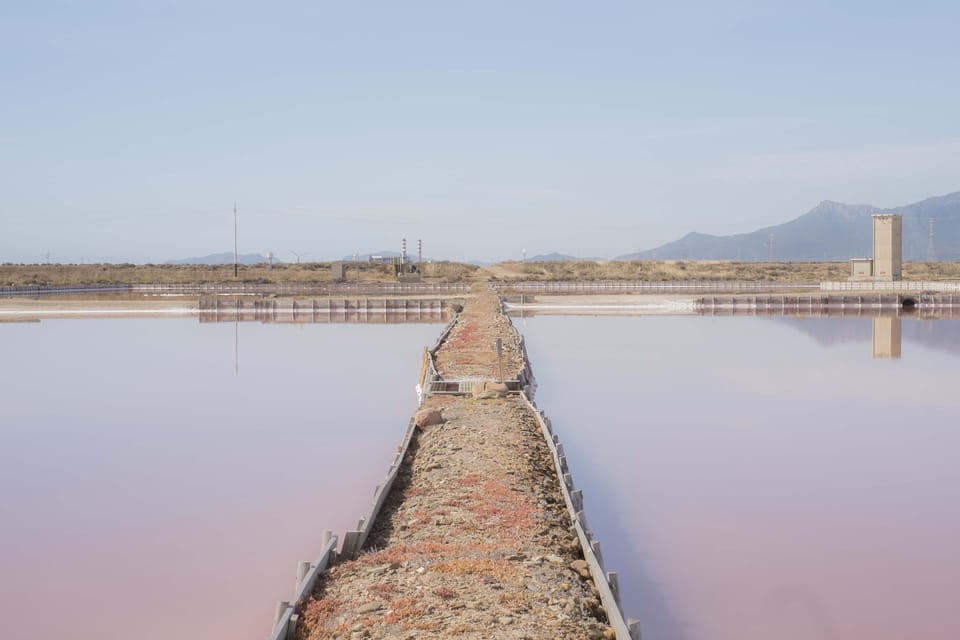
When you’re outdoors walking through the salt pan areas, look around for the textures: the way water sits differently, where salt has built up, and how the ground changes. It helps you understand why this place is both an industrial site and a living habitat.

Flamingos, weather, and photo strategy that actually helps
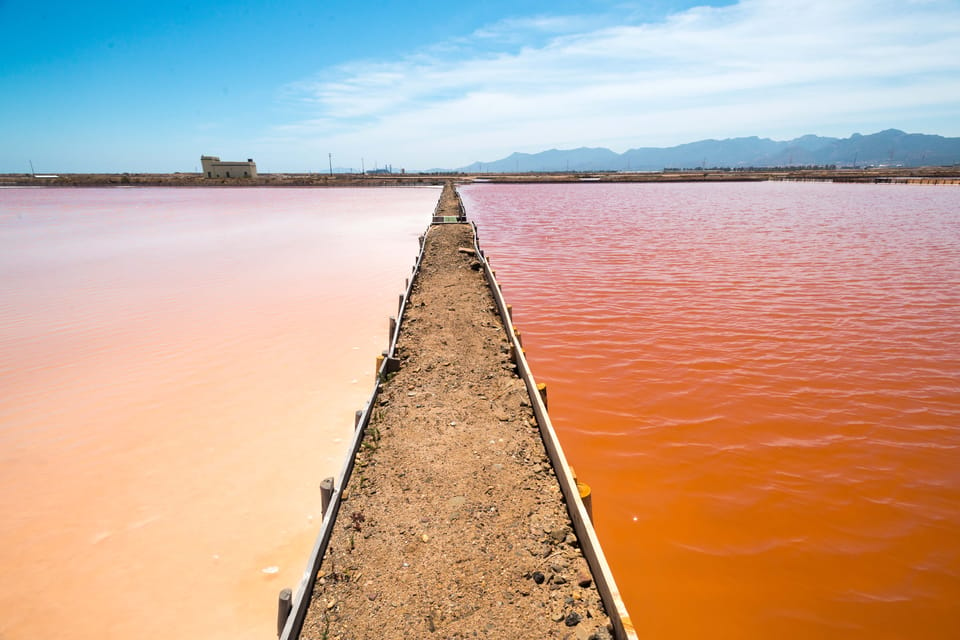
Flamingos are one of the biggest emotional highlights of this experience. The key is to approach it like wildlife photography in a predictable environment: take shots when you can, but don’t freeze in one spot waiting for a perfect moment.
Also, weather can affect what you see. If storms roll in, the tour may move differently and you might see fewer birds. One practical takeaway from the reality of this area: the train environment can involve closed windows during weather events, and that can change your view.
So here’s what I’d do:
- Have your camera ready before you see the pink water areas.
- Keep an eye out for flamingos while the guide is speaking, not just after.
- If you miss a moment, don’t panic. The tour includes time in multiple parts of the basin environment, so you may get more than one chance.
If you’re bringing someone who cares most about birds, plan to stay patient during the salt-focused explanations. You’ll earn the sighting when the timing lines up.
Meet the guides: how narration shapes the whole experience
This is a live guided tour in Italian. That matters a lot to your experience because the saltworks story isn’t purely visual.
One name that came up in visitor feedback is Elena, described as enthusiastic and knowledgeable. Even if you don’t speak fluent Italian, an energetic guide can make the key ideas land because you’ll pick up emphasis and context through gestures and pacing.
If you don’t speak Italian well, you can still enjoy the tour, but you might want to prepare a few anchor terms in advance. Even basic knowledge of saltwork concepts and names like Luigi Conti Vecchi can help your brain track the story while you’re also staring at salt pans and birds.
The best “translation” on-site is your own focus: let visuals lead, and use the narration to connect what you’re seeing to why it matters.
Price and value: why $14 can be a smart deal
At about $14 per person for a 2-hour experience, this tour is priced in the “worth it” zone—especially because you’re paying for three things at once:
- Access to the Conti Vecchi saltworks and museum setting.
- Guided interpretation, including historic context and explanation of salt value.
- A paid train ride into the basin, not just a walk on flat ground.
If the tour were only a museum visit, you might spend more per hour somewhere else. If it were only a bird-spotting outing, you might miss the industrial archaeology that gives the landscape meaning. The balance here is the value: you get salt history and wetland nature in one package.
The only real value check is language fit. Since it’s Italian-guided, you’ll feel the best return if you can follow the guide or if you’re comfortable reading the room and letting visuals carry some of the weight.
Who should book this tour (and who might not)
This is a great fit for you if:
- You like industrial history that’s tied to real place, not just facts on plaques.
- You enjoy wildlife in natural habitats, with flamingos as the big emotional hook.
- You want a short, focused outing that doesn’t require a full day trip.
It may feel less ideal if:
- You need an English guide for most of your understanding, because the tour is Italian.
- You’re expecting lots of free time to roam independently for long stretches. The flow is structured around the museum portion and the train timing.
Also, if you’re the kind of traveler who loves reading about engineers and systems—how salt production works, who improved it, and how it changed local development—you’ll probably get extra satisfaction from the Luigi Conti Vecchi theme.
Quick practical notes that help your day go better
- Wear practical shoes. You’re moving around an industrial and wetland environment.
- Bring layers. Salt flats and wetlands can be breezy.
- Bring your phone camera gear or a small camera kit and plan to shoot bursts, not long waits.
- Expect a rhythm: museum and videos first, then train and salt pan walking time.
If you want the best chance at flamingos, don’t treat it like a guaranteed checklist item. Treat it like a real wetland: when conditions and birds align, it’s stunning.
Should you book the Cagliari Conti Vecchi Salt Flats Train and Tour?
Yes, if you want a compact, high-impact experience that mixes industrial archaeology, the science-and-work side of salt production, and the chance to see flamingos in the Santa Gilla Basin. The pricing is fair for what you get, and the museum-to-train structure helps you understand what you’re seeing instead of just looking at scenery.
Book it especially if you’re comfortable with Italian narration or you’re okay letting visuals do part of the work. If you need English guidance to fully enjoy every detail, you might find the language limits your experience.
FAQ
How long is the Conti Vecchi Salt Flats Train and Tour?
The tour lasts 2 hours.
What does the tour include?
It includes a guide, an entry ticket to the Conti Vecchi Salt Flats, visits to old buildings and two videos, and a 1-hour train ride inside the salt flats and naturalistic area.
Is hotel pickup included?
No, hotel pickup and drop-off are not included.
Where do I meet the group?
You enter the industrial area of Cagliari called Assemini / Macchiareddu and park inside a free parking area. Then you walk to the bookshop at the main entrance.
What language is the guided tour in?
The live guide is in Italian.
Is the train wheelchair accessible?
Yes, the train is wheelchair accessible.
Are the old buildings accessible?
The old building is wheelchair accessible on the first floor.
Can I cancel and get a refund?
Free cancellation is available up to 24 hours in advance for a full refund.