REVIEW · CAGLIARI
Cagliari: Underground Cagliari Walking Tour
Book on GetYourGuide →Operated by Sardinia Magic Experience · Bookable on GetYourGuide
Cagliari looks different underground. You’ll move through WWII-era tunnels by candlelight and then step into ancient layers of the city, guided in English and Italian. I especially like how the guide approach stays clear even when switching languages, so you don’t lose the story halfway through.
My second favorite part is the payoff at the big sites: the crypt of Santa Restituta still has frescoes, and the atmosphere shifts from dark rock to careful Roman detail. One thing to consider: it’s not fully underground, and there’s enough walking outside and some tight spaces that this isn’t a fit if you’re claustrophobic or have mobility limits.
In This Review
- Key points before you go
- Cagliari Under Your Feet: WWII Tunnels to Roman Streets
- The Stops: Salesian School Shelter, Santa Restituta Crypt, Saint Eulalia Ruins
- 1) The Salesian School Tunnel-Shelter: WWII survival space
- 2) Stampace to Santa Restituta: entering the early sacred layer
- 3) Marina and the Saint Eulalia Archaeological Area: Roman streets under a church
- Walking Between Stampace and Marina: Why the Above-Ground Bits Matter
- Old Town Add-On vs Food and Wine Tasting: Pick Your Style
- Option A: Guided walk through the Old Town
- Option B: Food and wine tasting (plus snack)
- Guide Style and Language Switching: What to Expect With English and Italian
- Practical Stuff: Shoes, Umbrella, and Who Should Skip This
- Price and Value: Is $35 Fair for 2–4 Hours?
- Should You Book This Underground Cagliari Tour?
- FAQ
- How long is the Cagliari underground walking tour?
- What underground places are included?
- Is the tour fully underground?
- Do you get the tour in English?
- What should I wear or bring?
- Is this tour suitable for claustrophobia or mobility issues?
Key points before you go
- WWII tunnel shelter (about 120 meters) under a school, lit for atmosphere and used for bomb protection
- Three distinct underground stops: Salesian tunnel, Santa Restituta crypt, and Saint Eulalia archaeological area
- Dual-language guidance (English and Italian) that’s designed to work for mixed groups
- A route that connects neighborhoods with short walks between Stampace and Marina
- Optional add-ons: either an Old Town guided walk or a food and wine tasting option
- Good value for the price, since entry fees to the underground sites are included
Cagliari Under Your Feet: WWII Tunnels to Roman Streets
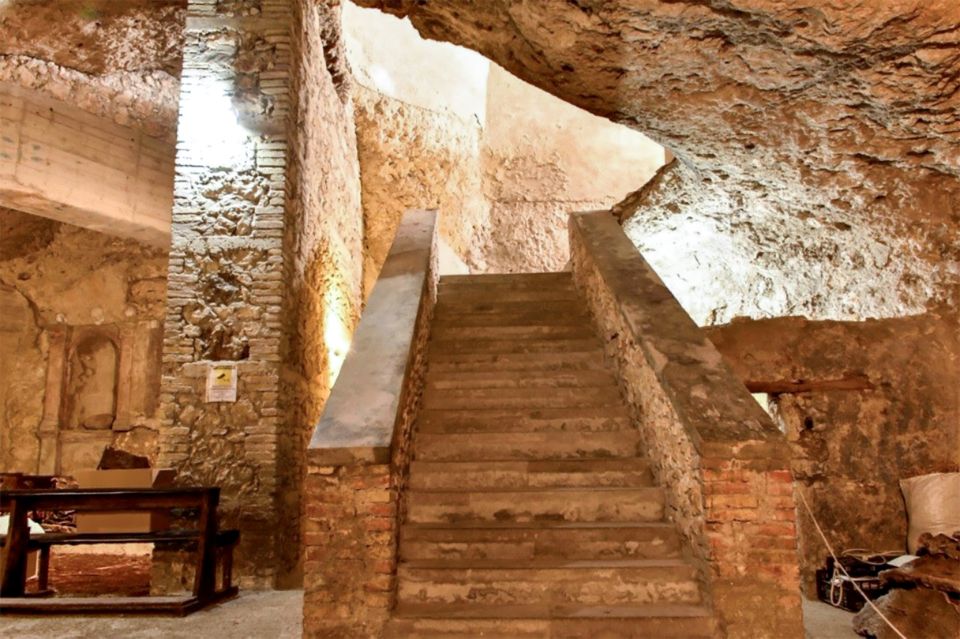
Cagliari can feel like a bright, breezy Mediterranean city when you’re on the street. This tour flips that feeling. Instead of focusing only on the daylight sights, you follow the city downward—where water drips, stone cools your hands, and you learn how different centuries reused the same ground.
What makes it work is the range. You’re not just touring one era. You start with the more recent reality of a private tunnel shelter from World War II and then keep going to early-Christian and Roman spaces beneath major churches. That time-jumping is not random; it shows how the city kept rebuilding on top of itself, physically and culturally.
The guide also matters. Names that show up in recent feedback include Angela, Carlo, Francesca, Valentina, and Fredrico—and the common thread is that the information stays organized, not a fast lecture. In fact, one review praised how the guide switches between languages without rushing. That’s exactly what you want when you’re dealing with dark rooms and limited space where attention can easily wander.
You can also read our reviews of more tours and experiences in Cagliari.



The Stops: Salesian School Shelter, Santa Restituta Crypt, Saint Eulalia Ruins
This experience is built around three underground (or largely underground) sites, with short walking between them. Expect guided time at each location, not just a quick look.
1) The Salesian School Tunnel-Shelter: WWII survival space
The first major stop is a 120-meter-long private tunnel shelter located beneath the Salesian school area. Even if you’re not a “war history” person, this part lands because it’s tactile. You can picture what it meant to protect people underground during bombing raids.
The tour highlights that you’ll experience it in an atmospheric way—there’s mention of a private candle-lit tunnel feeling. That matters because it changes how you read the space. You’re not just seeing a passageway; you’re seeing how ordinary buildings (like a school) connect to extraordinary moments in modern history.
Practical note: this is a tunnel. Wear comfortable shoes, and go in with the right mindset. If the idea of narrow, enclosed spaces makes you uneasy, skip this.
2) Stampace to Santa Restituta: entering the early sacred layer
Between the underground stops, you’ll walk briefly in the Stampace area. It’s short, but it helps you reset your bearings. You’re moving from one underground story to another, and the outside stretch keeps you from feeling like you’re stuck in the same darkness for too long.
Then comes the big guided visit at the crypt of Santa Restituta. This is where the tour earns serious attention. You’ll study the space with guidance and learn about its connection to early worship, including the mention of pagan worship in the 5th century. You’ll also hear descriptions of the damp atmosphere—yes, even the water dripping becomes part of the experience.
What I like about this stop is that it doesn’t treat the crypt as a museum object. The guide connects what you can still see—like frescoes that remain—to what the place likely meant to people back then.
One helpful detail: the experience is not entirely underground. So you’ll get a bit of fresh air and light before the next site. That rhythm helps the tour stay readable.
3) Marina and the Saint Eulalia Archaeological Area: Roman streets under a church
After Santa Restituta, you walk briefly through Marina. Again, it’s not a long stroll, but it gives you a sense of how the underground sits under active neighborhoods—not isolated ruins.
The third main stop is at the MUTSEU – Museo del Tesoro e Area Archeologica di Sant’Eulalia. Here, you’ll admire Roman ruins, including something very concrete: a paved Roman road. That’s the kind of detail that makes history feel less abstract. Roads mean movement—trades, journeys, daily life.
This is also a great “wow” moment because you’re looking at archaeology under a site tied to religious importance. The tour’s framing helps you understand layers: Roman foundations, later religious development, and modern-day curation.
If you like tours that teach you how to look, this section is strong. You’ll be guided through what you’re seeing rather than left to guess.






Walking Between Stampace and Marina: Why the Above-Ground Bits Matter
The biggest misconception people have is that this is a pure underground crawl. It isn’t. You’ll do a mix of underground visits and short walks outside—about 10 minutes in at least two neighborhood stretches (Stampace and Marina, based on the described route).
Those outside segments are more than a break. They help you understand the geography of the city. Cagliari’s underground isn’t “somewhere else.” It’s under the neighborhoods you can walk through above ground.
I also think those short walks are a practical pacing tool. Underground sites can feel repetitive if you go from tunnel to crypt without a mental reset. The breaks make the differences more noticeable: WWII space feels modern and functional; a crypt feels ritual and old; Roman ruins feel civic and built to last.
If weather’s bad, this can matter more. The tour notes that you might want an umbrella if raining, and I agree. Comfortable shoes are the non-negotiable.
Old Town Add-On vs Food and Wine Tasting: Pick Your Style
You can extend the core underground experience with one of two directions, depending on your booking choice:
Option A: Guided walk through the Old Town
If you want the classic Cagliari view—streets, historic center highlights, and a guide helping you connect the dots—choose the Old Town extension. It’s designed as a natural continuation after you learn the “under the surface” story.
Option B: Food and wine tasting (plus snack)
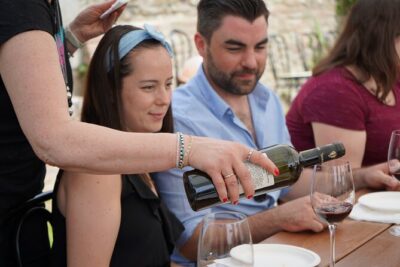
If you’re more in the mood for a relaxed ending, the tour offers a wine tasting and snack as part of the option.
One caution based on feedback: the wine experience can be more like a glass of wine with Sardinian snacks than a long, multi-step tasting. If you want a serious wine education session, you may not feel it matches the word tasting. If you’re fine with a simple, local pairing after walking underground for a few hours, it can be a nice payoff.
Either way, you finish with something memorable. The underground gives you the dramatic contrast; the extension helps you end in a more human, social way.
Guide Style and Language Switching: What to Expect With English and Italian
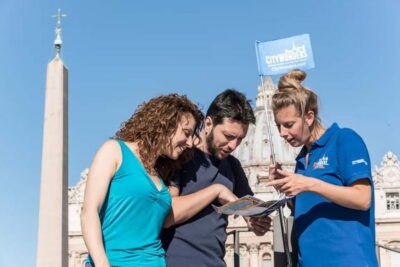
This tour runs in English and Italian, and a key selling point is how the guide handles both languages. Recent feedback specifically praises how guides can switch effectively and keep the pace steady, without turning the tour into two separate experiences stuck together.
That said, group dynamics matter. In larger groups (one review described around 25 people), it can help if the guide is thoughtful about pacing for mixed-language visitors. If you’re booking with a private group, you can expect a smoother flow because the experience can be tailored to your group.
I also like that the tour includes guides with strong delivery styles—people mention guides like Angela, Carlo, Francesca, Valentina, and Fredrico, and the comments point to clarity and enthusiasm. When you’re under a city in the dark, your guide’s ability to narrate what you’re seeing becomes part of the “quality of lighting.”
Practical Stuff: Shoes, Umbrella, and Who Should Skip This
This is one of those tours where “bring comfortable shoes” isn’t a throwaway line. You’ll be walking outside briefly and moving through different underground areas. The concrete surfaces and stone steps can be uneven.
Also plan for weather. The tour suggests an umbrella if it’s raining. That’s because you will have some above-ground time.
Here’s the hard part: this is not suitable if any of these apply:
- claustrophobia
- wheelchair users or mobility impairments
- visually impaired people
If you’re unsure, trust your instincts. The underground spaces are the whole point, and discomfort would ruin it.
One more practical tip: parking can be tough in Cagliari. If you’re driving, build in extra time. One review mentioned it was hard to find parking and that the guide stayed patient when people were late. Still, don’t count on a miracle—arrive early.
Price and Value: Is $35 Fair for 2–4 Hours?
At $35 per person, this tour is priced like a “real deal” city experience, not a luxury niche product. That’s especially true because the price includes:
- a guide in English and Italian
- entry fees for the three underground sites
- the guided route itself (a mix of underground visits and short walks)
- optional wine and snack if you choose that extension
You also get structure. You’re not left to wander from one crypt to another. You get guided time in each place, plus context that helps you understand why these locations mattered.
Where the value can feel uneven is with the optional wine add-on. If you expect a more formal tasting, the snack-and-glass format might feel light. If you want a simple finish, it’s still a nice extra.
Overall, $35 makes sense for what you’re doing: three distinct underground stops, not just one, and you’re paying for access plus a guide’s storytelling.
Should You Book This Underground Cagliari Tour?
Book it if you want a smart contrast to the daylight version of Cagliari. You’ll love it most if you enjoy history that’s physical—tunnels, crypts, and Roman paving you can see with your own eyes.
I’d also recommend it to people who like a guided pace. This tour is built for “look, listen, understand,” not for a DIY wander. And if you’re staying in Cagliari only a short time, it’s a very efficient way to cover multiple layers of the city.
Skip it if you’re uncomfortable in tight underground spaces or if mobility or accessibility needs make underground areas unrealistic. And if you’re the type who wants a serious wine education, choose the Old Town extension instead of relying on the tasting option.
If you fit the sweet spot—curious, comfortable with some underground time, and ready for a short walk between neighborhoods—this tour is one of the better ways to experience Cagliari’s layers.
FAQ
How long is the Cagliari underground walking tour?
The tour lasts about 2 to 4 hours, depending on the starting time and site schedules.
What underground places are included?
You visit three underground sites: the tunnel-shelter of the Salesian school, the crypt of Santa Restituta, and the archaeological area of Saint Eulalia (in the MUTSEU museum complex).
Is the tour fully underground?
No. It’s not entirely underground. You’ll have guided visits in the underground areas and also some short walking outside, including neighborhood walks.
Do you get the tour in English?
Yes. The tour is described as dual language with English and Italian guides.
What should I wear or bring?
Wear comfortable shoes. If it’s raining, you might want an umbrella, since there is some time outside.
Is this tour suitable for claustrophobia or mobility issues?
No. It’s listed as not suitable for people with claustrophobia, wheelchair users, and mobility impairments. It’s also not recommended for visually impaired people.