REVIEW · CASTEL SANT ANGELO
Castel Sant’Angelo Skip-the-Line Entry & Optional Audioguide
Book on GetYourGuide →Operated by Loving Rome · Bookable on GetYourGuide
Castel Sant’Angelo is history you can walk through. I love how the ticket gets you past the ticket chaos and into the building fast, and I love the payoff at the top: panoramic views over the Tiber, Vatican City, and the Bridge of Angels. One thing to plan for is that this is not a casual stroll—stairs are part of the deal, and it isn’t suitable for wheelchair users.
What makes this experience genuinely useful is the way it turns your visit into a self-paced route. You’ll follow a path through rooms that reflect the building’s many lives—monumental tomb, fortress, and later papal residence—then finish on the roof terrace when the timing works best for photos. If you want someone to walk you through every detail, this is still mostly a do-it-yourself visit (the audio guide is optional), not a guided tour.
Skip-the-Line Entry & Optional Audioguide: Key Highlights
- Fast, “show and go” entry with an emailed ticket and valid ID
- 5 floors of changing roles for the building: tomb to fortress to papal spaces
- Renaissance and Baroque art you can admire while moving at your own pace
- Terrace views that sweep across Rome, including Vatican City and the Tiber
- Digital audio guide options in several languages, used on your smartphone
- Top-level pause options like a café/bar for a break with the view
In This Review
- Why Castel Sant’Angelo Feels Different Than Other Roman Stops
- Getting Past the Ticket Line: What “Skip-the-Line” Means Here
- The 5-Floor Route: Mausoleum to Fortress to Papal Residence
- Entering as a Mausoleum
- Shifting into a Fortress Mindset
- Papal Rooms and the Feeling of Residence
- A Chamber of Ashes and the Weight of Rome
- Ending the Route on the Roof Terrace
- Renaissance and Baroque Art You Can Actually Enjoy on Your Own
- The Terrace Views: Vatican City, Tiber River, and Bridge of Angels
- Using the Optional Digital Audio Guide App (And When It Helps)
- Practical Tips That Make This Visit Easier (Not Just More Comfortable)
- How Much Time You Need (And How to Avoid Rushing the Best Bits)
- Who This Works Best For
- Should You Book This Castel Sant’Angelo Skip-the-Line Ticket With Audioguide?
- FAQ
- What’s included with the Castel Sant’Angelo skip-the-line entry ticket?
- Do I need to bring headphones for the audio guide?
- Which languages are available for the optional audio guide?
- How do I receive the ticket before I arrive?
- Are the tickets valid for any time on the same day?
- Is this visit suitable for wheelchair users or limited mobility?
Why Castel Sant’Angelo Feels Different Than Other Roman Stops
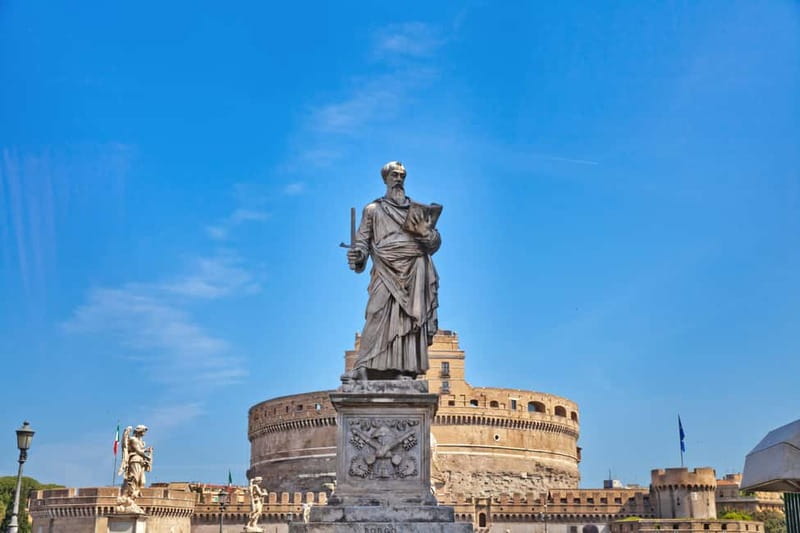
Castel Sant’Angelo sits on the right bank of the Tiber, and the building’s story is one of the reasons it works so well. This isn’t a single-era museum. You’ll see how an ancient Roman monument became a medieval fortress, and later a papal residence and stronghold—so your visit feels like you’re watching Rome change, not just reading about it.
I also like the size and layout for independent exploring. Compared with some mega-attractions, it’s easier to manage your time. You can see a lot without feeling like you need a full day and a marching schedule.
The big practical tradeoff is physical. You’ll climb stairs to reach the panoramic terrace, and you’ll be moving through multiple floors. Wear comfortable shoes, and don’t plan this when your legs are already tired.
Getting Past the Ticket Line: What “Skip-the-Line” Means Here

This entry experience is built around one goal: reducing the time you spend stuck in queues. The ticket is sold as a skip-the-line entry, and the process is straightforward: you go directly to the main entrance, show your emailed ticket plus valid ID, and start your visit.
The key detail is timing. Tickets are valid only for the selected date and time slot, and late arrivals or no-shows won’t be accommodated. So if you’re the type who runs late in Rome, build in buffer time before your slot.
Also pay attention to how you’ll use your phone. You’re asked to download an app on your smartphone before the tour begins, and you’ll want headphones ready if you choose the audio guide. The site experience is simple, but the tech piece matters.
The 5-Floor Route: Mausoleum to Fortress to Papal Residence

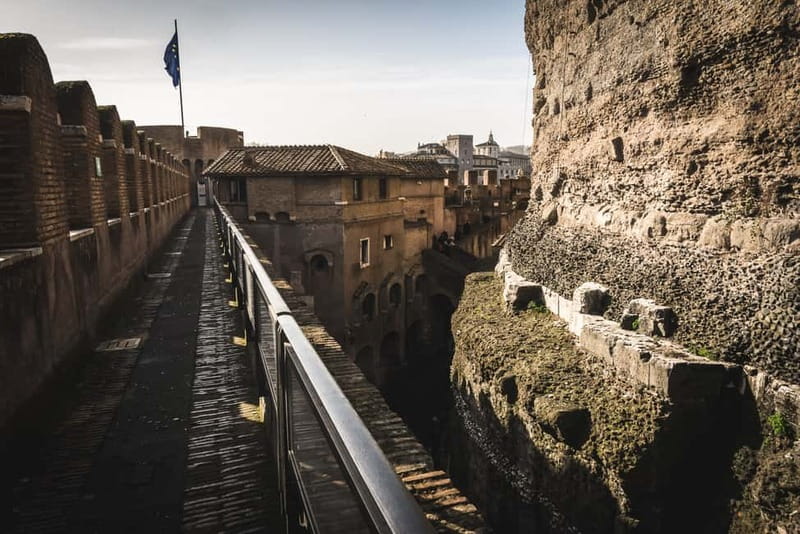
Once you’re inside, your visit follows a route that leads you through multiple levels and changing spaces. The museum is described as spreading over 5 floors, and the flow trends toward a spiral ramp. Even if you’re not chasing every single room, the structure helps you keep moving in the right direction.
Here’s what the route is designed to highlight:
Entering as a Mausoleum
You start with the idea that this began as a monumental tomb. That early purpose shapes the way you understand the building. Instead of just seeing walls, you begin noticing how space, structure, and symbolism all tie back to its origin.
Shifting into a Fortress Mindset
As you go higher and deeper into the route, the story changes to medieval defense. The building becomes a fortress, and then it’s used as a defensive post for invasions. That matters because your eye starts to look for survival features—thick structures, strategic layout, and rooms that feel built for protection rather than ceremony.
Papal Rooms and the Feeling of Residence
Then the visit turns toward the papal era. You’ll see cells and rooms that served as a Papal residence. This is where the castle stops being only a defensive machine and starts feeling like lived-in power—spaces that reflect status, control, and daily function.
A Chamber of Ashes and the Weight of Rome
You’ll also encounter a chamber of ashes. It’s described as a place where you can marvel at remains of iconic Roman characters and preserved frescoes. Even if you don’t know every name, the room works because it forces you to slow down and consider how memory and storytelling can be physically stored.
Ending the Route on the Roof Terrace
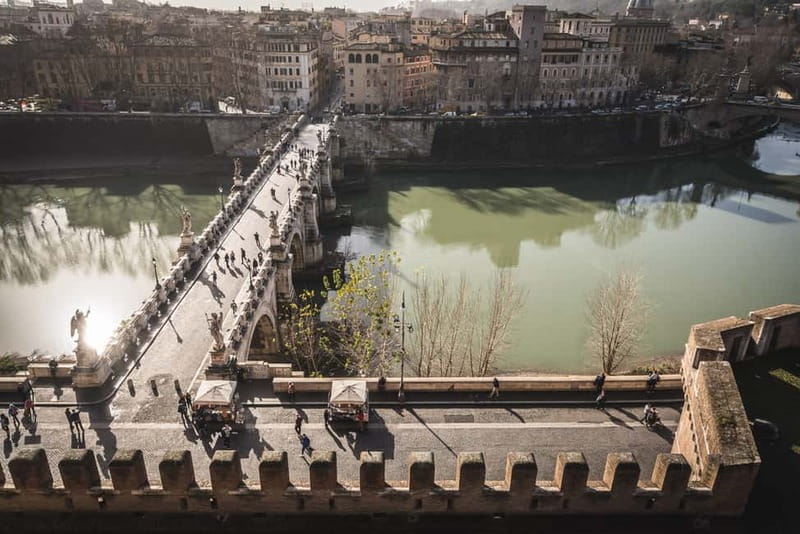
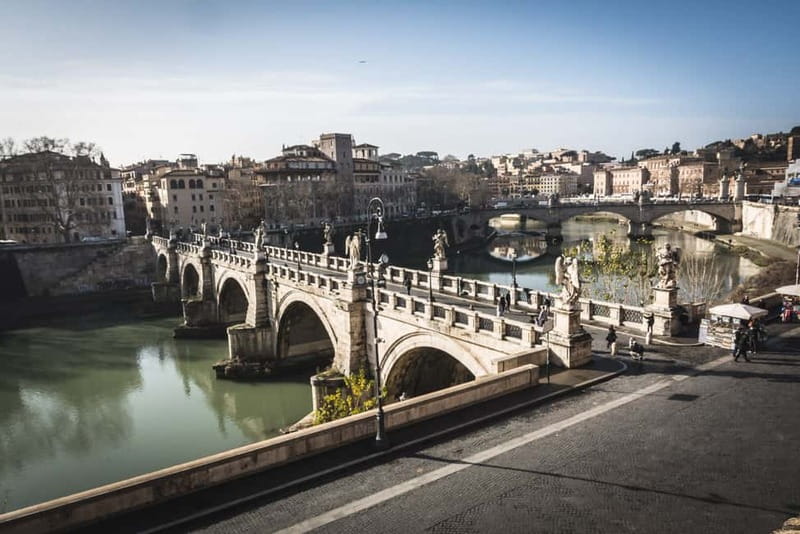
The itinerary’s final phase is the part people remember most: the roof terrace. It’s your chance to step back from the details and take in the whole setting—Vatican City in view, the Tiber cutting through the city, and the famous Bridge of Angels.
Renaissance and Baroque Art You Can Actually Enjoy on Your Own

The castle isn’t just stone and angles. It’s also a place with a wide variety of Renaissance and Baroque art works and frescoes. The big advantage of this format is pacing. You aren’t forced to listen to a script at the speed of a group.
As you move through the floors, you’ll notice artwork that fits the eras the building passed through. That’s important, because it connects art to function: this wasn’t just decoration. When the building served different roles, the art and visual language followed the power centers using the space.
You don’t need to be an art expert to get value here. The building does a lot of the teaching for you—architecture first, then art, then views.
If you do choose the digital audio guide, you’ll have the chance to connect more dots while you walk, instead of trying to read everything at once.
The Terrace Views: Vatican City, Tiber River, and Bridge of Angels

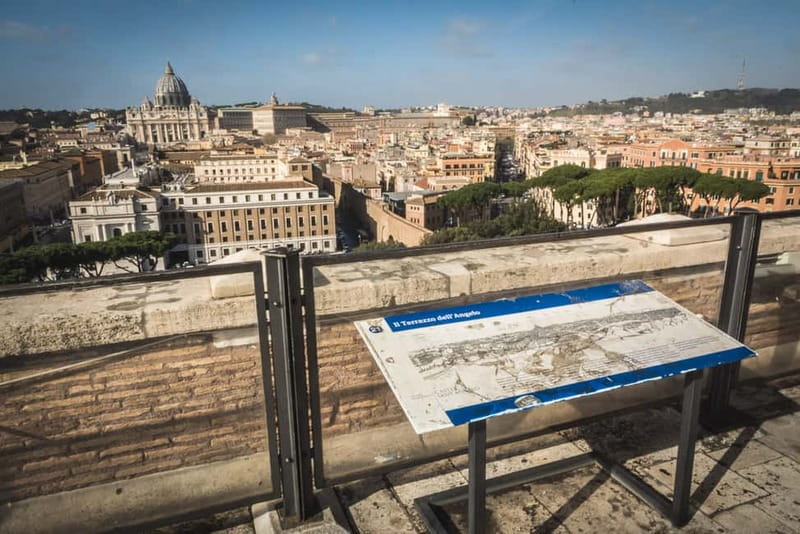
Let’s talk about the moment you walk outside onto the top. This is where the ticket feels worth it. The terrace is described as offering views across the entire city of Rome, plus very specific landmarks: Vatican City, the Tiber River, and the Bridge of Angels.
This view works for different moods. In softer light it’s about atmosphere and scale. Later in the day it becomes a photography mission because those landmarks sit right in your sightline.
Two practical points help you enjoy it more:
- Bring headphones if you’re using the audio guide, but remember you’ll likely pause the sound when you step out to look around.
- Plan your pace so you’re not sprinting up just to reach a view you can’t enjoy. The stairs are real, and the terrace deserves your time.
Oh—and there’s mention of a bar/café at the top. That’s useful because it gives you a built-in way to rest without leaving the site.
Using the Optional Digital Audio Guide App (And When It Helps)
If you select the optional audio guide, it’s a digital audio guide available in English, French, Italian, Chinese, German, and Spanish. You listen on your smartphone, and the visit becomes more structured without feeling boxed in.
You’ll also want to do a quick tech prep step. You’re asked to download the application before the tour begins, and the details are sent to you by email. For your experience, that means you should check your inbox and set aside time to get the app ready before you arrive.
One helpful detail from real-world use: a guide named Adrian was described as assisting people with downloading or setting up the audio guide app. That tells me the staff on site can help get you started if you hit a snag—but don’t assume it’s instant magic. Bring a charged phone and plan to handle your own setup.
Also, this includes no headsets. You need your own headphones or earbuds, and having them ready saves time and frustration.
Practical Tips That Make This Visit Easier (Not Just More Comfortable)
This experience is simple at the surface: show ticket, go in, follow the route, climb to the terrace. But a few practical details make the difference between smooth and annoying.
Comfortable shoes are non-negotiable. Between the multi-floor path and the terrace climb, you’ll feel it in your calves.
Bring a charged smartphone and plan for internet access. The app-based audio guide depends on the device and connectivity. Even if you skip audio, you still need your ticket and confirmation ready on your phone.
Headphones matter. The activity doesn’t include staff-provided headsets, and your audio guide experience depends on being able to hear clearly.
Also note what you can’t bring. Weapons or sharp objects are not allowed, and luggage or large bags aren’t allowed either. If you’re traveling with a big pack, plan to leave it somewhere before you come.
Finally, manage your arrival. Late arrivals or no-show won’t be refunded or accommodated, so treat the time slot like an appointment, not a suggestion.
How Much Time You Need (And How to Avoid Rushing the Best Bits)
This is described as a visit that can work well even when you want something efficient. People also describe the overall look-around time as around an hour, though your pace may vary depending on how often you stop for art, read, or linger at the terrace.
If you want the best balance:
- Start with the earlier floors and let the story guide you forward.
- Don’t burn all your energy on the first level. Save your stamina for the roof terrace.
- Keep an eye on time because your ticket is for a specific date and time slot.
A skip-the-line ticket is most valuable when it prevents you from losing your plan to crowds. When you enter quickly, you can spend that saved time exactly where you want it—on the rooftop view and on slower art moments.
Who This Works Best For
This is a strong choice if you:
- Want a self-paced Roman experience with an option to add audio storytelling
- Like historical transitions—ancient, medieval, papal—within one structure
- Care about views and want the terrace payoff without a long wait
It’s also a good fit if you don’t want a guided tour. The setup is designed so you can follow an itinerary inside, and audio can handle the background information without forcing you to keep up with a group.
On the other hand, it’s not suitable for people with mobility impairments or wheelchair users due to the stairs and overall structure.
Should You Book This Castel Sant’Angelo Skip-the-Line Ticket With Audioguide?

Yes, I’d book it if your priority is time-efficient entry plus the terrace view. For $15 per person, you’re paying for two things that matter in Rome: avoiding long ticket lines and getting access to a site that packs in multiple eras and landmark views.
Choose the optional audioguide if you want more context while you walk. Even if you’re not an expert, the audio option helps connect what you’re seeing—tomb origins, fortress use, papal residence spaces, and the art—into one story.
Skip the audioguide only if you’re happy reading on-site and you prefer silence while you move. Either way, plan for stairs and bring the basics: charged phone, internet access, and your own headphones.
If you want a Roman must-see that doesn’t require a full-day commitment and rewards you with views that include Vatican City, this is a very practical pick.
FAQ
What’s included with the Castel Sant’Angelo skip-the-line entry ticket?
You get a Castel Sant’Angelo skip-the-line entry ticket. If you select it, you also get a digital audio guide option.
Do I need to bring headphones for the audio guide?
Yes. Headsets are not included, so you should bring your own headphones.
Which languages are available for the optional audio guide?
The optional digital audio guide is available in English, French, Italian, Chinese, German, and Spanish.
How do I receive the ticket before I arrive?
Your entry ticket(s) are delivered by email within 24 hours prior to the activity to the email address used during booking. You’ll show that emailed ticket at the entrance along with valid ID.
Are the tickets valid for any time on the same day?
No. Tickets are valid only for the selected date and time slot, and you should arrive on time because late arrivals or no-shows won’t be accommodated.
Is this visit suitable for wheelchair users or limited mobility?
No. It’s not suitable for people with mobility impairments or for wheelchair users because you need to climb stairs to reach the panoramic terrace.
If you tell me your travel month and whether you plan morning or afternoon, I can suggest the smartest way to time the terrace view with less crowd pressure.