REVIEW · MILAN
Milan: Guided Walking Tour with Last Supper Skip-the-Line
Book on GetYourGuide →Operated by VEDITALIA · Bookable on GetYourGuide
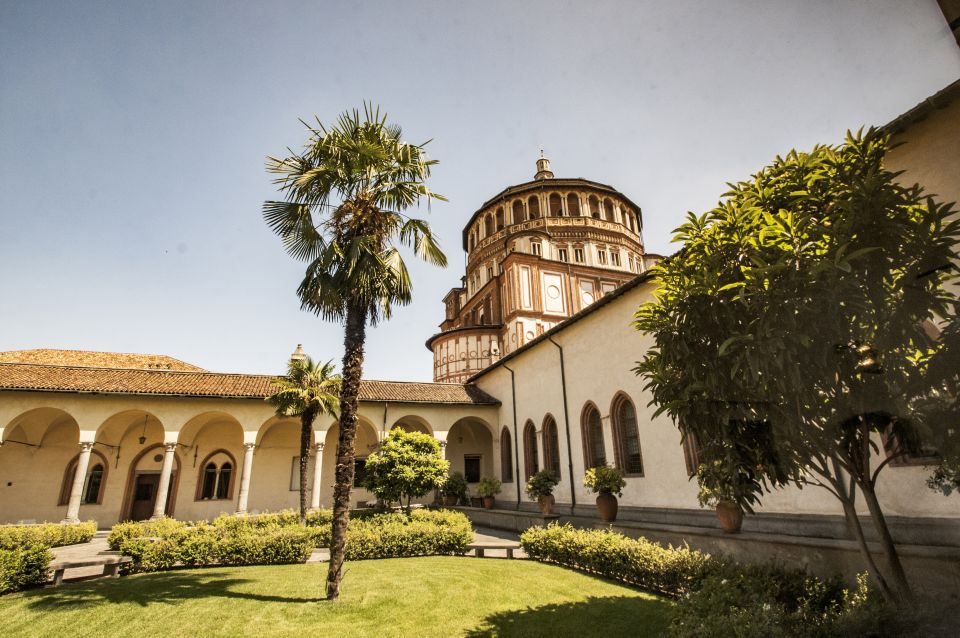
Milan can feel like a lot at once. This tour helps you hit the big icons fast, starting with The Last Supper and then shifting into a guided walk through the city center. I really like the way the hard-to-get Santa Maria delle Grazie entry is handled for you, and I also like the practical city-walk route that strings together landmarks you can actually find again later. One thing to watch: your timed Last Supper slot is set at either the beginning or the end of the 3-hour walk, depending on availability.
You’ll spend the rest of the time on a focused loop—medieval sights, Renaissance perspective tricks, and some major “Milan in one breath” architecture. The included headsets are a small detail that make a big difference on walking tours. If you expect a relaxed pace with lots of free time inside museums, this may feel a bit tight.
In This Review
- Key things I’d plan around
- The Last Supper ticket is the real value
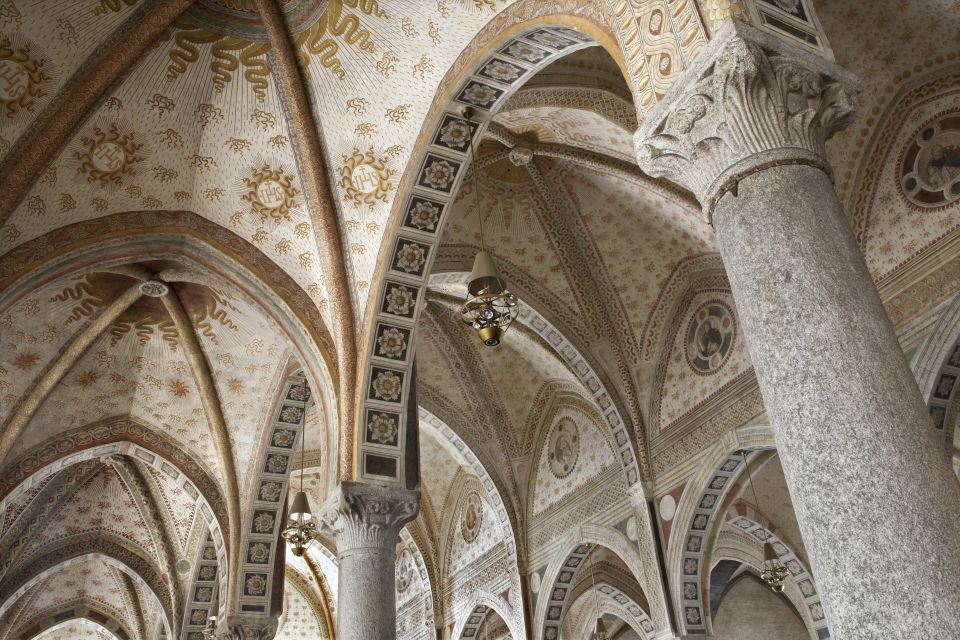
- Santa Maria delle Grazie: how your visit usually works
- From ducal power to a hidden square: Sforza Castle and Piazza dei Mercanti
- Sforza Castle: fortress first, museums second
- Piazza dei Mercanti: the quiet pause with a perspective trick
- La Scala to the Galleria: seeing Milan’s “drawing room”
- Duomo time: exterior drama and practical next steps
- Why 3 hours feels like the right length for first-time Milan
- Price and logistics: is $106 per person fair?
- Who should book this tour (and who shouldn’t)
- Should you book the Last Supper with Milan walking tour?
- FAQ
- How long is the Milan guided walking tour with Last Supper skip-the-line?
- Where is the meeting point?
- Is the ticket to see The Last Supper included?
- What does skip-the-line mean here?
- When will I see The Last Supper during the tour?
- What are the main sights included besides The Last Supper?
- Is the tour guided in English?
- Are headsets included?
- Is there free cancellation?
- Is the tour wheelchair accessible?
Key things I’d plan around
- Last Supper ticket included: reserved admission to a tightly scheduled viewing.
- Headsets included: easier listening while you’re on the move.
- Sforza Castle stop: the ducal fortress that’s still central to Milan’s identity.
- Piazza dei Mercanti: a quieter square and a classic perspective trick tied to Bramante.
- Galleria Vittorio Emanuele II: a 19th-century glass arcade you’ll pass through after La Scala.
- Timing can flip: your Last Supper visit happens at the start or the end.
The Last Supper ticket is the real value
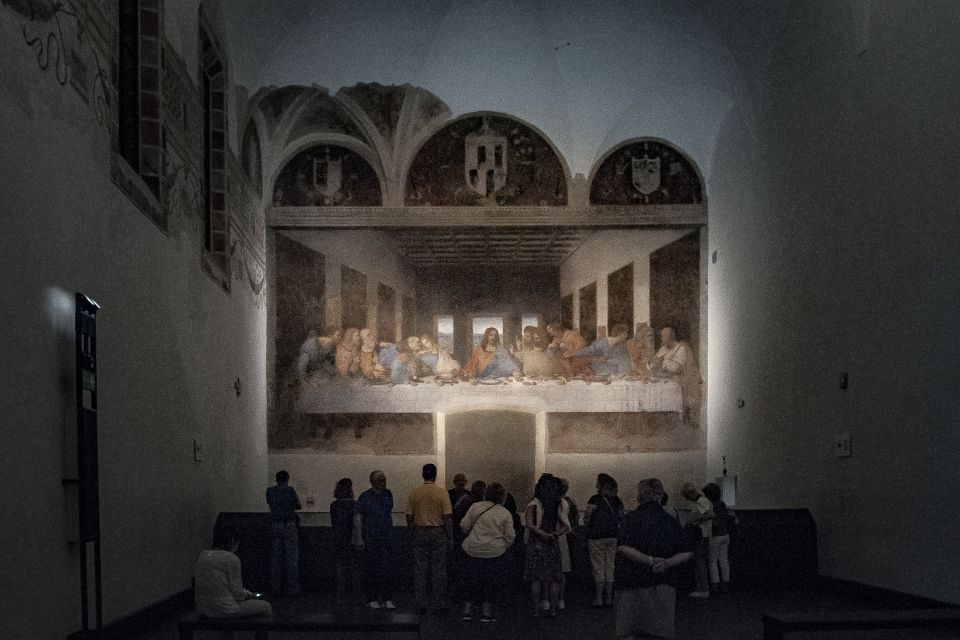
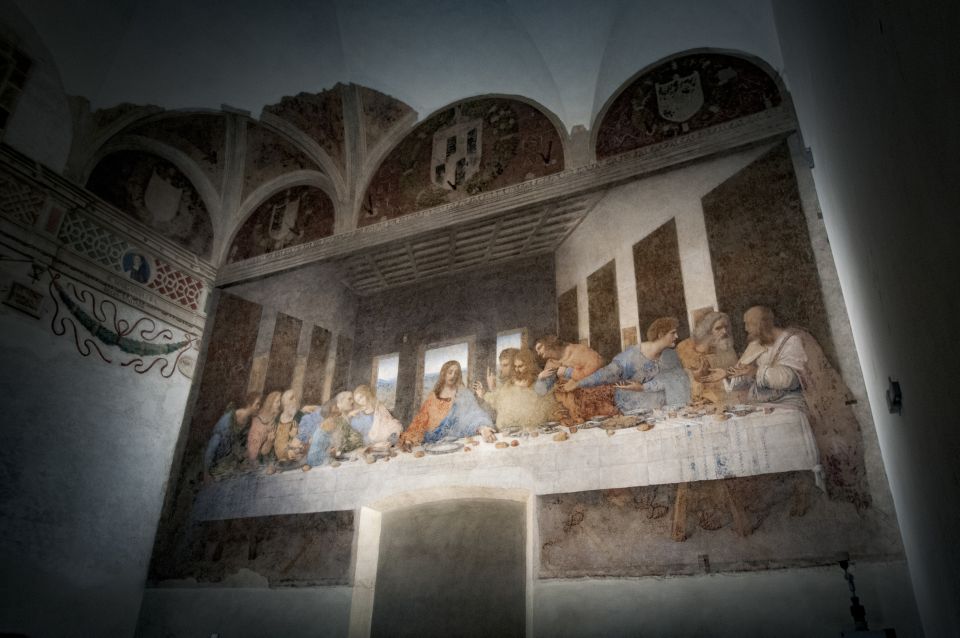
If you only do one “must” in Milan, make it Leonardo da Vinci’s The Last Supper. The catch is simple: access is strictly limited, and it’s not the kind of place you can reliably wander into on the day. This tour’s biggest practical win is that you’re traveling with a reserved ticket and a guide who keeps the timing moving.
For many first-time visitors, that alone makes the price feel more reasonable. You’re not just paying for a story; you’re paying for a specific entry slot to a famous work that sells out and moves on a strict schedule. Reviews also hint that people felt it was worth it when they didn’t want the stress of hunting for tickets months in advance.
You can also read our reviews of more tours and experiences in Milan.
Santa Maria delle Grazie: how your visit usually works
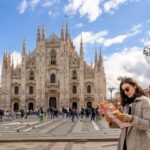
Your tour meets at Duomo Square no. 4, under the arches next to 12 OZ Coffee Joint. From there, the guide takes you to Santa Maria delle Grazie for The Last Supper. The visit is timed, and here’s the key detail: your viewing is at the very beginning or the very end of the tour, depending on what time slots are available.
That timing flip matters because it changes how you experience the day. If you see the painting first, you can use the rest of the walk to place it in context right away. If you see it at the end, the earlier stops help you build a stronger sense of Milan before you “cash in” on the main event.
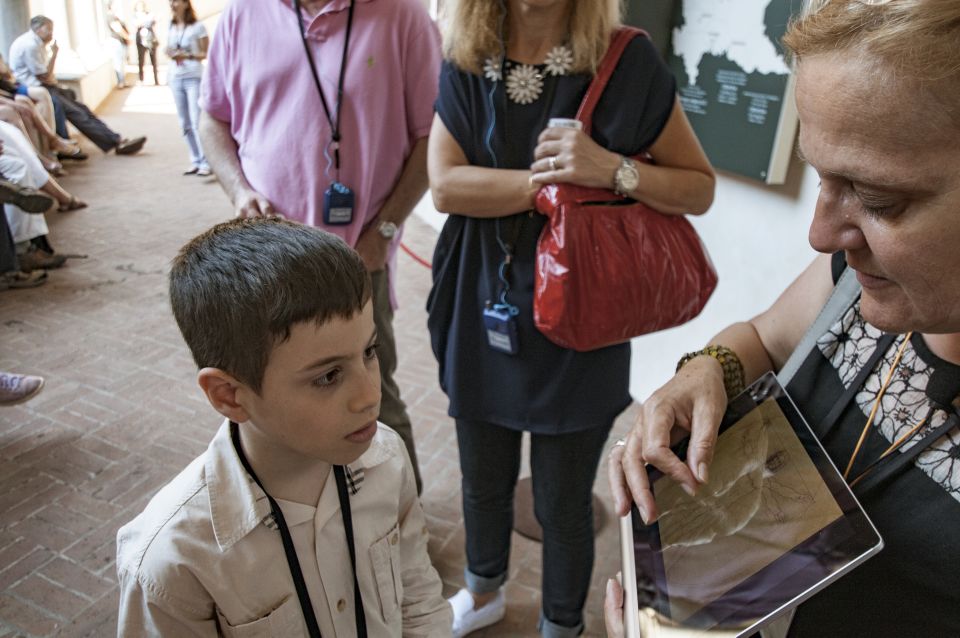
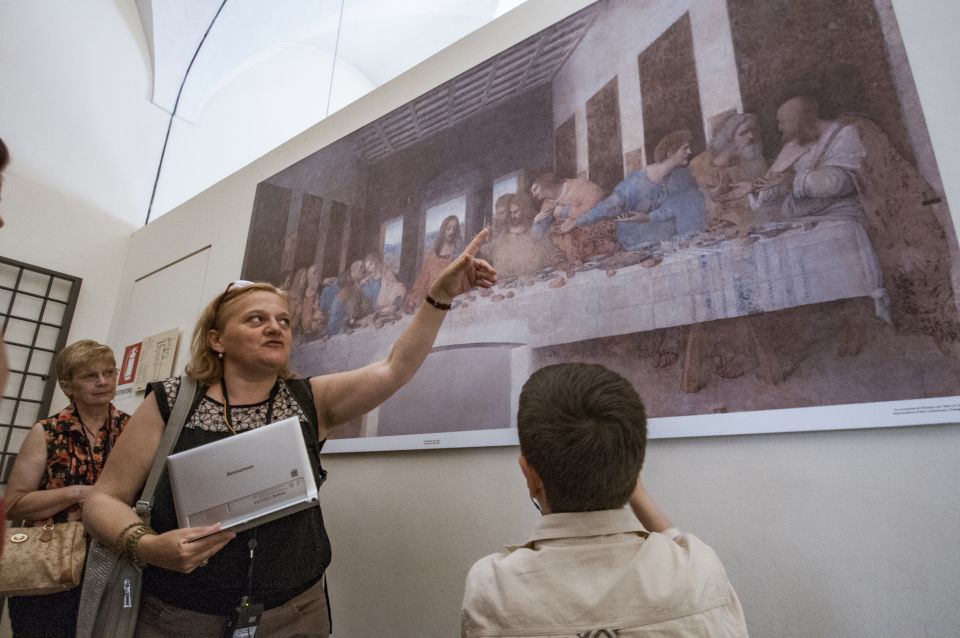
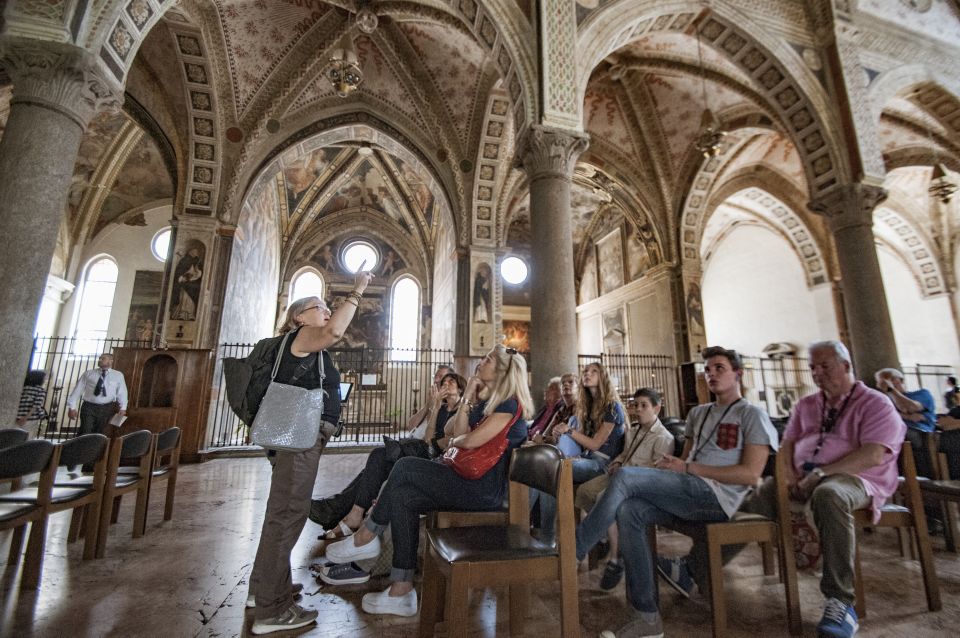
You’ll also want to know what kind of “viewing” this is. The Last Supper fresco is famous for a reason, but it’s also something you appreciate more when you’re told what to look for and how the scene is organized. People singled out guides like Cristina, Chiara, and Marta for explaining the artwork in a way that added emotional and historical meaning without turning it into a lecture.
From ducal power to a hidden square: Sforza Castle and Piazza dei Mercanti
After the Last Supper, your walk moves into Milan’s medieval core, and two stops do a great job of showing you how the city operated before it was all cathedrals and shopping.
Sforza Castle: fortress first, museums second
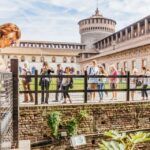
You’ll head to Sforza Castle, the imposing medieval fortress that served as the residence of the dukes of Milan for centuries. Today, it houses museums and important art collections, so even though this tour isn’t built as a long museum session, the stop still gives you a sense of scale.
What I like about including this kind of landmark is that it prevents Milan from feeling like only one era. The Last Supper anchors you in Leonardo’s world, and then Sforza Castle reminds you that political power and art commissions were tightly connected long before the Renaissance became a buzzword.
Piazza dei Mercanti: the quiet pause with a perspective trick
Next comes Piazza dei Mercanti, a charming square tucked away from the busier streets. This is the kind of place you might miss if you’re on your own, because it doesn’t scream for attention from the sidewalk.
The tour also points you to the Renaissance illusion of space created by Bramante within the medieval city. If that sounds technical, don’t worry. In practice, it’s a simple reminder that Milan wasn’t only building impressive things—it was also learning how to make spaces feel bigger, deeper, and more dramatic.


La Scala to the Galleria: seeing Milan’s “drawing room”
Your route continues toward Piazza della Scala to see La Scala, one of the world’s most famous opera houses. You’ll appreciate it as an architectural and cultural landmark even if you’re not sitting inside an actual performance.
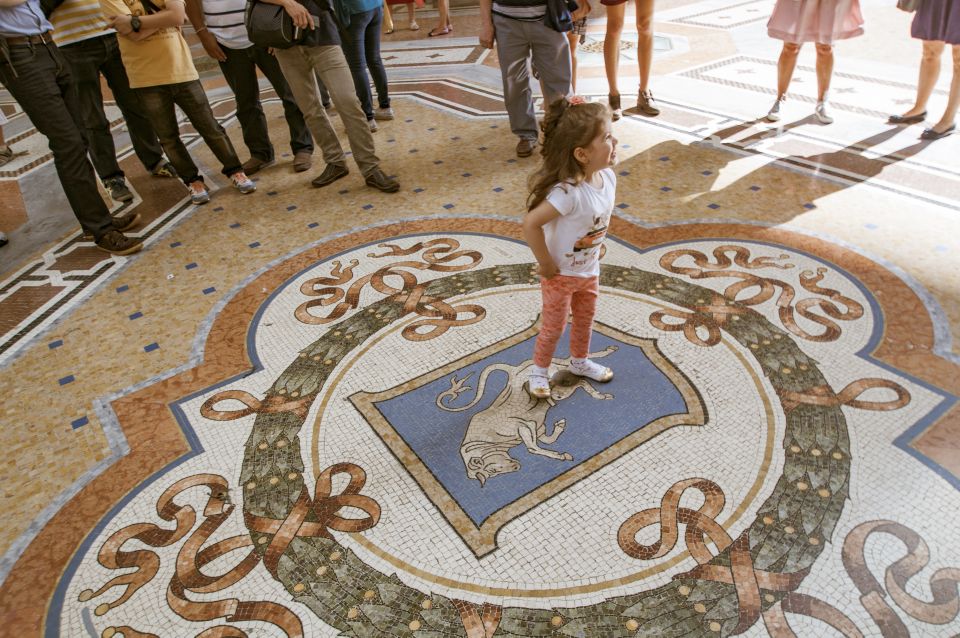
From there, you enter the Galleria Vittorio Emanuele II. This is a 19th-century glass-vaulted shopping arcade that many people describe as Milan’s Salotto di Milano, basically the city’s drawing room. Even if you don’t plan to shop, it’s worth stepping into because it changes the vibe of your walk. The roof, the light, and the geometry make it feel like you’re moving through a designed space, not just between streets.
Guides such as Eddie and Simon are often praised for how they connect landmarks to everyday Milan life—how places like La Scala and the Galleria mattered socially, not only artistically. That’s a big reason this format works well for people who want more than photo spots.
Duomo time: exterior drama and practical next steps
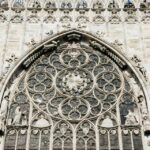
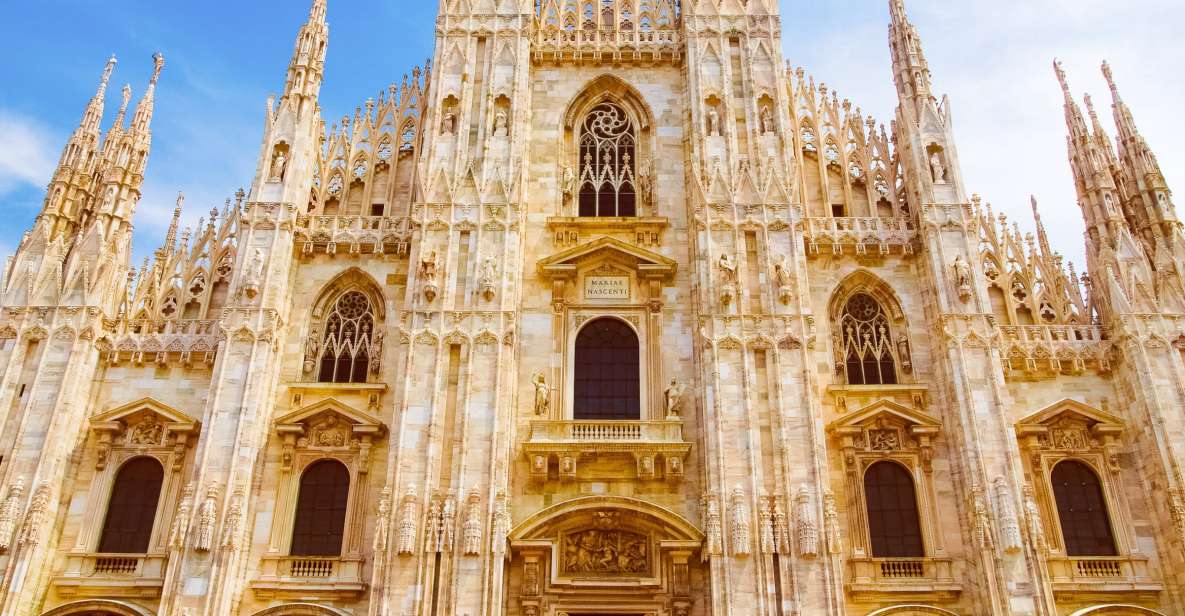
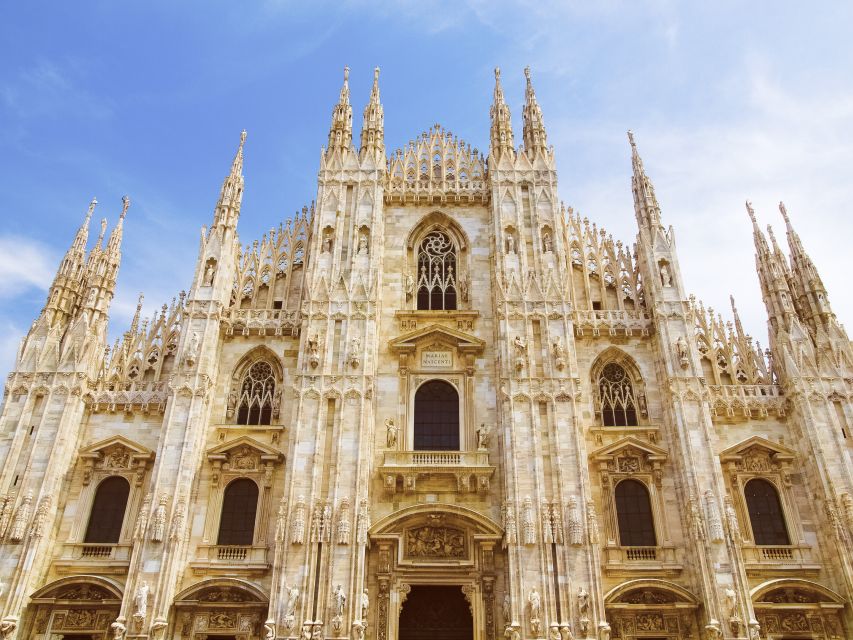
The tour ends with a visit to the Duomo, located in the heart of Milan. The description emphasizes admiring the exterior, and that’s exactly where you’ll get the most out of a timed walking tour: you see the sheer scale, the facade details, and the setting of the cathedral without needing extra tickets or an extra chunk of time.
One practical approach is to use the tour as your first orientation. Once you’ve seen the Duomo from the right angles and understood the immediate layout around Duomo Square, it’s much easier to decide if you want to come back later for interior time (which is not spelled out as part of this tour).
If you’re coming in with limited days, I’d treat the Duomo stop like the start of your deeper planning. You’ll know where to aim your photos and which streets lead away from the busiest bits.
Why 3 hours feels like the right length for first-time Milan
A 3-hour guided walk is a smart “first-day” strategy. It doesn’t try to cover everything, and that’s good. Instead, it gives you a concentrated route through the medieval center, hitting Santa Maria delle Grazie, Sforza Castle, Piazza dei Mercanti, La Scala, the Galleria Vittorio Emanuele II, and the Duomo.
The pacing is also helped by the included headsets, which means you don’t have to constantly crane your neck in order to hear the guide. People also noted group size sometimes felt small, with one booking describing about 10 people. Smaller groups usually mean easier questions and less waiting at each stop.
Most important: this kind of tour is built for people who want to return afterward with better eyes. You finish with a clearer sense of geography and key themes—medieval power, Renaissance ideas, and Milan’s modern cultural icons—so independent exploring afterward feels less like wandering and more like choosing.
Price and logistics: is $106 per person fair?
At $106 per person for a 3-hour guided experience, this is not a budget impulse buy. But the price makes more sense when you break down what’s included:
- Ticket to see The Last Supper (reserved entry to a limited-viewing site)
- Licensed live guide
- Walking tour through the medieval center
- Headsets so you can actually hear while walking
That means you’re paying for ticket value and expert guidance on the single toughest reservation item in Milan. If you already planned ahead and secured Last Supper tickets on your own, you might feel the tour cost is steep. If you didn’t, the reserved entry removes a major headache, and that’s when the tour tends to feel like good value.
There’s one more logistical consideration: because your Last Supper viewing can be at the start or end, you should keep your other plans flexible. If your day is tightly scheduled, the timing flip could affect what you do before or after.
Who should book this tour (and who shouldn’t)
This tour fits best if you want:
- A guided introduction to Milan’s center in 3 hours
- Help with The Last Supper ticketing, where timing matters
- A walk that combines medieval, Renaissance, and cultural landmarks in one loop
- A guide who explains details instead of only pointing out facades
It may not fit if you need long stops inside major sites or if you want a slower museum day.
On accessibility, there’s a conflicting note worth paying attention to. The activity information lists wheelchair accessibility, but it also states it is not suitable for wheelchair users. If accessibility is a deciding factor, I’d treat that as a signal to confirm with the provider before booking.
Should you book the Last Supper with Milan walking tour?
I’d book it if you’re aiming to see the Last Supper without ticket stress and you want a guided “map in motion” for your first hours in Milan. The strongest reason is that the tour packages the hardest reservation item with a smart walk through high-impact sights like Sforza Castle, La Scala, the Galleria, and the Duomo.
I’d skip or compare if you’re traveling on a very tight budget, or if you’re the type who prefers long, unstructured time inside one or two places rather than a packed route. Also, if your schedule is strict, plan around the fact that your Last Supper slot can land at the start or end.
FAQ
How long is the Milan guided walking tour with Last Supper skip-the-line?
It lasts 3 hours.
Where is the meeting point?
Meet at Duomo Square no. 4, under the arches next to 12 OZ Coffee Joint.
Is the ticket to see The Last Supper included?
Yes. Your tour includes a ticket to see The Last Supper.
What does skip-the-line mean here?
It means you have pre-booked admission to see the fresco, since entry is strictly limited to those with tickets.
When will I see The Last Supper during the tour?
Your visit is scheduled either at the very beginning or very end of the tour, depending on available time slots.
What are the main sights included besides The Last Supper?
You’ll also do a guided walk with stops at Sforza Castle, Piazza dei Mercanti, La Scala, Galleria Vittorio Emanuele II, and the Duomo.
Is the tour guided in English?
Yes, the live tour guide is English, and any included audio is also English.
Are headsets included?
Yes, headsets are included.
Is there free cancellation?
Yes. You can cancel up to 24 hours in advance for a full refund.
Is the tour wheelchair accessible?
The information lists wheelchair accessible, but it also says it is not suitable for wheelchair users. It’s worth confirming details with the provider before booking.