REVIEW · MODENA
Cavedoni Balsamic Vinegar Tour: The Oldest in Modena
Book on Viator →Operated by Antica Acetaia Cavedoni Dal 1860 · Bookable on Viator
Cavedoni makes time taste good. At Antica Acetaia Cavedoni dal 1860 in Modena, you’ll follow balsamic vinegar from grapes to barrel rooms, then finish with tastings that stretch across young to very old ages. It’s one of the most “real” food tours in the region because you’re not just watching a process. You’re meeting the people who keep it going.
Two things I really like: I love how you get a true step-by-step view, starting outdoors with the vineyard work and then moving into the cellar where the magic happens. I also like that guides such as Elisa and the family—often including Paolo and Marcello—talk in plain language about what makes authentic DOP-style balsamic different from imposters.
One consideration: this is country-side Modena, and transport isn’t included, so you’ll want a taxi or a car plan. If you rely on buses, build in extra time and don’t assume the last ride will line up with your tour end.
In This Review
- Key highlights you’ll actually care about
- Setting Off from Via Guerro di Qua: A 2-Hour, English-Friendly Plan
- Walking the Vineyards with a Maker’s View of Grapes
- Inside the Acetaia: How the Production System Works
- The Cavedoni Museum Stop: Turning Curiosity Into Confidence
- Barrel Rooms and Aging: Why Years Change the Flavor
- Tasting Aged Balsamic with Food and Lambrusco
- Buying at the Cellar Shop: What to Get and How to Plan
- Logistics That Matter: Transportation, Timing, and Group Energy
- Who Should Book This Cavedoni Tour (and Who Might Skip It)
- Should You Book This Cavedoni Balsamic Vinegar Tour?
- FAQ
- How long is the Cavedoni Balsamic Vinegar Tour?
- What is included in the tour price?
- Is the tour offered in English?
- How many people are in a group?
- Where does the tour start and end?
- Is transportation to and from the estate included?
- Do children need to be accompanied?
Key highlights you’ll actually care about
- Seven-generation craft since 1860: you’re learning from a working family estate, not a themed show.
- Vineyards to barrel rooms in one flow: grapes, then barrels, then tasting—no random detours.
- Real aging education: you’ll understand why years change flavor, not just that they do.
- Tasting range from 5 to 30 years: plus the chance to taste extremely old bottles on-site.
- Food pairing with Lambrusco: balsamic isn’t sampled alone; it’s matched to local bites.
- Small group (max 17): more Q&A, less standing around.
Setting Off from Via Guerro di Qua: A 2-Hour, English-Friendly Plan
Your tour starts at Via Guerro di Qua, 2, 41014 Ca’ Montanari MO, Italy, with pickup right at the vinegar cellar. The start time is 3:00 pm, and the experience runs about 2 hours, ending back where you began. It’s offered in English, and you get a mobile ticket, which is handy if you’re already juggling train times and museum tickets.
The group size is capped at 17 travelers, which matters more than it sounds. In small groups, it’s easier to ask questions about what you’re tasting and why certain bottles taste the way they do. It also makes the tour feel like a conversation with a family business, rather than a race through photo stops.
Price is $90.74 per person. For Modena, that’s not “cheap,” but it isn’t just a walking tour either. You’re paying for guided access to vineyard/production space, multiple tastings, plus local foods and Lambrusco from the same estate. If you love food education—especially how to evaluate quality—you’ll feel like you got your money’s worth.
One more practical note: the estate is outside Modena’s center. Even though it’s marked as near public transportation, many visitors end up using a taxi to get there and back. If you’re going by bus, check the timing carefully for the end of your tour.
You can also read our reviews of more tours and experiences in Modena.

Walking the Vineyards with a Maker’s View of Grapes
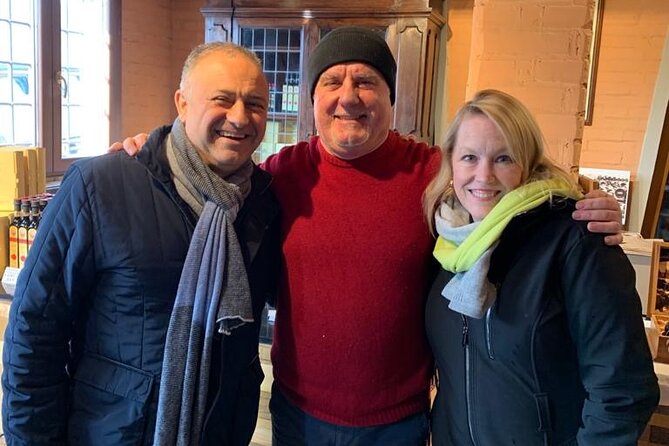
The tour begins with the family guiding you through the story of balsamic from vineyards to finished vinegar. You’ll start outdoors, where you’ll learn about the types of grapes used for their premium vinegar. This is useful because it reframes balsamic vinegar as an agricultural product first, not just a condiment you buy in a store.
As you walk, pay attention to the way the guide connects grape choices to eventual flavor. That connection is what turns the later tastings from random sipping into a clear cause-and-effect lesson. You’ll also get context for why Modena is treated as the home turf for authentic balsamic vinegar styles—this isn’t just marketing. It’s about how the craft evolved and how it’s protected and practiced.
This part also sets expectations for what comes next. Once you see the estate’s working vineyard environment, the cellar stops don’t feel like a science lecture. They feel like the natural second half of the same job.
Inside the Acetaia: How the Production System Works
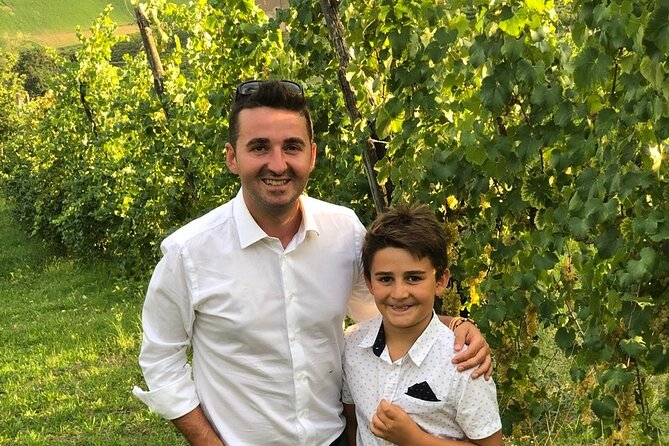
After the vineyards, you enter the Acetaia vinegar house. This is where the tour shifts from “what the grapes do” to “what the process does.” You’ll get an overview of the history and production of authentic Modena balsamic vinegar, including how the vinegar’s final character is shaped during aging.
Even if you’ve had balsamic your whole life, this section can change how you think about it. Most people taste balsamic and decide based on sweetness, thickness, or how it smells on food. Here, you’re taught to look at the process—what happens in the cellar and how that leads to complexity later on.
You’ll also hear about different types of balsamic, and that’s a key point for your next grocery store run (or your next trip to an Italian market). The guide’s goal isn’t to make you suspicious. It’s to help you recognize what’s authentic and why.
The Cavedoni Museum Stop: Turning Curiosity Into Confidence
One of the smartest stops on this tour is the Cavedoni Museum. It adds depth to what you’re learning during the production and cellar walk-through. Instead of treating balsamic like a single finished product, the museum framing helps you understand it as a long craft with generations of choices behind it.
You also get a chance to learn how to distinguish authentic DOP products from look-alikes. That matters because balsamic on shelves worldwide can vary wildly—some are more like flavored vinegar, while the real deal is tied to strict tradition and aging methods.
Think of the museum stop as your confidence-builder. After it, you’re not just tasting. You’re learning what to buy later and what to avoid.
Barrel Rooms and Aging: Why Years Change the Flavor
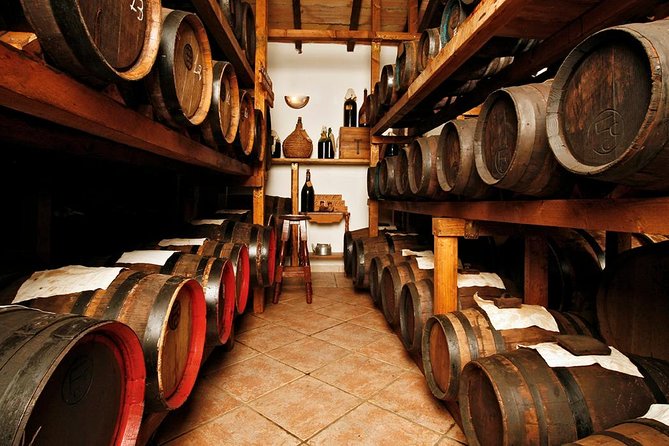
Next comes the cellar experience, including the barrel rooms where the vinegar ages. This is the heart of the tour. You’ll hear the intricacies of the aging process and what makes the cellar such a special environment for transforming vinegar over time.
The best part here is clarity. You’re not left with vague lines like “it ages and gets better.” Instead, you learn how aging affects taste—how flavors mellow, round out, and develop deeper notes as years add up. The guide also explains how their family manages aging over time, which is where you start appreciating that this is a living system, not a one-time batch and done.
If you’ve ever wondered why two bottles with similar labels can taste different, this section gives you the practical answer: aging duration, handling, and craft decisions create real differences. And when you then start tasting bottles of different ages, the education clicks fast.
Tasting Aged Balsamic with Food and Lambrusco
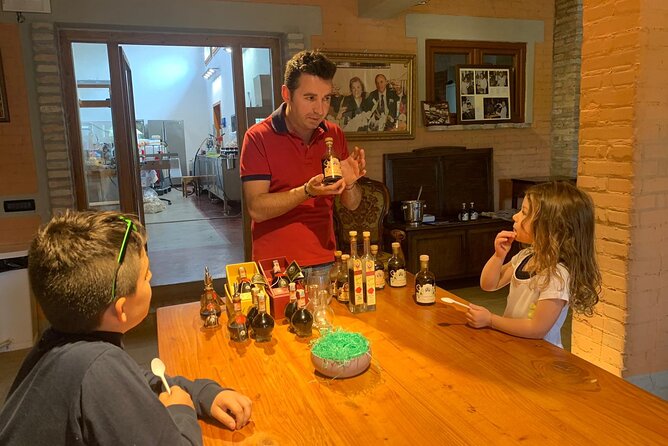
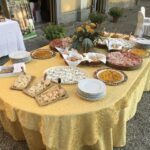
This is where the tour earns its title. The tasting includes balsamic vinegars aged from 5 to 30 years, paired with regional gourmet foods. You’ll also be served Lambrusco wine produced on the same estate, which is a big deal because the pairing comes from the same flavor universe.
What you can expect during the tasting:
- Multiple balsamic samples across the age range, so you can compare how character evolves
- Food pairings that show what balsamic does on real plates, not just on spoons
- Local foods such as bread, mortadella, prosciutto, and Parmigiano-Reggiano, plus dessert in some pairings
One fun thing: the tour’s standard aging range is 5 to 30 years, but on certain visits you may also taste extremely old balsamic bottles. People have talked about tasting products in the 125 to 165-year range, which is the kind of wow factor that turns a food experience into a memory you’ll still be talking about months later. Just keep in mind that these very-old tastings aren’t guaranteed every day.
As for the wine: the Lambrusco is there to support the tasting, not to drown it. You should notice that the pairing is meant to keep your focus on balsamic flavors while giving your palate a reset between samples.
The way the tasting is structured is practical too. You’ll learn what to look for as the age increases—texture, aroma, sweetness balance, and how the vinegar behaves with different foods.
Buying at the Cellar Shop: What to Get and How to Plan
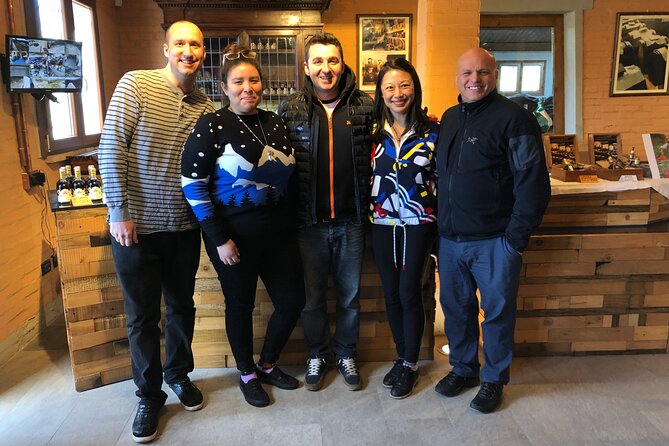
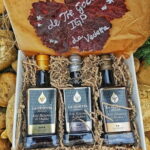
After the tasting, you’ll have time to purchase balsamic and other specialties from the cellar shop. This is one of the best parts of a food tour when it’s done right: you get tasting education, and then you can buy with real understanding.
A solid approach is to buy based on how you’ll actually use it:
- If you want daily cooking and finishing, consider younger-aged bottles from the tasting range.
- If you’re planning special drizzles on cheese, fruit, or simple plates, the older ages are easier to justify because they’re more intense.
Some visitors also mention having their purchases shipped for safety and convenience. If you’re not traveling with a lot of extra luggage, ask on-site what options they offer so you don’t have to gamble with glass bottles in your suitcase.
Logistics That Matter: Transportation, Timing, and Group Energy
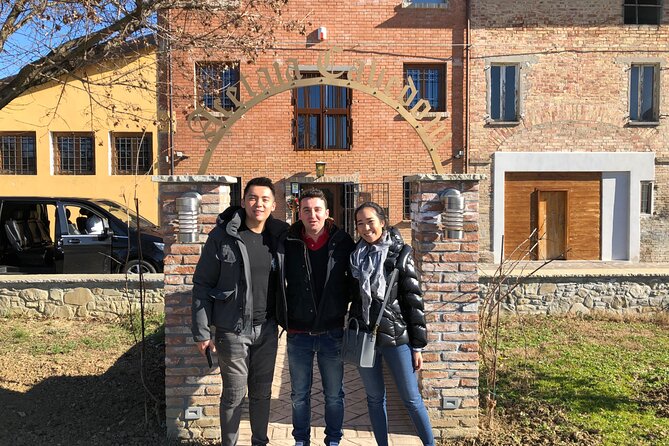
Because transportation isn’t included, plan how you’ll reach Via Guerro di Qua, 2 and get back after the tour. The meeting point is described as near public transportation, but rural timing can be tricky. If you’re staying in central Modena, a taxi is often the cleanest solution.
The timing—3:00 pm—is actually a plus. It avoids rushing your morning through museums and keeps you moving into a later afternoon plan when your appetite is already online.
Also watch your expectations for pace. The tour isn’t huge, and it stays focused on grapes, production, barrel aging, and tasting. That concentration is why people consistently rate it so highly.
Who Should Book This Cavedoni Tour (and Who Might Skip It)
You should book if you:
- Love food education and want to learn how quality is built, not just presented
- Want an authentic, family-run estate experience with multiple tastings
- Appreciate pairings—especially vinegar with local meats/cheese and Lambrusco
- Care about learning how to recognize real Modena balsamic versus weaker look-alikes
You might skip or rethink if:
- You hate tastings or don’t want to spend time with food and wine pairings
- You don’t have an easy way to get to the countryside meeting point (unless you’re comfortable arranging taxi/car)
- You’re expecting a long sit-down meal. This is more like a guided sampling with plenty of food, but it still stays within a tight 2-hour window.
Should You Book This Cavedoni Balsamic Vinegar Tour?
If you like learning through tasting, I think this is an easy yes. You’re getting a real estate story that runs from vineyard walk to barrel rooms, plus a structured tasting that helps you understand why aged balsamic behaves differently. The family presence—often with hosts like Elisa, and sometimes Paolo or Marcello—adds a warmth that feels less staged and more like being invited into someone’s craft.
Book it especially if you want to come home with bottles you can actually choose wisely, not just buy because the label looks nice. And if you’re traveling with limited time, plan your transportation early so you don’t waste the best part of the afternoon.
If you can reach the estate smoothly and you enjoy food education, Cavedoni is one of the best-value ways to spend two hours in Modena.
FAQ
How long is the Cavedoni Balsamic Vinegar Tour?
The tour lasts about 2 hours.
What is included in the tour price?
Food tasting and a local guide are included. Lambrusco and tastings are part of the experience, and there’s time to purchase products afterward.
Is the tour offered in English?
Yes, the tour is offered in English.
How many people are in a group?
The maximum group size is 17 travelers.
Where does the tour start and end?
It starts at Via Guerro di Qua, 2, 41014 Ca’ Montanari MO, Italy and ends back at the same meeting point.
Is transportation to and from the estate included?
No. Transportation to and from attractions is not included.
Do children need to be accompanied?
Yes. Children must be accompanied by an adult.