REVIEW · SICILY
Etna excursion 3000 meters with 4×4 cable car and Trekking
Book on Viator →Operated by Gruppo Guide Alpine Etna Sud · Bookable on Viator
One of the best places to feel Etna breathe.
This tour strings together cable car, an off-road ride, and a guided walk at around 3000 meters, so you spend less time figuring out logistics and more time absorbing the volcano up close. I especially love how the day is paced: big elevation moments happen early, and the hike is the payoff, not the whole ordeal.
Two things I liked a lot: first, the guide-led geology talk hits differently once you’re standing in the exact terrain being described. I’ve heard guides like Pepe, Fabio, Antonio, Nino, and Arthuro explain eruptions and formations in a way that feels practical, not academic. Second, the included cold-weather kit (jacket, helmet, boots and socks) makes this feel possible even if you’re traveling light.
One consideration: this is not a stroll. Even when it’s labeled moderate, you’re dealing with steep sections, dust, wind, and narrow edges near crater rims—so if heights make you tense or your hiking comfort is limited, you may want to choose a gentler Etna option or bring extra support for your pace.
In This Review
- Key Things to Know Before You Go
- Etna at 3000 Meters: What This Cable Car + 4×4 + Trek Day Really Delivers
- Meet at Rifugio Sapienza and Get Your Gear Sorted
- Stop 1: Cable Car Up to 2500m, Then 4×4 to Around 2850m
- Stop 2: Valle del Bove Viewpoint With Volcanic Drama
- Stop 3: Crateri Barbagallo, Lava Channels, and the Edge Walk
- Stop 4: A Quick Summit-Crater Look Before Descent
- Stop 5: Return by Cable Car Through Volcanic Sand Views
- Guide Impact: When the Geology Explains Make Sense
- Weather, Altitude, and Effort: Who Finds This Comfortable
- Price and Value: What Your $66.51 Includes, and What You Still Pay
- What to Bring so the Day Feels Good (Not Just Survived)
- Should You Book This Mt Etna Excursion? My Honest Take
- FAQ
- Is the tour offered in English?
- How long is the Etna excursion?
- What’s included in the price?
- What is not included?
- Do I need a certain fitness level?
- What’s the maximum group size?
- Is the tour suitable for respiratory problems?
- What happens if weather is bad?
Key Things to Know Before You Go
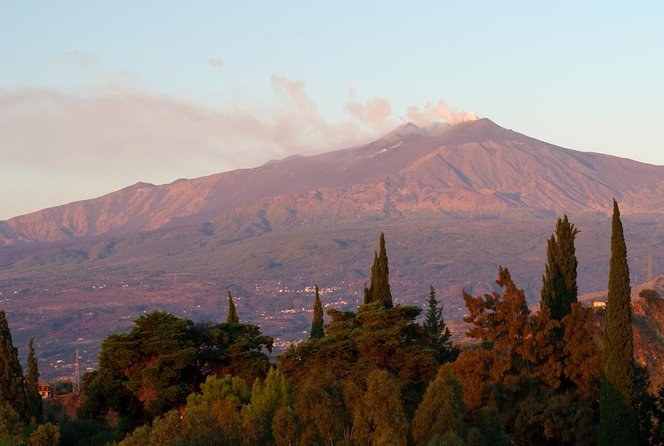
- Near-3000m trekking isn’t just altitude: you’ll also face steep up-and-down sections and narrow walking spots.
- You’ll pay extra for the cable car + jeep (about €45 per person), and cash is often the easiest way to avoid surprises.
- Weather can change the plan fast: high winds or low visibility can limit the summit experience.
- Included gear helps, but fit varies: some people love the boots; others recommend using your own if yours are better.
- Dust and cold wind are real: long pants, layers, and a windproof layer make the day much more comfortable.
Etna at 3000 Meters: What This Cable Car + 4×4 + Trek Day Really Delivers
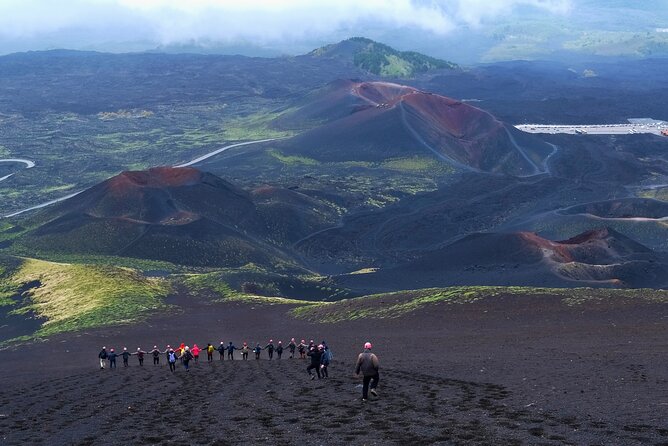
This is the kind of Etna day that works because it combines three different ways of getting “up there.” You get lift via cable car, then a 4×4 transfer that reaches deeper into the volcanic zone, and finally you walk long enough to feel like you actually earned the views.
The value isn’t only about height. It’s about being guided at the points where Etna gets confusing: lava channels, crater edges, and the way different zones show different kinds of activity. Standing near the Barbagallo crater edge and then looking across eastern Sicily is the moment the day clicks.
The tour also keeps the group moving. You’re not stuck in one spot waiting for people to catch up, which matters at altitude where timing and safety feel extra serious.
You can also read our reviews of more tours and experiences in Sicily.
Meet at Rifugio Sapienza and Get Your Gear Sorted
You start at Piazzale Rifugio Sapienza in Nicolosi (Etna’s most common base area), and the activity ends back where you started. That matters because the whole day is built around being on time for the access transport.
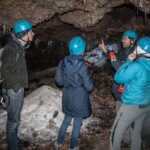
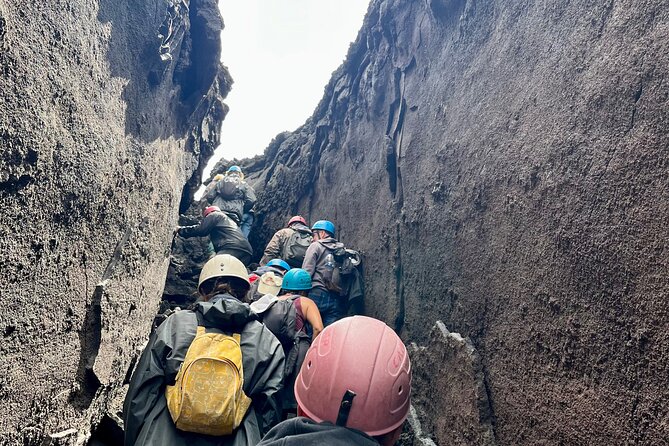
You’ll receive socks, shoes, jackets, and helmets. This is one of the most helpful parts for travelers who pack light, because you don’t have to gamble on finding the right boots in Sicily. Still, it’s smart to think like a hiker: check the soles and the fit of the boots you’re given. Some people found theirs totally fine; others said the tread was poor or the boots hurt. If you have strong hiking shoes already, they can be a better bet.
Dress for a temperature drop. Several people noted it’s around 10 degrees cooler up top, and wind can make that feel sharper. Your jacket hood matters more than you think.
Stop 1: Cable Car Up to 2500m, Then 4×4 to Around 2850m
The day starts with a lift by cable car up to about 2500 meters, then you switch to an off-road vehicle that takes you to roughly 2850 meters. That first transfer is the practical genius here: you’re not spending your energy on steep, slow climbs that waste the day.
At this stage, the air and wind can already feel different. Give yourself a moment to settle in before you start moving more seriously. If you’re sensitive to altitude, take your time with the first ramp-up to walking. Guides do build in short pauses early so the group adjusts to the conditions.
A side note on ticket reality: the tour price covers the guide service and gear, but the cable car and jeep transport cost about €45 per person are not included. You’ll want to plan for that payment on the day.
Stop 2: Valle del Bove Viewpoint With Volcanic Drama
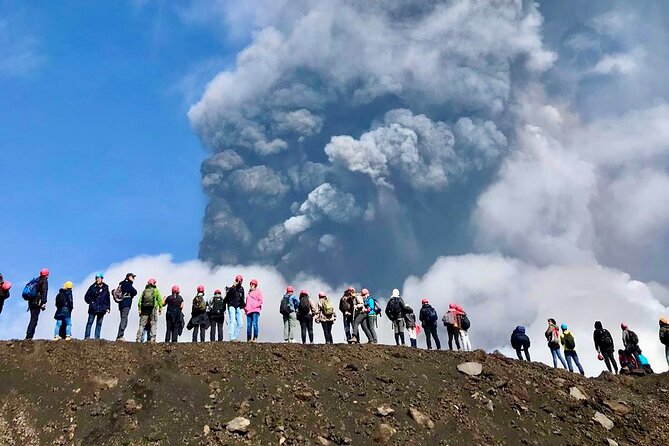
Next you head to Valle del Bove, a huge horseshoe-shaped volcano-tectonic depression in Etna’s eastern sector. This stop is short—about 30 minutes—but it’s one of those “why this tour exists” moments because the shape of the valley is the textbook idea made physical.
On clear days, the viewpoint is breathtaking. Even with haze, you’ll still get a strong sense of how the volcano’s structure shapes what you see around you. There are also volcanic features visible along the walls, which makes the guide’s explanations feel grounded rather than abstract.
Because this stop is relatively brief, it’s smart to pay attention when you arrive. If clouds roll in, you don’t get endless time to chase the view.
Stop 3: Crateri Barbagallo, Lava Channels, and the Edge Walk
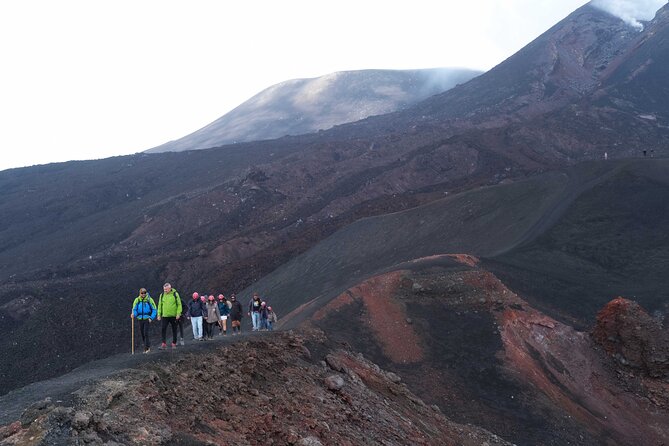
This is the main event: the part that turns a sightseeing trip into a true Etna hike. You’ll climb along volcanic sandbanks to reach around 3000 meters near Crateri Barbagallo. Then you’ll move through terrain tied to eruptions, including a lava channel connected to the 2002 eruption.
The guide-led storytelling matters here. You’re not just walking beside old rock—you’re moving through the pathways lava took, and the visuals help you understand the process. After that, you continue toward Torre del Filosofo (about 2920 meters) along lava flows that were described as still hot in a recent reference point (including a date noted as 21-05-2023).
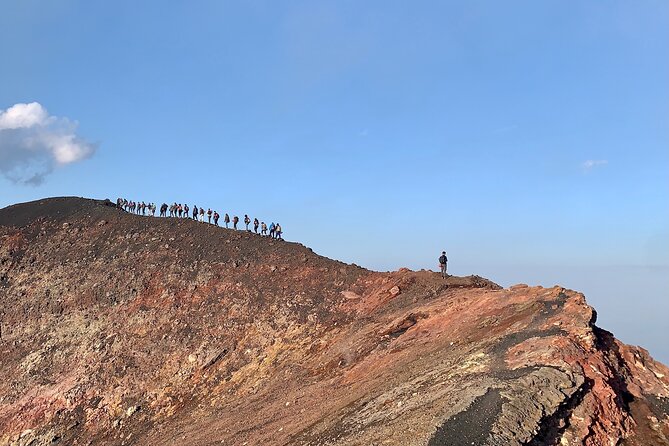
Then comes the lunch break, followed by a longer walk along the edge of the Barbagallo crater. This portion is where the views land: you can look out across eastern Sicily, with sights ranging from Taormina to Syracuse on clear days.
Important effort reality check: this walk can feel strenuous for many people. The ridge and crater-edge sections can be narrow, and some paths are steep. One review detail that stood out: the narrow spine sections can feel like only a couple of feet wide, with big drop-offs on both sides. If you don’t like heights, don’t white-knuckle it blindly. Be honest with yourself before you start.
Also, expect dust. Multiple people emphasized how dusty it gets. Long pants and a wind layer help you tolerate the conditions.
Stop 4: A Quick Summit-Crater Look Before Descent
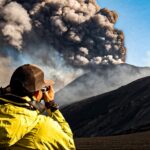
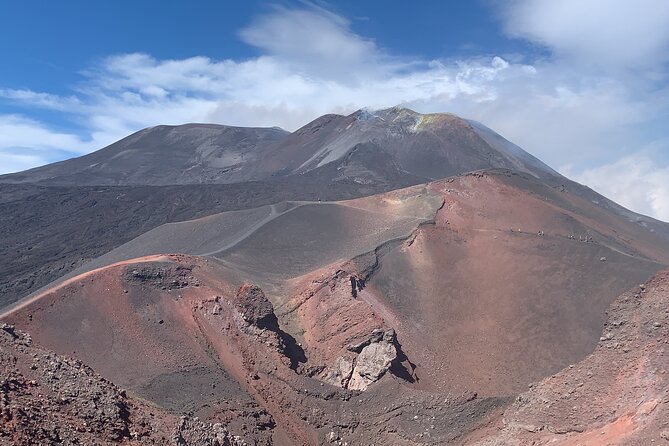
After the crater-edge walk, there’s a chance to admire the summit craters again, including the Central Crater and the South-East Crater, plus the visible plume of gas. This is short—around 20 minutes—but it’s a useful moment because it helps you connect what you walked earlier to the larger volcanic system above.
One thing to understand: summit access can shift with weather. If visibility is bad or winds are high, the plan may adjust or you might not reach what you expected. Safety comes first, and the organization tends to offer options (like rescheduling or refunding), depending on what happens.
Stop 5: Return by Cable Car Through Volcanic Sand Views
You return via cable car, and the ride is timed as a payoff. From up there, you may see dramatic views that stretch from the Ionian coast toward the interior of Sicily. One person described the cable car return as “breathtaking” on clear days, especially with the volcanic channels and sand textures below you.
This final segment also helps you decompress. You’ve already done the hard part. Now you’re in a window of calm movement where you can just look.
Guide Impact: When the Geology Explains Make Sense
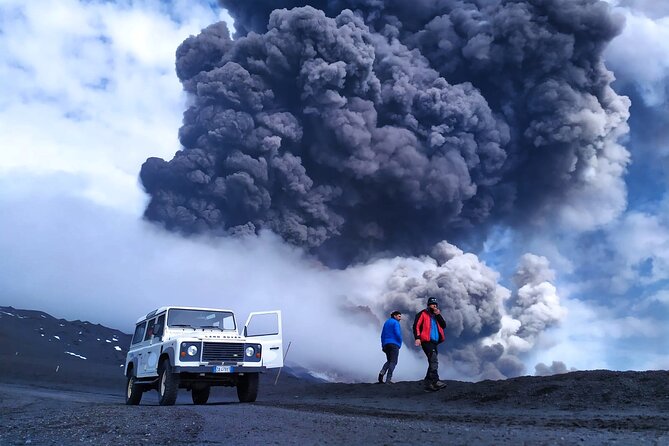
The guides can make or break this kind of day, and this one seems to hire people who take their job seriously. I’ve seen names like Pepe, Fabio (including a doctorate-level background mentioned), Antonio, Nino, Vincent, and Arthuro credited for clear explanations and solid energy.
The best part is that the explanations match what you’re seeing. Instead of getting a lecture while you stand on the bus, you’re learning while you’re near a lava channel or in the presence of crater formations. That’s how the day becomes more than photos.
Language is also handled well. One review noted a guide who spoke French, which helped accessibility for non-English speakers. Another mentioned some slower pacing when groups had different languages, so if you care a lot about Q&A time, keep that in mind.
Weather, Altitude, and Effort: Who Finds This Comfortable
This tour needs good weather. High winds and low cloud cover can shut down the summit portion or reduce visibility. The good news: when conditions are unsafe, the team prioritizes safety and offers options rather than pushing you into chaos.
Effort-wise, don’t trust the word moderate blindly. Many people described the trek as more challenging than expected. The combination of steep sections, narrow walking, and soft volcanic ground can fatigue you faster than a normal hike.
Altitude can also hit differently. You might be fine physically, but wind-chill, dry air, and oxygen changes can still make your legs feel “not synced.” Bring water, take small pauses when your body asks for them, and move steadily.
If you have respiratory problems, this tour is not recommended based on the provided info. And if heights make you uneasy, talk to yourself honestly about whether you want crater-edge walking.
Price and Value: What Your $66.51 Includes, and What You Still Pay
The listed price is $66.51 per person, and it covers the guiding service plus the provided kit (socks, shoes, jackets, helmets). That’s real value because it reduces what you need to pack and lets you focus on the hiking part.
But the big transport costs are extra: the cable car and jeep ticket are about €45 per person and are not included. That extra cost matters, because it’s what actually gets you up and over in the first half of the day.
So how do you judge value? Ask yourself this: do you want guided access and safety support at 3000m, plus gear you don’t have to carry? If yes, it tends to feel worth it. If you already have excellent boots, you’re confident walking in rough volcanic terrain, and you’re comfortable handling transport on your own, you might compare against other Etna options.
One logistics tip that keeps popping up: plan to pay in cash for the cable car portion. People reported card payment systems not working, and cash helped avoid delay. Bring it.
What to Bring so the Day Feels Good (Not Just Survived)
You’ll get gear, but don’t show up in a way that forces discomfort. Based on real conditions up there, I’d pack like this:
- Layers: the top is colder and windier than the base.
- Windproof layer: your jacket hood helps, but a proper wind layer is gold.
- Long pants: volcanic dust is a thing.
- Water and a snack: lunch is not included, and short food breaks can feel too short at altitude.
- Optional hiking poles: downhill sections in soft rocky material can be slippery. Poles help with confidence and saving your knees.
Also, arrive early enough to get geared up without rushing. One person described long cable car queues when they arrived later. Being early can turn waiting into a minor inconvenience instead of a full fatigue starter.
Should You Book This Mt Etna Excursion? My Honest Take
Book it if you want an Etna day that’s active, guided, and built around getting close to the crater world—without spending hours coordinating transportation on your own. The combination of cable car + 4×4 + crater-edge walking is the real selling point, and the guide explanations can turn the views into understanding.
Skip it (or choose a different option) if any of these apply: you strongly dislike heights or narrow ridges, you have respiratory issues, you’re looking for a gentle walk, or you know your hiking endurance is limited. This is a hike at altitude with steep sections, and the day can feel more intense than the word moderate suggests.
If you’re an “adventure but with a plan” traveler, this one fits well. On a clear day, the Valle del Bove viewpoint and the Barbagallo crater edge walk are the kind of moments that stick.
FAQ
Is the tour offered in English?
Yes. The tour is offered in English.
How long is the Etna excursion?
It runs about 4 to 5 hours (approx.).
What’s included in the price?
The included items are socks, shoes, jackets, helmets, and an alpine/volcanological guide service.
What is not included?
Lunch is not included, and the cable car and jeep ticket cost about €45 per person and are not included.
Do I need a certain fitness level?
The tour calls for a moderate physical fitness level. Even so, many people found the hike strenuous due to steep sections and narrow terrain.
What’s the maximum group size?
The tour has a maximum of 25 travelers.
Is the tour suitable for respiratory problems?
No. It’s not recommended for travelers with respiratory problems.
What happens if weather is bad?
The experience requires good weather. If it’s canceled due to poor weather, you’ll be offered a different date or a full refund.