REVIEW · GARDA
Garda: Cooking Class with Dessert
Book on GetYourGuide →Operated by Gardavoyager · Bookable on GetYourGuide
Fresh pasta and tiramisù, made with real locals. I love the hands-on, step-by-step pasta making approach here, where the chef guides you from dough to plate so you feel what good Italian technique actually tastes like. It’s a fun way to spend a few hours in Garda (Lombardy) without turning the day into museum time.
The other thing I really like: the meal doesn’t end when you’re done cooking. You sit down to taste what you made, and your food is matched with wine the team selects to go with the dishes. Instructors I’ve seen named for this experience include Sara and Serafina, plus Alessandro and the Fracco brothers, so you’re very likely to get clear coaching and a warm welcome.
One consideration before you book: this class isn’t suitable for wheelchair users, and it’s not for children under 18, so plan for it as an adult (or teen-adult) activity.
In This Review
- Key highlights to look forward to
- Entering the kitchen in Garda: what your 3 hours feels like
- Homemade pasta from scratch: the skills you’ll actually use again
- The sauces lesson: how Italian flavor gets built
- Tiramisù in one session: dessert that feels like a win
- Wine pairing with lunch or dinner: why it’s worth including
- What’s included (and how it affects value)
- Who this cooking class suits best
- Practical planning tips so you enjoy it
- Price and logistics: how to decide quickly
- Should you book this Garda cooking class?
- FAQ
- FAQ
- How long is the cooking class in Garda?
- What will I learn to make?
- Is wine included?
- Is lunch or dinner included?
- What languages are the instructors?
- Do I take anything home?
- Where do I meet for the class?
- Is the class suitable for wheelchair users?
- Are children allowed?
Key highlights to look forward to
- Two classic sauces taught alongside homemade pasta, so you learn more than one note of Italian flavor
- Tiramisù made as part of the same 3-hour session, not just something handed to you
- Wine included, paired with what you cook and eat
- Take-home goodies: a personalized kitchen apron and a recipe book
- In-person teaching with named instructors like Sara, Serafina, Alessandro, and the Fracco brothers
- Morning or afternoon sessions with a 3-hour total time on the clock
Entering the kitchen in Garda: what your 3 hours feels like
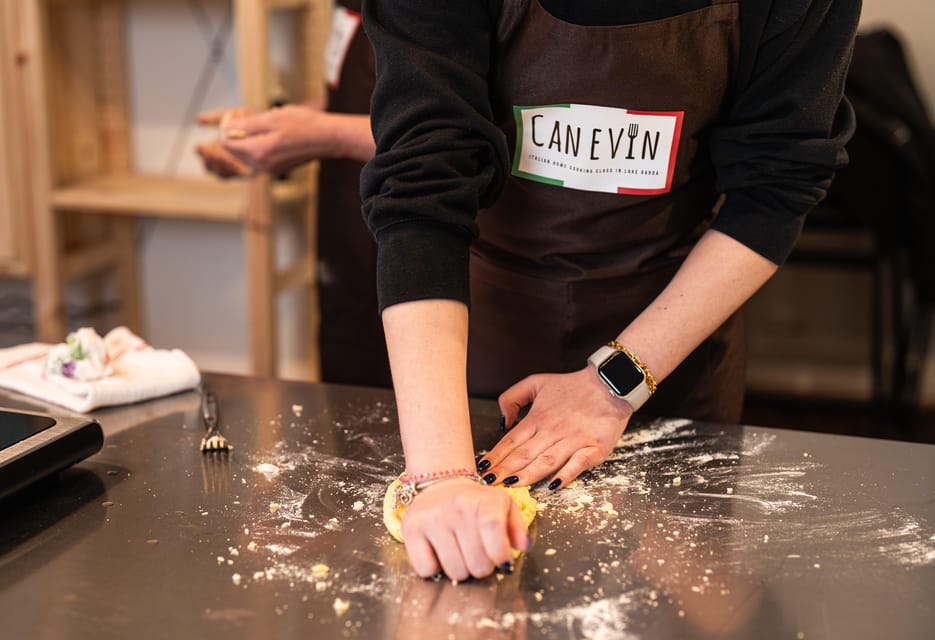
This is the kind of Lake Garda activity that works fast. You’ll meet at a location you can spot by a large wooden door at the entrance. When you reach the end of the road, walk under the building, and the place is just after the number 12–14. The class ends back at the same meeting point, so you don’t have to worry about a confusing handoff or a mystery drop-off.
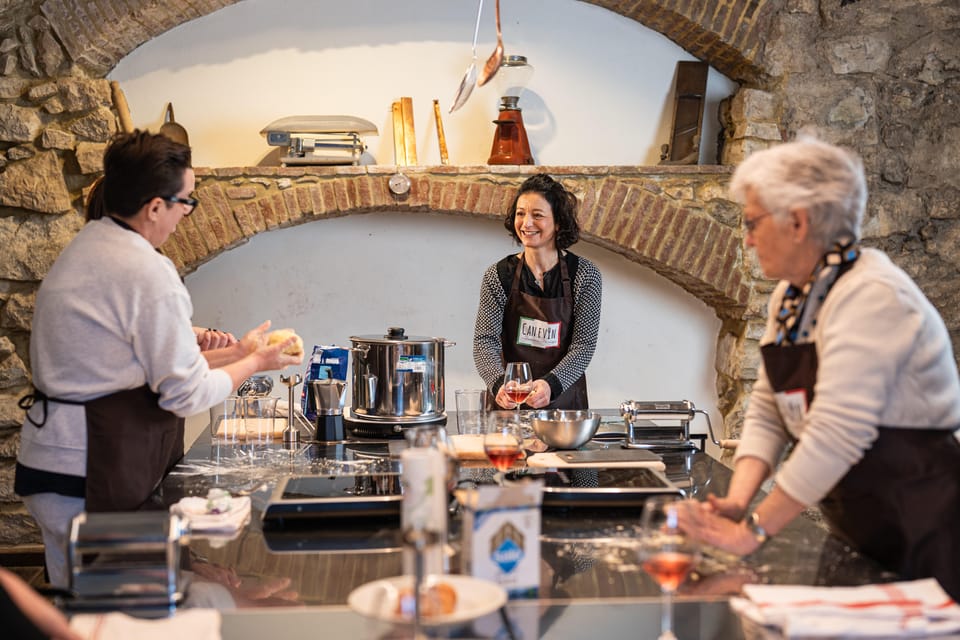
Once you’re inside, the tone is practical and friendly. A chef welcomes you, then sets expectations for the cooking ahead. You get professional equipment for the work, and the lesson moves step-by-step so you’re not just watching. It’s the rare experience where you leave with food in your stomach and know-how in your head.
The class is taught in English, Italian, and German, which is a big deal if you want to ask questions without second-guessing yourself. Depending on the day, you may have different instructors, and names that show up include Sara, Serafina, Alessandro, Ivan, Silvia, and the Fracco brothers—so you’ll likely feel like you’re learning from a real family-run setup rather than a factory-style operation.
You can also read our reviews of more tours and experiences in Garda.
Homemade pasta from scratch: the skills you’ll actually use again
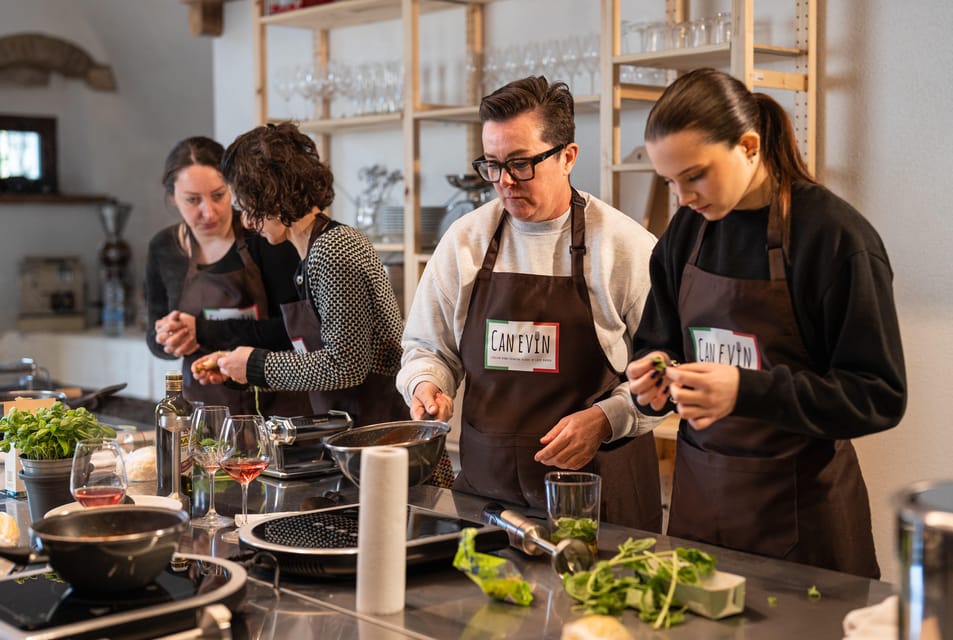
The core of the class is learning to make homemade pasta. That matters because most cooking classes around Europe stop at assembling. Here, the whole point is the making—so you understand the texture, the timing, and what changes when the dough is right (and when it isn’t).
You also learn to season your pasta with two typical Italian sauces. That’s a practical skill bundle. At home, it’s easy to repeat a “pasta night” with variety: one sauce for comfort, another for a different mood. It’s not just learning a recipe—it’s learning how to think like a cook.
A few helpful things you can expect as you work:
- You’ll be guided by an instructor who explains what you’re doing, not only what the finished dish looks like.
- The process stays hands-on, with you doing the prep while you’re learning the method.
- The class aims to turn this into something you can reproduce later, which is why you get a recipe book to take away.
Some sessions have included pasta shapes like spaghetti, orecchiette, gnocchi, or ravioli (and the sauces/fillings can be adjusted for vegetarian needs in at least some cases). You shouldn’t assume one exact pasta type every time, but the consistent promise is clear: you’ll make homemade pasta and you’ll finish with two classic sauces you learned through the cooking process.
The sauces lesson: how Italian flavor gets built
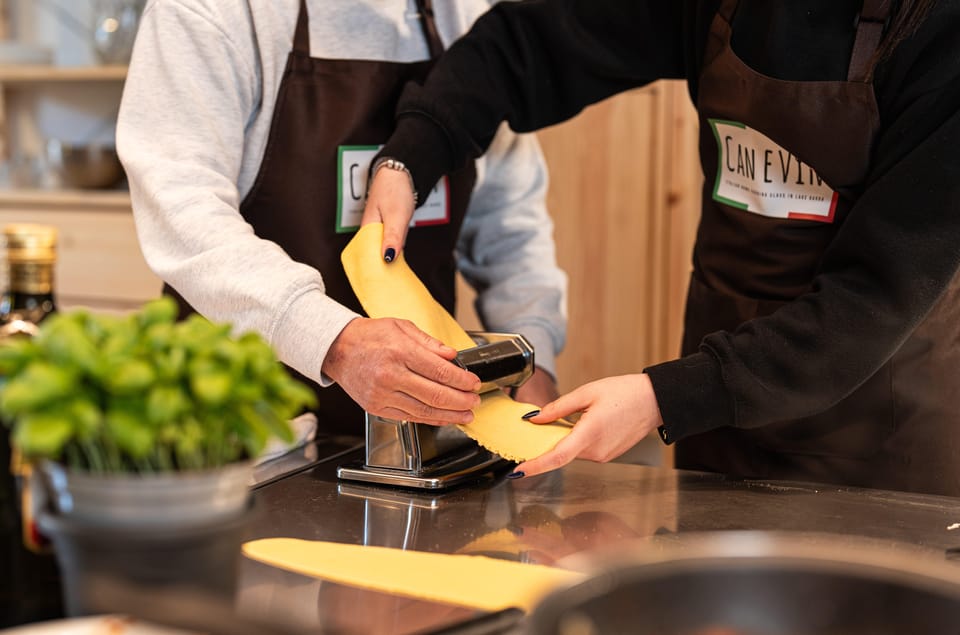
The sauce part is where many people get their biggest real-world win. In Italian cooking, sauces aren’t just “stuff on top.” They’re built from technique—heat, timing, and how you treat the ingredients.
In this class, you’ll learn how to make your pasta “work” with the sauce. That means you’re not just cooking pasta and hoping for the best. You’re learning how to season and combine in a way that makes the dish taste cohesive.
If you’re the type of cook who likes to host, this is especially valuable. The class positioning is clear: you’ll learn “secrets” that help you recreate future meals for guests. Even if you’re a beginner, this kind of sauce training gives you structure. Next time you shop for pasta, you’ll know how to choose the sauce that fits the mood of the day.
And because this is a coordinated meal (not a collection of separate tasks), the sauce teaching is linked to your later tasting with wine. That pairing helps you notice flavor details you might miss when cooking alone.
Tiramisù in one session: dessert that feels like a win
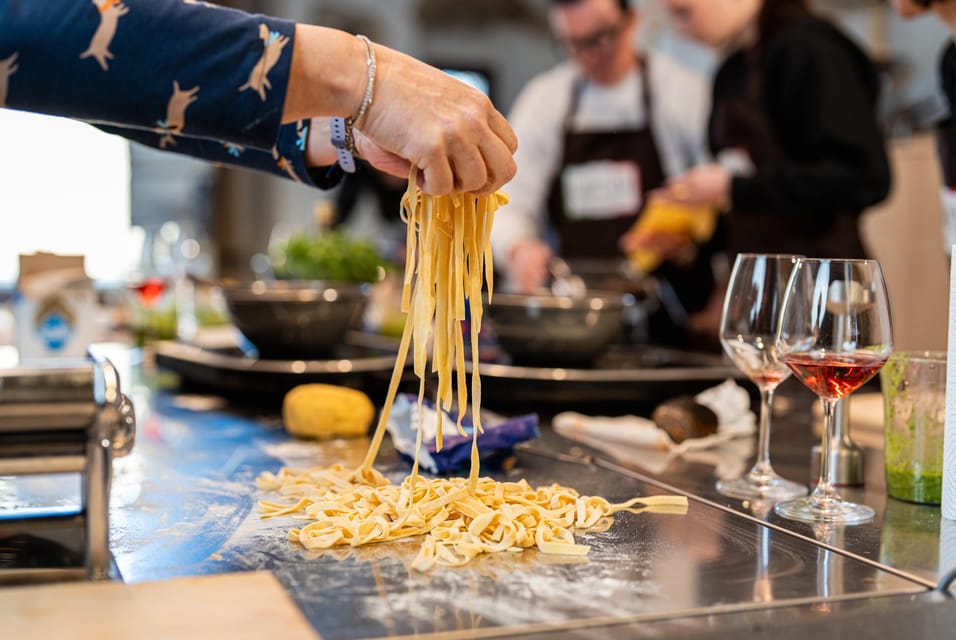
Then comes dessert: tiramisù, Italy’s best-known comfort sweet. The lesson includes making it as part of the experience, so you’re not leaving with just a printed recipe and hope.
Tiramisù is also a nice psychological boost in a class like this. Pasta takes patience; tiramisù lets you apply the same patience to something forgiving and celebratory. It also means you end the 3 hours with a full meal rhythm: pasta, sauce, then dessert, then the wine pairing experience tying it together.
Because you take home a recipe book and an apron, you can treat tiramisù as the “bookmark” dish from your trip. It’s the one you can recreate to remind yourself of the day without needing to remember every detail of pasta-making.
Wine pairing with lunch or dinner: why it’s worth including
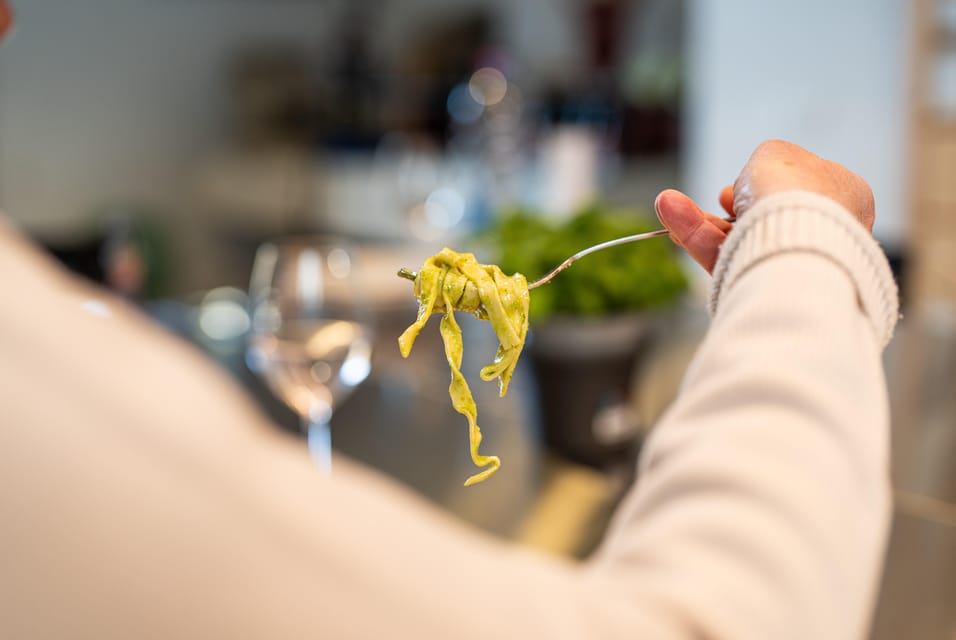
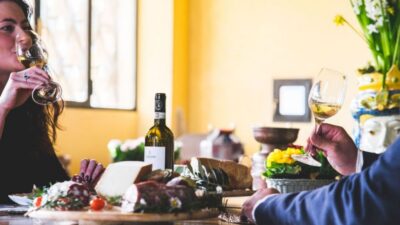
A lot of cooking classes say wine is included, but the quality varies. Here, the wine is used as part of the food experience, with the team pairing it with what you’re cooking and tasting.
That pairing makes a difference. You don’t just eat; you taste with a purpose. Wine helps you understand why certain sauces feel brighter or richer. It also gives you a sensory checklist you can use later when you’re cooking at home and choosing what to drink.
The class ends with you eating the results of your work, with wine during the meal flow. In at least one version of this experience, people also mentioned a finish with coffee—so it’s possible you’ll close with that Italian touch, though you shouldn’t count on it without checking what’s scheduled.
What’s included (and how it affects value)
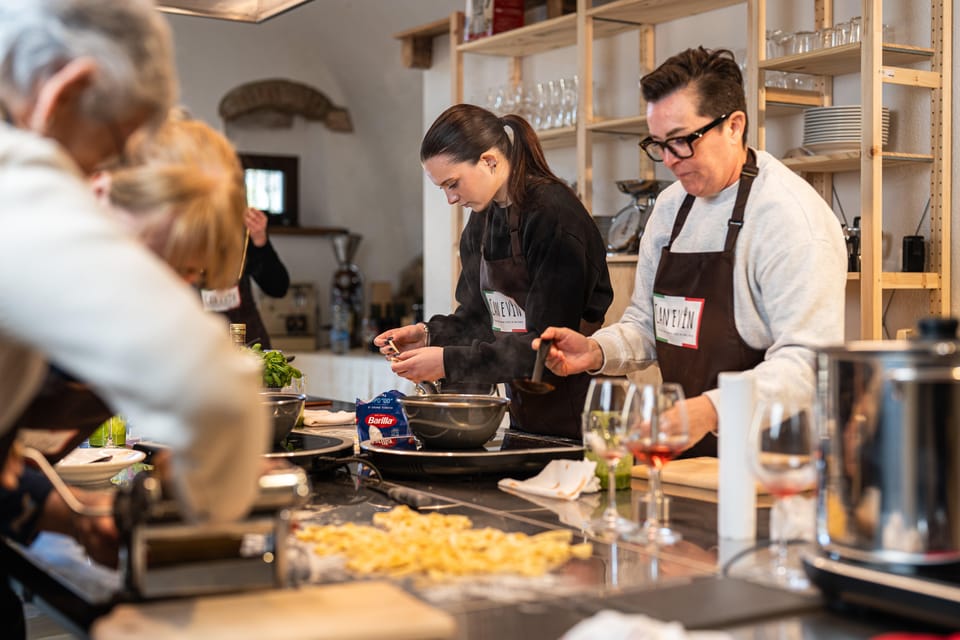
Let’s talk value, not just price. At $107.62 per person for a 3-hour class, you’re paying for more than ingredients. Your fee covers:
- An instructor
- Equipment for cooking
- Wine
- A personalized kitchen apron
- A recipe book
- Lunch or dinner, depending on the session timing
That package is the real reason this is good value. You’re not just buying a meal. You’re paying for guided training, plus the tools and coaching that would take time to replicate on your own.
You also get back something practical: the recipe book and apron. If you want to cook when you return home, those items reduce the friction of repeating the dishes.
The only thing explicitly not included is hotel pickup and drop-off, so you’ll want to plan to get yourself to the meeting point.
Who this cooking class suits best
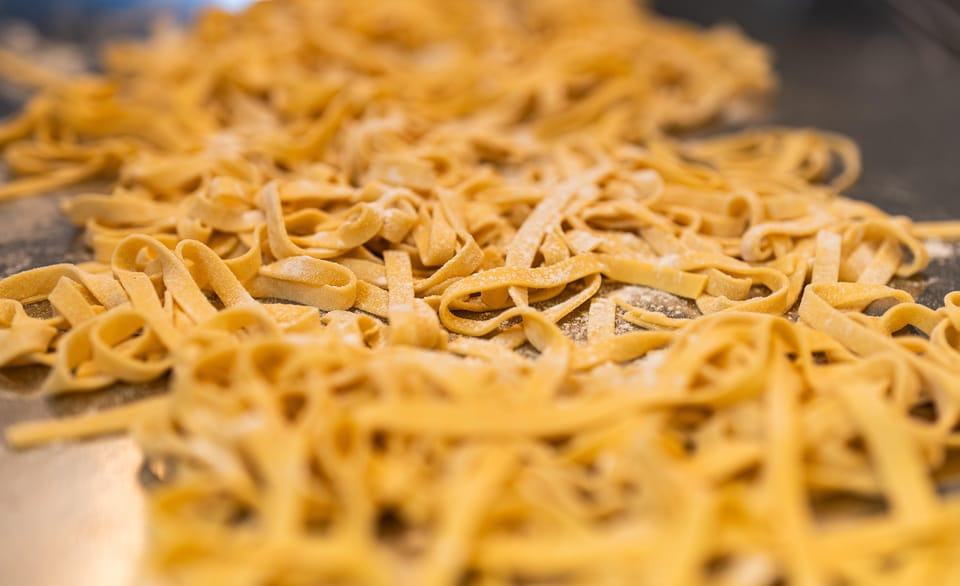
This works best if you want:
- A hands-on introduction to Italian pasta making
- A real meal experience in Garda, not a quick snack event
- Clear instruction in English, Italian, or German
- A take-home souvenir that’s useful (apron) and a reference you’ll use (recipe book)
It may be less ideal if:
- You need wheelchair access (it’s not suitable for wheelchair users)
- You’re traveling with kids under 18 (it’s not suitable for children under 18)
If you’re traveling as a couple, with friends, or even solo, this kind of class also tends to be a social day without turning into forced group entertainment. The atmosphere is described as relaxed and welcoming, with instructors giving supportive, step-by-step guidance.
Practical planning tips so you enjoy it
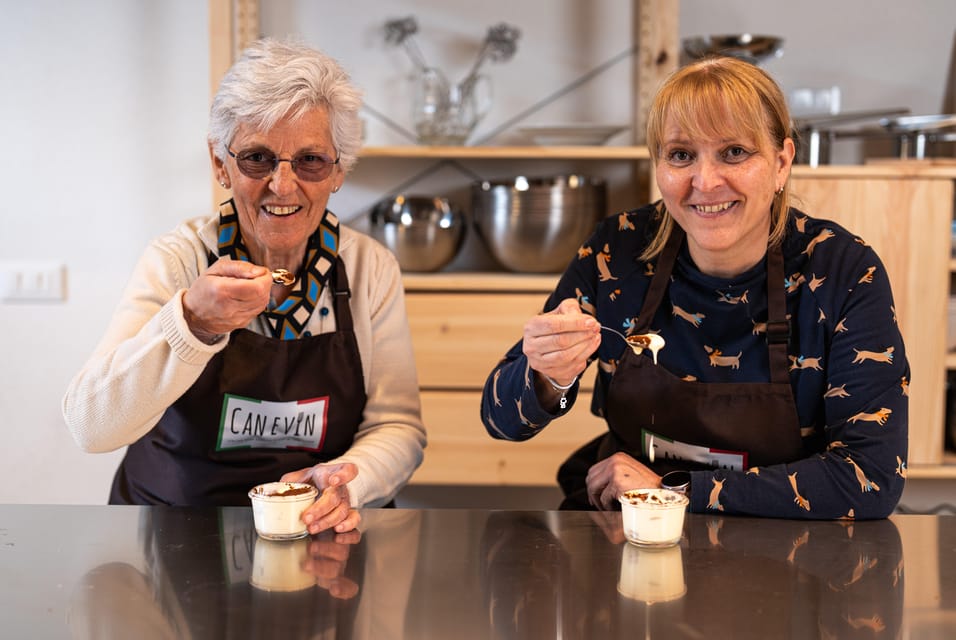
You’ll get the most out of the class if you treat it like an actual meal day:
- Plan to arrive with enough time to find the meeting point confidently (large wooden door, end of the road, after 12–14).
- Come ready to cook and taste; the experience is built around both the cooking and the eating.
- If you have intolerances or allergies, you should inform the activity provider after booking so they can handle it appropriately.
One more smart move: if you’re a vegetarian or have dietary preferences, ask in advance. Some versions of the class have included vegetarian-suitable sauces or fillings, but you shouldn’t assume every session can do every adaptation without confirming.
Price and logistics: how to decide quickly
At $107.62 per person, this isn’t the cheapest activity in Lake Garda. But it’s also not a gimmick. You’re paying for:
- instructor-led pasta technique,
- two sauces (not just one),
- tiramisù,
- wine included,
- plus the take-home apron and recipe book.
If your goal is to get a real skill you can use at home, the value is strong. If your goal is only to eat well with minimal effort, you might question whether you’d prefer a restaurant meal instead. For most people who like cooking—even a little—this class is one of those experiences that turns your trip into something you can repeat later.
Should you book this Garda cooking class?
If you want an authentic, hands-on Italian food experience in Garda, I’d say yes—especially if you’re excited about homemade pasta, learning two typical sauces, and making tiramisù with wine included. The take-home apron and recipe book are the kind of extras that make the day keep paying off after you fly home.
Skip it only if mobility or age restrictions matter for your group, or if you’d rather spend your 3 hours resting instead of cooking.
FAQ
FAQ
How long is the cooking class in Garda?
The experience lasts 3 hours.
What will I learn to make?
You’ll learn how to make homemade pasta seasoned with two typical sauces, and you’ll also make tiramisù for dessert.
Is wine included?
Yes. Wine is included, and it’s paired with what you cook and eat during the lesson.
Is lunch or dinner included?
Lunch or dinner is included. Which one you get depends on the session.
What languages are the instructors?
The instructor can teach in English, Italian, and German.
Do I take anything home?
Yes. You receive a personalized kitchen apron and a recipe book.
Where do I meet for the class?
Look for a large wooden door at the entrance. When you get to the end of the road, walk under the building and go to the location just after number 12–14.
Is the class suitable for wheelchair users?
No. It’s not suitable for wheelchair users.
Are children allowed?
No. The class is not suitable for children under 18.