REVIEW · MATERA
Guided Tour, Historic Center Sassi Rock Churches and Cave House
Book on Viator →Operated by Passi nei Sassi · Bookable on Viator
Matera’s Sassi are easier to understand with a guide. This 2-hour walk links Sasso Barisano viewpoints, a real rock church interior, and iconic cave neighborhoods into one clear route through the stones. You’ll get entrances included to both the Church of Santa Maria di Idris and a traditional Casa Grotta, so you’re not stuck looking from the outside.
I also like how the pacing balances big views with slower moments for stories and photos. Guides named in feedback—people like Patrizia, Lorena, Laurencia, and Annalise—tend to focus on daily life details, not just dates. One watch-out: there are lots of steps and uneven ground in the Sassi, so this is not ideal if you need a fully flat route.
In This Review
- Key highlights before you go
- Getting oriented: where the tour starts in Matera
- Sasso Barisano viewpoint: the fastest way to understand the Sassi
- Church of Santa Maria di Idris: going inside a rock church
- Sasso Caveoso: courtyards, underground oil mills, and a cemetery you’ll remember
- Underground oil mills
- The barbarian cemetery
- Panoramic moments and hidden corners
- Casa Grotta di Matera: how a cave house works as a time machine
- Pace, shoes, and heat: how to make the 2 hours feel worth it
- Price and value: what $26.60 buys you in Matera
- Who should book this tour (and who should rethink it)
- Should you book Passi nei Sassi’s Historic Center Sassi walk?
- FAQ
- How long is the guided tour?
- Is the tour offered in English?
- What’s included in the price?
- Are bottled water or snacks included?
- Where do we meet, and where does the tour end?
- How large is the group?
- Can I cancel and get a refund?
Key highlights before you go
- Small group size (up to 20): easier questions, less rushing, and you can actually hear explanations.
- Sasso Barisano viewpoint fast-stop: a quick elevated look that makes the rest of the maze make sense.
- Church of Santa Maria di Idris included: you get inside a rock church, not just the façade.
- Sasso Caveoso with underground oil mills: you’ll see how people produced and stored oil underground.
- Casa Grotta di Matera included: original objects and a cave-house layout help you picture life until the 1950s.
- English narration: most guides communicate clearly, but pace and accent can vary.
Getting oriented: where the tour starts in Matera
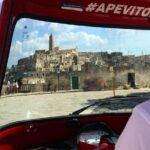
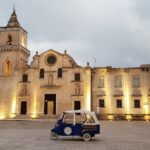
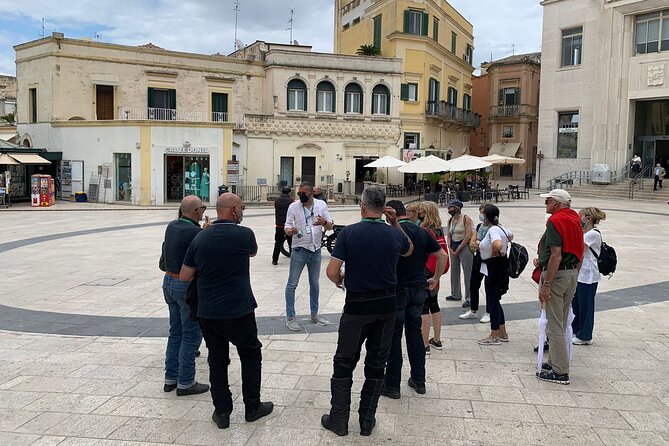
The tour meets at Via Don Giovanni Minzoni, 13 in Matera. From there, you begin in the main public square, Piazza Vittorio Veneto—one of the city’s social hubs. This start matters because Matera’s old areas can feel like a warren once you step into the cave streets. Starting with a big open square gives you a reference point before you start climbing and descending.
You’ll then move into the historic center on cobbled lanes and through stone portals. Expect a guided “read” of the city: facades that hint at different eras, church fronts built into rock, and viewpoints that show you how neighborhoods stack on top of each other.
Practical note: one common frustration is simply finding the meeting point if you’re using maps on your phone. Matera streets can be confusing even when you think you’re close. I’d take a screenshot of the exact pin location and plan to arrive a few minutes early, not right on time.
You can also read our reviews of more tours and experiences in Matera.
Sasso Barisano viewpoint: the fastest way to understand the Sassi
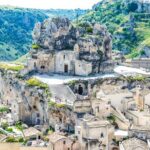
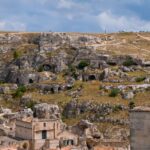
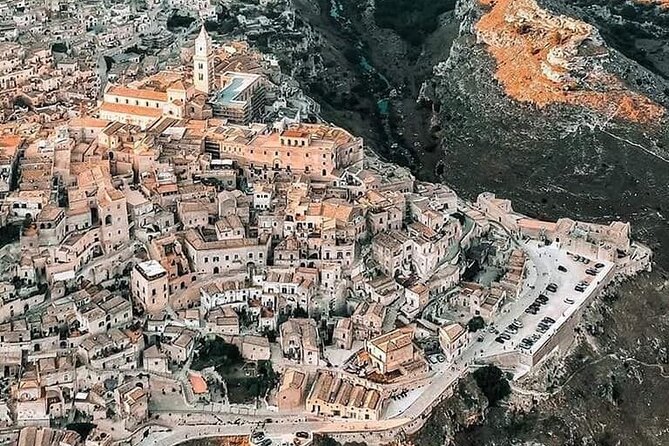
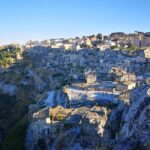
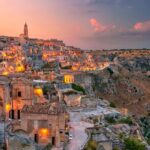
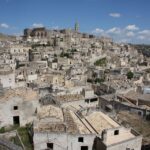
The first stop is Sasso Barisano. You’ll get a short viewpoint visit (about 10 minutes) that’s mainly about understanding the big picture. From up above, the neighborhood looks like a connected web: cave houses, cave churches, and narrow passageways braided together.
This stop is valuable because it changes how you walk later. On a first visit, it’s easy to wander without grasping the overall structure. Up high, you can spot how rooms and churches relate to the street level. After that, the caves below stop feeling random and start feeling intentional.
Also, the viewpoint is great for photos. Even if you don’t take many pictures, you’ll probably want a few—because once you’re down at street level, viewpoints get harder and time becomes tighter.
The one downside is that the stop is brief. That’s a good thing if you’re worried about the pace, but it does mean you shouldn’t expect a long, slow look here. If you want to linger, you’ll get chances later during the Sasso walk.
Church of Santa Maria di Idris: going inside a rock church
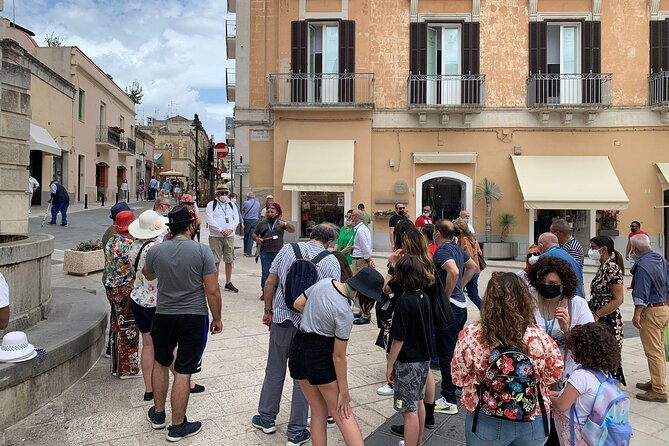
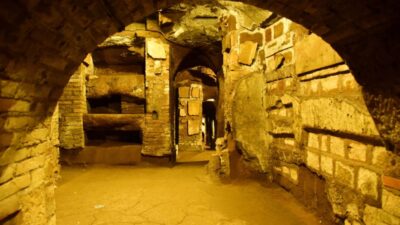
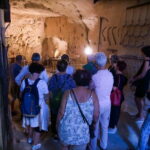
Next comes the Church of Santa Maria di Idris. This is the kind of place you can’t fully appreciate from outside. The tour includes the entrance, and you’ll spend around 20 minutes inside.
Rock churches in Matera are startling because they look both ancient and practical—built into the landscape as part of daily religious life. In a guided visit, you’re not just staring at stone. You’ll be guided toward what matters: how the space is shaped, what makes it visually different from standard churches, and why the cave setting is part of the whole story.
A good bonus here is timing. After walking, a rock church can feel like a controlled pause—cooler than the open streets on a warm day. That helps the rest of the route feel manageable.
One consideration: if your guide’s English pace runs fast or the accent is strong, the inside stop can feel like a quick blur. If that’s a concern for you, lean into questions right away—guides tend to slow down when someone asks.
Sasso Caveoso: courtyards, underground oil mills, and a cemetery you’ll remember
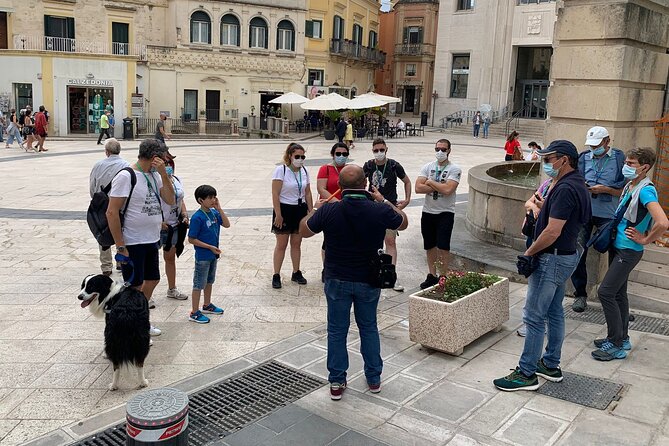
Now the tour shifts into Sasso Caveoso, the most iconic part of the Sassi. This is where you truly feel the “why” behind the architecture—how families organized work, worship, and daily life in cave neighborhoods.
The walk focuses on the neighborhoods and shared spaces: cave streets, courtyards, and the sense that people lived close together even when their homes were carved from rock. The guide brings the past to life with stories and details about everyday life. You’re not just seeing structures; you’re learning what those spaces were used for.
Underground oil mills
One of the most interesting parts is the visit to the underground oil mills. Oil production is a huge part of southern Italy’s rural history, and here it’s physically built into the ground. Seeing these mills helps you understand that the Sassi weren’t only for sleeping and churchgoing—they were working environments too.
The barbarian cemetery
Another standout is the barbarian cemetery, described as a rare archaeological site that preserves memories of ancient times. Even if you don’t consider yourself an archaeology person, the guide’s context makes it easier to understand why the site matters in Matera’s longer timeline.
Panoramic moments and hidden corners
Expect a mix of walking and short scenic breaks. You’ll get panoramic views in the course of the route, plus chances to notice details that are easy to miss when you’re walking alone. This is also where small-group size helps: fewer people means you can stop without feeling like you’re holding up a long conga line.
Main practical drawback here: steps. There are lots of up-and-down paths, and the ground can be uneven. This route is doable for many people, but it’s not “stroll pace.” If you’re traveling with anyone who struggles on stairs, bring that reality into your planning.
Casa Grotta di Matera: how a cave house works as a time machine
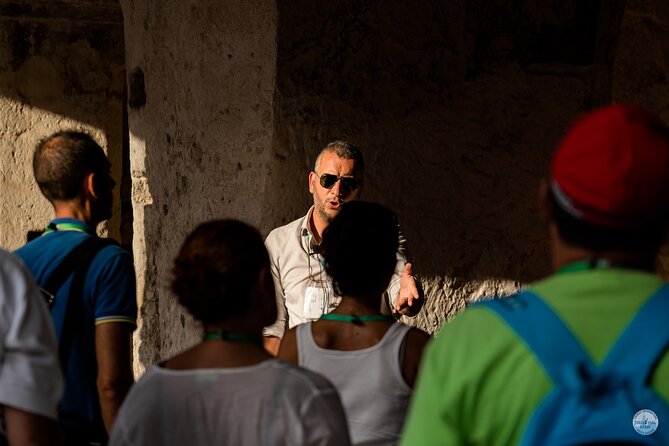
The tour ends with a visit to the typical Casa Grotta di Matera. This part is included (about 15 minutes) and it’s one of the most emotionally effective stops, because you’re stepping into the kind of home that shaped survival and routine.
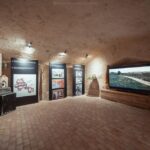
You’ll walk through cave rooms, kitchens, and inner courtyards with original objects and traditional tools. The point isn’t just to look at old furniture—it’s to understand the layout: how space was used when the buildings were carved from rock and when families lived with practical limits.
A big reason this works on first-time visitors is that it gives your brain a map. After the church and the Sassi street walk, the cave house makes everything feel connected. You’ll start visualizing daily life into the 1950s, when these cave homes were still part of real living patterns.
If you care about photography, this is also where images look most “authentic.” Cave interiors can be dim, so your photos might be lower light than you expect. Still, the textures and the feeling of the space are the real payoff.
Pace, shoes, and heat: how to make the 2 hours feel worth it
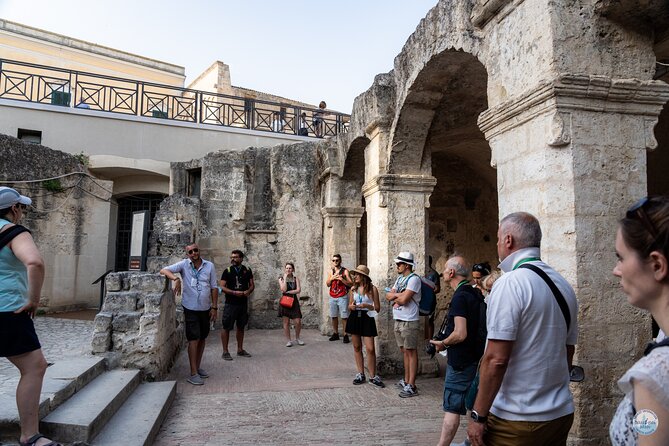
This is a guided walk that’s roughly 2 hours, so comfort matters. Based on what’s commonly experienced on these Sassi routes, you should assume:
- Lots of steps up and down
- Uneven stone surfaces
- Short breaks, but not a “sit for long” tour
Good footwear is a must. The tour notes and practical experiences point to non-slippery shoes because you’ll be moving on stone that can be slick. If you’re tempted to wear flip-flops or thin-soled sneakers, resist. You don’t need hiking boots, but you do need grip.
Heat can be a real factor. In summer, you’ll want a plan for shade and water. Bottled water and snacks are not included, so bring something small and packable. If you’re sensitive to sun, consider going at a cooler time of day when possible.
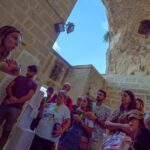
On group dynamics, a highlight repeatedly comes up: slow pace with time for questions and photos. That said, guides can vary—some talk faster than others. If you’re the type who likes explanations, arrive ready to ask. If you prefer a gentler cadence, you can still get there, but the best strategy is to speak up early.
Price and value: what $26.60 buys you in Matera
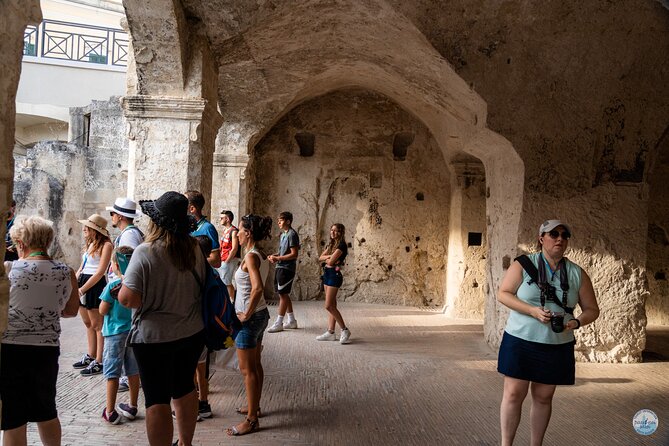
At about $26.60 per person for roughly 2 hours, this tour is good value because you’re paying for three things at once:
- Guided navigation through confusing cave streets and viewpoints
- Entry to two key stops (Santa Maria di Idris and a cave house)
- A structured route that connects the Sassi areas without wasting time hunting
The entrance costs are a real part of why it feels like a “buy.” It’s not just a walking talk. You’re also getting access to interior spaces—church and Casa Grotta—that you’d otherwise need to figure out yourself, possibly with longer lines and less context.
Also, the max group size of 20 keeps the experience from feeling like a rushed stampede. You’re more likely to get your questions answered and to take photos at natural stopping points.
If you’re visiting for a short time and want the “greatest hits” of Matera’s cave world in one go, the pricing makes sense.
Who should book this tour (and who should rethink it)
This is a strong pick for you if you:
- Want a clear, guided introduction to the Sassi neighborhoods
- Prefer learning the human story of the cave world, not just photos
- Like having entrances handled for you (church + cave house)
- Would rather walk with a small group than try to self-navigate
It may be a weaker choice if you:
- Need a flat, step-free route (there are many steps and uneven paths)
- Have limited mobility and want to reduce stair climbing as much as possible
- Dislike walking tours that include frequent short transitions between stops
For families, the key question is stamina and footwear. For older travelers, I’d treat this as a “bring extra caution” tour because the geography is the point of the experience.
Should you book Passi nei Sassi’s Historic Center Sassi walk?
Yes, I’d book it if you want Matera to feel understandable fast. The combination of a viewpoint to orient you, a rock church interior, a Sasso Caveoso walk with working-life details, and an included cave-house visit hits the main reasons people fall in love with the Sassi.
Do it if you’re okay with steps and you can wear grippy shoes. If stairs are a deal-breaker, you’ll likely be happier with a different format that reduces climbing.
My final advice is simple: arrive a few minutes early, check the meeting point carefully, and bring water. Then show up ready to walk, look closely, and ask questions. This is the kind of tour where the stones start talking back.
FAQ
How long is the guided tour?
It runs for about 2 hours.
Is the tour offered in English?
Yes. The tour is offered in English.
What’s included in the price?
Entrance tickets are included for the Church of Santa Maria di Idris and for the cave house (Casa Grotta di Matera).
Are bottled water or snacks included?
No. Bottled water and snacks are not included.
Where do we meet, and where does the tour end?
It starts at Via Don Giovanni Minzoni, 13, Matera and ends at Piazzetta Pascoli, Matera.
How large is the group?
The tour has a maximum of 20 travelers.
Can I cancel and get a refund?
Yes, free cancellation is available up to 24 hours in advance for a full refund. If you cancel later than that, the amount paid is not refunded.