REVIEW · ARCHAEOLOGICAL SITE OF HERCULANEUM
Herculaneum 2-Hour Private Guided Tour
Book on GetYourGuide →Operated by Tempio Travel Pompei Tickets · Bookable on GetYourGuide
Ash and murals make Herculaneum unforgettable. This private guided tour focuses you fast on what matters—especially the preserved murals and artwork inside the houses. I love that you can ask questions and set the pace, which is a big deal at a real archaeological site.
I also like how the guide ties the ruins to the eruption story. Herculaneum was closer to Vesuvius than Pompeii, and it was buried in a way that helped preserve architecture and wall paintings. That context turns the site from a collection of stones into a place that felt lived-in.
The main drawback is simple: 2 hours goes quickly. If you love art details or you’ve got kids who want to stop and ask everything, you may wish you booked more time.
In This Review
- Key highlights at a glance
- Why Herculaneum Feels Different Than Pompeii
- What a 2-Hour Private Tour Actually Covers
- The Murals and “Why It’s Preserved” Story
- How the Guide Makes Roman Life Click
- Guides You May Encounter: Daniela, Alessia, Teresa, and Anna
- Who This Tour Fits Best (and When You Might Want More Time)
- Price and Value: Why $283.21 Can Make Sense
- Practical Stuff Before You Go (So Your Shoes Survive)
- Should You Book the Herculaneum 2-Hour Private Guided Tour?
- FAQ
- Is this tour really private?
- How long is the Herculaneum guided tour?
- Do I need to buy the entrance ticket?
- What languages are available for the guide?
- Can I skip the ticket line?
- What should I bring to the site?
- Are bags allowed?
- What about the first Sunday of the month?
Key highlights at a glance
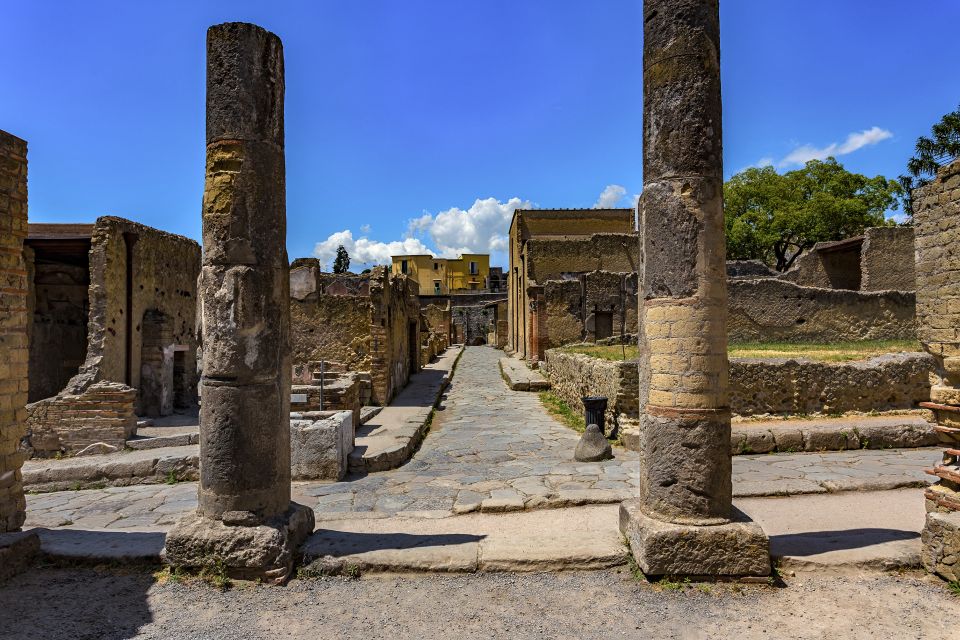
- Private pace: You move as a small group, not as a cattle herd.
- Murals you can actually study: Colorful wall paintings survive under the volcanic materials.
- The Vesuvius impact explained: You get the why behind Herculaneum’s preservation.
- Guides who work with families: Plenty of patience for lots of questions.
- Skip-the-wait entry: You get help getting into the site faster than doing it on your own.
Why Herculaneum Feels Different Than Pompeii
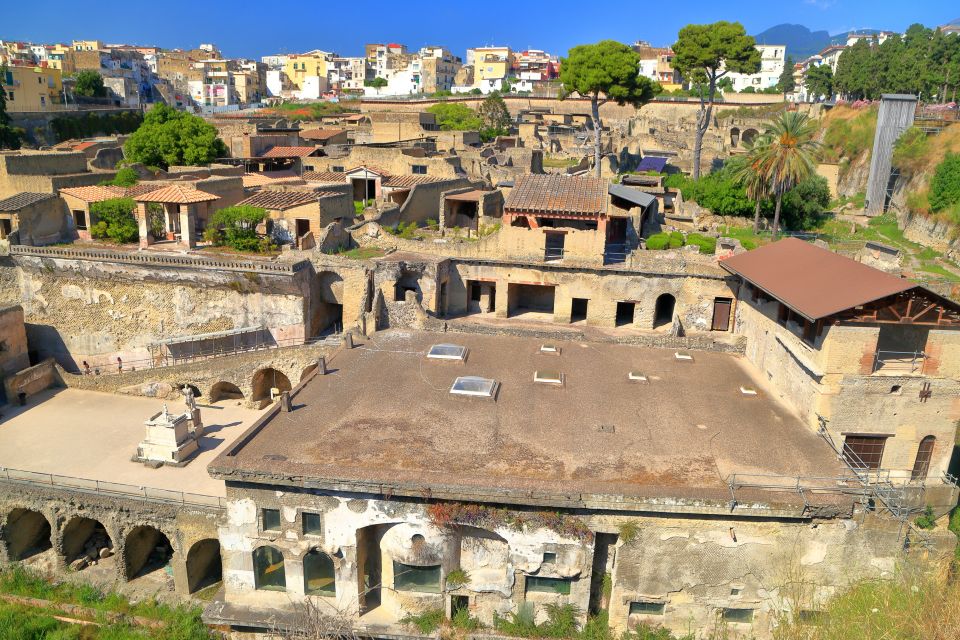
Herculaneum (often called Ercolano by locals) is one of those places where the “what happened” matters as much as the “what you see.” Same eruption as Pompeii. Same Mount Vesuvius drama. But the details change the experience.
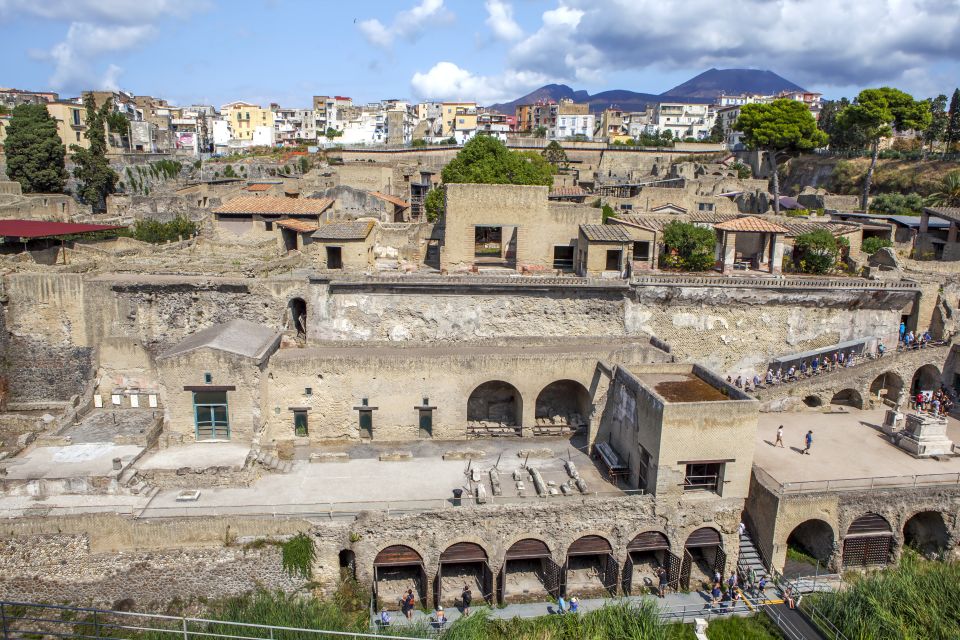
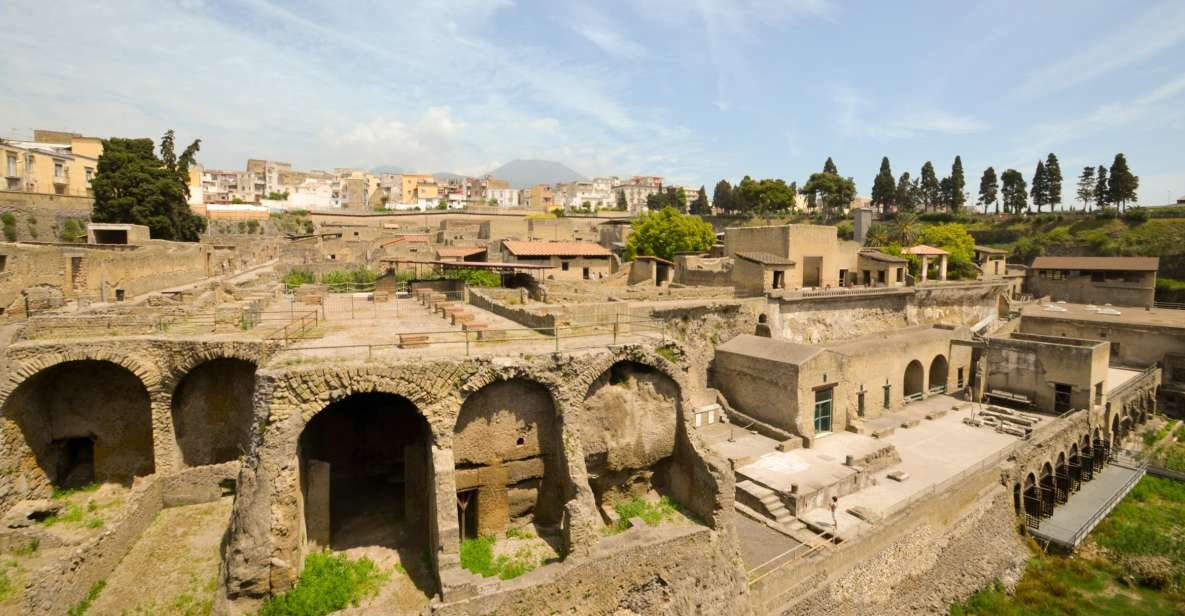
Herculaneum was closer to Vesuvius than Pompeii, and it was buried in a way that protected buildings better. That means you’re not just looking at ruins; you’re looking at structures and wall surfaces that survived in a more complete form. The result is that the city can feel more intact—like you can almost picture where doors were, how rooms were laid out, and how people moved through the daily rhythm of Roman life.
For you, that difference is the whole point of going. If Pompeii feels like an outdoor history textbook, Herculaneum is where the story gets specific. And with a private guide, you’re not forced to translate the place yourself while your brain does mental archaeology math.
You can also read our reviews of more tours and experiences in Archaeological Site Of Herculaneum.

What a 2-Hour Private Tour Actually Covers
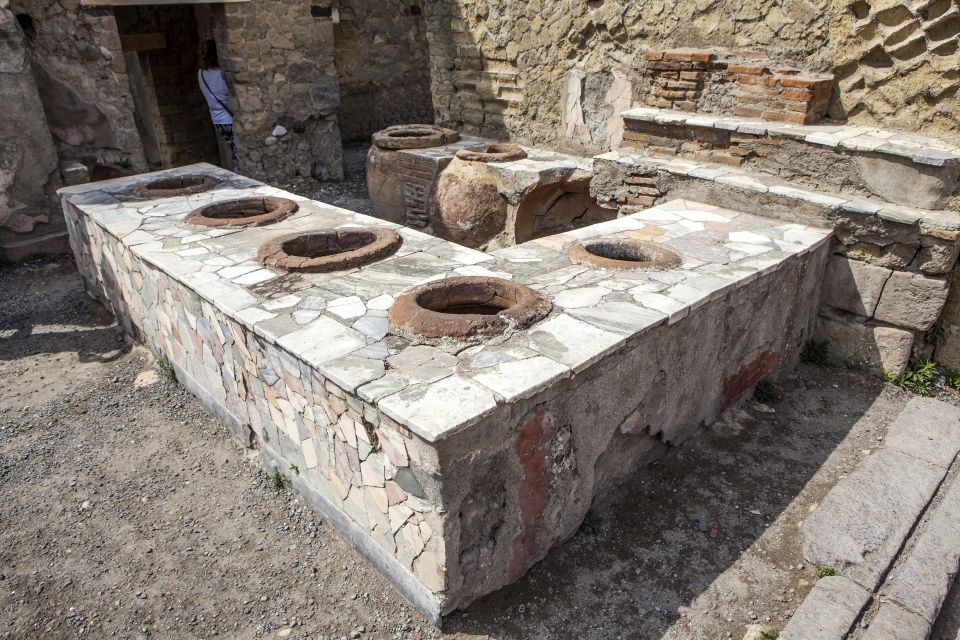
This is a straightforward plan: meet at the Herculaneum archaeological site, then enjoy a 2-hour guided walk through the excavated area. There’s no complicated zig-zag itinerary here. The value is in having someone steer you through what to notice, how to read the space, and what details actually mean.
You’ll start with entry help and skipping the ticket line. That matters because Herculaneum can be busy, and you don’t want to waste precious minutes standing around before you’re even in the ruins.
Once inside, the guide focuses on turning what you see into understanding. You’ll learn the eruption basics and how it affected the city. Then you’ll spend time on the houses of wealthier residents and their artwork—especially colorful murals that survived because of the volcanic cover. The tour is designed so you’re not just walking from stop to stop. You’re getting meaning with every stop.
Two hours sounds tight on paper, and it can feel that way in reality. If you want slower pacing, more pauses for photos, or you’re traveling with curious kids, you’ll likely feel the time slip away fast.
The Murals and “Why It’s Preserved” Story
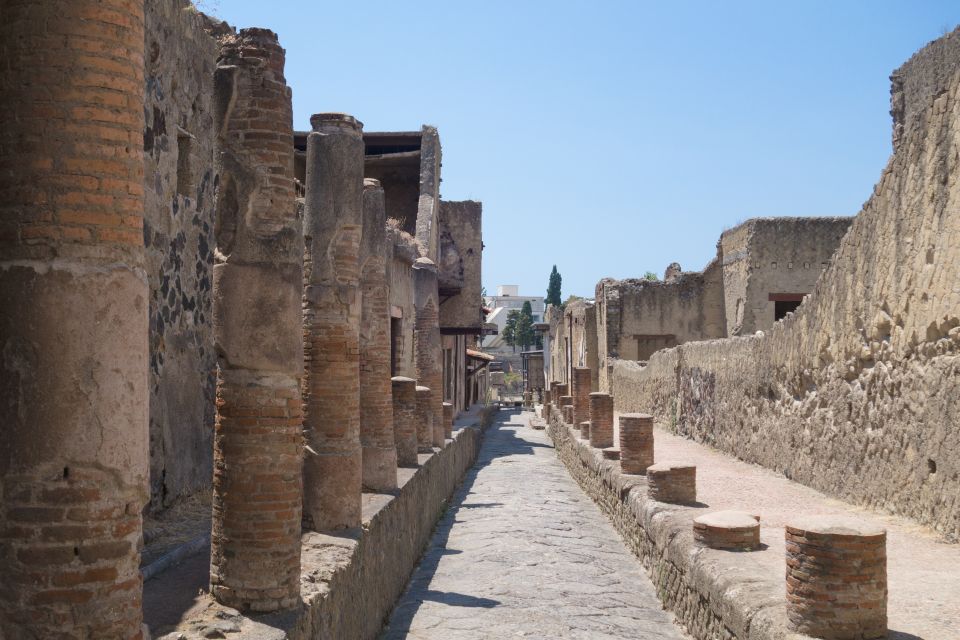
If you care about art, this is where Herculaneum does its magic. The standout feature isn’t only the existence of ruins—it’s the preservation of wall paintings and decorative elements in homes.
Your guide will connect the dots between the eruption and the survival of those details. The city was closer to the volcano than Pompeii, and it was buried deeper by lava. That combination helped preserve architecture better than in areas where preservation was less complete. The guide uses that to explain why the walls and artwork still look like they belong to a house, not a pile of fragments.
It’s also why the tour emphasizes wealthy homes and their artwork. Herculaneum wasn’t only a place of survival—it was a place with comfort and status. Those murals are reminders that the city had more means than people often assume. When your guide points out what you’re looking at—colors, placement, themes—you start seeing the artwork as part of how Romans lived, not just as a decoration that happened to survive.
And because this is a private tour, you can spend extra moments on the parts that catch your eye, instead of being shepherded along because the group is running late.
How the Guide Makes Roman Life Click
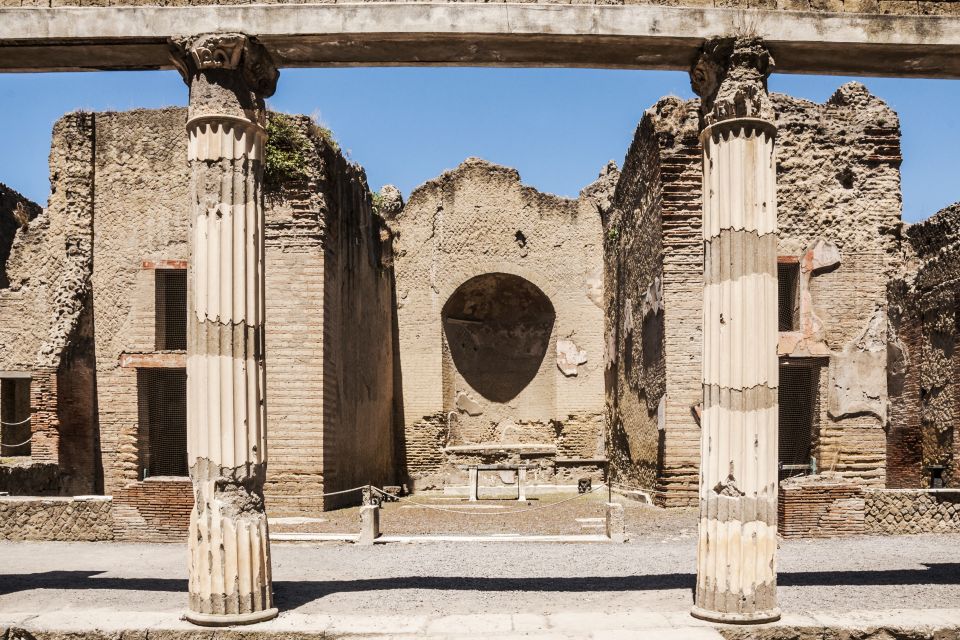
The best cultural tours don’t recite facts. They translate a place into human behavior. That’s what this experience is built for: your guide uses the ruins to paint a vivid picture of daily life in the Roman world.
Expect the conversation to move beyond dates and names. You’ll hear how people used their homes, how wealth showed up in art and domestic style, and what daily routines would have looked like. The guide’s job is to help you read the site the way you’d read a living neighborhood, even though it’s been silent for nearly two millennia.
If you’re bringing kids, this part is especially important. Several tours run with a family focus, where the guide takes time to answer questions and keeps explanations at a level that doesn’t lose younger attention spans. It’s one of the reasons people end up feeling like the tour was worth it even when the kids initially weren’t thrilled about history.
For language support, you can choose a guide in Spanish, English, French, Italian, or German. That makes a big difference here, because so much of the tour value is in clear storytelling and the ability to ask follow-up questions.
Guides You May Encounter: Daniela, Alessia, Teresa, and Anna
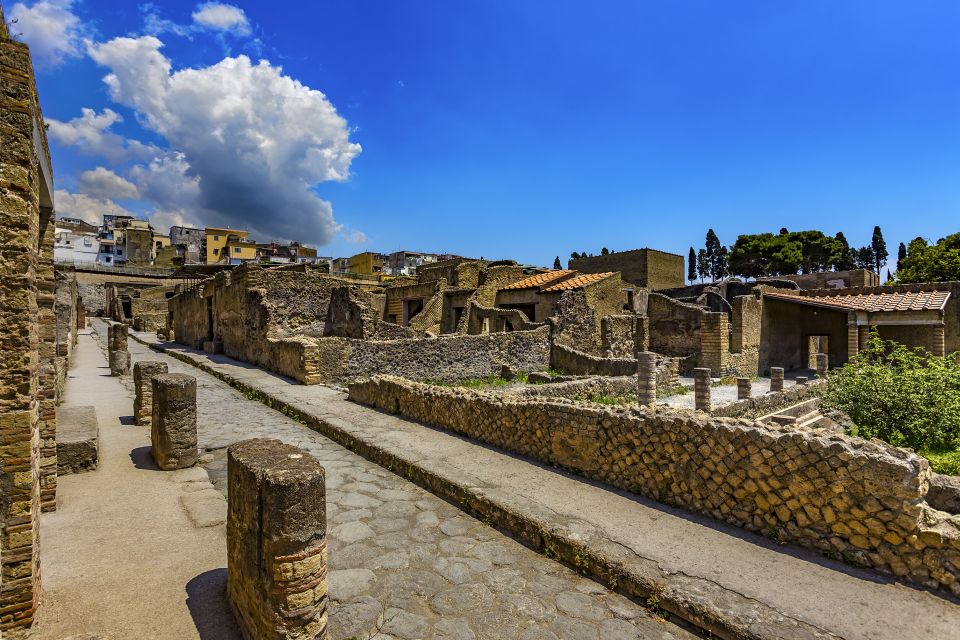
A private tour is only as good as the person holding the story. The names below came up in the tour experience reports, and they’re a good sign of the kind of guiding style you’ll likely find.
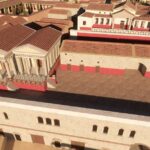
Daniela is mentioned as a standout for pacing and visuals. One tour experience notes that Daniela used an iPad to help with visualizations of what buildings might have looked like in the first century AD. That kind of tool helps you stop guessing and start seeing how the city worked.
Alessia shows up for professionalism and charm, with a tour experience describing her as both knowledgeable and very professional. The vibe here matters: when the guide is calm and organized, you get more from the ruins, not less.
Teresa is described as highly informative, including time spent answering questions and keeping interest even on a hot day. One report specifically mentions her as a PhD student of archaeological studies, which lines up with the kind of detail you’d hope for when you want to understand both the art and the eruption context.
Anna appears as a helpful, organized guide in multi-stop travel situations, including moving between tours in a sensible sequence. Even if you’re only doing Herculaneum, it’s reassuring to hear that her style supports smooth planning.
You won’t know in advance which guide you’ll get, but these examples give you a sense that you’re likely choosing from people who can explain the site clearly and keep it engaging.
Who This Tour Fits Best (and When You Might Want More Time)
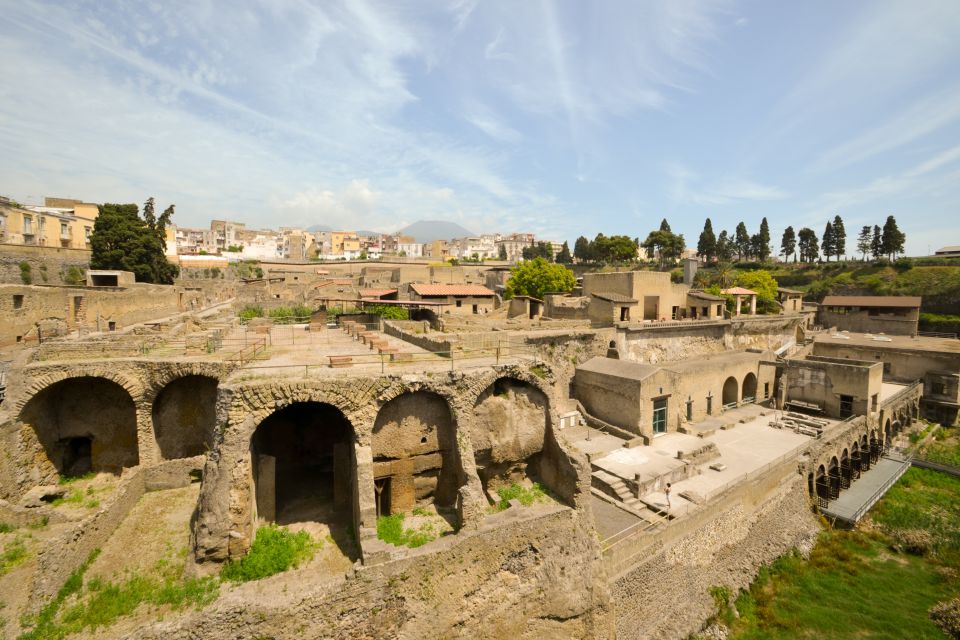
This is a strong choice for:
- Families who want structured answers without dragging kids through history at a pace that doesn’t work.
- Art lovers who want to focus on the preserved murals instead of walking past them wondering what you’re looking at.
- First-timers to Herculaneum who don’t want to figure out the eruption story and the site’s layout alone.
It’s also a smart option if you’re short on time. Herculaneum is easier to enjoy when someone helps you prioritize what to notice. A private format means you can stop more often for questions, and you’re not balancing your attention between learning and keeping up with a group.
But here’s the realistic warning: two hours can feel like “just getting started.” Even with a great guide, there’s a lot to process—especially the artwork and the meaning behind the preservation. If you love slow museum time, or if you want to spend extra moments reading details in the homes, you may feel you need additional hours.
Price and Value: Why $283.21 Can Make Sense
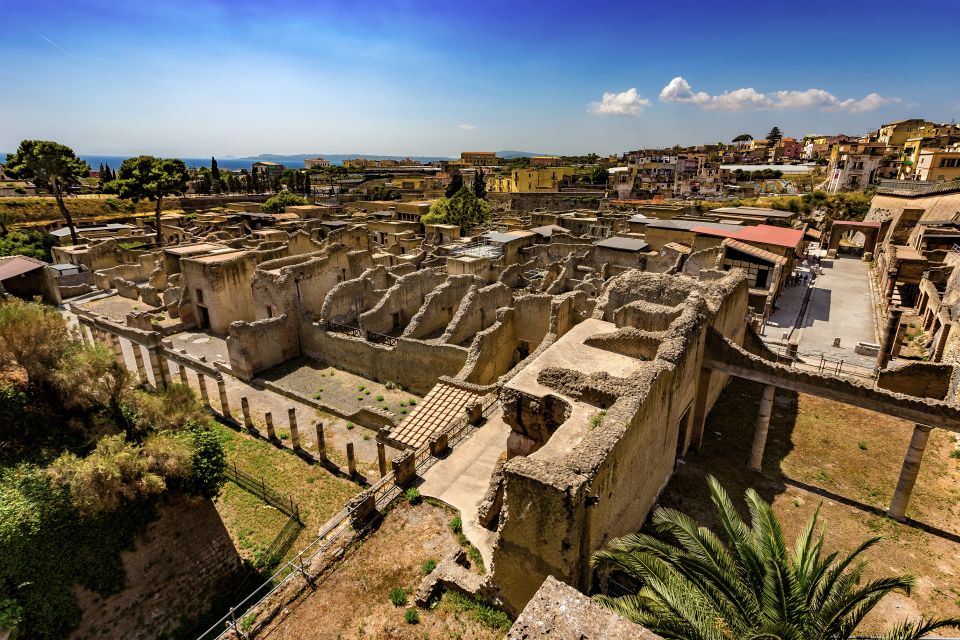
The price is $283.21 per group (up to 8) for a 2-hour private tour. That pricing structure matters. If you’re a solo traveler, it’s usually an expensive way to go compared with group tours. But if you’re traveling with a partner or family, the cost per person can get more reasonable fast—especially for a private guide who tailors the pace to you.
Think about what you’re paying for:
- A guide who can focus on the exact things you care about, like the murals and eruption story.
- The time saved from figuring out the site without guidance.
- The convenience of getting help at the entrance and skipping the ticket line.
If you’re the kind of traveler who likes to actually understand what you’re seeing—rather than just collecting photos—private guiding often feels like good value. At Herculaneum, the visuals and context are so connected that a guide adds meaning quickly.
Practical Stuff Before You Go (So Your Shoes Survive)
Good tour planning is usually boring. That’s fine. Here’s what you need for a smooth visit.
Wear comfortable shoes. You’ll be walking around an archaeological site, and you’ll want stable footing.
Bring passport or an ID card. If anyone in your group is under 18, that ID requirement matters.
Don’t bring luggage or large bags. The site rules don’t want bulky items around, so travel light.
One more timing note that can affect your decision: the first Sunday of each month has free entrance. But you can’t reserve tickets ahead of time, so entry isn’t guaranteed. If your dates might land on that first Sunday, you’ll want a Plan B mindset.
Finally, transportation and meals aren’t included. Plan on handling your own getting to Herculaneum and grabbing food separately before or after.
Should You Book the Herculaneum 2-Hour Private Guided Tour?
Yes, if you want the fastest path to understanding what makes Herculaneum special—preserved murals, the eruption explanation, and the feel of Roman daily life—and you prefer a pace that works for your group, especially kids.
If you’re on a solo budget and you’re happy reading on your own, you might question the private cost. But if your goal is meaningful seeing, not just sightseeing, this tour’s structure makes sense. You’re paying for a guide who helps you connect volcanic events to art and architecture, without wasting time at the entrance or getting lost in the ruins.
FAQ
Is this tour really private?
Yes. It’s a private group tour, priced per group up to 8 people, with a live guide for your group.
How long is the Herculaneum guided tour?
The tour duration is 2 hours.
Do I need to buy the entrance ticket?
Entrance ticket to the Herculaneum archaeological site is included only if you selected it as an extra. If you didn’t select it, you may need to arrange the ticket separately.
What languages are available for the guide?
The live tour guide is available in Spanish, English, French, Italian, and German.
Can I skip the ticket line?
Yes. The tour includes skip-the-ticket-line entry.
What should I bring to the site?
Bring a passport or ID card and wear comfortable shoes.
Are bags allowed?
Luggage or large bags aren’t allowed.
What about the first Sunday of the month?
Entrance is free on the first Sunday of each month, but tickets can’t be reserved ahead of time, so entry isn’t guaranteed.