REVIEW · LECCE
Lecce: Baroque Architecture and Underground Walking Tour
Book on GetYourGuide →Operated by InfoTab Tours di Mazzotta Michelangelo · Bookable on GetYourGuide
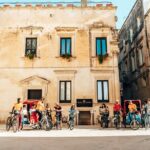
Underground stories under Lecce’s baroque streets. This guided walk strings together the city’s big-name sights and the lesser-known layers beneath your feet, with English-speaking guides like Angela and Antonio showing up with real personality and specifics. I love the way the route ties Santa Croce Church to the main squares, and I also love that you get a proper visit to the underground Jewish Museum instead of just snapping a photo and rushing on. One thing to consider: the tour can feel fast in the middle if you’re the type who likes to linger and ask lots of questions.
You’ll also get the kind of on-street context that makes Lecce’s stonework make sense. In one run, the group used whisper Bluetooth-style headsets so the commentary came through clearly, and that’s a big deal in a busy old town. If you’re prone to getting turned around, double-check directions to the meeting point; at least one guest reported a wrong turn and had to switch to another start time.
This is a 1.5–2 hour walking tour focused on architecture and history, not “sightseeing-by-speed.” You’ll see the exterior of major churches, stroll between plazas, and end up underground for the Jewish history portion (time permitting depending on your departure).
In This Review
- Key highlights that make this tour worth your time
- Santa Croce and Piazza Sant’Oronzo: the baroque-to-square opening move
- The Roman hints: how the tour keeps you from missing the older city
- Corso Vittorio Emanuele: palaces, church exteriors, and a restored façade
- Piazza del Duomo: reading an architectural ensemble instead of a single building
- Underground Jewish Museum: the stop that changes the tone
- Duration, pacing, and why 1.5–2 hours works
- Price and value: what $28 gets you (and what to double-check)
- Who should book this tour (and who might want something else)
- Should you book the Lecce Baroque and Underground Walking Tour?
- FAQ
- How long is the Lecce Baroque and Underground Walking Tour?
- How much does the tour cost?
- Where does the tour start, and where does it end?
- What’s included in the price?
- Are there private or small group options?
- What languages are available for the guide?
Key highlights that make this tour worth your time
- Santa Croce as the starting anchor: you begin with Lecce’s baroque signature outside the Church of the Holy Cross.
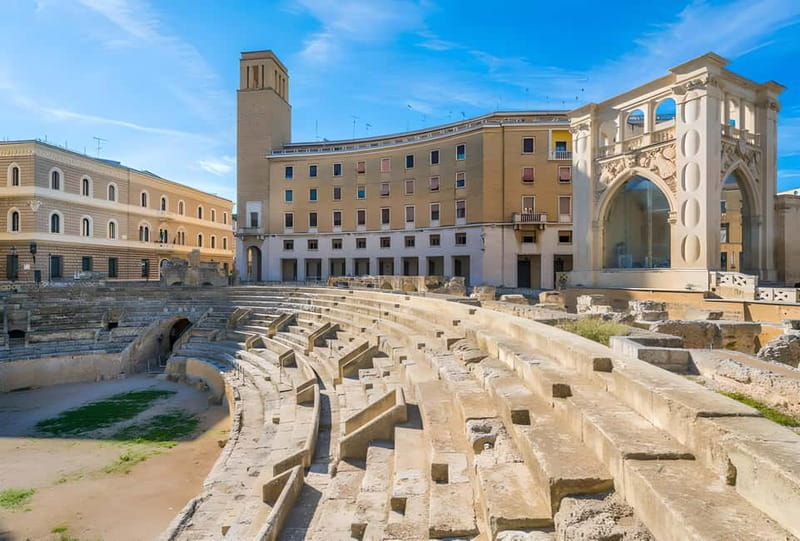
- Piazza Sant’Oronzo hits multiple eras: you connect the market square vibe with the Roman Column and amphitheater remains nearby.
- Corso Vittorio Emanuele palaces and Sant’Irene: the architecture keeps changing as you move.
- Piazza del Duomo is the architectural showpiece: you’ll admire the ensemble from several angles, including the bell tower and cathedral exteriors.
- Underground Jewish Museum visit: a focused stop that adds a story most walking tours don’t cover.
- Small groups or private options: some departures were intimate enough for very personalized questions, with guides such as Max or Luigi Bianco leading.
Santa Croce and Piazza Sant’Oronzo: the baroque-to-square opening move
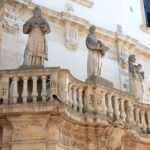
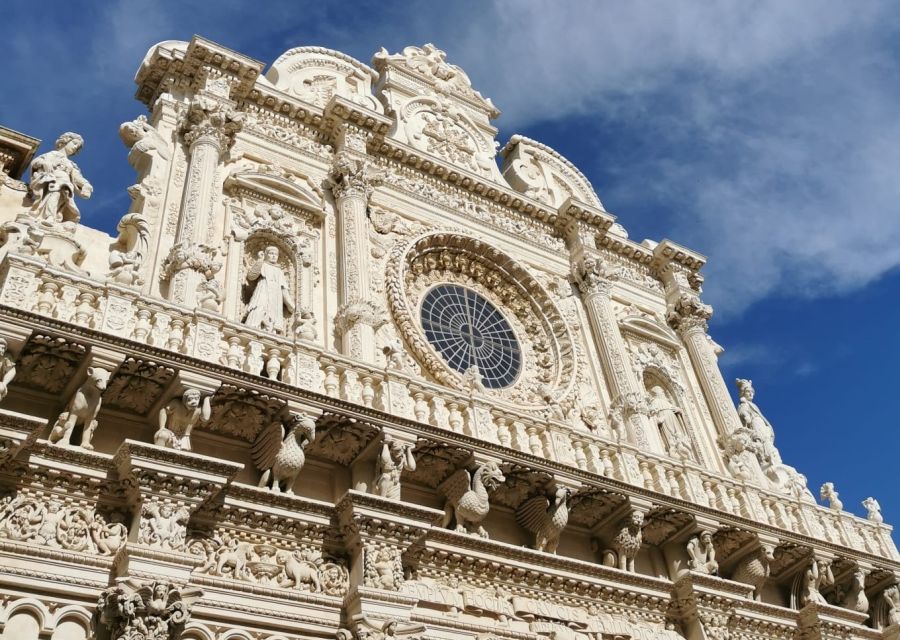
The tour starts with Santa Croce / Church of the Holy Cross, introduced from the outside first. That matters because Lecce baroque is best read at street level: you see how the façades, niches, and stone details were designed to catch light as people walk by. Your guide sets the tone quickly, explaining what you’re looking at and why it looks the way it does.
From there, you connect to Piazza Sant’Oronzo, which works like Lecce’s social living room. Here you also pick up the “Lecce isn’t just baroque” theme. The square is tied to older town functions—think central gathering and trade—and you’ll get pointed toward the Old Town Hall area and the sense that the city’s core has been reused for centuries.
Two specific landmarks help anchor your understanding. First is the Roman Column, which gives you a visible thread back to the Roman era. Second is the presence of remains from a huge Roman amphitheater in the same area. It’s a smart transition: the baroque looks like a finished masterpiece, but your guide helps you notice that it grew on top of older layers.
If you like architecture that has a “logic” behind it, you’ll enjoy how guides like Massimiliano or Anita often explain not just the who/when, but how the city’s story shaped what people built. And if you’re sensitive to noise, the whisper Bluetooth-style audio mentioned by one guest is a comfort—especially for hearing details while standing in open squares.
You can also read our reviews of more tours and experiences in Lecce.

The Roman hints: how the tour keeps you from missing the older city
A good baroque walk can accidentally turn into a single-style museum parade. This one avoids that. The Roman-era references near Piazza Sant’Oronzo stop you from treating Lecce as a one-period wonder.
You won’t leave the tour suddenly an expert on Roman engineering, but you’ll walk away with a clearer mental map: where the Roman presence shows up, where the later civic life moved, and how the center remained the center. The Roman Column is the most straightforward “spot-and-know” item. The amphitheater remains are the deeper clue: you learn that the ground beneath Lecce’s baroque streets wasn’t empty history.
For practical sightseeing, this part gives you a benefit later in the day. Once you’ve been pointed to the Roman layer, you start noticing why certain streets and corners feel intentionally placed. You’ll also feel better about what you’re seeing on your own afterward, because you’re not relying on memory—you’ve been given a framework.
Corso Vittorio Emanuele: palaces, church exteriors, and a restored façade
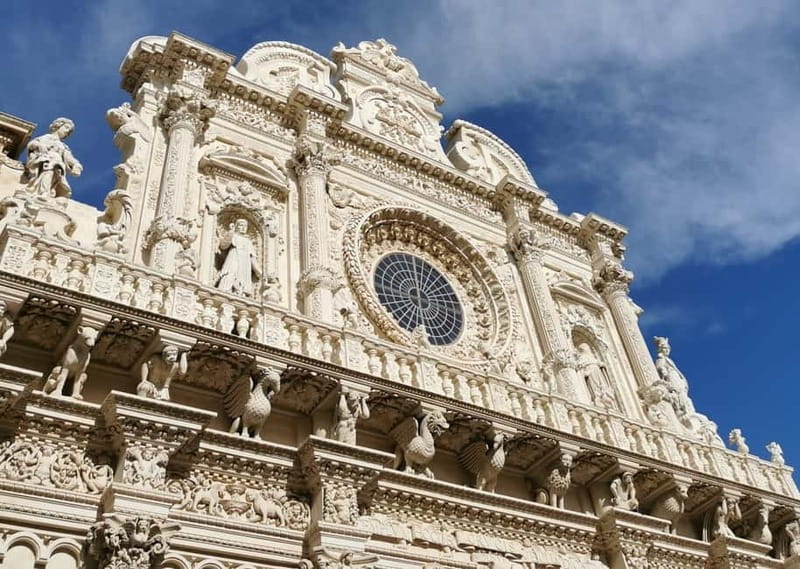
Next comes a long stretch along Corso Vittorio Emanuele, and this is where Lecce baroque becomes a continuous experience rather than isolated monuments. The guide keeps you moving through the streets at a good pace, letting you compare façades as you walk. You’ll see baroque palaces up close, and you’ll likely catch how some stone elements are meant to be decorative but also communicative—symbols of status, religious devotion, and civic pride.
One stop includes the Sant’Irene Church, noted as recently restored. Restoration is more than a maintenance detail; it changes what you can actually see. When a façade is freshened and repaired, the forms become clearer and the craftsmanship reads more easily. That’s a big deal in Lecce, where lots of details can disappear when you’re too far away or when stone has been weathered.
This stretch is also a good “breather” segment in the tour. Even when the commentary is active, the route itself gives you variety: open piazzas, narrow streets, and façades at different heights. It’s a nice way to keep attention without feeling like you’re sprinting between stops.
If the group is on the smaller side or you’ve booked a private tour, this portion often feels more rewarding because you can ask follow-up questions without getting brushed along. One guest described asking plenty and getting clear answers, which is exactly what you want from a short tour.
Piazza del Duomo: reading an architectural ensemble instead of a single building
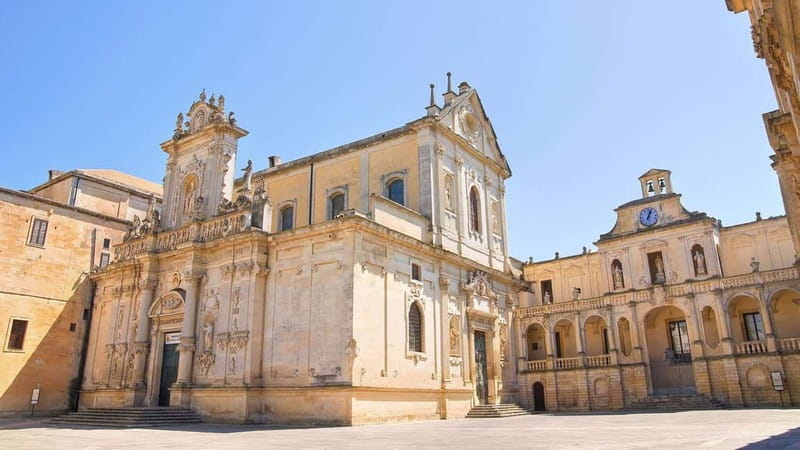
Then you reach Piazza del Duomo, one of Italy’s most praised architectural ensembles, and it’s a sight worth slowing down for. The trick is that the value here isn’t just the cathedral itself. It’s the way several major structures frame the space: the Archbishop’s Residence, the Seminary, the Bell Tower, and the cathedral exteriors you can view from different angles.
Your guide’s job is to help you see the ensemble as a designed whole. From a distance, it can look like a collection of impressive stones. Up close, and with explanation, it starts to feel like an intentional statement: different institutions displayed around the same stage.
Expect a guided look at exteriors rather than a long interior deep-dive. That’s not a downside for this kind of tour—this is built for a 1.5–2 hour loop, and the pacing fits a first introduction. You’ll get enough context to understand what you’re looking at and how the different buildings relate.
A practical tip: if you tend to miss details when you’re standing still, take short steps between viewpoints while the guide is explaining. You’ll often find your eyes “click” on carvings and symmetry once you’ve moved a few feet.
Underground Jewish Museum: the stop that changes the tone
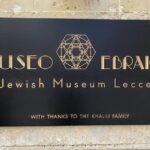
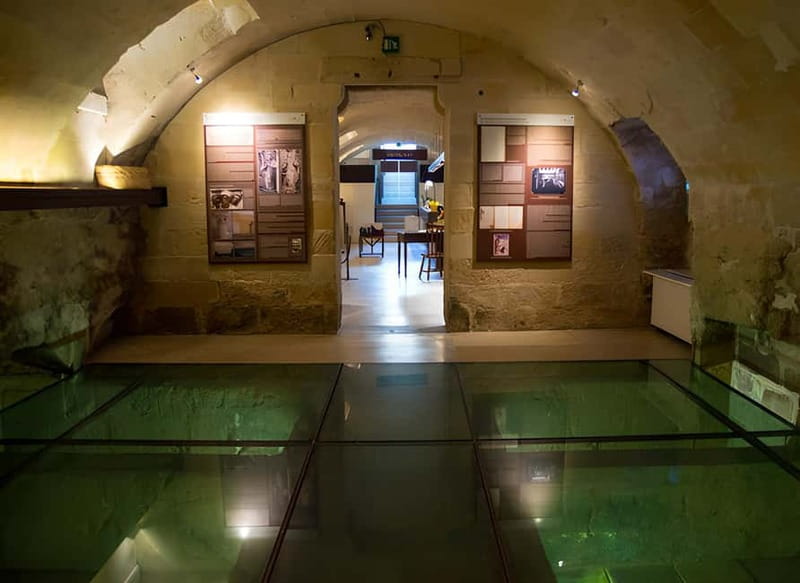
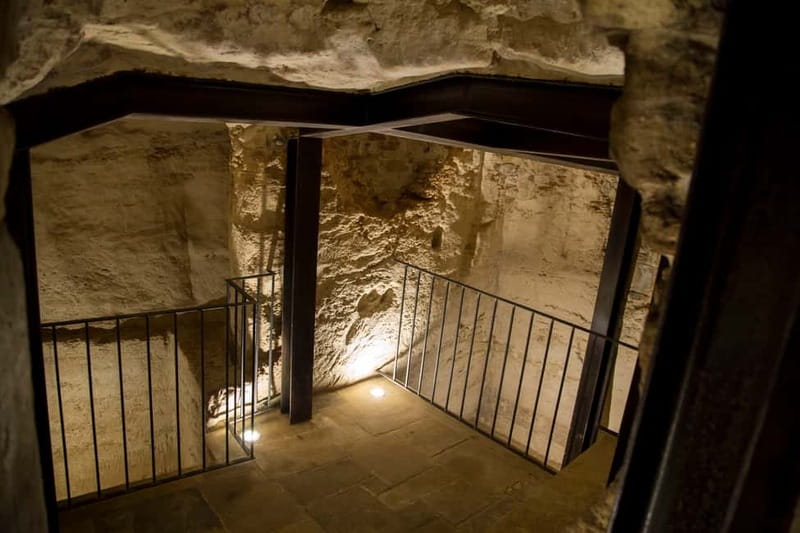
The last part centers on the underground Jewish Museum. Whether it happens early in your specific run or later as the tour wraps up, it’s the segment that shifts you from surface beauty to lived history.
The museum visit is relatively short—about 15 minutes in the described itinerary—so you’ll want to pay attention to what the guide emphasizes. This isn’t the kind of stop where you can wander for an hour and still absorb the main points. Instead, the value comes from hearing the story first, then seeing the space that supports it.
Why I like this stop for readers: Lecce’s baroque architecture can dominate your attention if you’re not careful. The Jewish museum portion adds a reminder that cities aren’t just built; they’re inhabited, shaped, and layered by different communities over time. It’s also a stronger experience than a quick exterior pass because it forces you to notice the contrast between bright plazas and hidden underground spaces.
If you’re the type who enjoys learning how migration and community history fits into city planning, you’ll appreciate this. And if you’re traveling with family, it can be a memorable shift in pace without requiring extra museum time.



Duration, pacing, and why 1.5–2 hours works
At 1.5–2 hours, this tour is long enough to build a real sense of order, but short enough that you don’t lose the day. The pacing tends to focus on movement between landmarks with guided explanations at key points, rather than long stops. You visit multiple squares and churches, then switch tone for the Jewish museum.
This short format is ideal when you’re spending only a day or two in Lecce. It’s also useful on arrival day because it gives you a mental map quickly. After a tour like this, you can walk back through the center with better eyes—and not just chase whatever looks prettiest.
The one drawback you might notice is speed. One guest said some parts felt rushed, and another wished the guide asked more group questions to slow things down. If you’re a slow-linger person, a private option or a smaller group may feel more comfortable because you can set the tempo with your questions.
Price and value: what $28 gets you (and what to double-check)
The listed price is $28 per person, and the core inclusions are clear: a walking tour, a local guide, and Jewish Museum entry. For many visitors, that museum ticket component alone makes this better value than tours that only offer exterior church views.
That said, there’s one real-world caution from the feedback you should keep in mind. Some guests reported paying more through an online platform than they later saw at the guide’s office. I can’t tell you the exact numbers for every departure, but the lesson is simple: if you’re price-sensitive, compare what you’re paying to the on-site pricing they advertise.
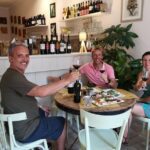
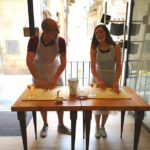
Also watch what you expect at the end. The tour’s standard inclusions don’t list food and drinks, but at least one guest described an olive oil and wine tasting as an unexpected add-on. Don’t plan your budget around it, but it’s good to know that some departures may include a sampling stop depending on how your guide runs that day.
Who should book this tour (and who might want something else)
This tour is for you if you:
- want a quick, well-paced Lecce orientation
- love baroque architecture, especially when someone explains what you’re seeing
- care about including the Jewish history part rather than treating it as an afterthought
- prefer guided context over self-guided guessing
It may not be ideal if you:
- prefer long museum time and long church interior time (this one is focused on short guided segments)
- hate walking at all—though it’s described as wheelchair accessible, you’re still moving through the center
- need lots of free time between stops to soak everything in
If you like guides with personality, the feedback is encouraging. People mentioned guides who were funny and animated, with enthusiasm that made facts easier to remember. Names that popped up in the feedback include Angela, Antonio, Massimiliano, Max, Anita, and Luigi Bianco—and while you can’t guarantee any particular guide, the recurring theme is that locals run this with confidence.
Should you book the Lecce Baroque and Underground Walking Tour?
Yes, if you want a first solid pass at Lecce that balances the famous baroque façades with an underground history stop. It’s a good match for short stays, and the route hits the main architectural anchors: Santa Croce, Piazza Sant’Oronzo, the baroque streets of Corso Vittorio Emanuele, Piazza del Duomo, and finally the underground Jewish Museum.
Book it especially if you learn better with a guide. This isn’t just about seeing buildings; it’s about understanding the city’s layers fast. Just go in with realistic expectations about pacing, and if you’re careful about price, check whether the on-site pricing is different from what you’re seeing online.
If that sounds like your style of trip, you’ll likely leave Lecce feeling oriented and impressed—not only by the stonework above ground, but by the history beneath it.
FAQ
How long is the Lecce Baroque and Underground Walking Tour?
It lasts about 1.5 to 2 hours, depending on the departure time and flow of the walk.
How much does the tour cost?
The price is listed as $28 per person.
Where does the tour start, and where does it end?
Meeting points can vary depending on the option booked, with an office meeting point at Infotab – Lecce Walking Tours. The tour ends back at the meeting point, and there are also drop-off locations listed around Piazza del Duomo.
What’s included in the price?
You get a walking tour with a local guide plus entry ticket to the Jewish Museum.
Are there private or small group options?
Yes. You can choose between a shared group or a private tour (described as private or small groups available).
What languages are available for the guide?
The live tour guide is available in English, Italian, and French, and the activity is described as wheelchair accessible.