REVIEW · VENICE
Lords of the Night Prisons Palace: Cells & Torture Tools Visit
Book on Viator →Operated by CITY TOURS CO. LTD · Bookable on Viator
Venice’s justice cellar is still here, and this small visit inside Doge’s Prison is a great way to understand Venetian law up close. I love the original prison cells and jail halls from the 1500s, and I also like how the guide connects the setting to real power politics, especially the Council of the Ten.
One thing to plan for: this is short and compact, so you should expect a curated museum-style route rather than an all-day prison movie set.
In This Review
- Key Highlights You’ll Notice Fast
- Doge’s Prison, Not Just a St Mark’s Side Trip
- Circolo Artistico and Palazzo Delle Prigioni: Where the Story Begins
- Council of the Ten: Why These Cells Were Part of Power, Not Chaos
- Walking the Jail Halls: What You Should Expect to See
- About Torture Tools: Original or Replicas?
- The Most Praised Part: Guides Who Can Answer Questions
- Timing and Group Size: How 30–45 Minutes Changes the Experience
- Price and Value in Venice: Is $11.89 a Bargain?
- Meeting Point Reality Check: Don’t Trust App Pins Blindly
- Who Should Book This Tour, and Who Might Skip It
- Should You Book Lords of the Night Prisons Palace?
- FAQ
- How long does the Lords of the Night Prisons Palace visit take?
- Is the tour guided, and what language is it offered in?
- What does the price include?
- Is this tour private?
- Is there an extra Venice access fee on some dates?
- What are the cancellation rules?
Key Highlights You’ll Notice Fast
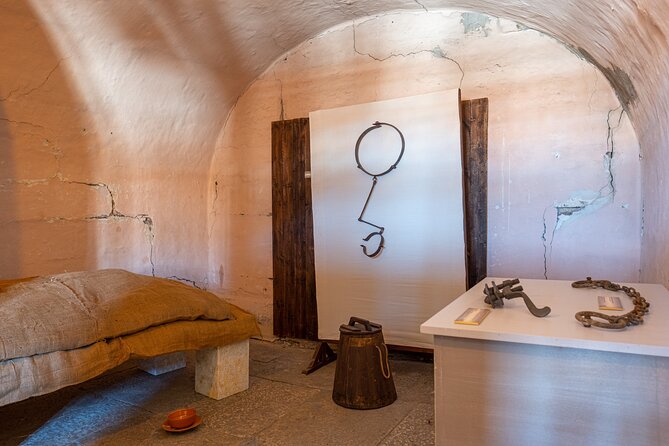
- Original 1500s prison spaces: you get beyond postcards and step into the real rooms tied to Venice’s justice system
- Council of the Ten explained in plain language: who held power, and how punishment worked across Venetian domains
- A close look at jail tools: the visit focuses on the “how” behind punishment, including torture devices
- A small-group feel: enough time to ask questions without the tour turning into a race
- Riva Degli Schiavoni nearby: the palace setting gives you real waterfront Venice context
Doge’s Prison, Not Just a St Mark’s Side Trip
If you think Venice is only churches and canals, this kind of stop flips the script. You’re standing in a prison context that Venice treated as serious state machinery, not a side-show.
What makes this experience practical is its focus. You don’t spend your hour bouncing around a huge complex. Instead, you get a tight route that’s built around the story of how justice was carried out, and what the punishment looked like in physical terms.
You can also read our reviews of more tours and experiences in Venice.



Circolo Artistico and Palazzo Delle Prigioni: Where the Story Begins
The visit starts at Circolo Artistico – Palazzo Delle Prigioni, a palace connected to St. Mark’s Square and the old prison complex. Right away, you’ll hear the myths and legends that have grown around these cold halls, plus the court-and-police logic behind the system.
A smart detail here is the setting itself. The palace overlooks Riva Degli Schiavoni, so even if the rooms are dark and quiet, you still feel the bigger Venice around you. It’s easier to picture how authority worked when you understand you’re in the heart of the Republic’s power geography.
Also, the tour includes admission. That matters because you can concentrate on the guide’s interpretation without doing extra ticket math mid-visit.
Council of the Ten: Why These Cells Were Part of Power, Not Chaos
One of the best parts is how the tour frames punishment as governance. You learn about the Council of the Ten, made up of top Venice politicians who oversaw justice across Venetian domains. That one point helps everything click: this wasn’t random cruelty. It was state control with rules, courts, lawyers, and magistrates behind it.
The guide also explains how police activity tied into resolving fights and punishing crimes. In other words, you get a sense of the system’s “plumbing,” not just the gruesome objects on display.
This context is what turns a room full of artifacts into something more meaningful. You’ll be better at reading what you see—why a particular space existed, why certain tools were used, and how public order was enforced.
Walking the Jail Halls: What You Should Expect to See
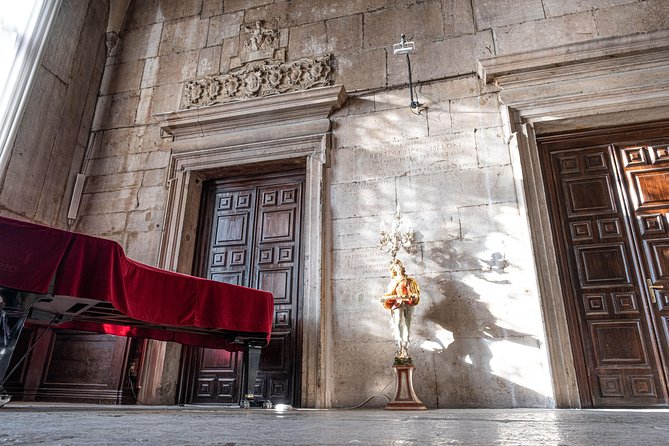
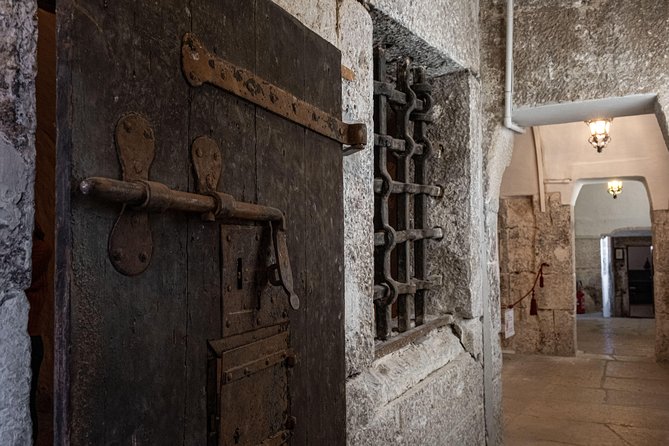
The core of the visit is stepping through prison spaces connected to the 1500s, including original cells and other jail halls. This is the “physical reality” part. You’ll spend time looking at the layout and the environment, and the guide narrates how the spaces functioned over time.
Now, a quick expectation check. The museum is described as small, and the full tour can feel on the short side. Some people end up moving room to room at a quick pace, with only a handful of areas really emphasized. If you’re hoping for a big, sprawling prison experience with dozens of stops, you might feel the time compresses.
Still, the tradeoff is that you get clarity. You’re not overwhelmed. You can actually absorb how the justice story fits together: the Council of Ten, court process, jail spaces, then the tools and punishments.
About Torture Tools: Original or Replicas?
The tour highlights a look at prison cells and torture tools, and the presentation is framed around tools used during the Venetian Republic era. One person felt some of what was shown looked like replicas, and that’s a fair thing to notice if you’re very picky about authenticity.
My practical advice: come focused on the historical theme and the way punishment was carried out, not on hunting for absolute museum-grade certainty in every single object. If you’re there for context, the visit still works.






The Most Praised Part: Guides Who Can Answer Questions
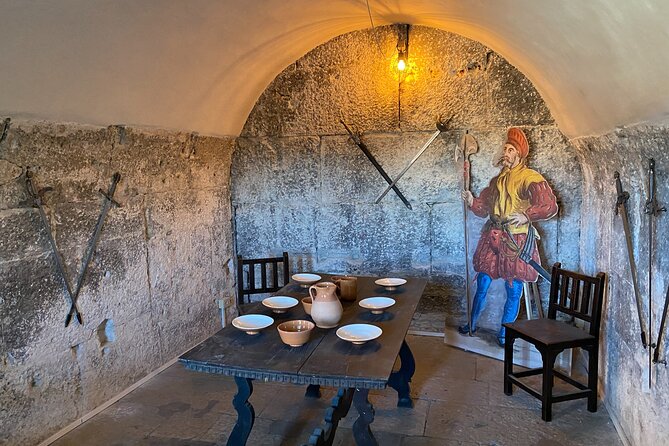
A big reason this experience gets strong marks is the human element. Many guides are praised for giving lots of time to questions and packing the hour with clear explanations. I especially like tours where the guide doesn’t just point and move on—they connect details to the larger story.
You might even get an enthusiastic student-style presentation, with guides who sound excited to share. In feedback, people mentioned guides described as young criminology students and also named guides like Tiziana (spelled Ticiana in one note). When that energy is present, the tour can feel lively even though the topic is grim.
One thing to watch: English is the stated language, but group dynamics matter. If your group has mixed language needs, you could find the experience mostly English or primarily supported in English depending on who’s booked that day.
Timing and Group Size: How 30–45 Minutes Changes the Experience

The advertised duration is about 45 minutes, but the vibe can land shorter because the museum is small. Some people reported closer to 30 minutes, and others said the whole walk felt brisk.
This is actually a good match for a certain kind of traveler. If you only have a short time slot and you want a specific slice of Venice beyond the usual highlights, the compact format helps. You can fit it between St. Mark’s area wandering and dinner.
But if you’re the type who likes to linger in dark rooms reading every sign for a long time, you’ll probably want more time than what this tour allows. You can still visit at your own pace afterward if the place is open, but this guided route itself is built to be efficient.
Price and Value in Venice: Is $11.89 a Bargain?
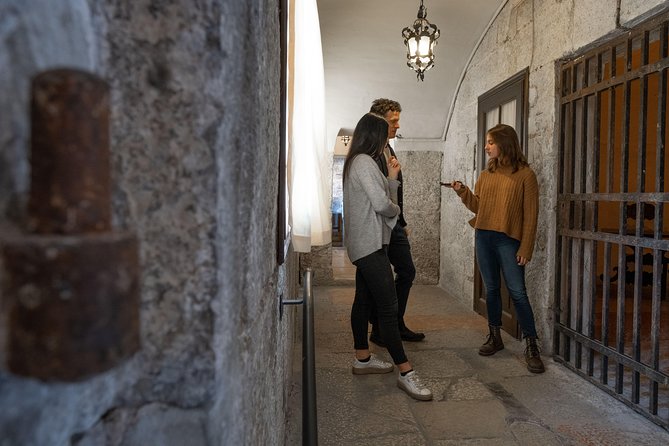
At $11.89 per person for a guided look at Doge’s Prison rooms plus an included ticket, the value is strong. That price level usually means you’re paying for an interpretation service more than a huge production.
A couple of pricing nuances to keep in mind:
- One person felt the tour cost more than buying directly at the venue, based on their comparison.
- Another person thought the tour was a good use of an hour for the money, especially because it’s short and focused.
So here’s the way I’d judge value: if you like having a guide connect the artifacts to the justice system—Council of Ten, courts, and how punishment worked—this is worth it. If you’re purely object-hunting and prefer reading everything at your own pace, you might decide the guided add-on isn’t necessary.
Meeting Point Reality Check: Don’t Trust App Pins Blindly
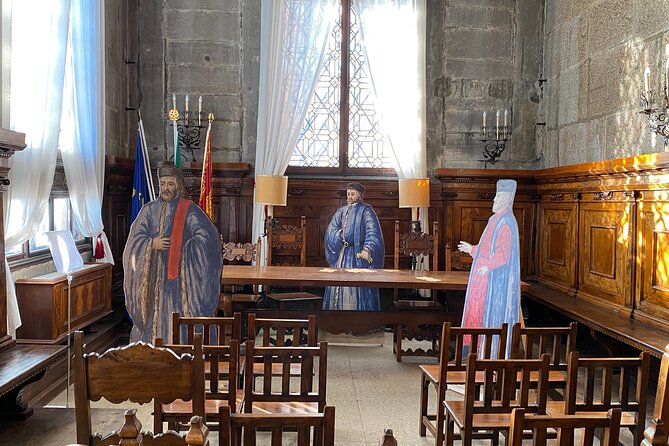
The biggest practical challenge isn’t the prison—it’s finding the right door fast. The meeting point can feel unclear in the area, and there are reports of people getting sent to the wrong spot by a directions pin.
What helps is using a simple navigational method:
- From St. Mark’s Square, cross the nearby bridge and look toward the left side as you face the water.
- Then head about 30 meters ahead toward a door into the museum area on the left.
- Show your mobile voucher at the booth and follow the on-site directions up the stairs to where the guide is waiting.
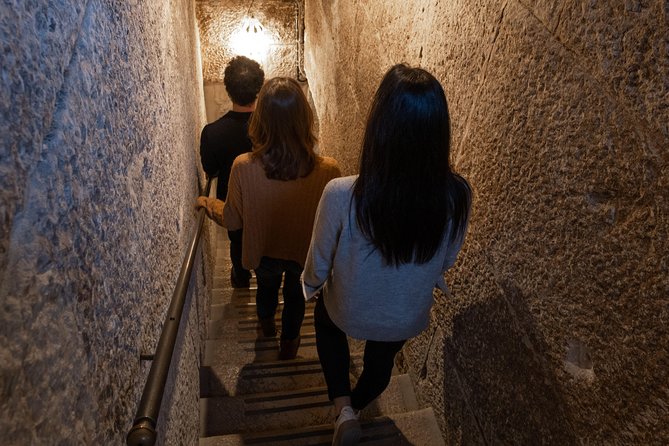
Also, plan for steep stone stairs. Several people flagged steps as a minor challenge, and in hot weather it can be more than minor. Bring water if you’re visiting in summer.
Who Should Book This Tour, and Who Might Skip It
This fits best if you want a quick, story-driven look at Venetian justice—and you like learning through explanation, not just browsing display cases. It’s also a good choice if you’re curious about the specific power structure of the Republic, because the Council of Ten framing is one of the key reasons the tour feels coherent.
It might not be your best match if:
- you expect a long walkthrough with huge access to every part of the prison complex,
- you dislike tours that move room-to-room quickly,
- you’re highly sensitive to content focused on punishment and torture tools.
If you’re going with kids, I’d think carefully. The subject is graphic in theme, even when the tour is historical.
Should You Book Lords of the Night Prisons Palace?
I’d book this if you want a short, guided way to see original-feeling prison spaces in Venice and understand the system behind them. The combination of Council of Ten justice context and a focused look at jail halls makes it more than a scary photo stop.
Hold off if your ideal visit is long, spacious, and slow-paced, or if you’re coming strictly to verify every tool as unquestionably original. The museum route is small, and the tour’s power comes from interpretation, not from volume of rooms.
If you’re aiming to fill a single hour around St. Mark’s with something genuinely different—and you don’t mind stairs and a compact route—this is a solid pick.
FAQ
How long does the Lords of the Night Prisons Palace visit take?
The tour runs about 45 minutes (approx.).
Is the tour guided, and what language is it offered in?
Yes, it’s guided, and it’s offered in English.
What does the price include?
The price includes an admission ticket.
Is this tour private?
Yes. It’s a private tour/activity, and only your group participates.
Is there an extra Venice access fee on some dates?
On certain dates, day visitors who are staying outside Venice may need to pay a €5 access fee. You can check which days and exemptions at https://cda.ve.it.
What are the cancellation rules?
You can cancel for a full refund up to 24 hours before the experience’s start time.