REVIEW · VENICE
Yummy Cooking Class in Venice with Professional Chef
Book on Viator →Operated by CITY TOURS CO. LTD · Bookable on Viator
Venice turns into your kitchen for four hours. I love the small-group size (max 4) because Chef Carolyn can coach you right where you’re standing, and you cook in a real local home instead of a staged show kitchen. It’s the kind of experience that feels like you’re learning from someone you actually know.
The main thing to plan for is timing and location. The meeting point is a canal-side address, and Venice can be confusing on foot, so give yourself extra buffer time to show up on time.
In This Review
- Key things I’d circle before you book
- A small-group class inside Chef Carolyn’s Venice home
- Campo Santa Margherita meetup: start where the city lingers
- Fresh pasta by hand: dough, sauces, and agnolotti technique
- Seasonal lagoon flavors: what you’ll taste and how it changes
- Patisserie time: crème patisserie and local cakes
- Where you eat: terrace lunch from April to October
- Price and value: what $149.96 buys you in real terms
- Timing, logistics, and the Venice walking reality
- Who this class is best for (and who should rethink it)
- What to ask and how to get the most out of your hands-on day
- Should you book Yummy Cooking Class in Venice with Professional Chef Carolyn?
- FAQ
- Where does the class start, and what time is it?
- How long is the cooking class in Venice?
- What’s the group size?
- Is the class offered in English?
- What’s included in the class meal and drinks?
- Will lunch be served outside on a terrace?
- Is hotel pickup included?
- Can the chef adapt the menu for allergies or dietary restrictions?
- Is there an access fee for some day visitors to Venice?
- What’s the cancellation policy?
Key things I’d circle before you book
- Maximum 4 people means you don’t get rushed or blended into the background
- Chef Carolyn teaches in her own Venice home, not a classroom
- You make fresh pasta by hand, then fill and close agnolotti
- Seasonal cooking with lagoon vegetables keeps the menu tied to the moment
- Wine plus water are included with lunch
- Outdoor terrace lunch can happen April to October if the weather plays nice
A small-group class inside Chef Carolyn’s Venice home
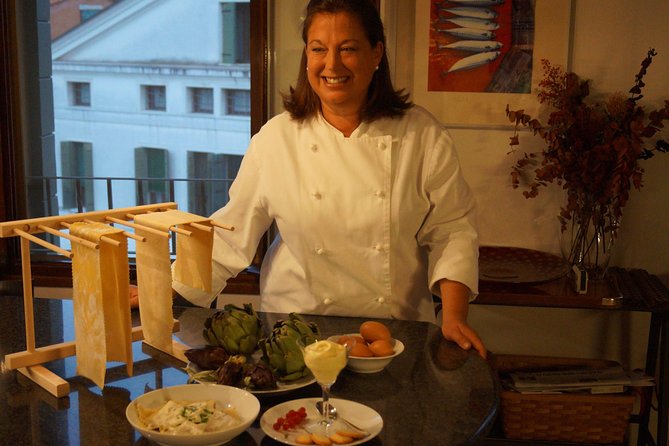
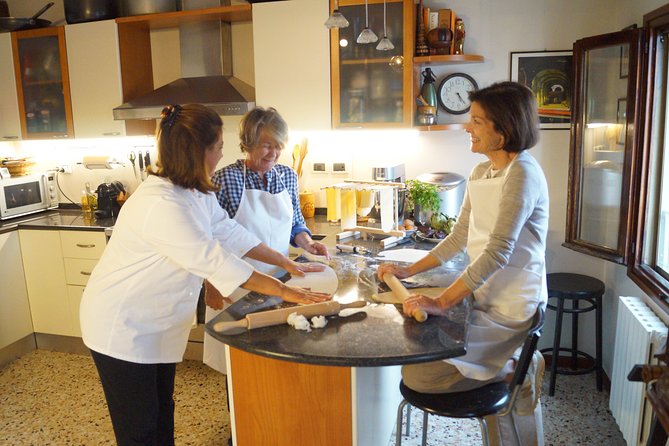
This cooking class is built around one big idea: you learn better when you’re in a real kitchen with a patient chef watching closely. Chef Carolyn’s setup feels like someone’s home first, and a teaching space second, which makes the whole thing more comfortable than most food tours.
I also like that the group stays tiny. With a cap of 4 people, you get real hands-on help—whether you’re confident with food prep or you’re still figuring out how to keep dough from sticking to everything (including your pride).
Another nice touch is that the class is in English. That sounds obvious, but in Venice it matters. You’ll understand what you’re doing and why, not just mimic steps.
And yes, you’ll probably get a little “Venice in the background” vibe too—think church bells and the general soundscape of the city while you work.
You can also read our reviews of more tours and experiences in Venice.

Campo Santa Margherita meetup: start where the city lingers
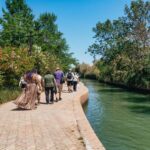
The experience starts at Rio Terà Canal, 3022, 30123 Venezia VE, Italy, with the day beginning at 10:00am. You’ll also finish back at the meeting point, so you’re not left hunting across Venice after lunch.
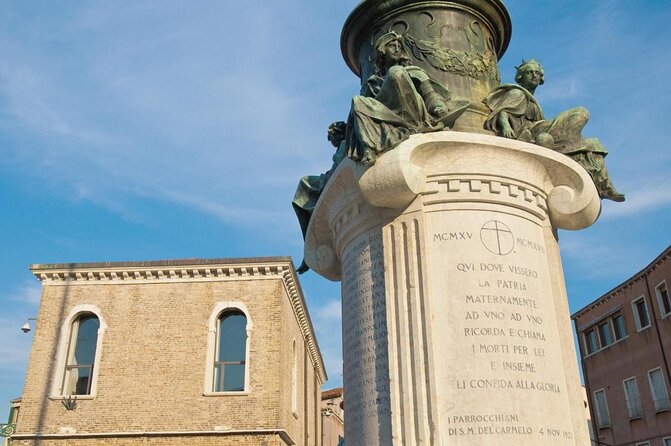
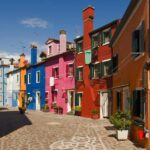
Your first stop is Campo Santa Margherita. This square isn’t about museum views—it’s about daily life. It’s a good way to get your bearings fast because it anchors you in a real Venice neighborhood rhythm.
From there, you’ll move into the cooking part of the day. The practical win here is that you don’t spend the morning zigzagging across the city for one photo spot after another. You’re walking with a purpose.
One caution: arrive early. People mention transport confusion in Venice a lot, and you do not want to be the person sprinting toward a canal-side address while you still have questions about where the kitchen is.
Fresh pasta by hand: dough, sauces, and agnolotti technique
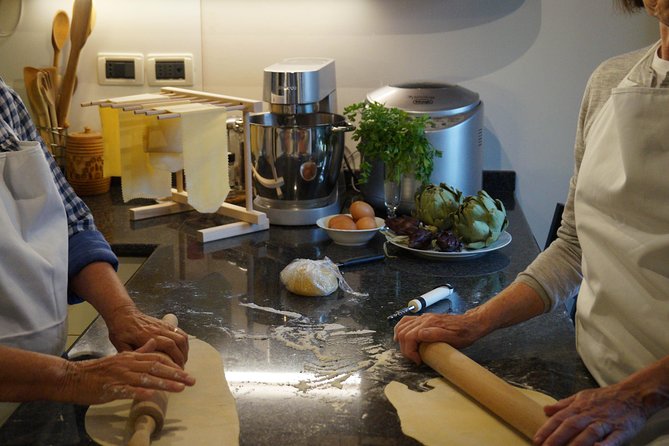
Let’s talk about the main event: you make fresh pasta from scratch. You start with Italian fresh pasta filled with meat or fish, plus a sauce built around seasonal vegetables from the northern lagoon. The exact ingredients shift by season, so the class stays current instead of repeating the same template year-round.
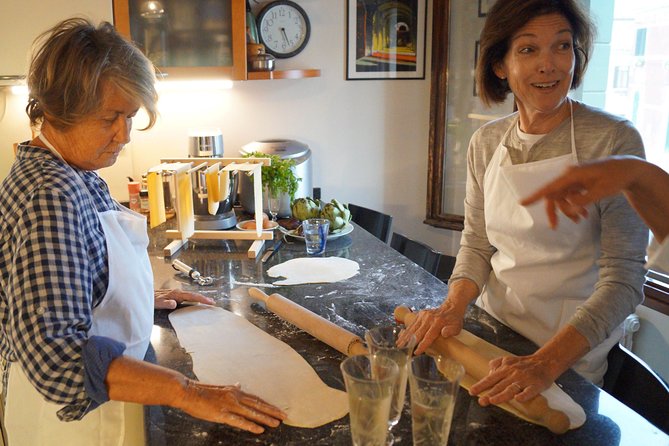
Then you get to do the most satisfying part: shaping and working the dough with your hands. Rolling pasta and getting it to the right feel is one of those skills where small corrections matter. This is where the small group size pays off.
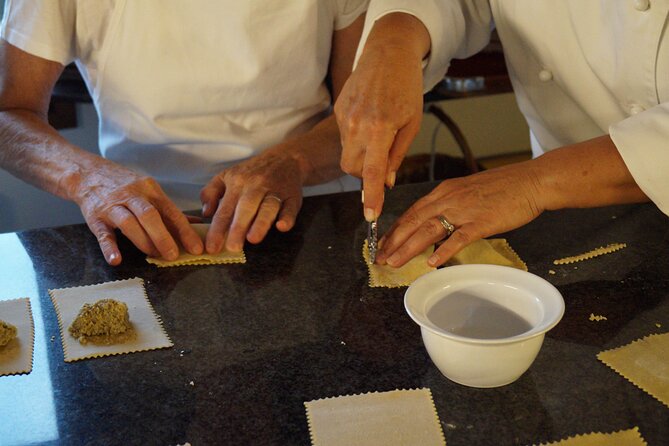
After you’ve made the pasta, you learn how to fill and close agnolotti. That step is crucial because it’s what turns pasta sheets into something that actually looks like the real deal and holds together when it hits the pan. Carolyn’s teaching style focuses on technique you can repeat later—not just a one-time result.
Also, the ingredients are chosen to be realistic for home cooking. You’re not sent away with a Venice-only magic trick; you’re guided toward dishes you can re-create when you get back.
Seasonal lagoon flavors: what you’ll taste and how it changes
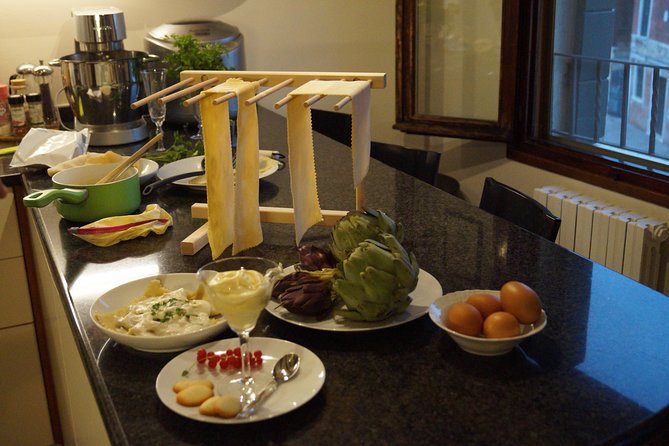
Venice cooking is often described as simple, but it’s not boring. It’s about timing and local produce. Carolyn uses fresh products from Venice and its islands, so the flavors have that direct “this is what’s available now” logic.
The sauce you make starts with seasonal vegetables, and the menu is designed to connect what you’re cooking with what’s typical in the area. That means you’ll eat something that tastes like a local meal, not like a generic Italian performance.
One extra detail I appreciate: the class doesn’t just treat food as a checklist. You’ll be taught in a way that helps you understand what to look for while cooking—texture, thickness, and how the filling and closure affect the final bite.
And if you’re into sampling, you may also get little extra eats along the way. Some people recall cichetti-style bites and even picking basil from Carolyn’s terrace. Even if the exact side components vary with the menu, the overall intent is the same: show you what Venetian everyday eating feels like.
Patisserie time: crème patisserie and local cakes
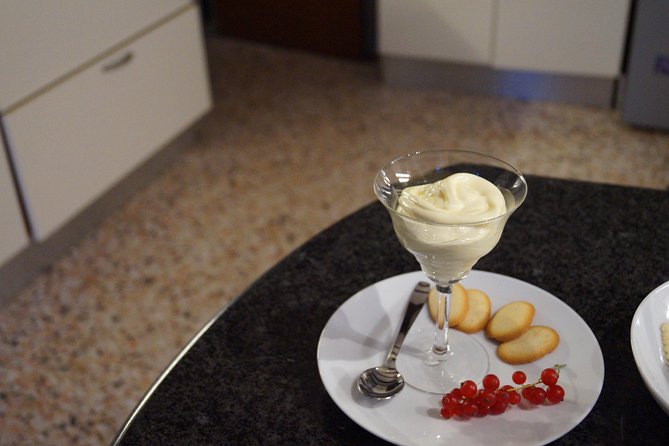
After pasta, you shift to sweets. This class includes making a crème patisserie, which you’ll put onto local cakes. It’s a fun pivot because it teaches you a different kind of control—thickening, smoothing, and getting the final texture right.
The sweet course also makes the experience feel complete. Too many cooking classes in Italy stop once the pasta hits the table. Here, you finish like you’re actually staying for lunch on an ordinary day, not leaving right before dessert.
You’ll learn to think like a pastry chef for a bit: how ingredients behave when heated, and what the finished custard should feel like. That’s the sort of practical knowledge you can use at home even if you swap in a different cake.
If you’ve ever had dessert in Venice and wondered why it tastes different from what you’re used to, this part helps explain it. The flavors are tied to local cakes and familiar sweetness patterns, not candy-style shortcuts.


Where you eat: terrace lunch from April to October
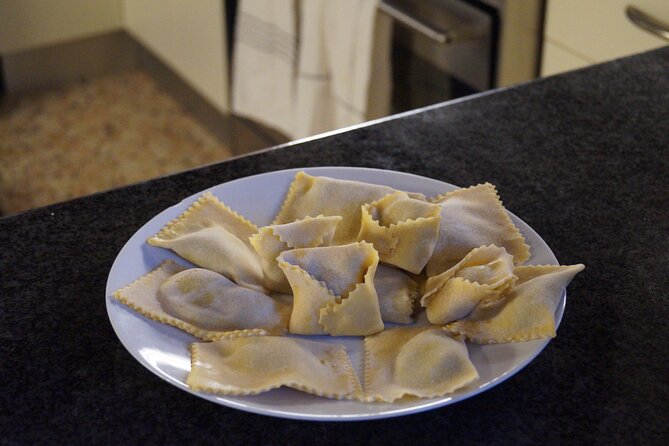
Once you finish cooking, you share the meal together. Lunch includes the food you made, plus water and wine. It’s not a snack-and-sit moment—it’s a full stop where you actually enjoy what you made.
From April to October, the meal will be served outside on a terrace that overlooks the square, but only if the weather is good. That conditional matters. Venice weather can change quickly, and you’re better off mentally preparing for both possibilities: terrace lunch if it’s pleasant, or indoor seating if it’s not.
I like that this lunch setup is built for lingering. You’re not racing to another stop right after class. You get time to eat, compare notes, and ask questions about what to do next in Venice.
Also, because it’s in a home setting, you may get a more relaxed dining vibe—some people describe roof terrace or balcony seating depending on the day. Either way, you’re looking out while tasting your own work, and that feels more special than a meal in a restaurant where you didn’t touch anything.
Price and value: what $149.96 buys you in real terms
At $149.96 per person for about 4 hours, this class sits in the “small, skill-heavy experience” category. You’re paying for time with a professional chef, hands-on instruction, and ingredients—not just a tasting.
Here’s what you get that justifies the cost:
- Cooking items and ingredients are included
- The meal is included (the food you make)
- Drinks include water and wine
- You get expert guidance through the whole process
- You leave with the recipes and skills to repeat the dishes at home
What’s not included is straightforward: hotel pickup isn’t included, and extra alcohol or food is not included.
When you put those pieces together, the value is pretty clear. This is not you watching someone else cook while you take photos. It’s you learning core pasta technique and a simple pastry lesson, then eating a full lunch with wine.
If you’re the type who wants a couple of good “do this, not just see it” days in Venice, this is exactly that.
Timing, logistics, and the Venice walking reality
This experience starts at 10:00am and ends back at the meeting point. It’s offered in English, and it uses a mobile ticket.
It’s also described as near public transportation, which helps in a city where you can’t just hop on a car and go. Still, Venice foot travel can be deceptive. Paths look close until they aren’t. That’s why I keep coming back to one point: arrive early enough that you’re calm, not rushed.
If you have dietary needs, communicate them in advance. The menu can be adapted for allergies, intolerances, or religious preferences, but that only works if you tell the chef ahead of time.
And one more practical note for certain dates: people planning day visits from outside Venice may need to pay a €5 access fee on some dates. For details and exemptions, check https://cda.ve.it. This doesn’t change the class itself, but it can affect your overall trip planning.
Who this class is best for (and who should rethink it)
This is a strong fit if you want:
- A hands-on Venice activity that isn’t just walking and shopping
- Real technique: fresh pasta, then agnolotti closure, then crème patisserie
- Small-group attention where you can ask questions and get corrections
- A meal that feels like you made it, because you did
It’s also a good choice for mixed ages. Some people bring kids, and the tone is approachable. If your group includes someone who usually avoids cooking classes, this is one of the better options because you’re guided step-by-step instead of thrown into chaos.
Where you might reconsider: if your Venice day is so packed that you can’t spare extra time to get to the canal-side meeting point, this may feel stressful. Also, if you expect a quick tasting without real prep work, you might prefer something else.
What to ask and how to get the most out of your hands-on day
To make the class truly useful, come in with curiosity, not a performance mindset. Ask for tips on what you should watch for while the dough is forming and while the filling is closing. Those are the moments that decide whether the dish is easy to repeat later.
Also, pay attention to ingredient choices. This menu rotates by season, and Carolyn’s approach uses what’s available around Venice and its islands. That means you’ll learn how to think about local produce, not just copy recipes.
Plan to bring a clear appetite. Between the cooking and the lunch—including wine and water—you’ll leave properly fed.
And when you leave, use the recipes. Many people describe taking home clear printouts and tips to help recreate the dishes. Treat that as part of the value: don’t just collect recipes, cook one at home within a week or two while the techniques still feel fresh.
Should you book Yummy Cooking Class in Venice with Professional Chef Carolyn?
I think you should book if you want the most “real” kind of souvenir: a skill, a meal, and a small slice of daily Venetian life in a home kitchen. The tiny group, the hands-on pasta work, the seasonal sauce approach, and the terrace lunch make it a well-balanced experience for food lovers.
I’d also book early in your trip if you’re the type who likes to get practical advice. You’ll come away with a better sense of where to eat, what to shop for, and how to enjoy Venice without spending your time guessing.
Just make your life easier by planning for the meeting point. Give yourself time to arrive on schedule and you’ll feel the calm side of Venice instead of the sprint side.
If that sounds like your kind of day, this is a very solid choice.
FAQ
Where does the class start, and what time is it?
The class starts at Rio Terà Canal, 3022, 30123 Venezia VE, Italy at 10:00am. The activity ends back at the meeting point.
How long is the cooking class in Venice?
It runs for about 4 hours (approximately).
What’s the group size?
The experience has a maximum of 4 travelers.
Is the class offered in English?
Yes, it’s offered in English.
What’s included in the class meal and drinks?
You’ll have cooking items and ingredients, an expert chef, and a meal. Drinks included are water and wine.
Will lunch be served outside on a terrace?
From April to October, the meal will be served outside on a terrace that overlooks the square if the weather is good.
Is hotel pickup included?
No, hotel pickup is not included.
Can the chef adapt the menu for allergies or dietary restrictions?
Yes. If you have dietary restrictions due to allergies, food intolerances, or religious preferences, you should communicate them in advance so the chef can adapt the menu.
Is there an access fee for some day visitors to Venice?
On certain dates, people staying outside of Venice and visiting for the day may need to pay a €5 access fee. Check https://cda.ve.it for details and exemptions.
What’s the cancellation policy?
You can cancel up to 24 hours in advance for a full refund. If you cancel less than 24 hours before the start time, the amount paid is not refunded.