REVIEW · MARSALA
Marsala: Guided tour of the Genna Salt Pans
Book on GetYourGuide →Operated by SALINE GENNA · Bookable on GetYourGuide
Salt pans sound quiet, then history gets loud. I like this quick guided tour in Marsala because you get to walk inside the salt pans and hear how salt is actually made, not just watched from afar. You also get those big views out over the Stagnone Lagoon while the air smells like iodine, sun, and wind.
What I especially like is the way the guide explains the production process—from how the tanks work to how it ends at crystallization—within a tight 45 minutes. The second big win is the setting: tanks created by the Spanish in the 15th century, right by the lagoon, so the whole place feels both working and historic at the same time.
One possible drawback: the tour is mostly explanation-based, and you may not get much in the way of diagrams or visual aids. If you really want to see how water flows and gets exchanged between basins, you might want to come ready with questions.
In This Review
- Key Things I’d Prioritize Before You Go
- Saline Genna Salt Pans: What You Actually Get in 45 Minutes
- Spanish-Built Basins with Stagnone Lagoon Views
- How the Salt Tanks Work, From Brine Control to Crystals
- The Air Smells Like Work: What to Wear and Bring
- Language Options, Plus One Thing You Should Confirm
- Price and Value: Does $14 Make Sense Here?
- Who This Tour Suits Best (and Who Might Want More)
- Should You Book This Salt Pan Tour?
- FAQ
- Where is the meeting point?
- How long is the tour?
- How much does it cost?
- What languages are available?
- Is this tour inside the salt pans?
- What should I bring?
- What items are not allowed?
- Can I get a refund if my plans change?
Key Things I’d Prioritize Before You Go
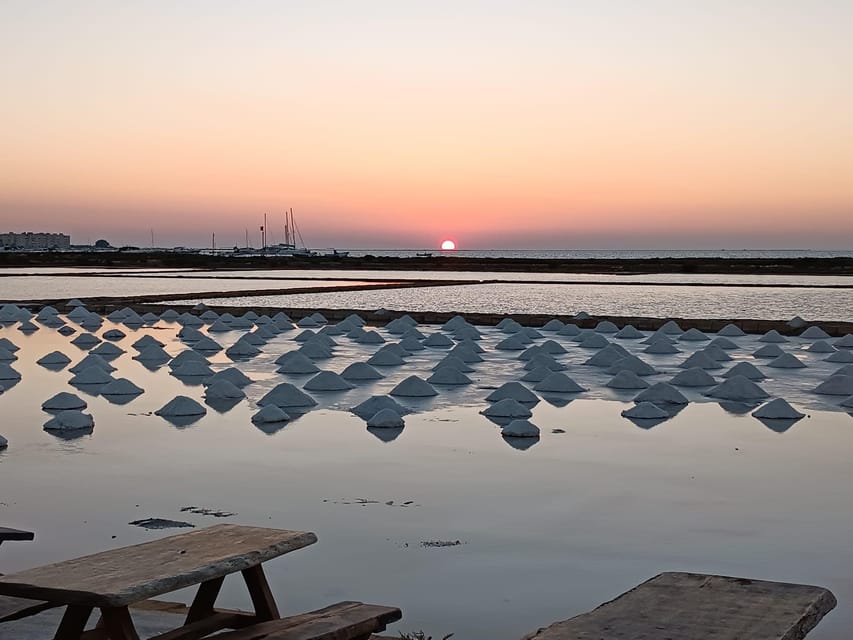
- Spanish-built salt pans (15th century) with lagoon views
- A short 45-minute guided format that gets you in and out without fuss
- A clear walk-through of the process up to crystallization
- Four tour languages: Italian, English, Spanish, French
- A sensory visit: iodine air, bright sun, and wind off the lagoon
Saline Genna Salt Pans: What You Actually Get in 45 Minutes
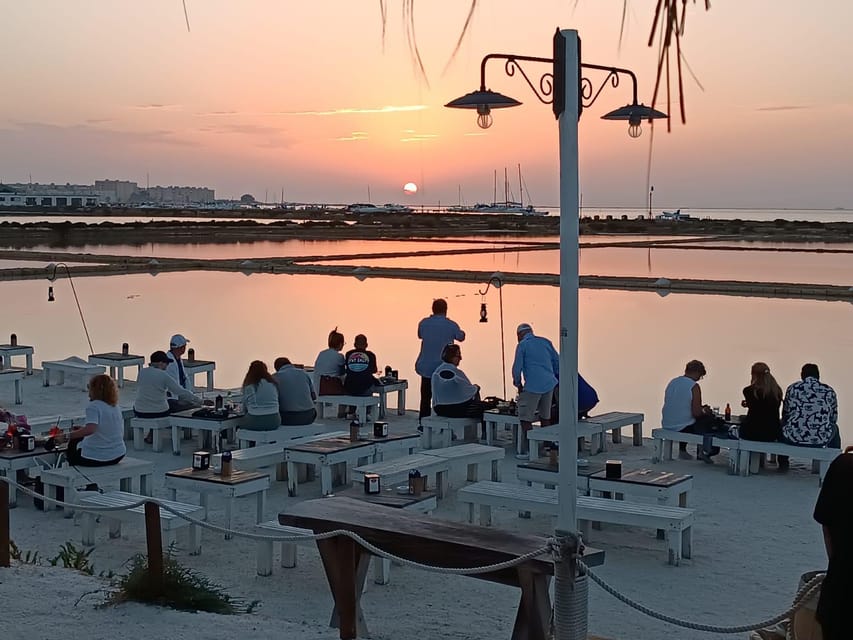
This is a compact tour by design. In about 45 minutes, you move through the salt pans with a live guide and learn how the salt tanks function and how the process runs all the way to crystallization. It’s not a long wandering visit where you can drift at your own pace; it’s a guided story with a schedule.
That matters because salt production is all about timing and repetition—layers, water control, and gradual change. A shorter tour keeps you focused on the core idea: how brine turns into salt crystals, using the pans and the lagoon conditions.
I also like that the ticket includes the entrance plus the guided tour, so you’re not trying to figure out what to do once you arrive. You meet at the salt shop inside the salt pans, then the visit flows from there.
You can also read our reviews of more tours and experiences in Marsala.


Spanish-Built Basins with Stagnone Lagoon Views
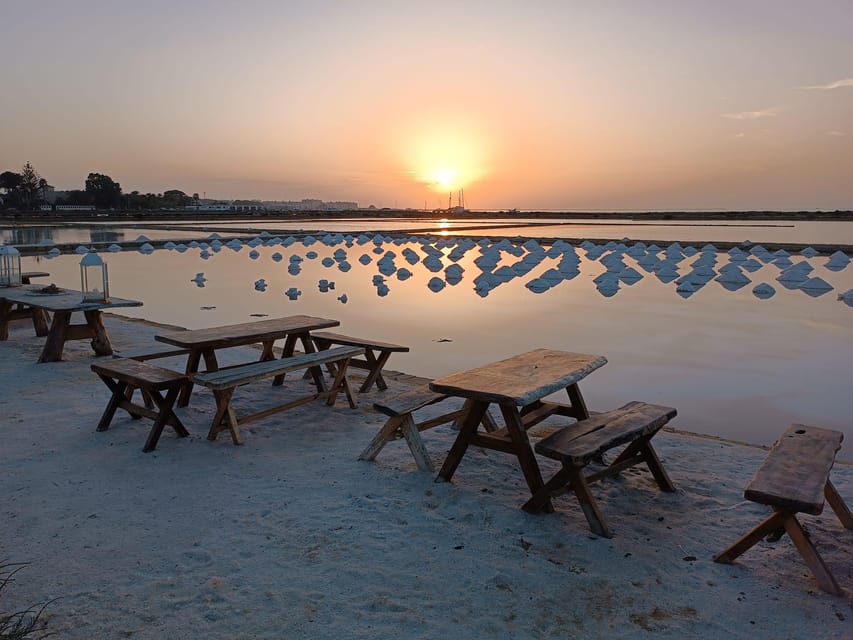
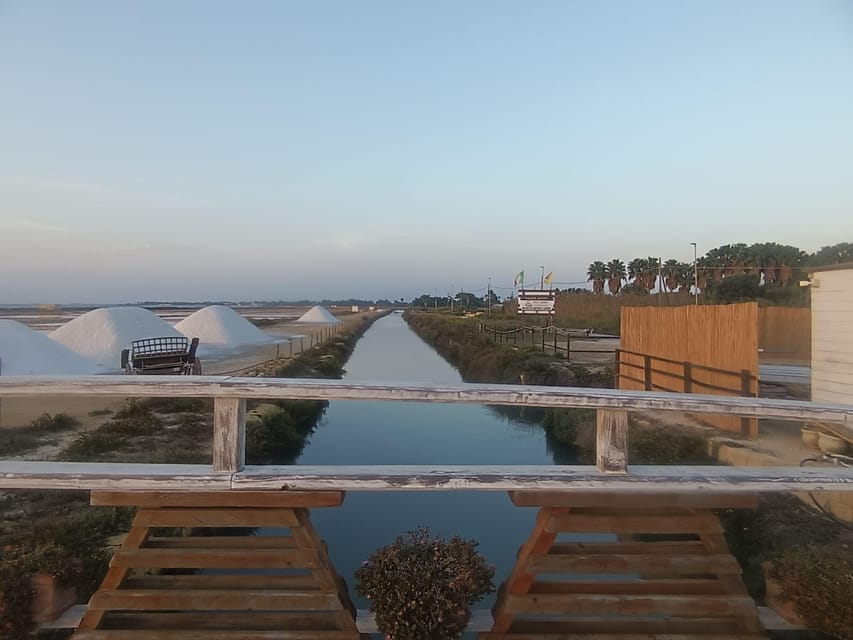
You’ll stand above and around areas that look built for function. The highlight here is that the tour takes you into salt pans created by the Spanish in the 15th century—old engineering that still does its job. Even if you don’t care about the politics of who built what, it’s impressive to see how long-lasting this kind of industrial design can be.
Then there’s the lagoon. Seeing the Stagnone Lagoon from the salt pans makes the whole experience feel grounded in place. You’re not just learning a process; you’re learning a process shaped by wind, sun, and water moving in and out of the system.
And yes, the atmosphere is part of the deal. Expect that salty, iodine-heavy air. It’s not a gimmick. It actually helps you understand why people who work here would describe the environment as essential to the work.
How the Salt Tanks Work, From Brine Control to Crystals
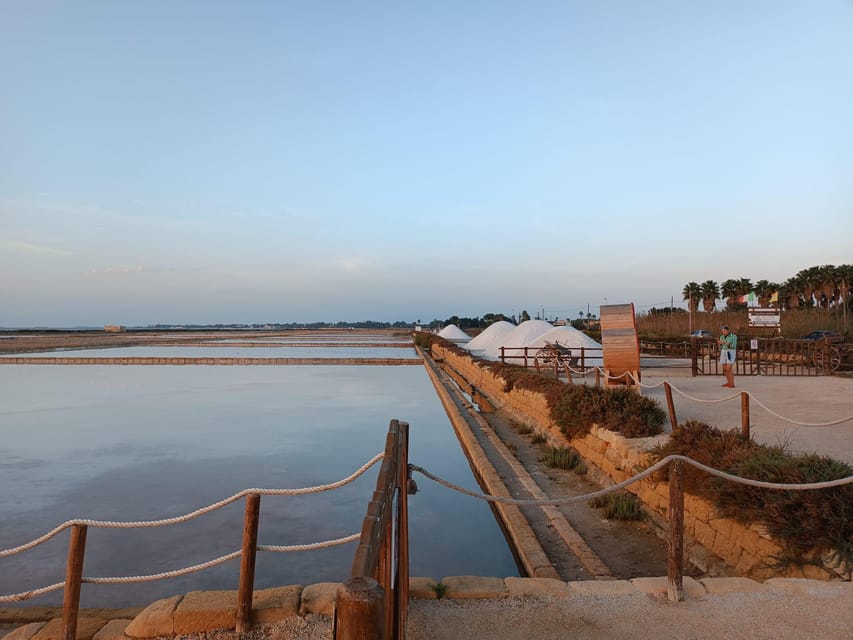
The guide explains the production process right up to crystallization. That’s the big promise, and it’s the center of the tour. You’ll learn how the salt tanks operate and how the process progresses through the pans.
One detail to keep in mind: salt-making is visual in real life, but your main input here is verbal. If you learn best from diagrams, you might wish for more show-and-tell, like a model of water movement between basins. One visitor specifically said that a video, model, or drawing showing water exchange would have helped.
So here’s my practical advice: treat the talk like a walking lecture and actively look for the physical cues you can. Watch how you’re directed around the basins, then ask simple questions if anything stays fuzzy—like how water moves from one stage to the next. If your guide has the option, you’ll usually get a better explanation when you point to the exact area you’re standing in.
If you want the short version of what you’re getting, it’s this: the tour connects the working tanks to the moment you see salt crystallize. You leave with the logic of the system, not just the smell.
The Air Smells Like Work: What to Wear and Bring
This is a sun-and-wind visit, even though it’s short. The recommendations are straightforward: bring a hat, drink some water, and wear gym shoes. That’s not overkill. Salt pans can be bright, and the ground you walk on won’t be the cushy kind.
Also, the rules list a few things you shouldn’t show up with, including bare feet (so shoes are the safe bet), and items like oversize luggage. Keep your bag simple.
I’d also plan your timing with the weather in mind. If you’re sensitive to heat, aim for a cooler part of the day. The tour is 45 minutes, but the sun off the lagoon can still feel like more than you expect.
Language Options, Plus One Thing You Should Confirm
Tours are offered in Italian, English, Spanish, and French, and the guide is live. That’s great if you want to understand the process without doing mental translation.
At the same time, I’d take one lesson from a rough experience: language quality can make or break your visit. In one case, a French tour didn’t end up being delivered as promised, and the visitor left when the guide spoke Italian instead of French. They got a full refund, but they also lost time.
So my advice is practical: when you book, double-check the language you’re selecting. Then, arrive a bit early so you’re not stuck waiting at the start line while things get sorted. If you’re traveling with someone who needs a specific language, treat the language setting as essential—because the whole point is understanding how the tanks work.
Price and Value: Does $14 Make Sense Here?
At $14 per person for a 45-minute guided tour, this feels like solid value—mainly because you’re paying for access and interpretation. You’re not just walking around outside. You’re going inside the working salt pans with a guide who explains the production process.
You’re also paying for the setting: Spanish-built salt pans from the 15th century and the lagoon views at the Stagnone. And there’s a marketing detail worth noting: the salt is presented as the first certified organic salt in Italy. Even if you don’t care about certification labels, it adds a layer of modern credibility to an old production site.
Where the price could feel less worth it is if you strongly prefer visual instruction. Since some visitors want models or diagrams—especially for explaining water exchange—your value will depend on how well you connect through spoken explanation and on-the-ground cues.
Still, for most people, $14 buys you a short, structured, memorable experience that’s hard to recreate on your own.
Who This Tour Suits Best (and Who Might Want More)
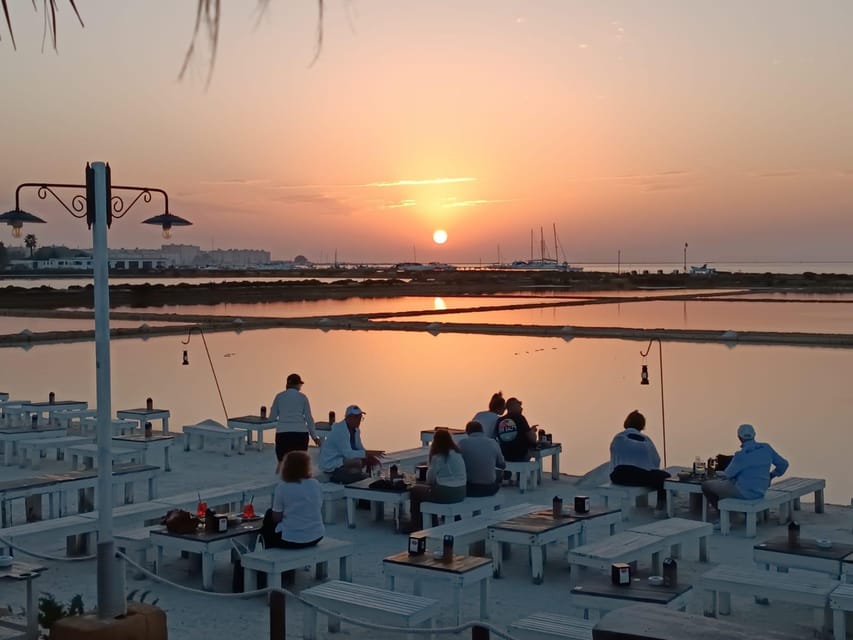
This tour fits best if you like hands-on learning without a long time commitment. If you enjoy seeing how a working landscape operates, and you want to understand why salt crystallizes, you’ll likely enjoy the walk. The atmosphere—iodine air, lagoon light, and old Spanish basins—also makes it a satisfying place to spend a short window.
You might want to think twice if you need lots of visuals to grasp processes. If water flow and exchanges between tanks are the kind of concept that has to be shown with a drawing, you may feel the explanation is not enough on its own. One visitor said they were left unclear on how the exchange and flow of water works, and they asked for a video or model.
For families, it’s mixed. The tour is short, but the rules clearly restrict items like baby strollers and certain kinds of equipment. So if you’re traveling with very young kids, you’ll want to plan carefully.
For language-focused travelers, you should be thoughtful and confirm your language choice. When it works, it’s a smooth, informative visit. When it doesn’t, it can feel like you paid for a process you didn’t fully understand.
Should You Book This Salt Pan Tour?
I’d book it if you want a quick, guided look at salt production in Sicily, with real historical basins and lagoon views. The value is strong for the time—$14 for 45 minutes with a live guide—and the atmosphere is the kind you can’t fake with photos.
I’d be cautious if you know you need diagrams, or if language accuracy is non-negotiable for your group. In that case, confirm your tour language before you go, and show up early so any mismatch can be corrected quickly.
If you’re flexible, curious, and willing to ask one or two questions while you walk, this one is worth the stop.
FAQ
Where is the meeting point?
You meet at the salt shop inside the salt pans.
How long is the tour?
The tour lasts 45 minutes.
How much does it cost?
The price is $14 per person.
What languages are available?
The tour is available in Italian, English, Spanish, and French.
Is this tour inside the salt pans?
Yes. It includes guided tours inside the salt pans.
What should I bring?
It’s recommended to bring a hat and water, and wear gym shoes.
What items are not allowed?
Oversize luggage, baby strollers/carriages, pets (assistance dogs allowed), bikes, and handcarts are not allowed, along with other items like alcohol and drugs.
Can I get a refund if my plans change?
Yes. You can cancel up to 24 hours in advance for a full refund.