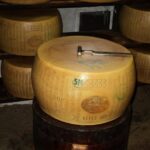
REVIEW · PARMA
Parmesan Cheese Factory Tour & Tasting near Parma
Book on GetYourGuide →Operated by Slow Travel · Bookable on GetYourGuide
Parmigiano Reggiano has a way of turning food into math. This morning factory visit near Parma shows you the real process behind the wheels, then finishes with a tasting built around three ages.
I especially like two things: the morning access to the production rooms (not just storage), and the fact that you taste 15, 24, and 36-month Parmigiano side by side, so the differences actually land. One thing to plan around: you only see the production area at the specific start times of 7:30 AM or 8:30 AM.
Guides such as Giulia and Lorenzo come up again and again for clear, fun explanations in English and Italian. The group stays small (max 10), so questions don’t get lost in the crowd, but that also means it can sell out faster on popular mornings.
In This Review
- Key points that matter before you go
- Parmigiano Reggiano morning at Azienda Agricola Bertinelli (Noceto)
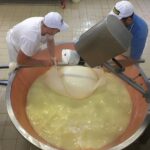
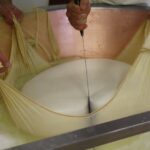
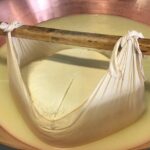
- Production rooms: curdling and shaping the Parmigiano wheels
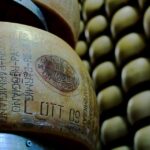
- Aging rooms: hundreds of wheels and how time becomes flavor
- A short video lesson that keeps your tasting from feeling random
- The tasting: 15, 24, 36 months with wine and Parmigiano cream
- Sustainability and animal welfare: what the farm says, and why it’s relevant
- Price and logistics: value, timing, and how to plan the day
- Who this fits best (and who might want to adjust expectations)
- Should you book this Parmigiano factory tour near Parma?
- FAQ
- What time can I see the cheese-making production rooms?
- How long is the tour, and what’s the rough schedule?
- What cheeses are included in the tasting?
- Is wine included with the tasting?
- Do I need to arrange transportation from Parma?
- Can I cancel or reserve without paying right away?
Key points that matter before you go
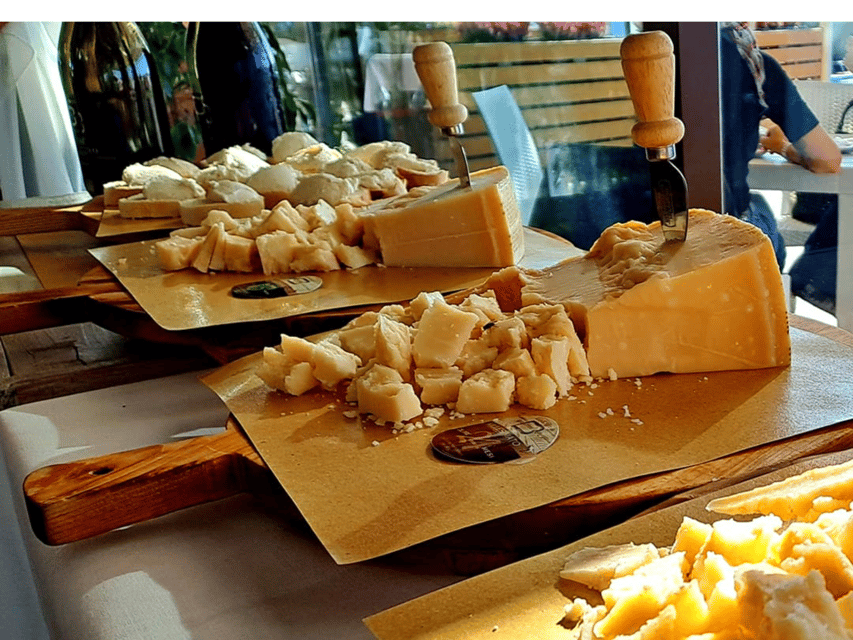
- Production rooms run only at 7:30 AM and 8:30 AM, so pick your time carefully.
- Small group (10 max) means you’ll actually hear the details and see what’s happening.
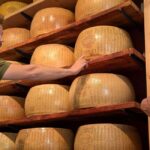
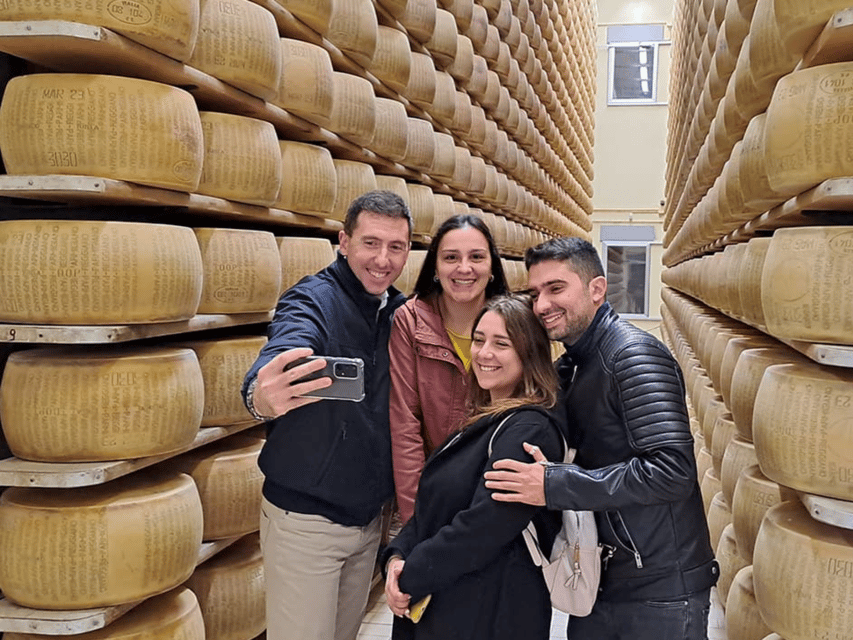
- Aging rooms are the star photo-op: hundreds of wheels stacked in long, cool storage.
- Tasting is structured by age (15, 24, 36 months), not a random cheese sampler.
- Sustainability and animal welfare are part of the story, including organic feed for Friesian cows.
- Wine pairing is included with regional options like Lambrusco or Malvasia.
Parmigiano Reggiano morning at Azienda Agricola Bertinelli (Noceto)
This tour takes place in Noceto, a village close to Parma, at Azienda Agricola Bertinelli. It’s set up for a short visit—about 1 hour total—but it packs in both the craft and the payoff, which is the tasting.
I like the location choice because you’re not just “watching cheese” in a room. You’re in the working world of an Italian dairy farm where traditional methods and animal care are part of the production story.
You also get a short, real-time sense of pace. Cheese making isn’t a quick trick. It’s steps, waiting, and aging—so this tour is built to show you the workflow without turning into a half-day detour.
You can also read our reviews of more tours and experiences in Parma.
Production rooms: curdling and shaping the Parmigiano wheels
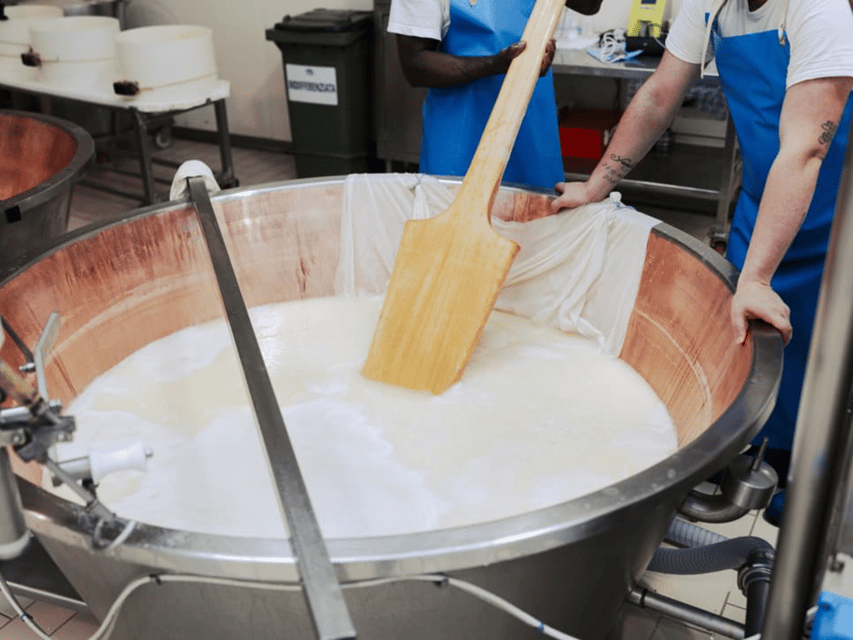
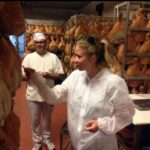
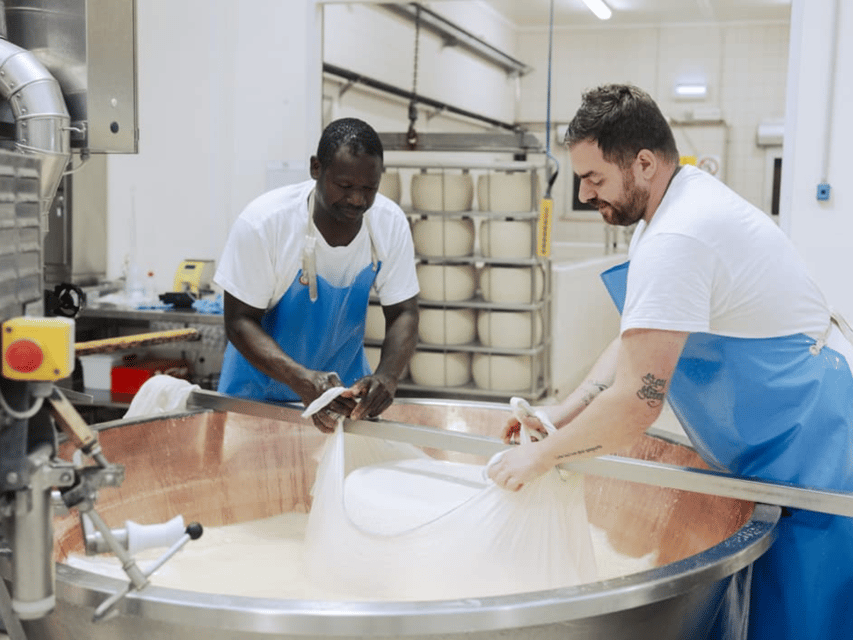
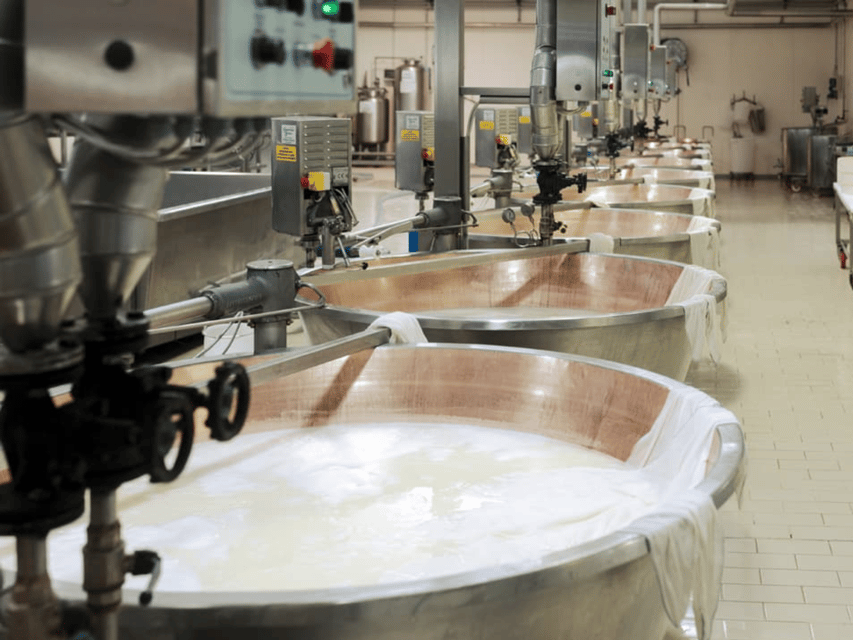
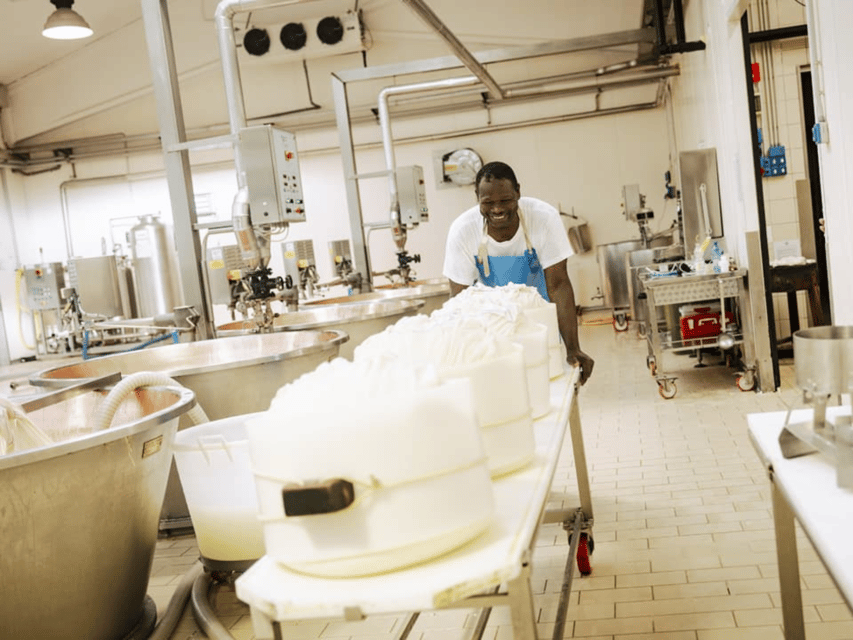
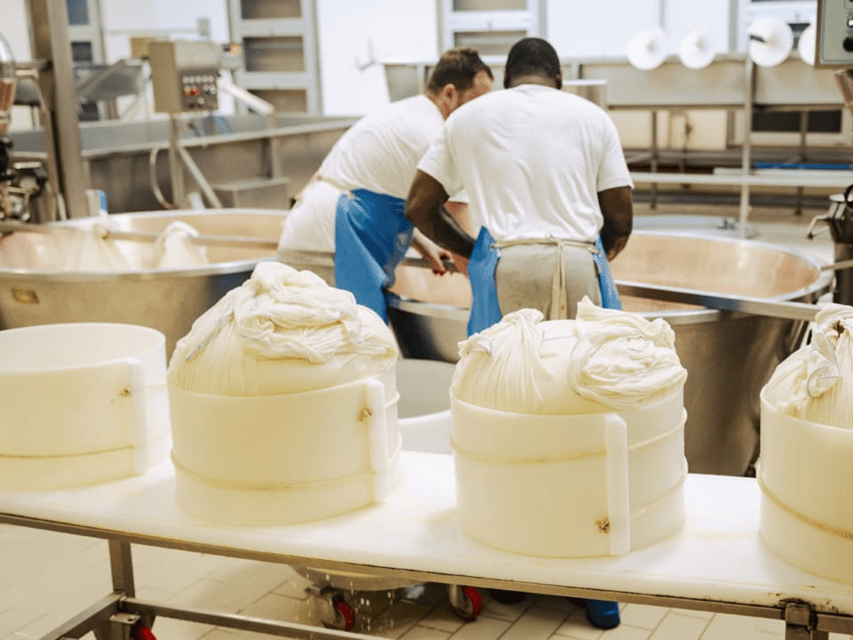
Your visit starts in the production area, where skilled artisans show the traditional technique that turns fresh milk into the recognizable Parmigiano Reggiano wheel. This is the part I’d call the “why it tastes like it does” section of the tour.
Here’s the key practical detail: the production rooms are only accessible at 7:30 AM and 8:30 AM. If you show up at the wrong time, you don’t get that full experience. So when you book, treat the start time as part of your plan, not an afterthought.
During this guided stretch (about 40 minutes), you’ll follow the process from early stages like curdling and shaping, then you’ll learn how the cheese moves into aging. The goal isn’t to overwhelm you with chemistry. It’s to make the wheel feel earned—like it had a job to do before it ever reached your plate.
And yes, the tour moves well. With a small group of up to 10, it stays personal enough that the guide can explain without rushing everyone.
Aging rooms: hundreds of wheels and how time becomes flavor
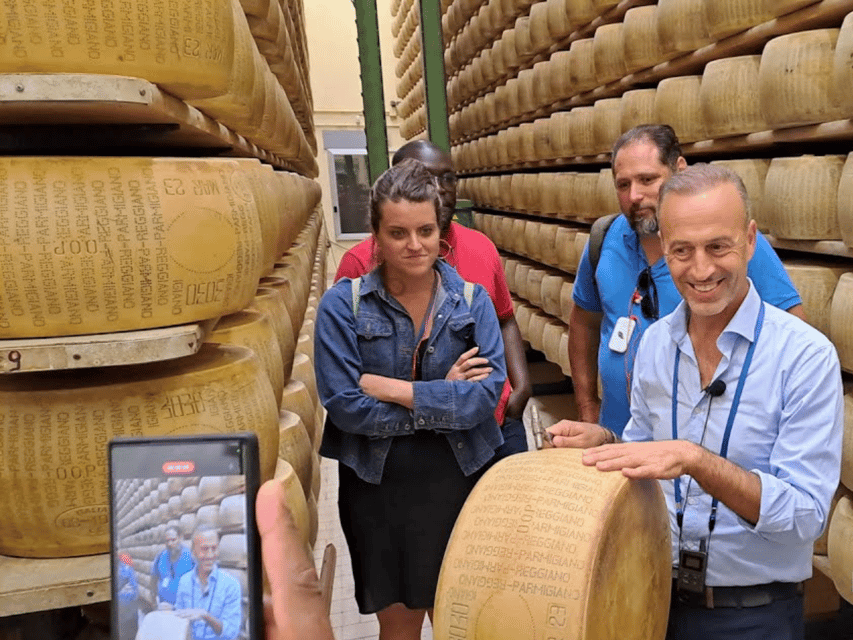
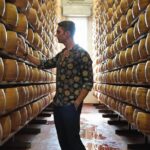
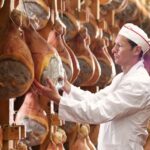
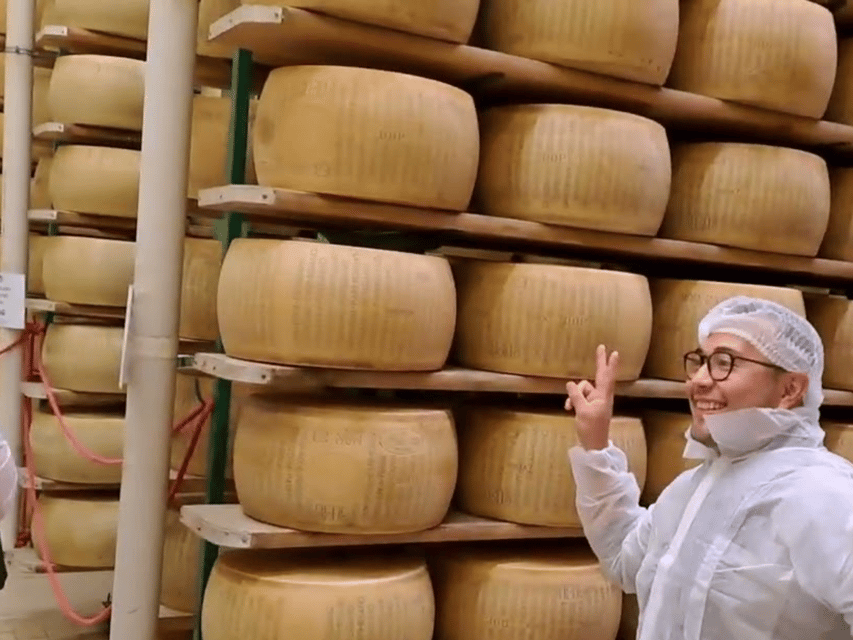
After the production portion, you’ll go into the aging storage rooms, where hundreds of cheese wheels are stacked and carefully managed. This is where the tour’s tone shifts from “how it’s made” to “why it changes.”
Parmigiano Reggiano is often described like it’s one cheese. This part makes it obvious that it’s really a spectrum. Different aging lengths change texture and intensity, and the rooms help you feel that connection between time and taste.
The tour then sets you up for the tasting by showing you the scale of aging. When you’re standing near wheel after wheel, it’s easier to understand why the farm keeps tight control over conditions and handling.
If you’re the type who likes food history, this storage room also does the heavy lifting. It’s not museum-style. It’s working storage where time literally does the work.
A short video lesson that keeps your tasting from feeling random
Between the factory walk-through and the tasting, there’s a video lesson that explains Parmigiano Reggiano production. It’s designed to be clear for different visitors, with instruction in multiple languages (English and Italian are available for the live guide).
I like this break because it turns what you saw into something you can remember. When the video is in sync with the steps you just walked through, the tasting part stops being guesswork.
Guides like Giulia and Lorenzo are praised for making the explanations understandable, not just technical. That matters because Parmigiano can feel intimidating if you only know it as a wedge in a grocery bin.
The tasting: 15, 24, 36 months with wine and Parmigiano cream
The tasting is the main event, and it’s structured in a way that actually teaches you something. You’ll sample three ages of Parmigiano Reggiano: 15 months, 24 months, and 36 months.
This sequence is smart. The younger cheese tends to feel smoother and more mild, while the older ages grow more intense and complex. By tasting them in a row, you’re not trying to compare memories. You’re comparing textures and flavors while they’re still fresh in your mouth.
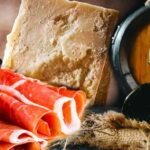
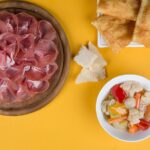
You also get Parmigiano cream plus a glass of regional wine, with choices like Lambrusco or Malvasia (based on what’s available). Water is included too, which is a small detail but helpful when you’re tasting three cheeses close together.
Some visitors note that the tasting can include additional items like prosciutto or other market foods alongside the core cheese tasting. Even if you don’t get extra add-ons, the three-age tasting plus wine is still the heart of the experience.
Tip from how this tour is set up: pace yourself. The older cheeses can be strong, especially if you’re used to mild or pre-grated Parmigiano. Start with the younger one, then let your palate adjust.
Sustainability and animal welfare: what the farm says, and why it’s relevant
One of the most useful parts of this tour is that it doesn’t treat sustainability as a separate topic. The farm discusses its approach to farming and animal welfare, including organic feed for Friesian cows and care practices aligned with traditional, eco-friendly production.
I appreciate this because it answers a practical question: why should you care how cows are raised when you’re buying cheese? For many people, the connection is not obvious—until you hear how the farm’s choices affect the overall production system.
This tour frames sustainability as part of the “how” and the “why,” not as marketing fluff. You’re learning that the cheese is produced in a broader system of land, feed, and animal care.
It’s also a reminder that the Parmigiano Reggiano story isn’t only about aging rooms. It’s about the chain of decisions that happens before the wheel ever reaches storage.
Price and logistics: value, timing, and how to plan the day
The price is $65 per person for about 1 hour. For a cheese-focused tour, that’s not bargain-basement pricing, but it can be fair value because you’re getting a guided walkthrough of both production and aging rooms, a guided explanation (including the video lesson), and a tasting with three aged cheeses plus wine.
The best value factor here is the tasting design. Many food tours serve samples that don’t build a real comparison. This one gives you a structured range across ages, which makes your money feel more like learning instead of just snacking.
Now for the logistics you actually need to manage:
- The tour starts in Noceto, about 30 minutes from Parma by car or public transport.
- Transportation isn’t included, so you’ll want to plan how you’ll get there and back.
- Production access is time-specific at 7:30 AM or 8:30 AM, so your schedule matters.
If you’re staying in Parma, I’d plan your morning around this. Don’t treat it like a flexible add-on unless you’re sure you can reliably reach Noceto on time.
Who this fits best (and who might want to adjust expectations)
This tour is a great match for three types of people:
- Food lovers who want more than a tasting flight and actually want to see the system behind the flavor.
- Curious cultural travelers who like local craft and want to connect a famous Italian product to the place that makes it.
- Cheese fans at any level, including people who don’t know the difference between aging stages yet.
It’s especially good if you’re the kind of traveler who gets restless on long tours. At 1 hour, it’s not a marathon, and the small group helps it feel efficient rather than rushed.
On the other hand, if you want a big, multi-course meal or a long experience with lots of free time, this may feel compact. The promise here is focused: production rooms, aging rooms, and a tasting that follows a clear logic.
Should you book this Parmigiano factory tour near Parma?
Book it if you want an honest, hands-on look at how Parmigiano Reggiano is made and why aging changes everything. The combination of production + aging rooms, plus the 15/24/36-month structured tasting, makes it easier to learn and remember than many standard food tours.
I’d especially book if you can commit to the 7:30 AM or 8:30 AM start. That early access is where the tour earns its best moments.
If you can’t make those times, consider whether another cheese experience might suit you better. Without production-room access, you lose the full “from milk to wheel” story and you’re left mostly with the aging and tasting side.
FAQ
What time can I see the cheese-making production rooms?
The production rooms are only accessible during the specific start times of 7:30 AM and 8:30 AM. If you book for another time, you won’t get access to that part of the process.
How long is the tour, and what’s the rough schedule?
It lasts about 1 hour total. The visit includes around 40 minutes for the guided tour, followed by about 20 minutes for tasting.
What cheeses are included in the tasting?
You’ll taste three ages of Parmigiano Reggiano: 15, 24, and 36 months. The tasting also includes Parmigiano cream.
Is wine included with the tasting?
Yes. You get a glass of regional wine, with options such as Lambrusco or Malvasia, plus water.
Do I need to arrange transportation from Parma?
Yes. Transportation to and from the location is not included, and it’s about 30 minutes from Parma by car or public transport.
Can I cancel or reserve without paying right away?
Yes. There is free cancellation up to 24 hours in advance for a full refund. You can also choose reserve now & pay later, meaning you can book and pay nothing today.