REVIEW · MEDICI DYNASTY HISTORY MUSEUM
Medici Dynasty History Museum Ticket
Book on GetYourGuide →Operated by Museo de' Medici · Bookable on GetYourGuide
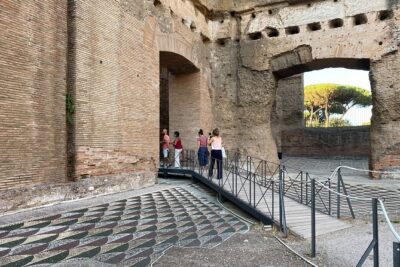
Florence keeps the Medici in plain sight. In the Rotonda Brunelleschi, this ticket turns a big Renaissance legend into a walk you can actually follow, with multimedia moments and original materials. I especially like two things: the building itself (it’s a Renaissance landmark with centuries of story), and the way the exhibits pair old-school artifacts with modern tech like holograms.
One thing to keep in mind: because this is a museum setting, you should double-check opening hours right before you go—there has been at least one reported case of a closed day that made refund help difficult.
You get to explore at your own pace inside a place that has reinvented itself again and again. The big upside for planning is that your ticket is valid for 2 months, so you can pick a day that fits your Florence rhythm instead of gambling with a single date.
In This Review
- Key things to know before you go
- Why the Rotonda Brunelleschi is worth your ticket price alone
- Your Medici timeline, from power players to the Electress Palatine
- Multimedia and holograms: how the museum stays readable
- Antiquities, documents, and reconstructions: what to actually focus on
- The winter garden and the Medici’s botanical side
- Pacing your visit with a ticket valid for 2 months
- Price and value: is $14 a fair deal?
- Who should buy this ticket, and who might skip it
- Should you book this Medici museum ticket?
- FAQ
- Where is the Medici Dynasty History Museum?
- How much does the ticket cost?
- How long is the ticket valid?
- What will I see inside?
- What languages are supported?
- Is there a host or greeter?
- Does the ticket include skip-the-line access?
- Is there free cancellation?
- Is pay later available?
Key things to know before you go

- The setting is the headline: the museum is housed in the monumental Rotonda Brunelleschi, tied to the Renaissance long before it was a museum.
- Holograms and multimedia help you connect Medici figures to real objects—no staring at labels for hours required.
- A real mix of mediums: antiquities, original documents, faithful reconstructions, and historical relics, side by side.
- The winter garden adds surprise: it highlights the Medici’s love for botany, not just politics and portraits.
- Temporary exhibitions are included: you may catch an extra layer of art during your visit.
Why the Rotonda Brunelleschi is worth your ticket price alone
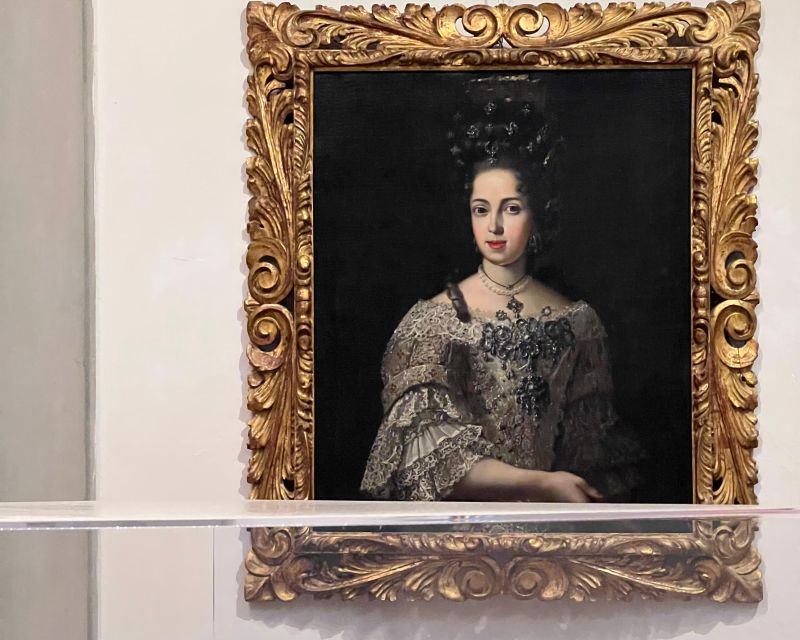
First-time visitors often think they’re buying “a Medici museum.” In reality, you’re also buying a tour of one of Florence’s most unusual Renaissance spaces. The Museo de’ Medici sits inside the Rotonda Brunelleschi, designed and begun by the celebrated Renaissance architect Brunelleschi.
Here’s what makes the setting so gripping. The Rotunda began in the 15th century, was left incomplete starting in 1437, and then stayed that way for about 500 years. The building is modeled on the Roman Pantheum, so you get that round, ceremonial feel even before you step fully into the exhibits. If you like your history in dramatic architecture, this is a strong start.
Then the building keeps changing roles. It was part of an important humanistic library scene that people like Cosimo the Elder, Lorenzo the Magnificent, and Pope Leo X were known to frequent. Later, Cosimo I wanted it to become the first seat of an Academy focused on arts and drawing. And in the 19th century, sculptor Enrico Pazzi made the famous statue of Dante that today stands in Piazza Santa Croce.
So when you walk into the museum, you’re not just moving through rooms—you’re moving through layers of Renaissance ambition that kept getting reassigned.
Your Medici timeline, from power players to the Electress Palatine
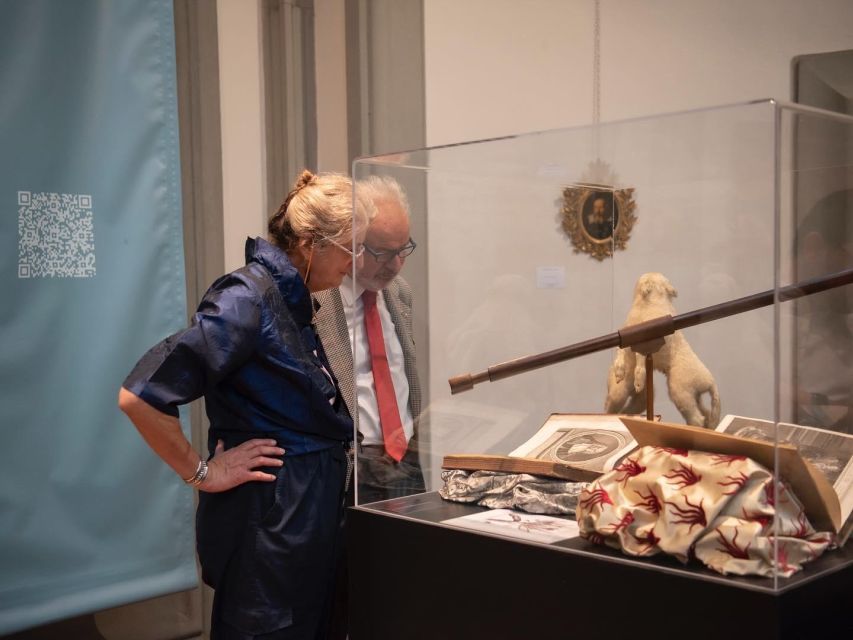
The museum is entirely dedicated to the Medici Dynasty, and it’s built to help you place names to dates, and dates to objects. The storyline begins with figures like Lorenzo the Magnificent and moves across the long arc of Medici influence in Tuscany.
You can also expect coverage that goes beyond the usual top-line history. The museum specifically references the Electress Palatine, which is a nice reminder that Medici impact wasn’t trapped inside one city. It was connected to wider European power networks, marriages, and cultural taste.
As you move through the displays, you’ll see the museum preserving Casa Medici memory through:
- precious collections of works of art
- historical relics
- original documents
- faithful reconstructions
- multimedia installations
That combination matters because it gives you multiple ways in. If you’re the type who loves documents and handwriting style, you’ll have moments to focus there. If you’re more visual, the reconstructions and multimedia help you “see” the story without needing a history degree.
Multimedia and holograms: how the museum stays readable

The museum uses holograms and other multimedia installations to connect you to Medici life and Tuscany’s ruling world. This is one of the most practical parts of the experience because it reduces the usual problem in art and history museums: long explanations that don’t always translate into understanding.
Instead, you’ll get tech-driven interpretive help while still standing in front of real objects. That’s a good balance. It keeps the exhibits from feeling like a dark room of screens, and it keeps the story anchored to physical artifacts.
I like this approach because it lets you choose your pace:
- If you want quick context, you can catch the multimedia points and move on to objects.
- If you prefer slower looking, you can spend more time on antiquities and documents and use the tech as a guide rather than the main event.
The museum also leans into anecdotes and curiosities of Tuscany’s ancient monarchs. That’s worth paying attention to, even if you don’t consider yourself a court-history person. Anecdotes often explain the “why” behind the “who,” and in this case that helps you understand how Medici power shaped Florence’s identity.
Antiquities, documents, and reconstructions: what to actually focus on
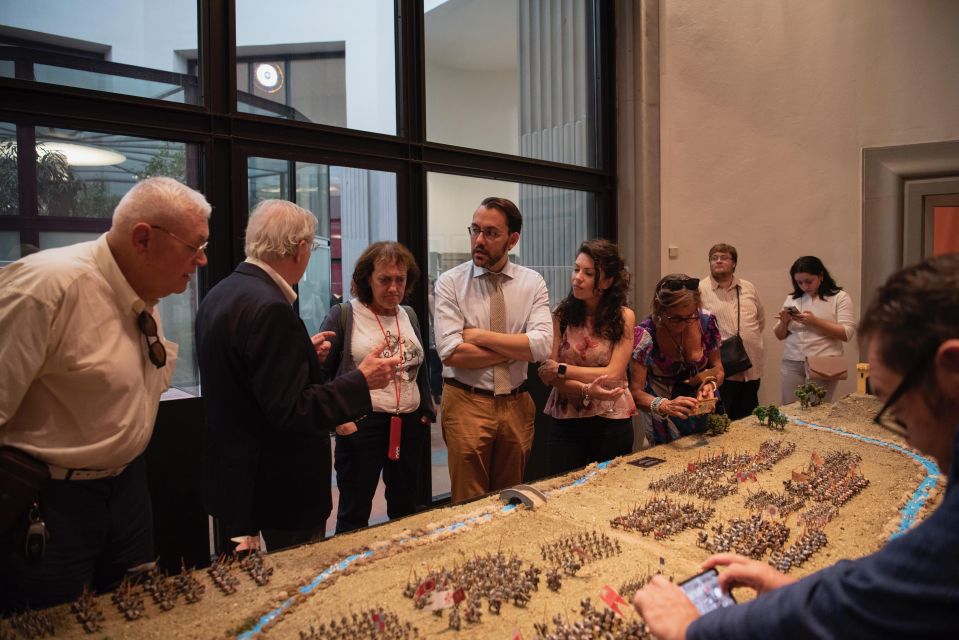
The exhibit mix is not random. It’s designed to help you build a mental picture of the dynasty from multiple angles.
Here’s what that means in practice once you’re inside:
- Antiquities give you physical depth. They connect the Medici world to older styles and older objects that shaped taste and collecting.
- Original documents help you feel the real machinery of rule: administration, correspondence, and records.
- Faithful reconstructions act like visual bridges when the actual artifacts are too fragmented, too specific, or too far removed from how you’d expect to encounter them today.
- Historical relics and works of art show how culture, prestige, and politics were braided together.
If you’re short on time, I’d recommend a simple strategy: pick one room where you linger with the documents, then pick another room where you spend extra time with art and reconstructions. That gives you a balanced understanding without turning your visit into a marathon.
Also keep an eye out for what the museum chooses to highlight as “curiosities.” Those are often the details that make a dynasty feel human—less like a list of rulers and more like a lived world of ambitions, relationships, and taste.
The winter garden and the Medici’s botanical side
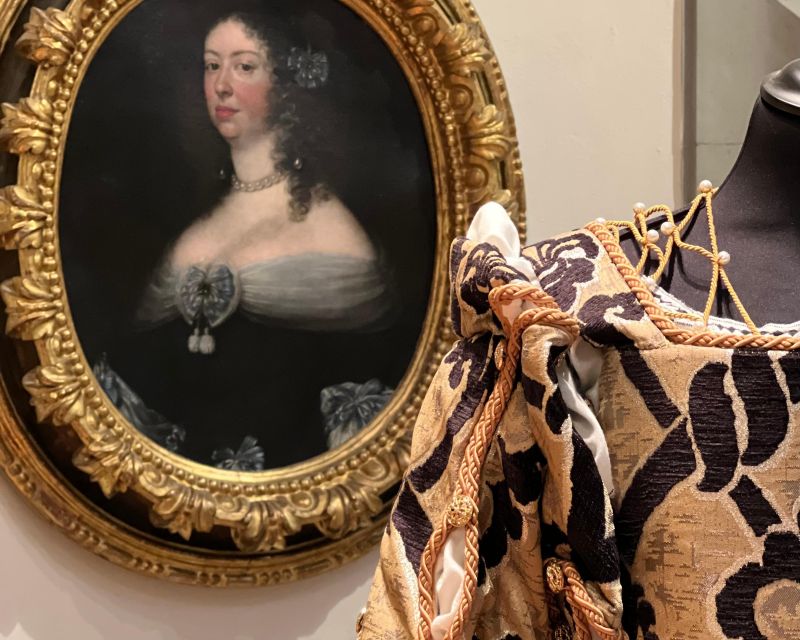
One of the most memorable parts of the museum is the winter garden. This isn’t just decoration. The museum uses it to show the Medici’s love for botany—an angle that feels refreshingly different from the usual battlefield-and-palace focus.
Even if you only pause briefly, the winter garden changes the mood. It gives you a break from the intensity of dynastic politics and lets you experience a quieter kind of power: cultivating knowledge, collecting living things, shaping a space for study and pleasure.
In a museum dedicated to a family that made Florence great, this botanical stop feels like a “soft power” reminder. It also makes the visit more varied, which helps if you’ve already seen a lot of churches and galleries that day.
Pacing your visit with a ticket valid for 2 months
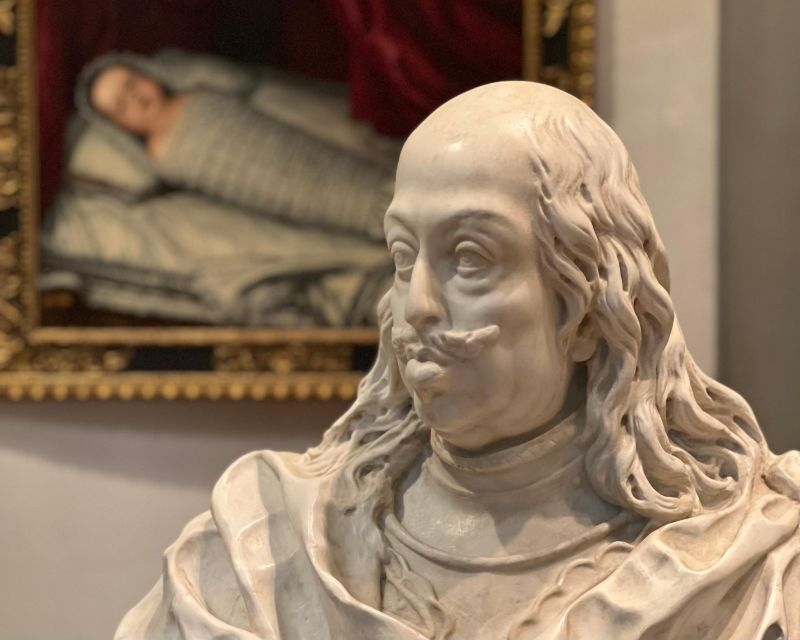
The ticket is valid for 2 months, which is surprisingly helpful in Florence. Museum hours and your own energy level can change fast, especially when you’re walking all day. This validity window means you can aim for:
- a calmer morning or afternoon
- a day when you don’t also have a long checklist of outdoor sights
- a second attempt if you picked a bad day and want a redo
The ticket also includes skip the ticket line. That can save real time, especially if the museum area is busy when you arrive.
Duration is listed as 2 months, which is really about how long you can use the ticket—not how long you must stay once you’re inside. Inside, the visit length will depend on how you like to read exhibits: quick and efficient versus slower looking with multimedia stops.
If you’re planning around other Florence highlights, I’d treat this as a museum anchor. It’s indoors, it gives you architecture plus story, and it offers a change of pace from street-level sightseeing.
Price and value: is $14 a fair deal?
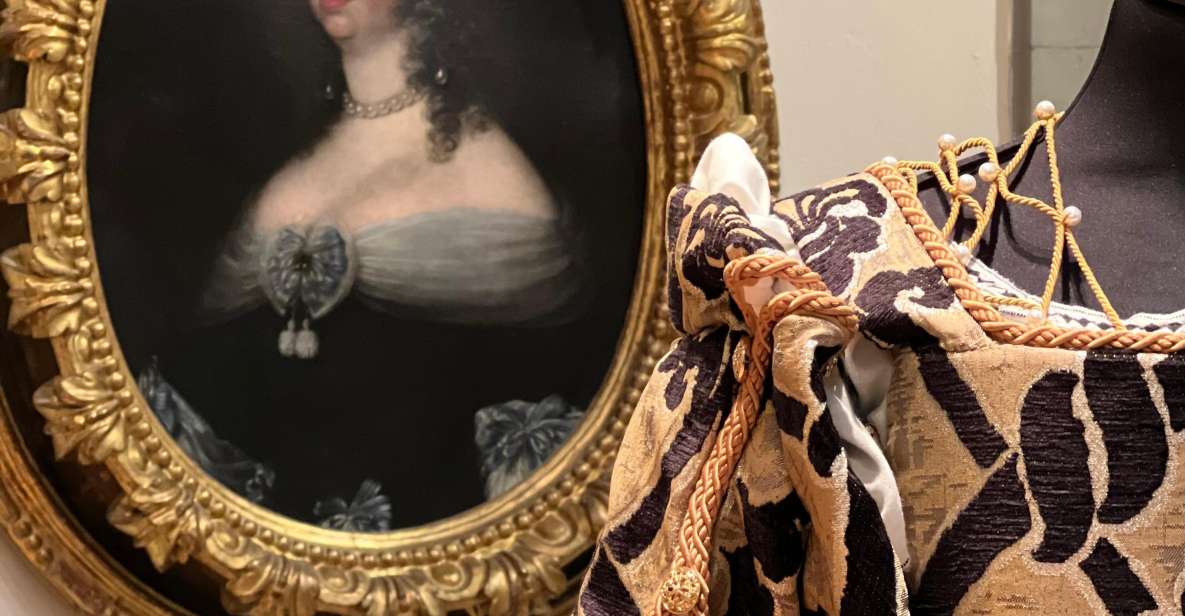
At $14 per person, this ticket feels like solid value if you care about more than one “thing.” You’re paying for:
- a museum dedicated to the Medici Dynasty
- temporary art exhibitions included
- a major monument experience in the Rotonda Brunelleschi
- a mix of media formats (artifacts plus holograms/multimedia)
- a winter garden botanical element
If you only want a quick look at portraits and a few rooms of text, any museum ticket can feel steep. But if you like layered experiences—architecture, objects, documents, and tech interpretation—then $14 doesn’t look out of place. It’s not trying to compete with big-ticket guided tours. It’s more like you’re buying access to a focused story in a truly distinctive setting.
Also, the languages are English and Italian, and a host or greeter is listed. That can matter if you want confirmation on what’s open, where to start, or which areas to prioritize.
Who should buy this ticket, and who might skip it
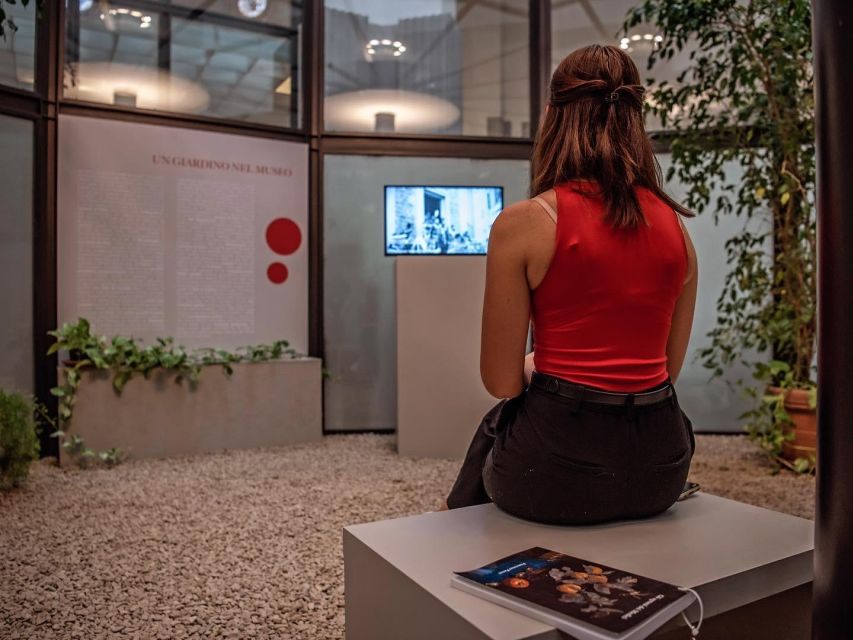
You’ll probably love this ticket if:
- you want Medici history but you don’t want it to feel like only reading
- you care about Renaissance architecture and how buildings carry cultural memory
- you like museums that mix original objects with multimedia explanations
- you want variety, including the winter garden and botany angle
You might think twice if:
- you prefer purely guided, narration-led tours and dislike self-paced exhibit wandering
- you’re in Florence for just a day and hate indoor museums unless they’re very hands-on
- you have very limited time and need a compact top-5 experience
Should you book this Medici museum ticket?
If you’re the kind of traveler who enjoys connecting big names (Cosimo, Lorenzo, and others) to actual objects and spaces, I think this is an easy yes. The building is a big draw, and the museum’s mix—documents, reconstructions, holograms, and even botany—keeps it from becoming a one-note history lesson.
Just do one practical thing before you commit: confirm the museum is open on your chosen day. With the ticket valid for 2 months, you have room to adjust, and that flexibility is worth using.
FAQ
Where is the Medici Dynasty History Museum?
It’s in Tuscany, Italy, in Florence, inside the monumental Rotonda Brunelleschi.
How much does the ticket cost?
The ticket price is $14 per person.
How long is the ticket valid?
The ticket is valid for 2 months, so you can check availability for a starting time within that window.
What will I see inside?
You’ll find an exhibition dedicated to the Medici Dynasty, with works of art, historical relics, original documents, faithful reconstructions, antiquities, holograms, multimedia installations, and a winter garden focused on the Medici’s love for botany. Temporary art exhibitions are included too.
What languages are supported?
English and Italian.
Is there a host or greeter?
Yes. A host or greeter is listed, in English and Italian.
Does the ticket include skip-the-line access?
Yes, it includes skip the ticket line.
Is there free cancellation?
Yes. You can cancel up to 24 hours in advance for a full refund.
Is pay later available?
Yes. You can reserve now & pay later.