REVIEW · ROME
5-Day Best of Italy: Assisi, Siena, Florence, Venice and more
Book on Viator →Operated by Gray Line I Love Rome by Carrani Tours · Bookable on Viator
Assisi to Venice in five days is a fast mix of faith and art. This tour is interesting because it strings together major UNESCO and Renaissance stops with real local flavor, while you’re traveling in a comfortable coach with onboard Wi‑Fi and guided tours plus headsets.
I like that you get 4 overnights in 4-star hotels in Florence and Venice and that the sightseeing is guided with timed entry for key places. I also really like the way the day plans build in short town-center walking tours, so you get context instead of just snapping photos and guessing.
One thing to plan for: this is a strict schedule with plenty of walking, and it’s not built for mobility challenges. If you want slow mornings and long wandering time, this route can feel a bit “move, look, move again.”
In This Review
- Key Highlights That Make This Tour Worth It
- Why This Rome-to-Venice Loop Works for First-Timers
- Coach Comfort, Wi‑Fi, and the Headset Walking Tours
- Where You’ll Sleep: 4-Star Florence and Venice Hotel Reality
- Day-by-Day: Assisi and Siena’s Sacred and Civic Squares
- Day 1: From Rome to Assisi, then Siena’s Piazza del Campo
- Day 1 pacing tip
- Florence in One Tight Day: Duomo, Signoria, and Santa Croce
- The downside of Florence in a day
- Bologna’s Piazza Maggiore and San Petronio: Big Church, Real City
- Venice Highlights: Piazza San Marco, Bridge of Sighs, and Spritz Time
- A practical Venice warning
- Montepulciano Views and Your Final Return to Rome
- Value Check: What $1,031 Gets You (and What It Doesn’t)
- Pace, Walking, and Who This Tour Suits Best
- Tips to Keep the Schedule Feeling Humane
- Should You Book This 5-Day Best of Italy Tour?
- FAQ
- What’s included in the price?
- Do I need to pay city taxes?
- What languages does the tour operate in?
- How much walking is involved?
- How many people are on the tour?
- What’s the meeting point and departure time?
Key Highlights That Make This Tour Worth It
- Headsets on guided walks so you can actually hear the story, even in crowded squares
- 4-star hotel nights in central Florence and Venice access points to keep you close to the action
- Skip-the-line / timed entry for key attractions, which matters in places like Florence and Venice
- Spritz & cicchetti in Venice as a built-in food moment, not just another photo stop
- A deluxe coach with Wi‑Fi to recharge between cities
- Max 45 travelers, so it stays manageable rather than chaotic
Why This Rome-to-Venice Loop Works for First-Timers
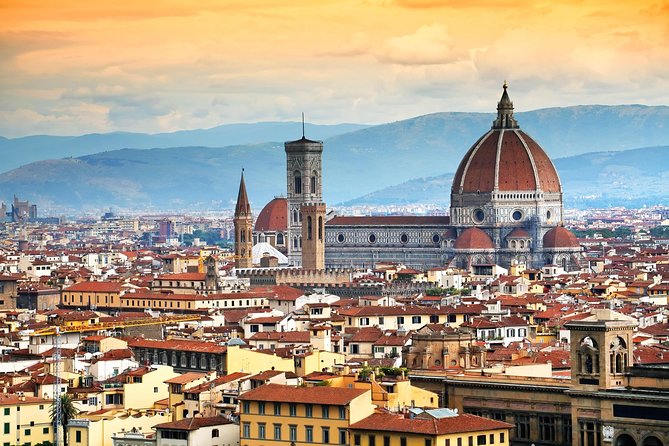
This is a classic best-of Italy format done in a realistic way: you start in Rome, then you keep moving north through Umbria and Tuscany, and finish with Venice. In five days, you’re not trying to “do everything forever.” You’re doing the iconic stuff, plus a few stops that help you understand how regions in Italy feel different.
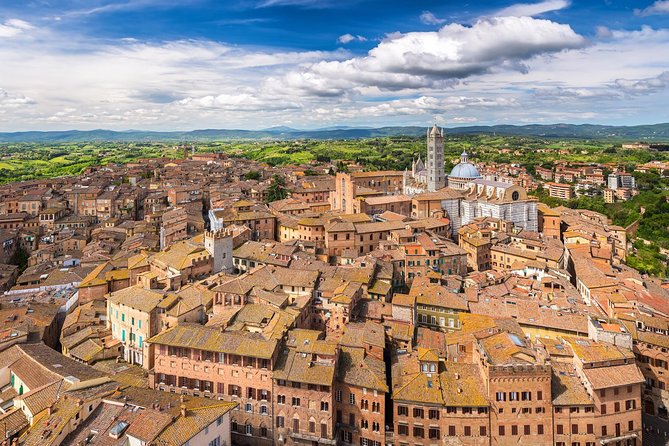
You’ll spend real time in places people come from all over to see. Assisi brings the spiritual backbone. Siena gives you a medieval civic vibe. Florence is the big Renaissance hit. Bologna adds a serious dose of Italian urban life and church scale. Then Venice closes the loop with its squares, bridges, and that unmistakable sense of being in another world.
If you’re visiting for the first time, this kind of route can be a smart way to get your bearings fast. You’ll learn what you like most—art, architecture, food, or history—and then you can come back later for deeper dives on your own.
You can also read our reviews of more tours and experiences in Rome.

Coach Comfort, Wi‑Fi, and the Headset Walking Tours
The tour travels by air-conditioned deluxe coach with onboard Wi‑Fi. That’s not a luxury detail; it affects your energy. On a multi-city plan, you want seats that help you arrive ready to walk, not already drained.
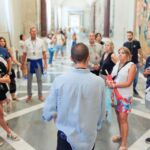
The other big help is the guided tours with licensed local guides plus headsets. In big, loud spaces like Florence’s squares or Venice’s key areas, you don’t want to play “guess what the guide is saying.” Headsets make the guidance feel clear, not frustrating.
A practical note: Wi‑Fi is included, but it can be uneven in Italy on the move (and you’ll still want to save maps offline). Also, don’t assume there’s an onboard restroom. Plan on using stops when the driver makes them.
Where You’ll Sleep: 4-Star Florence and Venice Hotel Reality
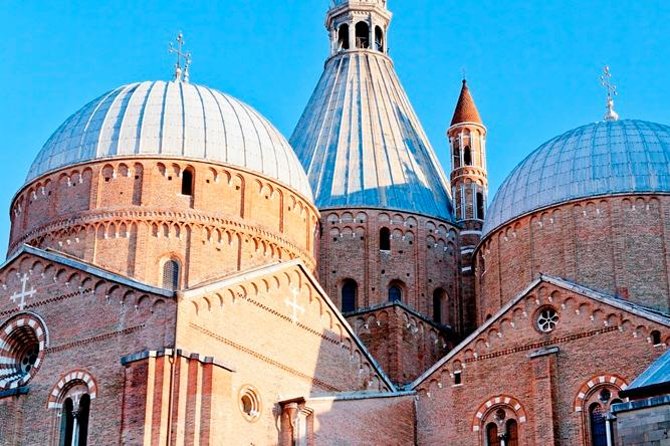
This trip includes 4 overnights in 4-star hotels, with two nights in Florence and two in Venice. Hotels are described as centrally located for easy access to the top attractions, and that matters. Venice in particular can be tricky: staying “near” Venice isn’t the same as staying inside it. Even when the hotel is well-positioned for access, some groups have found themselves closer to the mainland or needing extra transit time to reach the lagoon.
So I’d suggest this mindset: treat the included hotel location as “convenient base,” not “perfect Venice-on-foot all day.” If you’re the kind of traveler who wants to step out and be in the middle of canals immediately, you may want to consider upgrading the hotel category when that option exists.
Also remember that city taxes aren’t included. You pay directly at the hotels on arrival or check-out based on local procedure. If you hate surprise costs, set aside some cash or a card buffer for it.
Day-by-Day: Assisi and Siena’s Sacred and Civic Squares
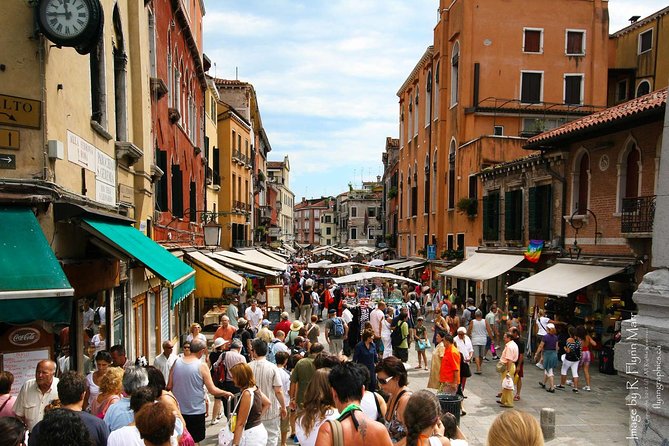
Day 1: From Rome to Assisi, then Siena’s Piazza del Campo
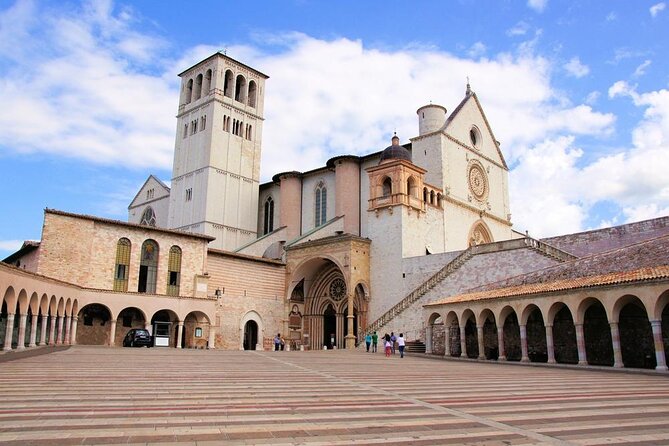
You depart Rome at 7:15 AM, which is early—but it’s also how you get to Assisi without losing half the day to traffic. The first stop is the Basilica Papale e Sacro Convento di San Francesco d’Assisi, the key Franciscan site where St. Francis’ remains are preserved. You’re there for the scale and the art. The basilica complex is made of two buildings that blend together, and it’s famous for its frescoes and interior decoration.
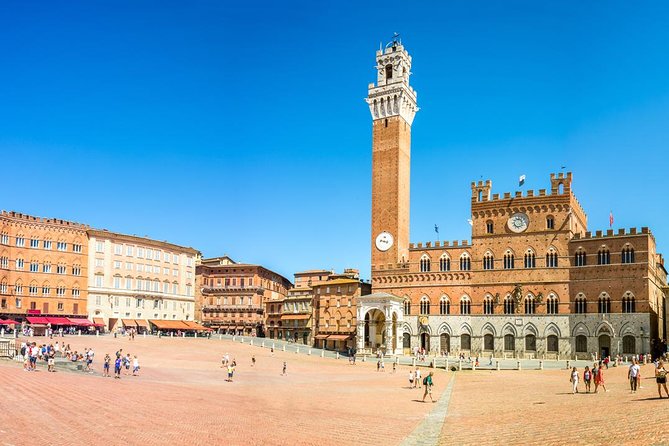
After that, you head toward Siena. You’ll visit Piazza del Campo, the main civic square and a UNESCO-level backdrop. Even if you only spend an hour there, it gives you that sense of Siena’s medieval rhythm—stone, slopes, and a layout that feels designed for life to happen.
Then the day continues on to Florence, where you check into your 4-star hotel and enjoy a welcome dinner. It’s a nice way to reset after the drive.
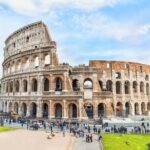

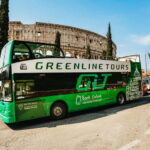
Day 1 pacing tip
Assisi sits on a hill. Expect a bit of walking and stairs around the old center. If you’re packing shoes for this trip, make them comfortable for uneven stone.
Florence in One Tight Day: Duomo, Signoria, and Santa Croce
Florence is where the tour earns its “best of” label. The plan gives you several anchor stops so you don’t leave with just one big monument and a blurry memory of everything else.
You start with the Cathedral of Santa Maria del Fiore (the Duomo complex). You’ll hear how the cathedral was begun at the end of the 13th century and how the dome came later in the 15th century. The facade’s pink, white, and green marble is a detail you’ll actually remember once you see it in person.
Next comes Piazza della Signoria, Florence’s historic political heart. You’re looking at symbolism as much as art. The sculptures here connect to Medici power and Florentine identity. It’s also a great place to take a break, then keep moving before you get too tired.
Finally, you visit the Basilica of Santa Croce, where notable figures are buried or commemorated, including Michelangelo, Rossini, and Galileo Galilei (with the story of burial restrictions explained in the basilica context). Santa Croce is also where you learn that Florence’s religious sites overlap with politics and famous lives.
The downside of Florence in a day
Florence is crowded. You’ll likely feel the time pressure, even with timed entry and guided stops. This is not the tour for you if you want to spend hours lingering in one museum and “letting Florence happen.” This one gives you a strong hit list instead.
If you’re a visitor who enjoys street life between landmarks, you’ll still be happy here. You’ll get chances to walk the historic center when the group has short breaks in the schedule.
Bologna’s Piazza Maggiore and San Petronio: Big Church, Real City
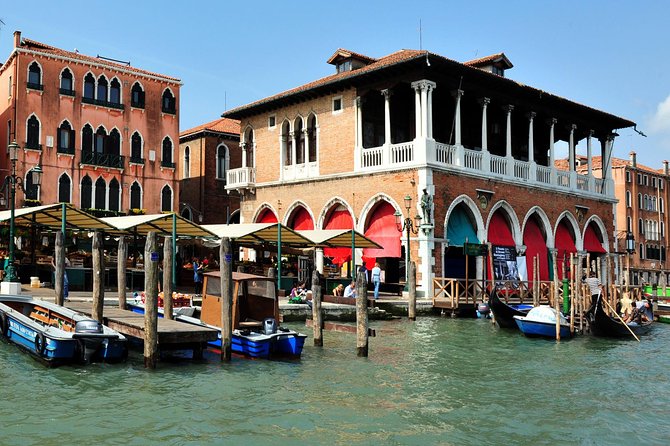
After Florence, the trip turns to Bologna with a stop at Piazza Maggiore and then the Basilica di San Petronio.
What I like about this portion is that it shifts the tone. Florence is about Renaissance art and famous names. Bologna feels like a functioning city, with a square that has been shaped over centuries. Piazza Maggiore is designed around major palaces and civic life.
San Petronio is the contrast: it’s massive and still unfinished. That alone makes it feel more human and less postcard-perfect. You’ll see one of the largest churches in Europe, and the guide context helps you understand why its “unfinished” reputation doesn’t mean “lack of impact.” It’s still a towering sight.
This day is also a helpful reminder that the tour isn’t only about the headline cities. Bologna is a good use of time if you want Italy beyond the usual photo circuit.
Venice Highlights: Piazza San Marco, Bridge of Sighs, and Spritz Time
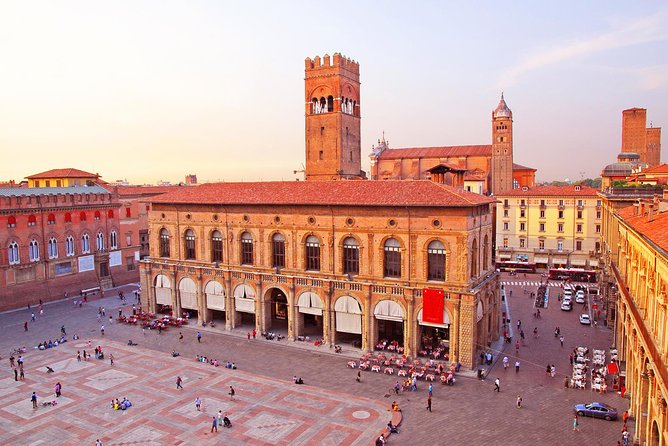
Venice can make people dizzy—in the best way. The tour focuses on the classic anchors so you get oriented quickly.
You visit Piazza San Marco, the central “living room” of Venice. You’ll take in the bell tower and the Basilica façade, plus key surrounding landmarks like the Palazzo Ducale and the Clock Tower (Torre dei Mori). If you’re the type who likes to understand what you’re seeing, the square is perfect for it because every corner points to something political, artistic, or historical.
Then you head to the Ponte dei Sospiri (Bridge of Sighs). Even if you’ve heard the legend before, it hits differently when you’re standing by the canal and imagining the prisoner route.
And yes, Venice comes with a built-in food moment: spritz and cicchetti as a light lunch experience. This is a smart inclusion because you’re not just touring cathedrals and bridges—you’re tasting local rhythm right in the middle of it.
A practical Venice warning
Venice weather happens. One day can start clear, then turn wet fast. Bring an umbrella if there’s any chance of rain, and keep layers handy.
Also, if you want the gondola experience, consider that it’s typically an optional add-on. If that’s a must for you, decide ahead of time. Past add-on pricing shared for this route has included figures like 25–45 euros depending on the activity, with gondola rides often at the higher end.
Montepulciano Views and Your Final Return to Rome
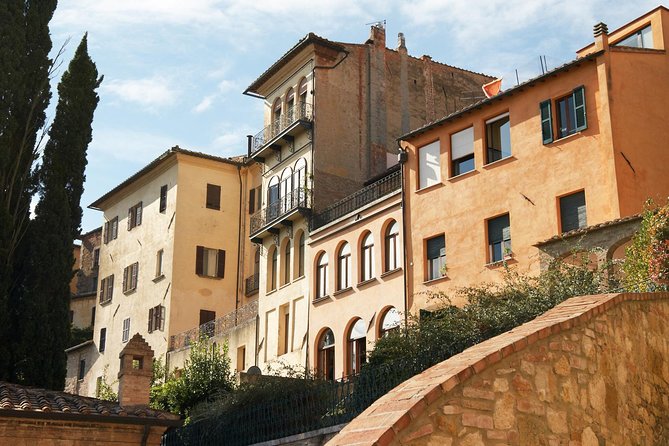
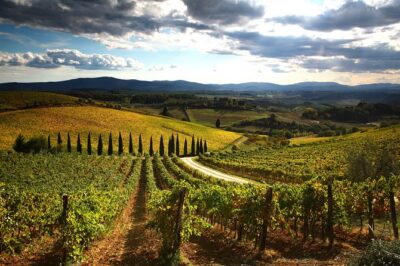
The last day shifts into Tuscany countryside vibes with a stop in Montepulciano. You’ll hear why the town is famous for its wine and why it sits high above the landscape. At around 600 meters elevation, the views can feel like a reward for the earlier walking days.
There’s also a nice contrast here: after churches and squares, you get a hilltop town where the best part is often just looking around. The route includes a viewpoint from the Renaissance Palace of Montepulciano and the sense of distance toward mountains like the Sibillini range (weather permitting).
Then you end back in Rome in the evening, closing the loop so you don’t have to arrange a separate transfer at the end.
Value Check: What $1,031 Gets You (and What It Doesn’t)
At about $1,031 per person, the value is really in the package nature.
You’re getting:
- 4-star accommodations for 4 nights, with two nights in Florence and two in Venice
- Most meals (breakfast is included 4 times, lunch is included 5 times, and there is dinner included)
- Entrance fees for key attractions (plus timed entry)
- Guided tours with local guides and headsets
- A comfortable, air-conditioned coach with onboard Wi‑Fi
- A Venice food-and-drink moment: spritz & cicchetti
What you’re not getting:
- City taxes, which you pay at the hotels
- Airport transfers (transportation to/from airports isn’t included)
- Extra activities that aren’t listed as included (this is especially relevant in Florence and Venice, where optional add-ons can cost more)
Is it “cheap”? Not exactly. But if you compare what it would cost to book hotels, pay for guides/headsets, arrange timed admissions, and coordinate intercity transport yourself, it can add up fast. This tour saves you the stress of logistics and gives you structured time in the right places.
The best value comes if you’re the kind of traveler who wants guidance and doesn’t want to spend your precious Italy days negotiating tickets and meeting points.
Pace, Walking, and Who This Tour Suits Best
This is a group tour with a lot packed in. Even when you get free time, you’ll be walking between stops and moving as the schedule dictates. One review-style reality check you should trust: comfortable shoes matter. Also plan clothing that works for churches, meaning coverage for shoulders and knees.
Fitness-wise, the tour is described as requiring moderate physical fitness. Another note is more blunt: the itinerary has a very strict schedule and isn’t suitable for travelers with mobility issues. If that’s you, I’d skip this version and look for an FIT package or private tour that you can slow down and customize.
For solo travelers, this can work well because the group size (max 45 travelers) and the guide rhythm help you stay on track. You also get built-in social time on coach rides and during short guided walks.
If you’re traveling with kids, this tour can still work, but only if everyone is okay with long days and frequent walking.
Tips to Keep the Schedule Feeling Humane
Here’s how to make this trip feel smoother, not like a nonstop treadmill.
- Start early, then accept it. The tour leaves Rome at 7:15 AM. Don’t plan a late night on your first evening.
- Pack one good daypack. You’ll need water, sunscreen, and something for rain.
- Bring an umbrella if rain is in the forecast. Wet Venice is still beautiful, but you need to protect your comfort.
- Use church-friendly clothing. Cover shoulders and knees to avoid awkward scramble moments at entrances.
- Carry your voucher and full names. You may be required to present traveler names before entry at some attractions.
- Don’t overload your day. Optional add-ons happen outside the core plan. If you add too much, you can turn a “best of Italy” trip into pure exhaustion.
Should You Book This 5-Day Best of Italy Tour?
Book it if you want a guided best-of Italy route with hotels, timed entry, and solid context in multiple regions. You’ll likely love it if this is your first trip and you want to come home with a clear sense of which parts of Italy you want to revisit.
Don’t book it if you:
- need a slow pace with lots of free roaming
- have mobility limitations and can’t manage a strict schedule
- hate walking days and prefer a heavier reliance on self-guided time
My honest take: this tour is built for momentum. If you like structure, it’s a great deal of Italy for the money. If you want to wander at your own speed, plan to adjust expectations—or choose a smaller, more flexible itinerary.
FAQ
What’s included in the price?
This tour price includes 4-star hotel stays (4 overnights), most meals (breakfast and lunch plus dinner), air-conditioned coach transport, onboard Wi‑Fi, guided tours with local guides and headsets, entrance fees/timed entry to key attractions, and the spritz & cicchetti experience in Venice.
Do I need to pay city taxes?
Yes. City taxes are not included and are paid directly at the hotels upon arrival or check-out.
What languages does the tour operate in?
The tour is offered in English. In high season it operates in English only (and it’s monolingual from April to October). It also runs in other languages as bilingual options: Spanish, Portuguese, and French.
How much walking is involved?
You should have moderate physical fitness. The itinerary is very strict, with plenty of walking across multiple days, including around historic centers.
How many people are on the tour?
The group size maximum is 45 travelers.
What’s the meeting point and departure time?
The tour starts at Hotel St. Martin, Via S. Martino della Battaglia, 58, 00185 Roma RM, Italy, with a 7:15 AM start time.