REVIEW · VENICE
Morning Walking Tour of Venice with Gondola Ride
Book on Viator →Operated by Insidecom srl · Bookable on Viator
Venice on foot, then a gondola. This morning combo gives you a tight slice of the city’s canals and piazzas, then hands you over to a gondolier for a slower water moment. You’ll start in the historic center, hear the story behind major sights, and get a gondola ride that’s short enough to keep the day moving. From the Grand Canal to Piazza San Marco, it’s a practical way to orient fast.
My two favorite parts are the guided walking plan (so you don’t wander in circles) and the way the gondola ride caps the morning with views from the water, not just the sidewalks. Even better, it’s built as a simple “land then water” format: you get your bearings first, then relax.
The main consideration: the gondola portion is officially 30 minutes and there’s no commentary on the boat, so you should treat it as scenery time. Also, if weather doesn’t cooperate, the gondola can be suspended, and you’ll need to check at the departure point.
In This Review
- Key Points to Know Before You Go
- Morning Venice on Foot: Starting at Calle Larga de l’Ascensione
- Canal Grande Stop: Getting Oriented on Venice’s Main Waterway
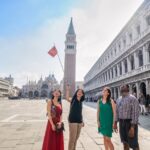
- Piazza San Marco Area: A Brief Hit of Venice’s Center
- Santa Maria della Salute, La Fenice, and Saints John and Paul
- Santa Maria della Salute: Baroque built as a vow
- La Fenice: opera house with a stop-start life
- Saints John and Paul: the “pantheon” feel
- Campo Santa Maria Formosa: The Square Where Venice Feels Local
- The 30-Minute Gondola Ride: What You Get (and What You Don’t)
- Price and Value: Does $87.70 Make Sense?
- Group Size, Pace, and Listening Tips That Actually Help
- Weather, Timing, and the One Morning Rule
- Should You Book This Morning Walk and Gondola Combo?
- FAQ
- How long is the Morning Walking Tour of Venice with Gondola Ride?
- What’s included in the tour price?
- Is there commentary during the gondola ride?
- What happens if the gondola ride is suspended due to weather?
- Where does the tour start?
- Is this tour suitable for most travelers?
Key Points to Know Before You Go
- A fast orientation loop: designed to help first-timers understand where the big sights fit together
- Grand Canal access on the route: you’ll see Venice’s main waterway early
- Piazza San Marco area, briefly: you’ll get the vibe even if you don’t plan to stay there all morning
- Gondola ride is short: 30 minutes, and it won’t be a guided lecture
- Collective groups are common: you might share space on the walk and split into different gondolas
- Start on time: the meeting point rules are strict
Morning Venice on Foot: Starting at Calle Larga de l’Ascensione
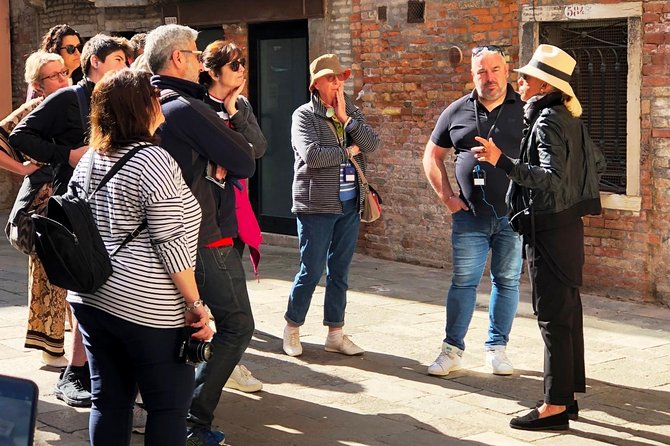
This tour starts at 9:00 am near Calle larga de l’Ascension, 30124 Venezia VE. That early start matters in Venice. The city’s narrow lanes can get packed quickly, and an organized meeting helps you avoid the classic first-day Venice problem: spending your best energy looking for the next bridge.
The format is simple: a guided walk first, then a gondola ride. The overall time is about 3 hours, but remember it’s really a 1.5-hour walking tour plus a 30-minute gondola ride. The gondola part ends back at/near the same starting area, so you can pivot to your next plan without backtracking across the city.
One nice detail is how the experience is handled for different groups. Since it’s a collective tour, you may share the walk with others. If multiple language groups are combined in the winter season (Nov 1 to Mar 31), you may hear information in two languages.
You can also read our reviews of more tours and experiences in Venice.
Canal Grande Stop: Getting Oriented on Venice’s Main Waterway
Your first major stop is the Canal Grande, roughly 3,800 meters long. It slices the historic center into two halves, following that recognizable inverted-S route from Ponte della Libertà to the Bacino di San Marco. Even if you’ve seen photos of the canal’s palazzi, there’s something different about seeing it early—when your eyes are still learning the city’s map.
This stop includes an admission ticket, and it lasts about 20 minutes. For me, short canal stops work best when you’re using them for orientation: notice where the bridges connect, how the waterfront lines up, and how the Grand Canal feels wider and more open than the side canals. You’re not trying to “solve” the whole waterway in one morning—you’re training your brain for later.
The downside of a 20-minute canal window is obvious: you won’t get deep photo time or slow wandering. If you love architecture, you may want extra time on your own later. But as a first introduction, this is a solid way to start.
Piazza San Marco Area: A Brief Hit of Venice’s Center
After the canal, you’ll spend a short moment at Piazza San Marco—about 5 minutes. That’s not long enough for museums or a full loop around the square. But it can be plenty if your goal is to understand how the city “pulls” people toward the central stage: churches, open space, and the sense that Venice is built on performance.
You also get a taste of the broader St Mark’s Basin area through what you pass and how your guide frames the landmarks. Even if you don’t go inside everything, the point is to connect names you’ll see later with the actual spaces you’re standing in.
One practical tip: if you’re planning to return to Piazza San Marco later for photos or a longer sit-down, treat this moment like a preview trailer. You’ll come back more confident and quicker to the exact corners you want.
Santa Maria della Salute, La Fenice, and Saints John and Paul
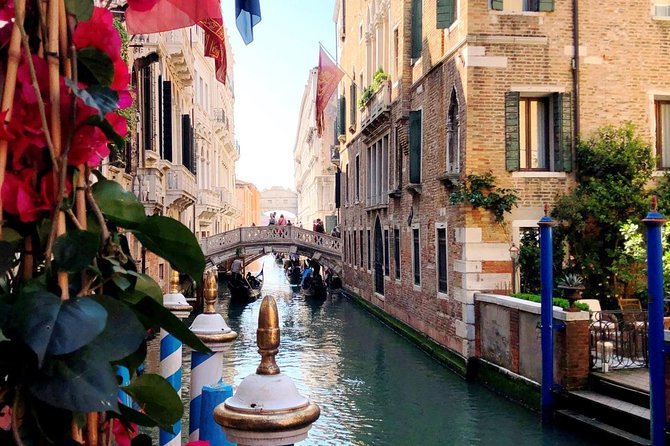
This part of the walk stacks several big-ticket Venice landmarks into one route. The tradeoff is that you’re moving and learning, not lingering.
Santa Maria della Salute: Baroque built as a vow
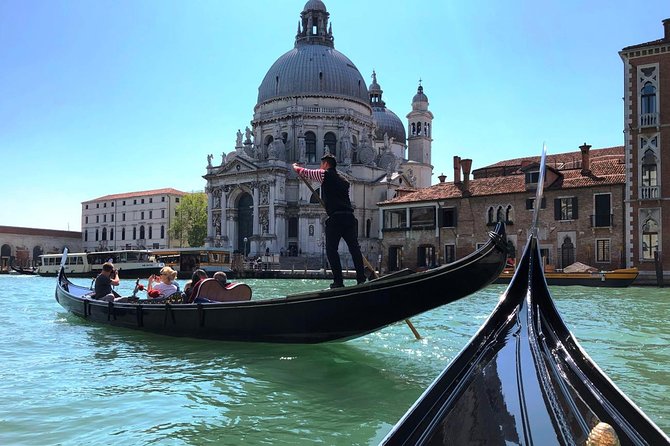
You’ll hear about Santa Maria della Salute, a basilica designed by Baldassare Longhena with attention to Palladio’s models. The story that makes it click is the reason it was built: it was a votive offering to the Virgin Mary after plague devastated Venice between 1630 and 1631. Your guide’s explanation connects architecture to civic survival, not just aesthetics.




La Fenice: opera house with a stop-start life
You’ll also pass the Gran Teatro La Fenice, the major opera house in Venice. It’s tied to major events like the traditional New Year’s Concert and has had a history of being destroyed and rebuilt. If you’re an opera fan, you’ll likely want to read up or plan a separate visit. If you’re not, the simple fact that this is one of the city’s key cultural engines helps you understand why Venice still feels theatrical.
Saints John and Paul: the “pantheon” feel
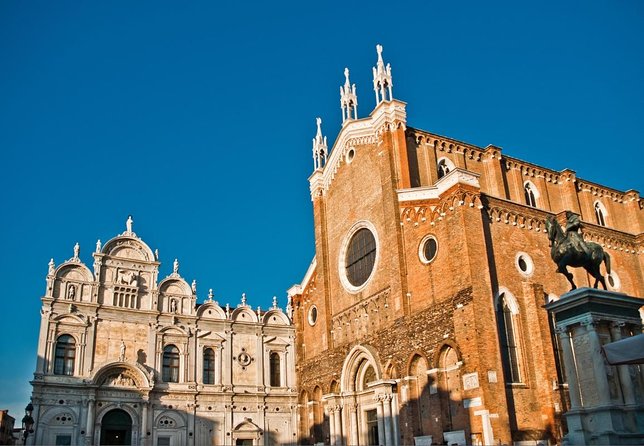
The walk includes the basilica of Saints John and Paul in the Castello district. You’ll hear it described as a kind of pantheon because so many Venetian doges and other important figures were buried there starting in the 13th century. That burial history changes how you see the building. It isn’t just a church you pass—it’s tied to how power remembered itself.
For all three, the value here is that the guide gives you the “why.” That’s what helps later when you’re deciding what to prioritize on your own.
Campo Santa Maria Formosa: The Square Where Venice Feels Local
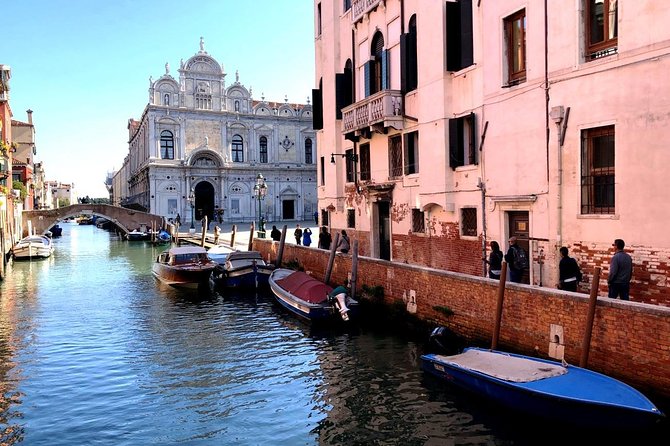
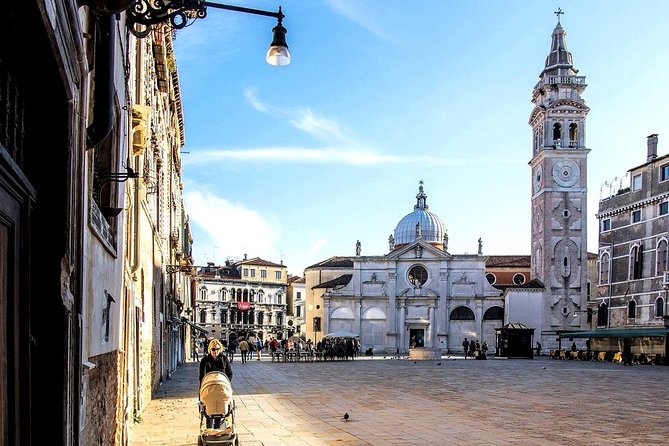
The tour also takes you to Campo Santa Maria Formosa, one of the larger squares in Venice. The setting matters: this is a place where multiple calli and bridges branch off. The scale is part of the charm—this isn’t a tiny postcard square trapped by too many visitors. It’s more functional, more Venetian-in-real-life.
The square’s name ties to the nearby church of Santa Maria Formosa, so you get a small historical anchor as you move through. And because this section sits in the rhythm of everyday Venice streets, it’s where you can start to feel how the city works at street level.
A good mental exercise while you’re here: don’t only look at what’s pretty. Look at the routes—how people flow across bridges, how lanes funnel into wider spaces, and how churches “anchor” what would otherwise be a maze.
The 30-Minute Gondola Ride: What You Get (and What You Don’t)
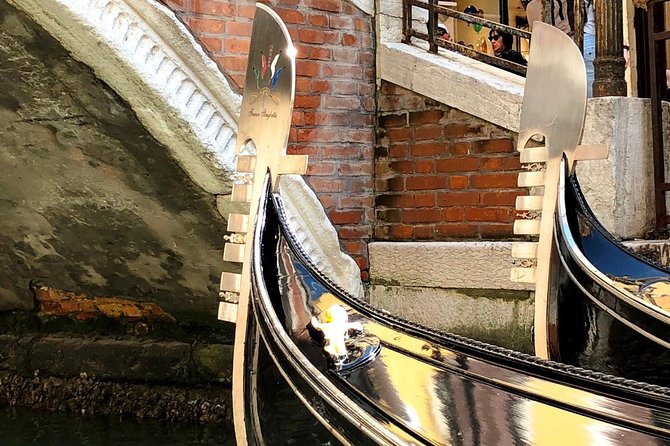
Now the water part. The gondola ride is about 30 minutes, and it can be suspended in bad weather. If that happens, the key instruction is simple: go back to the departure point to confirm whether the gondola runs and to learn the alternative options.
One thing I’d plan around: no explanations are provided during the gondola ride. That means you shouldn’t expect a guided narration from a boat interpreter. Some gondoliers may still be personable or even sing, and you might hear stories from them—but that’s not the structure of the ride.
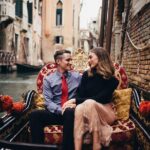
Also watch for how seating works. A gondola can host up to 5 people, and if your reservation is larger, you may be split into smaller groups with different gondolas. Collective tours also mean your gondola can include other people, so privacy isn’t the point here.
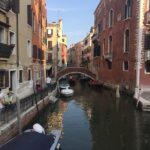
What you should expect instead is the motion and the views: Venice feels more intimate when you’re under bridges and gliding through narrow channels. The ride length is short, so pick your priorities. If you care most about atmosphere and photography, plan for that. If you’re hoping for a long scenic cruise, this won’t replace a private gondola.
Price and Value: Does $87.70 Make Sense?
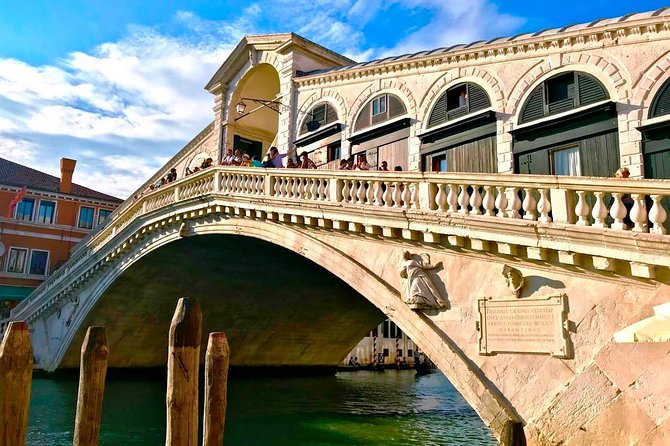
At $87.70 per person, you’re paying for two things: a guided walking orientation and a short gondola ride. For first-time visitors, the value is mostly in the timing. The morning schedule bundles key sights without forcing you to map everything yourself.
If you’re someone who hates long lines or doesn’t want to spend your first morning in “where do we even start?” mode, this price can feel fair. You also get an included canal ticket tied to the Canal Grande stop, which helps justify part of the cost.
The fairness drops a notch if you expected a long, fully narrated gondola or a museum-style walking tour. Because the gondola ride is short and the boat has no commentary, you need to treat it as a scenic add-on after the land guide. Think of it like a guided appetizer and a quick dessert—not a full meal.
Group Size, Pace, and Listening Tips That Actually Help
Because this is a collective tour, group size can vary. I’ve seen examples ranging from small groups (like 8 people) to much larger groups (around 23). When groups are larger, you can feel it: you may spread out along the narrow streets and bridges, and hearing the guide can become a challenge.
The good news is that some tours use radio headsets or audio support. If you get them, use them right away and keep the device in place while walking. It’s the difference between catching the stories and feeling like you’re just chasing movement.
Pace is another factor. Short walking tours can still feel fast in Venice because crowds slow the guide, but the guide still tries to keep everyone together. If you’re bringing kids, a slower walker, or someone who needs frequent stops, start with the expectation that you’ll be moving for most of the 1.5 hours.
Weather, Timing, and the One Morning Rule
Venice is seasonal. This experience requires good weather, and the gondola may be suspended if conditions aren’t right. If the tour runs, you’ll be grateful you came early. If it doesn’t, you’ll have to adjust your day.
Also, treat the 9:00 am start time as non-negotiable. The meeting-point process includes a representative checking your vouchers and directing you, but there’s no safety net if you’re late. If you don’t show up at the scheduled time, you won’t get a refund for missing the tour.
One more practical note: if you’re visiting Venice as a day trip from outside the city, some dates may include a €5 access fee for day visitors. The guidance you’ll need to follow is posted on the city’s site, so it’s worth checking the day you plan to go.
Should You Book This Morning Walk and Gondola Combo?
I’d book this when you want an efficient first-morning plan: a guided walk that gives you names and meaning, plus a quick gondola ride that changes the view from sidewalks to water. It’s also a good fit if you’re traveling with kids or anyone who doesn’t want a long, slow, all-day commitment—this keeps the pacing friendly.
I’d skip (or at least adjust expectations) if you’re chasing a long gondola experience, a boat guide who narrates the ride, or a walking tour that feels like a deep, stop-everywhere history lesson. The gondola piece is deliberately short, and the official approach is that there’s no commentary on the water.
Final thought: if your goal is get your bearings fast, this tour is built for that. Then you can use the rest of your day to go back on your own—linger where you care most, and skip what you don’t.
FAQ
How long is the Morning Walking Tour of Venice with Gondola Ride?
It runs about 3 hours total, including a 1.5-hour walking tour and a 30-minute gondola ride.
What’s included in the tour price?
The tour includes a guided walking tour and a gondola ride. Tickets for the walking portion include an admission stop at Canal Grande.
Is there commentary during the gondola ride?
No. The gondola ride includes no explanations or commentary during the boat portion.
What happens if the gondola ride is suspended due to weather?
The gondola may be suspended in bad weather. You’re required to go to the tour departure point to find out whether it runs and what alternative options are available.
Where does the tour start?
The meeting point is at Calle larga de l’Ascension, 30124 Venezia VE, Italy, and the tour starts at 9:00 am.
Is this tour suitable for most travelers?
Most travelers can participate. The tour is a collective tour, so it can involve walking through crowded narrow streets.