REVIEW · NICOLOSI
Mount Etna: Roundtrip Cable Car and 4×4 Bus Ticket
Book on GetYourGuide →Operated by Visit Etna sud · Bookable on GetYourGuide
Etna hits you fast—then keeps going. This Mount Etna tour mixes the cable car up to 2,500 m with a 4×4 bus to the 2,900 m zone, then adds a short guided walk around the Central Craters for big views in one morning. I love the way you get panoramic sea-and-volcano sightlines as you climb, and I also like that the guide time is built around the crater area where you can actually understand what you’re seeing. One catch: weather can mess with your plan, including reduced access above certain points, and strong wind can make the guide harder to hear.
Also, the “open ticket” idea is genuinely helpful. You’re not locked into a single rigid time slot, and with non-stop departures during operating hours you can build in a little flexibility for queues and visibility. Just be ready for a group format: in bigger groups, walking in single file and wind can reduce how much of the guide’s commentary you’ll catch.
In This Review
- Key things I’d prioritize on this Mount Etna combo
- The big idea: why this Etna plan works
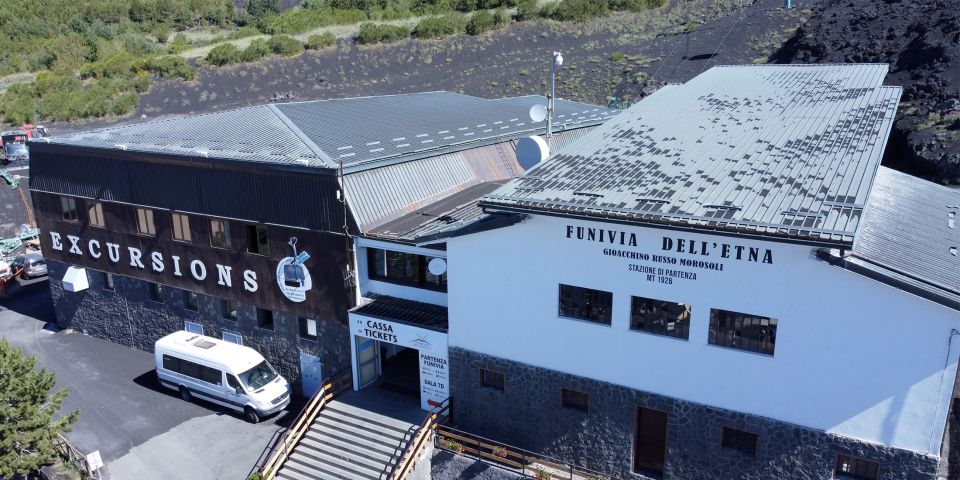
- Starting at Funivia dell’Etna: where your tour truly begins
- Cable car to 2,500 m: the “easy altitude gain” part
- The 4×4 bus ride: going beyond the tourist line
- The guided walk around the Central Craters
- The crater-view payoff: what you’re really there to see
- Timing and the open ticket: how to plan your morning
- What to bring (and what to skip)
- Who this Etna tour suits best
- Price and value: is $97 a good deal?
- Final call: should you book this Mount Etna combo?
- FAQ
- Where is the meeting point for the Etna cable car?
- How do I validate my QR code?
- What altitude does this tour reach?
- How long is the cable car and the bus ride?
- Is the guided walk timed?
- Is the ticket for a specific time slot?
- What should I bring and what is not allowed?
Key things I’d prioritize on this Mount Etna combo
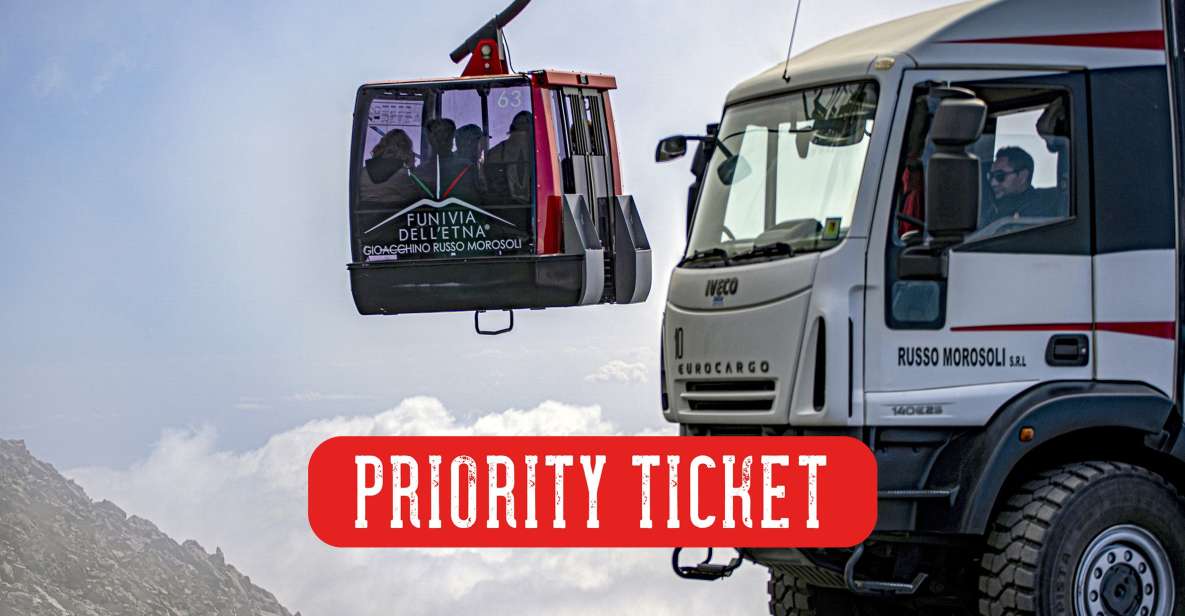
- Cable car to 2,500 m: the easiest way to gain serious altitude without a long grind right away.
- 4×4 bus to the 2,900 m area: you get closer to the crater terrain than you would on a basic bus-only option.
- Central Crater walk with a guide: short, focused, and timed for where the visuals make the science make sense.
- Weather-based reroutes: strong wind can shift the ascent to buses; snow can trigger tracked vehicles (snowcats).
- Visibility makes or breaks it: clear days can feel unreal; fog can blunt the experience fast.
- Cold + wind are not optional: bring a real windbreaker and hat, and consider eye protection in dusty air.
The big idea: why this Etna plan works
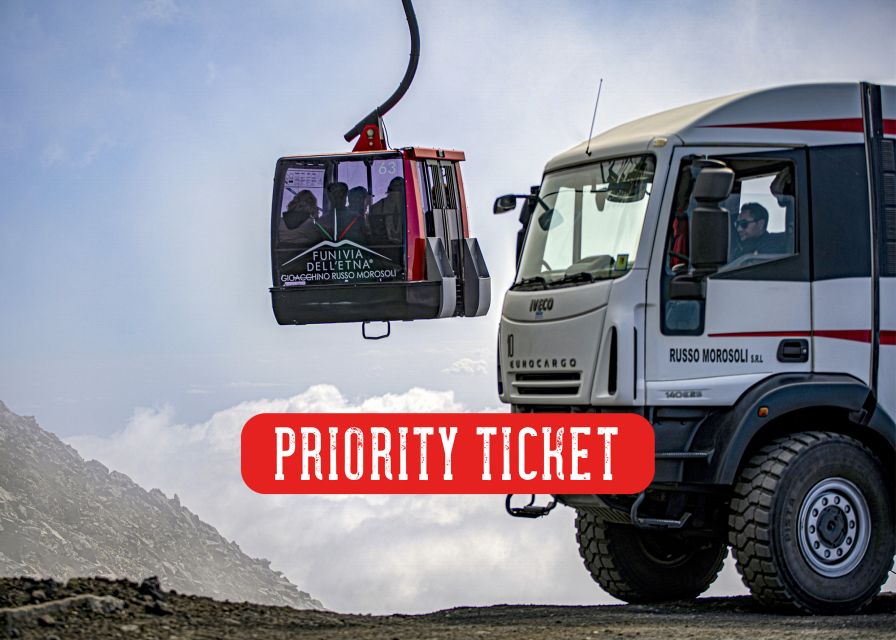
Mount Etna is one of those places where “seeing” and “understanding” are different activities. From the ground, it’s impressive. Up high, it becomes literal: you’re standing among volcanic textures, venting behavior, and steep crater edges that change how you read the mountain.
This tour is built to stack three experiences in one day without demanding an all-day hike. First you use the cable car to climb efficiently from the Etna departure station near Rifugio Sapienza. Then you transfer to a 4×4 bus for crater-zone terrain—more rugged, more direct, and better suited for volcanic ground. Finally, you add a short walking segment with an alpine-volcano guide so the views aren’t just pretty pictures; they come with explanations you can actually track.
The altitude jumps are the real value. You start around 1,900 m at the Funivia dell’Etna station, rise to about 2,500 m at the upper station, and then move up to an area around 2,900 m where the guided walk happens (with the possibility of different vehicles depending on wind or snow). That’s the “why” behind the price: you’re paying for machinery that gets you into the functional viewing and walking zone.
You can also read our reviews of more tours and experiences in Nicolosi.
Starting at Funivia dell’Etna: where your tour truly begins
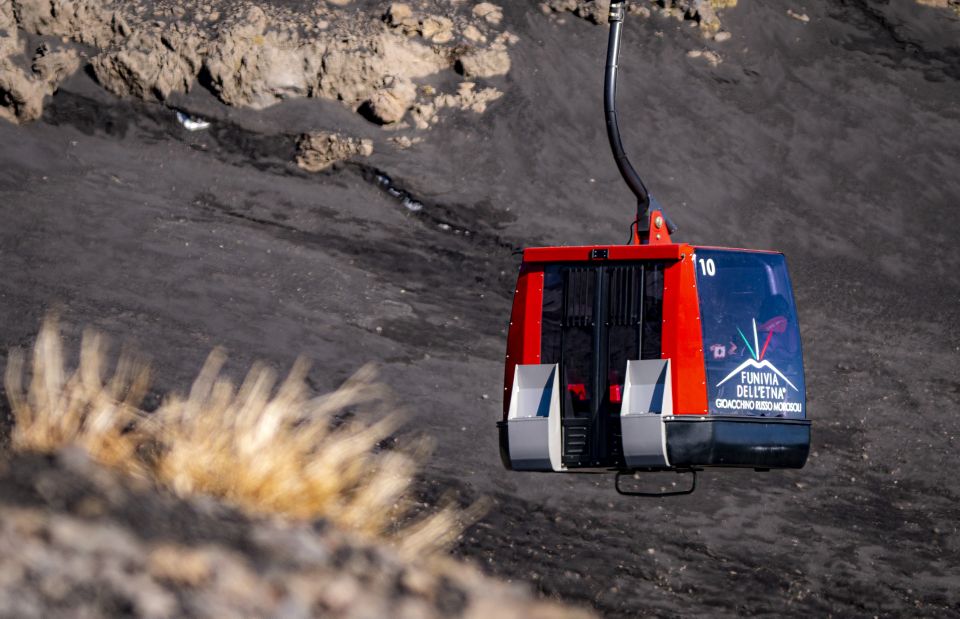
Most people assume the QR code is enough. In practice, you need to validate it at a dedicated office first.
Your departure point is the cable car station Funivia dell’Etna at Piazzale Funivia (on Etna) near Rifugio Sapienza hotel. Once you’re there, you must go to the dedicated checkout to validate your QR code. The key detail is location: it’s on the left side of the Funivia dell’Etna ticket office. The process is meant for online purchasers—your digital voucher becomes physical tickets, and only then do you move into the cable car flow.
If you arrive without figuring this out, you’ll waste energy wandering around in a place where signage can feel light. Several people specifically noted confusion because the ticket validation spot isn’t obvious from the outside. My practical advice: arrive with extra time and ask at the counter area immediately where the validation office is. If you’re in a rush, it’s the one step that can turn a smooth morning into frustration.
Cable car to 2,500 m: the “easy altitude gain” part
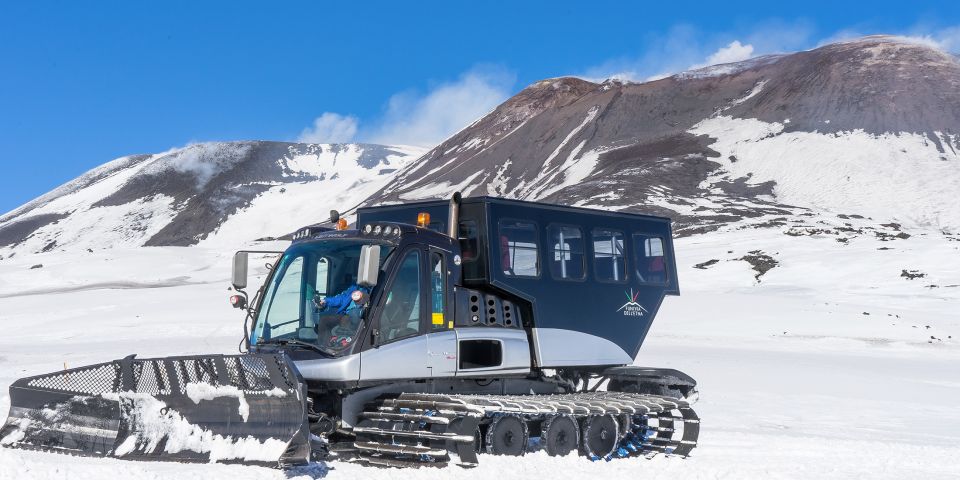
The cable car segment is about 30 minutes. This is where the tour earns its first wow moment, because you’re gaining height quickly while watching the world widen below you. You also get a sense of how Etna sits in its surroundings—wide visibility can show the Ionian Coast on a clear day, and even partial visibility is useful because you’re still looking at crater features from a higher, clearer angle than most viewpoints.
In strong wind conditions, ascent may change. The tour info says that if wind is too strong for normal cable operations, your climb can be carried out by the 4×4 buses instead. That matters because it changes the feel of the ride—but the goal stays the same: reach the functional crater zone as safely as possible.
What to expect practically:
- It’s cool at altitude even if the base area feels mild.
- You’ll want layers under your windbreaker so you can adjust.
- Photos work best when the air is stable and visibility is decent. If clouds roll in, they can erase the coast view quickly.
The 4×4 bus ride: going beyond the tourist line
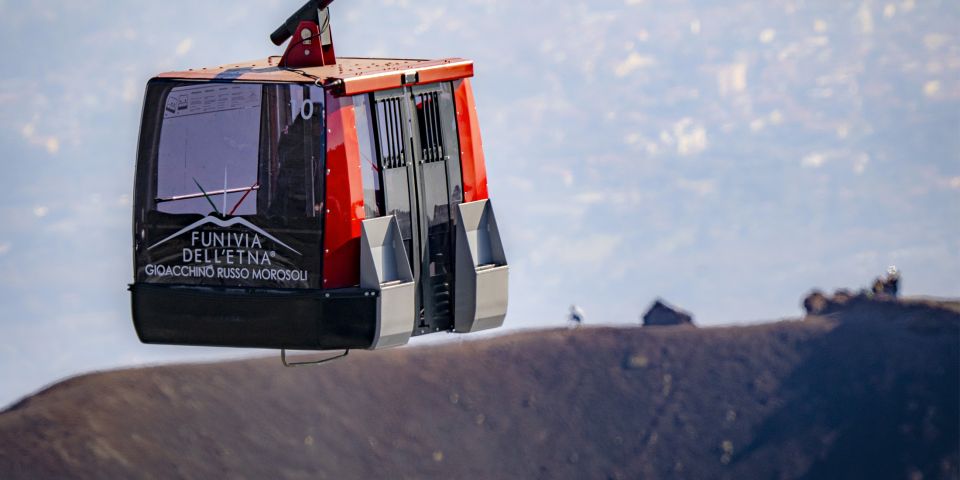
After the cable car, you transfer to the 4×4 segment (about 40 minutes). This is the part that makes the experience feel more like a volcano expedition and less like a viewpoint stop.
Why it’s worth it: a normal road or standard bus can’t always handle the volcanic terrain and steep access routes the same way. The 4×4 vehicles are designed for this, and the experience becomes more tactile. You’re riding across ground shaped by volcanic activity—dusty, uneven, and very real.
The tour typically brings you to the maximum summit height area allowed around 2,900 m / 2,900 feet range stated as ~9,500 ft. The info also notes a snow scenario: if conditions include snow, ascent may be done with snowcats (tracked vehicles). You shouldn’t need to plan for that, but it’s good to know the operator builds for extreme conditions.
Also, keep an eye on how the group boards. This is one of the moments when timing and crowding can feel tight. If you’re motion sensitive, sit where you feel most stable; the ride is smooth for many people, but the terrain can still create bumps.
The guided walk around the Central Craters
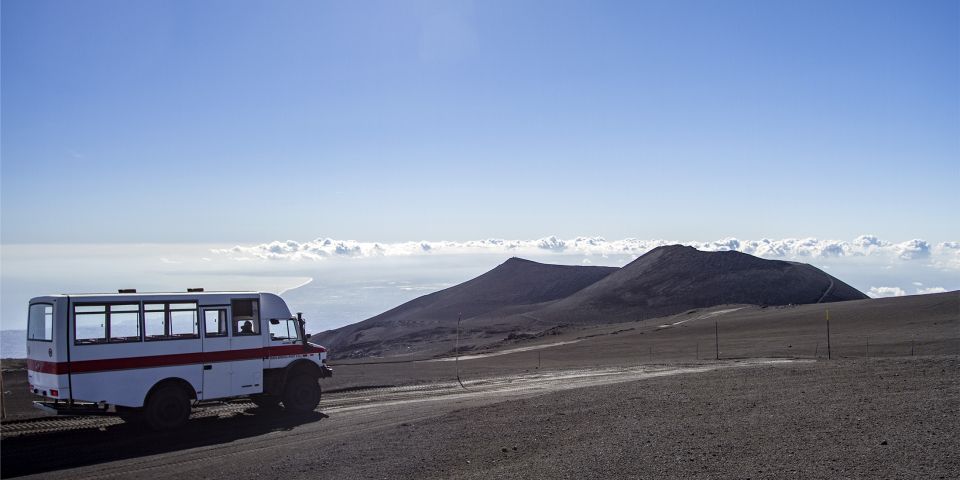
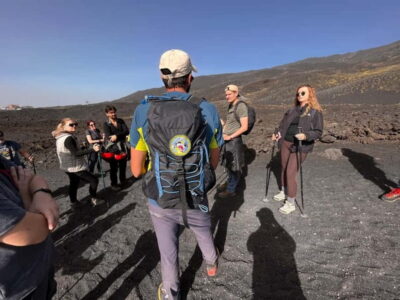
This is the “learn it with your feet” segment. At the upper area, you join an alpine-volcano guide who leads a short walk around the craters and nearby terrain. The walk is described as roughly 20 minutes in the schedule, and in the additional notes it’s described as about 30 minutes for the guided walk at around 2,900 m. Either way, it’s short enough to fit most day plans, but long enough to feel like you’re actually at the volcano, not just near it.
This is where the tour earns its educational value. You can see the vents, crater edges, and volcanic textures, and the guide ties it to what the mountain is doing and why it looks the way it does. Guide names that show up in the experience include Antonio, Andrea, and Giuseppe, and people describe them as multi-language and engaging.
Two reality checks based on what I’d watch for:
- Wind can make it hard to hear. Some people noted the guide speaks quietly or that wind swallows sound, especially in large groups.
- The walk is on volcanic ground. Even if it’s not long, the surface can be loose or uneven. Wear good footwear.
If you want to catch more of the commentary, do this: move toward the front of the group whenever possible. In larger groups, those at the back can miss key points because you often walk in single file and wind carries noise in messy ways.
The crater-view payoff: what you’re really there to see
The payoff isn’t just a single viewpoint. It’s the sense that Etna changes depending on where you stand. At the right altitude, with full visibility, people describe being able to see a large part of eastern Sicily in one panoramic view—often including the Ionian side as the weather allows.
But understand the other side: fog and low visibility can shrink the experience. If visibility is poor, you’ll still be on the volcano, but the “map of Sicily below” feeling won’t land the same way. This is why timing matters. Going earlier often helps because visibility and weather conditions can be better before clouds roll in.
Timing and the open ticket: how to plan your morning
This ticket is described as an open ticket valid all day during operating hours, roughly 9:00 AM to 2:00 PM, with non-stop departures. That’s a meaningful advantage. You’re not locked into a single hour like a museum tour.
Here’s how it plays out in real life: you can arrive any time during the opening window, validate your ticket, and then ride up with the departing cable car. The guide meets your group at the high 2,900 m area for the crater walk. So your day isn’t just one time block—it’s a flexible flow: validate, ride, wait a bit for the bus transfer, walk, then descend on your round-trip ticket.
My practical tip: if you care about clear views, arrive early. Some people specifically recommended going early (for example, showing up around 8:30 AM or booking the first morning departure) because you beat queues and sometimes get stronger visibility before weather shifts.
What to bring (and what to skip)
The tour itself tells you the basics, and the experience is cold enough that you should treat this as serious advice.
Bring:
- A windbreaker (not just a light jacket)
- A hat
- Layers for cold air at altitude (people describe it as bitterly cold and extremely windy near the top areas)
- Eye protection if dusty debris is in the air (some people advised sunglasses or glasses for debris)
Skip:
- Oversize luggage (not allowed)
- Drones (not allowed)
Footwear matters. The ground can be volcanic and can feel slippery on crushed lava and ash. If you’ve ever slipped on loose gravel, you know the type. Wear shoes you trust.
Who this Etna tour suits best
This is a strong pick if you want a serious volcano experience but you don’t want a full-length hike all day. It’s also a smart fit if you value guided interpretation for a short walking segment. Several people said this was the perfect compromise when they didn’t have time for a much longer summit hike.
It’s also a good choice if you already have your own transport and can reach the Funivia dell’Etna area early. People reported that parking exists at the cable car station area and can be manageable, but the biggest time saver is arriving early so you don’t get stuck in the later rush.
It’s not for everyone. The tour info says it’s not suitable for people with back problems, heart problems, or high blood pressure. That’s not negotiable. Also, consider the wind and cold. People who dislike cold, rough air, or group logistics might find the top section stressful.
Price and value: is $97 a good deal?
For a one-day trip, $97 feels steep until you break down what you’re actually buying.
You’re paying for:
- A round-trip cable car
- A 4×4 bus that takes you into crater-zone terrain
- A volcano guide for a walking portion
- An open ticket structure that works within operating hours, so you aren’t locked into one rigid slot
The price becomes more reasonable when you compare it to the idea of paying for multiple transport layers plus a guide time. Also, the experience is specifically about reaching high altitude safely and efficiently, which is exactly where basic DIY planning gets complicated.
Weather can change your access. Some people reported cable car or higher sections being canceled due to conditions, and then they received a partial refund. That’s part of Etna’s reality: you’re buying access to a volcano, not a guaranteed exact viewpoint.
So my take: if you want the highest-effort parts of Etna without a long summit day, this is a value-oriented way to do it. If you’re hoping for a perfectly calm day with guaranteed top crater views, plan your expectations around weather.
Final call: should you book this Mount Etna combo?
I’d book it if you want:
- Serious altitude quickly (cable car to 2,500 m, then into the 2,900 m crater zone)
- A short guided walk that explains what you’re actually seeing
- The comfort of an organized transport chain (cable car + 4×4 + guide meet point)
I’d think twice if:
- You’re very sensitive to cold, wind, or dusty air
- You have the listed medical constraints (back, heart, high blood pressure)
- You need small-group pacing. This can run with larger groups, and hearing the guide at the back can be difficult.
If you do book, do one thing that pays off: show up early, validate your QR code at the dedicated office on the left side, and dress like the top is colder than you expect. On clear days, the view from Etna is the kind of thing that sticks in your brain.
FAQ
Where is the meeting point for the Etna cable car?
The meeting point is the cable car station Funivia dell’Etna at Piazzale Funivia on Etna, near Rifugio Sapienza hotel.
How do I validate my QR code?
You need to validate your QR code at the dedicated office on the left side of the Funivia dell’Etna ticket office. This is where you exchange your digital voucher for physical tickets.
What altitude does this tour reach?
You start around 1,900 m, go up to about 2,500 m by cable car, and then reach an area around 2,900 m for the guided crater walk.
How long is the cable car and the bus ride?
The cable car segment is about 30 minutes. The bus/coach segment is about 40 minutes.
Is the guided walk timed?
Yes. The walking portion around the Etna Park/craters is listed as about 20 minutes, and the guide portion at about 2,900 m is described as roughly 30 minutes.
Is the ticket for a specific time slot?
No. It’s an open ticket valid all day during operating hours (listed as 9:00 AM to 2:00 PM), with non-stop departures.
What should I bring and what is not allowed?
Bring a windbreaker and a hat. Oversize luggage and drones are not allowed.