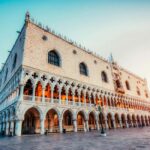
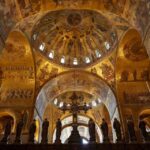
Venice can feel like a hurry-up theme park, but this outing slows things down. You cruise the Venetian Lagoon away from the densest streets, then land on Murano for a live glassblowing visit. I like that it’s organized enough to reduce stress, yet small enough to feel personal, and the glass furnace stop is the main event rather than a quick photo-op. One thing to consider: the public demo time can be short on some days, so set your expectations to enjoy the show and browsing more than a long, step-by-step workshop.
Two things I really like about this experience are the water-taxi format and the way the pacing works for first-timers. A semi-private boat ride gives you a real sense of place, and you’re not stuck in a long line with hundreds of people. Also, the guide-led info helps you understand what you’re looking at before you walk through Murano’s showrooms and studios.
The one drawback to plan around is that you may spend more time in the glass world than you expect, especially if you’re hoping for a long, uninterrupted demonstration or a lot of walking time on the island. If you’re truly obsessed with watching hot glass being shaped for as long as possible, you’ll want to go in knowing the demo is part of a larger experience that includes guidance and island time.
In This Review
- Key things to know before you go
- Venice lagoon cruise: the calm start that sets the tone
- Getting to Murano: how the boat ride actually helps your day
- Isola di Murano: furnace time and what the glass demo is really for
- Pro tip for watching the demo
- Island wandering on Murano (and the Murano-to-Burano feel)
- Panoramic Venice moments: when the views are part of the value
- Small-group pacing: why 10 travelers changes the whole trip
- Price and value: $41 for transport plus a furnace moment
- Weather reality in Venice: rain, covered boats, and postponements
- What to pack and how to enjoy the day more
- Should you book this Murano glassblowing tour?
- FAQ
- How long is the Murano glassblowing show tour?
- What’s included in the price?
- Is food included?
- Where do I meet the tour?
- What language is the tour in?
- Does the tour run in bad weather?
- How big is the group?
Key things to know before you go
- Small group (max 10 travelers) keeps the tour from feeling like cattle herding.
- Semi-private water taxi makes the lagoon crossing easier than self-planning from Venice.
- Furnace admission and a live demo are included, so you’re paying for an actual glassmaking moment.
- You get island time to look around Murano at your own pace, not just stand and listen.
- Rain usually doesn’t shut it down, but exceptionally bad weather can postpone the tour.
- You’ll be near the public transportation area, and you start from a clear meeting point.
Venice lagoon cruise: the calm start that sets the tone
The best part of this kind of tour is that it gets you out of Venice’s street traffic early. You meet at the Venice Tours office at Calle de le Rasse, 4536, 30122 Venezia VE, and from there the day shifts into a slower rhythm.
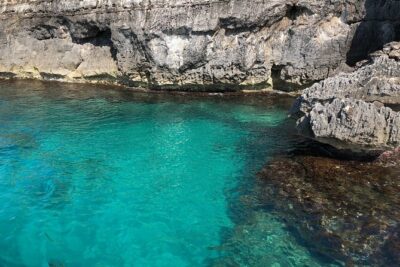
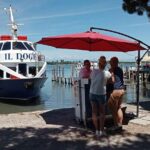
That semi-private water taxi ride matters more than it sounds. Even if you’ve seen photos of the lagoon, being on the water changes how Venice reads. You get a different angle on the shoreline and islands, and you’re not fighting foot traffic to get from one stop to the next. If you’re visiting on a busy day, this “move by boat” part is a big value add because it keeps you away from the worst congestion.
The tour is guided on board, so you’re not just riding in silence. You’ll get context for where you are and why Murano became such a glassmaking powerhouse. And if you’re the type who likes to connect the dots, those short explanations help your later walking time feel more meaningful.
Rainy days can dull the views, but the boats are covered. One downside: if the weather is bad enough, the operator can postpone. Plan to bring a light layer you can tolerate on deck, even if you’ll be under cover for much of the trip.
You can also read our reviews of more tours and experiences in Venice.
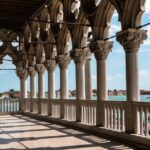
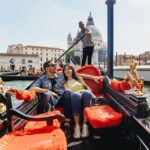

Getting to Murano: how the boat ride actually helps your day
Self-guiding to Murano is possible, of course, but the tour format helps in three practical ways.
First, timing. Boats have schedules, and Venice has plenty of delays and last-minute changes. This tour bundles transport with the glass stop so you don’t have to reverse-engineer bus and vaporetto connections.
Second, reduced decision fatigue. You just show up, check in, and go. You’re not standing on a dock trying to figure out which boat to take while your day slides away.
Third, your group size stays manageable. The tour maximum is 10 travelers. That limit isn’t just a comfort detail. It also tends to make the guide more responsive, especially when people have questions or can’t hear well over water noise.
If you’re someone who dislikes big groups, this is the type of outing where you can relax. You’re still doing an organized activity, but you’re not being rushed every five minutes.
Isola di Murano: furnace time and what the glass demo is really for
Murano’s claim to fame is glassmaking, and this tour puts you face-to-face with it. You’ll visit a furnace area linked to the live demonstration, with admission included as part of the stop.
Here’s what to expect, based on how the experience plays out in real life. The demo is live, but it may be brief—often around minutes rather than a long show that runs like a lecture. That’s the number-one thing to calibrate before you book. If your dream is a slow, detailed blow-by-blow session, you might feel shortchanged when the demonstration wraps quickly.
Still, when the show is running smoothly, it’s genuinely worth it. Even a short demo helps you understand the skill involved. You’ll see the tools and the heat-driven craft behind the final objects, and that gives meaning to what you’ll later see in shops.
Also, take advantage of the fact that the stop includes a chance to buy local production on site. This isn’t a mandatory shopping stop, but the option matters. Murano glass can be expensive, so the best approach is to treat purchases as part of your personal souvenir strategy. If you want something you can carry and display, the on-site availability is a real convenience.
Pro tip for watching the demo
If you want the best view, don’t drift to the back. People with cameras tend to crowd the same spots. Choose your position early, then watch the sequence rather than focusing on filming every second. The tour’s guided context helps you notice what’s happening between the steps.
Island wandering on Murano (and the Murano-to-Burano feel)
The heart of this outing is Murano glass. But the overall day energy is about exploring the islands beyond the furnace stop. The experience includes time for you to look around and discover the island traditions.
Murano itself is mostly about glass studios, showrooms, and the visual language of Venetian craft. You’ll walk through rooms filled with glass objects, and it’s easy to get distracted by the beauty. That’s normal. The trick is to keep your eyes open for quality signs: how items are finished, how complex pieces handle light, and how colors are layered.
Many departures also add time with Burano in the same general outing flow. If you end up going there, Burano’s “lace island” identity comes through fast. You can wander through its colorful streets and enjoy the vibe change from Murano’s glass focus. Some visitors even mention encountering a lace-making demonstration in shops, which adds a second layer to the Made in Italy theme beyond glass.
One small cultural detail that’s fun to plan around: Burano is known for its sweets, including cookies locals sell as Esse (S) cookies. If you have room in your budget, these are often an easy, packable edible souvenir.
If you’re the kind of traveler who enjoys browsing but hates being pushed, you’ll probably like the way this day is structured: demo first, guidance then time to roam.





Panoramic Venice moments: when the views are part of the value
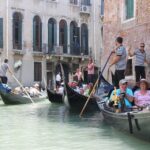
This tour isn’t only about glass objects. It also promises lagoon scenery and relaxing breaks. Even if you’re not a dedicated photographer, those water views help your brain reset after hours of walking Venice streets.
What’s important is that these views are built into the transport and island breaks, not added as a separate sightseeing scramble. So your time feels productive. You’re not spending all your energy thinking about what to do next.
On clear days, the water makes Venice look like a different city. On rainy days, the experience becomes more about texture—covered boats, softer light, and that “Venice in weather” feeling. Either way, you’re seeing Venice as an island system, not just a grid of canals and alleys.
Small-group pacing: why 10 travelers changes the whole trip
A maximum group size of 10 can make a big difference in Venice. Here’s why.
It keeps communication easier. When the guide explains what you’re about to see, you’re more likely to hear and stay oriented. That matters at the furnace area where people can crowd around.
It also changes the “waiting” problem. Large tours can mean long lines, slow boarding, and mismatched timing between people and boats. In a smaller group, the schedule tends to flow smoother.
And if you’ve got questions—like how Murano’s glassmaking works or what kind of items are worth attention—the smaller size gives you a better chance to get an answer.
You’ll sometimes notice guide personalities mentioned by name in real feedback. Guides like Sabrina, Claudia, and Graziella have been described as friendly and informative, with storytelling that makes the islands feel more alive. Even if your day’s guide is different, the small-group format generally supports that kind of human attention.
Price and value: $41 for transport plus a furnace moment
At about $41.13 per person, this tour sits in a mid-range category for Venice island experiences. What makes it feel like good value is that you’re not just buying a lecture or a bus ride.
You’re getting:
- Guided time with an official tour leader
- Semi-private water taxi transport
- A glass demonstration at the furnace with admission included
Those three pieces are the backbone. Venice self-planning can work, but it often turns into cost creep once you add boat rides, timing fixes, and entrance costs.
That said, value depends on your expectations. If you go hoping for a long glassblowing session, you might feel the price is too high for the demo length. If you go treating it as an organized way to see Murano glassmaking quickly, plus get guided orientation and island wandering, it can feel like a smart purchase.
Also, the experience includes a group cap, and that helps the price feel less inflated compared with bigger operations. When a small group lets you actually hear the guide and move with less confusion, you’re paying for smoother execution, not just the furnace.
Weather reality in Venice: rain, covered boats, and postponements
Venice can throw weather at you on a whim, and this tour has a few built-in safeguards.
Boats are completely covered, and the tour operates regularly in rain. That means you can still do the lagoon crossing and keep the day moving.
However, in exceptionally bad weather, the tour won’t take place. In that case, you’ll be offered a different date or a full refund. This is one reason I like to keep flexibility in my schedule when booking island tours.
If you’re visiting around big holidays, it’s also smart to expect the glassmaking schedule can shift. The furnace demo is still the goal, but the exact setup can depend on timing.
What to pack and how to enjoy the day more
You don’t need special gear for a Murano day, but a few basics improve comfort.
Bring:
- A light rain layer or windbreaker, since the lagoon breeze can be real even under cover
- Comfortable shoes for island walking
- A small bag for water and any purchases
- Your patience for crowds once you step back onto land in Venice’s island neighborhoods
On the day itself, keep your eyes on two moments: the furnace demo and your island roaming time afterward. If you try to do too much shopping and too much sightseeing in the first hour, you’ll rush and miss the best part of what Murano offers.
Also, if audio feels tricky, don’t fight it by straining. Position yourself better, then focus on visual cues plus the guide’s explanations.
Should you book this Murano glassblowing tour?
Book it if:
- You want an organized, low-stress way to reach Murano by water taxi
- You care about seeing glassmaking basics live, even if the demo is brief
- You like small-group tours where the guide can actually help you enjoy the stops
- You’re also happy to spend time browsing and walking, not only watching
Skip or reconsider if:
- Your top goal is an extended, slow glassblowing masterclass
- You’re very price-sensitive and only want value if the demo runs long
- You’re the type who will feel disappointed if the day shifts with weather or holiday scheduling
If you’re flexible and excited by craft, this is a solid way to experience Murano without turning your day into a transportation puzzle.
FAQ
How long is the Murano glassblowing show tour?
It’s listed at about 3 hours.
What’s included in the price?
You get a guided tour with an official tour leader, a semi private water taxi to Murano and back, and a glass demonstration at a Murano furnace (with admission ticket included).
Is food included?
No. Food and drinks are not included.
Where do I meet the tour?
The meeting point is Venice Tours, Calle de le Rasse, 4536, 30122 Venezia VE, Italy. The tour ends back at the same meeting point.
What language is the tour in?
The experience is offered in English.
Does the tour run in bad weather?
In exceptionally bad weather it may be canceled, but in rain the boats are covered and the tour operates regularly (it can be postponed to later days if needed).
How big is the group?
The maximum group size is 10 travelers.