REVIEW · NAPLES NATIONAL ARCHAEOLOGICAL MUSEUM
Naples: National Archaeological Museum Ticket & Audio App
Book on GetYourGuide →Operated by GetYourGuide Tours & Tickets GmbH · Bookable on GetYourGuide
Big finds, easy entry. With a one-day Naples National Archaeological Museum ticket, you get access to the world-class Farnese collection and the Pompeii and Herculaneum treasures Charles III helped bring together in the mid-1700s. I love how the museum turns those distant sites into something you can actually see and hold in your mind. And I really like the clear focus on Greco-Roman craftsmanship and the way the galleries are organized around the objects themselves.
One catch: the included audio app can be hit-or-miss on your phone. Some people found the download slow or the guide not very useful once inside, so it helps to be ready to rely on signage and your own pace if your phone doesn’t cooperate.
In This Review
- Key highlights worth planning around
- What makes the Naples National Archaeological Museum so “worth it”
- Getting in: your ticket, the ticket office, and the phone setup
- The Farnese collection: why it’s the museum’s “core storyline”
- Pompeii and Herculaneum galleries: where the past becomes everyday
- Egyptian artifacts: worth checking, but don’t count on it
- The Secret Cabinet and the Roman erotic side
- How much time you should plan (and how to pace it)
- Value check: is $29 a good deal for what you get?
- Who should book this, and who might want a different plan
- Should you book the Naples museum ticket and audio app?
- FAQ
- How do I enter the museum with this ticket?
- Is a guided tour included?
- How do I access the digital audioguide?
- Is the ticket valid for more than one day?
- Can I re-enter the museum after I exit?
- Do I need any identification?
- Is the museum wheelchair accessible?
- Is the Egyptian section open?
- How long should I plan to spend inside?
Key highlights worth planning around
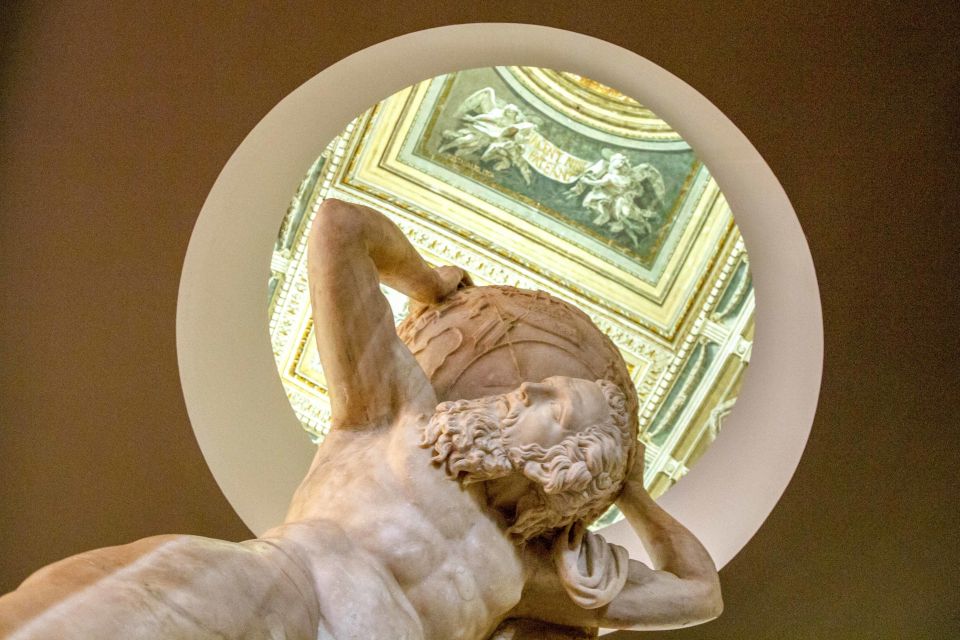
- Skip-the-line feeling: you exchange a smartphone voucher for an official ticket at the museum office before entry
- Farnese masterpieces: engraved gems and the Farnese marbles are a big draw here
- Pompeii & Herculaneum artifacts: recovered objects help you read daily life, not just ruins
- Greek and Roman collections: extensive sculpture and antiquities keep the museum from feeling one-note
- A Roman “secret” angle: there’s a dedicated section tied to erotic side of ancient Roman life
What makes the Naples National Archaeological Museum so “worth it”
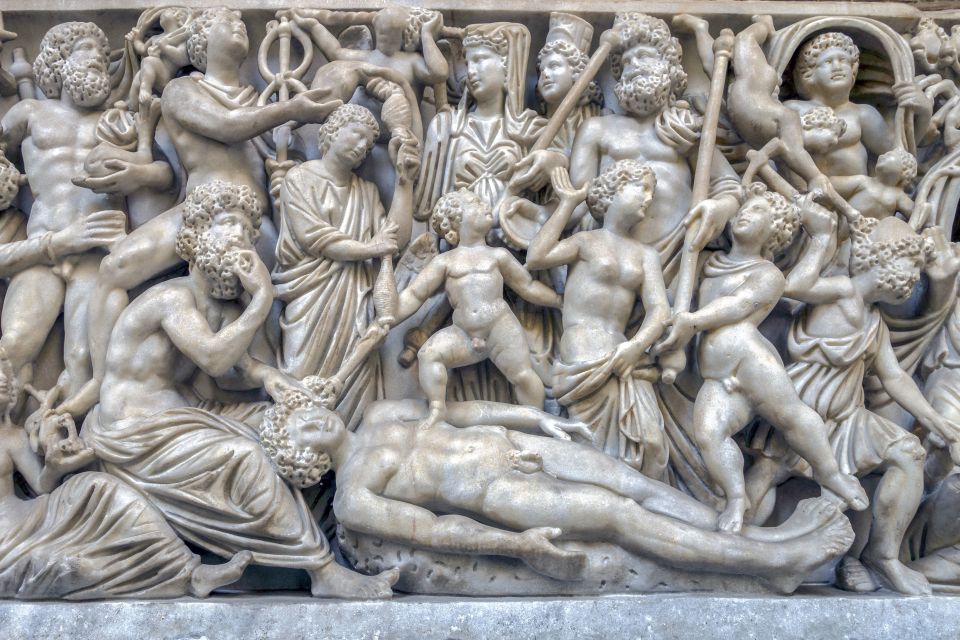
If you’re trying to get your Naples and Campania fix in one shot, this museum is the shortcut. It’s not just a collection of old stuff; it’s the place where major ancient sites are translated into objects you can study up close. That means when you later stand in the open air at Pompeii or Herculaneum, you’ll recognize more than you expected.
I like that the museum was founded in the mid-18th century by Charles III of Spain. That detail matters because it hints at why this place feels like a long-term project, not a quick add-on. The collections are built around the idea of preserving and showcasing antiquity at a serious level.
The building itself also gets praise for being a calm, visitor-friendly space. People describe it as relaxed compared with some louder, tour-heavy museums. That matters in Naples, where you’ll probably already be dealing with busy streets.
You can also read our reviews of more tours and experiences in Naples National Archaeological Museum.

Getting in: your ticket, the ticket office, and the phone setup
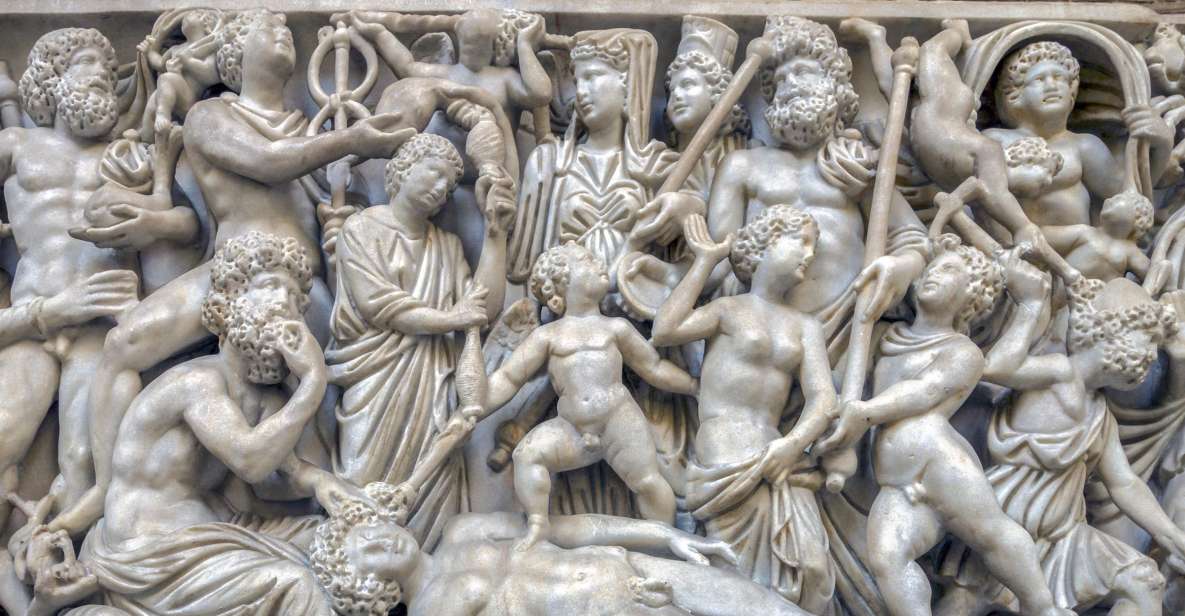
This experience is straightforward: you show up with your smartphone voucher and exchange it for an official entrance ticket at the Museo Archeologico di Napoli ticket office. Once you have the paper ticket, you go through security and enter.
Plan for security. It’s quick when things go smoothly, but it’s still a real step before you reach the galleries. If you’re hoping to sprint through everything, that first bottleneck can matter.
The digital audioguide is included, but access is via a link plus the provided login credentials. Here’s the practical advice: test the link and sign-in before you arrive, ideally on Wi-Fi. Some people reported download frustrations, so you don’t want to be troubleshooting in the entry hall while your visit time ticks away.
Also note the ticket is single entry only. You can’t pop out and come back later on the same ticket.
The Farnese collection: why it’s the museum’s “core storyline”
The Farnese collection is the anchor of the museum. It comes from the Farnese collections and is closely tied to the Spanish royal collecting tradition that grew through the centuries. In plain terms: this is where you see power, wealth, and taste reflected in art.
You’ll also find engraved gems and the Farnese marbles highlighted as key parts of the collection. Even if you’re not a “Roman sculpture person,” these displays tend to hook you because they show craftsmanship at a high level. The museum does a good job of making the objects feel like they belong together, rather than scattering them like random finds.
What I love about starting here is that it gives your brain a baseline. When you then move into Pompeii and Herculaneum material, it’s easier to compare styles, materials, and what people valued.
Pompeii and Herculaneum galleries: where the past becomes everyday
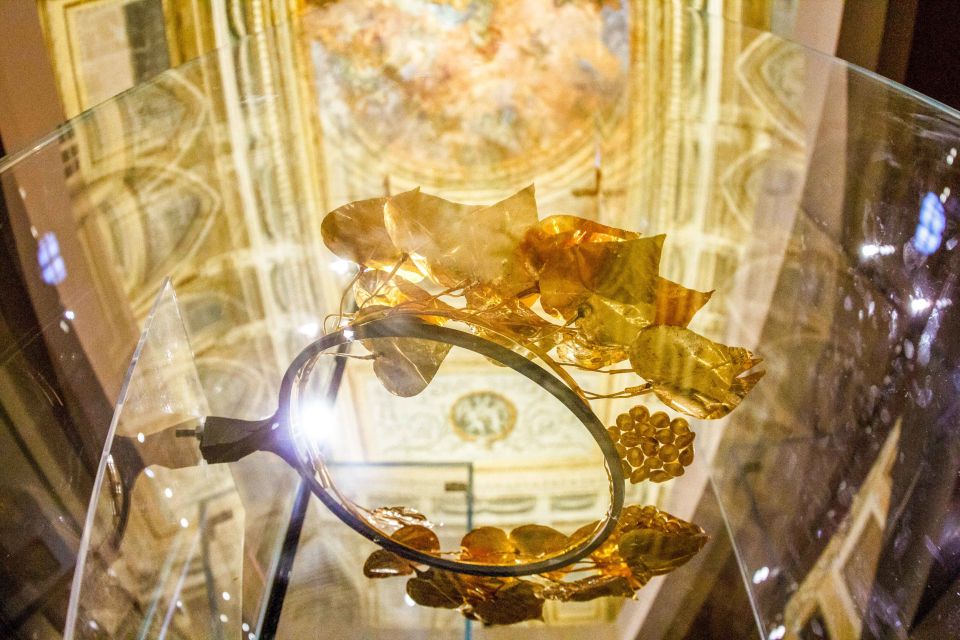
This museum is famous for its holdings connected to Pompeii and Herculaneum. And what’s special is not just that you’ll see important artifacts—it’s that you’ll see how daily life survives through objects.
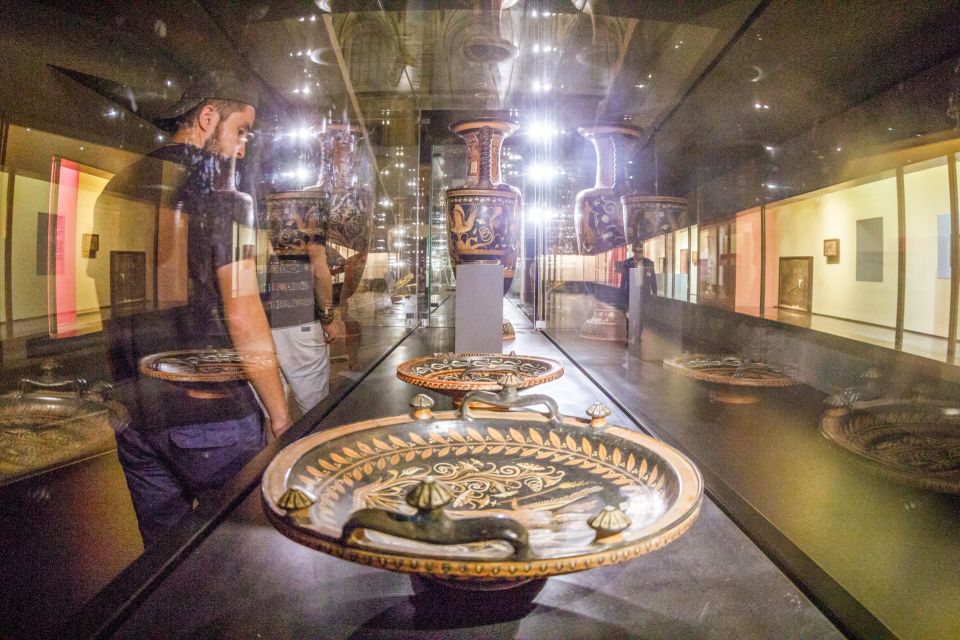
You can expect to encounter recovered items that people describe as breathtaking. The museum’s focus here is Greco-Roman material connected to those sites, including pieces that help you imagine the details of domestic life, work, and celebration. One review specifically called out the way Pompeii artifacts add meaning to a later Pompeii visit. That’s the payoff you’re aiming for.
A tip if you’re planning a day with Pompeii too: treat this museum as your warm-up brain. Spend long enough here to pick up patterns, then use those patterns when you’re walking the ruins. The result is less confusion and more recognition.
Egyptian artifacts: worth checking, but don’t count on it

The museum includes an Egyptian section, but it’s listed as closed until March 31, 2023. That means if Egyptian galleries are part of your must-see list, verify current status before you rely on it for your route.
If it’s closed, don’t panic. The museum still has plenty of other rooms that draw strong focus: Greco-Roman sculptures, Pompeii and Herculaneum material, and the more unusual themed exhibits. Just be realistic about what you’ll actually be able to access on your date.
The Secret Cabinet and the Roman erotic side
One of the more memorable details is the exhibit tied to the erotic side of ancient Roman life, including the celebrated Secret Cabinet. This is the part of the museum that feels different because it doesn’t pretend antiquity was only polite and tasteful.
For many visitors, this section becomes a “wait, that’s here?” moment. And in a good way. It helps you understand that Roman culture had humor, sexuality, and social messaging like any other culture—just expressed through art forms you might not expect to see in a major state museum.
Keep it simple: if you’re curious about how people communicated status and desire through objects, make this section part of your plan early. Don’t leave it until the end when you’re already tired. Museums like this can exhaust you, and the themed rooms are easiest to enjoy when you’re not running on fumes.
How much time you should plan (and how to pace it)
People report spending around 3 to 5 hours, with several mentions clustering near 3–4 hours. If you want to see the main story beats—Farnese highlights plus Pompeii/Herculaneum material plus the themed cabinet areas—give yourself at least a half-day. I’d aim for 4 hours if you’re the type who pauses for photos and reads labels.
The museum can feel mentally exhausting. Not because it’s unpleasant—because there’s a lot, and it’s dense. So pace like you’re touring a library: short reading bursts, then move to another room before your attention fades.
A lot of the galleries are well laid out, which helps. Still, your route will matter more than you might think. Starting with Farnese gives you a strong foundation, then you can let Pompeii and Herculaneum bring the human-scale stories.
Also, there’s an on-site cafe and bookstore mentioned as convenient. If you need a reset, grab a break instead of forcing yourself through another wall of sculpture. One review noted cafe prices were not too bad, and that kind of reassurance matters when you’re booking a long museum day.
Value check: is $29 a good deal for what you get?
At $29 per person, you’re paying for three things: admission, the museum’s digital audioguide, and the convenience of organized access via a voucher exchange at the ticket office. Even without counting the audio, the admission alone is the real value here because this museum’s collections are a major draw in Naples.
Where value gets tricky is the audio guide experience. Some people said the audio app didn’t work well or wasn’t worth the effort, while others found it acceptable. So treat the audioguide as a bonus, not your entire plan.
The most reliable value signal is this: visitors describe the museum as large, well arranged, and worth multiple hours. If you’re already planning to see Pompeii or Herculaneum, this ticket often becomes the reason your later ruin visit makes more sense. That’s real value, because it changes how you experience the day—not just what you see.
Who should book this, and who might want a different plan

This is a great fit if:
- You’re focused on Roman and Greek art, plus Pompeii and Herculaneum artifacts
- You want a self-paced visit with a digital guide option
- You like museums that feel calmer and less chaos-driven
It might be less ideal if:
- You rely heavily on a phone-based audio guide and don’t want any risk of download issues
- You want a fully guided narrative by a live person (guided tours are not included)
If you’re the type who enjoys reading signs and moving at your own speed, you’re likely to enjoy the flexibility. And if your goal is to understand the objects before you walk into the open-air sites, this museum is one of the best places to do that prep.
Should you book the Naples museum ticket and audio app?
Yes, book it if you want to see world-class ancient art in a single museum day and you care about Pompeii and Herculaneum artifacts beyond the basics. The price is reasonable for the admission level, and the voucher-to-ticket flow is simple enough that you can focus on the galleries.
I’d book with one mindset: treat the digital audioguide as optional support. If it works for you, great. If it doesn’t, you can still enjoy the museum using the labels and your own pace. Just plan for a longer visit window and keep your ticket as a single-entry deal—no back-and-forth once you’re in.
FAQ
How do I enter the museum with this ticket?
You exchange your smartphone voucher at the Museo Archeologico di Napoli ticket office for an official entrance ticket. Then you pass the security check before entering.
Is a guided tour included?
No. Museum entry and a digital audioguide are included, but a guided tour is not included.
How do I access the digital audioguide?
You access it through the provided digital audioguide link, using the provided username and password.
Is the ticket valid for more than one day?
The ticket is valid for one day. You should check availability for the starting time options shown for your date.
Can I re-enter the museum after I exit?
No. Your ticket is valid for a single entry and does not include reentry.
Do I need any identification?
Yes. You should bring a passport or ID card.
Is the museum wheelchair accessible?
The activity is listed as wheelchair accessible. The information also notes that the Vittorio Emanuele apartments are not accessible to people with impaired mobility.
Is the Egyptian section open?
It’s listed as closed until March 31, 2023.
How long should I plan to spend inside?
Many visitors describe spending about 3 hours, and others recommend 4 hours or more to do the museum justice. A longer visit helps if you want to read more and see the major themed rooms.