REVIEW · NAPLES
Naples: Sansevero Chapel Ticket and Guided Tour
Book on GetYourGuide →Operated by inStazione · Bookable on GetYourGuide
A marble statue that looks alive is hard to forget. This short guided visit to Naples’ Cappella Sansevero pairs fast, ticket-included entry with a guide who explains the symbolism and science behind the chapel’s most famous works, including the Veiled Christ. If you’re lucky enough to get Danilo (a name that comes up again and again), you’ll hear specific stories that make the statues feel less like museum objects and more like puzzles you can solve.
Two things I really like about this experience are the guided, detail-heavy storytelling (not just a quick read-through) and the stress-free setup: meet the guide and go straight into a timed visit without having to sort tickets on the spot. One thing to consider is that the chapel is small and the visit time is tight, so it can get crowded and noisy, which can make it harder to hear in a few moments.
In This Review
- Key Points You’ll Feel in the Chapel
- Naples’ Sansevero Chapel: Where Art Meets Science (and a Little Alchemy)
- Price and Duration: What You’re Really Paying For
- Meeting Points in Naples: Piazza San Domenico Maggiore and Other Starts
- Step Into the Chapel: What the Guided Walk Actually Looks Like
- The Veiled Christ: Why This Tour Helps More Than Self-Entry
- Anatomical Machines and Prince Raimondo di Sangro’s Strange Reputation
- Other Marble Highlights: Modesty and Disinganno (and the Figures That Feel Like Motion)
- Timing, Noise, and the Photography Rule: The Stuff That Changes Your Experience
- Who This Tour Fits Best (and Who Might Prefer Something Else)
- Should You Book the Cappella Sansevero Guided Ticket Tour?
- FAQ
- How long is the Sansevero Chapel guided tour?
- Where do I meet the guide?
- Is the entrance ticket included?
- Can I take photos inside the chapel?
- What languages are available for the live guide?
- Is the tour wheelchair accessible?
- What’s the cancellation policy?
- Do I have to pay immediately to reserve?
Key Points You’ll Feel in the Chapel

- Tickets are included, so you can skip the last-minute scramble and focus on the art
- The Veiled Christ gets context, with myths and the practical story behind its effect
- Anatomical Machines are explained, connecting art to the Prince Raimondo di Sangro angle
- A small, timed visit means you should expect a quick pace once you’re inside
- Photography is not allowed inside, so plan on using your eyes (and your memory) only
- Meeting points vary by option, so arrive with a little extra buffer
Naples’ Sansevero Chapel: Where Art Meets Science (and a Little Alchemy)
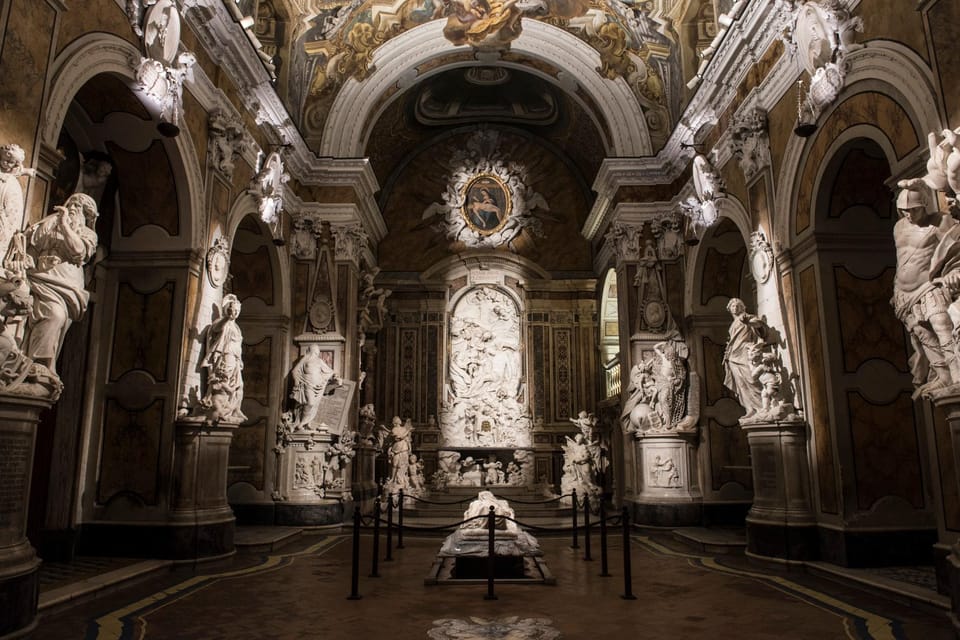
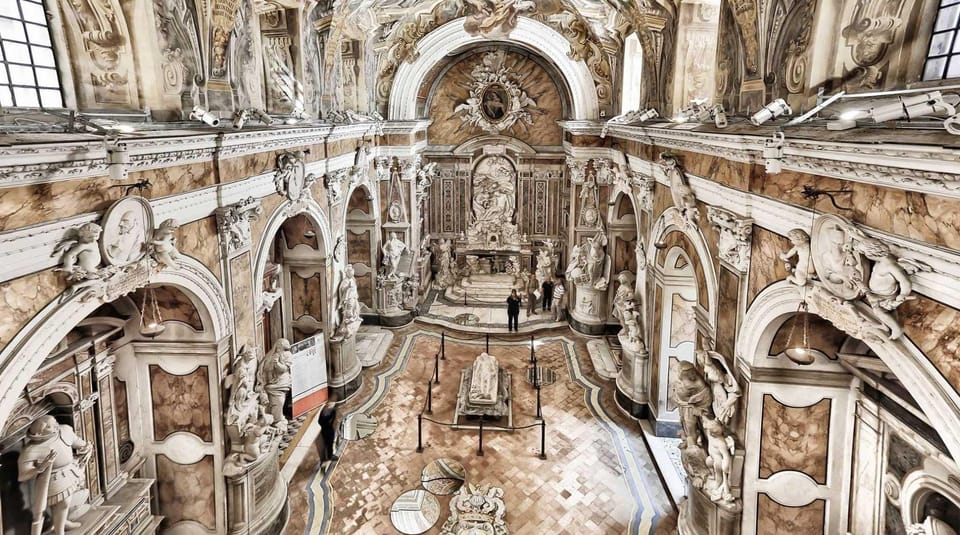
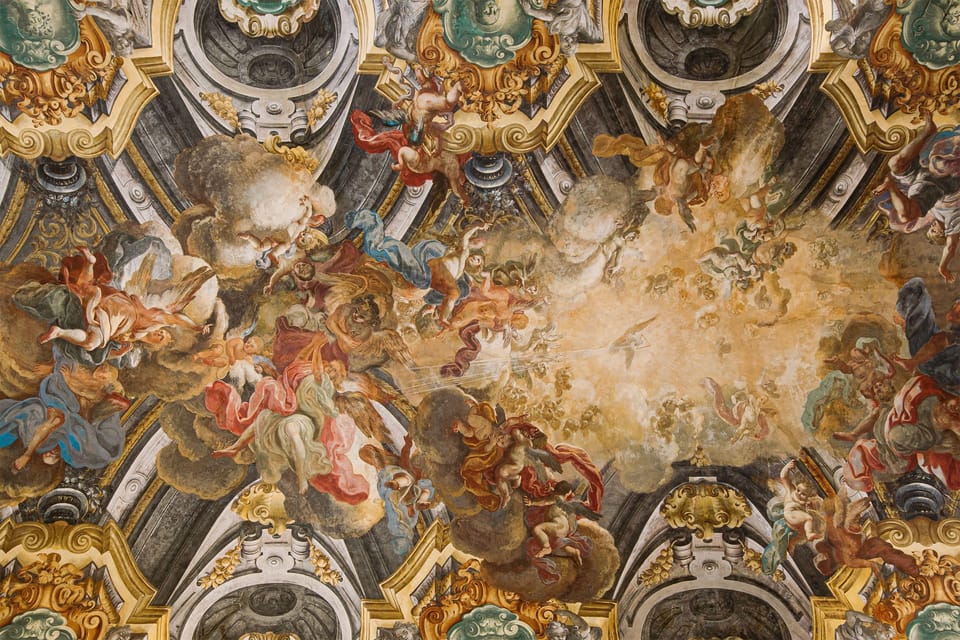
The Cappella Sansevero is one of those places that makes you stop walking and just stare. Not because it’s huge. Because it’s weird in the best way. The chapel is packed with marble sculptures and symbolic scenes that feel designed to spark questions: How can stone look like skin? Why do these bodies and “machines” matter? And who was Prince Raimondo di Sangro, really?
The tour is built for that feeling. You’re not sent in with a map and a shrug. You get a local guide who explains what you’re seeing while you’re seeing it—timely context that helps the chapel click instead of sliding past. It also helps that this is a timed, guided format, which keeps the experience moving along at a pace that still lets you look closely.
You’ll be especially drawn to the Veiled Christ, the most famous sculpture in the chapel. The Veil isn’t just a visual trick; the storytelling around how it was made and why it became famous gives it extra weight. It’s one of those moments where the guide’s details turn “wow” into “I get why this is so unsettling and so impressive.”
You can also read our reviews of more tours and experiences in Naples.


Price and Duration: What You’re Really Paying For
At $33 per person, this isn’t a bargain-day tour, but it also isn’t overpriced for what you get: a local guide plus an entrance ticket. The value here is timing and friction removal. Sansevero entries can be limited and strictly scheduled, so the tour format helps you avoid a lot of guesswork.
The duration is listed as 35 minutes to 2.5 hours, which reflects the reality that there’s a short guided portion and then the visit runs on a timetable. One review notes that the time inside can feel limited—around 30 minutes in the chapel—so treat this like a focused sprint, not a slow Sunday browse. If you love art but also love soaking in every statue for as long as you want, you should plan your expectations around the clock.
Meeting Points in Naples: Piazza San Domenico Maggiore and Other Starts
You meet your guide at the chapel area, and the exact spot can depend on the starting option you choose. A common meet point is Piazza San Domenico Maggiore, where the guide waits in front of the Palazzo Petrucci pizzeria. Other options listed include Duomo di Santa Maria Assunta and Piazza Cardinale Sisto Riario Sforza.
Why this matters: if you’re used to “touring” by wandering until you find something, this isn’t that kind of experience. The whole day runs on punctuality because entries are timed. Also, one experience report flagged that the meet point and timing weren’t as clear as expected, which is a polite way of saying: don’t arrive at the minute and hope for the best. Give yourself extra buffer time so you’re not stress-hunting for a guide in a busy square.
If you’re thinking of combining this with other nearby stops, place it early or mid-morning if you can. That keeps the rest of Naples from feeling rushed.
Step Into the Chapel: What the Guided Walk Actually Looks Like
Once you’re at the entrance, the tour is straightforward: you meet, you get in, and you move through the chapel with a guide speaking in Italian, French, or English (depending on the tour you book). The group size can affect how much you hear, but the main point is that this is an ordered route designed to get you to the highest-impact works first.
The guided portion is short—think 35 minutes classically—so the guide has to be efficient. And that’s where the best guides shine. They don’t just recite facts. They point you to specific details you’d otherwise miss: how the sculptures are posed, what certain figures symbolize, and how the Prince’s reputation ties these works together.
Also, you should know there’s a no-photography rule inside. So instead of filming everything, focus on looking. If you’re the type who likes to revisit later, consider taking notes on your phone’s notepad as you go. It’s not a substitute, but it keeps the experience from turning into a blur.
The Veiled Christ: Why This Tour Helps More Than Self-Entry
The Veiled Christ is the centerpiece, and it’s famous for a reason. Up close, it has that eerie “impossible” quality—like fabric and skin are doing a job marble shouldn’t be able to do. A guided explanation turns that feeling into something more grounded. You’re not only seeing the effect; you’re hearing the theories, myths, and context that made the sculpture legendary.
What I like about the tour approach is that it doesn’t treat the Veiled Christ like a one-minute photo moment. Guides tend to slow you down at key visual points so you can actually interpret what you’re seeing. One of the most repeated review themes is how guides kept adding details while walking and standing in line. That matters: the chapel is tight, and the line time can be a dead moment if you’re not told what you’re about to see.
If you do go, be ready for the possibility of crowding. A crowded chapel is still worth it, but it changes the experience. You’ll want to keep your eyes up and patient. The guide is the difference between “I saw it” and “I understood it.”


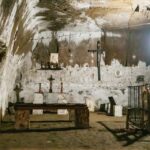

Anatomical Machines and Prince Raimondo di Sangro’s Strange Reputation
One of the tour’s real strengths is that it connects the art to the larger story: Prince Raimondo di Sangro, described in the tour material as an eccentric genius behind the works. This isn’t just gossip. The chapel’s themes lean hard into science, invention, and belief systems that overlap in surprising ways.
The “Anatomical Machines” are a big part of that. Even if you know the chapel by reputation, you can easily miss what these elements mean without explanation. On this tour, the guide ties the “machines” to the broader symbolism in the chapel—how Prince di Sangro’s interests shaped what you see, and how the chapel functions like a coded message in stone.
In plain terms: if you like when a museum gives you a story you can hold onto, this is the part that pays off. Without it, you might see impressive sculptures. With it, you’ll start seeing an argument—about knowledge, the body, transformation, and belief.
Other Marble Highlights: Modesty and Disinganno (and the Figures That Feel Like Motion)
Sansevero isn’t only about the Veiled Christ. Guides also point out other emotional standouts, including Modesty and Disinganno (also referenced as disillusion). These works are described as astonishingly lifelike by multiple people, and that word matters. The chapel is not just “beautiful.” It’s emotional. The poses and expressions are meant to hit you, not politely pass by.
A recurring observation from visitors is how small the chapel is and how packed it feels. That makes “tour guidance” even more useful: with limited time, you don’t want to waste your attention trying to decide what matters most. The guide’s job is to steer your eyes toward the sculpture details that carry the meaning.
You may also notice other standout figures, including a statue described as the mother and sculptural scenes that look like someone is breaking free. Even if you don’t memorize every name, you’ll benefit from hearing what the guide thinks these moments represent in the Prince’s overall concept.
Timing, Noise, and the Photography Rule: The Stuff That Changes Your Experience
A few practical realities can make or break your enjoyment.
First: time inside can feel short. Even when the overall tour listing suggests a wider window, the actual chapel time is tightly scheduled. Some reports frame it as around 30 minutes inside. That’s enough for the top highlights, but it’s not enough to linger indefinitely.
Second: crowd noise can interfere with hearing. One person struggled to hear the guide in a crowded space. Others mentioned better sound with an audio device, but that isn’t guaranteed based on the information given here. If you’re sensitive to noise or hearing loss, plan to arrive rested and position yourself well when the guide speaks.
Third: no photography inside. This isn’t negotiable. If your brain is wired for capturing everything on your phone, you’ll have to switch modes to observing and remembering.
None of these are deal-breakers, but they explain why a guided visit can feel smoother. The guide helps you prioritize and keep your attention on the right things before time runs out.
Who This Tour Fits Best (and Who Might Prefer Something Else)
I think this tour is a strong match if you:
- like short, focused museum visits where the guide explains the symbolism as you walk
- are curious about how art can overlap with science and metaphysical ideas
- want a timed entry plan that reduces stress
It might be less ideal if you:
- hate small, crowded interiors
- need a very long, quiet viewing window to fully enjoy sculpture
- expect lots of photo time (because photography inside is not allowed)
If you’re traveling with teens or friends who want a “story with the art,” this works well. If you’re a solo slow-browser, you might find the timed format a little too structured.
Should You Book the Cappella Sansevero Guided Ticket Tour?
If your goal is to see the Veiled Christ and actually understand why it became such a famous obsession, I’d book this. The price is reasonable for guide + entrance, and the guide-led storytelling is the difference between admiring marble and unpacking meaning.
Also, if you want an efficient plan in Naples—where queues and timed entries can eat time—this is built for that. Just go in with the right mindset: expect a tight, timed visit, a small chapel, and a place where the guide’s explanations do a lot of the heavy lifting.
If you’re okay with crowds and you can hear the guide, you’ll likely come away feeling like you visited more than a statue. You’ll feel like you toured a designed concept—Prince Raimondo di Sangro’s world, translated into marble.
FAQ
How long is the Sansevero Chapel guided tour?
The duration is listed as 35 minutes to 2.5 hours, depending on the starting time option.
Where do I meet the guide?
One meeting point option is Piazza San Domenico Maggiore, in front of the Palazzo Petrucci pizzeria. Other starting options include Duomo di Santa Maria Assunta and Piazza Cardinale Sisto Riario Sforza. The meeting point may vary by option booked.
Is the entrance ticket included?
Yes. Entrance ticket is included along with the local guide and guided tour.
Can I take photos inside the chapel?
No. Photography inside is not allowed.
What languages are available for the live guide?
Live tours are offered in Italian, French, and English.
Is the tour wheelchair accessible?
Yes. The tour is listed as wheelchair accessible.
What’s the cancellation policy?
There is free cancellation up to 24 hours in advance for a full refund.
Do I have to pay immediately to reserve?
No. You can reserve and pay later, keeping travel plans flexible.