REVIEW · NAPLES
Naples: Catacombs of San Gennaro Entry Ticket & Guided Tour
Book on GetYourGuide →Operated by Catacombe di Napoli · Bookable on GetYourGuide
San Gennaro’s story lives under Naples. This guided visit takes you into underground chambers where faith, art, and local identity overlap in some of Italy’s earliest Christian spaces.
I love the guided pace. You don’t get lost in dates; you get a clear thread from St. Agrippinus to the mosaics and paintings, all explained by guides like Nello, Antonia, Emmanuel, and Valentina. I also like that your ticket isn’t just a one-stop photo-op: it includes entry to two more sites after your tour, so you can build a fuller Naples-under-the-streets day.
One drawback to plan for: the catacombs mean stairs and walking downhill/uphill to get there and move through areas inside. If you have mobility limits, this is the part to think about first.
In This Review
- Key Things I’d Watch For
- San Gennaro Underground: Why These Catacombs Matter in Naples
- Getting to Catacombe di San Gennaro: Meeting Point, Timing, What to Expect
- Inside the Catacombs: Frescoes, Basilicas, and the Story of St. Agrippinus
- The Crypt of the Bishops and St. Quodvultdeus Mosaic
- The Upper Catacomb’s Pompeian Style: Early Christian Art You Can Actually See
- Bishop Paul II’s Baptismal Font and the 8th-Century Refuge Story
- Byzantine Paintings (9th–10th Century) and How the Styles Shift
- Your Bonus Pass: San Gaudioso and Basilica di Santa Maria della Sanità
- Photo Rules and Tour Atmosphere: What Guides Like Nello Do Right
- Price and Value: Is $15 Worth It?
- Who Should Book This (and Who Might Reconsider)
- Should You Book This Tour?
- FAQ
- Are catacombs tours suitable for kids?
- How long is the guided tour?
- Where do I meet the group?
- What time does the ticket office open?
- When do I need to arrive for my time slot?
- Does the ticket cover more than one site?
- Are photos allowed inside the catacombs?
Key Things I’d Watch For
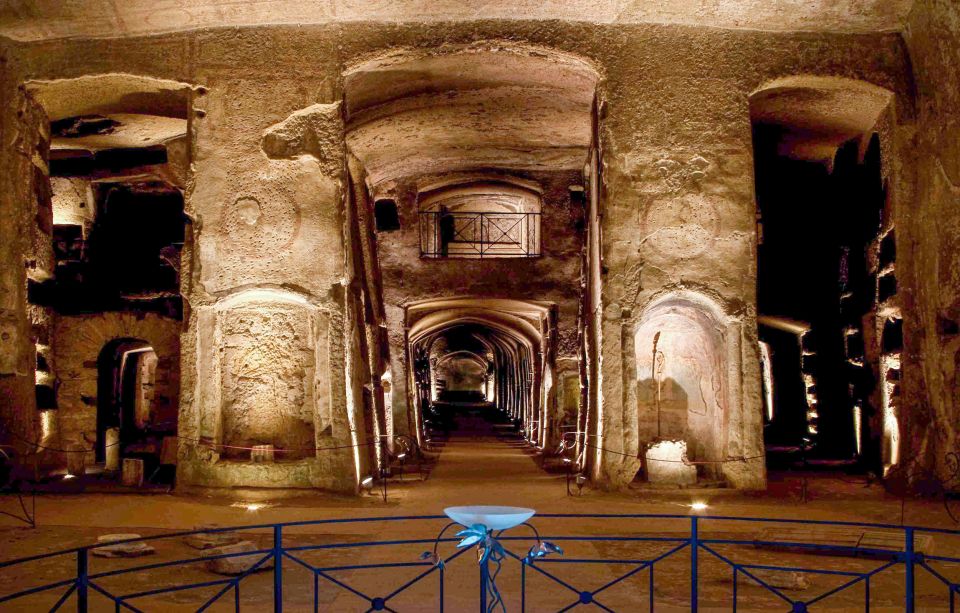
- Breathtaking underground basilicas and centuries-old frescoes, including 9th–10th century Byzantine-style paintings
- The Crypt of the Bishops and its 5th-century mosaics, including St. Quodvultdeus of Carthage
- A baptismal font tied to Bishop Paul II, linked to the 8th century and iconoclastic struggles
- Pompeian-style decoration in the upper catacomb (from the 3rd century) with some of the earliest Christian paintings
- Your ticket includes bonus access to Catacombs of San Gaudioso and the Basilica di Santa Maria della Sanità later
- Photo rules inside can be frustrating, since photography/video isn’t allowed
San Gennaro Underground: Why These Catacombs Matter in Naples
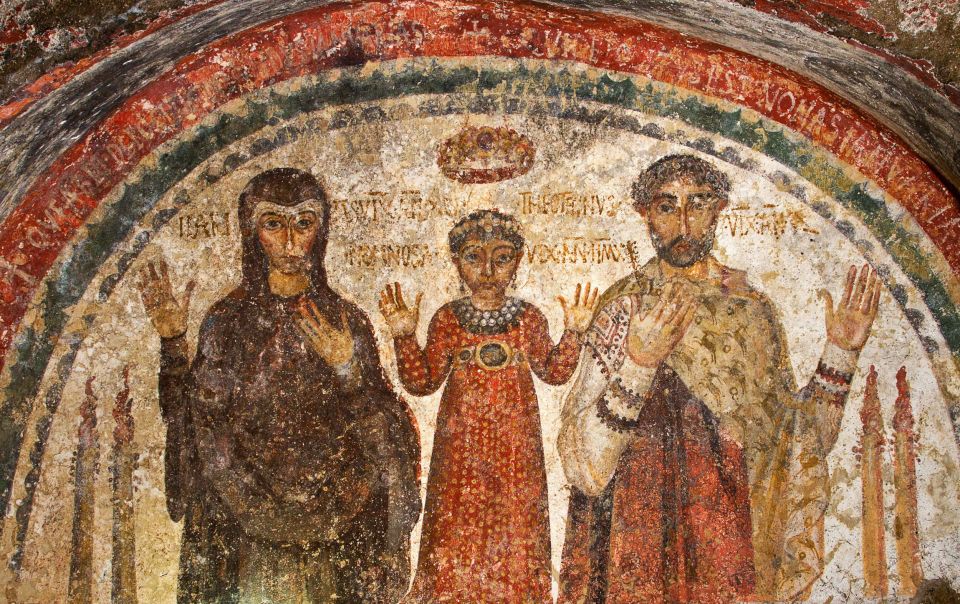
Naples has a talent for showing you history that didn’t just happen on a monument—it happened under your feet. The Catacombs of San Gennaro are centered on a simple, powerful idea: the city’s faith isn’t separate from its daily life. It’s built into the street level and down below it too.
What you’ll be seeing isn’t just “old tunnels.” This is a living timeline of early Christianity in Campania. The site expanded after the remains of St. Agrippinus were transferred to an underground basilica dedicated to him, and the walls preserve layers of devotion across centuries. That makes the visit feel less like a history lecture and more like following a thread of belief through changing art styles and political shocks.
You can also read our reviews of more tours and experiences in Naples.


Getting to Catacombe di San Gennaro: Meeting Point, Timing, What to Expect
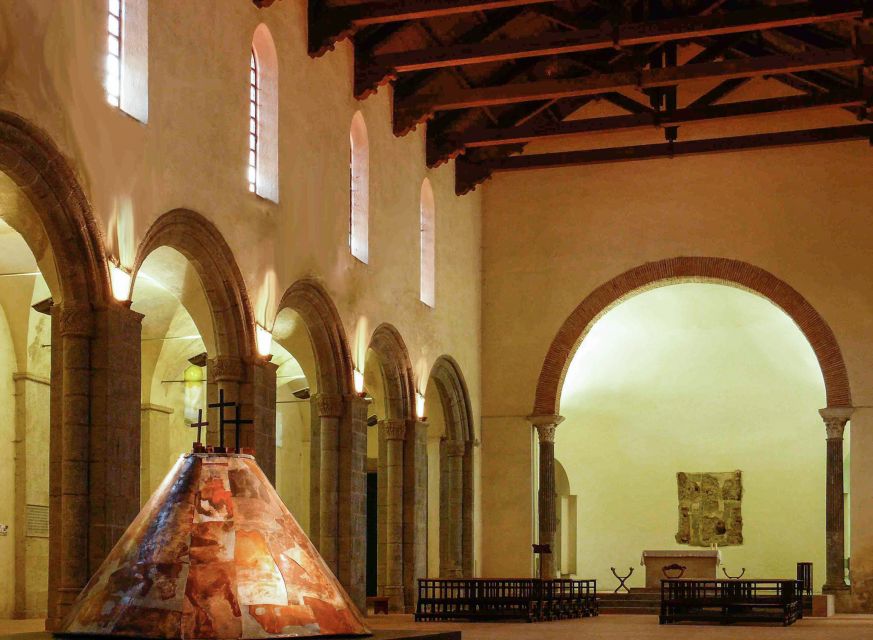
Start at reception at the Catacombs of San Gennaro, Via Capodimonte 13, 80136 Naples. The ticket office opens at 9:30 AM, and you need to arrive 15 minutes before your booked time. If you show up late, you don’t just miss a quick check-in—you can lose your spot and possibly affect any subsequent visits tied to your ticket.
Duration is listed as 45 minutes, and the guided portion is typically run at about 50 minutes. Either way, it’s a focused tour that’s long enough to make the story connect, but short enough that you won’t feel trapped underground all day.
What I’d plan for in advance: you’re going to move through a real site with real steps. Many people are surprised by the walking and stairs. If you’re traveling with anyone who needs step-free routes, it’s worth thinking twice here.
Inside the Catacombs: Frescoes, Basilicas, and the Story of St. Agrippinus
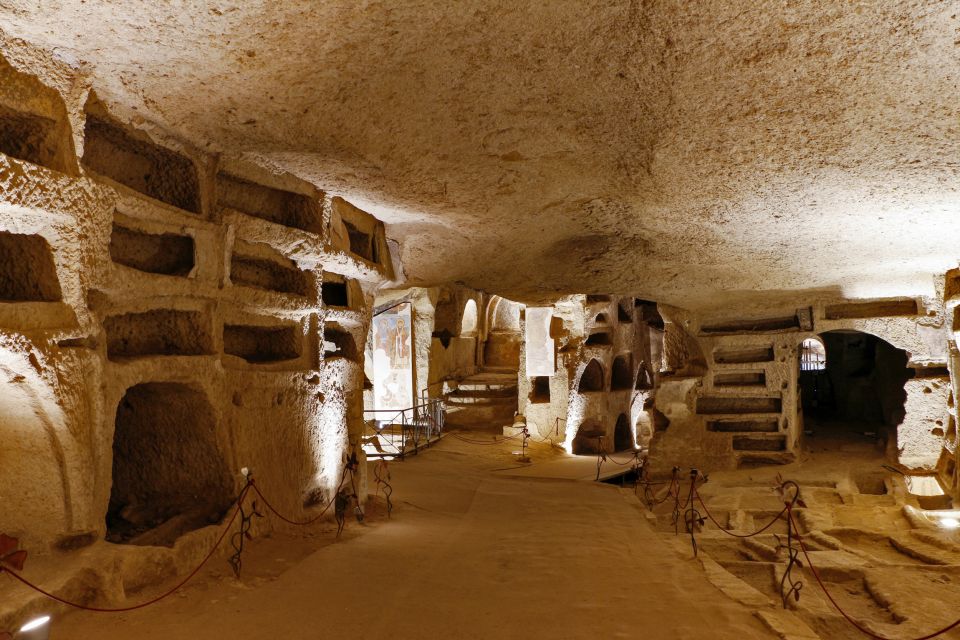
Once you’re in, the “wow” hits quickly: grand underground basilicas and decorated spaces that don’t feel cramped once the tour starts making sense. The core story revolves around Naples’ patron saint and how the city’s underground spaces developed into sites of memory and worship.
A big reason this tour works is that the guide ties art to events. For example, you’ll hear about the 4th-century expansion after St. Agrippinus’ remains were moved to the underground basilica dedicated to him. That matters because it explains why these spaces don’t look uniform. They grew, changed, and layered over time as the community’s needs and beliefs evolved.
You’ll also be looking at artwork that’s far older than most cathedral decoration you’ll see above ground. The tour emphasizes frescos and paintings more than 1,000 years old, and you’ll encounter scenes and styles that reflect shifting eras of Christian art in Italy.
The Crypt of the Bishops and St. Quodvultdeus Mosaic
One of the strongest stops is the Crypt of the Bishops. This is where the underground feels especially intentional—less like practical burial space and more like a protected stage for rank, memory, and religious continuity.
The highlight here is the 5th-century mosaics, including a mosaic depicting St. Quodvultdeus, the Bishop of Carthage. It’s the kind of detail you’ll remember later when you’re walking through Naples’ big churches and realizing how much of their visual language grew from earlier foundations.
This is also a good place to pay attention to the guide’s explanation style. Guides like Nello often keep things lively, and that matters in places like this, where you’re staring at small visual clues while also trying to track big timelines. When the pacing works, you don’t feel buried under facts—you feel like you’re being shown how to read the walls.
The Upper Catacomb’s Pompeian Style: Early Christian Art You Can Actually See
Another standout is the upper catacomb area, described as decorated in the 3rd century in the so-called Pompeian style. That name matters because it signals a visual connection to the wider Roman world even as Christian imagery was finding its voice.
This is where “earliest Christian paintings” stops being a vague claim. Instead, you’re standing in a space where the art looks old in a very particular way: not just faded, but stylistically anchored in the world that came before.
If you care about how religious art slowly shifts from private signals to public language, you’ll likely enjoy this section most. It’s not only about what the figures are—it’s about how the walls were designed to communicate meaning.





Bishop Paul II’s Baptismal Font and the 8th-Century Refuge Story
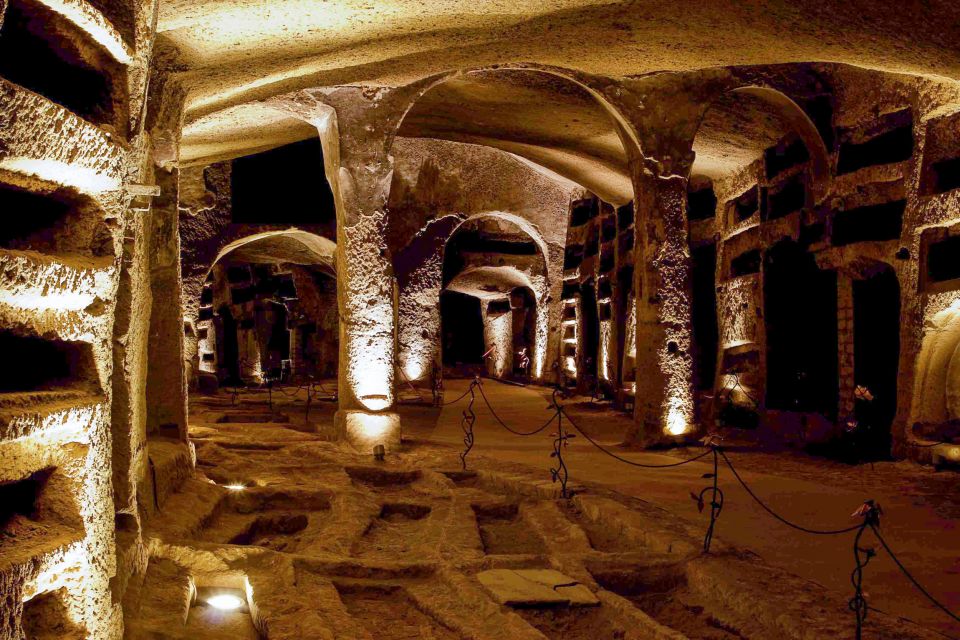
The tour also points out a baptismal font commissioned by Bishop Paul II. The story attached to it is one of those details that turns a static object into something human: Bishop Paul II took refuge in the catacombs during iconoclastic struggles in the 8th century.
That context makes the site feel more lived-in than you might expect. Even if you’re not a religious history specialist, you can connect the dots: this wasn’t only a place for quiet burial. It could become shelter, meeting place, and a safe route to continue religious practice during conflict.
Keep your eyes open for how the guide frames the font and connects it to the broader timeline. Good tours don’t just list objects—they show you why these particular items mattered to the people using them.
Byzantine Paintings (9th–10th Century) and How the Styles Shift
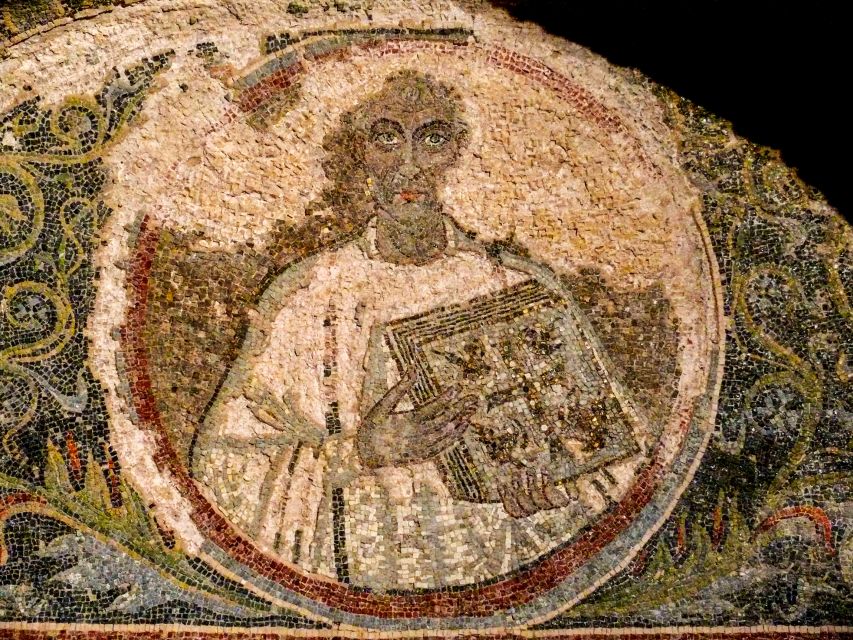
The catacombs don’t stay in one artistic mode. You’ll also see Byzantine paintings from the 9th to 10th centuries. That time range is a clue that you’re looking at changes in technique, symbolism, and how figures are presented.
What I like about tours that include multiple eras is that you stop treating the walls like wallpaper. You start noticing transitions—what looks more Roman-influenced versus what looks more Byzantine. It’s the kind of shift that can make later stops in Naples more rewarding, because you’ll start spotting patterns instead of just seeing “pretty churches.”
Your Bonus Pass: San Gaudioso and Basilica di Santa Maria della Sanità
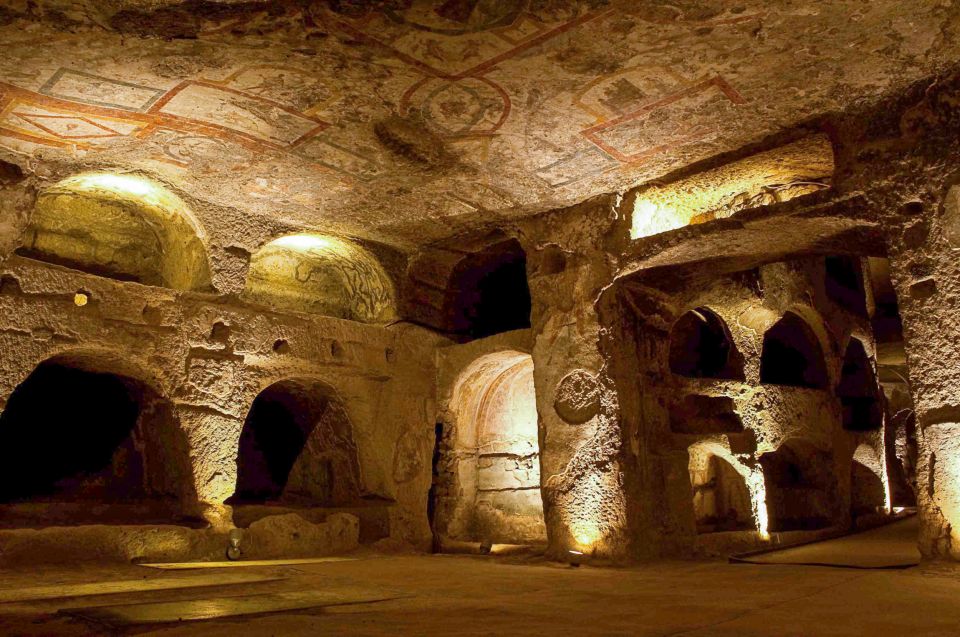
The ticket isn’t limited to the main catacombs. After your guided visit, you receive an entry pass that lets you explore Catacombs of San Gaudioso and the Basilica di Santa Maria della Sanità later. The pass is valid for 12 months.
This matters for real-world scheduling. You can do the guided San Gennaro tour first, then come back later when your legs and attention level are better. Or, if your day is built around Naples’ historic underlayers, it gives you the chance to connect neighborhoods and religious sites into one coherent theme.
Also, it’s a practical value upgrade. Spending time underground is different from sightseeing above ground. The second visit helps you compare styles and layout and makes the first tour stick in your mind.
Photo Rules and Tour Atmosphere: What Guides Like Nello Do Right
A lot of people love the guides here, and you can feel the difference between a tour that lists facts and one that builds comprehension. Multiple guides are mentioned by name—Nello, Antonia, Emmanuel, Valentina, Serena, Antonio, and Claudia—and the common pattern is a friendly welcome, solid English, and explanations delivered with a touch of humor.
That humor isn’t random. It helps you relax in a setting that can feel solemn. It also helps the tour stay understandable when you’re dealing with 2,000 years of religious and art history.
One practical note: photography and video aren’t allowed inside. That’s a common frustration, so if you rely on pictures, take notes instead and enjoy the moment while you’re there. You’ll still get plenty of visual payoff, just without the phone camera doing the work for you.
Price and Value: Is $15 Worth It?
At $15 per person, this tour is one of those rare buys where the price doesn’t feel like the “catacombs tax.” In a city where many historic experiences are either short, rushed, or overpriced, here you get:
- A guided visit focused on specific artworks and rooms (not just general “history talk”)
- A clear connection to Naples’ patron saint and underground development across centuries
- Bonus entry to San Gaudioso and Santa Maria della Sanità that extends the value beyond the one guided hour
The time is also reasonable. Around 45–50 minutes is long enough to learn how to look at the site, but short enough that you can keep enjoying Naples afterward—especially since the catacombs are a physically tiring experience for some people.
Who Should Book This (and Who Might Reconsider)
This tour is best for you if you like early Christian history, religious art, or you want a Naples day that goes beyond the famous surface sights. If you care about “how did these churches become what they are,” this helps you see the foundations.
You’ll also likely enjoy it if you want a guided tour that doesn’t drag. Many comments point to strong pacing and guides who make the subject clear without turning it into a sleep-inducing lecture.
It may not be your best match if mobility is a major concern. The site involves steps to descend, and the walking inside plus the route to reach the meeting area can be demanding. Even with supportive surfaces you might notice inside, it’s still not described as a step-free experience.
Should You Book This Tour?
Yes—if you want a genuinely Naples-specific underground story tied to St. Gennaro, plus bonus access to two more nearby sacred sites. The combination of strong guide storytelling, old mosaics and frescoes, and the added pass for San Gaudioso + Santa Maria della Sanità makes the $15 price feel like a smart deal.
Book it if you can arrive on time and you’re comfortable with some stairs. If you’re not, I’d prioritize other Naples highlights that don’t require as much vertical movement.
FAQ
Are catacombs tours suitable for kids?
The tour information doesn’t set an age limit, but some visitors mention it may not suit very young children because the site can be disruptive and tiring. If you’re traveling with small kids, it’s best to think carefully.
How long is the guided tour?
The experience is listed at 45 minutes, and the guided portion is described as about 50 minutes.
Where do I meet the group?
Meet at reception at the Catacombs of San Gennaro, Via Capodimonte 13, 80136 Naples.
What time does the ticket office open?
The ticket office opens at 9:30 AM.
When do I need to arrive for my time slot?
You should arrive 15 minutes before your booked time. Arriving after the tour departure time can prevent you from joining the visit.
Does the ticket cover more than one site?
Yes. Your ticket includes entry to Catacombs of San Gaudioso and the Basilica di Santa Maria della Sanità, valid for 12 months.
Are photos allowed inside the catacombs?
Photography isn’t allowed during the visit, which some people find disappointing but appears to be enforced as part of site rules.